Planning a Destination Wedding at the Resort's Oceanfront Ceremony Spaces
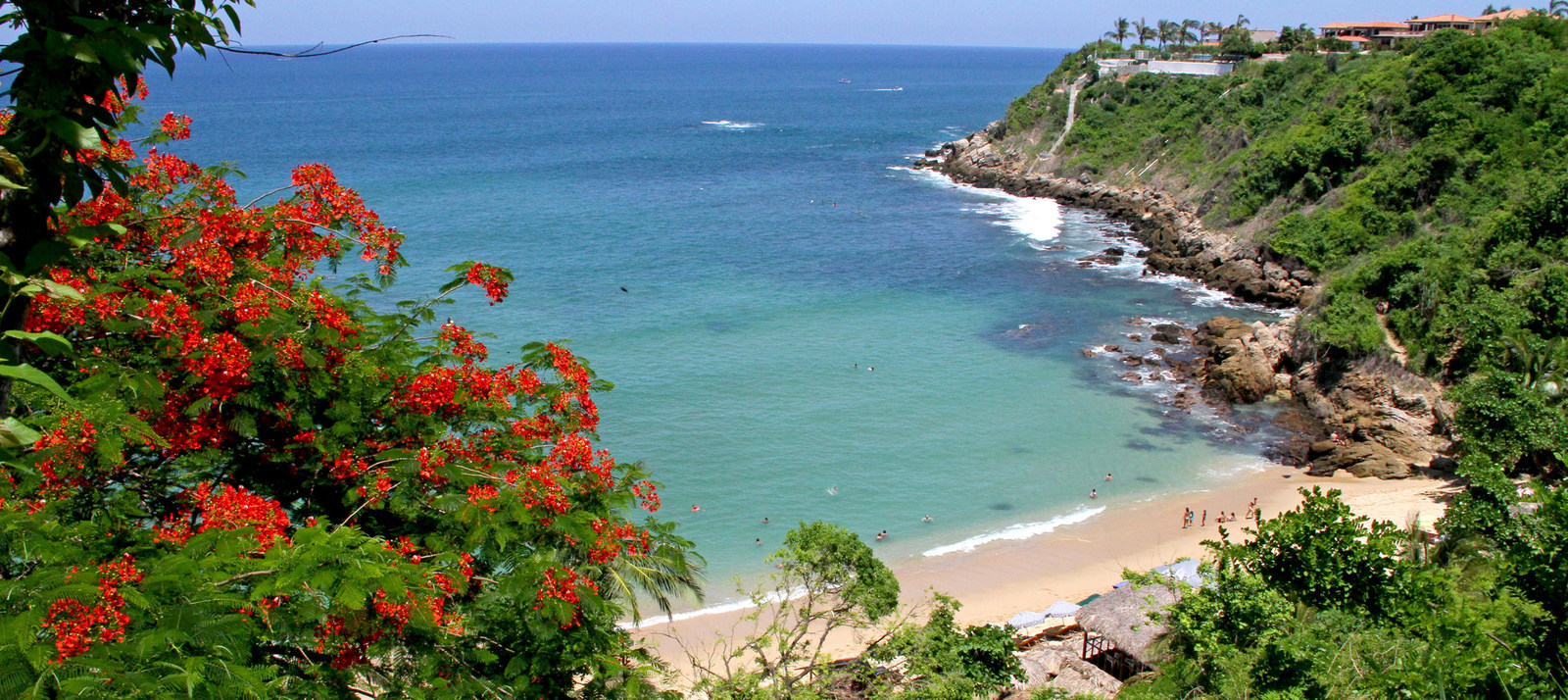
Australians have long travelled far for love. From elopements in Bali to ceremonies on the Amalfi Coast, couples from Sydney and Melbourne increasingly choose overseas settings for their nuptials, trading suburban receptions for ocean backdrops. The Mexican Pacific coast, with its reliable swells and golden light, has emerged as a favourite for couples wanting a wedding that feels both intimate and far from home. Playa Palmarito near Puerto Escondido offers the kind of wide, soft sand and relaxed pace that suits a multi-day celebration.
This guide walks through the practical layers of organising a destination wedding on the Oaxacan coast, from timing the ceremony around the regional climate to weaving Australian customs into a Mexican setting. Couples weighing up their options will find advice on travel logistics from the eastern seaboard, ceremony design, catering choices and the small legal details that make the day official.
Choosing the right time of year on the Oaxacan coast
The Pacific coast of Oaxaca runs on a rhythm that differs from the Australian calendar. The dry season stretches from roughly November into May, bringing warm days, low humidity and clear skies over Playa Palmarito. The wetter months, from June to October, see afternoon showers and the occasional tropical system, though mornings often remain sunny. For Australian couples, this rhythm works neatly against the southern hemisphere calendar: a wedding in the Australian winter months falls inside the wetter period, while a November or February ceremony lands in the driest, most predictable stretch.
Wedding seasonality in Australia peaks between September and March, when couples prefer mild evenings and long daylight. Travelling north inverts that pattern, letting families gather during the Australian summer holidays without competing with peak supplier demand at home. Many Australian groups therefore book the overseas celebration for the December-January window, combining Christmas and New Year with the wedding itself. Booking eight to twelve months ahead is common for parties of forty or more, particularly when guests are flying from Perth or Brisbane. vivo vacations handles the calendar side, mapping ceremony dates against accommodation blocks and vendor availability.
Designing the ceremony in an oceanfront setting
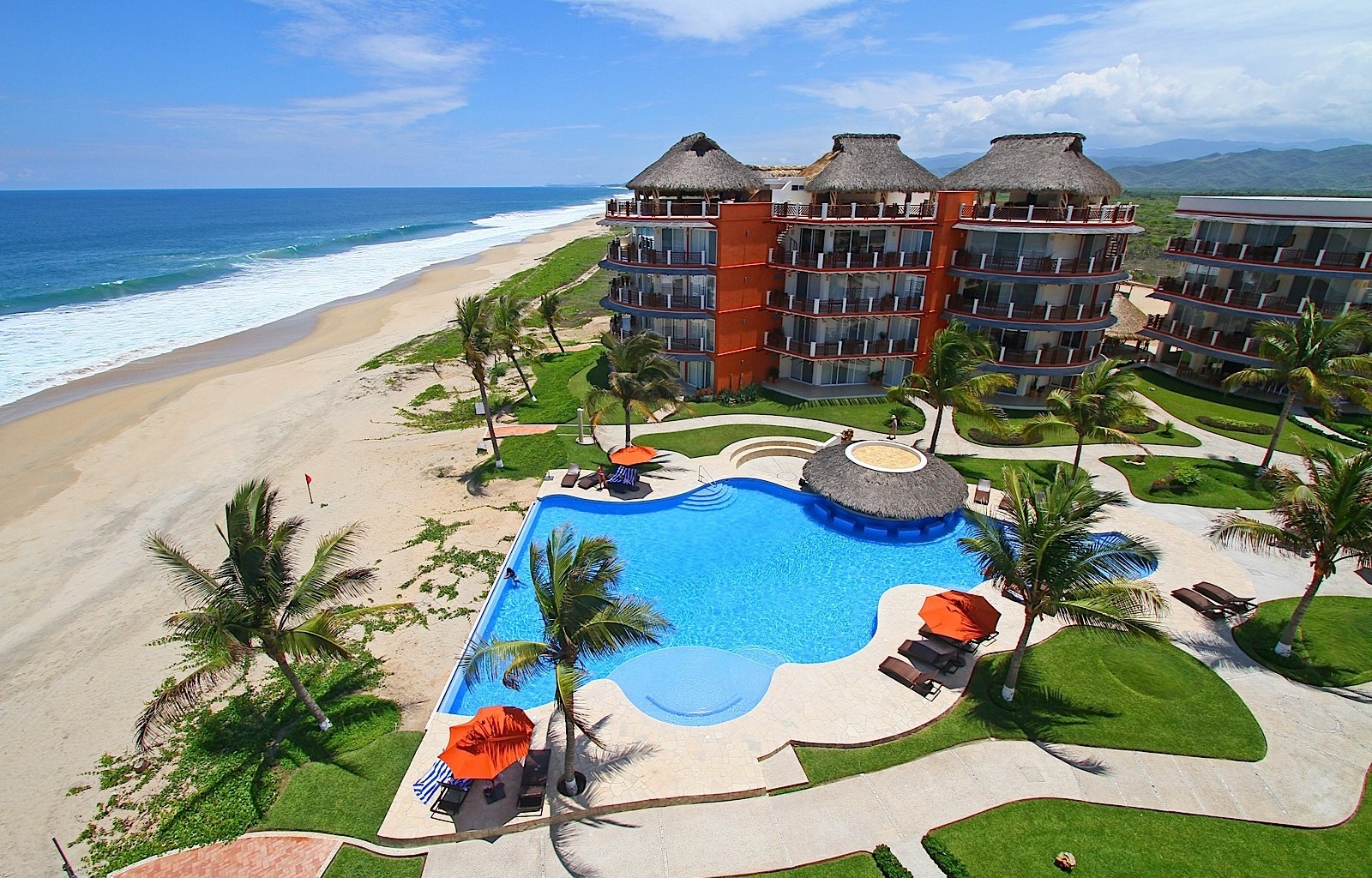
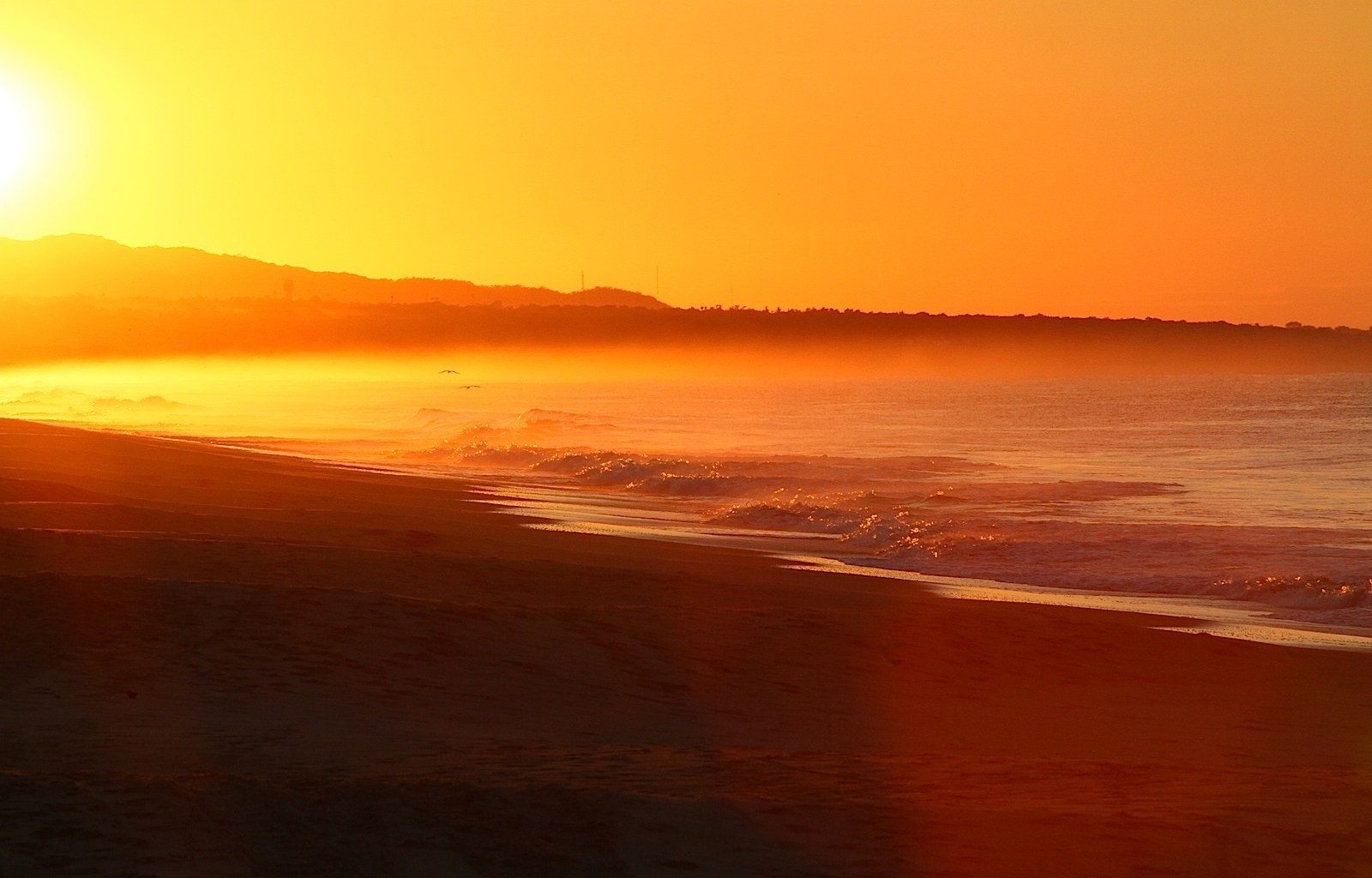
Once the date is set, the spatial design of the ceremony shapes how the day feels. An oceanfront ceremony on Playa Palmarito benefits from a few recurring formats. Some couples opt for a sunrise ceremony on the sand, exchanging vows as the first light hits the water and finishing breakfast on the terrace. Others prefer a late-afternoon exchange followed by sunset cocktails on the deck, then a seated dinner under string lighting.
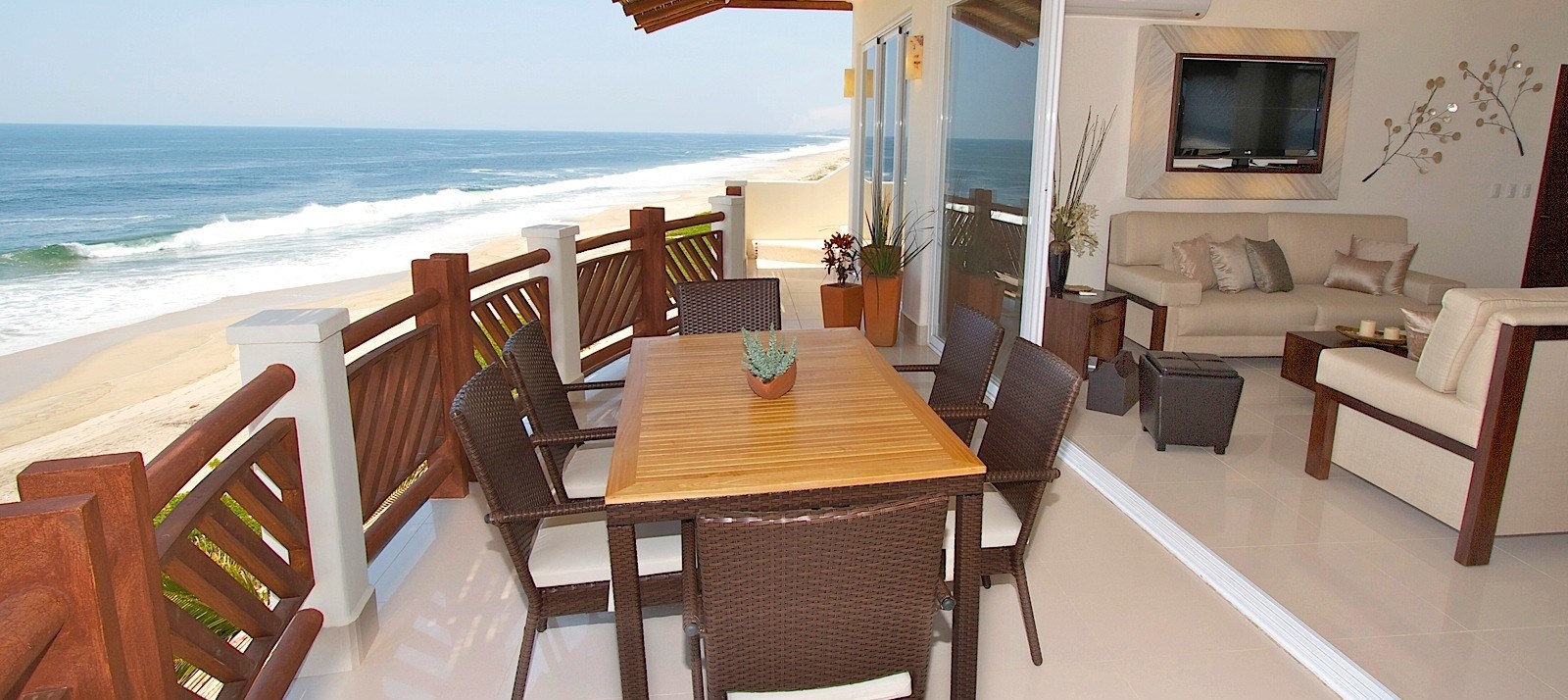
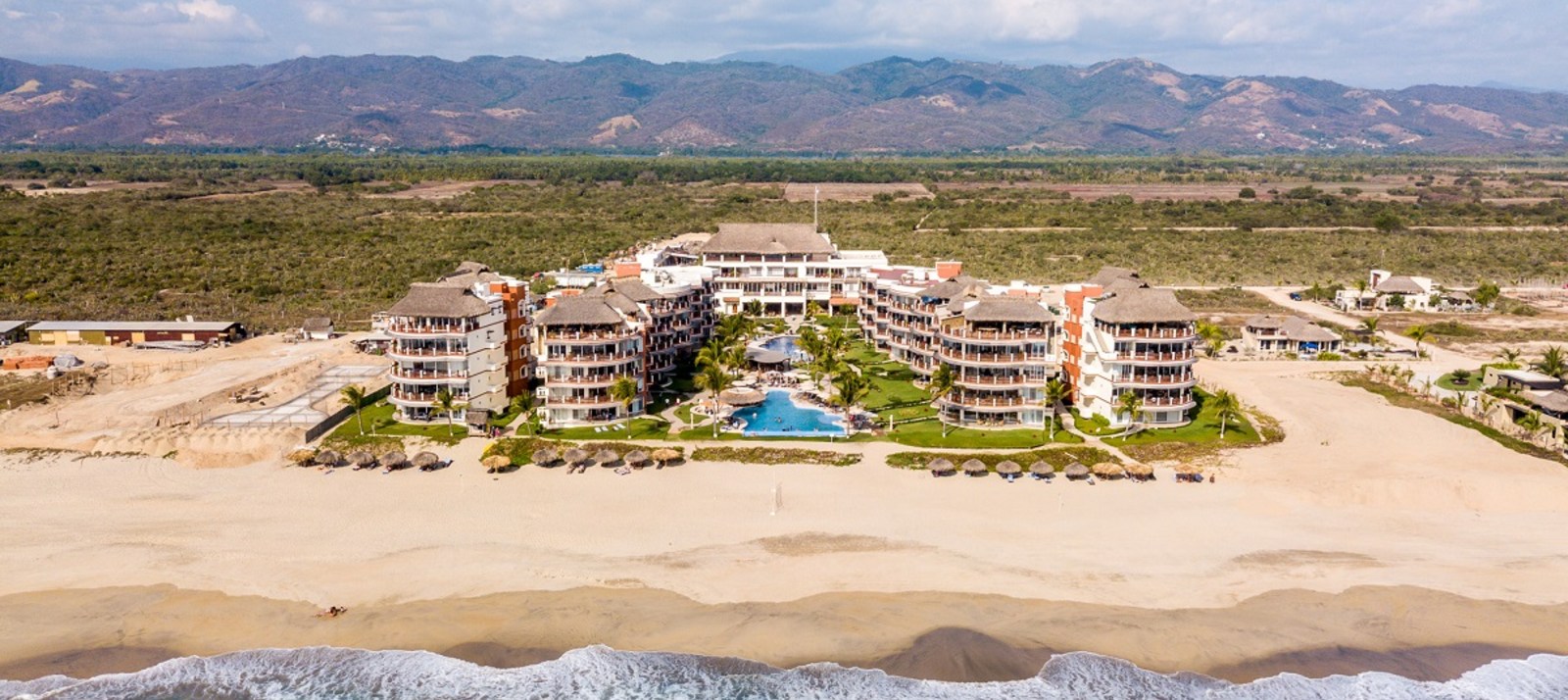
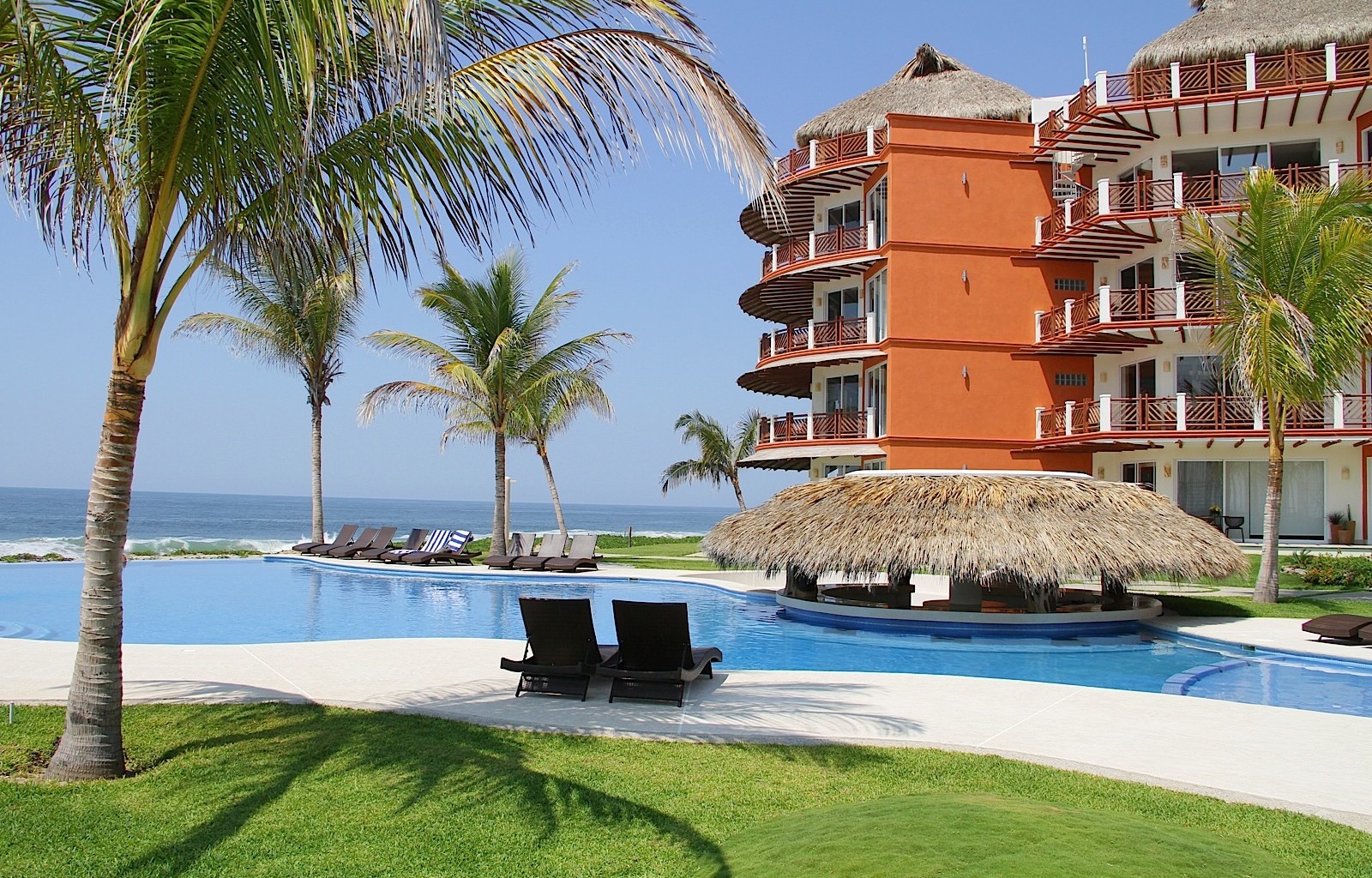
The terrain around the resort supports several ceremony footprints. Flat sand works for barefoot gatherings and large groups, while raised decks and terraces suit smaller parties who want a defined backdrop and easier seating logistics. Many couples blend approaches, holding the vows on the sand and moving guests a short walk to a terrace for the reception, keeping the formal elements close to the water without forcing elderly relatives across uneven ground. The right choice depends on guest mobility, photography priorities and how long the celebration is meant to run.
Coordinating travel from Australia to Puerto Escondido
Reaching Puerto Escondido from Australia is a two-flight journey for most couples. Travellers from Sydney or Melbourne typically fly to Mexico City, with a layover of two to four hours before a short domestic connection south. Total travel time runs around twenty-six to thirty hours door to door. From Perth, the routing often runs through Sydney or Melbourne rather than directly, adding another leg but remaining manageable for arrival a few days before the ceremony.
| Departure city | Typical routing | Approximate travel time | Notes |
|---|---|---|---|
| Sydney | Via Mexico City | Around 27 hours | Most direct option |
| Melbourne | Via Mexico City | Around 28 hours | Similar routing to Sydney |
| Brisbane | Via Mexico City or Los Angeles | Around 30 hours | Often a two-stop journey |
| Perth | Via Sydney or Melbourne | Around 34 hours | Longest leg from Australia |
Travel practicalities for the long-haul leg
- Carry on marriage paperwork, rings and a change of clothes in case of lost luggage
- Build in a recovery night in Mexico City or Oaxaca City before heading to the coast
- Book the domestic connection on the same ticket to avoid separate fares
- Pack a light layer for the air-conditioned flight and the cooler Oaxacan evenings
Australian passport holders do not need a visa for tourist stays under 180 days in Mexico, though they do need a tourist card issued on arrival or in advance. The contact the resort team can advise on documentation for the legal marriage paperwork, which in Mexico requires specific steps including blood tests and translation of documents. Most couples complete the civil paperwork in Australia before travelling, then hold the symbolic ceremony in Mexico.
Blending Australian customs with a Mexican backdrop
Australian weddings carry customs that travel well, and many couples want to keep at least a few alive overseas. The tradition of the best man and maid or matron of honour remains standard, as do toasts from the father of the bride and increasingly the mother of the bride. Some couples incorporate a unity ceremony, whether a candle lighting, a sand pour or a native planting, all of which translate naturally to a beachfront setting. Others keep the Australian custom of the bouquet toss and garter retrieval, though many overseas weddings now pair this with a first dance on the sand.
A growing number of Australian couples work in Indigenous Australian elements, from a Welcome to Country performed by an Elder via video to incorporating Aboriginal designs into stationery. Others keep it simpler, asking guests to contribute to a wishing well rather than a gift registry. The relaxed dress code common at Australian beach weddings, where linen suits and flowing dresses are standard, suits the Oaxacan climate and the resort setting without requiring a full wardrobe overhaul for guests travelling from cooler parts of Australia.
Catering, accommodation and the guest experience
The dining side of a destination wedding often shapes the lasting memory as much as the ceremony itself. Guests at the resort can move between several on-site venues, from relaxed beachfront breakfasts to more formal tasting dinners. Couples with early-rising guests, particularly those flying in from Perth who battle jet lag, often appreciate a strong breakfast offering, and the breakfast options review walks through the morning service in detail.
Worth confirming with the wedding coordinator
- Whether the menu can be tailored for vegetarian, vegan or gluten-free guests
- The bar package options and how cocktail hour is timed around photography
- Group activity options between ceremony and farewell, such as a catamaran or mezcal tasting
- Spa bookings for the wedding party on the morning of the ceremony
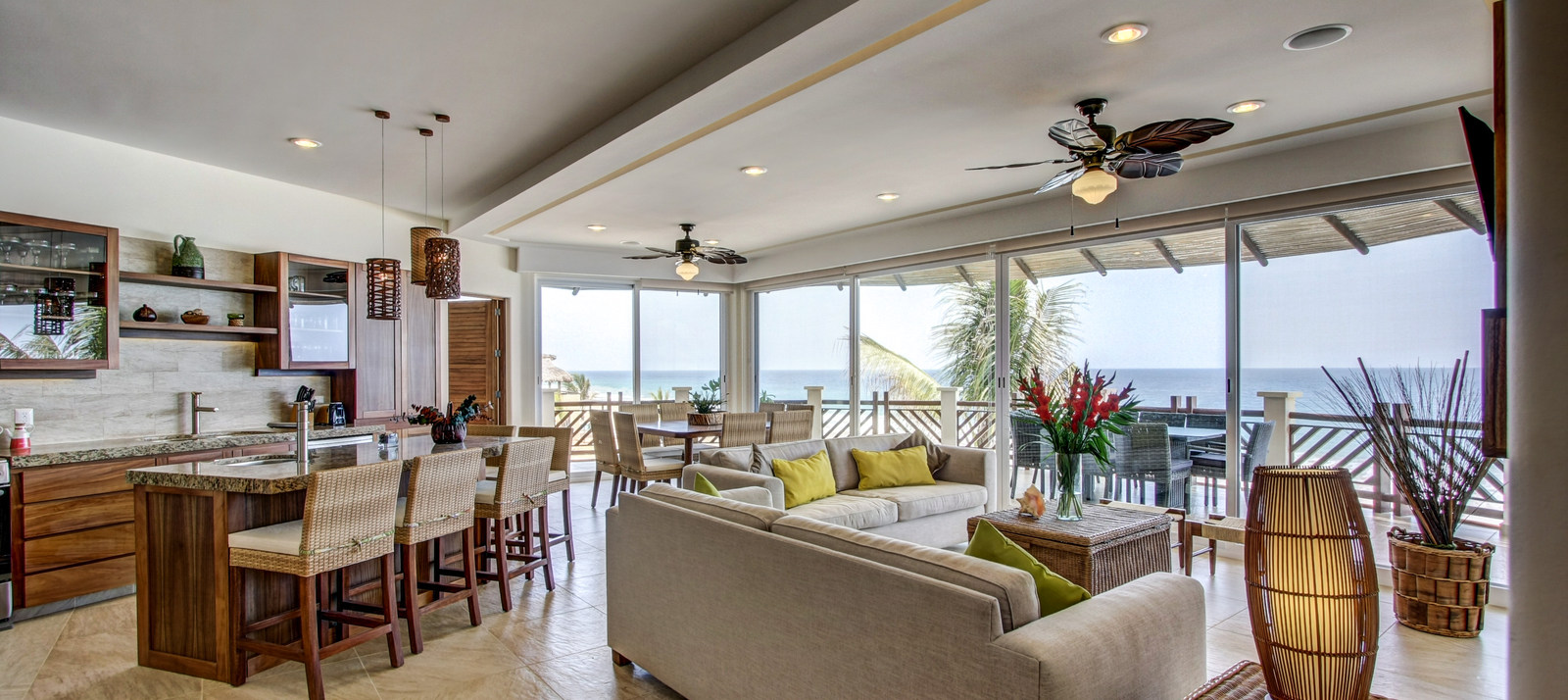
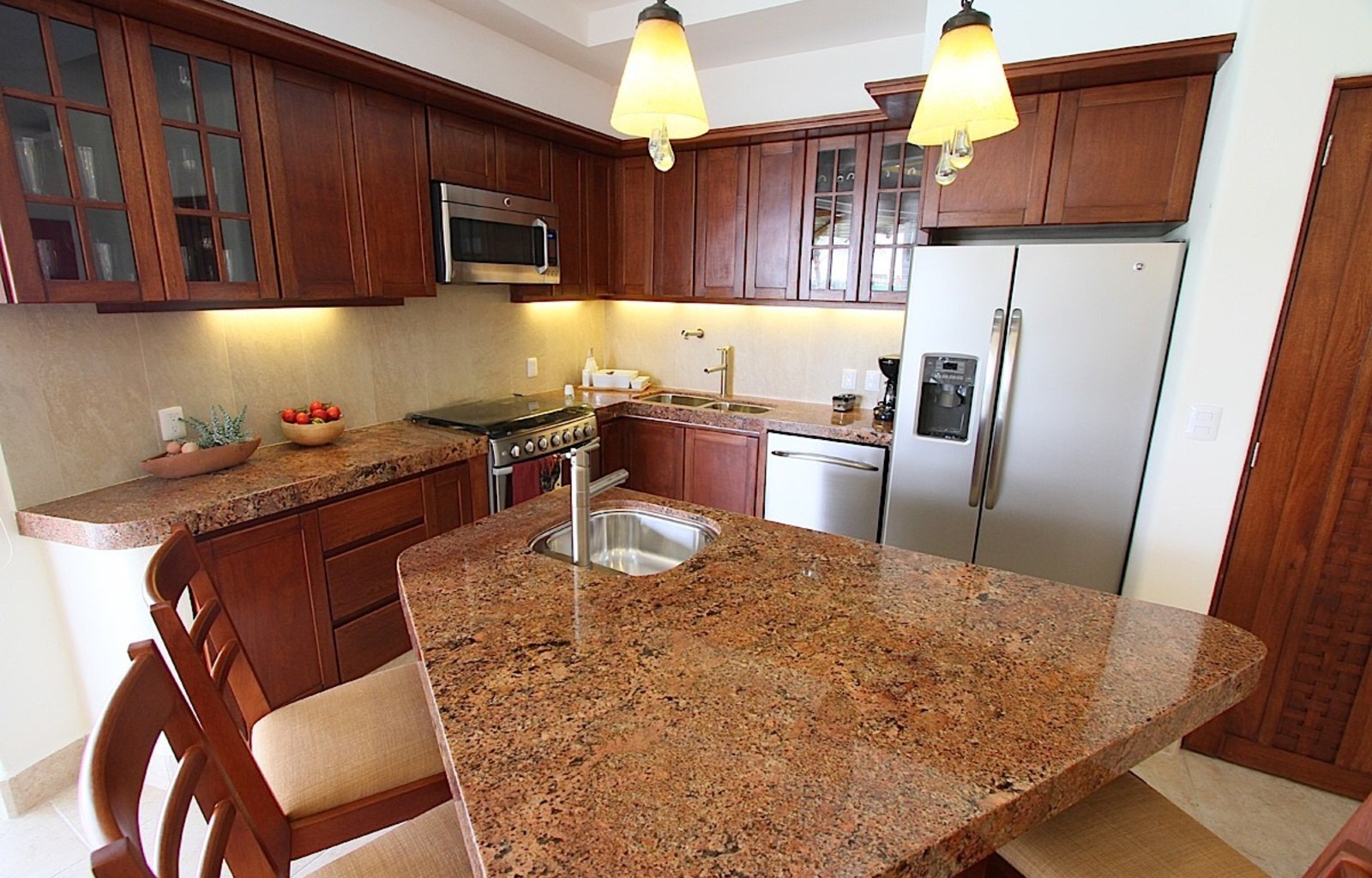
Group bookings typically include a mix of suite and villa accommodations, with the wedding couple often taking a private villa for the duration of the stay. The resort usually arranges a group activity day between the ceremony and the farewell dinner, whether a catamaran sail, a mezcal tasting in the hills behind Puerto Escondido, or a surf lesson for guests who want to try the waves that made the coastline famous.
A destination wedding on the Oaxacan coast rewards couples who think of the celebration as a three- or four-day experience rather than a single afternoon. The combination of reliable dry-season weather, a coastline that handles both barefoot ceremonies and seated dinners, and a resort setup that absorbs guests of varying ages and mobility makes the planning more straightforward than it first appears. Couples who book early, decide on the ceremony style before finalising the guest count, and lean on the resort's wedding coordinators for the paperwork and vendor side typically find the run-up far less stressful than organising a comparable event at home. What stays with you is the sound of the Pacific at the moment you say your vows, the people who flew a day to be there, and the unhurried mornings that follow.