Mexican Pesos And Tipping Customs For Australian Travellers
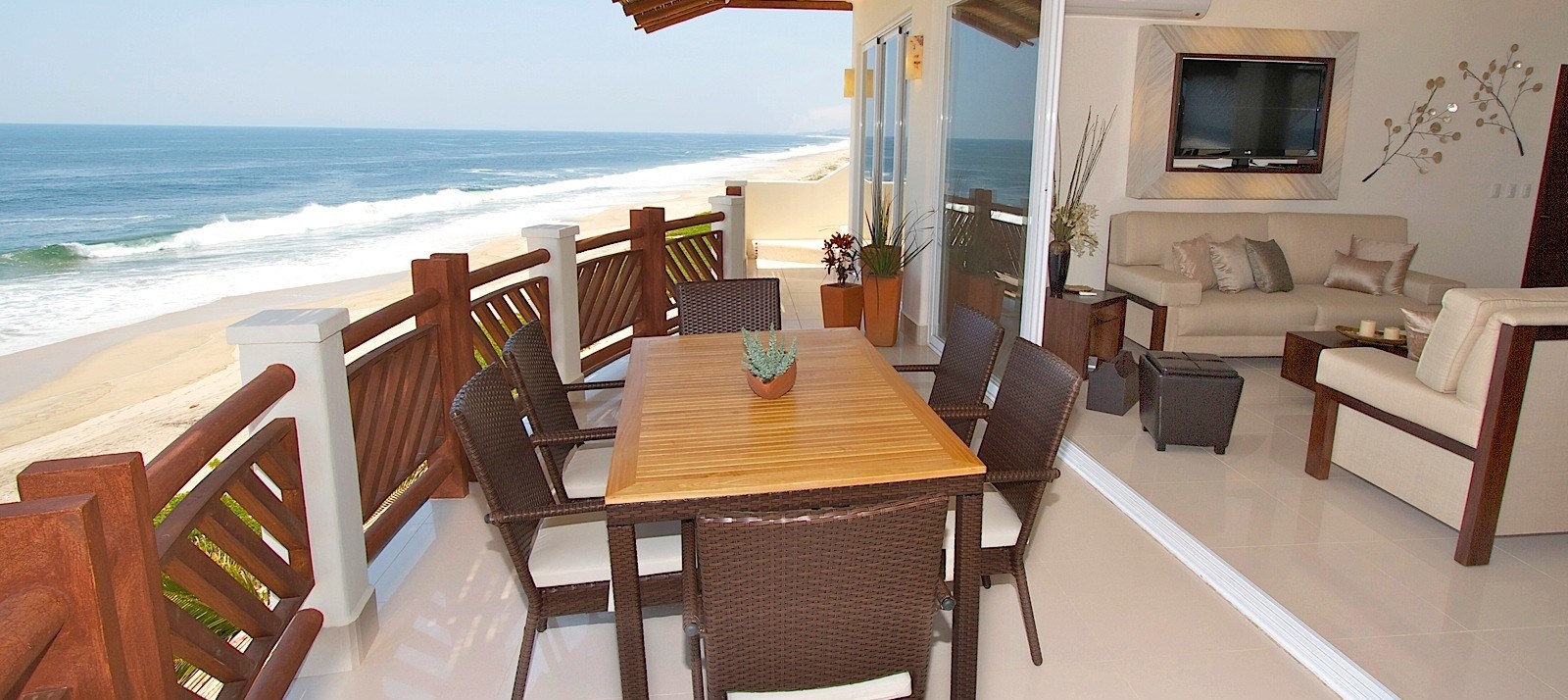
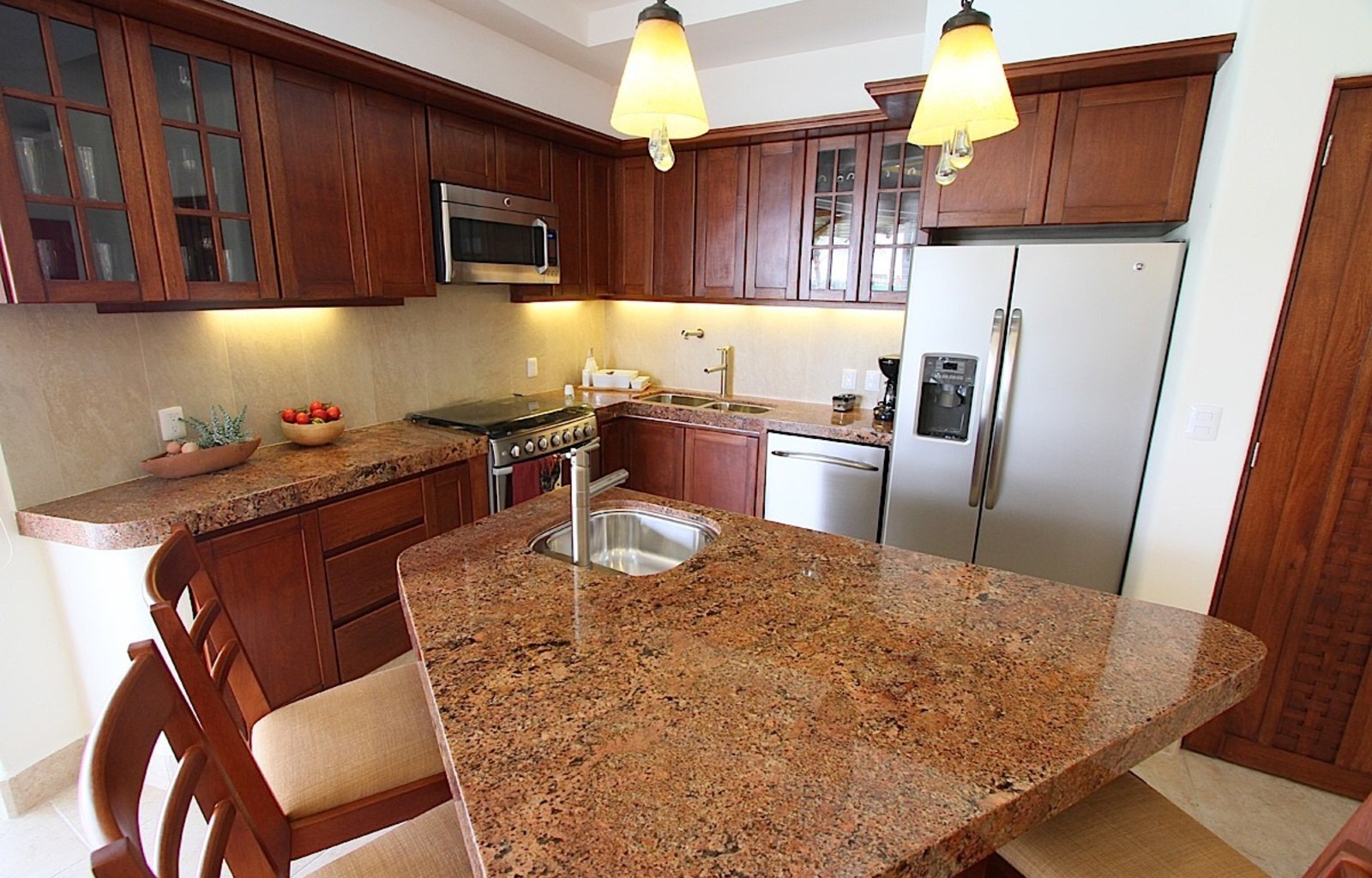
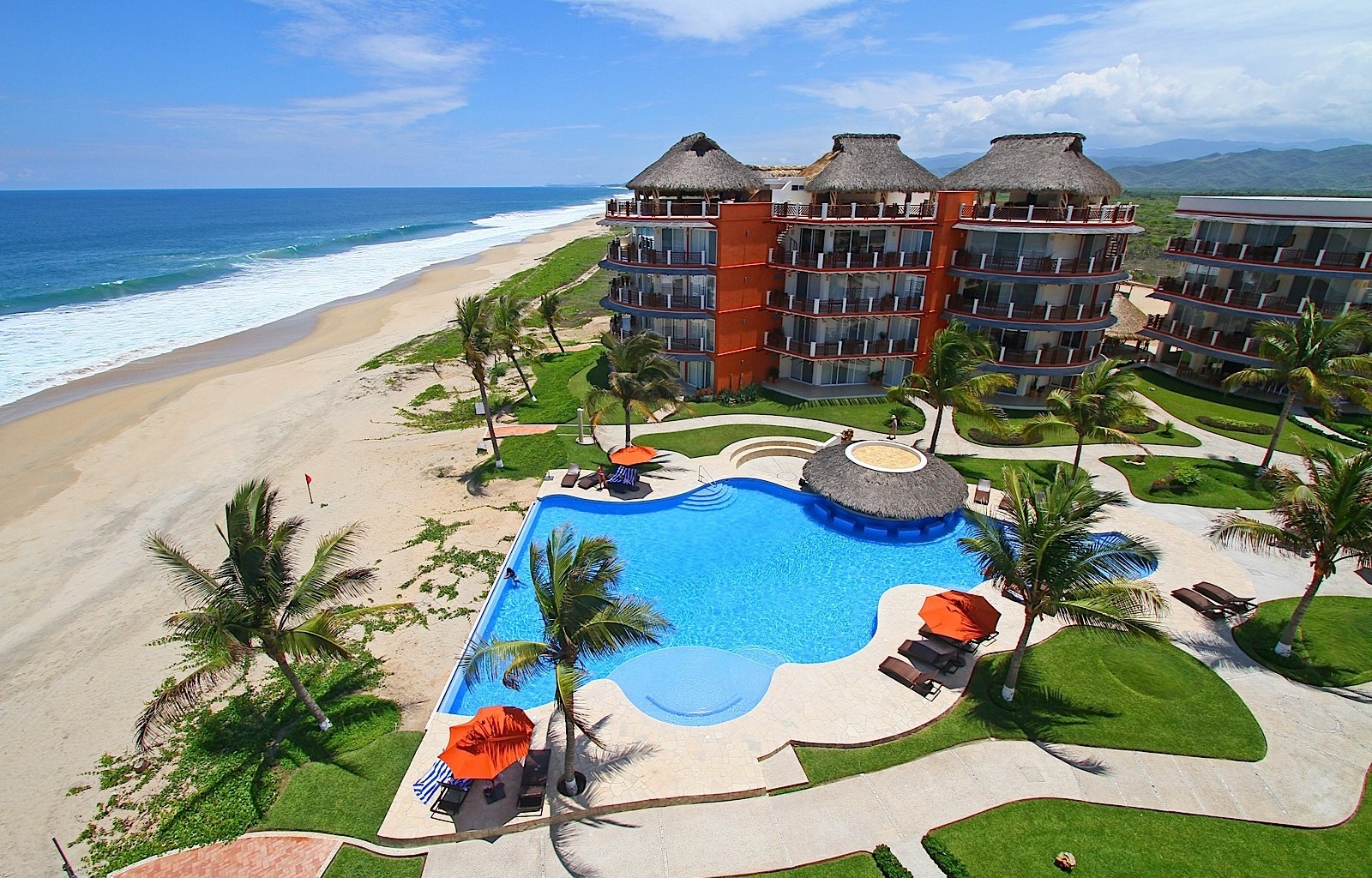
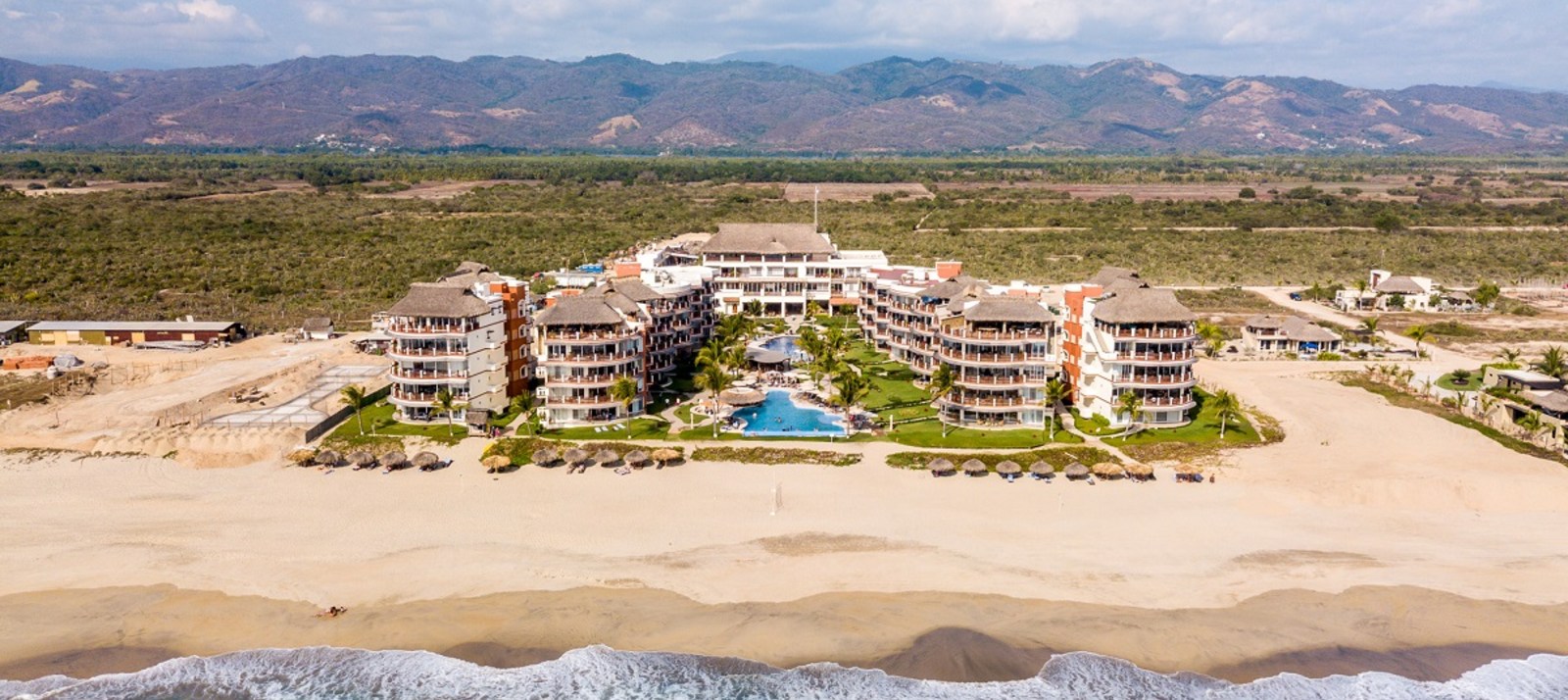
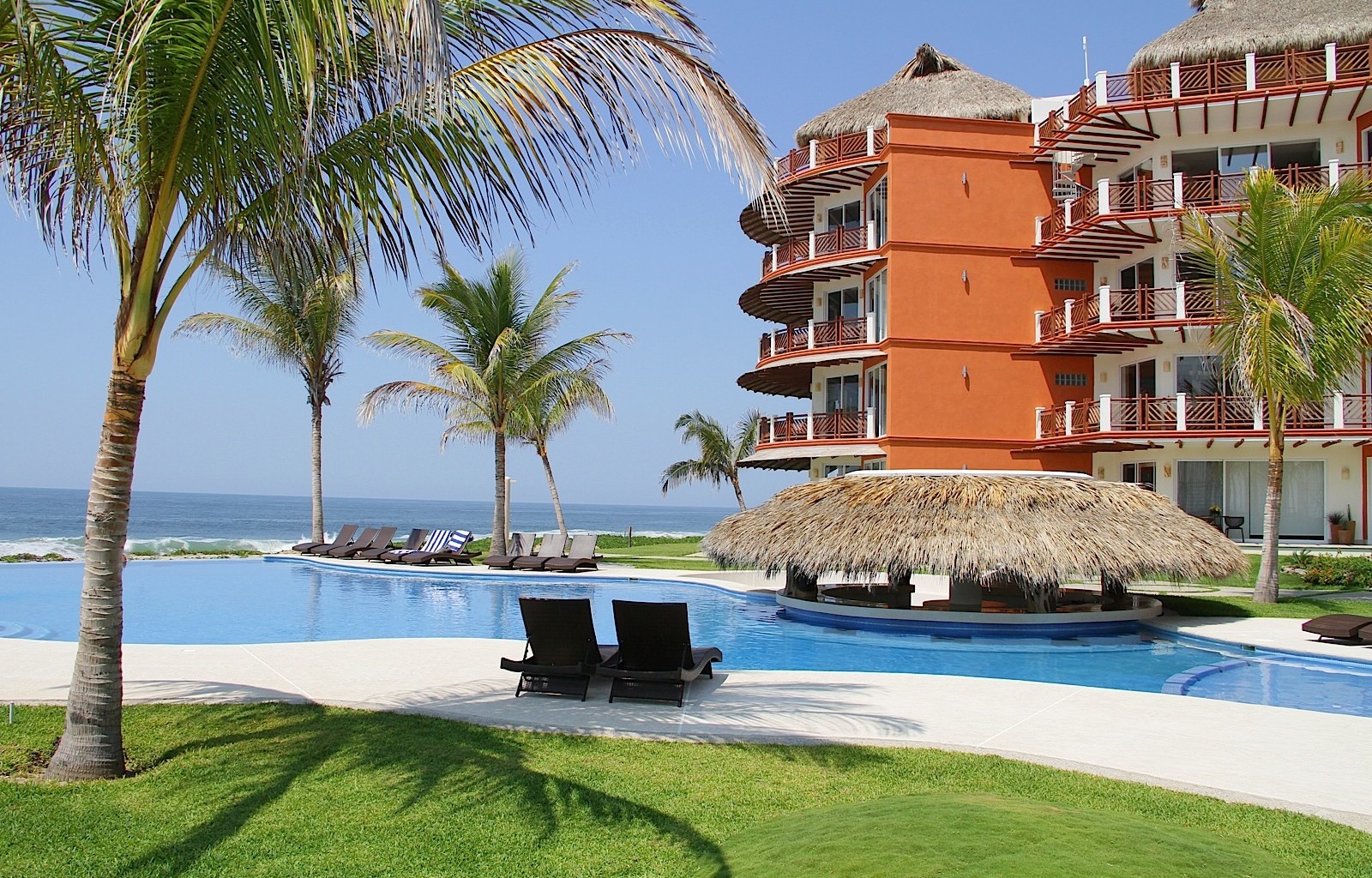
A holiday on Mexico’s Oaxaca coast is easier when you know how local prices, payment methods and gratuities work. At Vivo Resorts, near Puerto Escondido, guests can settle into spacious suites, enjoy beachfront dining and arrange outings without needing to carry a wallet full of cash everywhere.
For Australians used to tap-and-go payments, Australian dollars and generally informal service, Mexico may feel familiar in some ways and different in others. The Mexican peso is straightforward once you understand the notes, coins, exchange rates and situations where cash remains the preferred option.
Getting Comfortable With Mexican Pesos
Mexico’s currency is the Mexican peso, shown as MXN or with the dollar symbol “$”. This can cause confusion because a menu price marked “$500” means 500 pesos, not 500 US dollars. Check the currency code on booking pages, receipts and card terminals whenever a price seems unexpectedly high.
Banknotes commonly include 20, 50, 100, 200, 500 and 1,000 pesos, while coins range from small centavos to 1, 2, 5, 10 and 20 pesos. The colours and designs are distinctive, but take a moment to count change carefully, particularly when paying in a busy shop or market.
Before flying from Sydney, Melbourne or Brisbane, check the current AUD-to-MXN rate through your bank or a reliable currency app. The rate offered by an airport kiosk can be less attractive, and exchanging a large amount before arrival may leave you with more cash than you need.
Cash, Cards And Exchange Rates
Visa and Mastercard are widely accepted at established hotels, restaurants, supermarkets and tour operators. Contactless payments are increasingly common, so an Australian traveller who normally taps with a CommBank, ANZ or Westpac card will find the process familiar. Carry a physical card as a backup because phone wallets and some Australian debit cards can occasionally fail overseas.
Cash is still useful for taxis, small food stalls, beach vendors, local buses, markets and modest tips. ATMs attached to recognised Mexican banks are generally preferable to standalone machines in tourist areas. Your bank may charge an international transaction fee, while the Mexican ATM can add its own fee.
When an ATM or card terminal asks whether you want the transaction processed in Australian dollars or pesos, choose pesos in most cases. Paying in AUD uses dynamic currency conversion, which often applies a less favourable exchange rate. Decline the conversion and let your Australian bank handle the exchange, then review your account later for the final amount.
Tipping Without Guesswork
Tipping is customary in Mexico, although the amount depends on the service and setting. Restaurant staff, hotel attendants, drivers, guides and spa professionals may rely on gratuities as part of their income. A service charge may already appear on a restaurant bill, so check before adding another tip.
At an all-suite resort such as Vivo Resorts, you may encounter several people during a single stay: bell staff, housekeeping teams, servers, bartenders, drivers and activity guides. You can tip in pesos for convenience, though US dollars are sometimes accepted in tourist areas. Peso notes are usually easier for staff to use locally.
Useful gratuity guide
- Restaurants: around 10–15% for good service, unless a service charge is included
- Bars and cafés: about 10–20 pesos per drink or roughly 10–15%
- Hotel housekeeping: around 20–50 pesos per room per day
- Drivers and guides: commonly 50–100 pesos per person, depending on the trip
Situations where cash helps
- Porters carrying luggage to a suite or villa
- Spa therapists after a treatment
- Staff delivering room service
- Small local restaurants, food stands and market stalls
Australian Habits Worth Adjusting
In Australia, tipping is usually optional and many people simply round up after a meal. A “no worries” approach is common, but Mexican hospitality often involves a more visible tipping culture, especially in tourism. You do not need to tip every person you pass, yet a modest gratuity is appreciated when someone provides personal service.
Australians are also accustomed to seeing prices in AUD and paying by card almost everywhere, from a Melbourne café to a Gold Coast supermarket. In Mexico, advertised prices may exclude service charges, and smaller businesses may prefer cash. Keep a few low-denomination peso notes in a secure wallet rather than offering a large note for a small purchase.
Australian consumer protections and bank alerts can make overseas spending feel reassuringly controlled, but mobile coverage may vary during coastal excursions. Set up transaction notifications before leaving home, save your bank’s international contact number and keep one payment card separate from your everyday wallet.
Spending Around Playa Palmarito
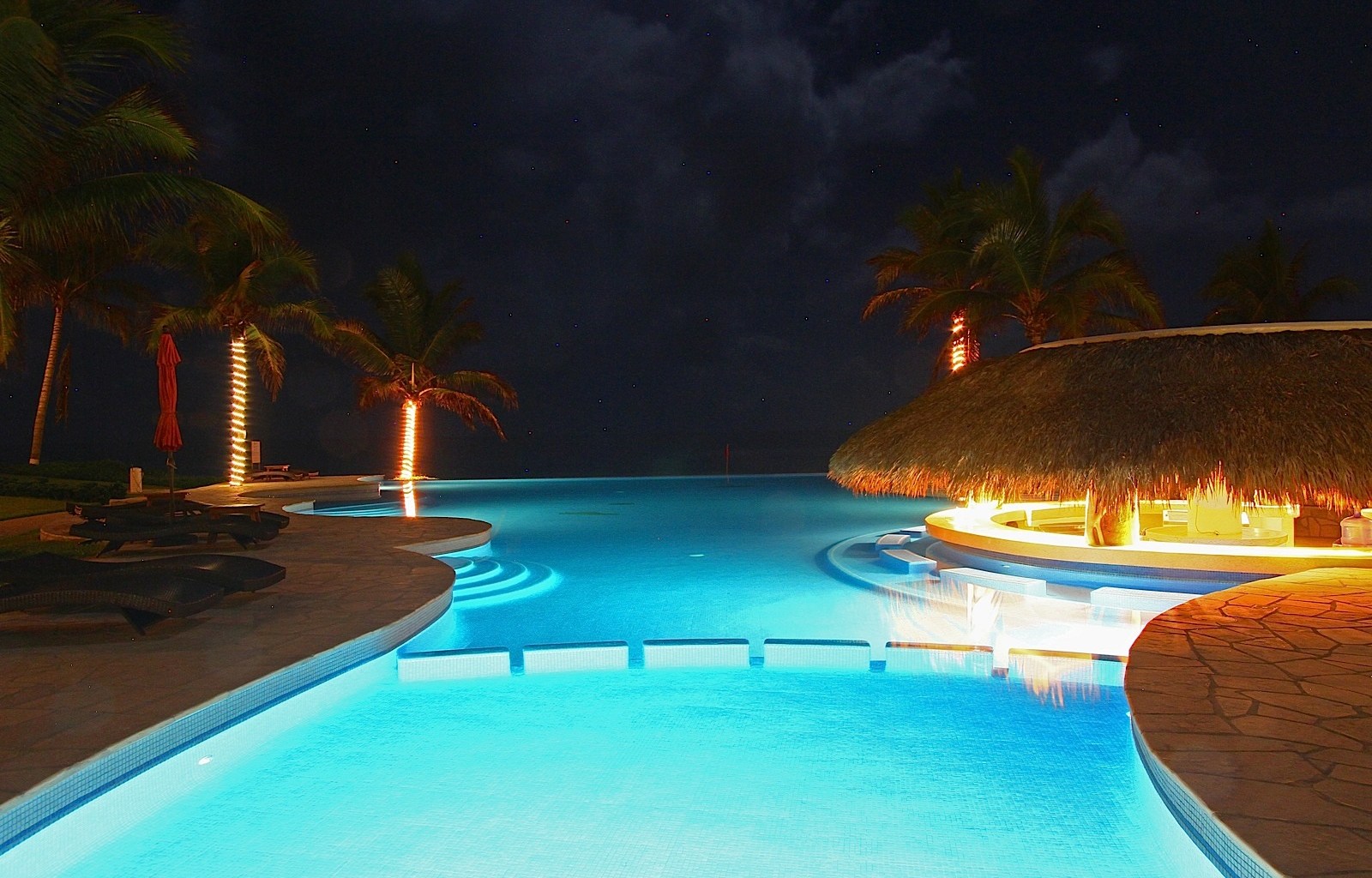
Your accommodation package can shape how much cash you need each day. At Vivo Resorts, dining venues, pools, spa facilities and family-friendly activities make it possible to spend much of the holiday on site. Even so, it is sensible to budget separately for tips, transport, excursions and purchases in nearby communities.
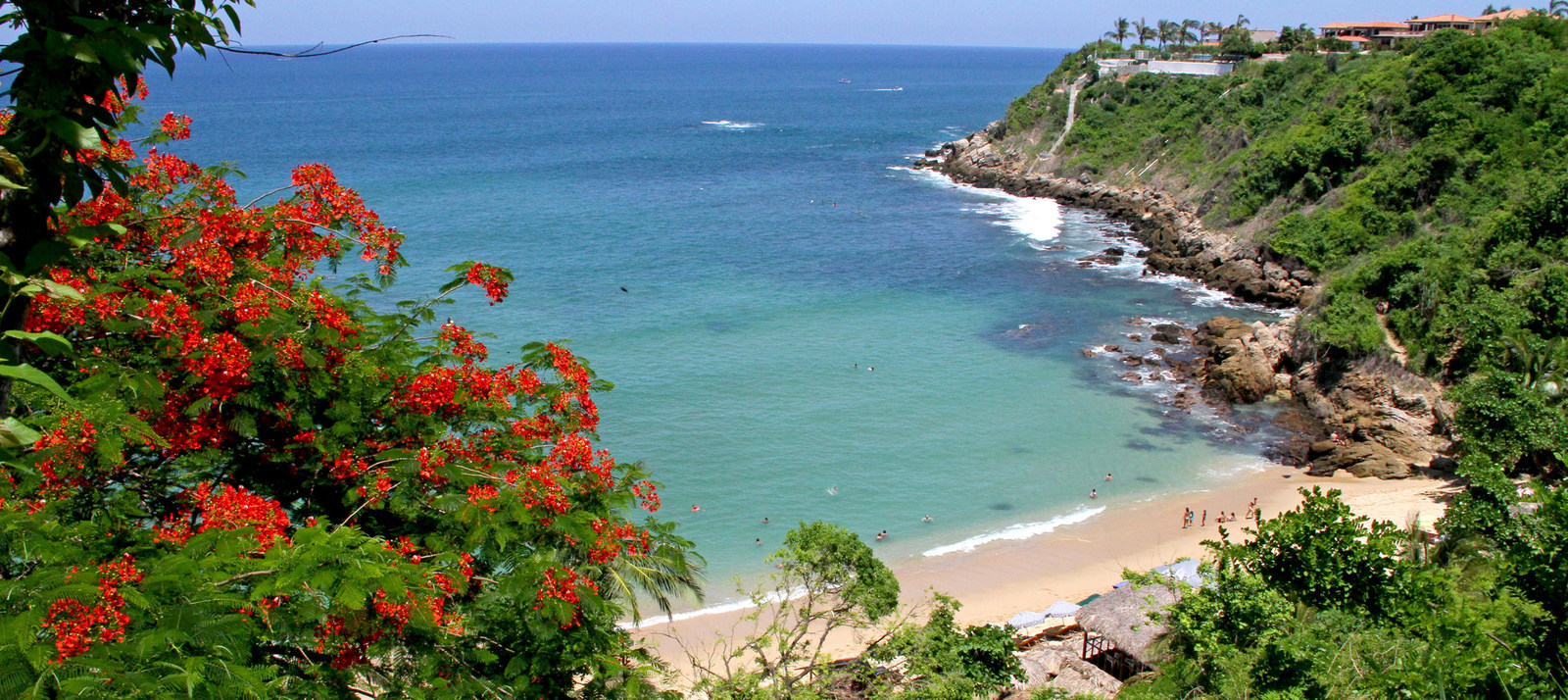
Trips towards Puerto Escondido, local beaches and other attractions along Oaxaca’s coast may involve guides, drivers or small businesses where cash is useful. When comparing Oaxaca holiday packages, check what is included, such as meals, transfers, activities or resort credits, so your spending plan reflects the actual arrangement.
Markets and independent vendors may not have fixed prices in the same way as a resort shop. Ask the price clearly, confirm whether it is per item or per portion, and avoid displaying a thick roll of notes. Friendly bargaining can be acceptable in some markets, but it is not expected in supermarkets, restaurants or established tour companies.
A Simple Money Plan For Your Stay
Split your funds between a card, a small daily amount of pesos and an emergency reserve. Keep the reserve locked in your accommodation safe, while carrying only what you expect to spend on meals, transport and tips. A money belt or zipped cross-body bag is practical for excursions and crowded public areas.
Before departure, tell your bank about the trip if required, confirm your card’s overseas fees and download an offline currency converter. You can also contact the resort to clarify payment arrangements for transfers, special dining, celebrations or excursions before arriving.
The easiest routine is to withdraw a modest amount of pesos after arrival, pay larger resort expenses by card, select pesos rather than AUD at terminals and review each receipt before leaving. Pack a spare card and exchange a small amount of Australian cash into pesos at a reputable bank or exchange counter on your first full day.