Easy Ways To Keep Kids Happy Between Resort Adventures
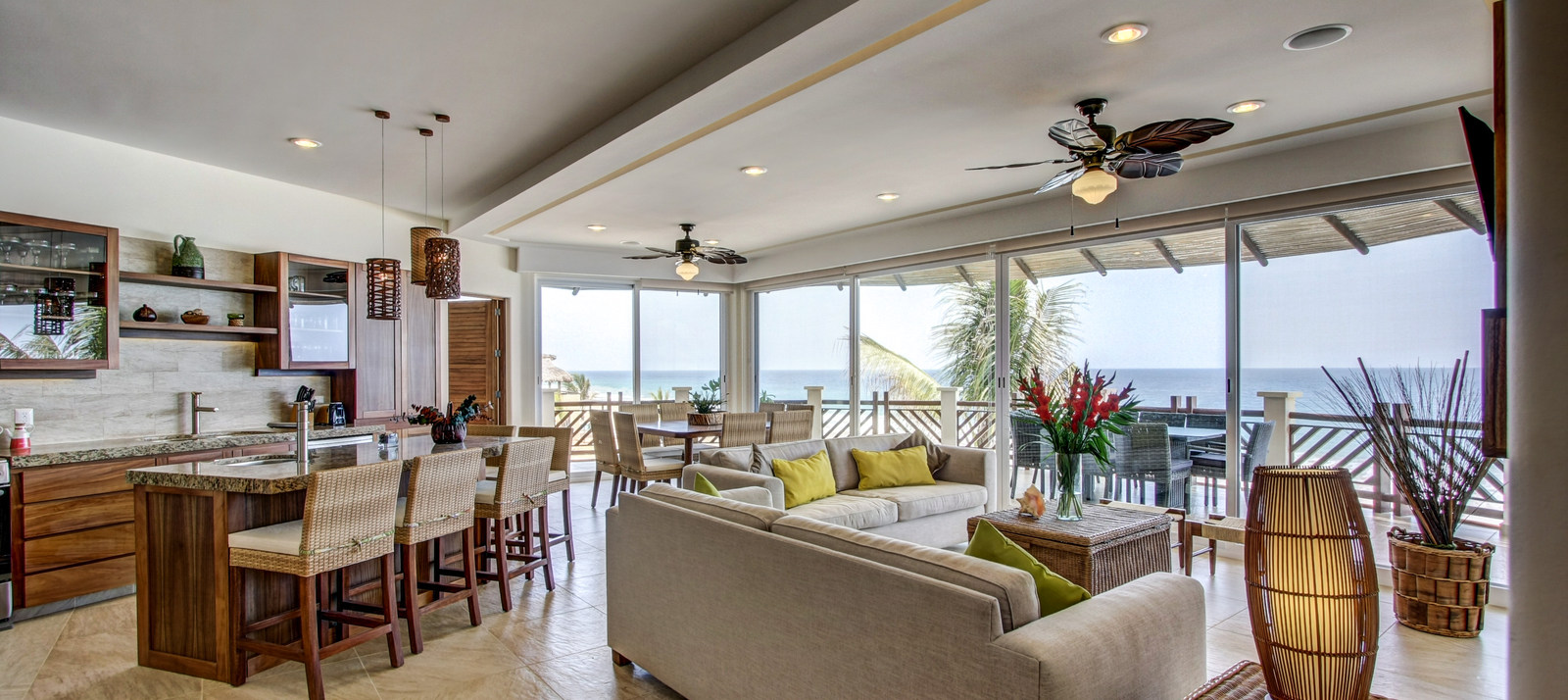
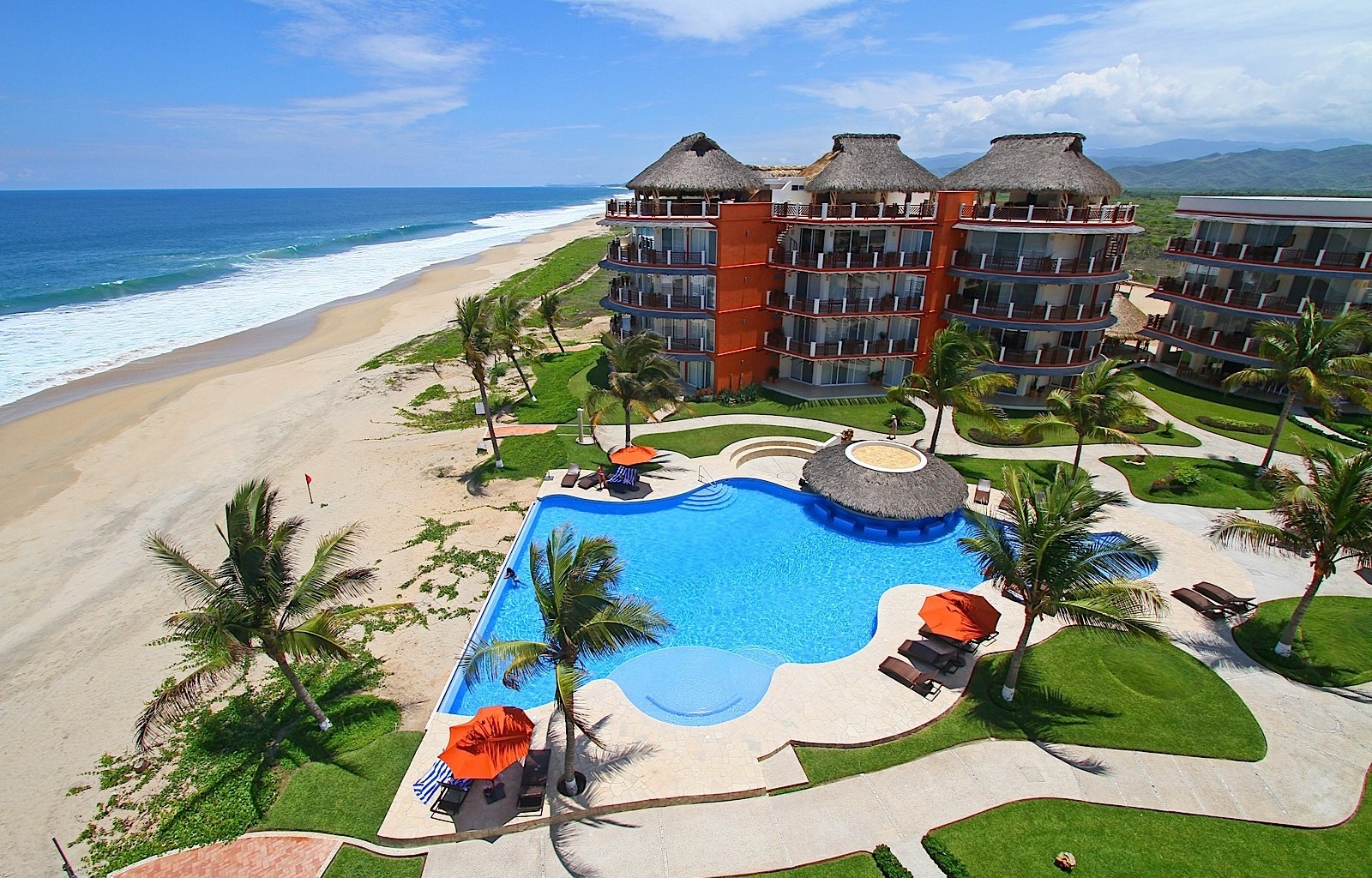
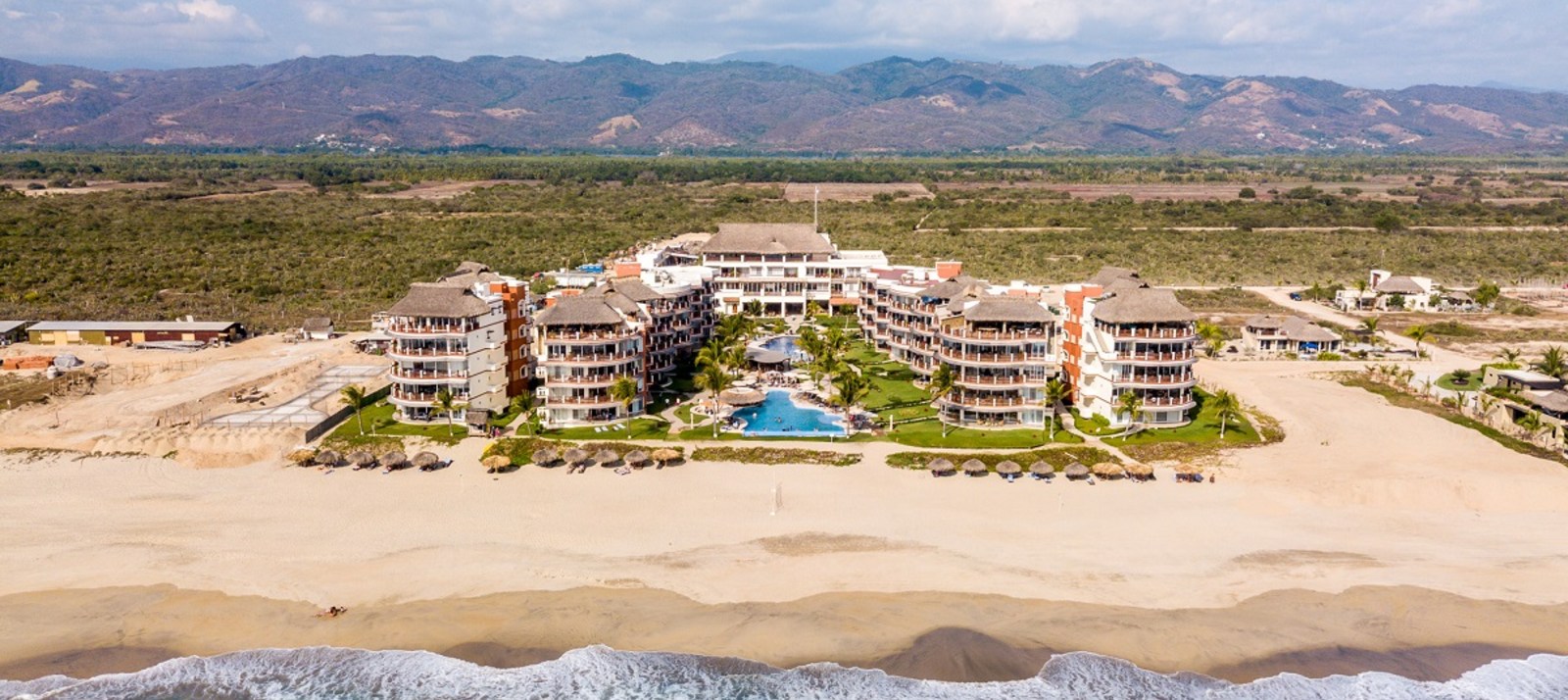
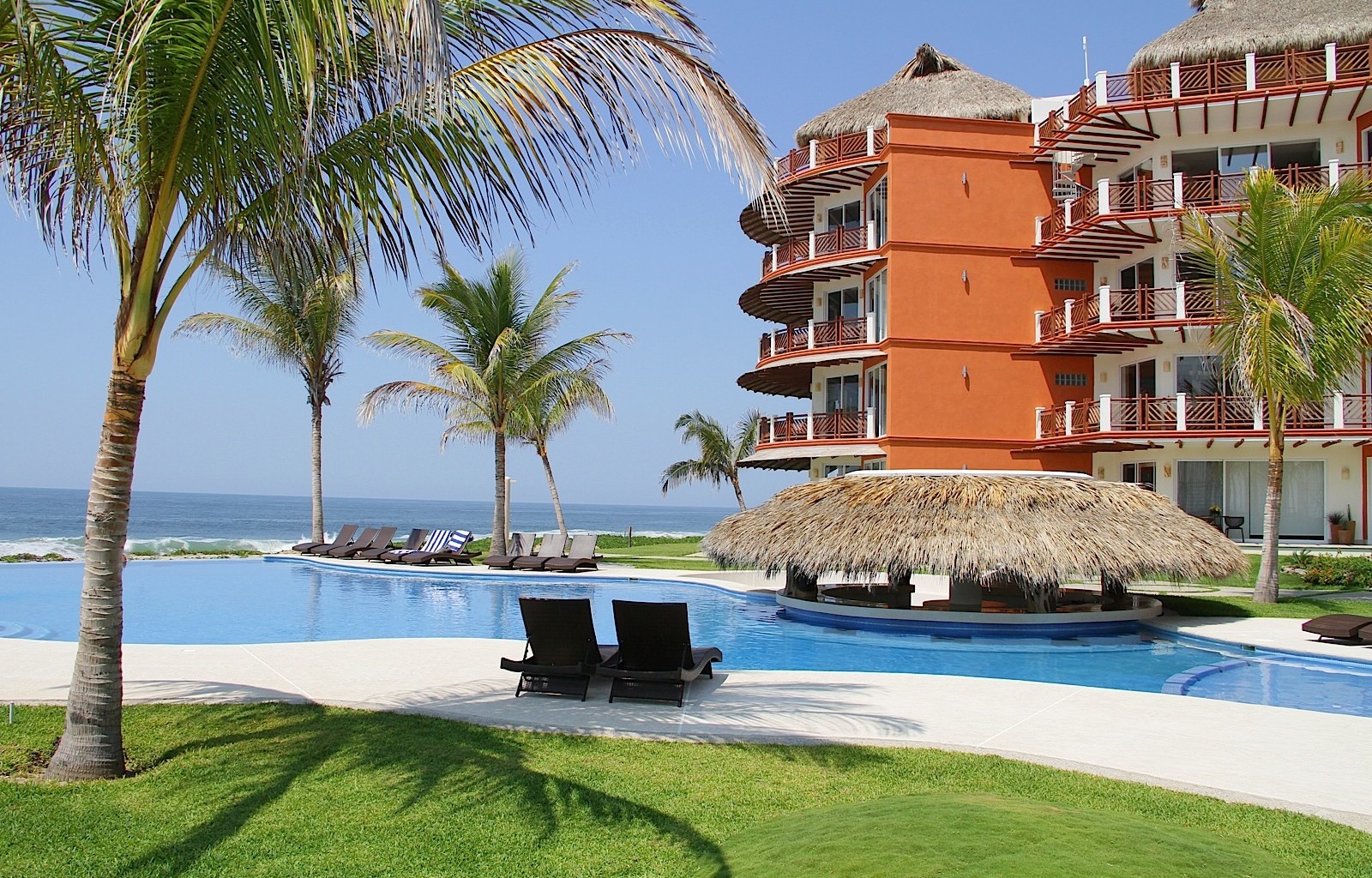
A beachfront holiday in Mexico can feel wonderfully full, yet even the most enthusiastic children need quiet time between swimming, sightseeing and meals. A spacious suite at Vivo Resorts gives families room to slow down without making the afternoon feel like a forced break. Learn more about The Best Water Sports To Try Near Playa Palmarito.
For Australian families travelling from Sydney, Melbourne, Brisbane or Perth, the change in climate and routine can be significant. Planning a few familiar activities, packing sensible snacks and using the suite creatively helps children settle into the holiday while adults enjoy a genuine pause.
Turn The Suite Into A Flexible Play Space
Start by dividing the residence into simple zones. One area can become a reading corner, another a drawing station and the sofa a place for a family film. Moving a few cushions or placing a towel beneath craft materials makes the arrangement feel special without creating a mess.
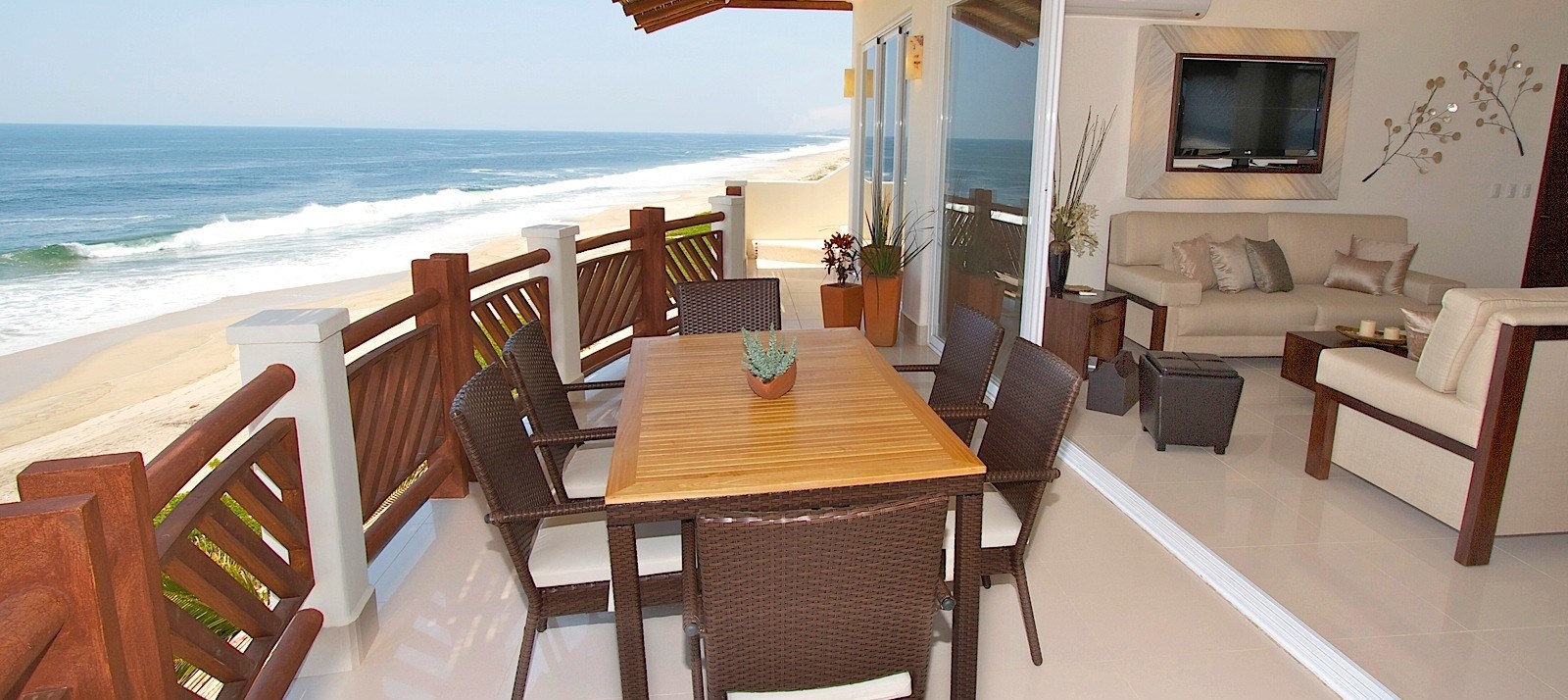
Space is a major advantage in an all-suite property. Children can play independently while parents rest nearby, and older siblings do not have to share every activity. If your accommodation includes a balcony or terrace, keep doors secured and supervise children closely around railings, pools and outdoor furniture.
A small holiday routine also helps. After lunch, try 30 minutes of quiet play followed by a snack and a choice between a screen activity or a creative project. Predictable transitions are particularly useful after a long flight from Australia.
Pack Familiar Activities With A Mexican Twist
Choose compact items that can be reused throughout the trip: magnetic games, coloured pencils, washable markers, travel-sized puzzles and a pack of cards. A notebook can become a holiday journal where children draw the resort, record Spanish words or keep a tally of birds and lizards spotted from the grounds.
Australian families often rely on practical, affordable travel supplies from Kmart, Big W or a local supermarket before departure. Look for lightweight activities that do not need batteries or complicated instructions. Reusable water bottles, zip-lock bags and a small pencil case can keep everything together.
You can add local flavour with a simple treasure hunt. Ask children to find something turquoise, a palm leaf, a seashell-shaped object or a flower in the resort gardens, without collecting anything protected or disturbing wildlife. This gives them a purpose while keeping the pace calm.
Use Screens As A Planned Break
A tablet loaded with downloaded films, audiobooks and games can be useful during the hottest part of the day. Internet access may vary, so download content before leaving Australia and bring child-sized headphones, a splitter or a compact stand if siblings are sharing.
Screens work best when they are treated as one option rather than the entire holiday. Set the length of a viewing session before it begins, then follow it with a low-effort activity such as colouring, a snack or a short family card game. This reduces arguments when the device is put away.
Keep Australian time habits in mind, too. A late-night arrival or a large time-zone change can make children overtired. Quiet audio stories and dim lighting may support an earlier wind-down better than fast-paced games, especially during the first few nights.
Create Games Around The Resort
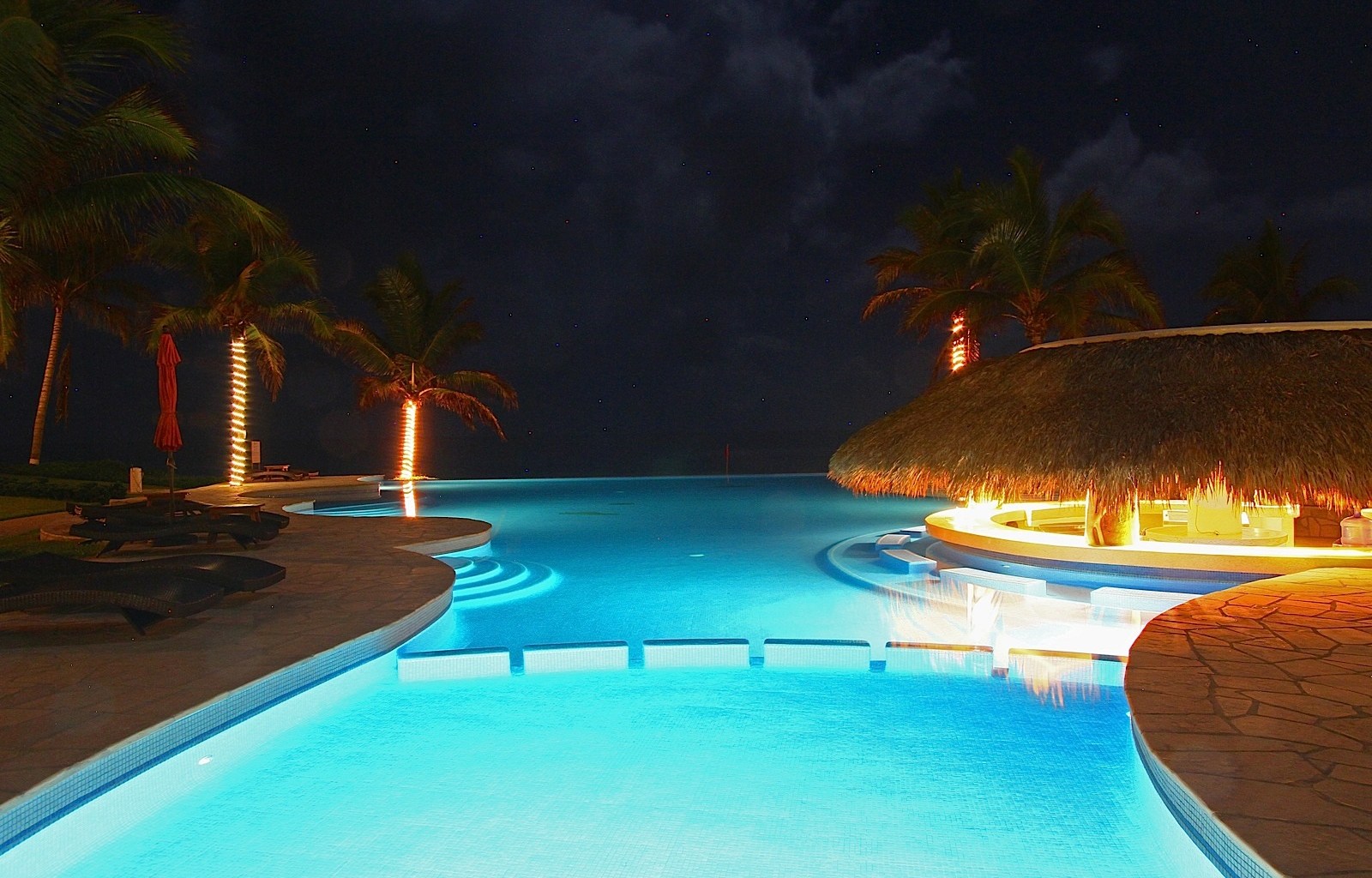
The resort itself offers plenty of inspiration for indoor play. Children can design an imaginary hotel, draw a map of the pools, invent names for waves or create a postcard featuring Playa Palmarito. Looking for photogenic resort spots can become a gentle family walk followed by a drawing session back in the suite.
Keep outdoor missions short during periods of strong sun. Australia’s sun-safe habits are useful here: hats, sunglasses, broad-spectrum sunscreen, water and regular shade breaks matter even when the breeze feels comfortable. Children may also need reminders that cloudy conditions do not remove UV exposure.
For a more active option, set up a movement challenge in the room using safe actions such as balancing on one foot, stretching like a starfish or completing a silent animal walk. Avoid jumping near glass doors, televisions or balconies, and leave energetic games for supervised outdoor areas.
Let Children Help With Holiday Choices
Giving children limited control can make quiet time feel less like a restriction. Offer two or three choices: build with blocks or draw, listen to music or watch a film, read now or after a snack. Parents still control safety, timing and meals, while children gain a sense of ownership.
Older children can help plan a simple outing or choose which family photographs to take. A drive along the coast requires preparation, particularly for Australian visitors who may be used to driving on the left. Before setting off, review car hire and driving details, allow extra time and check local road conditions.
Families should also confirm appropriate child restraints when hiring a vehicle. Australian states and territories have detailed rules for approved restraints and age-based seating, while Mexico has its own local requirements and enforcement practices. The safest approach is to request suitable equipment from the rental provider in advance and check it before departure.
Keep A Small Activity Kit Ready
A prepared pouch prevents the familiar “there’s nothing to do” complaint and makes transitions easier. Keep it separate from the main luggage so it can be reached as soon as you arrive. Choose items that work at a table, on a bed or beside a parent reading.
Useful options include:
- A deck of cards and a compact travel game
- Drawing paper, pencils and washable markers
- Stickers, a small puzzle book and a holiday journal
- A few familiar snacks in sealed containers
Refresh the kit halfway through the stay rather than bringing everything out at once. New combinations make ordinary materials feel interesting, while a missing marker or lost game piece is less likely to derail the afternoon.
For food, familiar Australian staples such as crackers, muesli bars or dried fruit can be reassuring after travel. Balance them with fresh choices available locally, check allergy information carefully and remember that Australia’s strict food-labelling expectations may differ from those in Mexico.
Try these easy resets when attention starts to fade:
- Five minutes of stretching followed by water
- A balcony-free indoor scavenger hunt
- A shared story with each person adding one sentence
- A quiet photo-editing or postcard-making session
Match Activities To The Family’s Energy
Not every child needs the same kind of entertainment. A preschooler may need sensory play and frequent movement, while a primary-school child may enjoy a challenge with a clear finish. Teenagers might prefer photography, music, journalling or researching a nearby beach rather than traditional toys.
| Child’s mood | Suitable suite activity | Helpful parent approach |
|---|---|---|
| Tired or overstimulated | Audiobook, colouring or a simple puzzle | Lower the lights and reduce choices |
| Restless | Stretching, a short treasure hunt or card game | Set a safe boundary and a time limit |
| Curious | Resort map, journal or Spanish word game | Let the child lead the discovery |
| Social | Family quiz, storytelling or shared film | Keep everyone involved without forcing it |
The best plan is deliberately modest. A few dependable activities, a familiar snack and permission to do nothing can be more effective than an overpacked schedule. Use suite time to recover before another swim, meal or excursion, and keep expectations flexible if the weather or energy levels change.
The practical takeaway is simple: prepare a small kit, offer limited choices, protect rest time and turn the suite into a comfortable base rather than a place children must simply wait.