How to explore the surf breaks of La Punta in Puerto Escondido
La Punta is the point at the northern edge of Playa Zicatela, south of Puerto Escondido’s central waterfront. Clean groundswell can wrap into a right-hand shoulder and throw a barrel before the point runs out of shape. The reward is a flowing ride rather than a predictable wall, making wave selection and positioning central to a good session.
For Australian surfers, the challenge is familiar in one respect and deceptive in another. Point-break experience from Sydney, Newcastle or the Gold Coast helps with reading lines, yet local swell direction, tide and current can change the break quickly. Treat the first session as an adjustment to Zicatela, not an extension of an Australian home break.
Reading La Punta’s waves
Most productive waves arrive from the south through south-west, with medium to large groundswell providing enough energy for the point to peel. Smaller, neatly groomed surf can offer playful sections, but a fresh pulse can turn the inside into a closeout if the shoulder fills. Local forecasts and conversations with instructors are more valuable than a generic surf report. This Puerto Escondido guide provides a useful base for understanding the wider destination.
Morning offshore or light-variable wind commonly gives cleaner faces before the afternoon sea breeze. Tide changes both the wave and the access: a mid-to-high forecast often gives the point more room, while lower water can make the shorebreak and exposed rocks more hazardous. Check the tide against the day’s swell instead of applying a universal rule.
Australians often arrive with excellent point-break instincts. The east coast around Sydney, Newcastle and the Gold Coast works largely to south-easterly and southerly swell, while La Punta is most reliable on south to south-west groundswell. Perth’s west-coast experience is also useful for reading clean, long-period waves, but a westerly pulse may not hit this point squarely.
Choosing the right window
The main southern groundswell window generally runs from May to October, although local winter surf and tropical systems can produce waves outside it. Tropical storms in the eastern Pacific and Atlantic can also send substantial swell toward Oaxaca, so monitor official weather warnings as well as surf forecasts.
Early morning usually offers the cleanest shape and most manageable crowds. From roughly 9 or 10am, onshore wind may begin to texture the wave, and changing tides can alter the peak. Tide forecasts, wind direction and swell period should be checked the evening before and again that morning.
A surf session does not need to consume the entire day. A one-hour or two-hour wave window is often more realistic than waiting all morning for a perfect set, leaving time to cool down, eat and continue to nearby beaches. If the afternoon is reserved for rest, choosing the best spa booking time can turn a wind-affected break into a complete resort day.
Getting there and learning the lineup
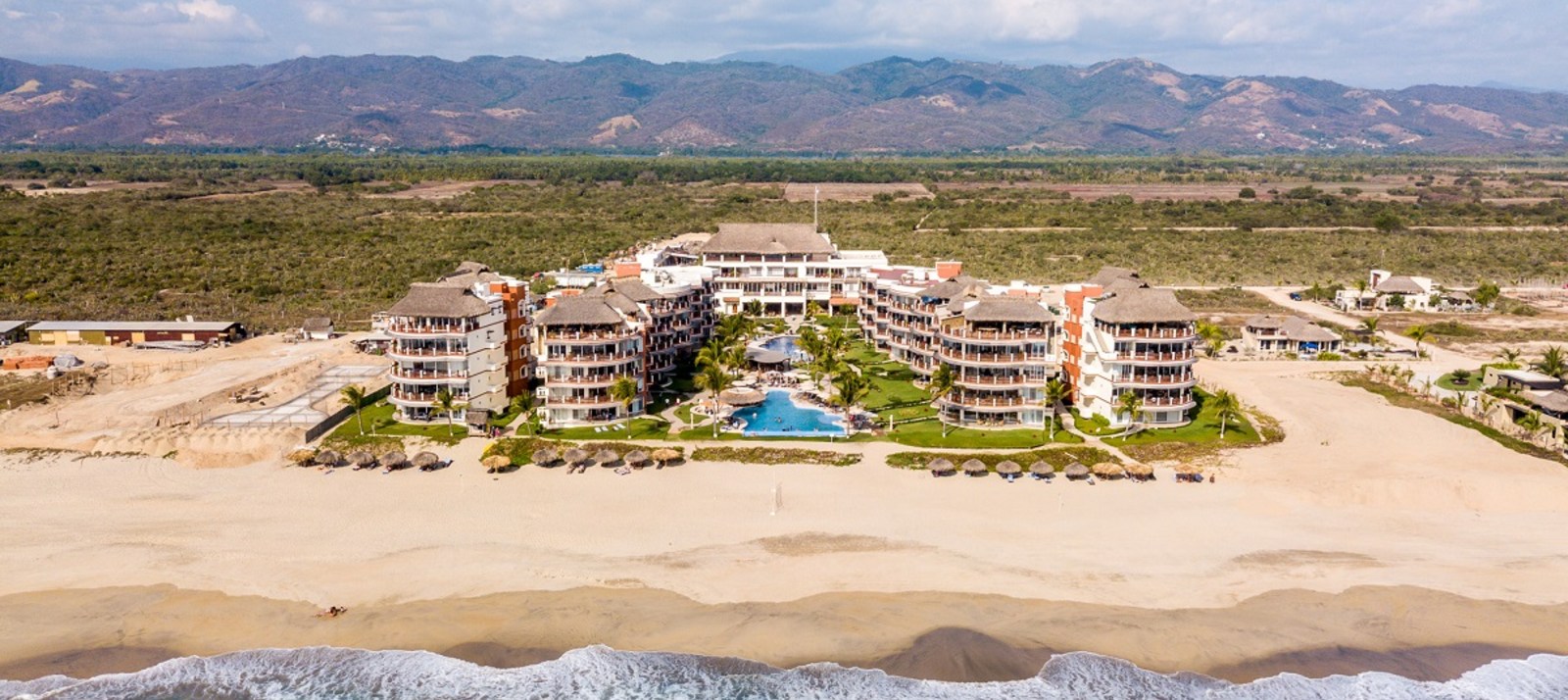
Most visitors fly into Puerto Escondido’s airport, then take a taxi or arrange a transfer to Playa Palmarito. Guests at Vivo Resorts can expect a journey of roughly 20 to 30 minutes to the town and Zicatela, depending on traffic. A car is useful for checking nearby breaks, but parking and walking with boards may be easier than carrying them over the access area.
For a first visit, a lesson with an established local surf school is worth the time. The instructor can identify a safe entry, explain where the rocks and rip currents sit, and choose a suitable board. Beginners should request a session at a more forgiving sandy beach rather than being pushed into the point. Intermediate surfers should still expect a priority system shaped by local knowledge and etiquette.
Australian road habits translate well here: road signs use kilometres and traffic keeps left, although Mexican traffic can be less predictable. Carry Mexican pesos for taxis, surf-school payments and small market stalls, even if hotels accept cards. Australian beach law is state-based, with separate rules and lifeguard arrangements in New South Wales and Queensland; those controls do not apply in Oaxaca, where local signs, access rights and Mexican coastal regulations take precedence.
Matching conditions and planning a surf day
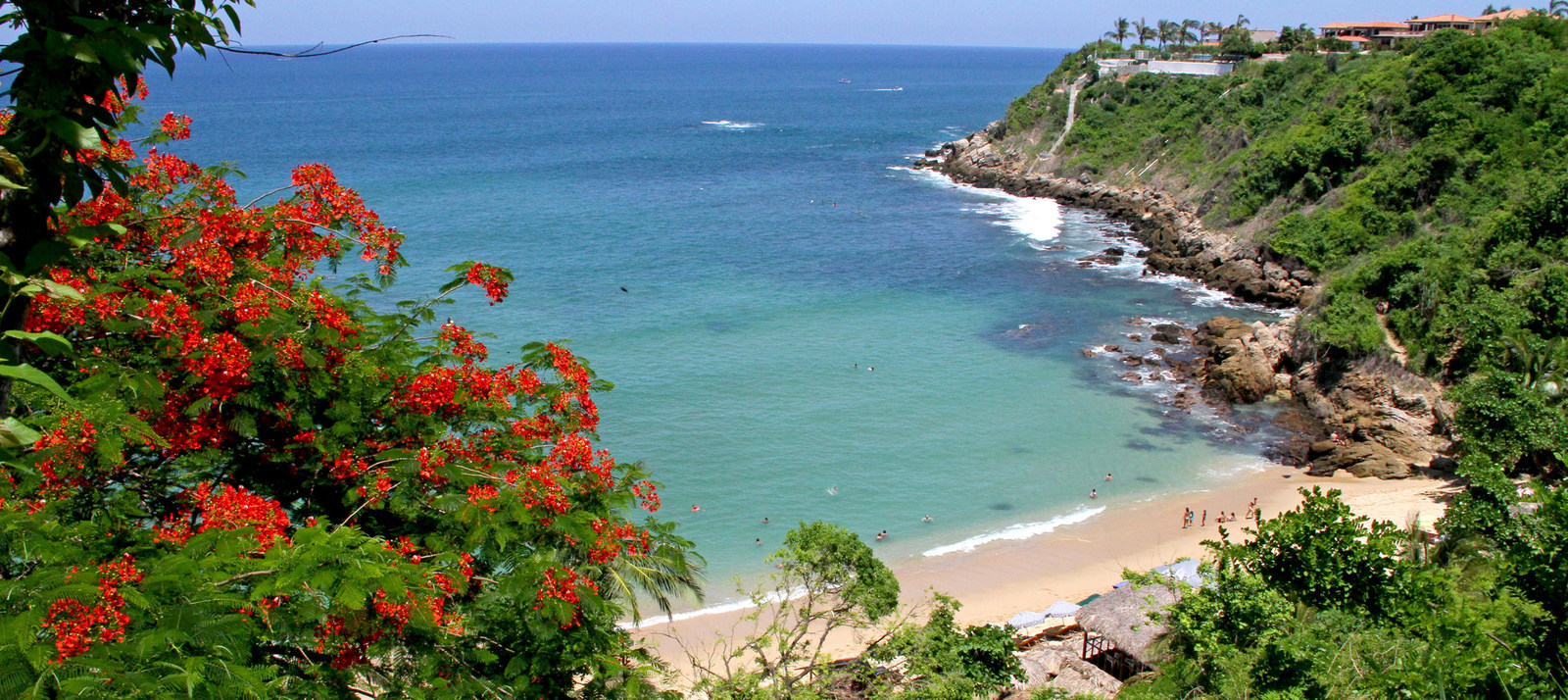
La Punta rewards clean swell, but it is not the only option around Puerto Escondido. Comparing nearby breaks by wave type, bottom and current makes it easier to adjust when the point is crowded, too soft or closing out. A short session at a more forgiving break can preserve energy for a second outing later.
After the water, a meal near the beach or back at Playa Palmarito completes the day. The resort’s dining and bars guide covers suitable places for casual meals, drinks and longer dining breaks, so there is no need to spend the whole surf window searching for a post-session feed.
| Break | Best conditions | Typical character | Main caution |
|---|---|---|---|
| La Punta | Clean south to south-west swell, mid-to-high tide and light wind | Fast right-hand point with barrelling shoulders | Rocks, rip currents and closeouts |
| La Madrenal | Smaller south-west swell around mid-tide | Beach break with quicker reform sections | Heavy shorebreak and strong currents |
| Central Zicatela | Medium to larger south-west groundswell | Sand-backed left and right options | Changing banks, crowds and rips |
| Carrizalillo | Small to medium clean south swell | Smoother left with occasional right sections | Shallow reef, rocks and stronger currents |
- Check the local swell direction, period, tide and wind before leaving for the beach.
- Book a local guide when unfamiliar with point breaks, rocky entries or strong currents.
- Use a suitable leash, rash vest, water-resistant SPF 50 sunscreen and a spare leash.
- Ask where exposed rocks and rip currents sit, and use the access used by experienced local surfers.
- Respect local priority in the lineup, wait for a clear wave and avoid paddling through the impact zone.
- Move to a gentler break or leave the water if the current, visibility or wave size exceeds your ability.
Building a day that works with the ocean
The strongest La Punta session is usually adapted to conditions rather than pursued from a fixed plan. Check the morning forecast, share the lineup with locals and leave enough energy to move between the point, Zicatela and a calmer break nearby if conditions change.
At Playa Palmarito, a morning surf session can sit comfortably within a broader resort day rather than becoming an all-day commitment. A shorter guided session, a rest through the windy afternoon and a meal near the beach leave room for the coast without turning a good wave into an exhausting race.
The practical takeaway is simple: match the break to the swell and your ability, respect those already in the water and leave the peak when conditions exceed your skill level. When La Punta grows beyond your limits, moving to a gentler break is a sound decision.