Build a Family Sandcastle Competition by the Sea
A family sandcastle competition turns an ordinary beach day into a creative team challenge. Children can shape towers, moats, tunnels and sea creatures while adults join the planning, decorating and storytelling. The activity works for a small family, several holiday groups or a lively resort gathering.
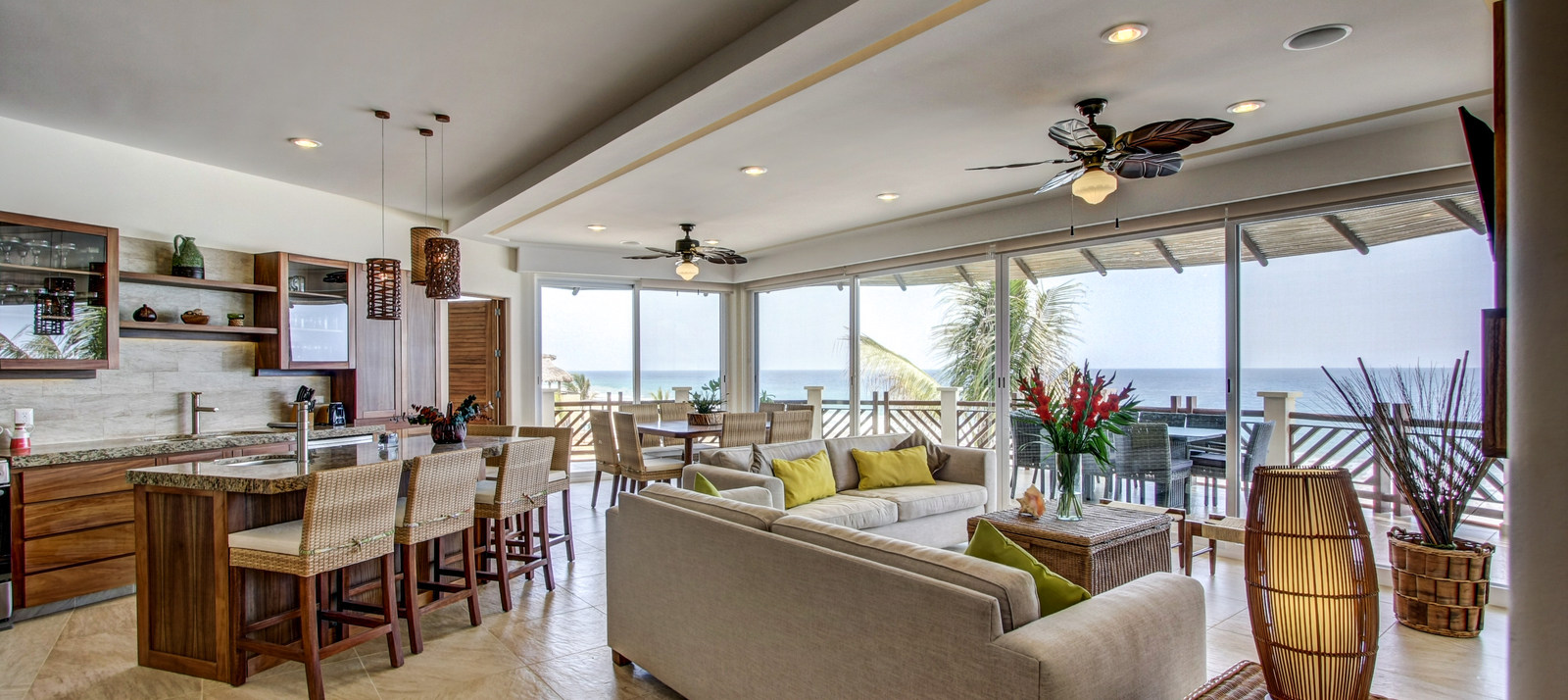
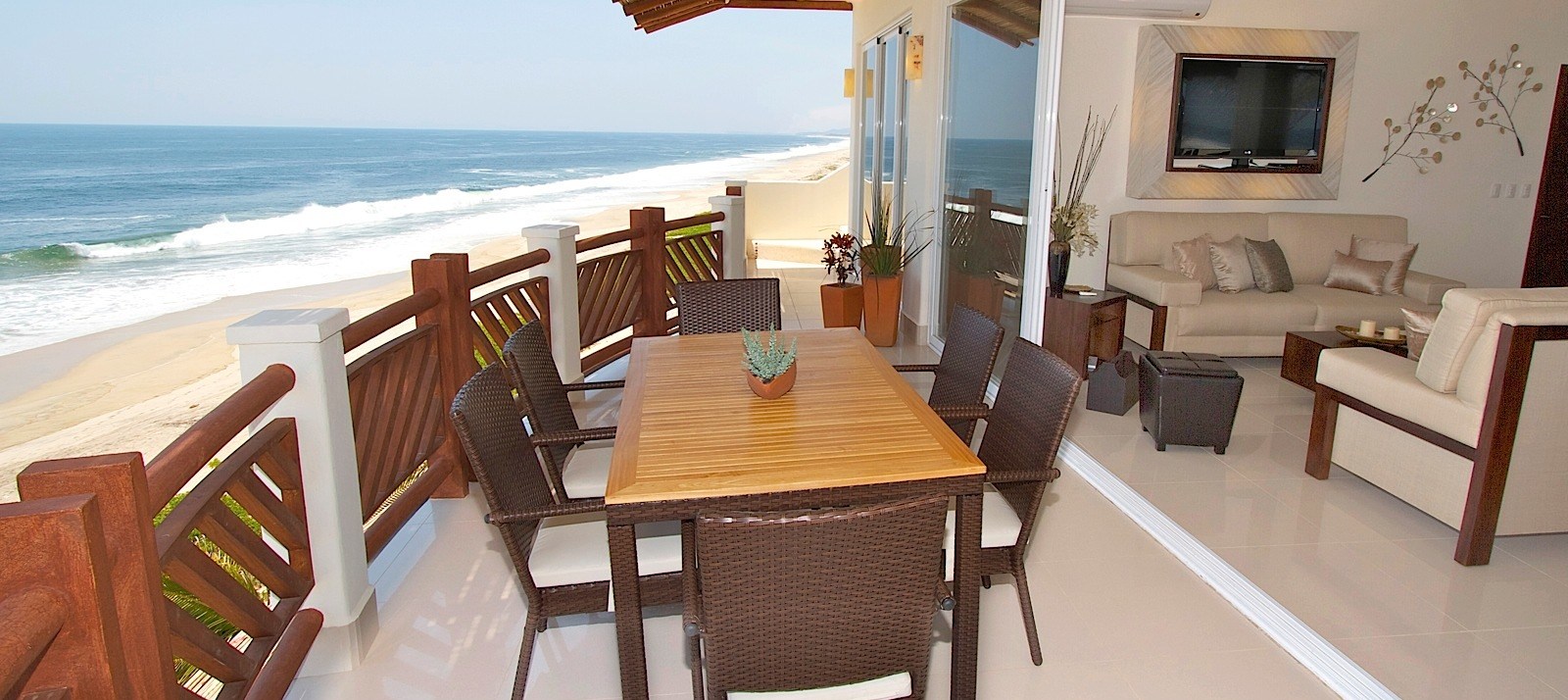
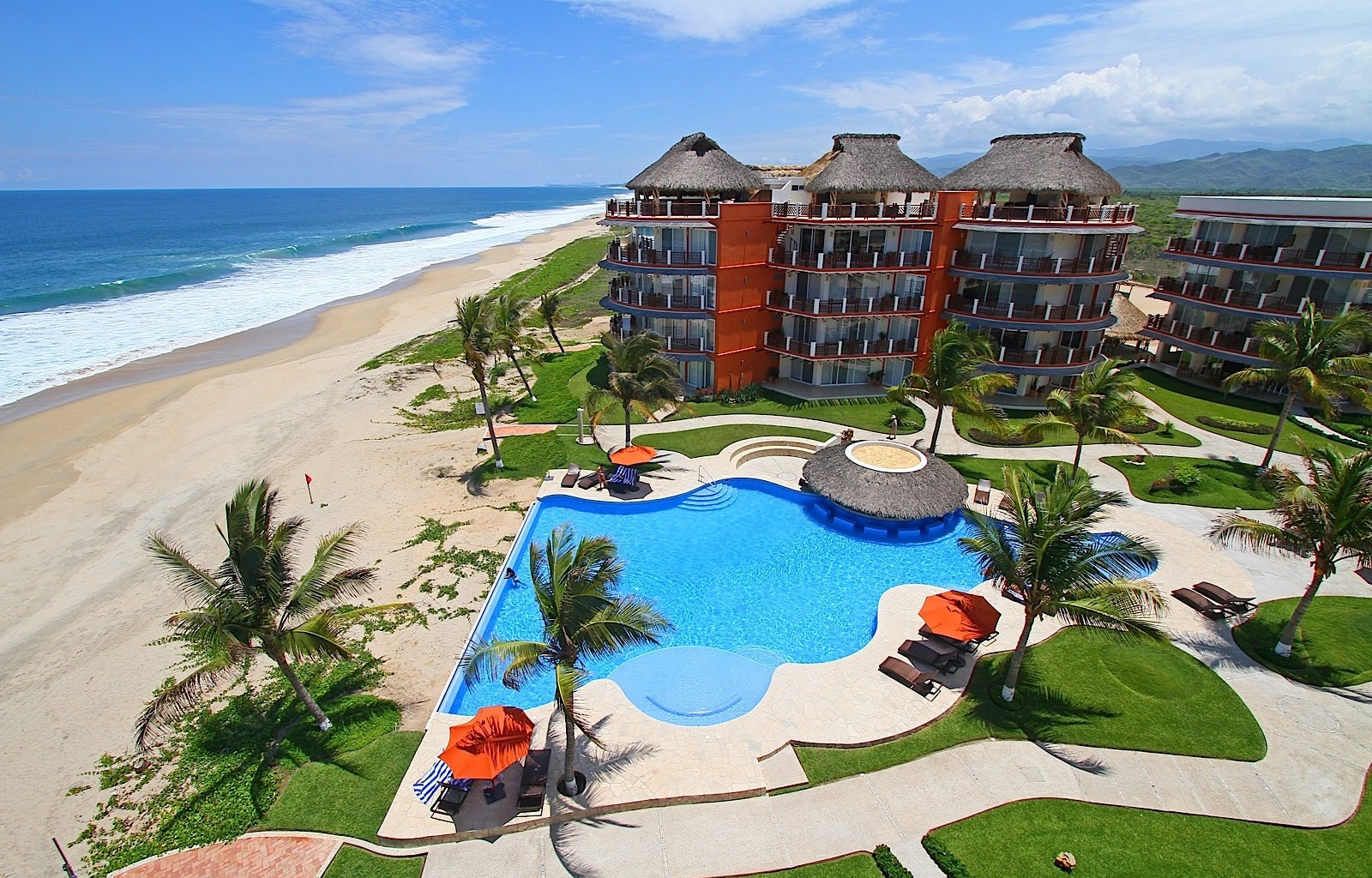
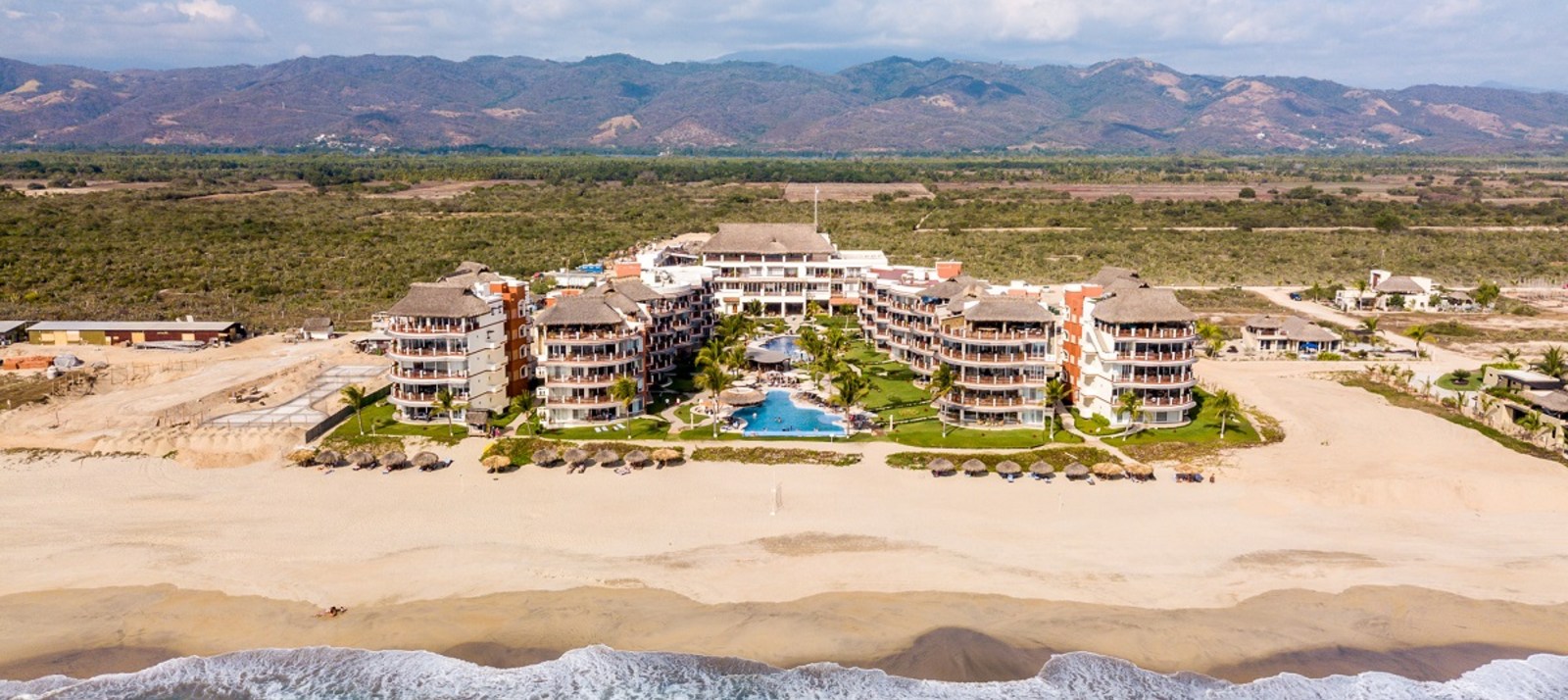
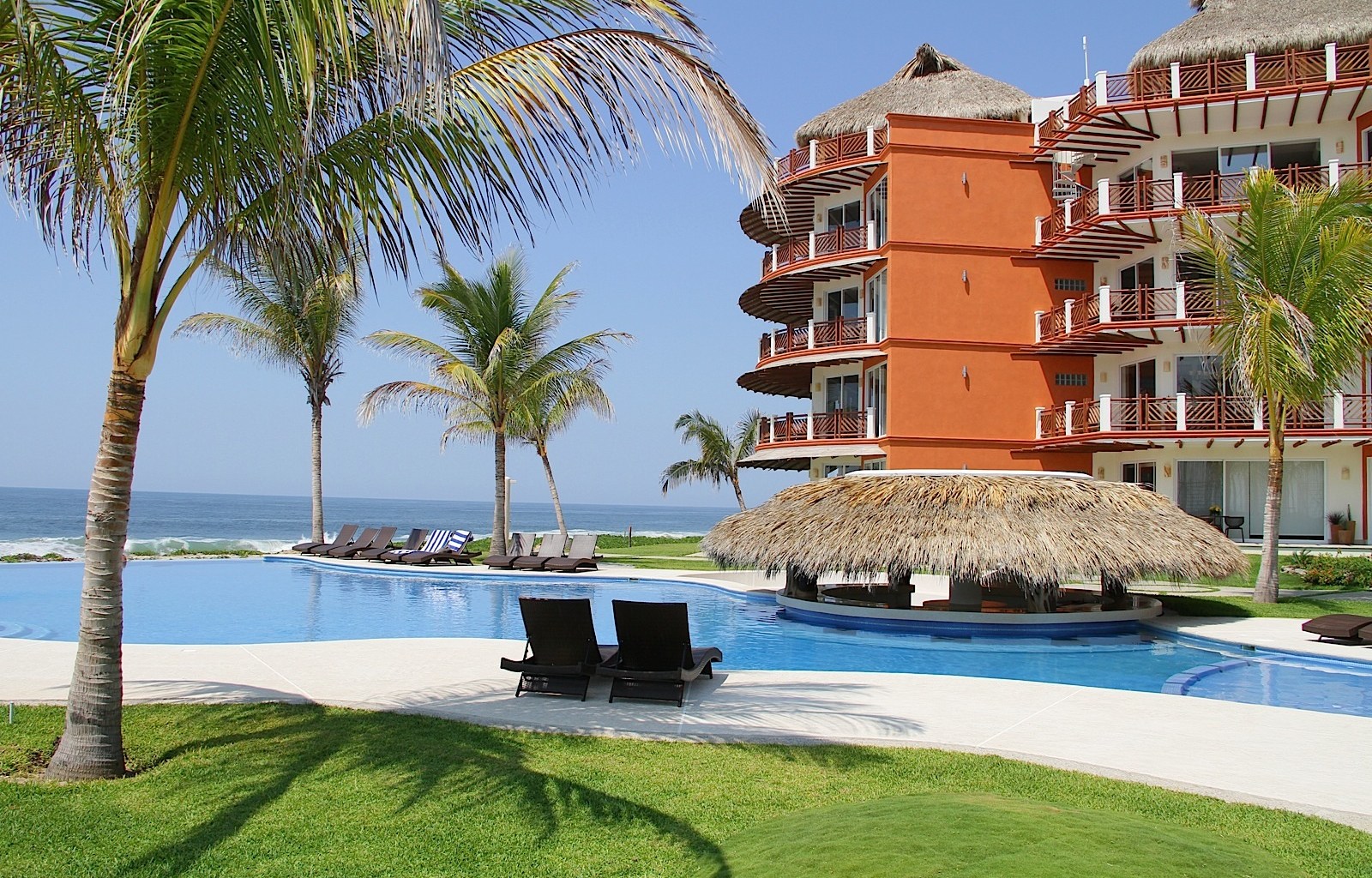
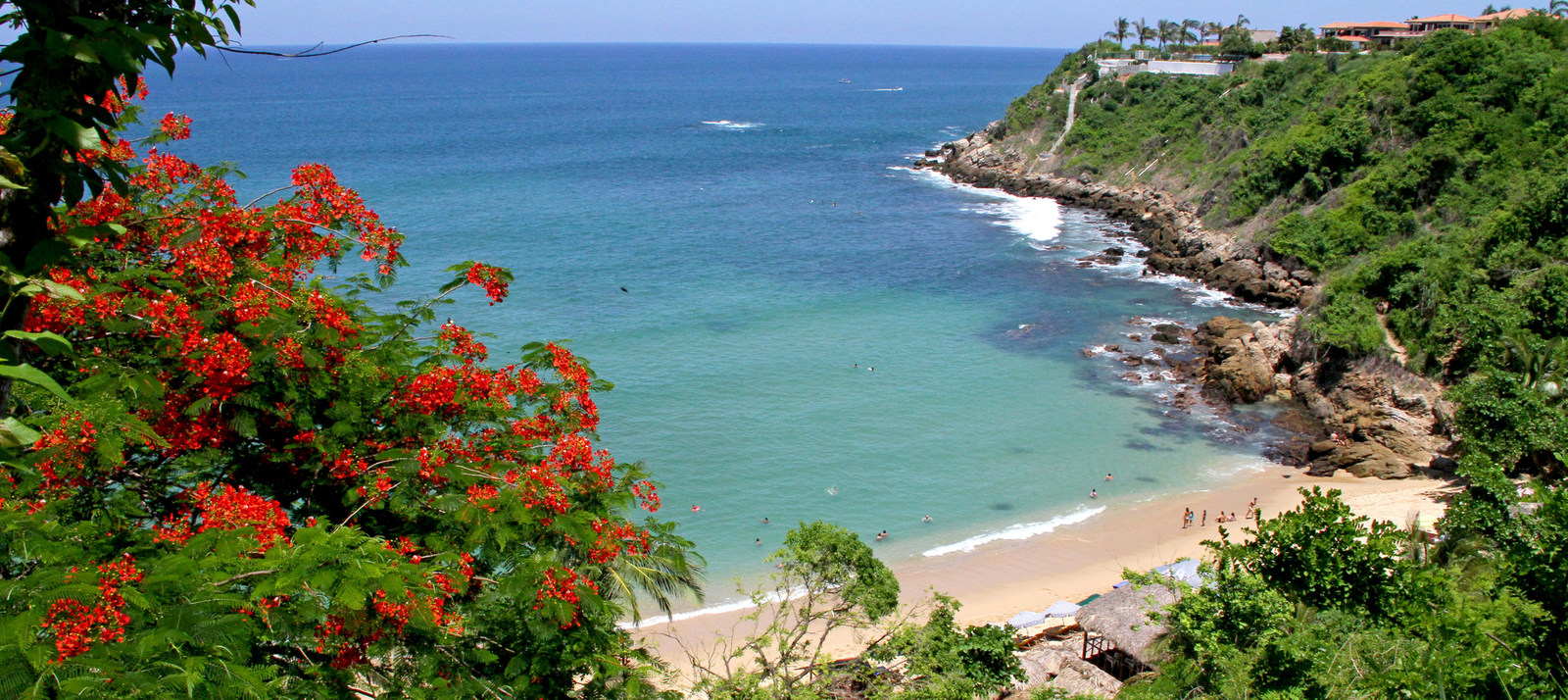
At Vivo Resorts, the wide shoreline at Playa Palmarito provides a beautiful setting for a relaxed sand sculpture contest. Families staying in spacious residences or private villas can combine the event with pool time, lunch and a swim, while the ocean view gives every build a memorable backdrop.
Australian families are used to planning around strong sunshine, school-holiday crowds and beach safety. Pack broad-spectrum sunscreen, hats, reusable water bottles and rash vests, much as you would for a day at Bondi, St Kilda or the Gold Coast. In Mexico, the tropical heat may feel more intense, so schedule the competition in the morning or late afternoon.
The best event is simple, fair and flexible. Give teams a clear building area, agree on judging categories before construction starts and allow young children to contribute in ways beyond digging. A good sandcastle competition celebrates imagination rather than expensive equipment or architectural perfection.
Choose a Theme Everyone Can Enjoy
A shared theme helps children begin quickly without forcing every team to copy the same design. Suitable ideas include an underwater kingdom, a Mexican village, a dream holiday home, a turtle sanctuary or a futuristic beach city. Let each group interpret the theme in its own style.
For mixed ages, assign broad challenges rather than complicated instructions. One team might build the tallest safe tower, another could create the best animal sculpture, and a third might design the most imaginative entrance. A family with toddlers can focus on shells, patterns and simple shapes while older children manage walls and details.
Keep the theme connected to the coast. Natural features such as waves, palms and marine life encourage children to notice their surroundings. Avoid collecting living creatures or removing plants, and use only loose natural materials that can be returned without harming the beach.
Set Clear Rules Before the First Shovel
Explain the boundaries, time limit and judging system before anyone starts. A 45-minute build is long enough for creativity but short enough to maintain energy in warm weather. Mark each team’s space with a towel or small flag, leaving a generous gap between structures.
Set rules around safety and environmental care. No deep holes, buried objects, sharp tools or water-filled pits should be allowed, and children should remain within sight of their supervising adults. Australian beachgoers often follow council advice about filling holes before leaving; the same habit matters on an unfamiliar coastline.
Check with resort staff about the most suitable section of beach and any local restrictions. Rules can vary by location, particularly for large organised events, temporary structures, amplified music or commercial photography. If the competition forms part of a wedding or group celebration, event organisers may need approval in advance.
Give Every Family Member a Role
A successful beach activity does not require every person to be a skilled sculptor. Younger children can gather damp sand, press shapes into moulds or decorate pathways. Older children can plan the layout, strengthen walls and explain the story behind the design. Adults can carry water, provide shade and help teams work cooperatively.
Create roles such as architect, builder, decorator, storyteller and timekeeper. Rotate them halfway through the session so one confident child does not take control. A short planning period before digging can prevent arguments and gives quieter participants a chance to share ideas.
Avoid judging only size or height. A small, detailed castle may deserve as much recognition as a large fortress. Consider awards for teamwork, originality, coastal awareness, detail and storytelling, with every child receiving acknowledgement.
Use Simple Tools and Beach-Safe Materials
You can build impressive sand sculptures with household-style items: small buckets, cups, spades, ice-cream containers, sieves and sturdy cardboard forms. Bring lightweight tools that rinse easily, and avoid glass, metal edges or fragile decorations. A few spray bottles can help children dampen dry sand without repeatedly carrying heavy buckets.
The right sand matters. Sand that is slightly wet and compactable will hold a shape better than loose, dry grains. Demonstrate the basic method: fill a container in layers, press each layer firmly, turn it over carefully and smooth the sides with damp hands. For walls, a broad base is more stable than a tall, narrow column.
Decorations should be modest and removable. Use driftwood, fallen leaves, shells already lying on the sand and biodegradable flags, while leaving shells with animals inside undisturbed. Do not use glitter, plastic confetti, balloons or food scraps that could become litter or attract wildlife.
Pack Smart for Heat, Comfort and Clean-Up
Australian families often keep a dedicated beach bag ready with sunscreen, zinc, towels and spare clothes. That familiar routine is useful here, with extra attention to hydration and shade. A canopy or umbrella, cool drinks and fruit can help prevent children from tiring before judging begins.
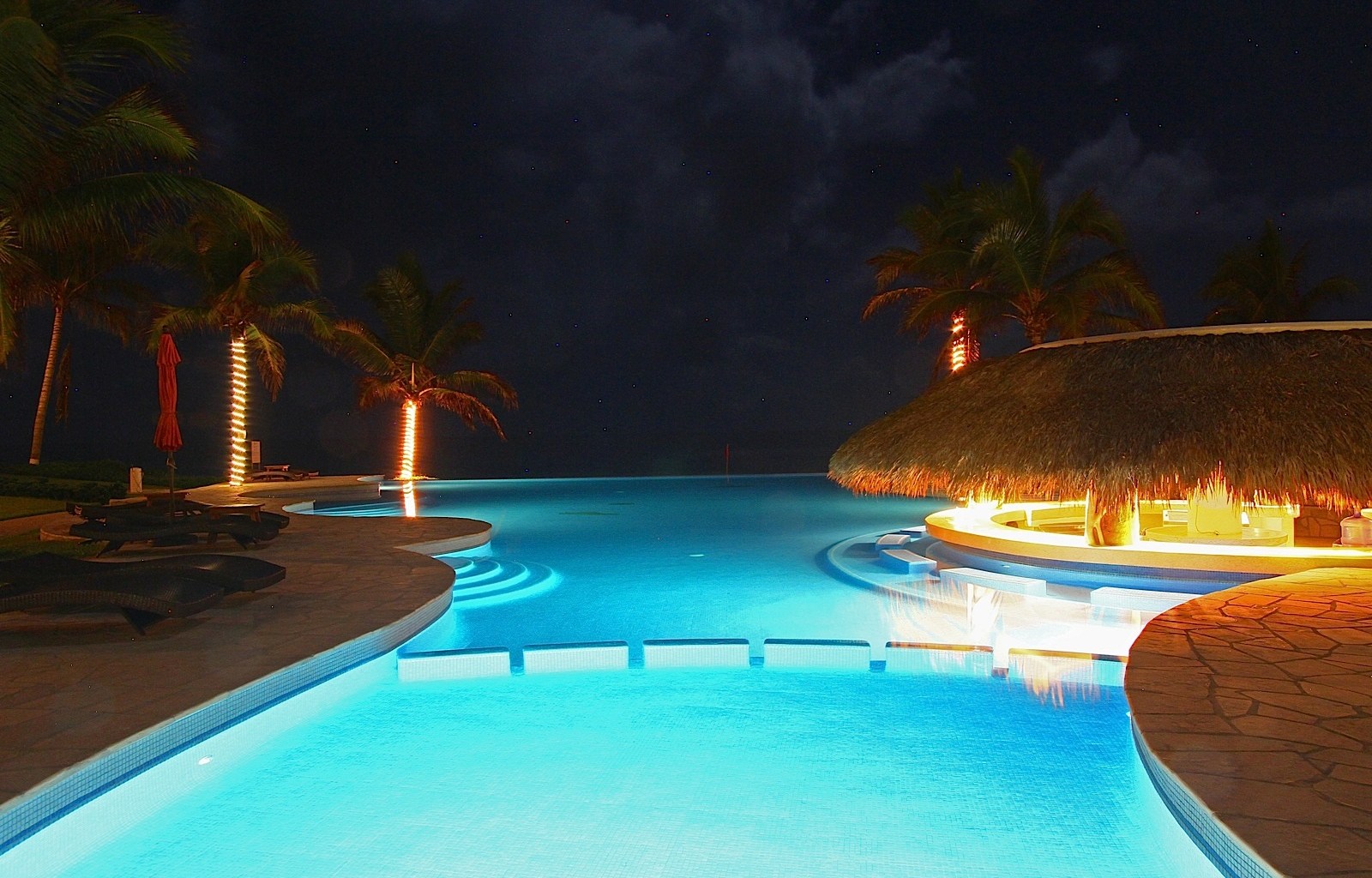
Families staying at Vivo Resorts can coordinate their day around dining venues, pools and the full-service spa, making the competition one part of a broader beach holiday. For help arranging activities, transfers or a tailored stay, Vivo vacation planning can connect the beach event with excursions along Oaxaca’s coast.
Useful items to bring
- Wide-brimmed hats, sunscreen and refillable water bottles
- Buckets, hand spades, moulds and a small sieve
- Towels, wet bags and a change of dry clothes
- A timer, scorecards and washable markers
Items to leave at home
- Glass containers and sharp gardening tools
- Glitter, plastic confetti and single-use decorations
- Heavy furniture or equipment that may damage the sand
- Toys small enough to be swallowed or carried away by wind
Judge Fairly and Celebrate Every Build
Use a small judging panel made up of adults, older children and, if appropriate, a resort staff member. Give each category a simple score from one to five, or use playful titles instead of numbers. Announce the criteria before building begins so the results feel transparent.
A useful scoring system balances several kinds of achievement:
| Award category | What judges look for | Suitable for |
|---|---|---|
| Creative vision | An original idea and memorable theme | All ages |
| Strong teamwork | Shared roles and kind cooperation | Family groups |
| Fine details | Patterns, textures and small features | Older children |
| Beach respect | Safe materials and careful clean-up | Everyone |
| Best story | A clear explanation of the finished design | Young storytellers |
Finish with photographs before dismantling the structures. Then have each team flatten its area, collect every tool and remove decorations. If the competition is part of a larger celebration, such as a destination wedding or family reunion, beach wedding gatherings can be planned around shared activities, meals and memorable group moments.
Turn the Competition into a Holiday Tradition
The event can become a gentle cultural exchange when families include details inspired by their travels. A team might build a coastal market, a sea turtle rescue centre or a colourful village, then explain what inspired the design. This gives children a reason to observe local landscapes without treating the beach as a backdrop only.
Australian families may also enjoy adding a relaxed picnic rhythm familiar from home, while respecting resort arrangements and local beach customs. Keep food covered, use refillable bottles and follow any rules about alcohol, fires and waste. In many Australian coastal areas, council regulations are strict about fires, glass and large gatherings, so checking local guidance is a sensible habit wherever you travel.
The most rewarding competition is the one children remember for laughter, teamwork and sandy hands. Choose a safe time, provide shade, keep the rules welcoming and reward creativity in several forms. The key thing to remember is that a family sandcastle competition is about building shared memories, with the castle itself meant to disappear when the tide returns.