Bioluminescent Plankton Tours Near Puerto Escondido After Dark
When the sun drops behind the Mexican Pacific and the last traces of dusk fade into a soft cobalt sky, something stirs in the water off Playa Palmarito. Tiny flashes of blue-green light pop and ripple where waves break against the shore, and the simple act of stepping into the shallows turns your feet into spotlights. Bioluminescent plankton tours near Puerto Escondido have become one of the Oaxacan coast's most quietly spectacular experiences, especially for travellers arriving from the other side of the Pacific.
The glow comes from single-celled organisms called dinoflagellates, which emit a brief flash of light when disturbed. The phenomenon is most visible in calm, sheltered bays with minimal light pollution, which is exactly what the coastline south of Puerto Escondido offers. Travellers used to chasing similar displays in places like Jervis Bay on the NSW coast often find the Mexican version far more intense.
Australians have been quietly adding Puerto Escondido to their travel lists, partly because direct routing through Mexico City on Qantas or LATAM from Sydney or Melbourne has become smoother. Many travellers time the trip around the September–October holidays or the long summer break, lining it up with the calmest sea conditions. The exchange rate works in the Aussie dollar's favour too, which makes an evening excursion feel like a relatively affordable highlight.
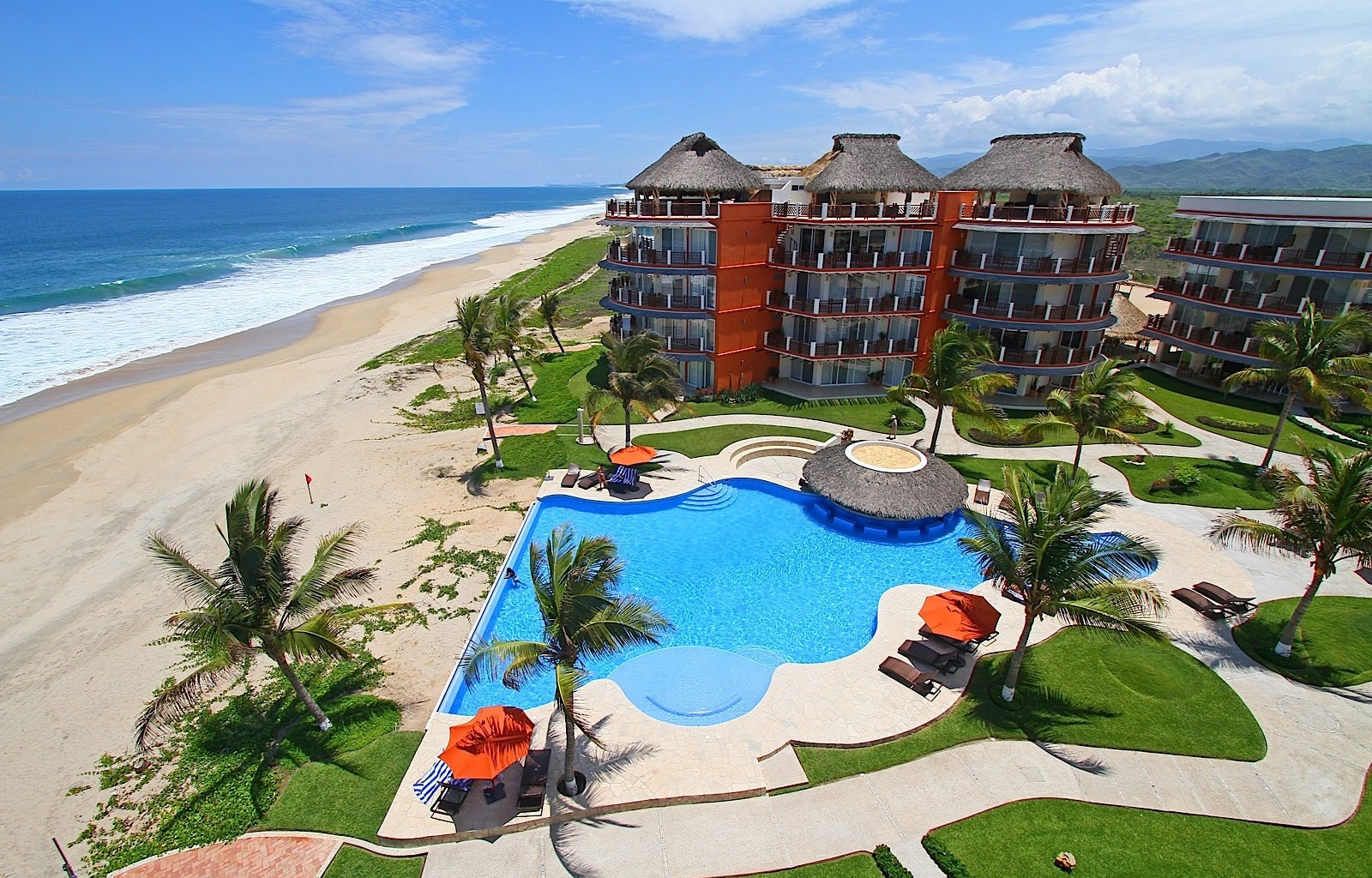
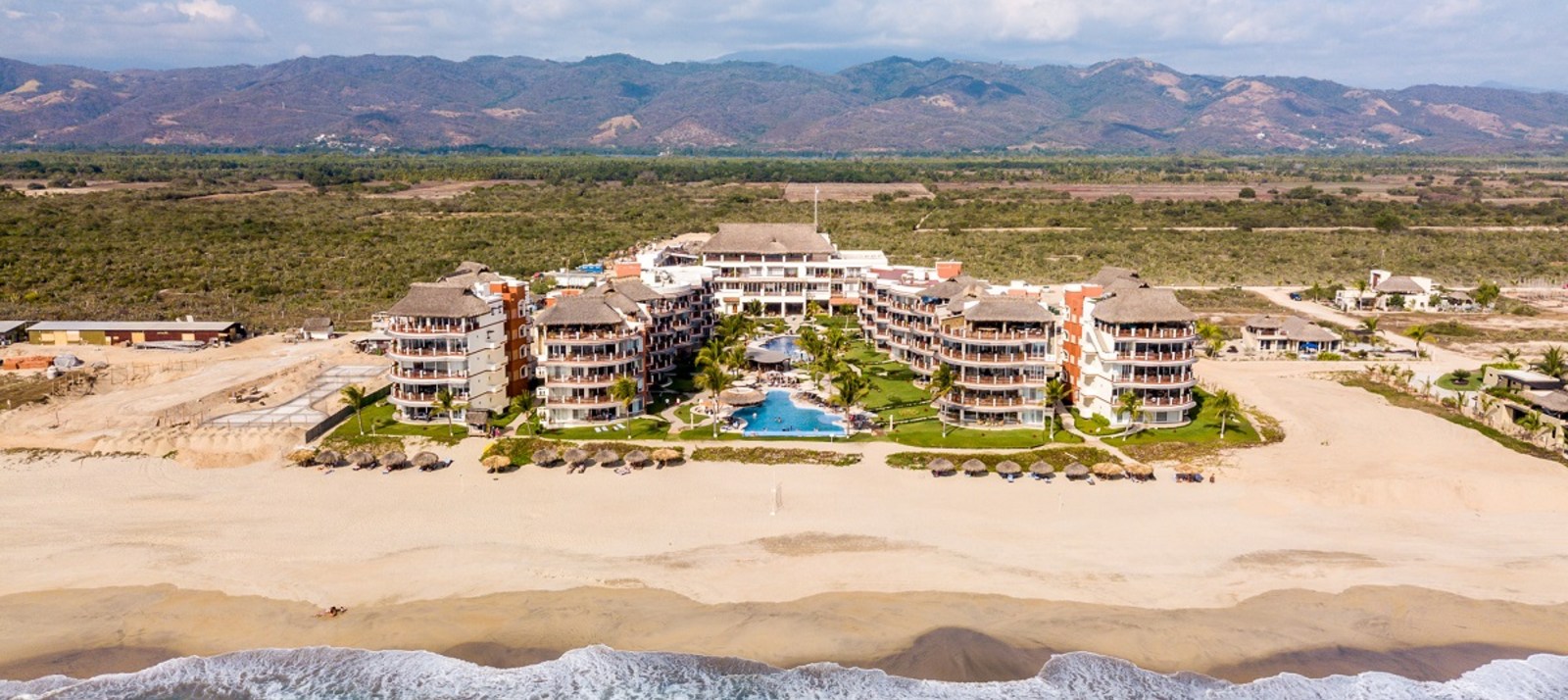
For those staying along Playa Palmarito, the tours are also remarkably convenient. Most operators pick up directly from beachfront resorts and return within a few hours, leaving the rest of the night free to enjoy everything the property offers.
The Living Light in the Water
The organisms behind the spectacle are mostly Noctiluca scintillans and Pyrocystis fusiformis, both marine plankton that produce light through a chemical reaction involving luciferin and luciferase. The flash is thought to startle small predators or attract larger ones that might feed on whatever is threatening the plankton.
Conditions matter more than species. The plankton thrive where nutrient-rich freshwater meets saltwater, which is why estuaries, lagoons, and sheltered bays along the Oaxacan coast light up more reliably than open ocean beaches. Rainfall, agricultural runoff, and seasonal upwelling all affect how concentrated the organisms are, and local guides read the water carefully before launching each tour. A moonless night, calm surf, and a recent dry stretch usually produce the strongest glow.
Tours operate year-round, but visibility tends to peak between November and April, when skies are clearer and the sea is calmer. Travellers visiting in late summer should expect more variable conditions and ask their hotel concierge about recent sightings before booking.
Tour Operators Worth Comparing
A handful of well-regarded operators run nightly excursions from the beaches near Puerto Escondido. Each takes a slightly different approach, and choosing between them often comes down to how long you want to be on the water, how small you want the group to be, and whether you'd like to add extras like snorkelling or kayaking.
| Operator | Group Size | Duration | Includes | Approx. AUD |
|---|---|---|---|---|
| Manialtepec Tours | 6–8 | 2 hrs | Boat ride, swimming | 95 |
| Eco-Adventures MX | 4–6 | 2.5 hrs | Kayak paddling, masks | 130 |
| Coastal Glow Co. | 12–18 | 1.5 hrs | Boat ride, drinks | 75 |
| Private Night Swim | 2–4 | 3 hrs | Custom route, photography | 220 |
Most operators provide masks or kayaks so you can swim or paddle through the brightest patches, though some travellers prefer to simply trail their hands through the water from the boat. Booking through a resort concierge rather than direct tends to be easier, since local guides know which nights are likely to be best and which lagoons are producing the strongest glow at the moment.
What the Evening Actually Feels Like
Pickups usually happen around 7 pm, depending on the season, and the drive to the launch point takes between 20 and 40 minutes. Guides hand out wetsuit tops in the cooler months and walk everyone through a quick safety briefing before pushing off. Within minutes of leaving the shallows, the wake of the boat begins to sparkle, and most groups go quiet for a moment, watching.
Once anchored in the right spot, you're invited into the water. The first plunge always surprises people; the sensation of cold water on your skin, combined with the soft blue pulse around your hands and arms, feels closer to diving into a planetarium than a lagoon. Children tend to lose their minds, and adults quickly follow. The guides keep things moving, herding the group toward brighter patches and occasionally stirring the water with a pole to trigger a fresh burst of light.
On a clear night, the return trip is unforgettable in its own right, with the Milky Way sitting low over the Pacific and the glow reflecting the stars back.
Pre-Trip Pointers for the Beach
A little preparation makes the difference between a memorable night and a soggy, awkward one, especially when travelling with kids or planning to swim.
- Skip sunscreen where you'll go in the water; it dampens the glow.
- Wear a dark swimsuit; light-coloured fabric washes out the effect.
- Bring a waterproof phone pouch if you want photos; regular cases leak almost immediately.
- Eat a light meal beforehand; boat rides on a full stomach rarely end well.
- Pack a dry change of clothes and a small towel for the ride home.
- Leave valuables at the resort and bring only what you'll actually need on the boat.
Guides appreciate a small tip in pesos, even if the upfront price already feels generous by Australian standards. Most travellers round up rather than calculate a percentage, which matches the way tipping tends to work at Aussie cafés and bars back home.
Pairing the Tour With Your Stay
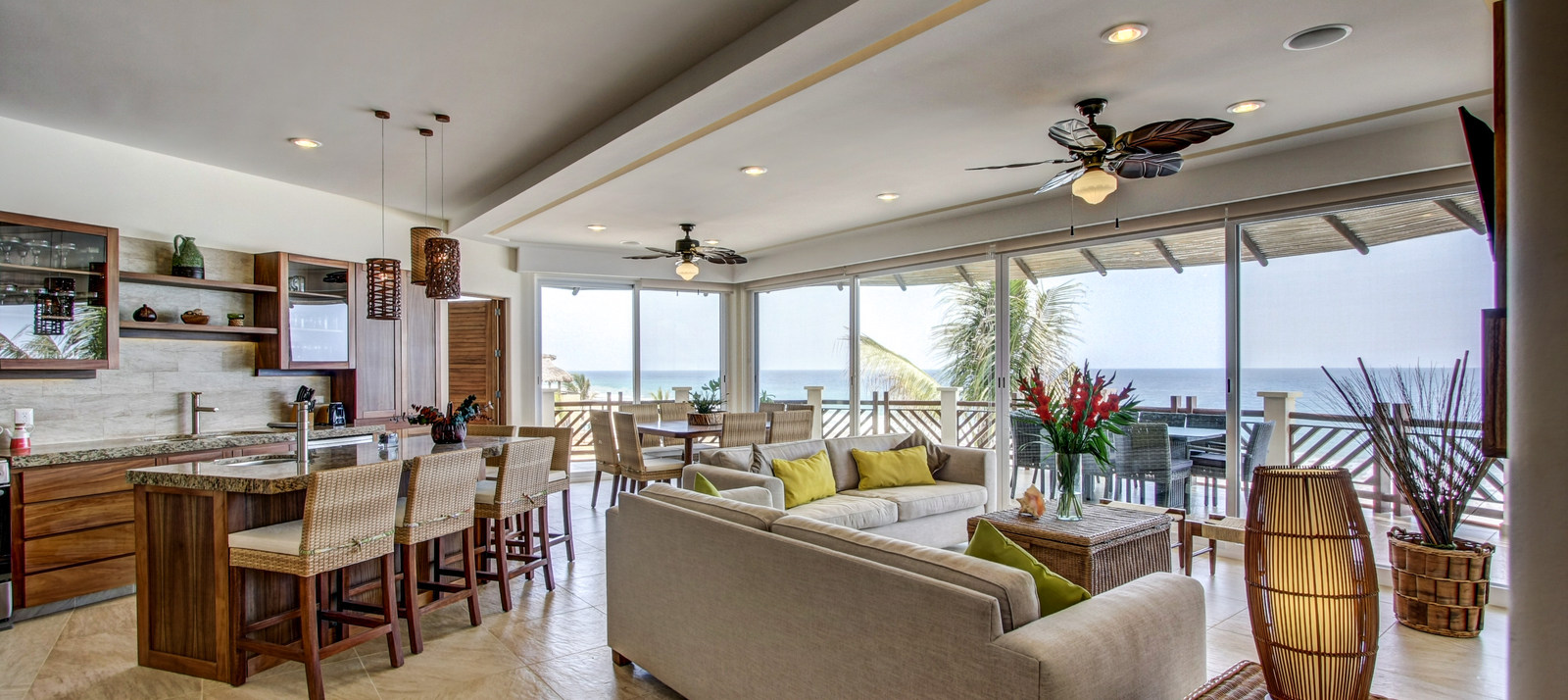
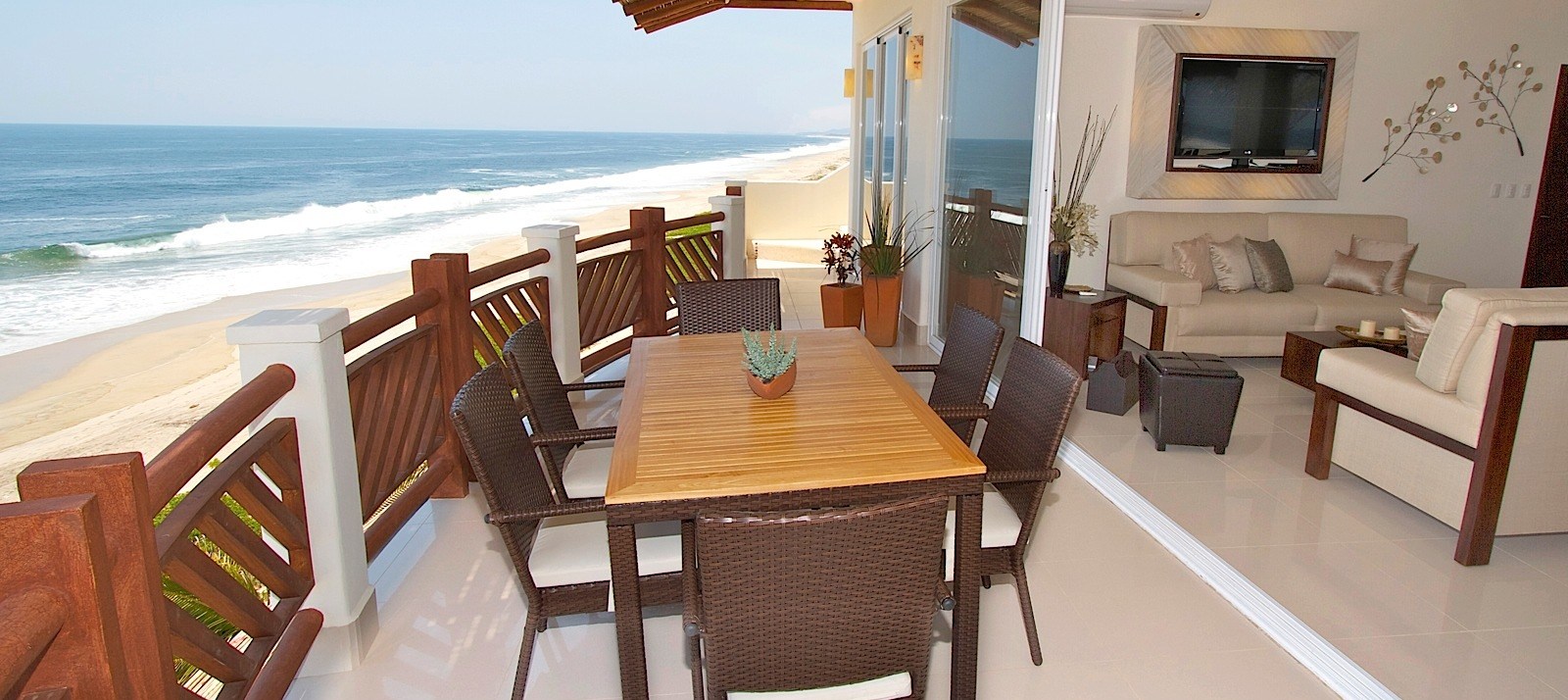
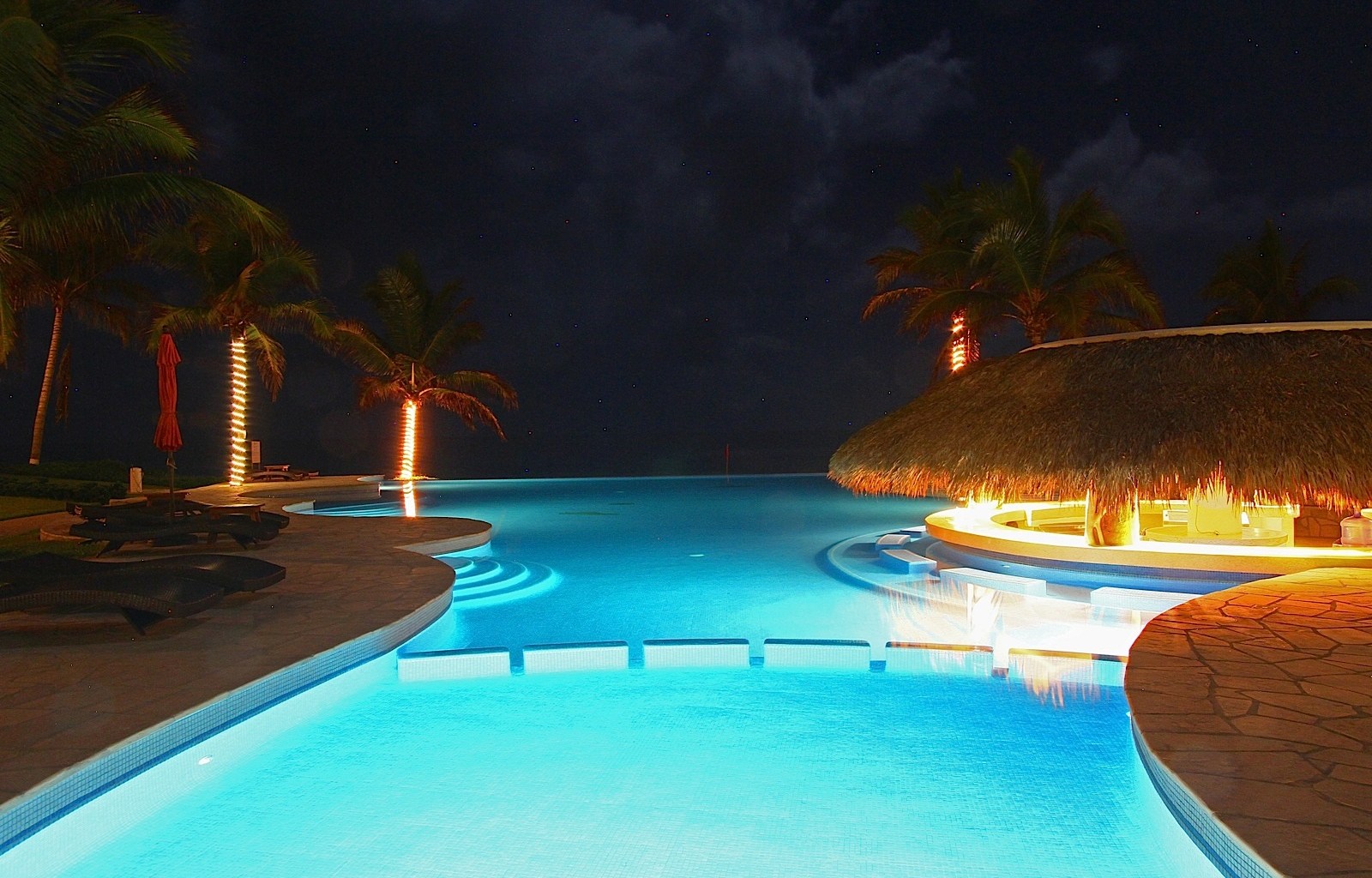
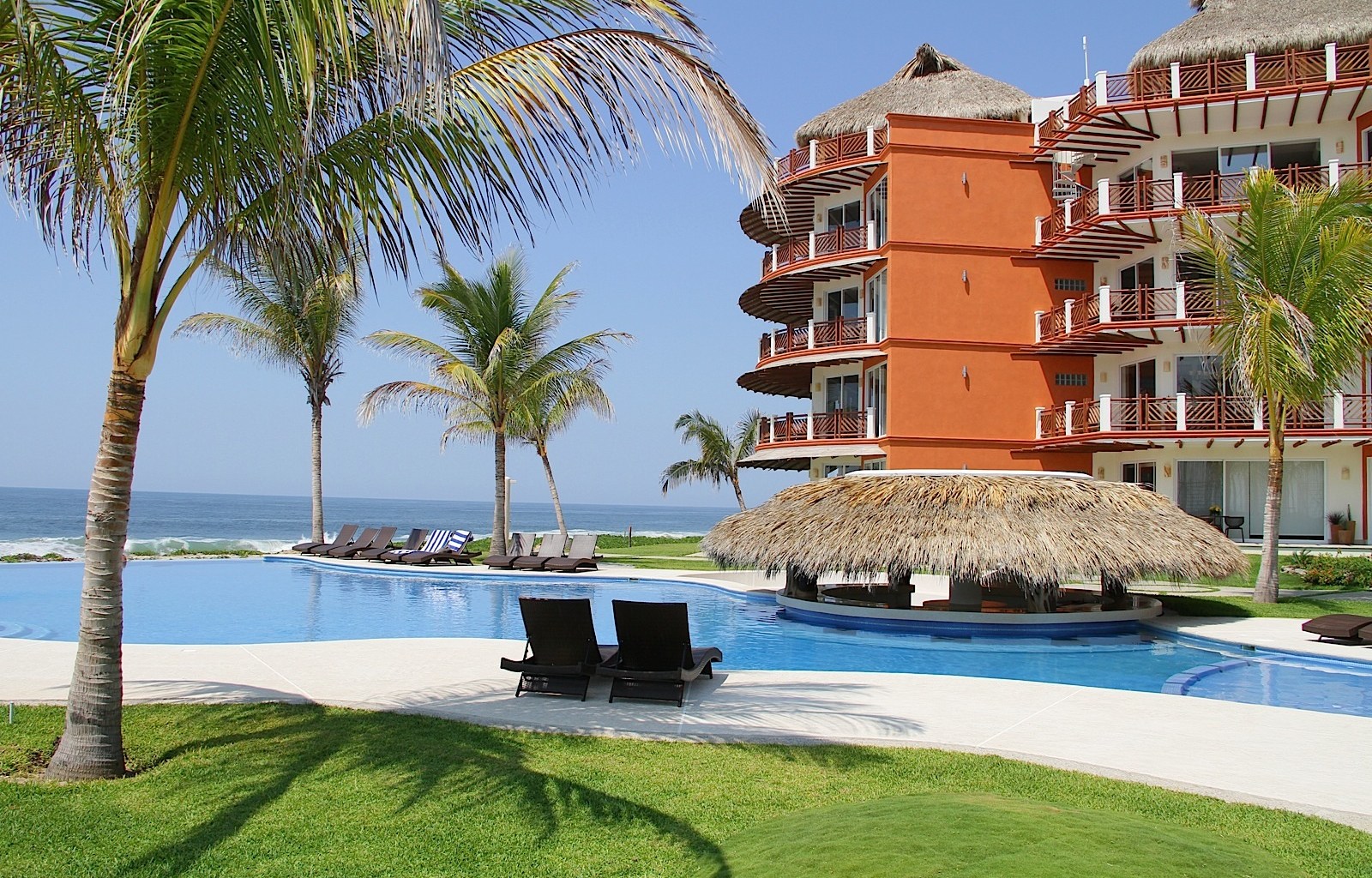
Because the tours finish relatively early, they pair naturally with lazy mornings back at the property. Guests at beachfront resorts often spend the following day by one of the pools, working through breakfasts that make a Melbourne brunch queue feel like a wasted arvo. The contrast between a splashy night and a quiet, sun-warmed morning is part of what makes the rhythm of a Puerto Escondido holiday work.
For Australians thinking about returning more often, the resort also offers fractional ownership options that lock in preferred weeks and ocean-view residences. Anyone planning the trip should book through the resort to coordinate tour pickups, learn which week of their stay typically produces the best conditions, and have a concierge handle last-minute changes if the moon or weather doesn't cooperate.
Recovering the Morning After
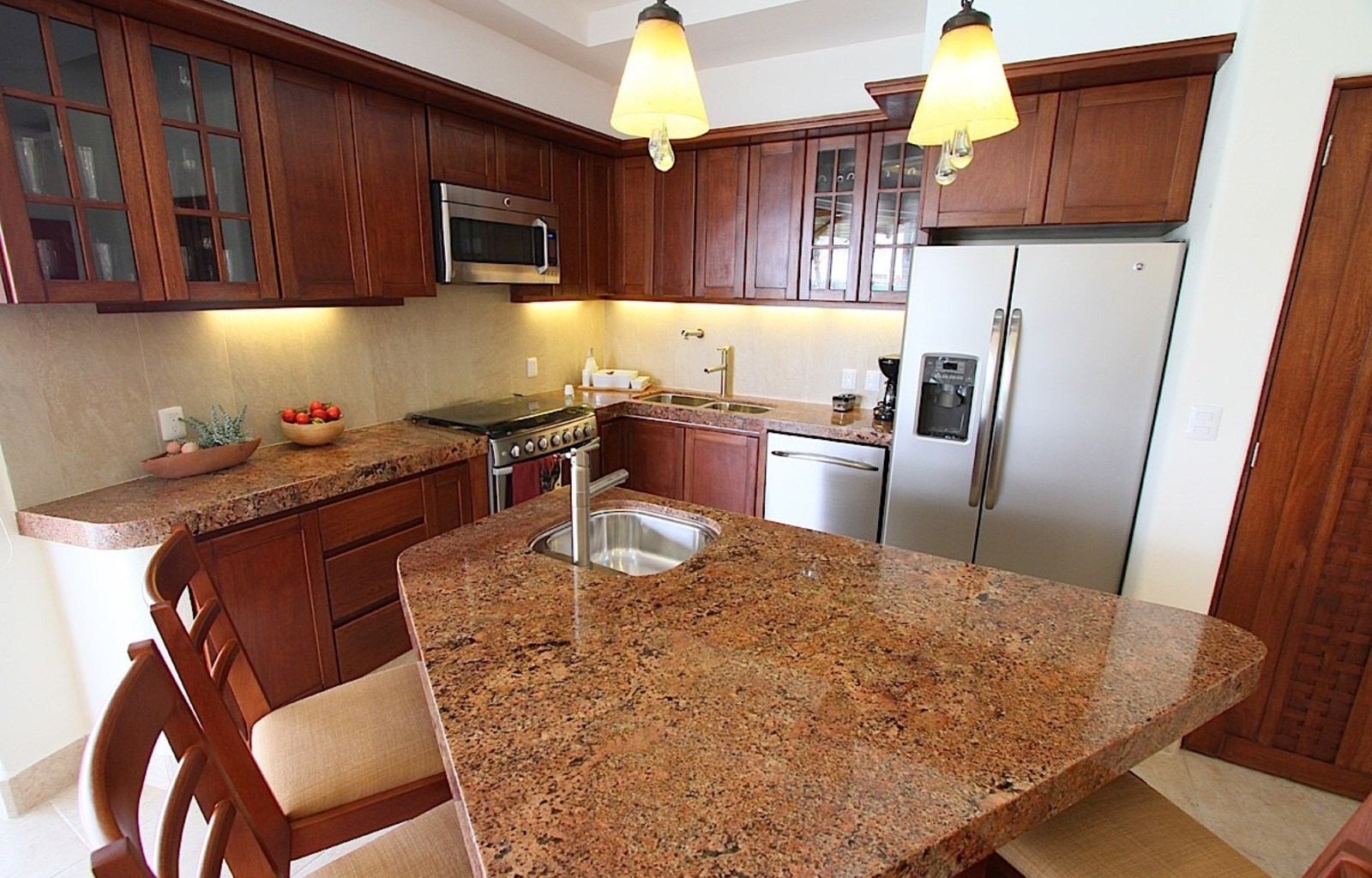
After a late night in the lagoon, most travellers want something simple and familiar the next day. Suite kitchenettes at beachfront resorts handle this well; a quiet breakfast of local fruit, fresh coffee, and toast while watching the waves is hard to beat.
Travellers who want to extend the night-at-home feeling can browse a simple Oaxacan recipe for ideas that use the suite's small kitchen later in the week. For couples, the spa offers recovery-focused treatments that pair well with the experience, while families tend to drift toward the pools and shaded daybeds. Either way, the glow tends to stay with people far longer than the tour itself, and many guests find themselves scanning the water from their balcony every evening after, just to check.
If you're weighing up whether to add a night tour to an already-full Puerto Escondido itinerary, treat it as the anchor rather than the add-on. Build the rest of the trip around the moonless nights, save the surf lessons for bright afternoons, and let the lagoons do what they do best: turn a familiar coastline into something quietly unforgettable.