A Guide to the Resort’s Garden Pathways and Native Plant Species
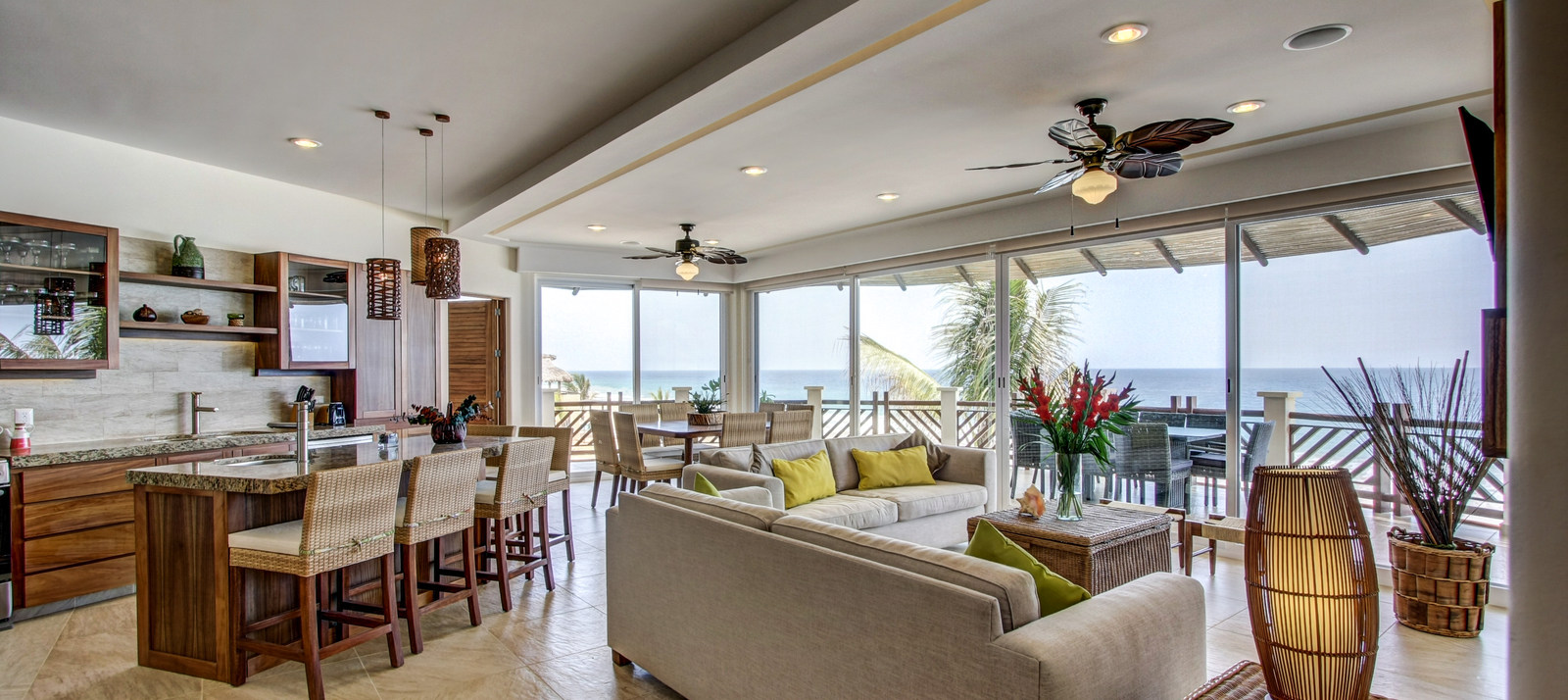
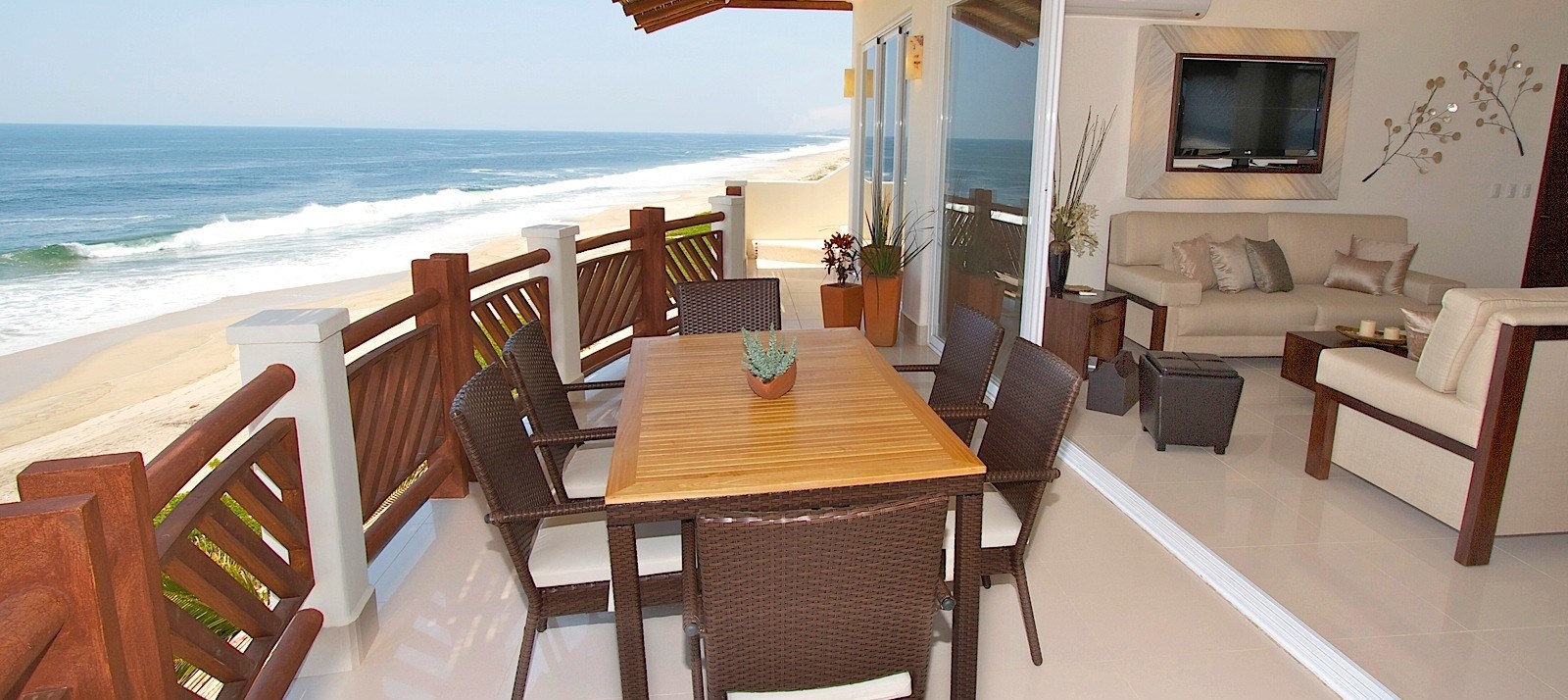
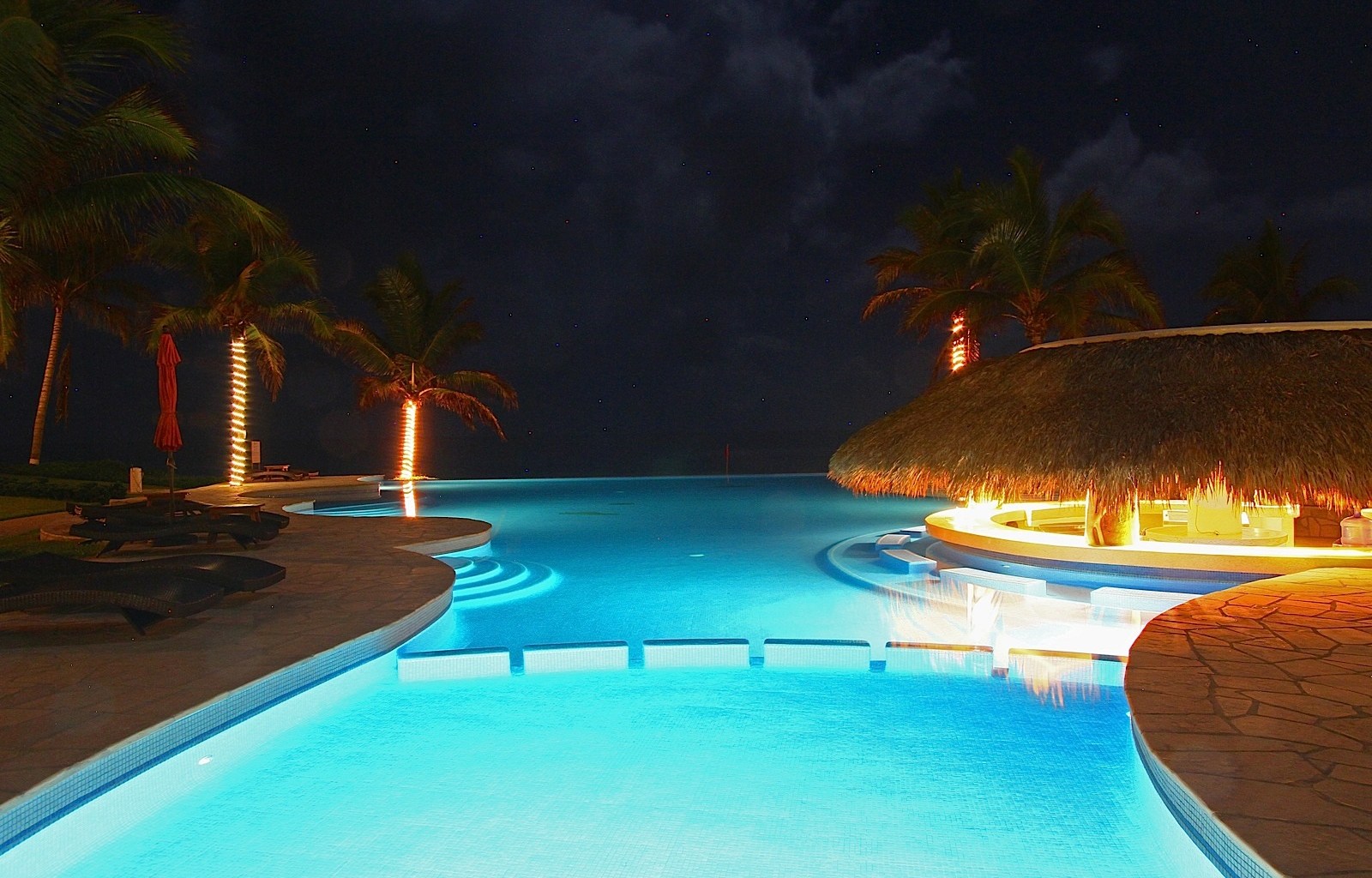
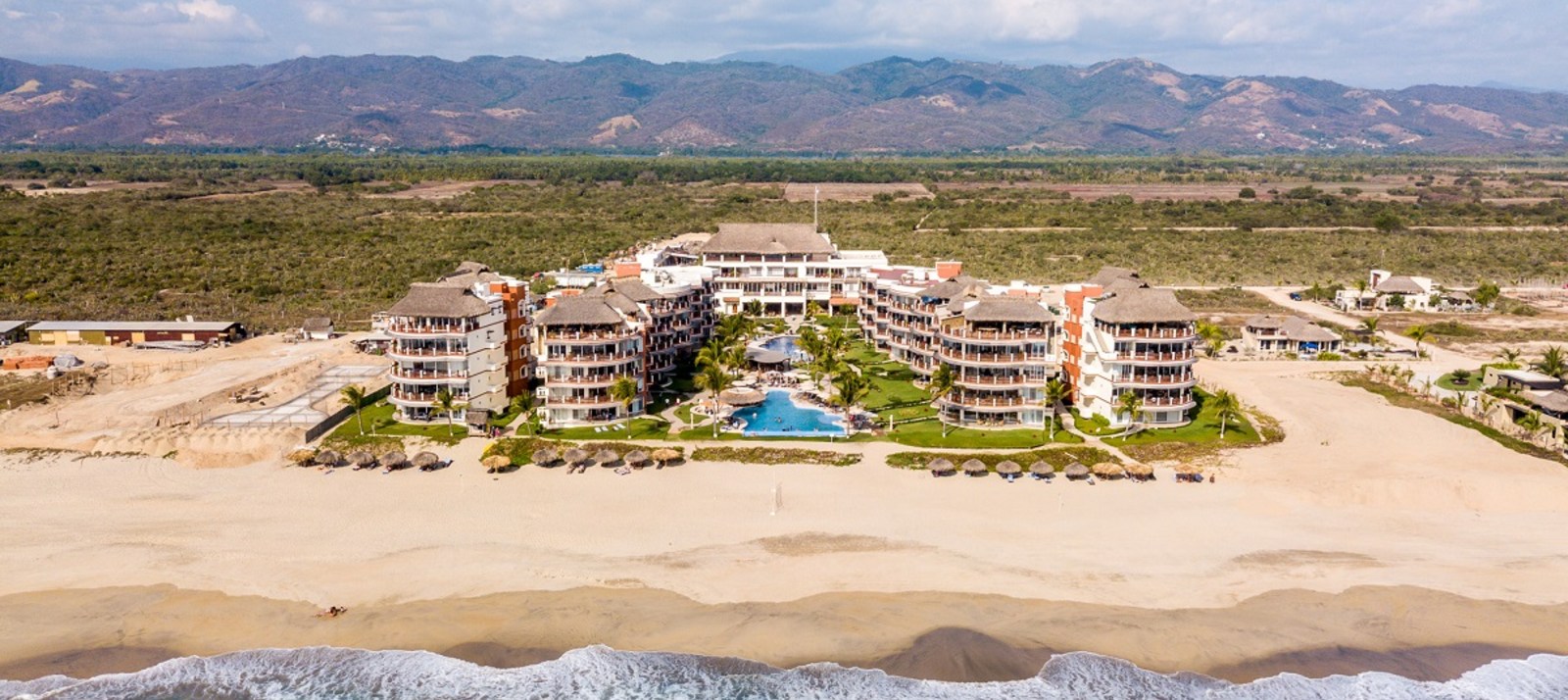
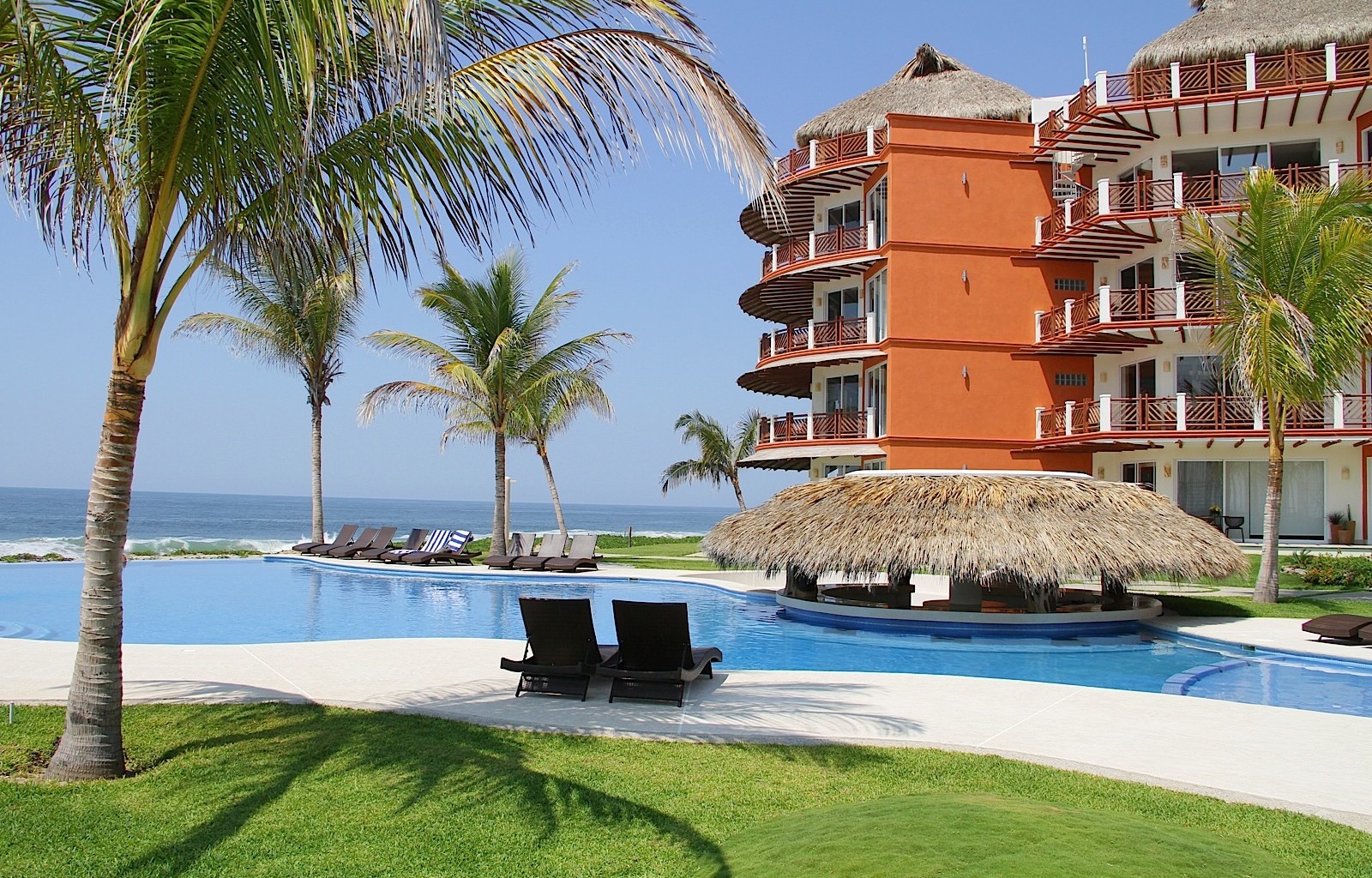
At Vivo Resorts on Playa Palmarito, garden pathways create a gradual transition from the suites and private villas to pools, dining spaces, the spa and the Pacific. The landscape works as a sequence of shaded edges, open lawns, fragrant beds and sandy routes to the beach. Sea air, moving leaves and shifting shadows reward a slower pace.
A useful mental map starts with the accommodation. Routes from the main residence and villa areas suit first-time wanderers, while pool decks and dining entrances allow shorter loops. Private villa boundaries, event preparation and maintenance can change access, so ask reception or the concierge for the current layout. Families with prams and guests wanting firm footing should request accessible paths in advance.
The planted landscape also merits closer attention. Native coastal species handle salt spray, strong sun, wind and seasonal dryness through leathery leaves, pale bark or deep roots. Cultivated varieties add colour and scent, yet many are not native to Oaxaca. Recognising the difference between regional plants and imported ornamentals prevents a lush garden from being mistaken for untouched coastal bushland.
Australian visitors will find some familiar references: coastal walks around Noosa or the Bondi to Coogee track show how gardens can shape a holiday, but Oaxaca’s heat and sudden rain demand more care. Distances are given in kilometres and bottles in litres, not miles and gallons. Sunscreen, a hat and water belong in the day bag, while the Southern Hemisphere seasons can make timing crucial.
| Garden setting | Main features | Best time | Visitor note |
|---|---|---|---|
| Suite and villa edges | Layered shrubs, scented blossoms and shade | Early morning | Keep noise low near occupied villas |
| Pool and spa approaches | Broad-leaved coastal plants and garden birds | Late afternoon | Avoid service routes and pool decks |
| Dining gardens | Flowering colour and pollinator activity | Before meals | Confirm venues are open to all guests |
| Beach-facing paths | Salt-tolerant plants and sand-binding groundcovers | Near sunset | Wear shoes for uneven sand |
Walking the main garden routes
Start with a short loop around the suite or villa, then extend towards the central amenities rather than heading straight for the sand. Ask for a simple hand map if none is displayed. The shortest route may pass pool service areas, while the longest often provides the quietest contacts with planted borders and the shoreline.
Wear closed-toe sandals on firm paths and trainers if adding a beach or coastal excursion. Surfaces may change between paving, compacted sand and garden edging, and recent rain can make low sections slippery.
For a change of scenery, the concierge can organise a drive into Puerto Escondido, where markets, seafood restaurants and surf beaches reward a few hours away from the resort. A Puerto Escondido guide can help connect those outings with the rhythms of the town and the wider coast.
Plants shaped by the Oaxaca coast
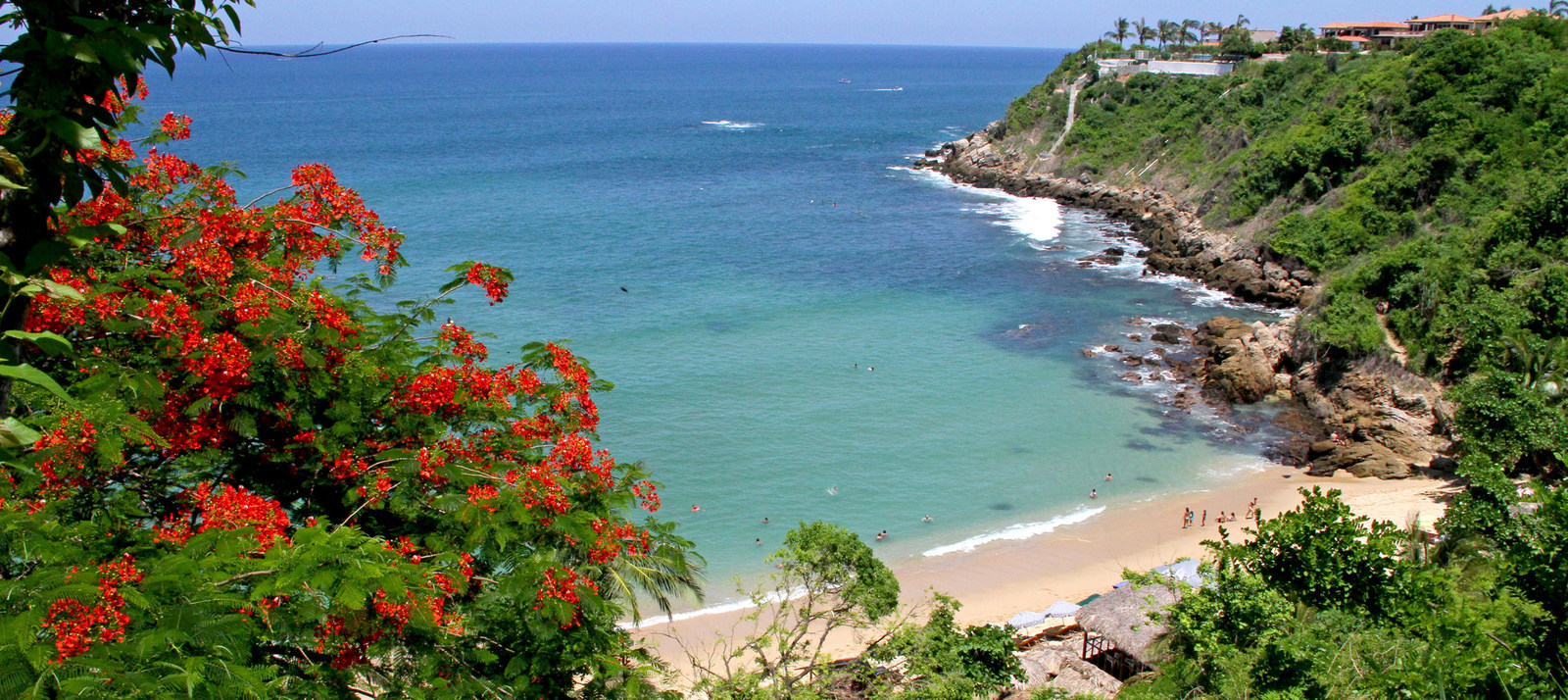
The Pacific shoreline around Playa Palmarito supports dry-tropical vegetation adapted to a demanding environment. Regional native species include beach hibiscus (Hibiscus tiliaceus), with large leaves and yellow flowers; beach morning glory (Ipomoea pes-caprae), a sand-binding creeper; and cocoplum or sea grape (Coccoloba uvifera), recognised by broad, leathery foliage. Gumbo limbo (Bursera simaruba), native to Mexico and neighbouring tropical regions, is another possible sighting.
Resort beds may also feature frangipani, bougainvillea, palms and tropical almond. These provide scent, flowers and welcome shade, but they are not all native to this coast: coconut and tropical almond, for example, arrived from other tropical regions. “Native” therefore describes origin, not beauty or usefulness.
Look for leaf arrangement, bark, flower form and fruit rather than colour alone. Ask staff which plants are locally sourced and which are cultivated introductions, as the planting palette can change. Avoid picking, stripping leaves or touching sticky sap, and give nesting birds and pollinating insects room to work.
A practical checklist for garden walks
A light plan keeps the walk comfortable without turning it into an expedition. Short lists are enough for most routes.
Walking basics
- Carry a refillable bottle and SPF 50+ sunscreen.
- Wear trainers for longer routes and closed-toe sandals elsewhere.
- Pack a hat, light rain layer and charged phone.
- Keep to marked paths near pool service zones.
Plant spotting needs only as much attention as walking. Record colours and leaf shapes without touching unfamiliar sap, and keep children close around flowers and nesting sites.
Plant spotting basics
- Note leaf arrangement, colour and bark before taking a photograph.
- Ask staff before touching fruit, flowers or sap.
- Use binoculars rather than climbing for a close view.
- Leave flowering plants and birds undisturbed.
For a gentle arvo stroll, ask whether a route is flat, shaded and wheelchair accessible. Many Australians use arvo to mean afternoon, so the word is likely to be understood. For more active days, the resort’s fitness-matched excursion guide can help guests choose an outing that matches their pace rather than their enthusiasm.
Planning around weather, money and activities
Australian summer runs from December to February, when Oaxaca is often in its wetter season and heavy afternoon downpours can affect outdoor plans. March and April can be hotter and drier. A morning walk often gives the coolest surfaces and clearest light, while a late-afternoon loop offers softer heat and longer shadows.
Australian cards work in many resort settings, yet small shops, beach vendors and local guides may prefer Mexican pesos. Keep some cash for those transactions and ask before photographing vendors. When booking online, Australians should check inclusions carefully: some holiday packages bundle transfers or excursions, while a resort stay may not include every activity shown in an Australian comparison.
Guests considering longer-term holidays can review the resort’s ownership details before deciding. The practical comparison for Australian buyers is the same as elsewhere: check points or nights, recurring fees, booking windows and exit terms rather than focusing on the headline price. Local knowledge and expected return visits should both have a place in that decision.
The garden after the walk
By late afternoon, the resort’s paths reveal the coast in layers: salt-bright shrubs nearest the sand, taller shade trees near residences and flowering colour around dining areas. The spa and pools provide natural pauses, while balconies and villa windows frame the ocean beyond. The same route can be slow, social or quietly reflective.
The point to remember is that Vivo’s garden is more than a decorative backdrop between the beach and the suite. Its pathways reveal how water, salt, wind and human planting shape life on Playa Palmarito. Recognising native species, leaving room for wildlife and choosing the right time to walk turn the resort landscape into a readable story of the Mexican coast.