Laguna de Manialtepec: A Night on Oaxaca’s Water
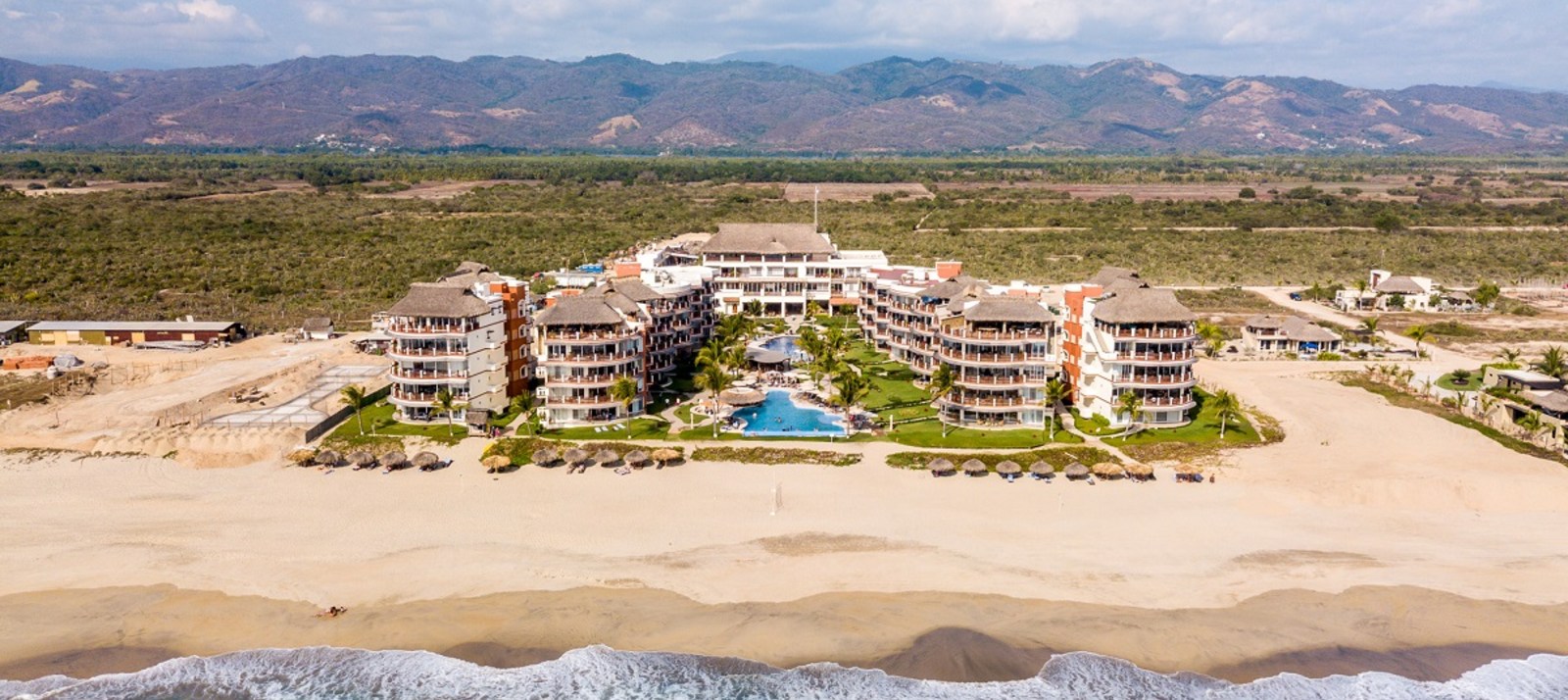
For travellers staying at Vivo Resorts on Playa Palmarito, the nearby Laguna de Manialtepec offers a memorable change of pace from open-ocean swimming and poolside relaxation. This coastal lagoon near Puerto Escondido is known for mangrove-lined waterways, birdlife and occasional displays of bioluminescent plankton after dark.
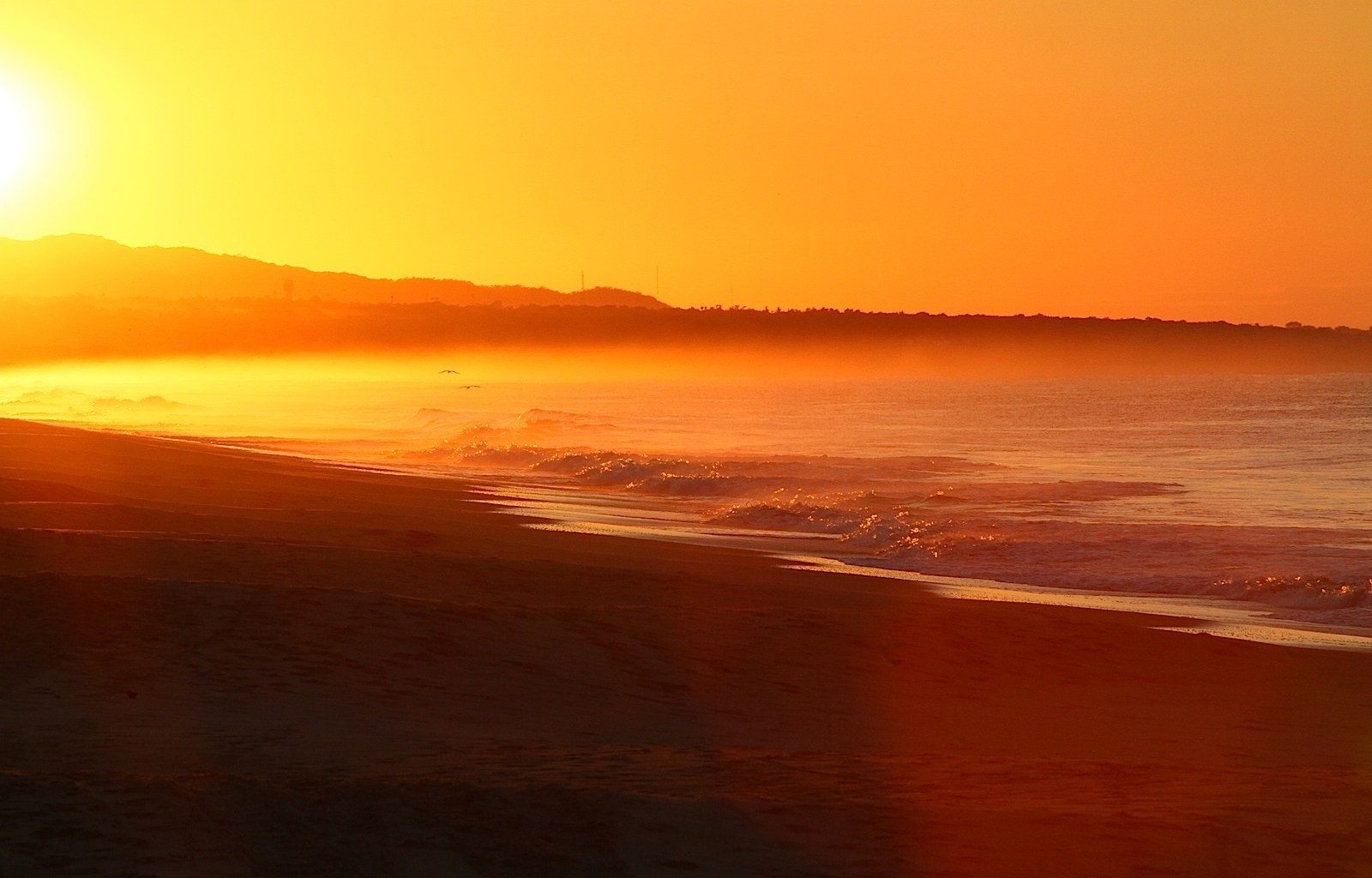
The experience usually begins before sunset, when a local boat carries visitors across calm lagoon waters. As daylight fades, the landscape becomes quieter and the sky takes centre stage. Later, guides may invite passengers to watch for tiny flashes of blue-green light moving through the water.
The glow is a natural phenomenon rather than a guaranteed performance. Visibility depends on plankton levels, rainfall, water conditions, cloud cover and moonlight. That uncertainty is part of the appeal: the tour is a genuine encounter with a living ecosystem, not a staged attraction.
For Australians, it can be an easy addition to a longer Mexican holiday. Travellers from Sydney, Melbourne or Brisbane often plan several nights around Puerto Escondido, allowing time for beach days, food experiences and one or two guided excursions without packing every day too tightly.
What makes the lagoon special
Laguna de Manialtepec is a coastal wetland where fresh and salt water interact. Its channels and shallow areas support mangroves, fish and a variety of waterbirds. During daylight, a boat ride may reveal herons, frigatebirds, pelicans and other species resting along the banks.
At night, the atmosphere changes completely. When microscopic dinoflagellates are present, movement in the water can create brief sparks beneath a hand, paddle or swimming body. A boat wake may leave a shimmering trail, although the effect can range from subtle to striking.
The lagoon is also valuable as a protected natural habitat. Responsible operators keep noise low, avoid disturbing wildlife and follow local access rules. Visitors should listen closely to their guide, especially when entering narrower channels or areas where mangrove roots and shallow water make navigation delicate.
Choosing the right time to go
Sunset tours are often the most rewarding option because they combine changing scenery with the possibility of seeing bioluminescence later. The early part of the trip may include birdwatching and photography, while the return journey takes place under a darkening sky.
A night with little moonlight can make faint bioluminescence easier to see. However, lunar conditions are only one factor. Recent rain, water movement and seasonal plankton activity can influence the display, so a new-moon booking is helpful but never a promise of bright glowing water.
Australian visitors used to booking around school holidays should allow some flexibility. Mexican coastal weather can be warm and humid, with conditions changing quickly during the wet season. A reputable guide will explain whether the lagoon is suitable on the day and may adjust departure times when necessary.
What to pack for the boat ride
Wear lightweight clothing that dries reasonably quickly and bring a light layer for the return trip. Even warm evenings can feel cooler on the water, particularly after swimming or when the boat is moving. Sandals with a secure strap are more practical than loose thongs.
Take insect repellent, reef-safe sunscreen for the daylight portion and a small amount of cash for incidental purchases or gratuities. A waterproof phone pouch is useful, though extremely dark conditions make photography difficult. Reducing screen brightness also helps preserve everyone’s night vision.
Swimming is sometimes offered by tour operators, but conditions vary and it should only be done when the guide says it is safe. Avoid applying ordinary lotions or insect products immediately before entering the lagoon, as keeping the water clean protects the organisms that create the glow.
Planning the excursion from Vivo Resorts
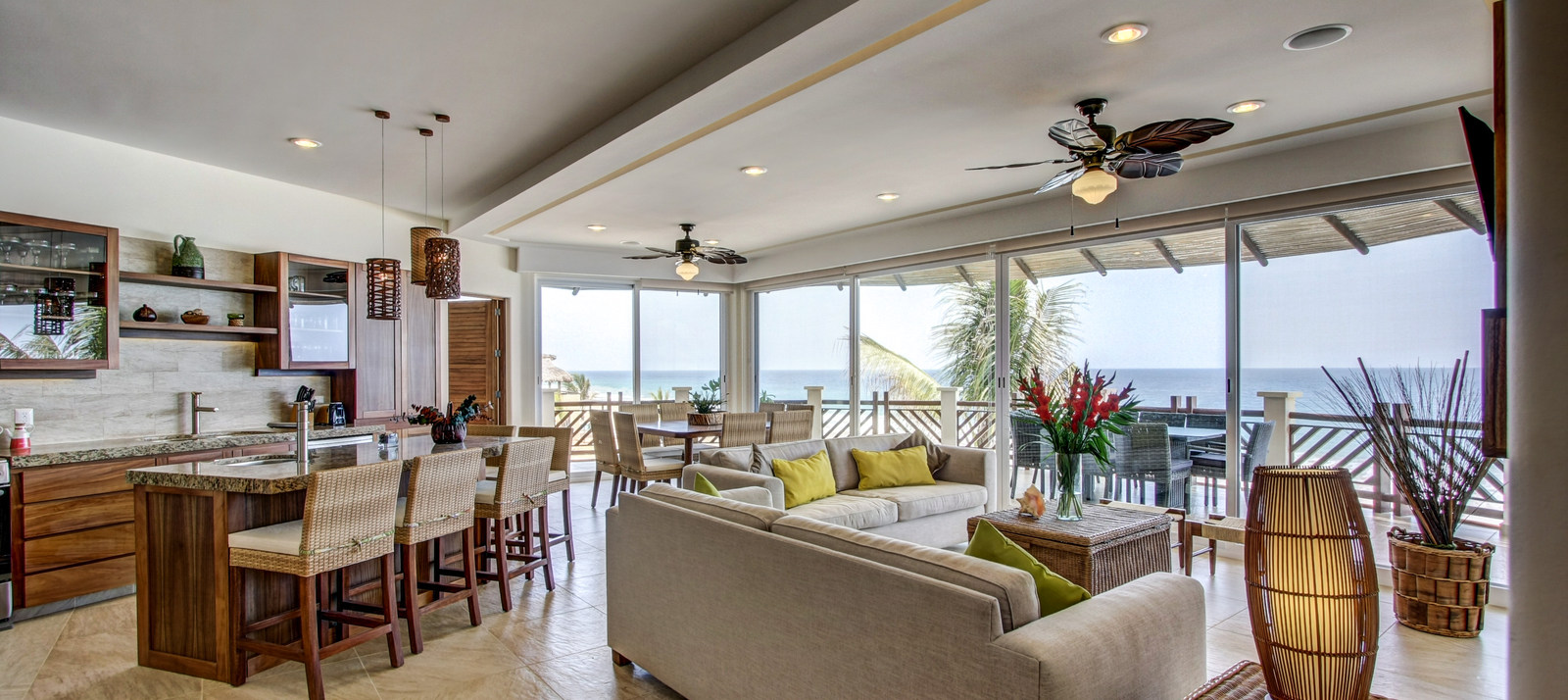
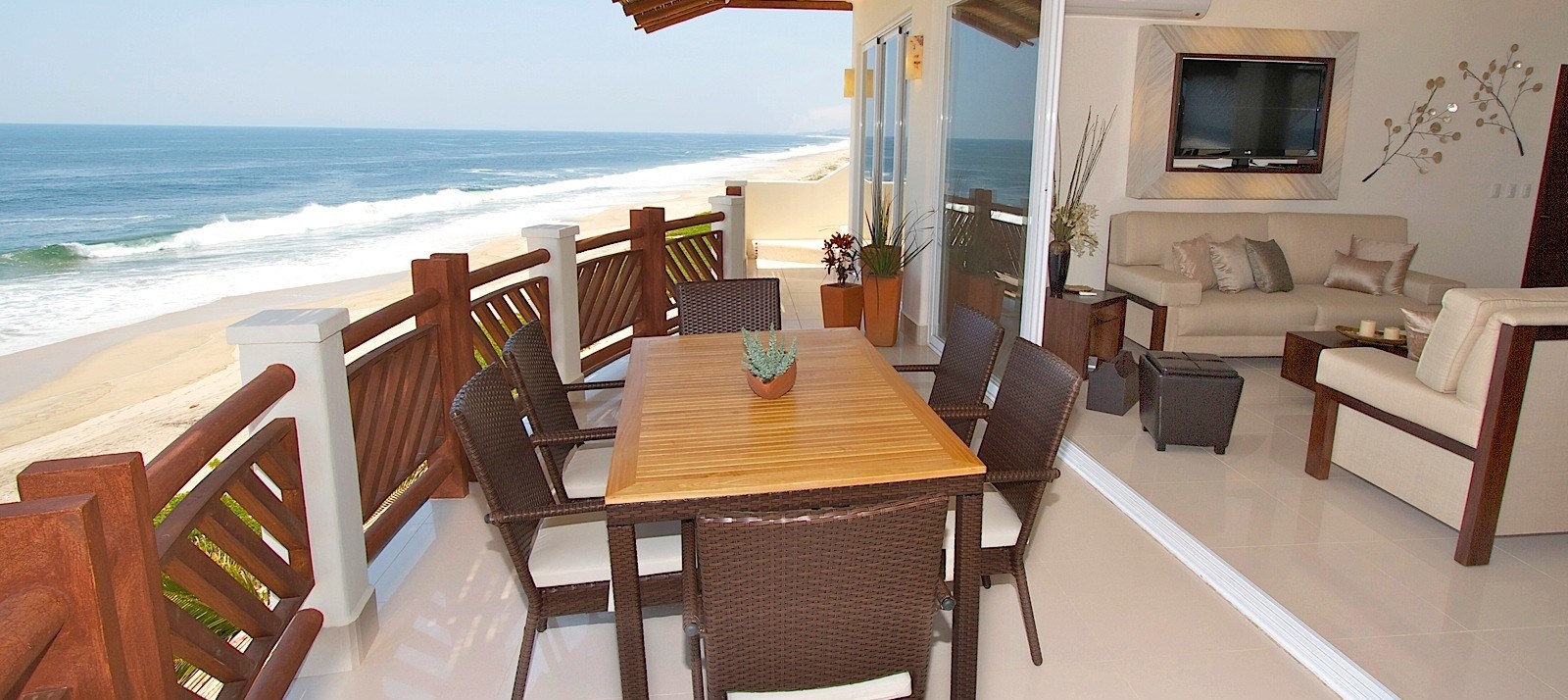
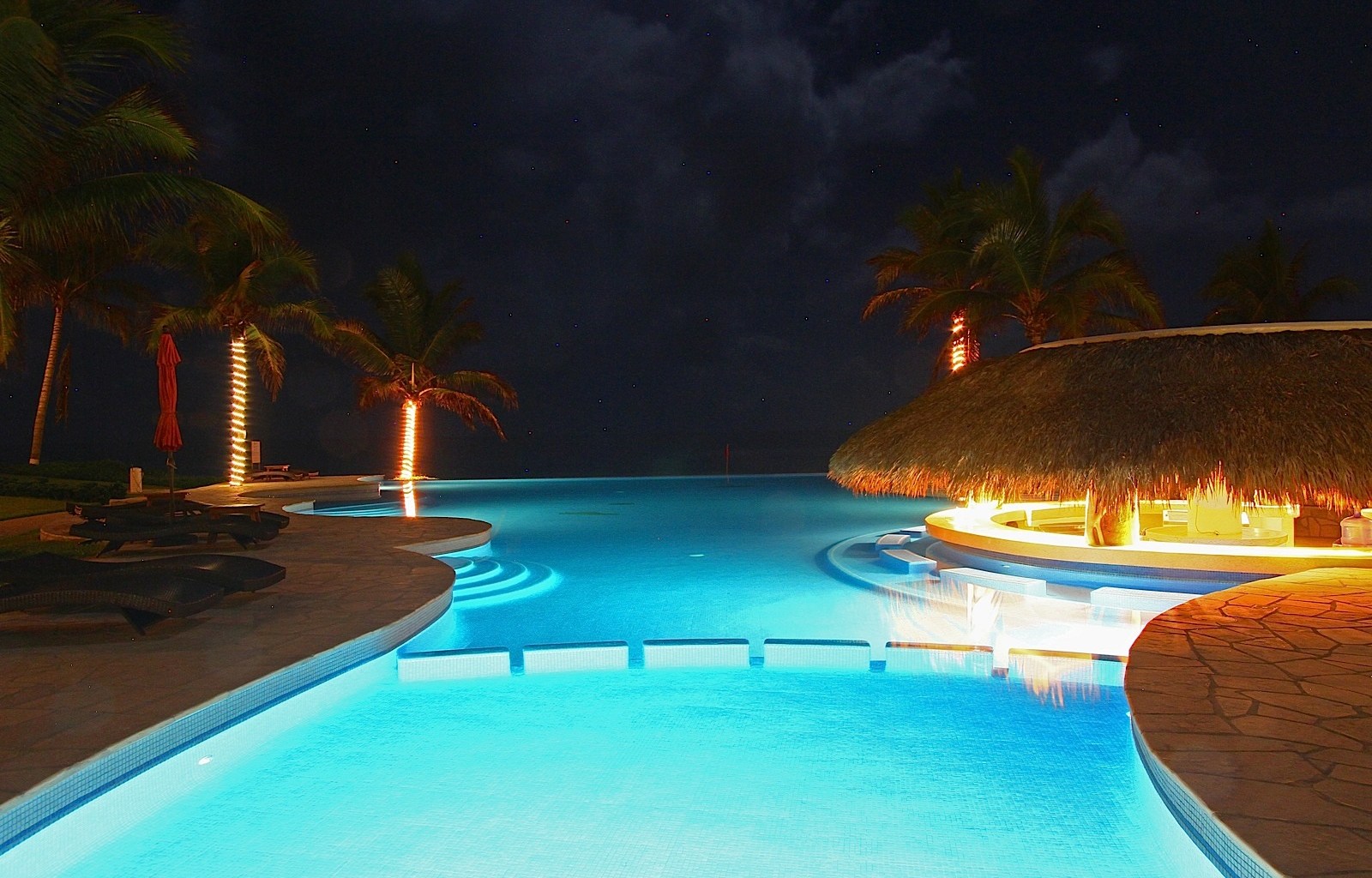
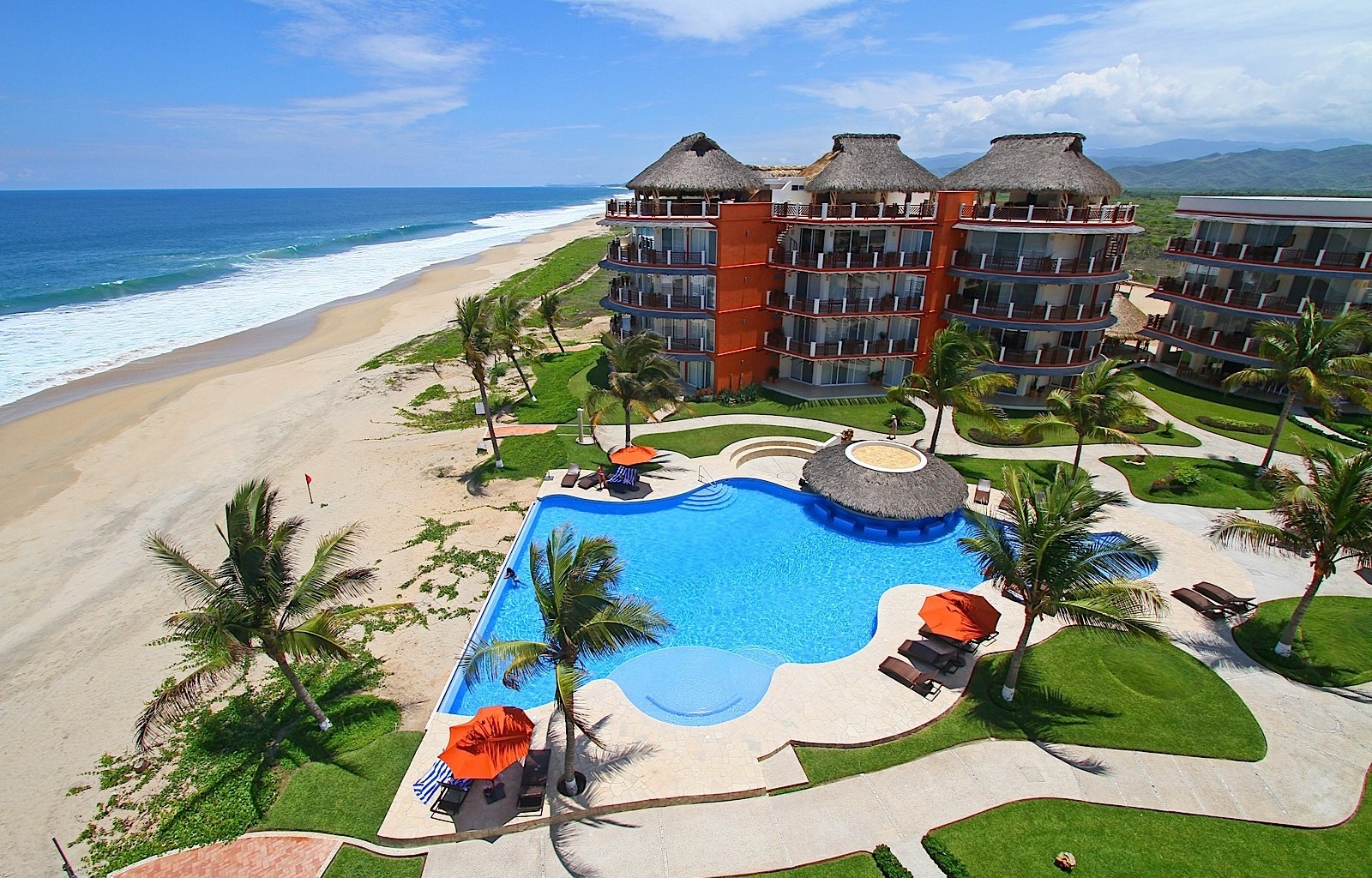
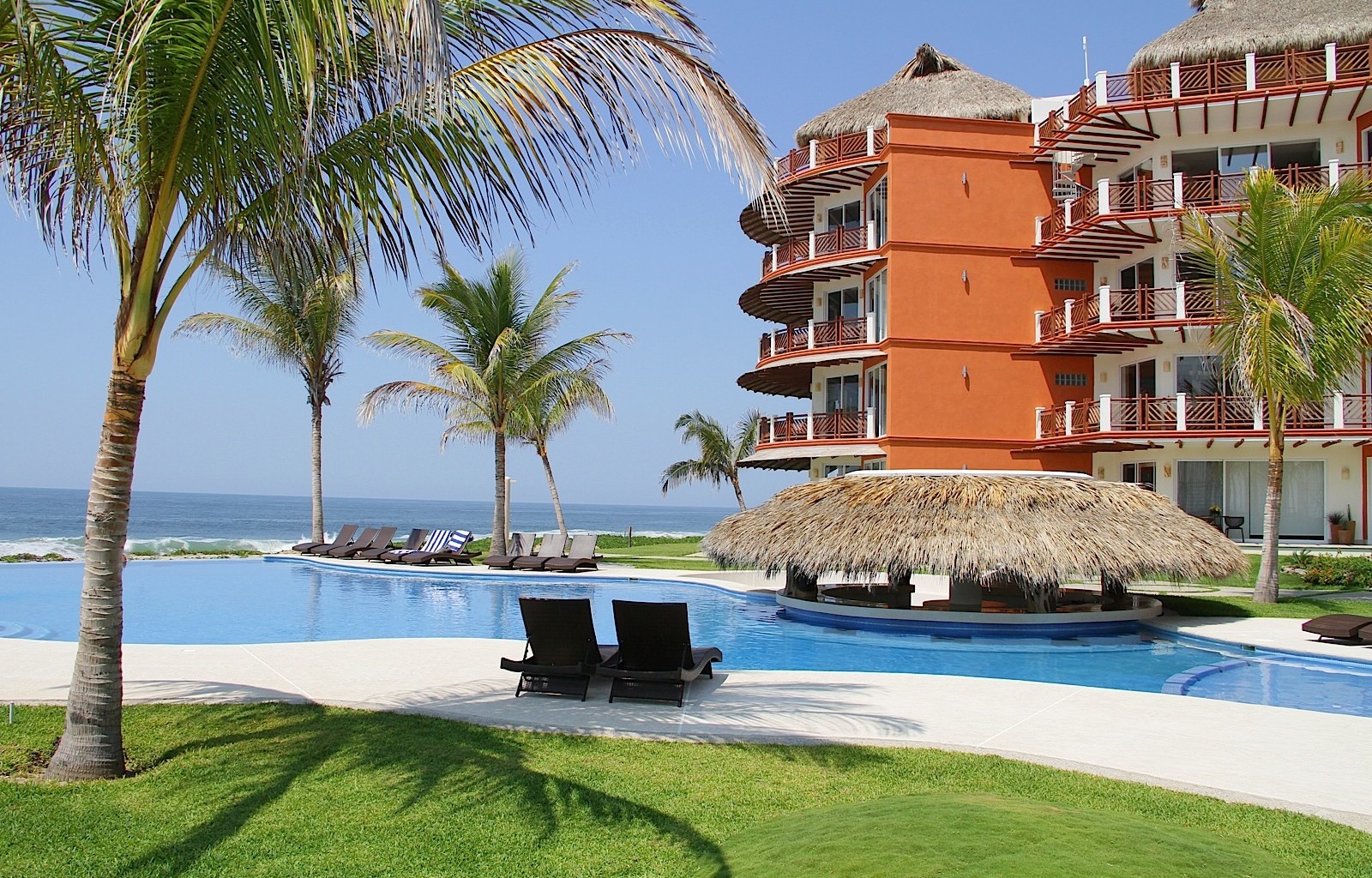
Vivo Resorts provides a comfortable base for exploring this part of Oaxaca’s coast. After a day beside the Pacific, guests can return to spacious accommodation, enjoy an ocean-view meal and prepare for an evening departure without changing hotels. For a useful sense of the resort’s dining options, read this food lover’s tour.
The lagoon is generally reached by road from the Puerto Escondido area, followed by a small-boat outing. Allow extra time for transfers, check what the operator includes and confirm whether transport, life jackets, drinks and guide fees are covered. Travel times can be affected by road conditions and the exact launch point.
Families may prefer a private or smaller-group departure, while couples often enjoy a quieter sunset cruise. Guests travelling with children should check minimum ages, boat size and toilet access before reserving. The relaxed Mexican pace can be refreshing, though it may feel less tightly scheduled than a typical Australian day tour.
Accommodation and local logistics
Accommodation choice matters when travelling as a group. A family or group may value a kitchen, separate sleeping areas and room to spread out, while couples may prioritise privacy and a direct ocean outlook. This comparison of villas and residences explains the differences at Vivo Resorts.
Australian travellers should carry some Mexican pesos for small vendors, local transport and tips, even though cards are accepted at many established properties. Tipping is customary in Mexico, and a modest gratuity for a careful boat crew is appreciated. Bring a reusable water bottle, keep valuables secure and confirm pickup details rather than assuming every transfer runs to the minute.
It is sensible to book the lagoon excursion through a trusted local provider or with assistance from the resort team. Ask about cancellation terms, weather policies, life jackets, swimming rules and the likely level of bioluminescence. Resort staff can also help match the trip with a dinner booking or spa treatment later in the stay; trip details can be checked through Vivo Resorts’ contact team.
Making the evening meaningful
The best approach is to treat the bioluminescent boat tour as an encounter with nature, with glowing water as a fortunate highlight. A clear sunset, mangrove silhouettes and the quiet rhythm of a local boat can make the outing worthwhile even when the plankton is barely visible.
Keep voices low, follow the guide’s instructions and avoid shining bright torches across the lagoon. Do not collect water, touch wildlife or leave rubbish on board. These small choices help preserve the conditions that make the wetland special for future visitors and local communities.
Before leaving Vivo Resorts, confirm the pickup time, pack insect repellent and a light layer, and ask the tour operator about that evening’s water and moon conditions.