Marine life to look for while snorkelling at Vivo Resorts
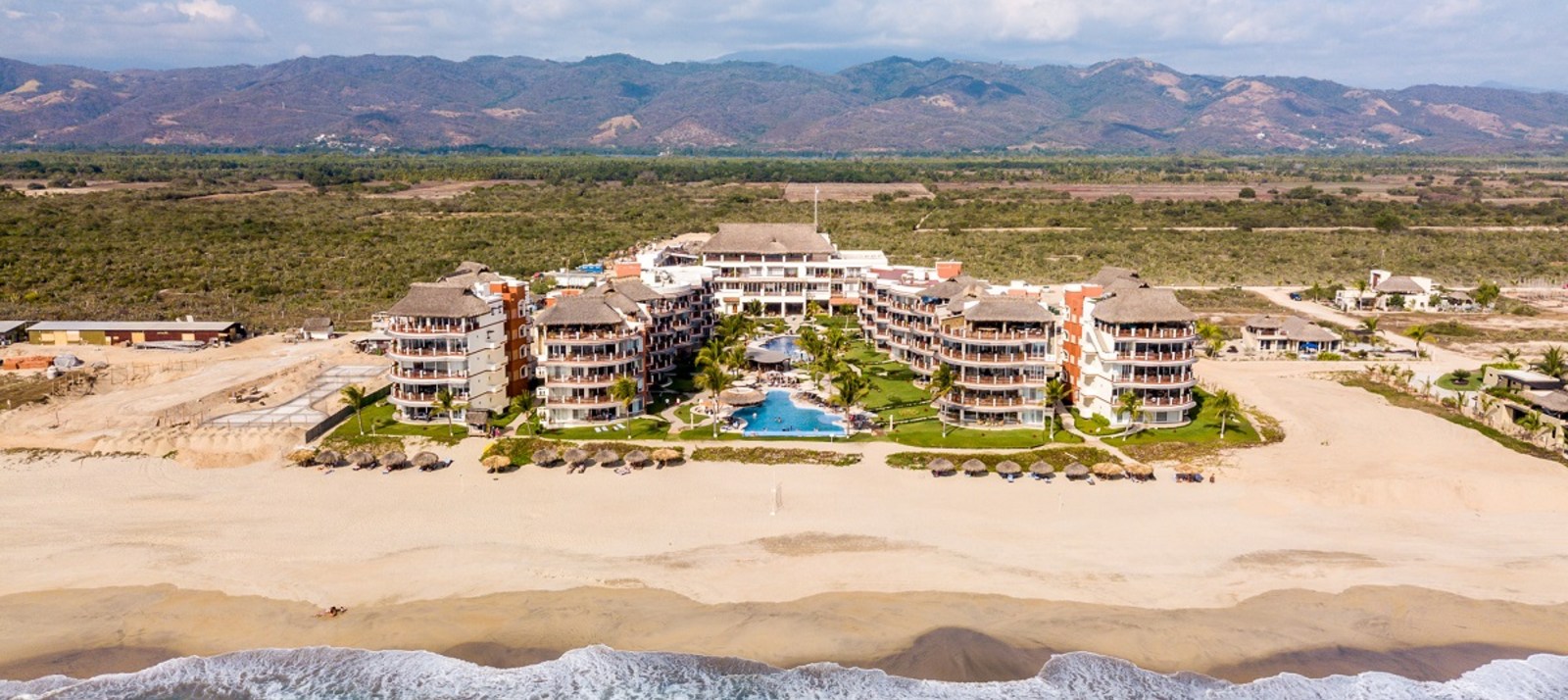
Playa Palmarito sits on Oaxaca’s Pacific coast, where warm water, rocky patches and sandy bottom create habitat for a changing cast of marine life. The experience is less like swimming through a permanent aquarium and more like exploring a living shoreline: visibility, swell, tides and season all influence what appears on the day.
Guests at Vivo Resorts can use the beach and resort team as a starting point for planning an easy snorkelling outing. Some creatures may be close to shore, while others are more likely on a guided trip to a sheltered cove or nearby beach. A little patience is useful; hovering quietly often reveals more than covering a large distance.
| Marine life | Where you may encounter it | What to expect |
|---|---|---|
| Sergeant majors and damselfish | Rocky areas and reef-like structure | Small, quick fish in bold colours |
| Parrotfish and wrasse | Shallow rocks and ledges | Grazing, colourful fish moving steadily |
| Pufferfish and trunkfish | Sandy edges and rocks | Slow, distinctive swimmers that hide when approached |
| Rays | Sandy bottom and calm shallows | A flat shape gliding or resting partly buried |
| Sea turtles | Open water and coastal shallows | Occasional sightings; never guaranteed |
| Dolphins and humpback whales | Beyond the immediate swimming area | Usually viewed from a boat or the coast |
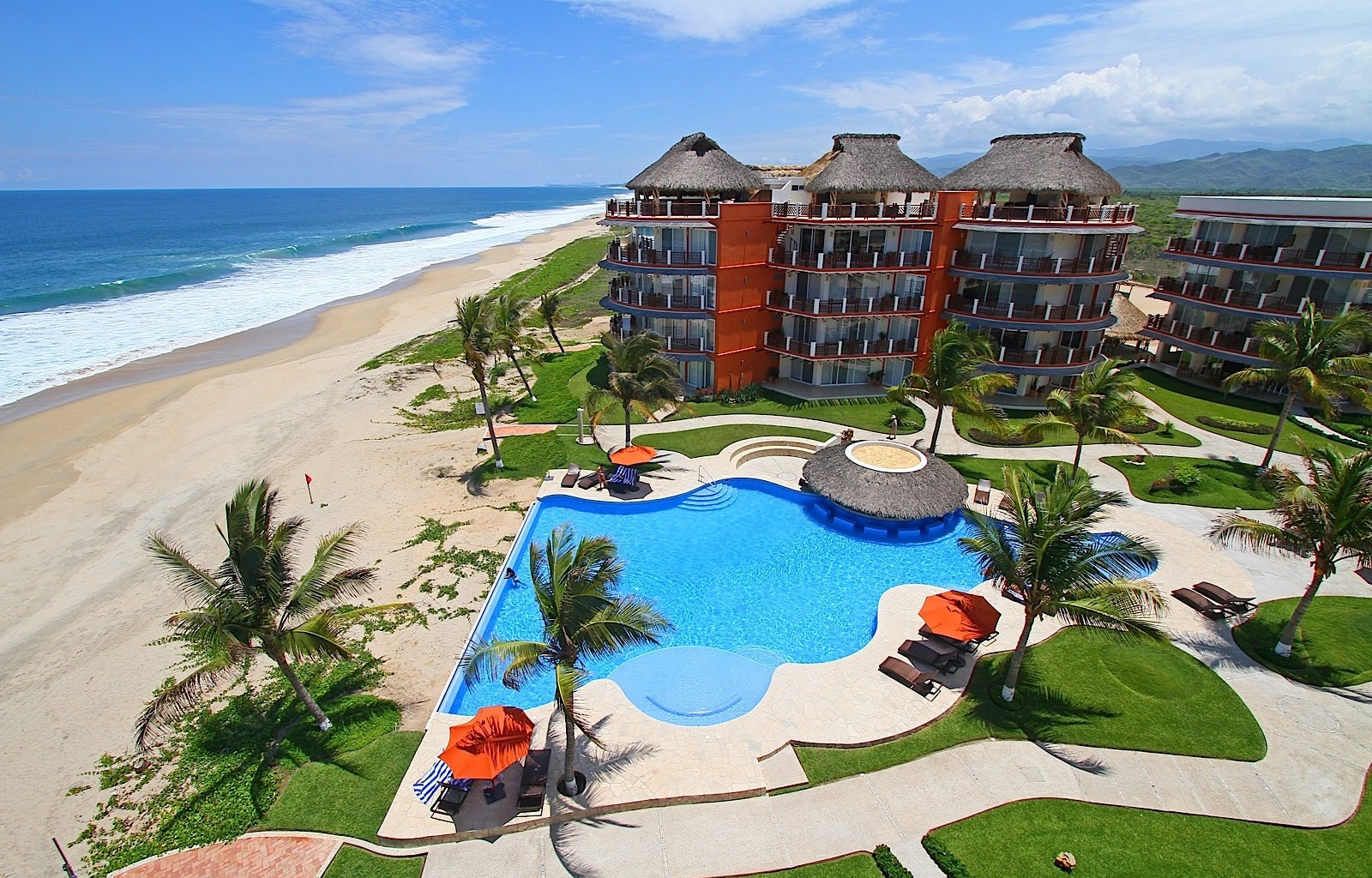
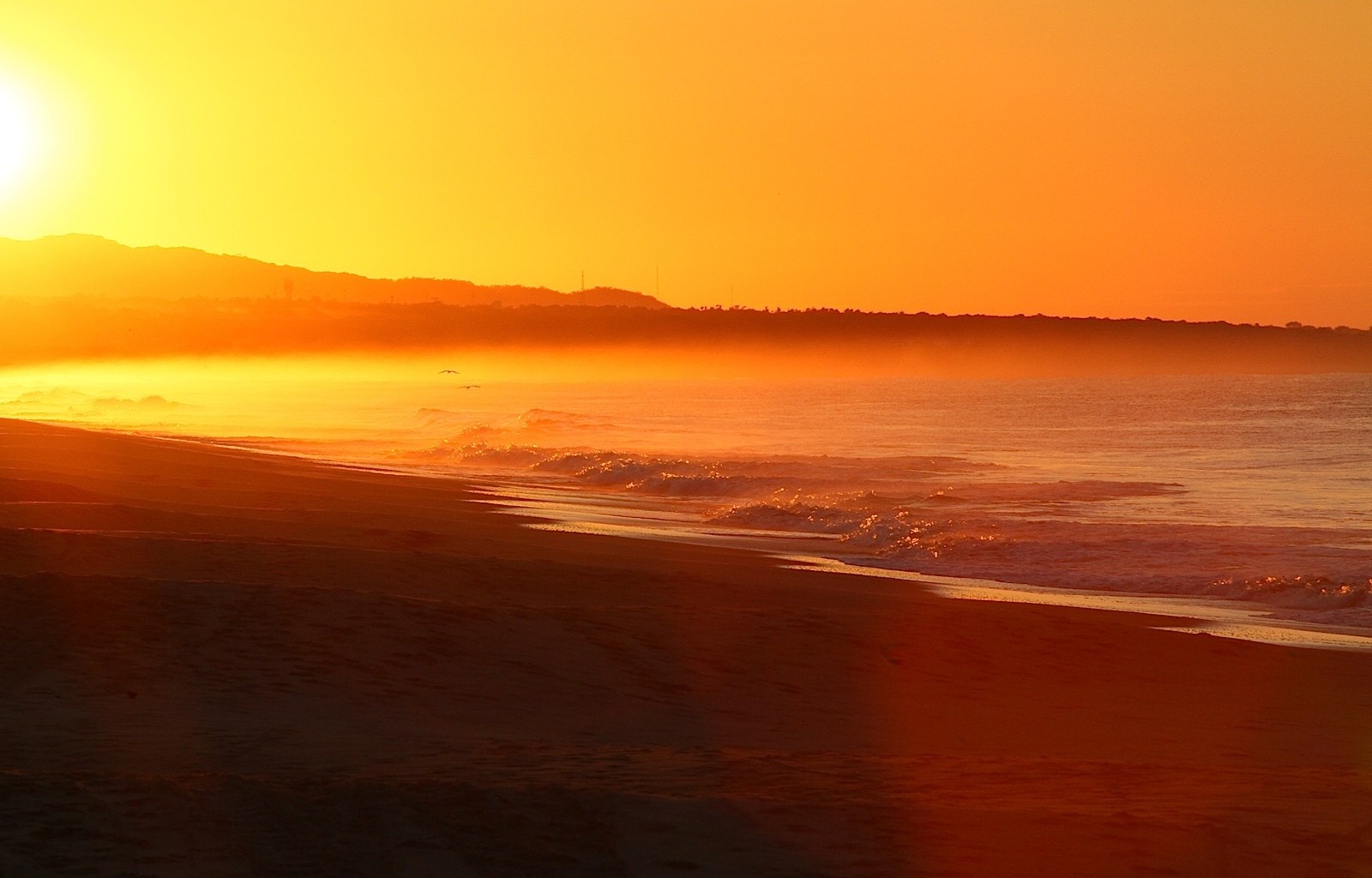
The Pacific shoreline around Playa Palmarito
The coastal water near Puerto Escondido has a Pacific character: surge can move across the shallows, and rocky habitat may sit alongside open sand. That combination supports small reef fish, crabs, sea stars in suitable areas and other invertebrates that shelter in cracks or under ledges.
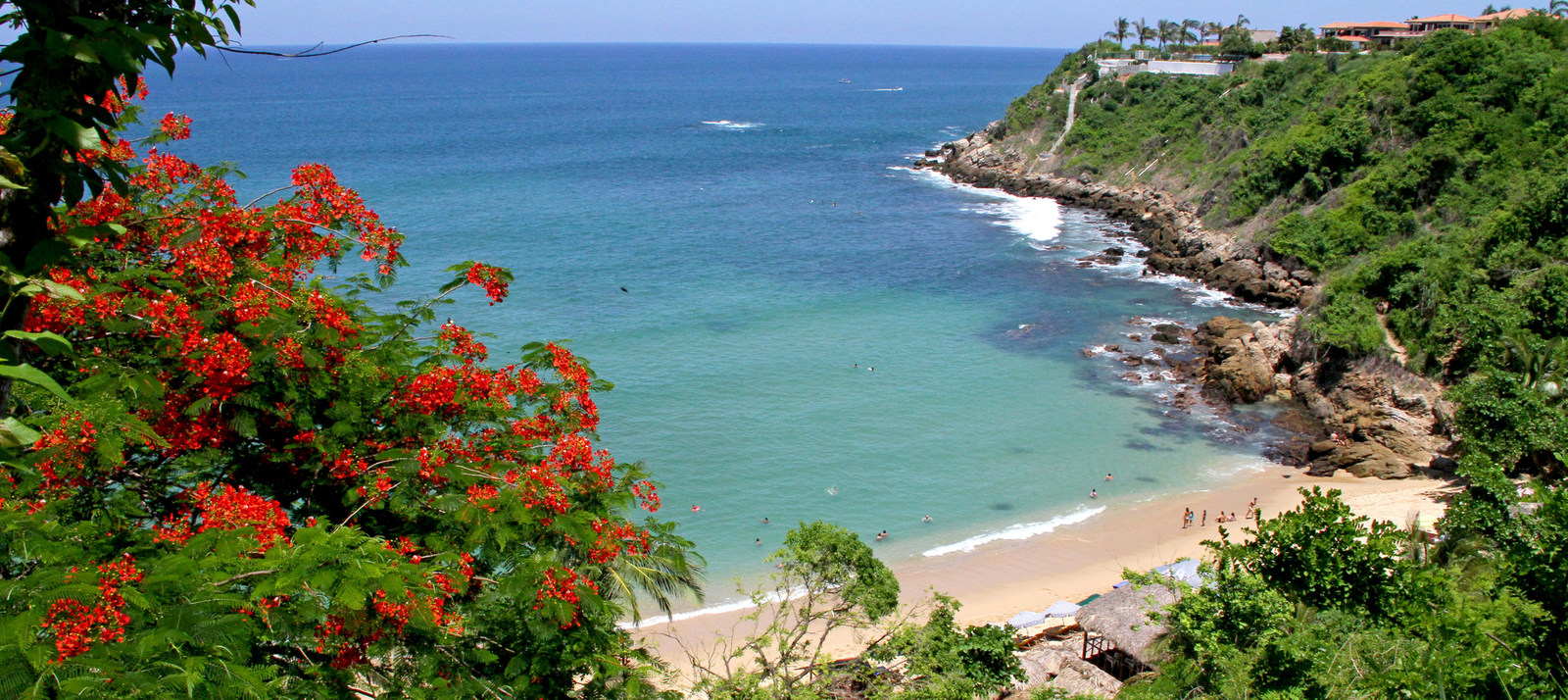
A calm morning can offer the clearest conditions, while wind and afternoon swell may reduce visibility. Ask the resort team about current sea conditions before setting out, particularly if you are travelling with children or are not a confident ocean swimmer. A sheltered excursion may provide a more relaxed look at marine habitats than the beach directly in front of the resort.
Small fish worth slowing down for
Sergeant majors are among the easiest fish to recognise, with dark bands and a bright body that stands out against rock. Damselfish may defend a tiny patch of habitat, darting away and returning to the same spot. Parrotfish can be especially interesting to watch as they browse over rock and algae with their beak-like mouths.
You may also notice wrasse, butterflyfish, gobies and small blennies around rocky edges. Pufferfish and trunkfish are less likely to race away, although they can be well camouflaged. Look rather than chase: fish often reappear once swimmers stop kicking and allow the water to settle.
Rays, turtles and bigger coastal visitors
A ray may appear as a shadow moving across sand or as a shape almost concealed beneath it. Keep a respectful distance and avoid standing on the bottom, since a resting ray needs space and sudden footsteps can disturb it. Sea turtles are possible visitors along Oaxaca’s coast, though a sighting is always a gift rather than a promise.
The wider coast also attracts larger seasonal wildlife. Humpback whales migrate through Mexican Pacific waters during the cooler months, commonly from late in the year into the first part of the following year, and dolphins may travel offshore at various times. These animals are more often seen from a boat or lookout than during a casual swim.
For couples combining marine time with a ceremony, elopement ideas can help explain how a beach stay fits around a romantic celebration. Snorkelling is best treated as one gentle part of the holiday, rather than an activity that needs to fill every day.
A simple snorkelling checklist
The conditions may feel familiar to Australians used to coastal swimming, but this is not the Great Barrier Reef. Playa Palmarito is a Pacific beach with changing surf, and the safest entry point can vary from day to day. Australian visitors should also remember that a long-haul holiday from Sydney, Melbourne, Brisbane or Perth can make the first beach day a tiring one.
Before heading into the water, keep these practical points in mind:
- Check swell, current and visibility with the resort team
- Use reef-friendly sunscreen and a rash vest
- Wear fins only where they are suitable and permitted
- Keep hands off coral, rocks, turtles and other wildlife
For a smoother Australian travel budget, allow for Mexican pesos as well as card payments, and remember that prices are not in Australian dollars. School-holiday travel can also mean higher airfares and busier connections, so families often benefit from planning transfers and activities before leaving home.
During the swim, these habits help protect both visitor and habitat:
- Float calmly instead of chasing fish
- Leave shells, animals and rocks where they are
- Avoid touching turtles, rays and other wildlife
- Return to shore if conditions change
Staying comfortable and protecting the habitat
Good snorkelling begins before entering the water. A well-fitting mask prevents leaks, while a flotation aid can provide confidence for anyone who is not comfortable in swell. Children should remain within close reach of an attentive adult, even when the water looks calm.
Sun protection needs extra thought in tropical Mexico. A long-sleeved swim top, hat and shaded breaks reduce the need for repeated sunscreen application. Choose products labelled reef-safe where possible, apply them well before swimming, and follow local guidance because no sunscreen is entirely harmless to marine ecosystems.
Do not feed fish or handle animals for a photograph. Touching can remove protective coatings, cause stress or lead to bites, while standing on living surfaces can break fragile habitat. A phone or action camera is useful only when it can be used without sacrificing safe distance and awareness of the water.
Planning marine time into your resort stay
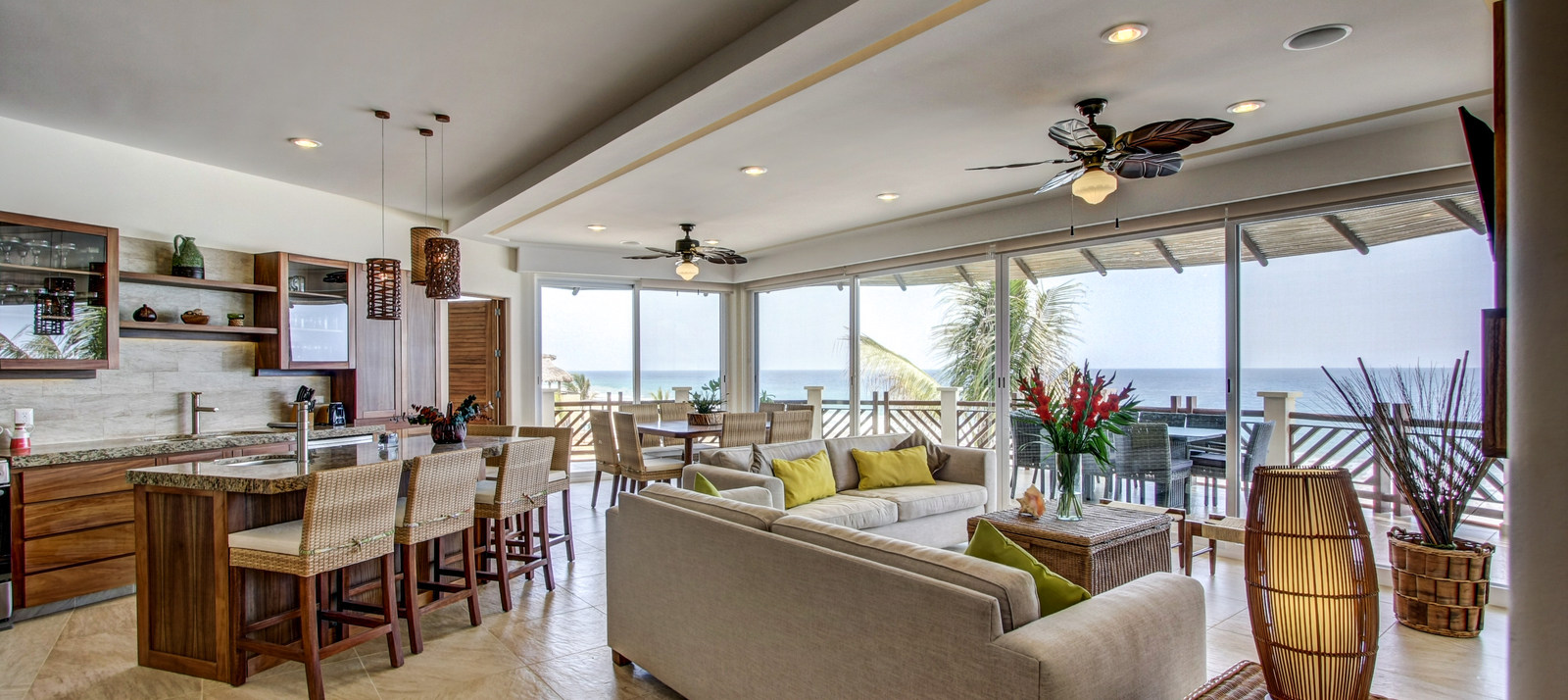
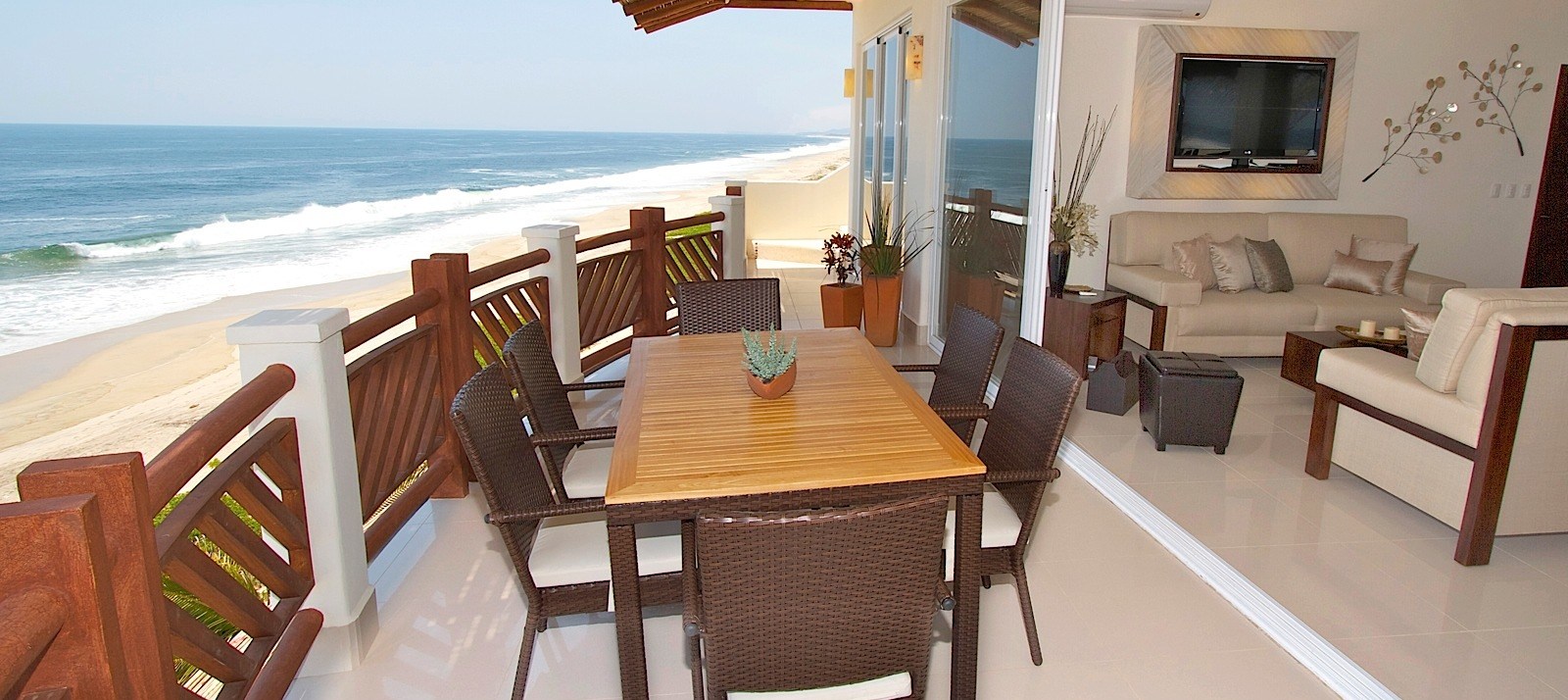
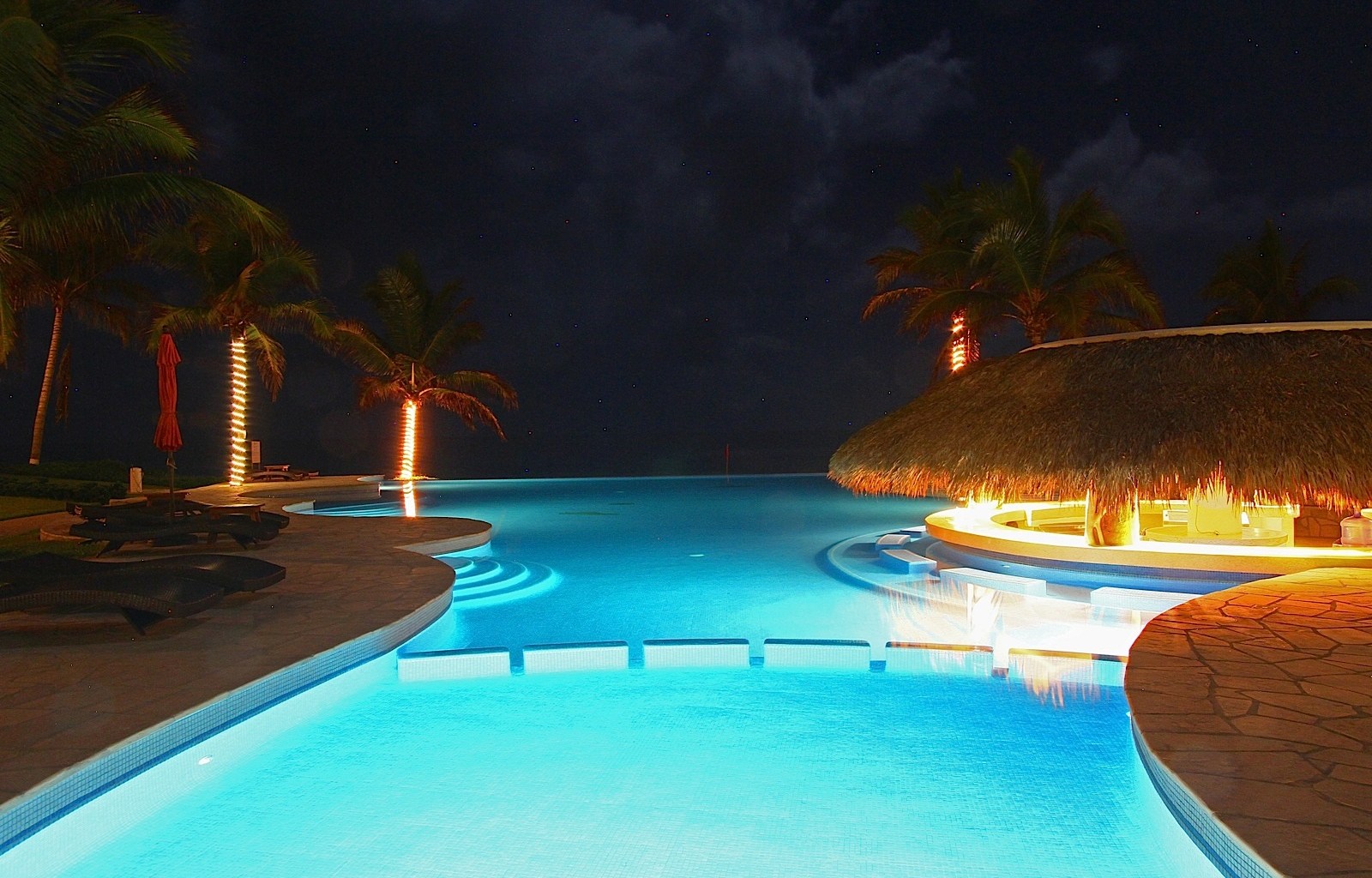
Vivo Resorts gives guests a comfortable base for mixing quiet beach hours with organised exploration. Alongside the pools, dining venues, spa and spacious accommodation, the resort can help guests consider excursions to Puerto Escondido, neighbouring beaches and other parts of Oaxaca’s coast. A guided outing may suit first-time snorkellers who want local knowledge about entry points and conditions.
Travel insurance is worth arranging before departure, particularly for Australians managing a costly international trip with flights, transfers and prepaid accommodation. This insurance guide explains considerations relevant to a stay at the resort, including why policy details matter when activities and changing travel plans are involved.
Build flexibility into the itinerary rather than reserving every morning for the water. One day may suit a short shore swim, another may be better for a boat trip, and a rough-weather day can become time for the spa, a long lunch or a visit into Puerto Escondido. That balance makes the marine experience feel natural rather than rushed.
The key thing to remember is that the best wildlife encounters come from calm observation, sensible planning and respect for the Pacific environment. At Playa Palmarito, a flash of striped fish, a ray sliding over sand or a distant turtle can make a simple swim memorable without needing to disturb the world beneath the surface.