Speak easy: local phrases every Aussie traveller needs in Oaxaca
Landing in Puerto Escondido after a marathon Qantas routing through Sydney and Los Angeles, most Australians feel the pulse of Mexico within minutes. Vendors shout greetings over the hum of motorbikes, and the Pacific crashes against the shoreline at Playa Palmarito in a steady roar. Travellers who arrive with even a handful of Spanish phrases settle in more smoothly, ordering tacos without pointing, laughing with bartenders rather than at them, and finding hidden beaches that English-only tourists sometimes miss.
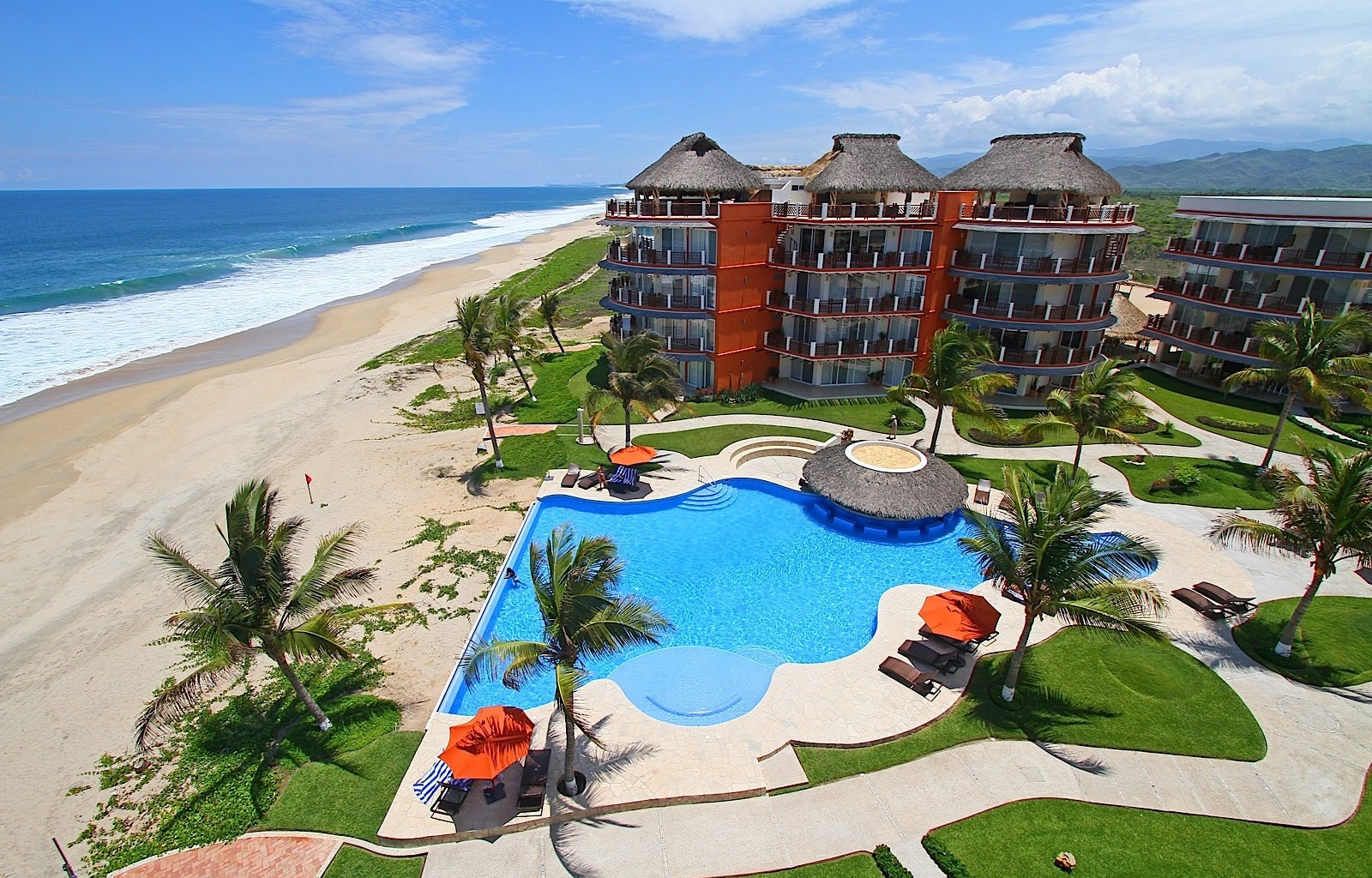
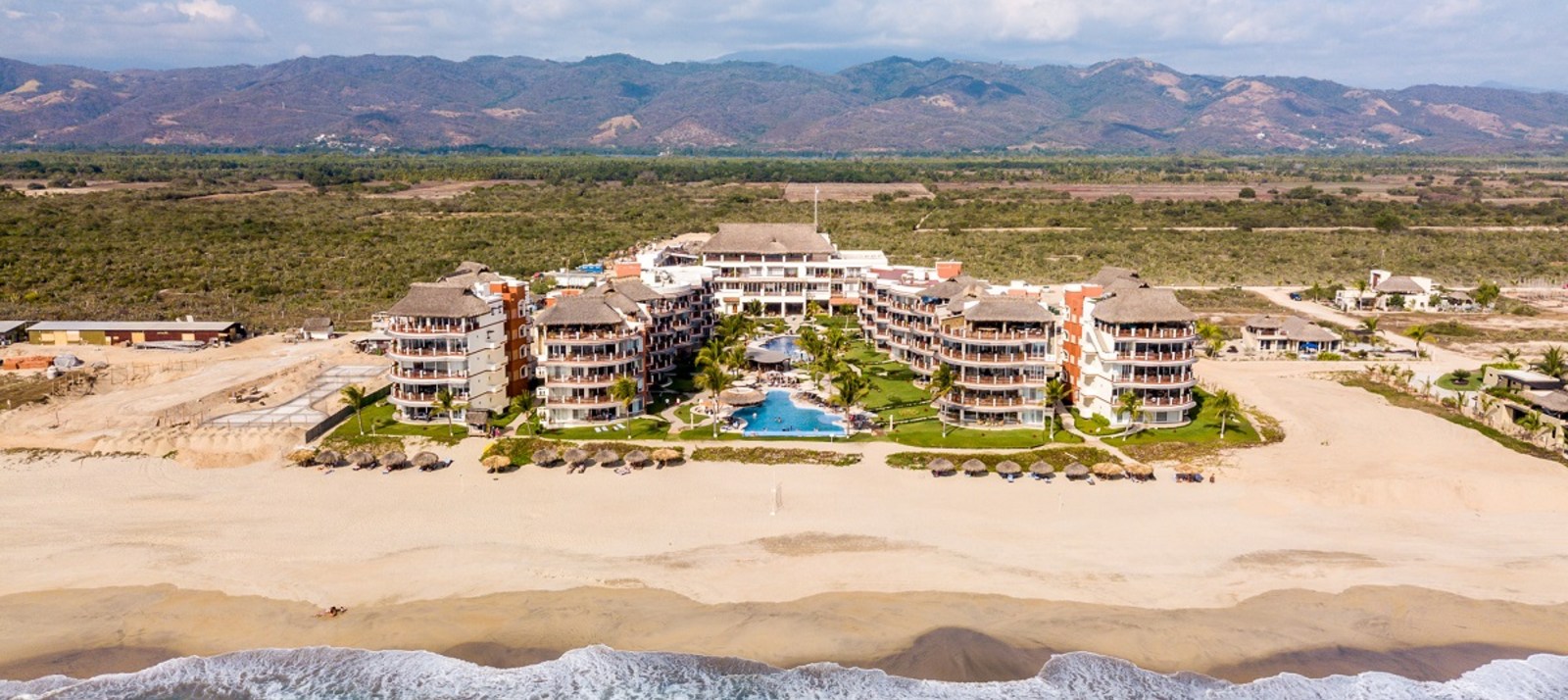
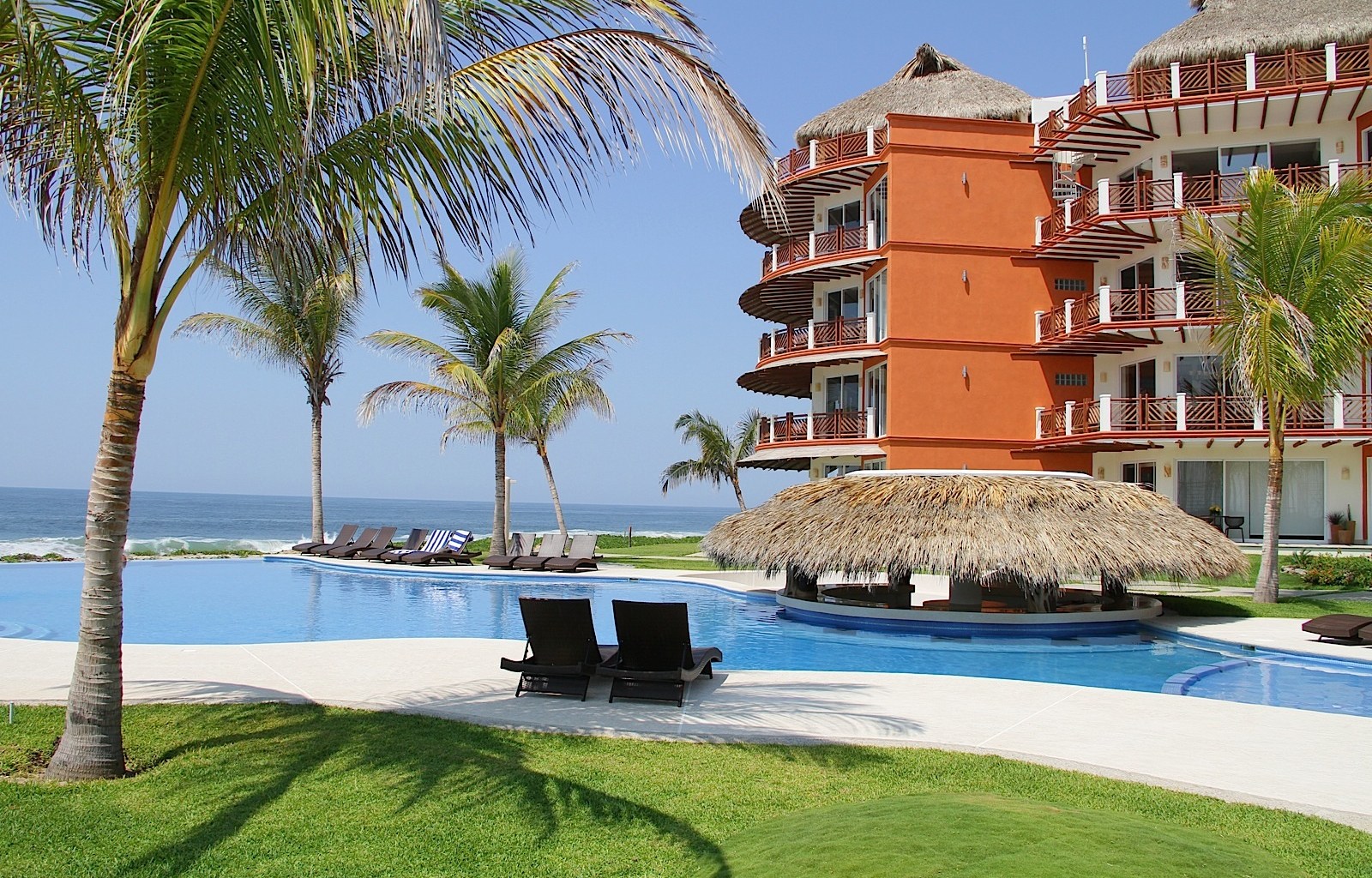
Oaxaca State rewards curiosity. The region blends Zapotec heritage, coastal village life and the warmth of family-run kitchens, and locals respond warmly to visitors who try to speak the language, even with a laughable accent. For guests staying at a beachfront base like vivovacations.com, a small pocket-sized phrasebook transforms a holiday into something more textured.
Greetings and first impressions
A simple "buenos días" before noon, "buenas tardes" through the afternoon, and "buenas noches" once the sun dips behind the palms covers most first meetings. Australians used to a casual "g'day" or "how ya going?" might be surprised how far a polite opener travels here. Adding "mucho gusto" (pleased to meet you) after introductions is considered polished without being stiff.
When addressing elders or someone you want to show respect, slip in "don" before a man's name or "doña" before a woman's. It functions like calling a station owner "sir" in the outback, and Oaxacans notice when travellers bother to use it. A warm "con permiso" when squeezing past someone in a market aisle or boarding a colectivo also goes a long way.
Ordering food and drinks like a local
Oaxacan cuisine revolves around mole, tlayudas, mezcal and fresh seafood, and menus rarely translate the regional specialities. Knowing "para ordenar" (to order) and "la cuenta, por favor" (the bill, please) speeds up the dance between kitchen and table. If a dish contains something you cannot eat, "sin" followed by the ingredient works every time: "sin camarones" means "without prawns".
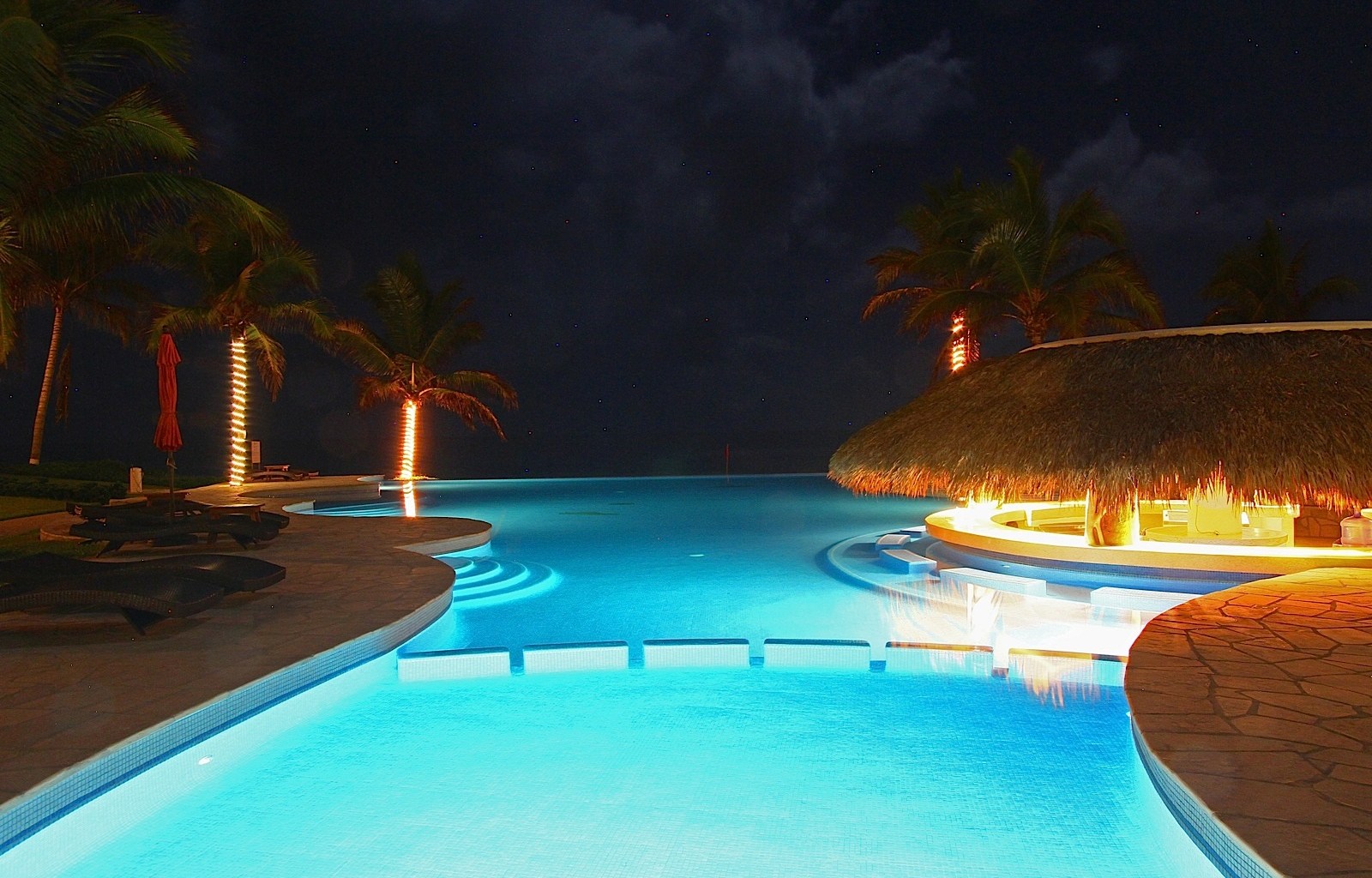
Australians who enjoy a cold one should know that "cerveza" is universal, and asking for "una michelada" introduces you to a beer cocktail spiked with lime, hot sauce and tomato juice that pairs beautifully with sunset on the sand. For something stronger, "un mezcal" ordered "derecho" (neat) is the local ritual. Travellers curious about where the evening leads can read about Puerto Escondido nightlife for context.
Getting around: taxis, buses and beaches
Puerto Escondido's taxi system works on fixed routes rather than meters, and the trick is to confirm "cuánto cuesta" before stepping inside. Say the destination clearly, then ask "¿me lleva a...?" (will you take me to...). For longer day trips to Mazunte or Zipolite, "colectivo" means shared minibus, and a raised hand at the roadside flagging a passing van is the customary way to board.
If you are heading out from your resort along the coast, asking "¿cada cuánto pasa el autobús?" (how often does the bus come?) prevents a long wait in the midday heat. Australians used to hopping on the 333 from Bondi Junction will find the Oaxacan version a touch more improvised, but locals are patient with newcomers and will gesture when the next vehicle is due.
Bargaining at markets and boutiques
Markets in Oaxaca are social events as much as shopping trips, and polite negotiation is part of the experience. Start with a friendly "está muy caro" (it's too expensive), smile, and let the vendor counter. "Me lo deja en..." followed by your price is the standard opener, and most sellers expect at least two rounds of back-and-forth before a handshake seals the deal.
| Setting | Common opener | Typical discount | Aussie parallel |
|---|---|---|---|
| Open-air market | "Me lo deja en..." | 10–25% off | Haggling at Paddy's Markets |
| Artisan boutique | "¿Cuál es su mejor precio?" | 5–15% off | Asking for a deal at a Bega stall |
| Street food stall | Prices fixed | None | Ordering at the sausage sizzle |
| Beach vendor | "¿Y si llevo dos?" | Bundle deal | Two-for-one at the servo |
Beach and surf lingo on the Oaxacan coast
Surfers from Noosa or Bells will recognise the universal sign language of waves, but Spanish unlocks the local forecast. "¿Cómo está el mar hoy?" (how is the sea today?) gets you a full rundown from any beachfront palapa. Asking about "la ola" (the wave) and "la corriente" (the current) is wise before paddling out at Playa Zicatela, where the swell can be unforgiving.
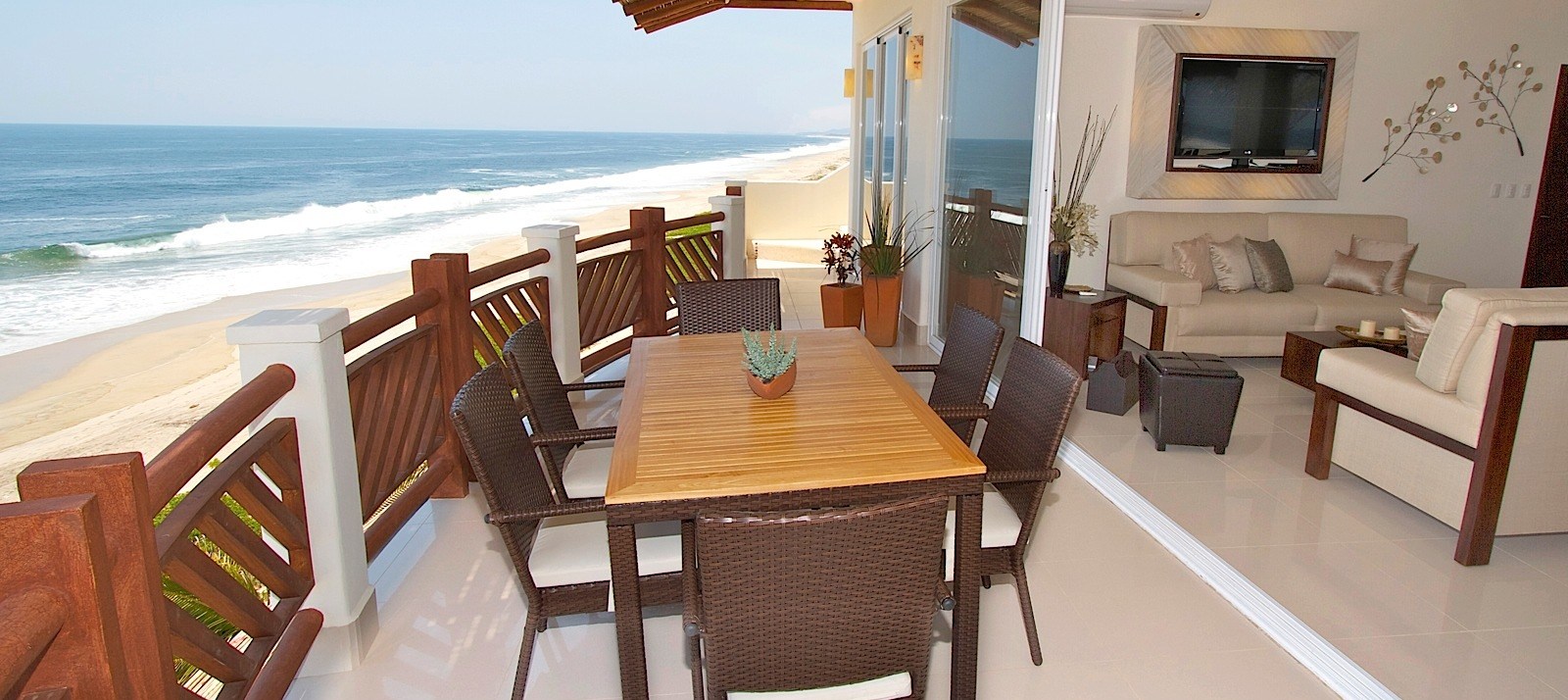
Playa Palmarito, the gentler beach closer to most resorts, is ideal for swimmers and families. Locals call it "el mar calmado" when conditions are flat. Hiring a board? "¿Cuánto por una hora?" (how much per hour?) avoids surprise fees. After a long day in the water, many travellers retreat to their suite balcony to watch the sunset. Ideas for setting the scene can be found in balcony dinner setups.
Emergency phrases and health needs
Hopefully you will never need these, but they belong in every traveller's back pocket. "Necesito un médico" (I need a doctor) and "¿dónde está el hospital?" (where is the hospital?) are the two phrases worth committing to memory. Pharmacies, known as "farmacias", are widespread and pharmacists can often advise on minor ailments without a prescription.
If something is lost or stolen, "me robaron" (I was robbed) at the local tourist assistance booth starts the process. Australians should also note that tipping customs differ from Sydney restaurants: a 10–15% tip, called "propina", is appreciated in sit-down venues but not expected at street stalls. Carry small peso notes, because breaking a 500-peso bill at a beach shack is the fastest path to grumpy service.
Cultural courtesies and social etiquette
Beyond words, body language matters. Pointing with one finger reads as rude; an open hand or a slight nod toward the chin is the polite alternative. When entering a church or a home, a quiet "buenos días" to anyone present is customary, similar to the Australian habit of greeting the shopkeeper when walking into a post office in a small town.
Useful phrases for everyday courtesies:
- "Disculpe" — excuse me, for brushing past or interrupting
- "Perdón" — sorry, for a small mistake
- "Salud" — cheers, or "your health" when someone sneezes
- "Provecho" — enjoy your meal, said to fellow diners
Common mistakes Aussies make:
- Confusing "embarazada" (pregnant) with "embarrassed"
- Using "coger" in its Spain-sense here, where it carries a ruder meaning
- Forgetting that "ahorita" can mean anywhere from "right now" to "later this week"
- Drinking the water without checking, first to local
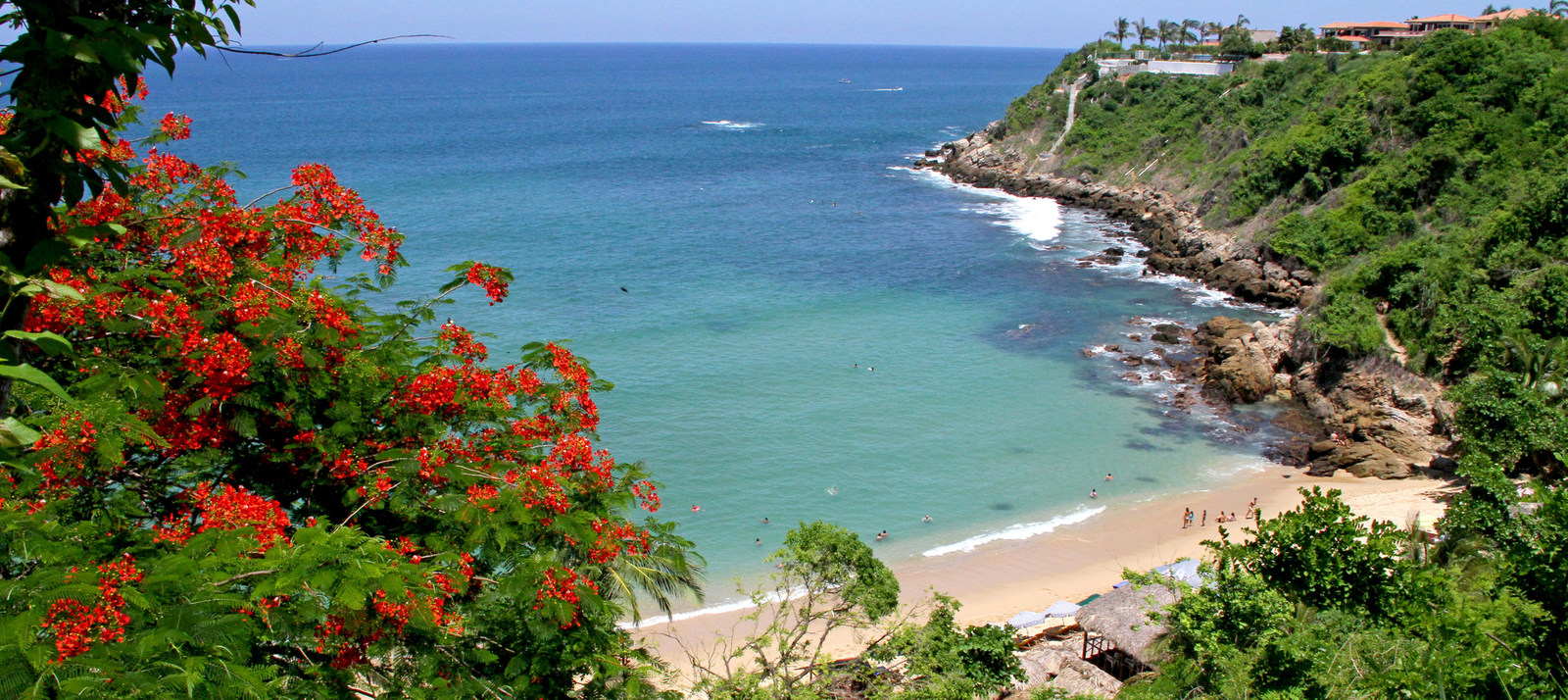
Walking the sand at dawn, ordering mezcal at dusk, and asking the name of a wildflower you cannot identify along a coastal path — these are the small moments that turn a Mexican holiday into a story worth retelling back home in Adelaide or Perth. A phrasebook does not replace fluency, but it unlocks a more generous version of Oaxaca, the one where shopkeepers remember your face, taxi drivers share their favourite beach, and your last night on the coast ends with a handshake rather than a hurried goodbye. Pack three or four phrases on the flight over, practice them poolside on day two, and by day five you will be ordering in Spanish, laughing at your own mistakes, and already planning the next trip.