Puerto Escondido galleries and studios: an art lover’s guide
Puerto Escondido’s art scene is compact but layered: Oaxacan crafts and Indigenous traditions sit beside contemporary painting, photography and design. It is less monumental than Oaxaca City’s museum circuit, yet that makes it especially rewarding for visitors willing to look into small storefronts, shared studios and artist-led projects. The coast also shapes the work, with Pacific light, fishing life and coastal materials recurring in local subjects.
A useful route begins downtown, continues to the Casa Wabi campus and then extends toward the studios, markets and beaches south of the centre. Many Australian travellers leave from Sydney, Melbourne or Brisbane and connect through Mexico City, so the first gallery visit is best placed for the day after arrival rather than immediately after a long international flight. Opening hours can vary, especially for private galleries, and current listings should always be checked before travelling across town.
Downtown spaces and the cultural calendar
Start around the zócalo and Avenida Principal, where Casa de la Cultura functions as a useful orientation point. Its rotating exhibitions, workshops, readings and performances connect the visitor with local cultural life rather than presenting art as an isolated retail experience. Admission and schedules may change, so checking the programme before visiting will prevent a wasted trip.
Nearby commercial galleries display a mixture of paintings, photography, jewellery, textiles and objects for the home. Some are permanent spaces with knowledgeable staff; others operate seasonally or host exhibitions only on certain days. Look beyond the polished window display, since a modest entrance may lead to a courtyard studio with work by the artist who made it. Conversation is welcome, but treat exhibited pieces as art first and merchandise second.
Weekends and evenings generally offer the liveliest atmosphere, although busy market days can make some streets crowded. Some galleries close between exhibitions or move to another location, particularly those run by individual artists. Their current Instagram accounts, local cultural listings and hotel concierge desks are more dependable than older printed guides, which can quickly become outdated.
Casa Wabi and Pacific-scale art
Casa Wabi offers a different experience from the independent downtown spaces. Founded by artist Bosco Sodi, the foundation combines an artist residency with architecture by Tadao Ando and a strong connection to the Pacific landscape. Public-facing exhibitions and programs bring together Mexican and international artists whose practices range across painting, sculpture, photography and site-responsive work.
The campus encourages close attention to natural materials, ocean ecology and the relationship between architecture and place. Even the visitor spaces encourage a slower pace than a conventional commercial gallery. Some rooms are also used for talks, workshops or artist encounters, so checking the public programme can reveal activities that are more revealing than a brief walk through an exhibition.
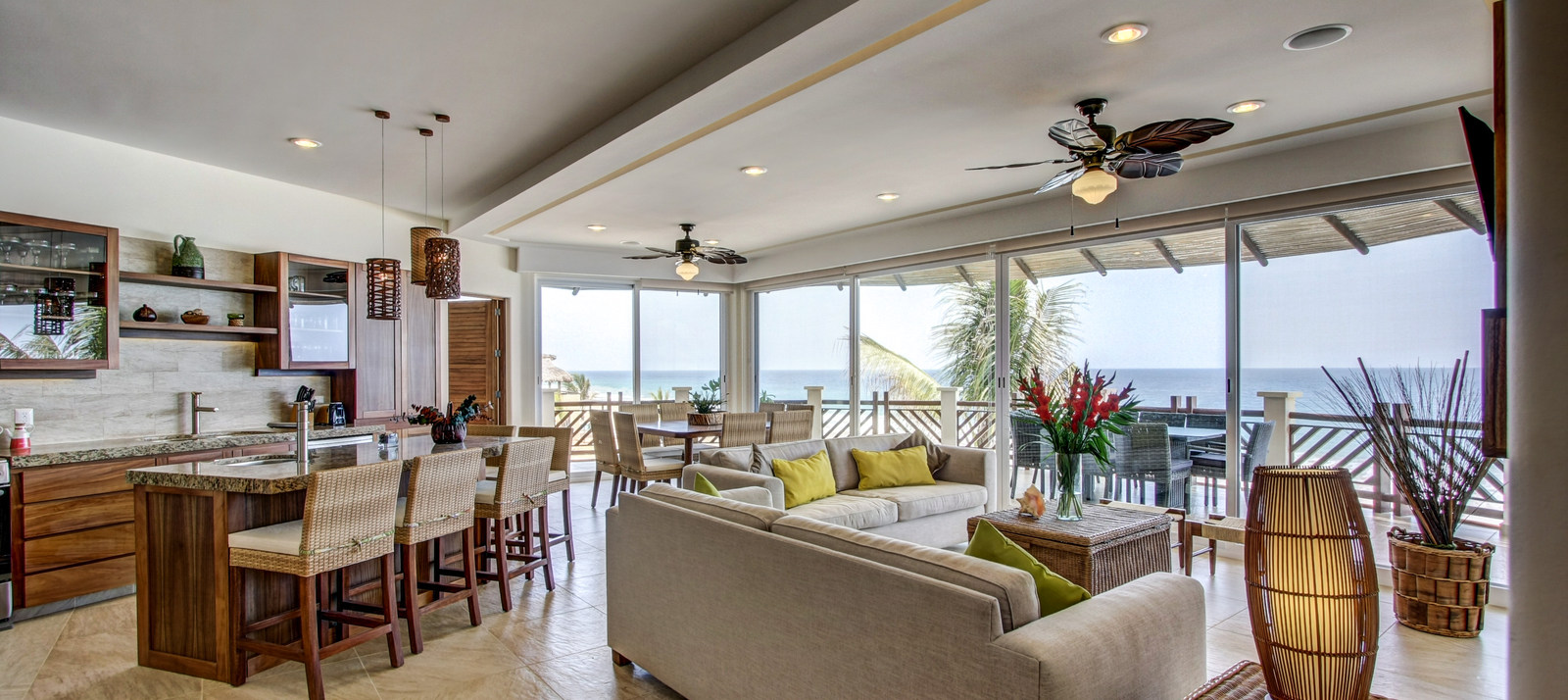
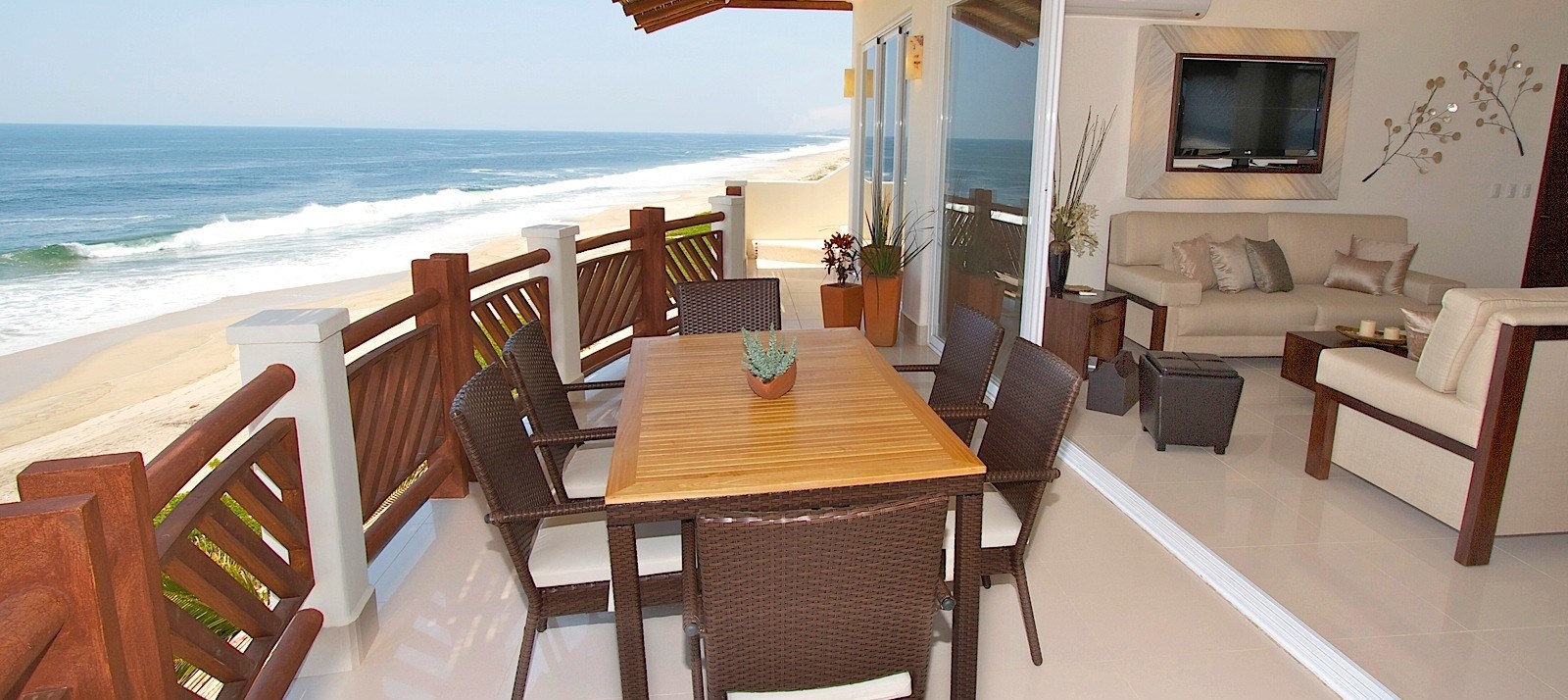
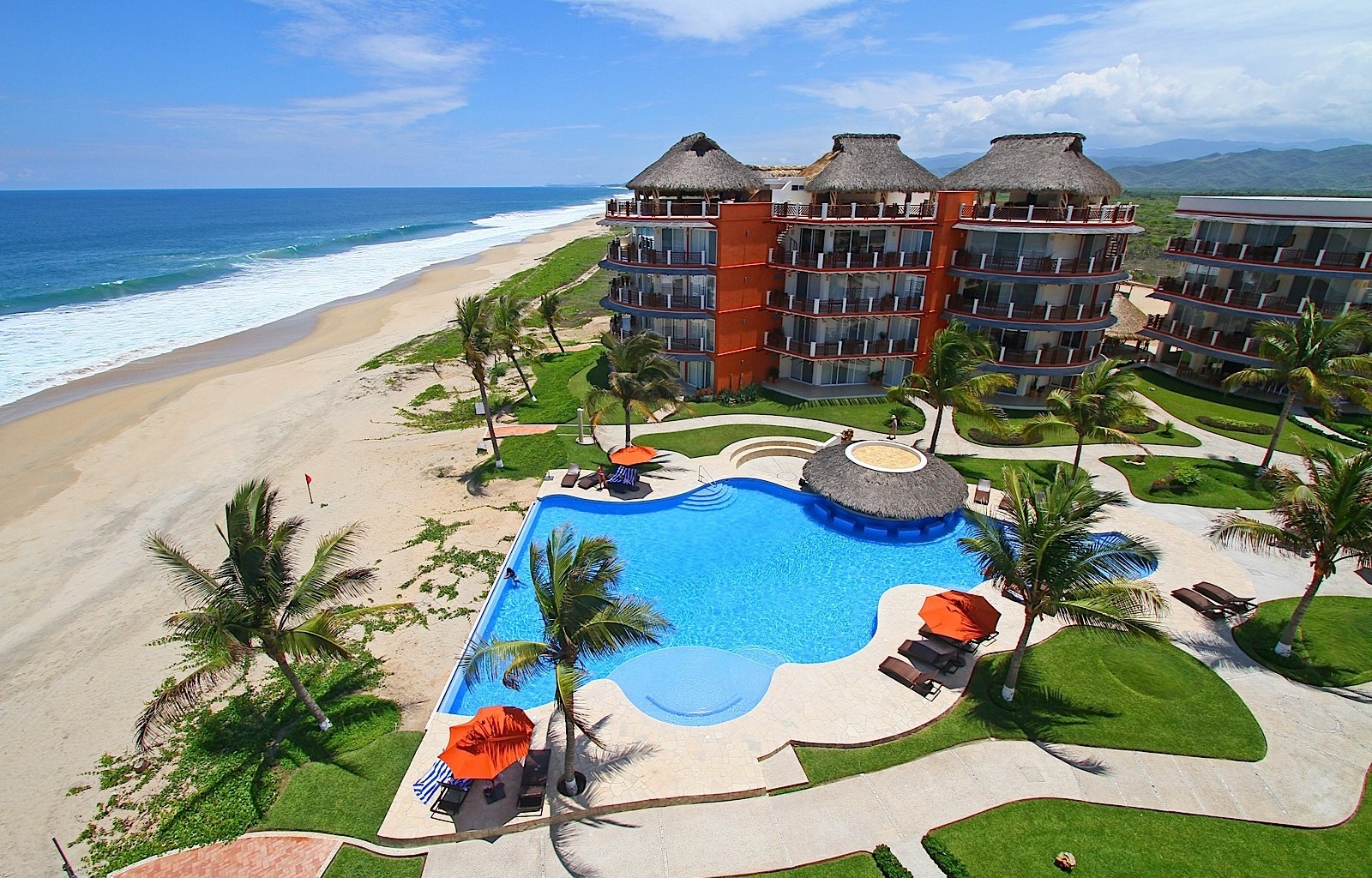
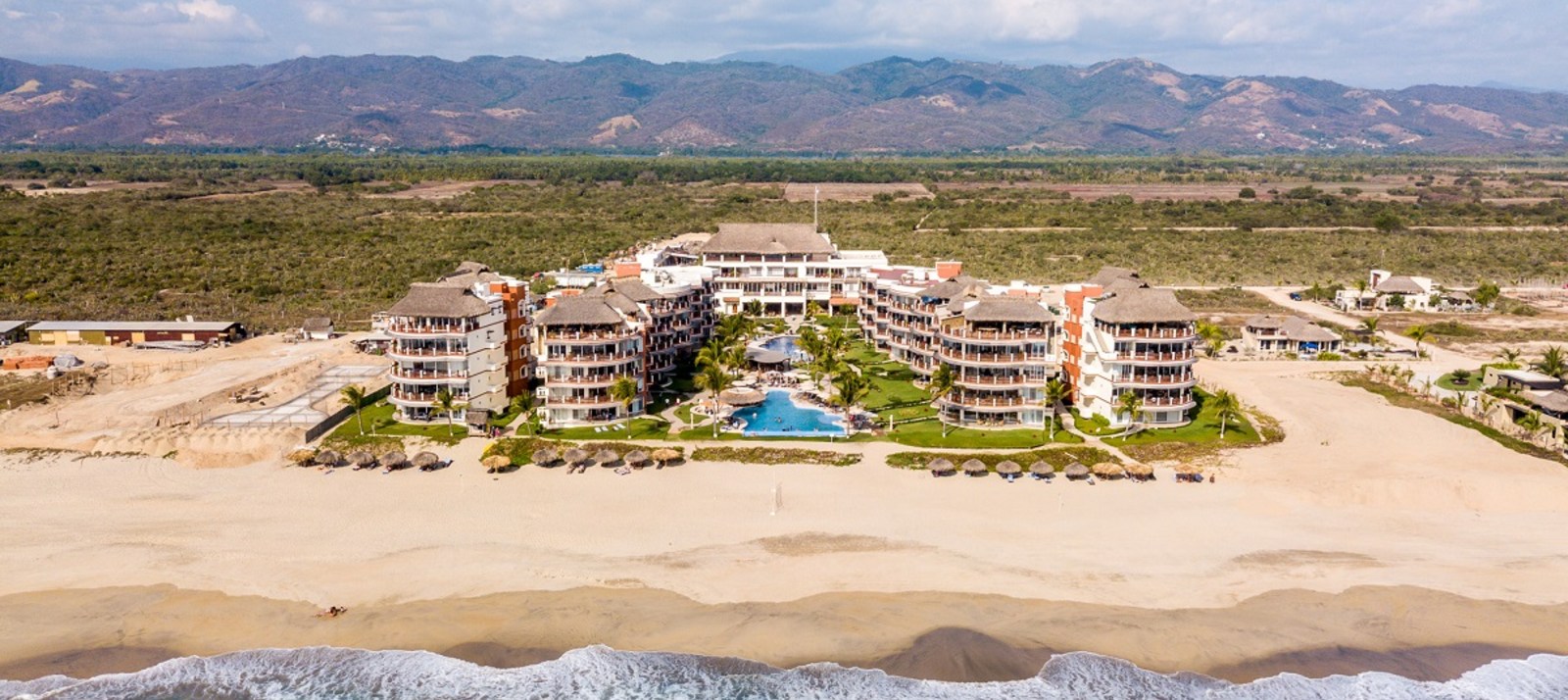
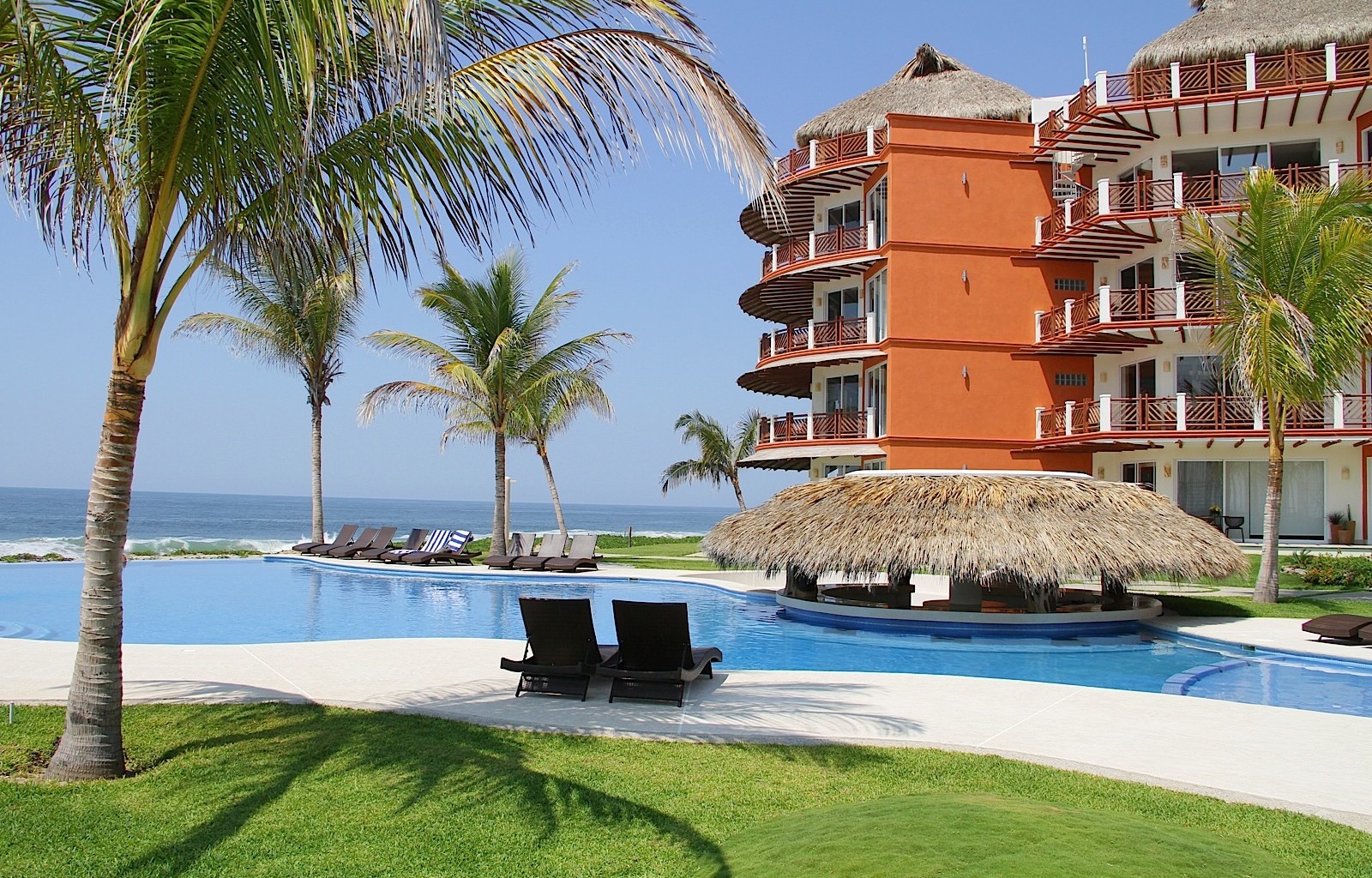
Allow extra time for the journey from central Puerto Escondido, as road traffic varies considerably. A taxi is often simpler than navigating unfamiliar streets by car or bicycle. Guests staying farther south can make Casa Wabi a half-day outing before returning to the beach. At Vivo Resorts, the Vivo suite residences provide a private, all-suite base near Playa Palmarito, with convenient access to the coast between cultural visits.
Studios, markets and the art walk
Artist-run spaces can be found around Playa Carrizillo, the streets behind Avenida Principal and in pockets towards Costa Chica. Works commonly feature ceramics, weaving, printmaking, painting and objects made from stone, wood or recycled materials. Because studios may not have fixed opening hours, contacting the artist before setting out is more productive than relying on a door sign alone.
The Mercado de Artesanías is useful for comparing functional craft with collectible studio work, but provenance matters. Ask whether a woven piece comes directly from a community such as Teotitlán del Valle, whether black pottery was produced in San Bartolo Coyotepec and whether the maker received a fair price. These questions provide more insight than assuming that every displayed object was handmade nearby.
Puerto Escondido also hosts periodic Art Walk events, usually on a selected Friday evening. Galleries extend their hours, while restaurants, hotels and temporary installations become part of the route. The participating venues and map can change, so the current event listing is essential. Australians accustomed to tapping a card in Sydney or Melbourne should still carry some Mexican pesos, as smaller studios may prefer cash or a local bank transfer for individual purchases.
Buying directly and shipping to Australia
Buying directly supports the artist and can provide access to work unavailable in larger commercial galleries. Before paying, establish whether the piece is an original, reproduction or edition; ask about materials, dimensions, framing, signature and the artist’s background. A written receipt should identify the work and seller and state whether the displayed price includes IVA and delivery.
Shipping a large painting to Australia requires careful planning for protective packing, insurance, customs clearance and delivery. Australian consumers are accustomed to GST-inclusive retail prices, but that convention does not necessarily apply to a direct Mexican studio sale. Likewise, an international purchase does not automatically carry the consumer protections available under Australian Consumer Law, making clear written terms especially valuable.
Artwork containing timber, feathers, plants or other biological material may also be restricted by Australian biosecurity rules. Copyright generally remains with the creator unless it is assigned in writing, and Indigenous cultural restrictions may apply to certain works. Check current Australian Border Force and biosecurity guidance before agreeing to send the piece. Visitors expecting regular trips can also review Vivo Resorts’ ownership information when considering a longer-term coastal base.
A coastal base for exploring the scene
Playa Palmarito provides a relaxed counterpoint to downtown Puerto Escondido. Central galleries, studios and markets are usually most rewarding in the cooler morning or late afternoon, leaving the middle of the day for the beach, pool or spa. Taxis can connect the resort area with the cultural centre, although allowing extra time will help with traffic around the zócalo and Carrizillo.
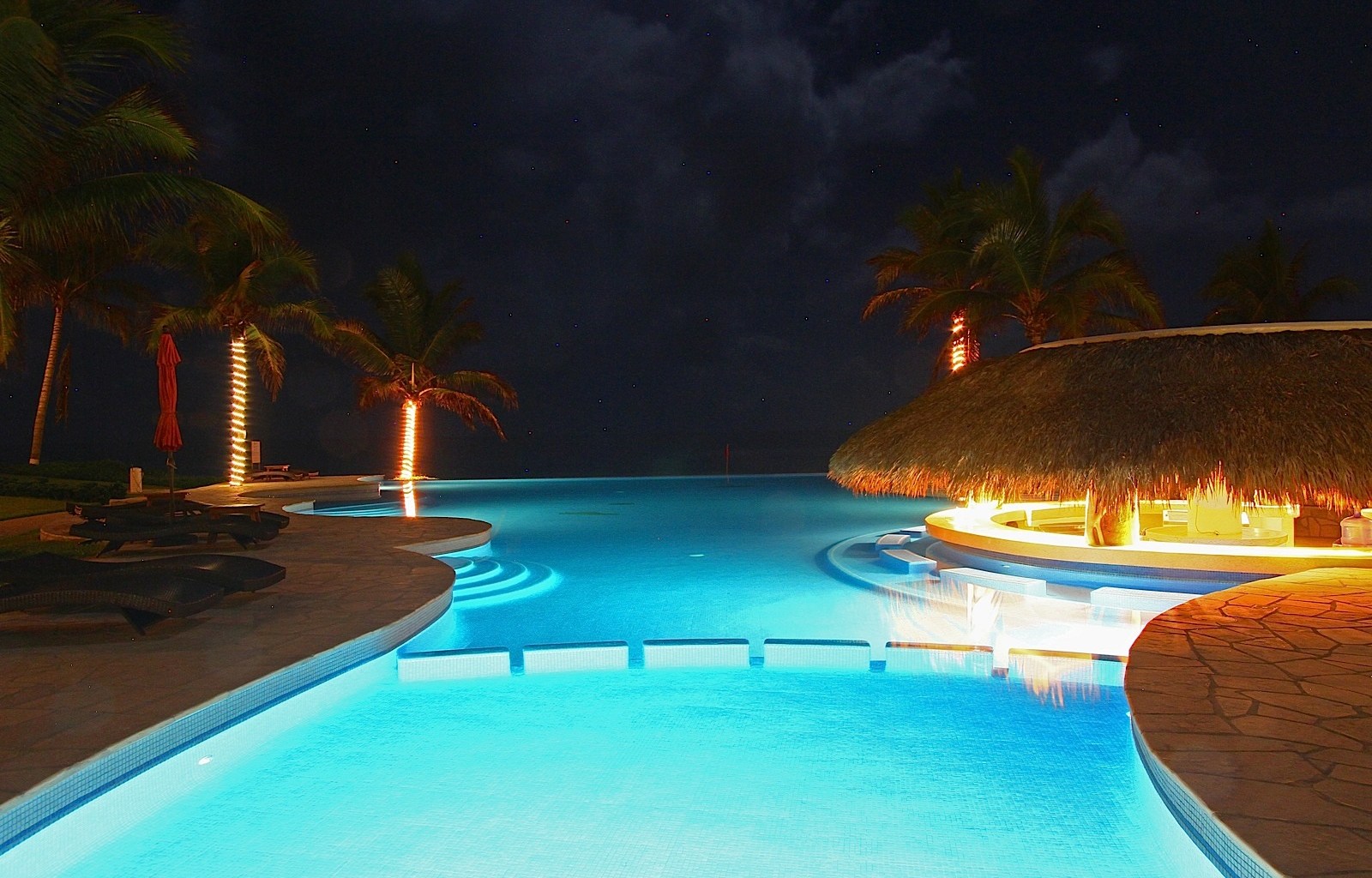
Families can alternate focused gallery visits with beach time, while couples may use an exhibition followed by dinner at one of the resort’s dining venues. The full-service spa and family-friendly amenities make the property practical for a mixed itinerary, but it is worth reserving transport rather than treating the galleries and Playa Palmarito as though they were side by side.
Excursions towards nearby beaches, Mazunte, Zipolite and other parts of Oaxaca’s coast can become part of a longer art journey. Some coastal communities have studios or regular craft markets, although their schedules and relationships with visiting galleries are independent of Puerto Escondido. The most useful map combines current venue information with realistic travel times between the centre, Casa Wabi and the southern beaches.
Puerto Escondido rewards curiosity beyond the famous address. Its galleries are strongest when visitors recognise the difference between a temporary display, a market stall and a working studio, and when purchases reflect informed appreciation of the maker and material. What should remain with you is not a checklist of venues, but a clear sense of the city as a living creative community shaped by Oaxacan craft, Pacific surroundings and the people who choose to work there.