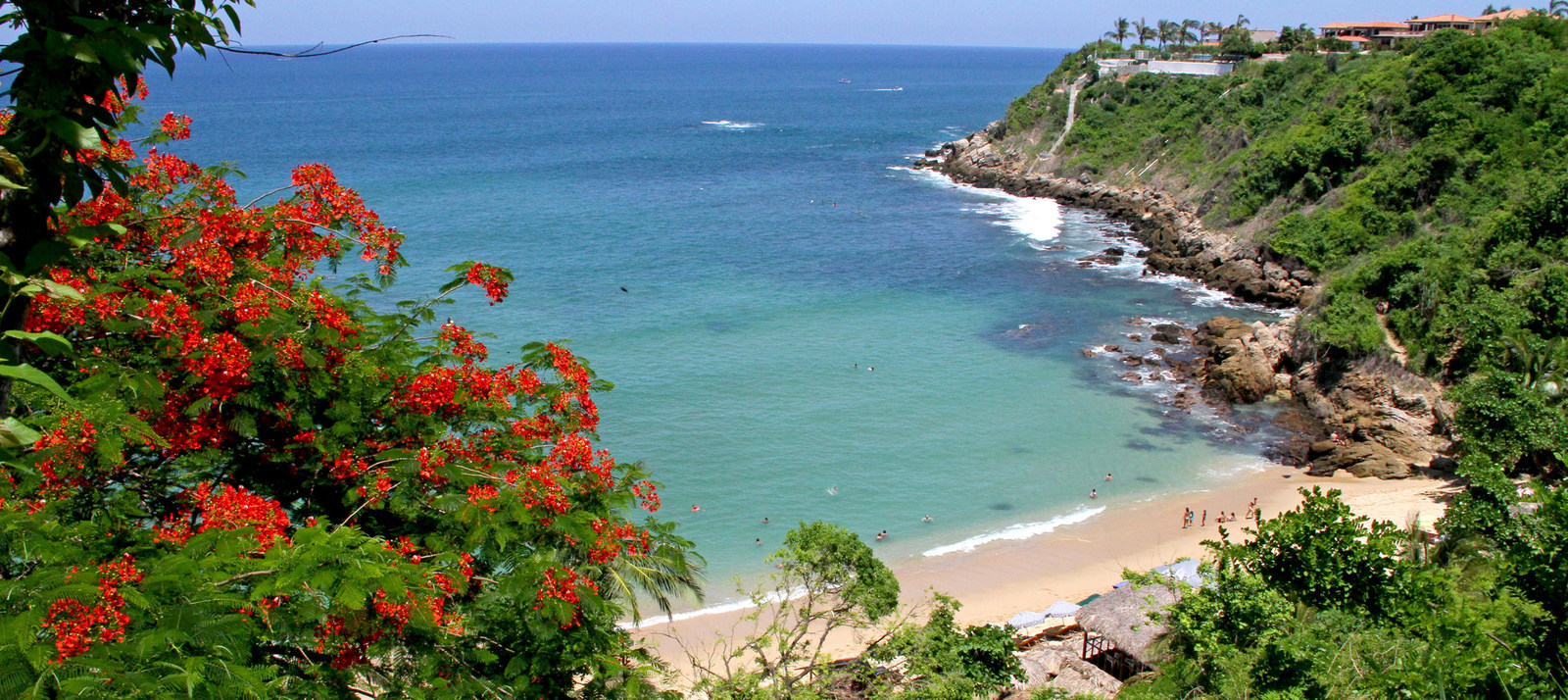
Birdwatching in the Mangroves Near the Resort
The mangroves near Playa Palmarito create a compact birding landscape where tidal channels, mudflats, dune scrub and the open Pacific meet. The reward is a changing mixture of waders, waterbirds, raptors and tropical songbirds rather than a single viewpoint. Learn more about A Local S Guide To The Best Street Food Stalls In Puerto Escondido.
A falling tide exposes feeding areas for herons, egrets, sandpipers and plovers. Around high tide, fish concentrate in channels and draw kingfishers, pelicans and night-herons; frigatebirds may pass overhead as the weather clears.
For Australian visitors, the appeal is the contrast with familiar birding places such as Werribee, the Cairns Esplanade and Rottnest. Species and habitats differ, but the disciplined approach remains familiar: arrive early, scan edges and work slowly enough for behaviour to develop.
Tidal access changes with weather and surf, while paths may be soft after rain. Keep to firm ground and use a guide when channels, roots or flooded ground make access uncertain.
Choosing a Tide Window
Low tide gives the clearest view of mud, but wading birds often feed hardest around high tide. Work with both phases: wait on a bank as water rises, then move to a dry overlook for exposed flats.
Early morning light is calmest and temperatures are lower, while a late-afternoon breeze can improve visibility over water. Check tide, surf, rain and cloud cover before leaving. Book the Vivo Resorts stay before fixing the precise tide window, then ask how access is communicated each morning.
Treat each outing as a focused window rather than an all-day march. From a fixed position, scan open water first, then the channel edge and exposed mud. Record which birds are feeding, resting or simply passing through.
Life Along the Mangrove Edge
Begin beneath the mangrove canopy, where little blue and yellow-crowned night-herons may wait beside still channels. Belted kingfishers perch on exposed branches, while feeding or roosting egrets often hold their wings slightly away from the body.
On exposed flats, look for black-necked stilts, willets, plovers and small sandpipers. Their useful field signs include repeated probing, short runs and sudden changes of direction. Seasonal American white pelicans may also appear on larger lagoon waters.
Watch beyond the roots for brown pelicans, magnificent frigatebirds and coastal raptors. Flowering scrub at the landward edge can attract hummingbirds, flycatchers and kingbirds, creating an entirely different birding opportunity within the same outing.
Australian Birding Habits and Field Skills
Australian birders call serious listing twitching, and many regulars describe themselves as birdos; a useful sighting may be recorded as a tick. These terms make conversation with a guide easy, although identification should still rely on plumage, size, calls and behaviour.
Many Australian birdwatchers favour 8x42 binoculars because they provide a useful balance of magnification and field of view. A 10x50 pair can help in glare or when scanning distant channels. Secure the straps, carry a lens cloth and keep calls switched off, particularly near roosts.
Australian birding trips are often organised through eBird checklists, identification lists and recent sighting records. Experienced participants may judge a guide as much by accurate species identification and a comfortable pace as by transport or group size.
Guides, Excursions and Local Etiquette
Small-group naturalist trips are a familiar Australian booking format, so compare inclusions carefully. Confirm transport, maximum group size, guide expertise, tide planning, drinking water and policies covering weather, surf or tidal delays.
If weather or tides shorten a birding outing, save that time for Puerto Escondido and use this street food guide to plan a meal among its local stalls.
Maintain space around roosting and feeding birds, and never use food to attract them. Avoid call playback, especially near nesting or roosting sites, and remain above flood level when channels deepen. A fixed viewing position is usually more productive than continually walking through the birds.
Comparing the Main Coastal Habitats
The coast separates into several distinct zones, each with its own rhythm. A habitat-first approach is more productive than walking randomly, particularly when the tide is changing.
| Habitat | Best conditions | Typical birds | Main activity | Comparable Australian habitat |
|---|---|---|---|---|
| Mangrove channel and fringe | Calm water near high tide | Little blue heron, yellow-crowned night-heron, belted kingfisher | Roosting, diving and fish movements | Cairns coastal wetlands |
| Tidal mudflat and lagoon edge | Falling or low tide | Black-necked stilt, willet, sandpipers and plovers | Probing, pecking and flock movement | Werribee or Moreton Bay mudflats |
| Open beach and nearshore water | Clear weather; either tide | Brown pelican, gulls and magnificent frigatebird | Feeding, flybys and offshore rafts | Gold Coast beaches or Rottnest |
| Dune scrub and mangrove transition | Early morning | Hummingbirds, flycatchers, kingbirds and raptors | Perch calls, hovering and edge crossings | Coastal scrub near Sydney |
The practical difference is the type of behaviour to expect. Mudflats reward close observation of feeding birds, while open water favours scope work and fly-by identification. Mangrove edges combine both activities and often provide the strongest variety from one position.
A Simple Plan for Your Visit
For Australian visitors, timing works differently across the hemispheres. June to August is winter in Australia but part of Oaxaca’s wet season, and school-holiday demand can reduce room or guide availability. Confirm whether tide or weather delays are refundable.
Before travelling:
- Match the tide window with sunrise and allow a buffer for transport.
- Pack binoculars, a hat, sunscreen, refillable water, insect repellent and neutral-coloured clothing.
- Download an offline map and the relevant eBird region for Oaxaca.
- Confirm the meeting point, guide, vehicle, group size and weather policy.
During each stop, use a repeatable routine:
- Arrive 20 to 30 minutes before sunrise and allow birds to settle.
- Scan the water, shoreline and canopy as three separate layers.
- Record species, approximate numbers and visible behaviour.
- Stay on firm paths and leave each roost without unnecessary movement.
Keep the rest of the resort day flexible because rising tide can alter the timing of an outing. If lunch or sunset drinks move later, review dining and bars before arrival and reserve a suitable time.
Making the Most of a Mangrove Morning
On a first outing, reach a safe overlook before sunrise, watch the first channel activity and spend the middle of the falling tide scanning exposed sediment. A shorter second visit around rising tide can reveal how positions change without requiring a long walk.
Rain reshapes the route and may suppress insect and fish activity. May to October is broadly the wet season, so a quiet morning does not necessarily mean the habitat is empty. Local access reports and recent observations provide a better basis than assuming a location will resemble its dry-season condition.
The practical takeaway is to choose one safe, tide-compatible window, set three target species and allow enough quiet time to see feeding, roosting or flyway behaviour.