Tipping at a Mexican Beach Resort: A Practical Guide
For many Australians, tipping in Mexico feels less straightforward than ordering a flat white in Melbourne or splitting a pub bill in Brisbane. Australia generally pays hospitality workers a set wage, so a tip is usually a pleasant extra rather than an expected part of the transaction. In Mexico, gratuities are more woven into service culture, particularly at hotels, restaurants, spas and tour operators.
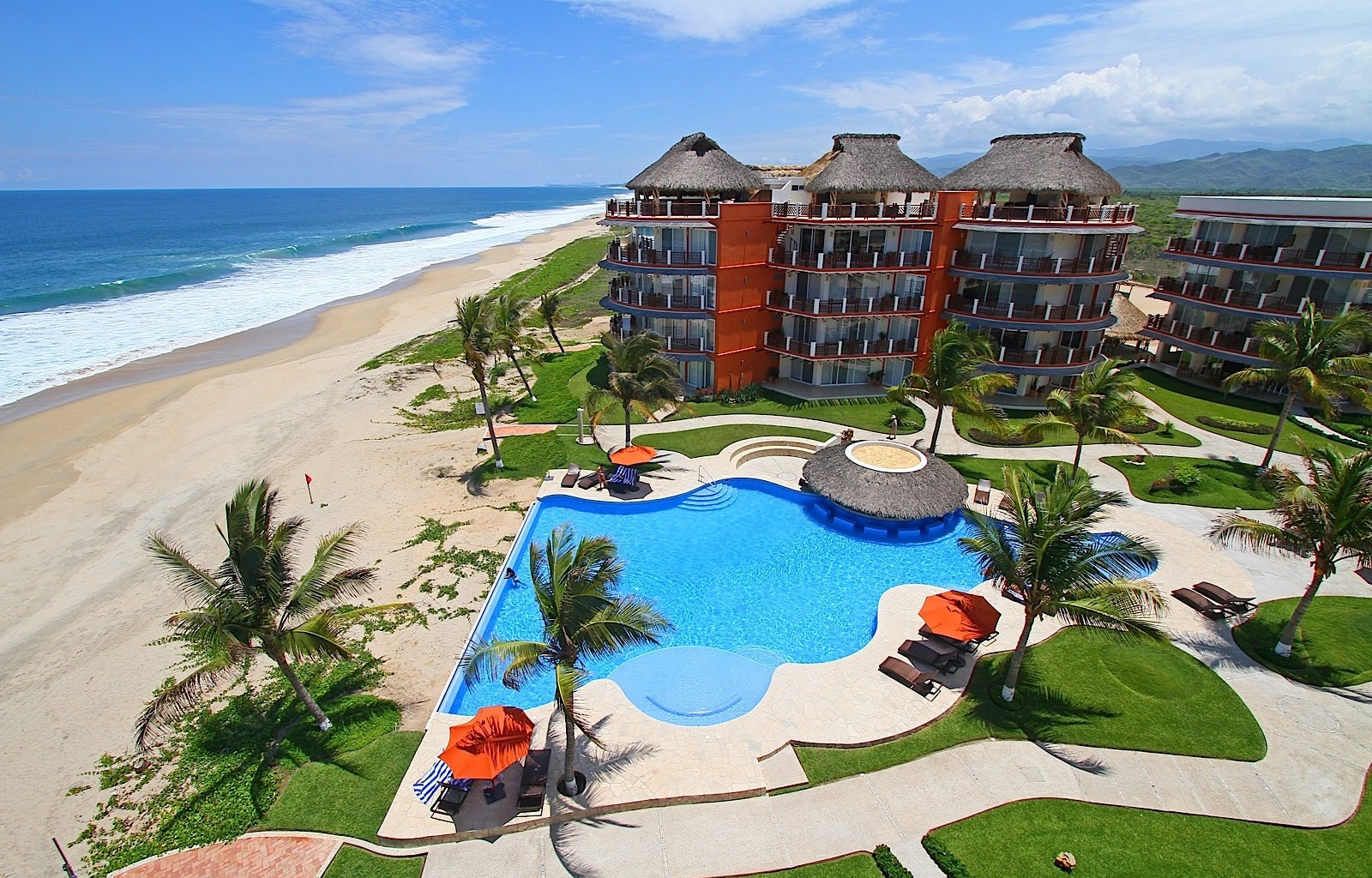
At Vivo Resorts on Playa Palmarito, tipping can involve several people during one stay: luggage attendants, housekeepers, servers, bartenders, drivers, spa therapists and activity guides. You do not need to tip every person after every interaction, but recognising attentive service with a modest gratuity is customary and appreciated.
Mexican pesos are usually the most convenient currency for tips. US dollars may be accepted in tourist areas, but pesos are more useful to local staff and avoid awkward exchange-rate calculations. Australian dollars are unlikely to be practical for small gratuities, so changing some money before travelling or withdrawing pesos after arrival is sensible.
The best approach is to carry small notes, check whether a service charge has already been added, and tip according to the quality and complexity of the service. A relaxed, fair-minded approach works better than trying to follow one perfect formula.
What Australian travellers should expect
In Australia, a café may have a tip jar, and a restaurant might invite you to round up the bill, but neither is normally compulsory. Mexico has a stronger tipping tradition, especially in destinations welcoming international visitors. Staff will not always ask directly, yet a gratuity can form an important part of their overall income.
Resort pricing can also make expectations feel unclear. A room rate, meal package or all-inclusive arrangement does not necessarily mean every personal service is covered. Read the booking terms, look at restaurant bills, and ask reception whether a service charge applies. This prevents paying twice while still allowing you to reward someone who has gone the extra mile.
Think of the difference between a standard coffee order in Sydney and a private airport transfer, a villa tidy-up or a tailored excursion. The more personal, time-consuming or specialised the service, the more appropriate it is to offer a tip. You can also plan a perfect Playa Palmarito weekend with a simple gratuity budget included from the start.
How much to tip around the resort
For housekeeping, around 50 to 100 pesos per room per night is a common starting point, adjusted for the size of the residence and the amount of service required. Leave it daily rather than at the end of the holiday, since staff may rotate. A short note marked “para housekeeping” can make the intention clear.
For luggage assistance, 20 to 50 pesos per bag is reasonable, with more for several guests, heavy cases or a long walk to a private villa. For a concierge or front-desk team member who arranges something substantial, such as transport, a special meal or a complicated booking, 100 to 300 pesos can be suitable. A quick direction or routine request does not require the same treatment.
At restaurants and bars, 10 to 15 per cent is a useful guide when service has been good and no service charge is shown. Check the bill for terms such as “servicio” or “propina incluida”. If service was disappointing, you can reduce the amount or explain the issue rather than leaving a full gratuity automatically.
Tipping drivers, guides and spa staff
Private transfers and excursion drivers deserve a tip when they are punctual, helpful and careful with luggage. Around 10 to 15 per cent of the fare is a practical guide, while a fixed amount in pesos may be easier for a short journey. For a full-day driver who waits between stops or provides useful local knowledge, a larger gratuity reflects the extra time involved.
Tour guides are commonly tipped at the end of an excursion, particularly when they manage equipment, explain local history or adapt the outing to your group. A small group might offer 100 to 200 pesos per guest for a half-day experience, with more for a private or full-day tour. If you book a guided snorkelling outing, keep some low-denomination notes ready for the guide and boat crew.
Spa etiquette is similar to Australian salon practice, though the expected percentage may be more visible in Mexico. Around 10 to 15 per cent of the treatment price is a reasonable guide if the therapist provides attentive service. Ask whether gratuity is included before paying, especially when the treatment is charged to your room.
Cash, cards and practical manners
Cash remains the easiest way to tip individual staff members. Contactless payments and EFTPOS are everyday habits in Australia, but card terminals at resorts may not always offer a separate gratuity option, and a tip may be distributed through a general pool rather than reaching the person who served you.
Keep a small envelope or wallet compartment for 20-, 50- and 100-peso notes. That is more useful than trying to break a large note at the end of a meal. A handwritten thank-you, a smile and using a staff member’s name can add warmth to the exchange without making it feel transactional.
Avoid handing over coins if you can, as small coins are inconvenient and may be difficult to exchange. Do not feel obliged to tip for every brief encounter, and never assume that a larger payment guarantees special treatment. Staff should receive the same courtesy whether you are travelling on an Australian dollar budget or staying in a premium villa.
Planning for families, weddings and special stays
Families often generate more service work than they realise: extra towels, children’s meals, high chairs, room resets and help with transport. Rather than leaving one large amount at the end, spread tips across the people who assist you. Parents can also give older children a few pesos so they learn that gratuity is a thank-you for service, not an automatic fee.
Wedding groups should clarify tipping arrangements with the coordinator before the event. A service charge may cover some staff, while individual suppliers such as hair and makeup artists, musicians, drivers and photographers may follow separate customs. Couples commonly prepare labelled envelopes in advance so the wedding day does not become a scramble for cash.
For a broader coastal itinerary, a Mazunte day trip may involve separate drivers, guides and venue staff, so keep the resort gratuity budget separate from excursion money. A simple note on your phone listing likely services and suggested peso amounts can make decisions easier when you are tired, sun-warmed or travelling with children.
A good Mexican tipping experience is about awareness rather than strict rules. Check for included charges, carry pesos, recognise personal service and adjust the amount to the effort involved. Before leaving Australia, exchange or withdraw enough small peso notes for your first transfer, luggage assistance and the opening day of your stay.