Driving Mexico's Federal Highway 200: a traveller's briefing
Mexico's Carretera Federal 200 is one of the longest coastal routes in the Americas, tracing the Pacific shoreline from the US border down through Sonora, Nayarit, Guerrero, and into Oaxaca. Travellers heading to the Oaxacan coast will spend a portion of their journey on this road, and a little preparation makes the difference between a stressful drive and a memorable one. The highway has a reputation that swings between awe-inspiring and a little rough around the edges, which is why understanding what lies ahead pays off, especially for visitors used to sealed, well-signed roads at home.
For Australians in particular, the Carretera Federal 200 will feel unlike anything between Sydney and Byron Bay or a stretch of the Great Ocean Road, even though it snakes along a coastline on a scale that echoes a Perth-to-Broome expedition. The road cuts through desert, jungle, and mountain ranges, and the rules of the road differ in ways that go well beyond simply swapping to a left-hand-drive vehicle.
The Pacific spine and what the 200 covers
The Carretera Federal 200 stretches for more than 2,200 kilometres, beginning near the Arizona border at Nogales and following the Pacific Coast southward. In its northern stretches the road is generally wide, well-maintained, and resembles a regional motorway, but as it pushes deeper into southern Mexico the character changes. Curves tighten, lane markings fade, and small townships appear at irregular intervals, each slowing traffic with their topes (speed humps) that arrive without much warning.
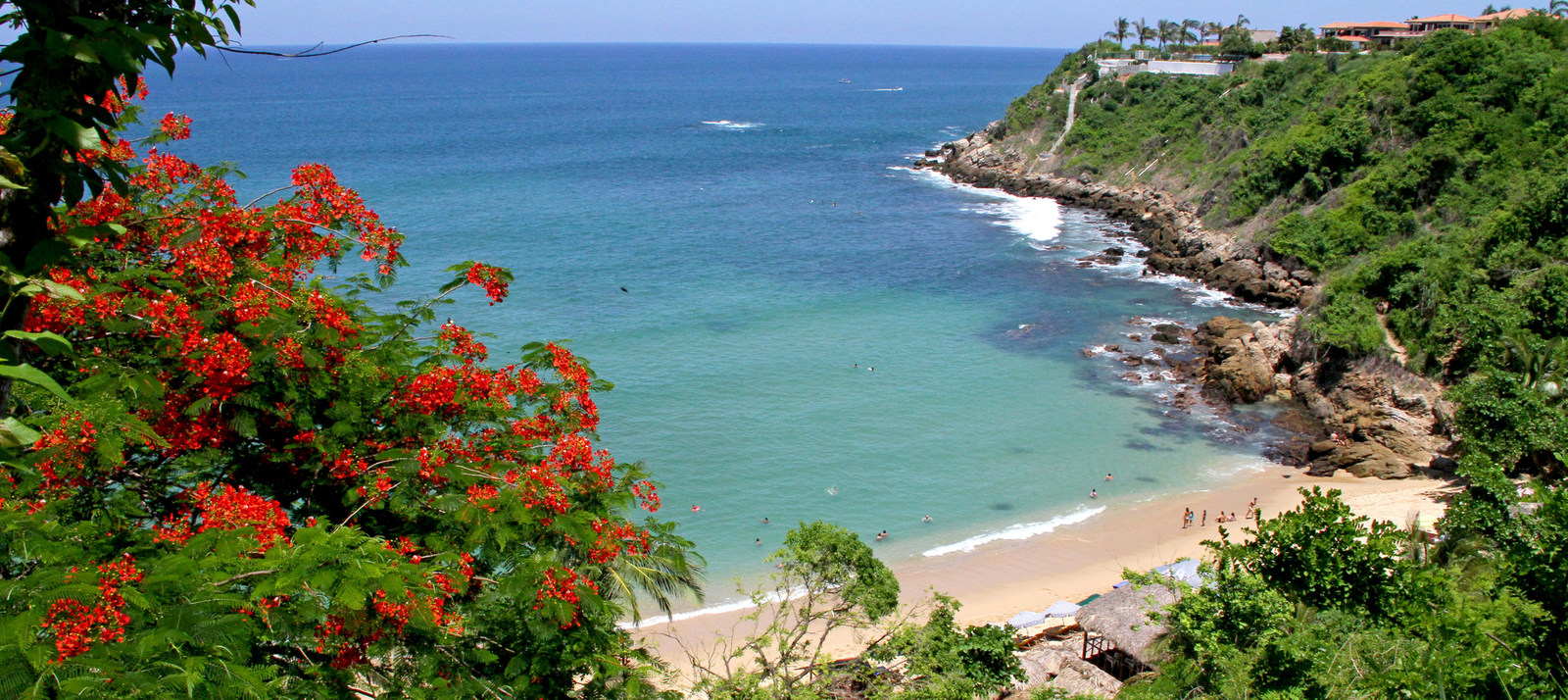
The Oaxacan section is among the most dramatic and the slowest. Between Pinotepa Nacional and the turn-off for the coast near Puerto Escondido, the original 200 winds through the Sierra Madre del Sur with switchbacks at almost every turn. Most travellers today opt for the new toll road, the Supercarretera Barranca Larga–Ventanilla, which opened in 2024 and cuts the trip from Oaxaca City down to the coast from a six-hour ordeal to a comfortable three-hour journey. Even so, portions of the older federal highway remain in use for those who prefer the coastal scenery, especially around the beaches detailed in Puerto Escondido's beach comparison.
Road surfaces, topes, and seasonal trouble
Pavement quality along the 200 varies dramatically. In well-trafficked stretches near major cities the road is smooth and freshly sealed, but in remoter sections drivers can expect patched surfaces, gravel shoulders, and the occasional pothole deep enough to rattle a rental car's suspension. Topes are the single biggest day-to-day surprise for visitors from places like Melbourne or Adelaide, where you rarely see one outside a school zone. They appear at the entrances and exits of almost every small town, often unannounced and sometimes painted in colours that blend into the tarmac.
The wet season, broadly June through September, brings its own hazards. Heavy afternoon downpours can trigger rockslides in the mountain sections and surface flooding in low-lying coastal flats. Visibility drops fast, and the painted centre line disappears under a film of water. Travellers used to a sudden Gold Coast storm should not assume the conditions are comparable: the drainage is less reliable, and the road edges are not always well defined. Driving in daylight during these months is essentially non-negotiable.
Checkpoints, fuel, and practical safety
Military and police checkpoints are a routine feature of driving the 200, particularly in Guerrero, Oaxaca, and Chiapas. They tend to be friendly, brief affairs where officers will ask about your destination, peek inside the vehicle, and wave you on. Keeping passports, driving licences, and vehicle paperwork within easy reach avoids any fumbling at the window. Australian licence holders can drive in Mexico on a valid licence, though an International Driving Permit is recommended and usually requested at car-hire desks.
Fuel stations can be surprisingly far apart in the southern sections. The rule of thumb is to top up whenever the tank drops below half, the same logic Aussie travellers apply on a long run between outback servos. Service station attendants usually pump the fuel for you, which feels strange at first but is the local norm. Night driving is discouraged on the 200: lighting is patchy, livestock wanders onto the road, and overtaking trucks on unlit curves has ended many a road trip.
Adjusting to left-hand drive for Australian visitors
The switch from a right-hand-drive vehicle to a left-hand-drive rental is the most immediate adjustment for visitors from Sydney, Brisbane, or Perth. Most Australians have done something similar on a Bali holiday, but the 200 adds extra variables: constant overtaking, variable speed signs, and roadside vendors stepping into the road. The first hour out of the airport is when most fender-benders happen, so having the route sorted before pulling out and accepting a slower pace on day one is the smart move.
Australians are no strangers to toll infrastructure, having driven the M2 in Sydney or CityLink in Melbourne, and the Mexican casetas work on a similar cash-or-card basis. The tolls on the Supercarretera are reasonable by international standards and well worth the smoother surface. Having pesos ready, plus a small float for topes-related donations or parking attendants, keeps things humming along nicely.
Reaching Playa Palmarito and the resort
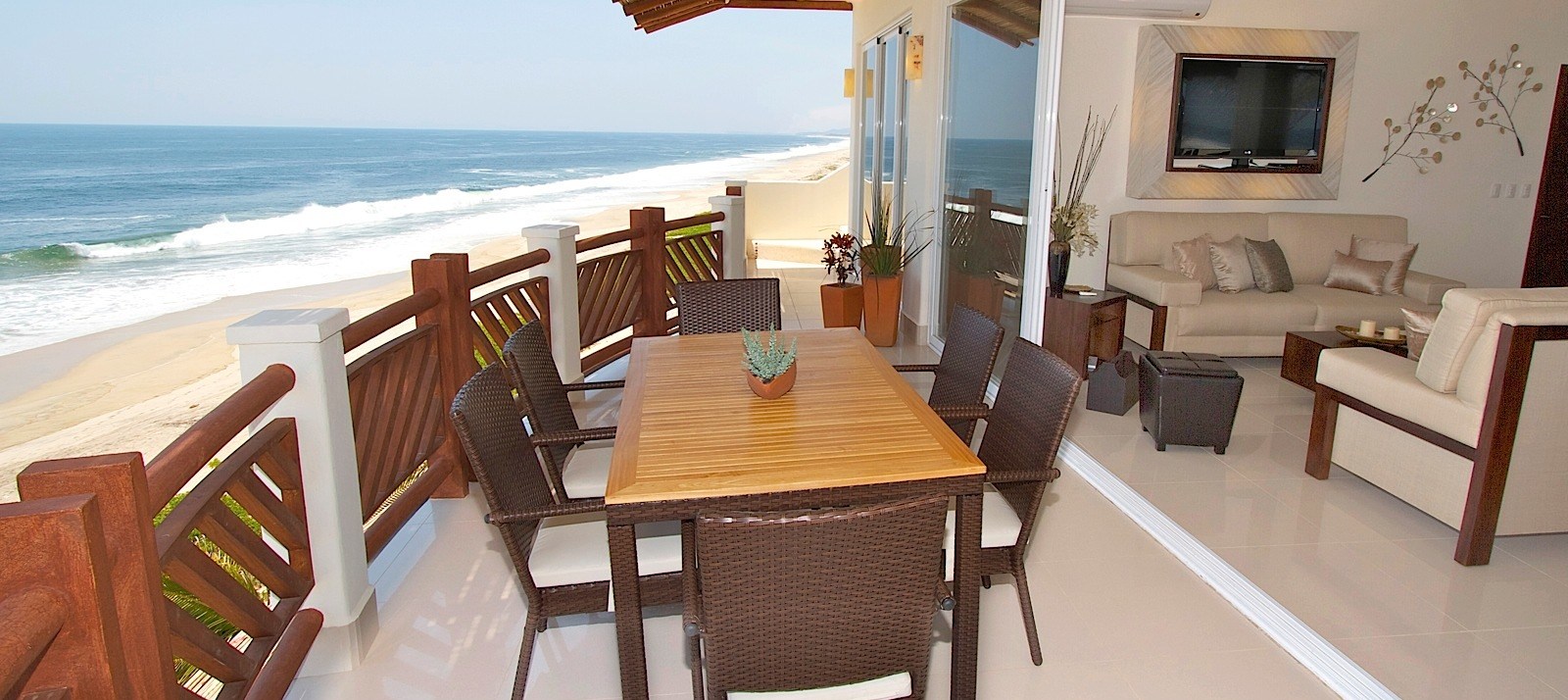
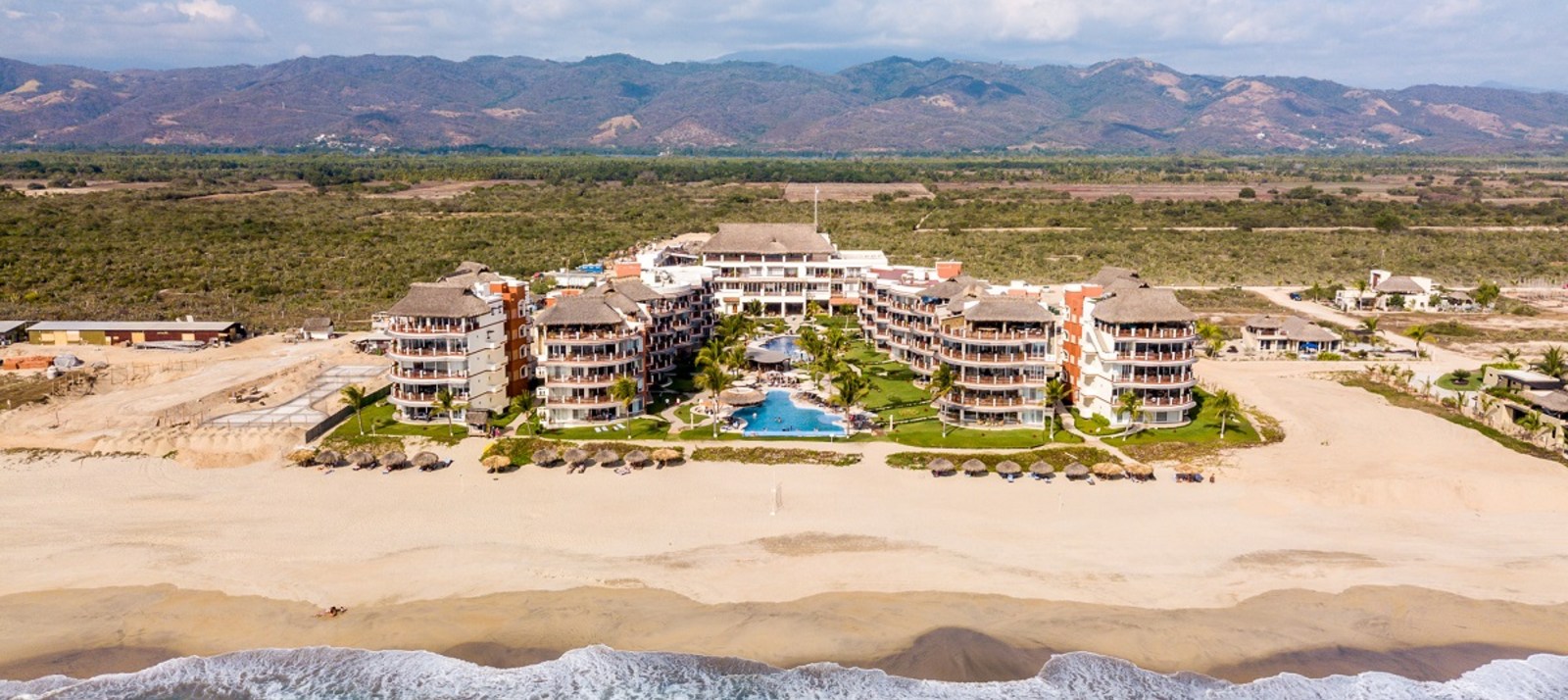
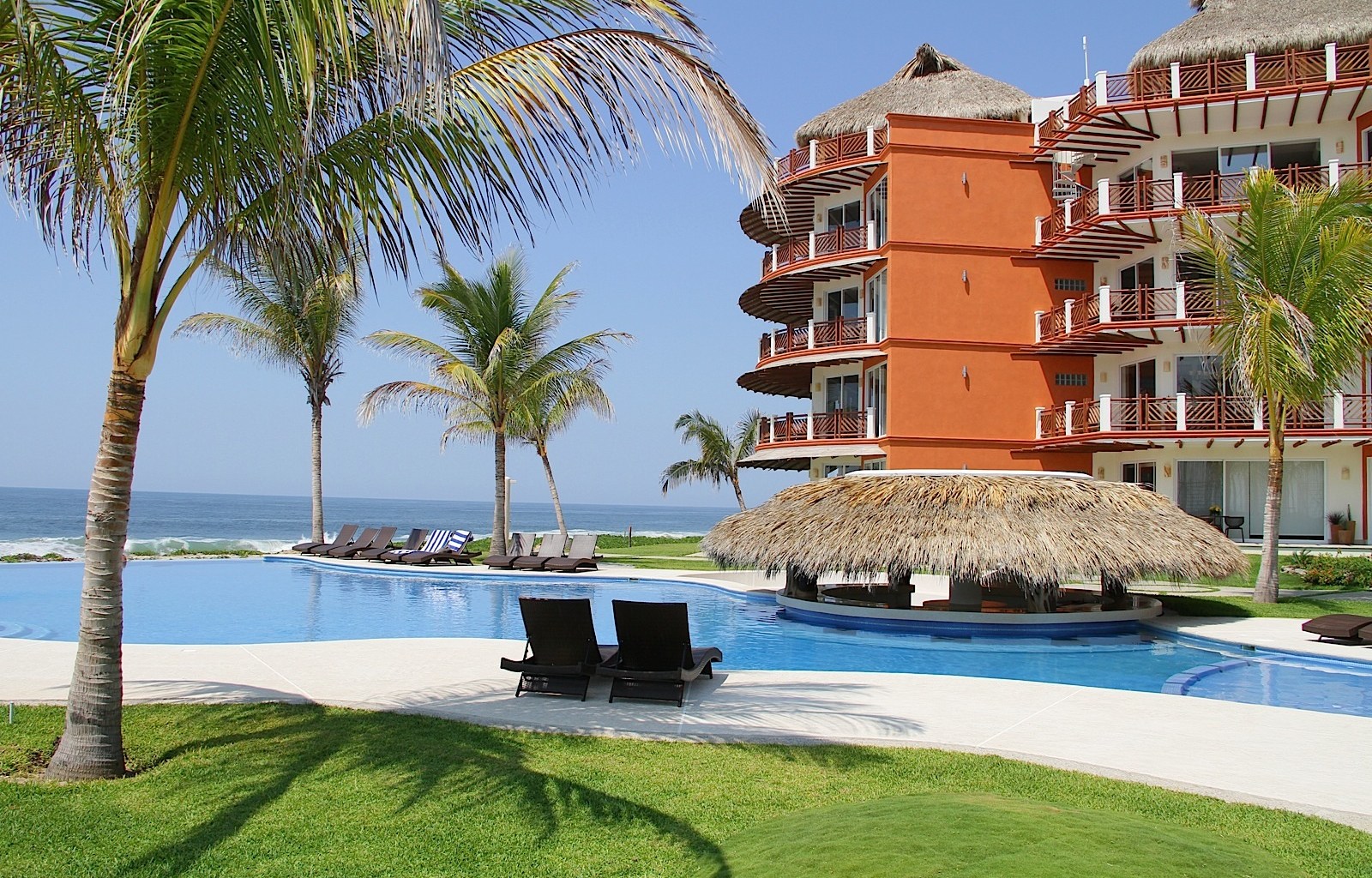
The final approach to Playa Palmarito branches off the 200 about 25 minutes east of Puerto Escondido. From the highway exit, the road narrows to a two-lane country road, passing through coconut groves and small ranchos before arriving at the resort's gated entrance. Those who have booked private villas here will be met at the gate with a cool towel and a cold drink, which feels like a small miracle after a long drive from Oaxaca City or Mexico City. The resort sits directly on the sand, so the moment travellers step out of the car, the Pacific is right there.
If driving feels like too much, shared shuttle services run between Oaxaca City and Puerto Escondido, and private transfers can be arranged through the resort. Many guests who arrived by car say they would happily take the shuttle next time, simply so they could enjoy the views rather than watching the road.
The most useful thing to remember is that the Carretera Federal 200 is not a road to fear, but one to respect. Plan the major stretches for daylight hours, keep the tank topped up, accept the topes as part of the rhythm, and allow an extra hour for anything you think you know. Arrive with patience, and the journey from Oaxaca to Playa Palmarito becomes part of the holiday rather than a chore to be endured.