Vivo Resorts Kid's Club: A Family Guide for Australian Travellers
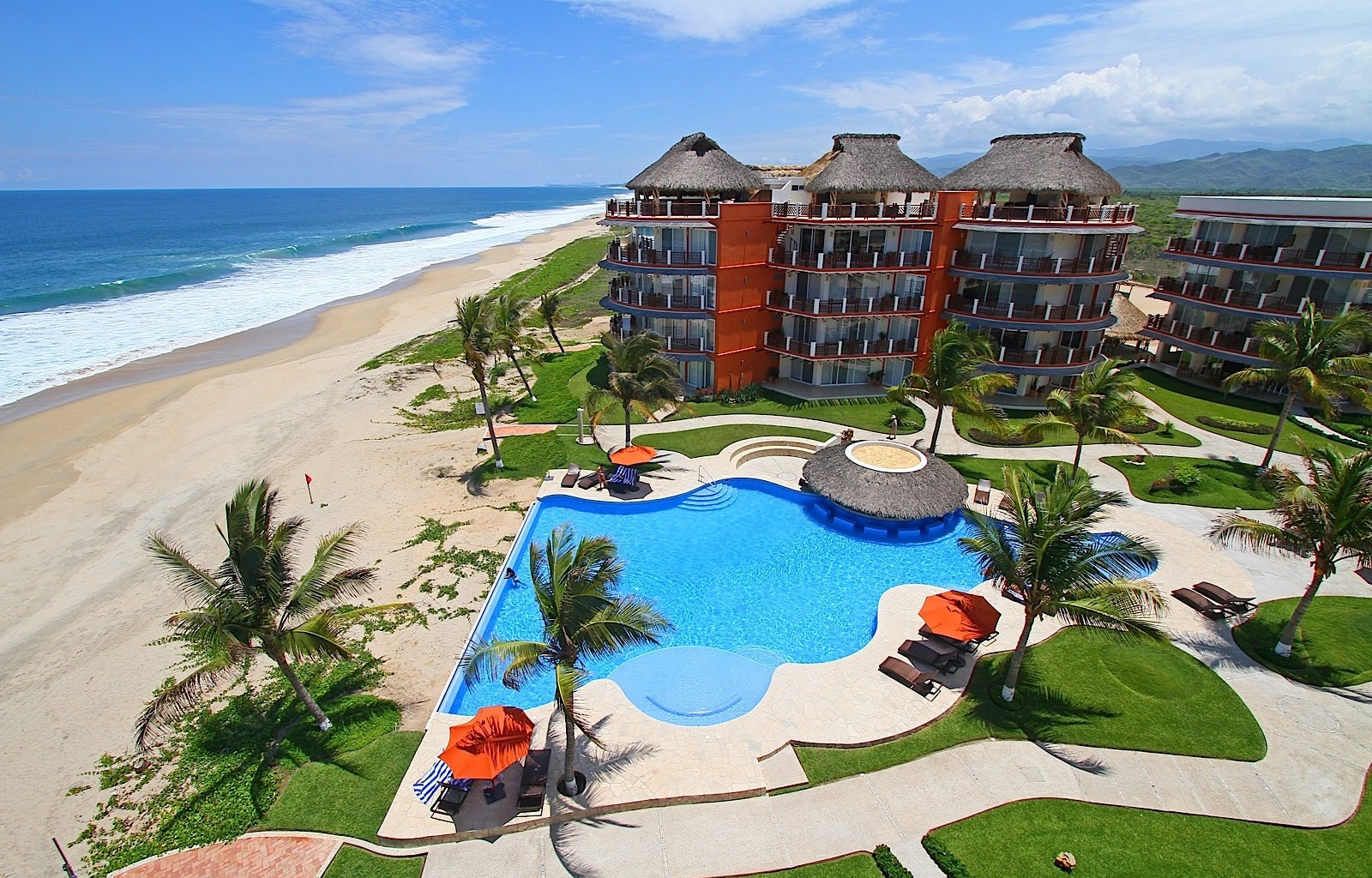
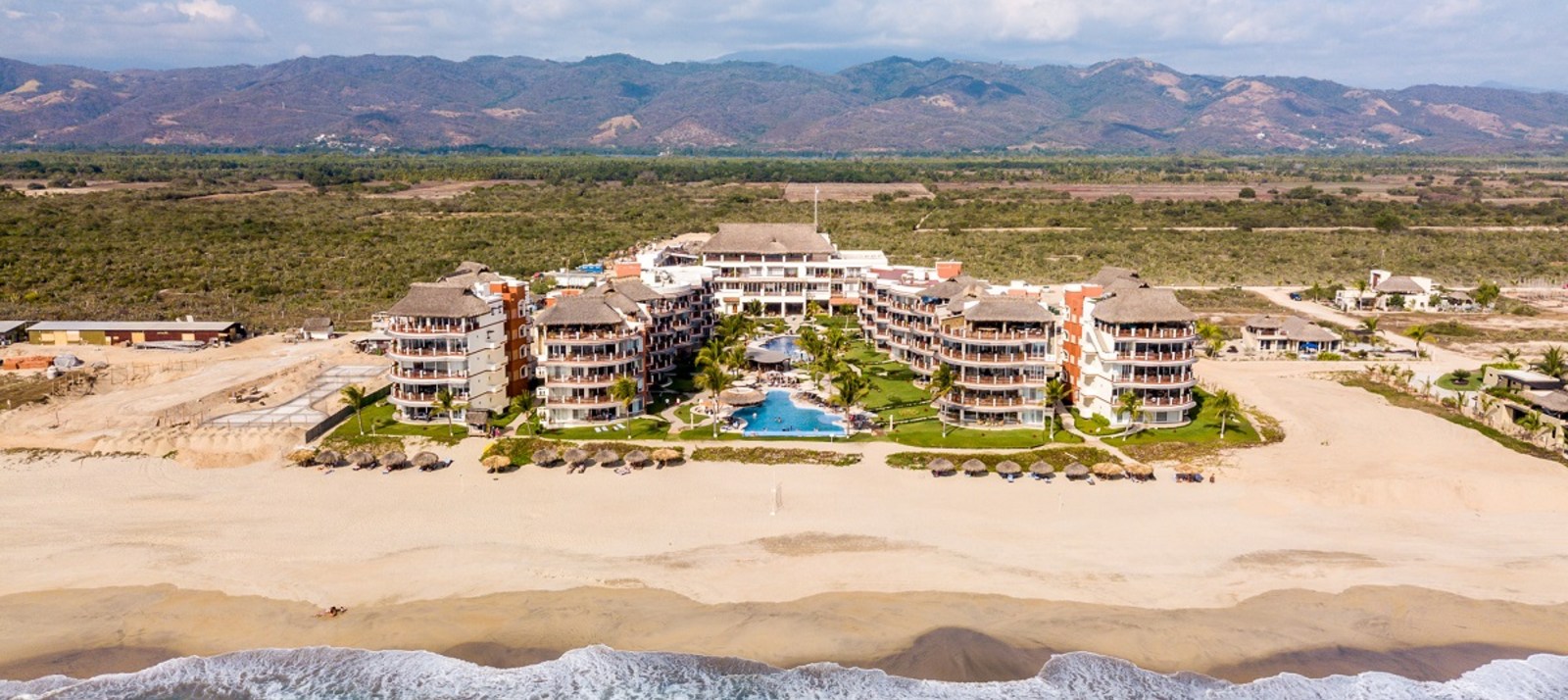
Australia to Oaxaca is a long haul, and when Aussie families finally touch down on Playa Palmarito, the last thing anyone wants is a holiday derailed by grumpy kids or rigid scheduling. Vivo Resorts sits on a quiet stretch of Mexico's Pacific coast, with a family programme designed to ease pressure on parents while giving children plenty to explore from sunrise to sunset. The all-suite layout, beachfront setting and warm climate suit travellers escaping a chilly Melbourne winter or a wet Sydney school break.
The kid's club and daily activities programme are built around flexibility rather than fixed timetables. Mornings can start with sandcastle building on the beach, then shift to arts, games or poolside play. Families escaping during Australian school holidays — typically December-January, Easter or the September-October break — will find the resort's rhythm mirrors the relaxed, sun-soaked routine many are craving after months of routine back home.
A dedicated space just for children
The kid's club occupies its own purpose-built area within the resort grounds, set apart from the main pool decks and the spa zones. Colourful murals, low seating, shaded outdoor play spaces and a small indoor craft corner give children a sense of their own territory, helping even shy kids settle in quickly. The space is gated and visible to passing parents, so mums and dads can glance over from a lounger without hovering.
Staff are trained in childcare and first aid, and group ratios stay low so each child receives proper attention. Activities rotate by age band, meaning toddlers, primary-school kids and tweens usually work from separate stations or timed slots. Australian parents used to regulated childcare environments will recognise the same emphasis on safety, supervision and structured play.
How the daily activities programme unfolds
A typical day follows a gentle rhythm rather than a strict schedule. Mornings begin with beach games or nature-inspired crafts, taking advantage of the cooler hours before the Oaxacan sun climbs high. Mid-morning brings a snack break and a shift to shaded activities like storytelling, simple cooking lessons or Spanish-language games that introduce local words without feeling like formal classes.
Afternoons move toward the pools, with supervised splash time, floating obstacle courses or quiet games under umbrellas. As the day cools, the resort rolls out family-friendly entertainment — film nights on the lawn, live music suitable for younger ears, or themed dinners that let children dress up. The full weekly schedule is shared at check-in and posted near the club entrance.
Age groups, supervision and flexibility
Children from roughly four to twelve form the core age range, with infants and teenagers usually accommodated with notice. Younger children get shorter activity windows and more hands-on supervision, while older kids gravitate toward team games, beach sports and creative workshops that feel less like babysitting. The club runs for several hours each morning and afternoon, with optional evening sessions during peak periods.
Parents wanting a child-free lunch, a spa morning or a long dinner can book supervised sessions in advance, often at a small extra cost. For families marking something special — a milestone birthday or a surprise anniversary trip — the team weaves the children's programme around adult celebrations, including late evenings on the terrace when parents want to linger over mezcal.
Pools, beach time and family amenities
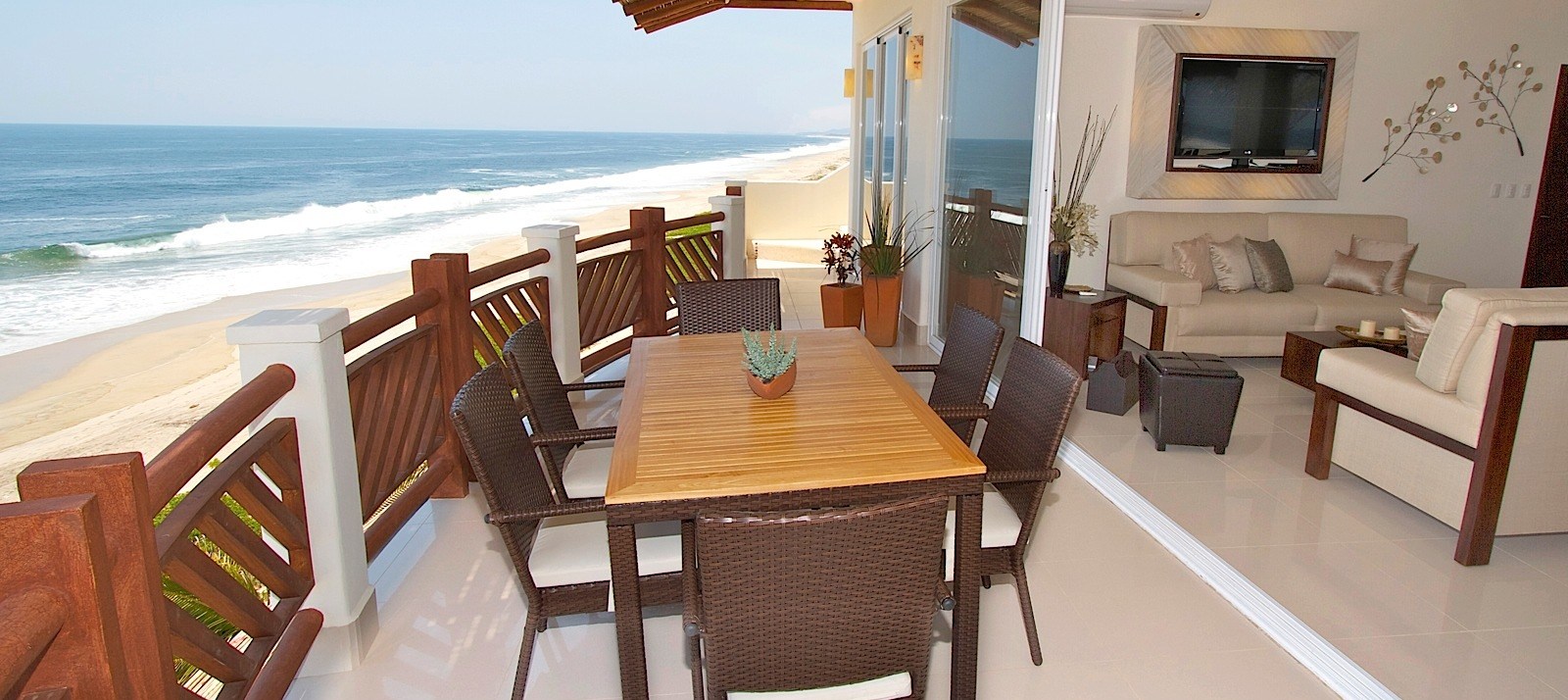
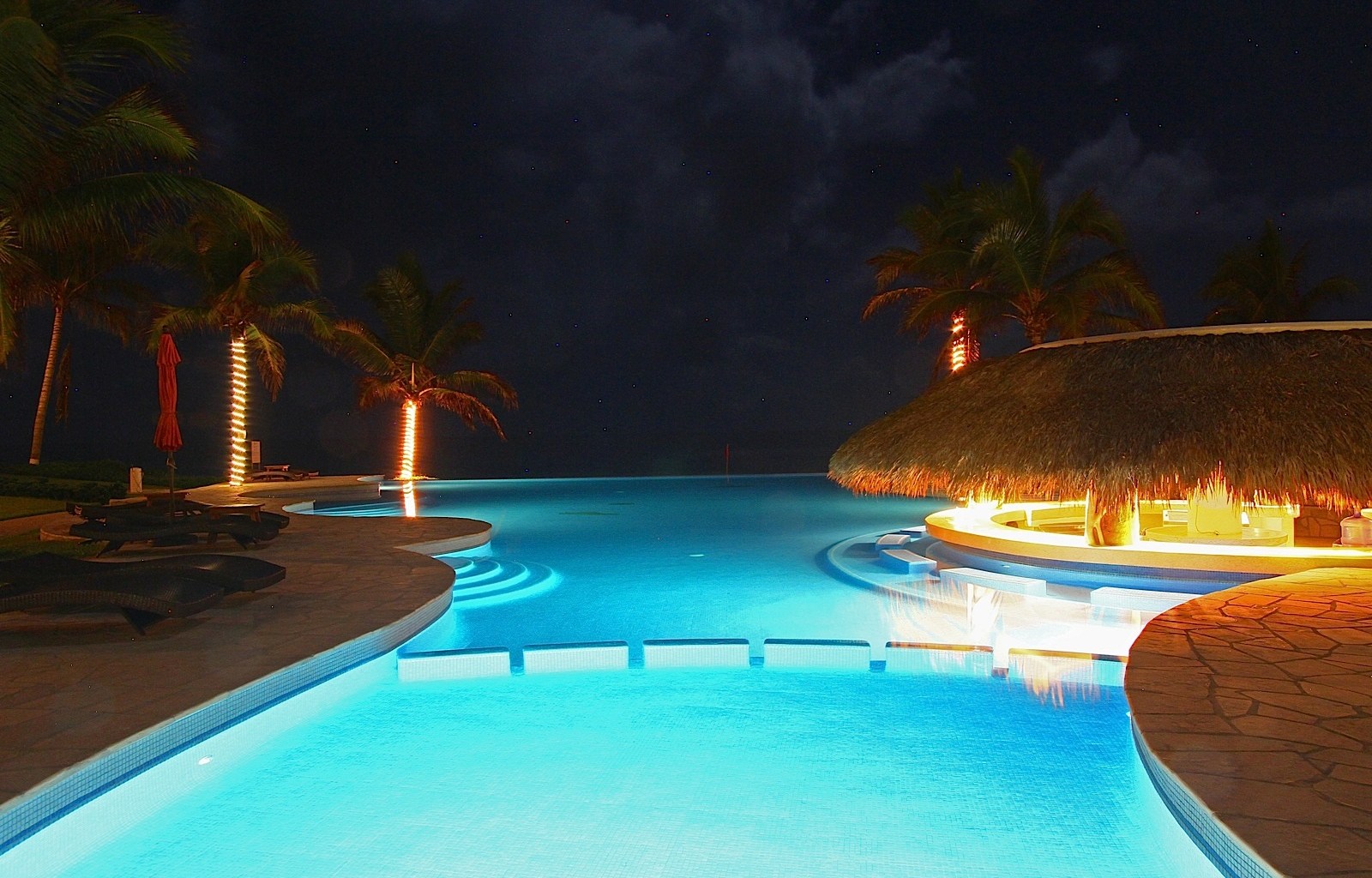
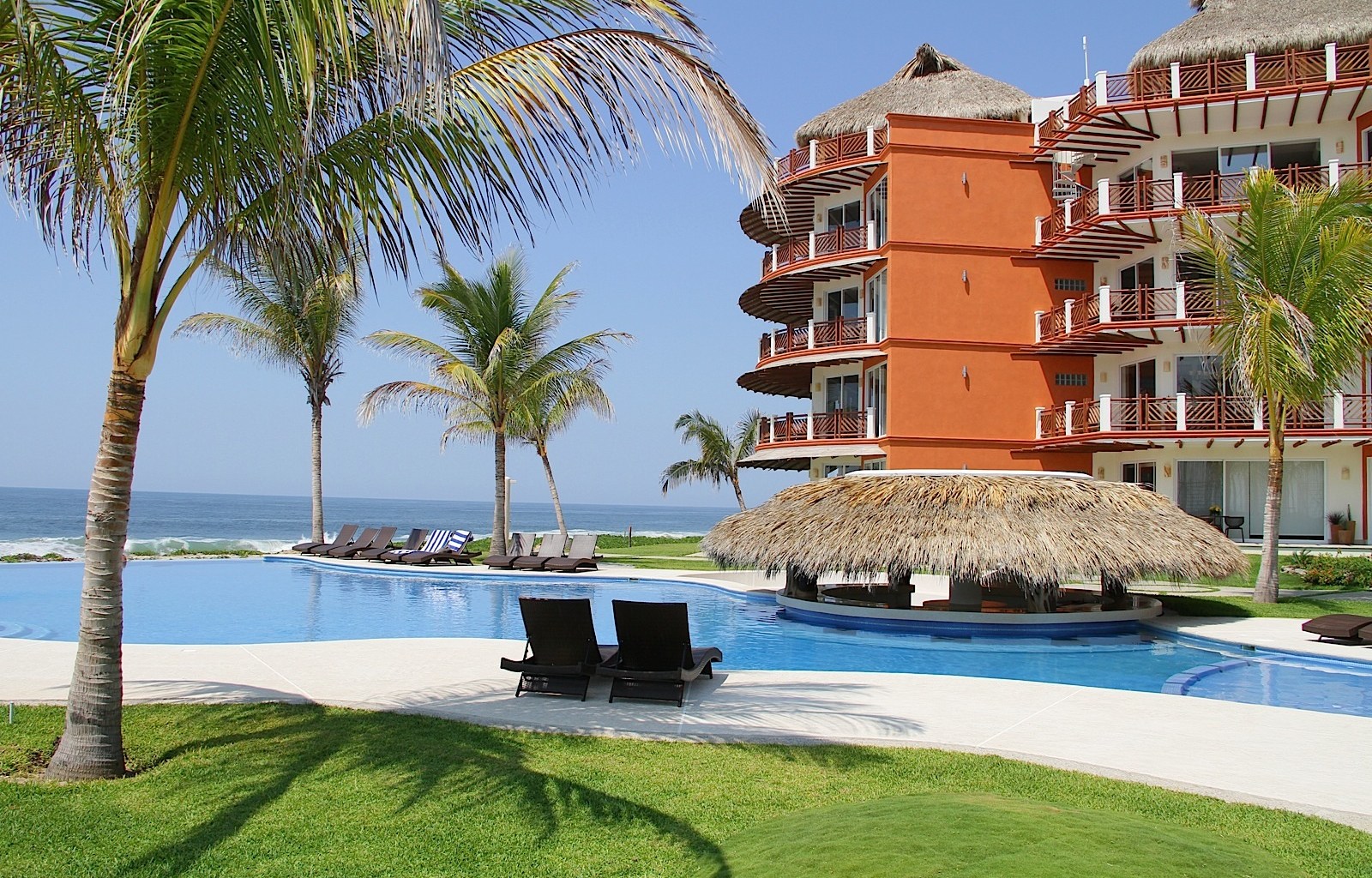
Beyond the kid's club itself, the wider resort layout supports families at every turn. Pools include a quieter family pool, a more social activity pool and adult-only zones where parents can claim a bit of calm. The beachfront is calm enough for paddle-boarding and gentle swimming much of the year, with boogie boards, sand toys and life jackets supplied at no charge.
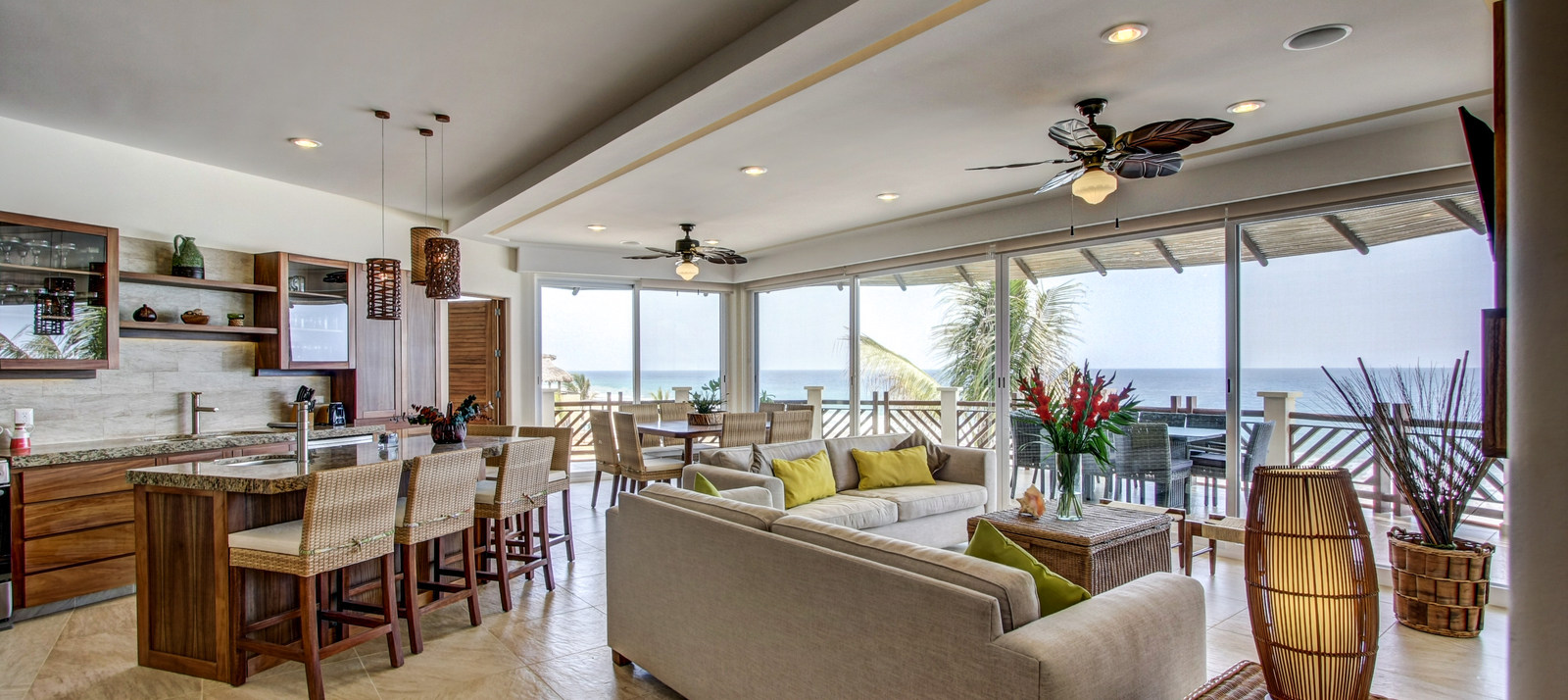
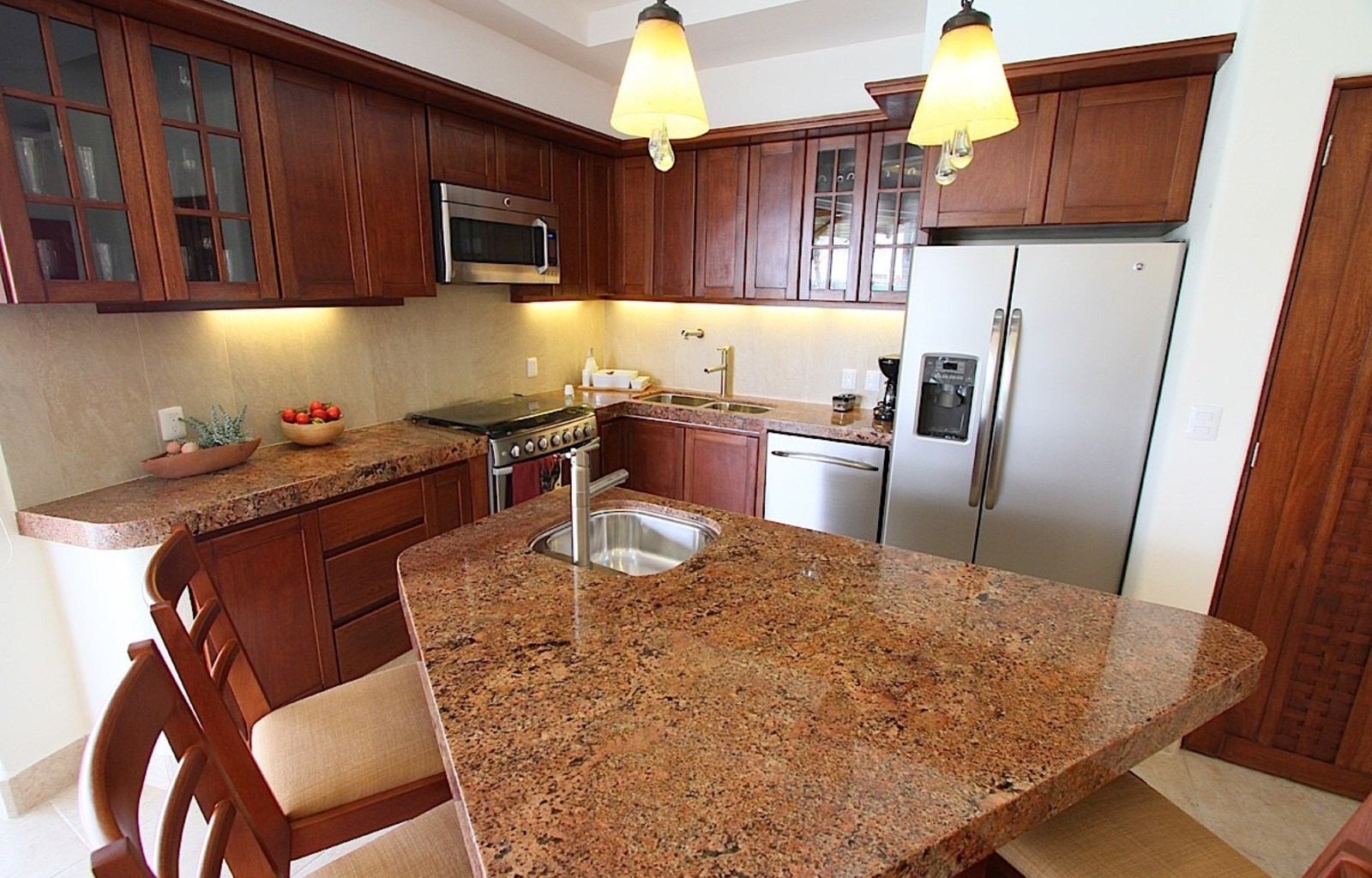
Spacious suites let families spread out, a real plus after the cramped quarters of a long-haul flight from Sydney or Brisbane. Many residences include kitchenettes or full kitchens, which helps with fussy eaters, early bedtimes or the 5pm dinner rush Australian toddlers tend to demand regardless of time zone. Cots, high chairs and baby gates can usually be arranged with a quick call to reception.
Dining with children in mind
Dining is easier than many parents expect, with multiple venues offering kids' menus, flexible seating and an accommodating kitchen. The beachfront restaurant will whip up simple pasta, grilled chicken or fresh fruit for younger palates, while older children tend to enjoy the ceviche, tacos and grilled fish the Oaxacan coast is known for. High chairs, booster seats and milder spice levels are all available on request.
For nights spent in the suite, room service runs all day and the supermarket in Puerto Escondido is a short drive for snacks, formula or anything a child insists on. Many Australian parents find a mix of relaxed restaurant meals and in-suite dinners works best, particularly while little ones adjust to the time difference of roughly 15 to 17 hours behind eastern states.
Excursions and off-site adventures
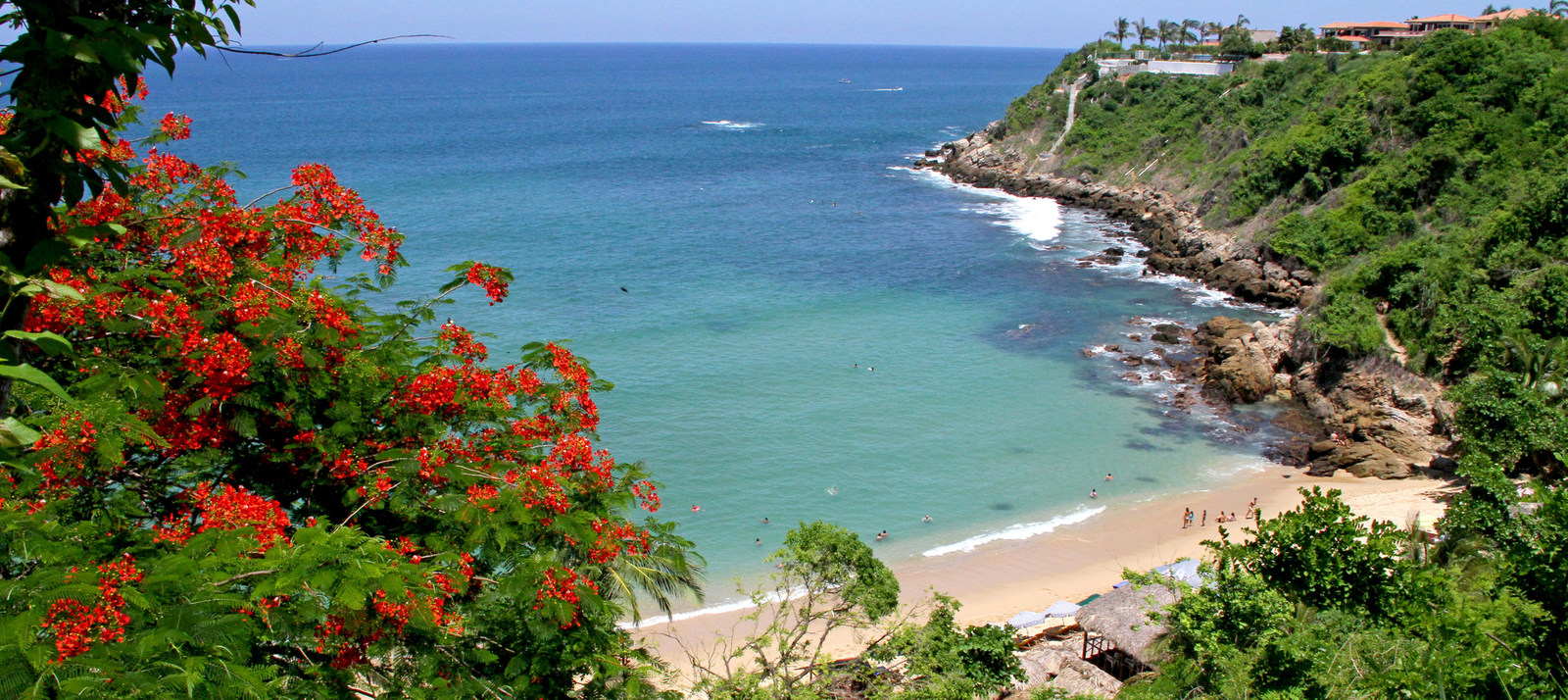
When families want a break from the resort, the activities team arranges age-appropriate excursions to nearby beaches, turtle-release programmes in season, boat trips to Manialtepec lagoon or cultural visits to local villages. The bioluminescent lagoon tour is a favourite with older children, while younger kids often love a horseback ride along the sand at sunset. Excursions can be tailored to suit how structured or relaxed parents want the day to be.
For larger family gatherings — grandparents, cousins, school friends reuniting for a holiday — the resort's group bookings and weddings team handles shared villas, group dining and private activities. It is worth asking if you are travelling with extended family and want everyone under one roof rather than scattered across multiple resorts.
Fitting the programme around Australian school holidays
The Australian school calendar shapes when most families from Sydney, Melbourne, Brisbane and Perth travel, and the resort's busiest periods align with the southern-hemisphere summer and Easter break. December and January are popular for obvious reasons, trading an Australian Christmas heatwave or a grey winter for a Pacific sunset, and booking several months ahead is wise. Easter, falling during Mexico's dry season, is another sweet spot for warm weather and calmer beach conditions.
Travelling with kids across such a long distance takes a bit of planning. Most Aussie families route through Los Angeles, Houston or Mexico City, with journey times often exceeding 24 hours including layovers. Building in a rest day on arrival, packing plenty of snacks, downloading offline entertainment and accepting that the first night or two may involve unsettled sleep saves a lot of stress. Once the family is past the jet lag hump, the kid's club and daily activities programme keep everyone entertained while parents catch their breath.
The most useful first step is to email the resort's concierge around three to four months before travel, listing each child's age, any allergies or sleep habits and the dates you are eyeing, so the team can confirm activity slots, meal plans and any supervised sessions in advance.