Tips for Photographing the Sunrise from Your Suite’s Balcony
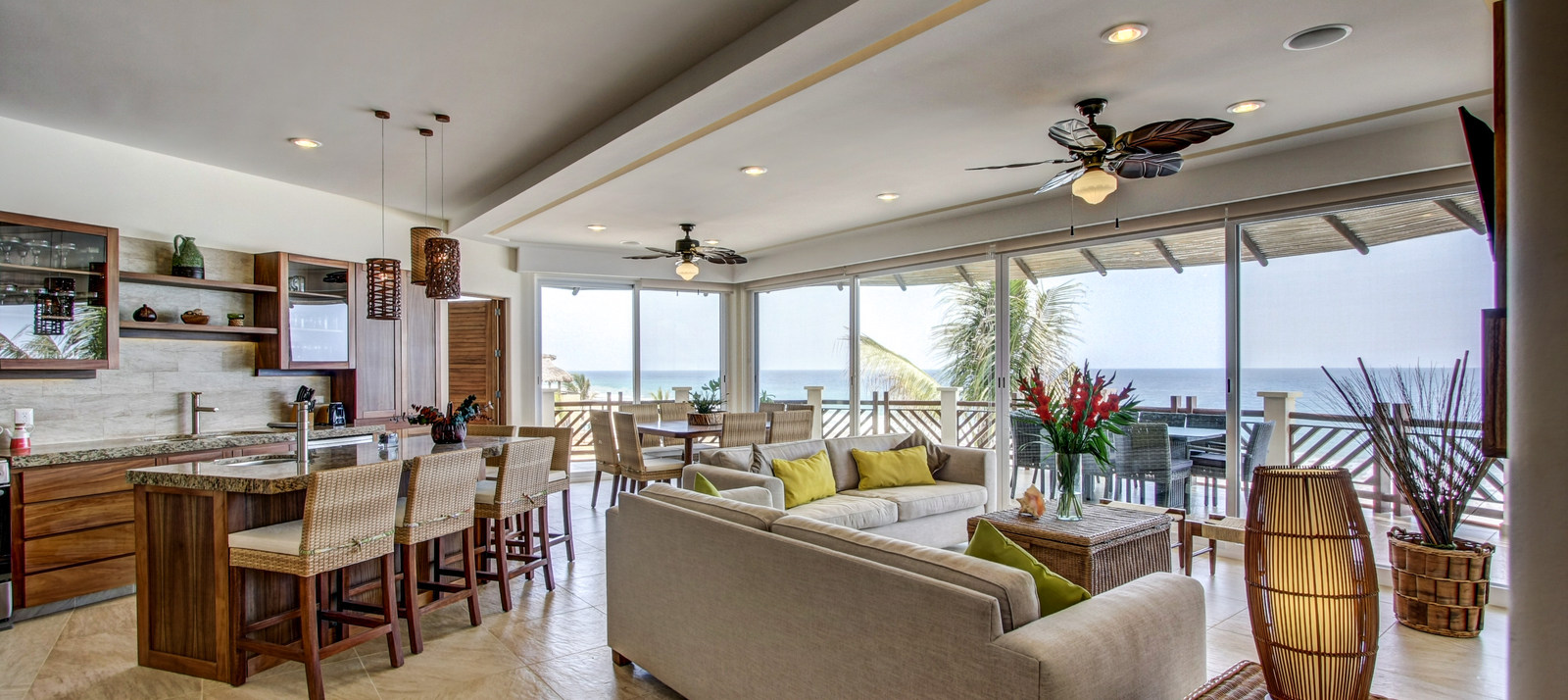
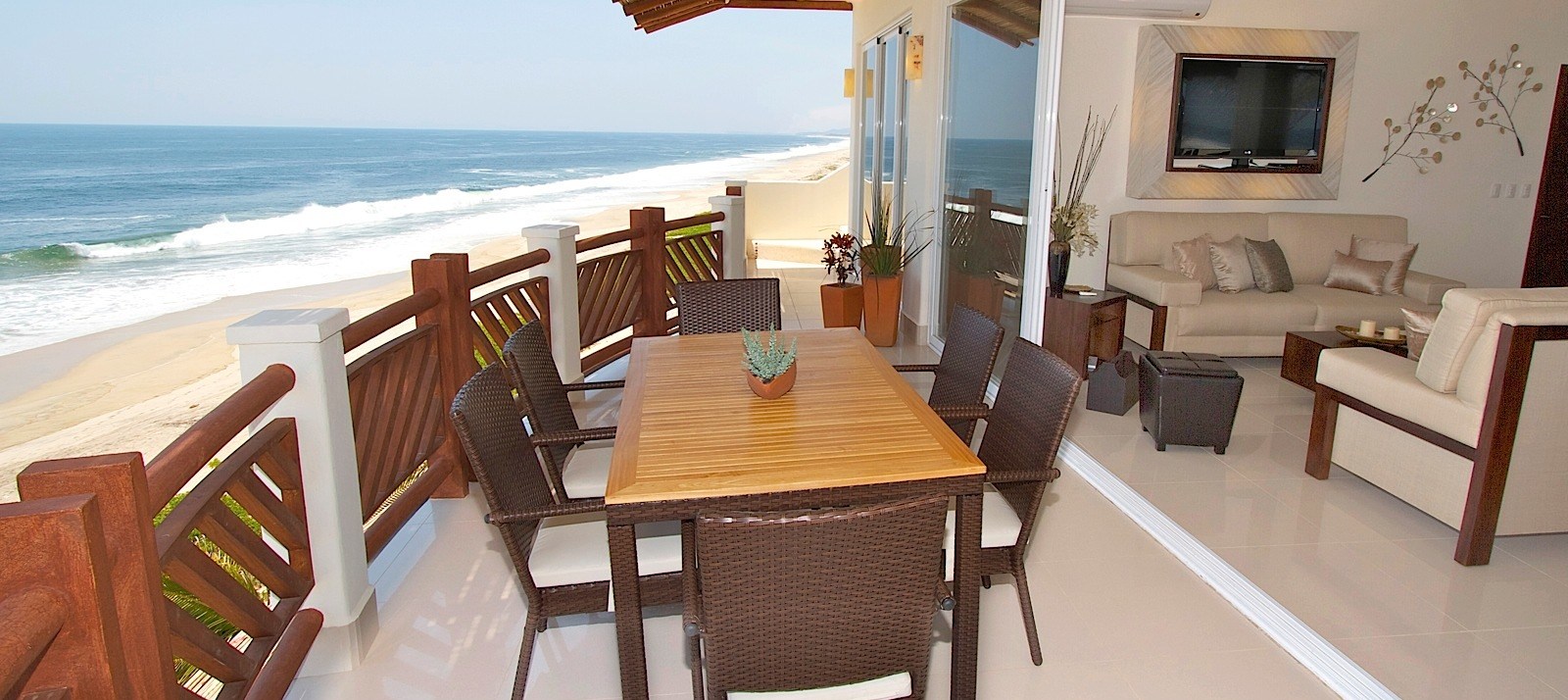
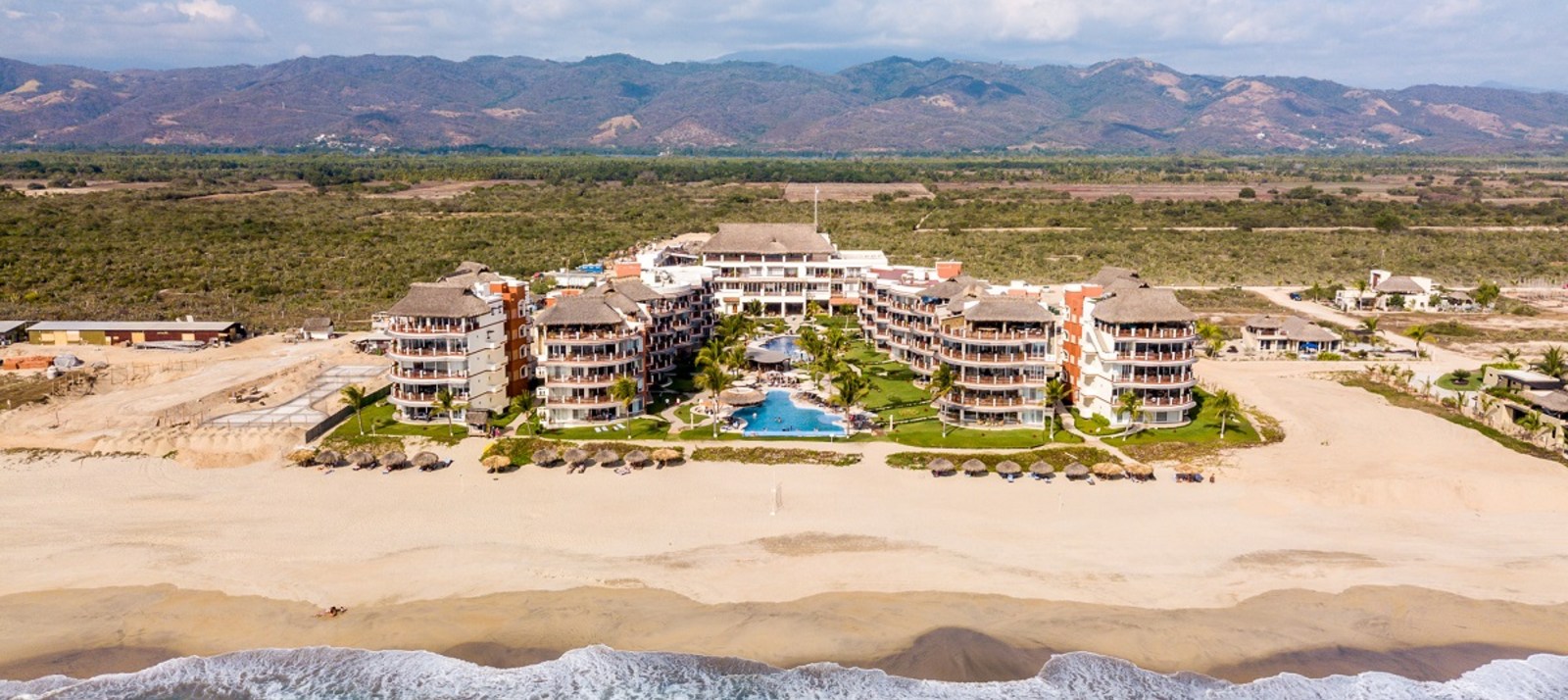
Photographing the sunrise from your suite’s balcony at Vivo Resorts is an easy way to begin a beach day with a creative ritual. The quiet Pacific air, changing colors above Playa Palmarito, and open space of an all-suite residence provide a comfortable setting for thoughtful travel photography.
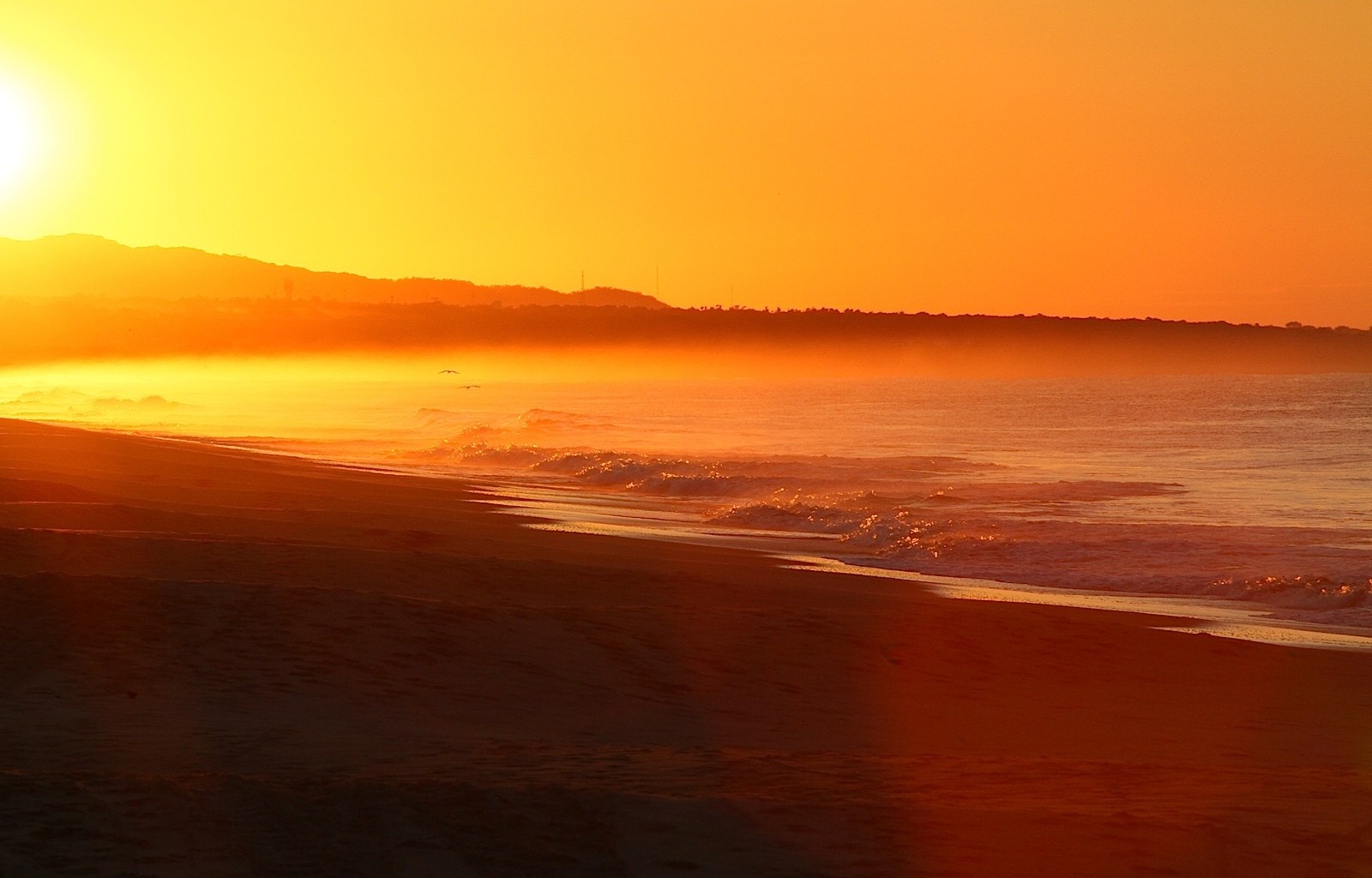
Because the resort faces the Pacific, the sun rises inland rather than directly over the ocean. That perspective can produce beautiful images of warm light spreading across the sky, palms catching the first rays, and the coastline gradually becoming brighter. The balcony itself can become part of the composition, giving the photograph a strong sense of place.
A little preparation makes a significant difference. Check the sunrise time, charge your camera or phone, and decide whether you want a polished landscape, a personal vacation image, or a short time-lapse sequence. Then set an alarm early enough to capture the soft light before the sun appears.
Understand The Morning Light
Arrive at the balcony at least 20 to 30 minutes before sunrise. The first blue and lavender tones often appear before the main color begins, and the sky may shift quickly from cool gray to peach, pink, or gold. Early arrival also gives you time to clean the lens and choose a stable position.
Look toward the eastern horizon and observe how the light interacts with the resort grounds, hills, palms, or distant landscape. If the ocean is behind you, consider making a second image facing the water after sunrise, when the low-angle light may illuminate the waves and create reflections across the surface.
Clouds can add depth and texture to a sunrise photograph. Thin, scattered clouds often catch color beautifully, while heavier cloud cover can create dramatic layers. Keep photographing for several minutes after the sun appears, since the brightest color may arrive just after the horizon brightens.
Prepare Your Equipment
A smartphone is more than capable of producing excellent sunrise images. Wipe the lens with a soft cloth, turn off the flash, and use a timer to reduce movement when the phone is resting on a railing or compact tripod. Tap the brightest part of the sky, then lower the exposure slightly so delicate colors do not become washed out.
For a mirrorless or DSLR camera, a wide-angle lens captures the full balcony and sky, while a medium telephoto lens emphasizes distant palms, clouds, or illuminated details. A small tripod helps with long exposures before sunrise, though image stabilization and a steady surface may be enough for many scenes.
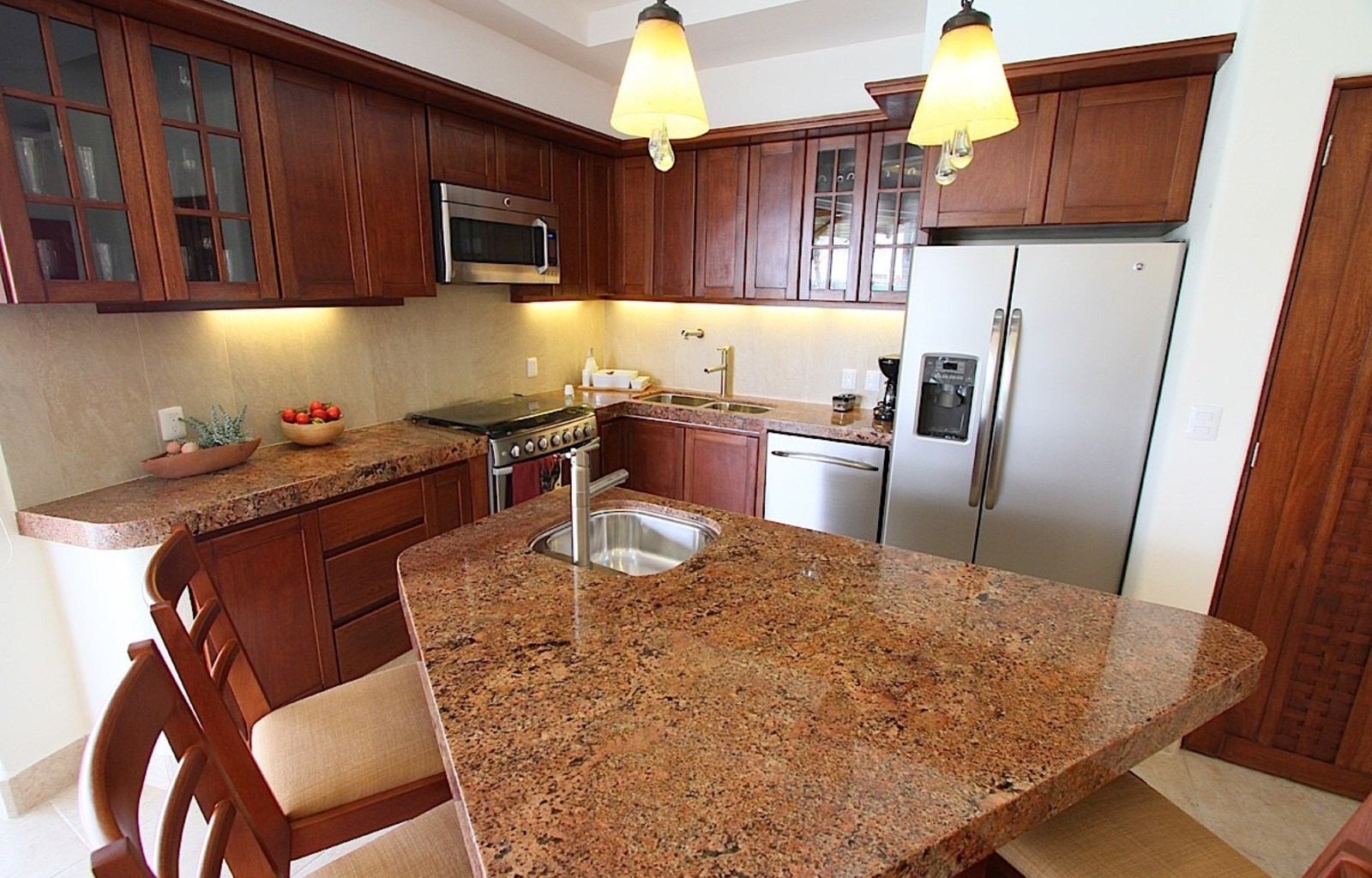
Keep extra batteries and memory space ready. Salt air and humidity can leave condensation on equipment, so allow a cold camera to adjust gradually when moving between an air-conditioned suite and the warm balcony. Guests who enjoy having breakfast or coffee while they work can also review these kitchen residence benefits when choosing a suite that supports a relaxed morning routine.
Build A Strong Composition
Use the balcony as a foreground element rather than treating it as an obstruction. A corner of the railing, a chair, a cup of coffee, or a silhouetted plant can add scale and connect the photograph to your stay. Leave enough open space around the brightest part of the sky so the image feels calm rather than crowded.
Try the rule of thirds by placing the horizon above or below the center of the frame. A lower horizon gives the sky more importance, while a higher horizon highlights the resort landscape. Vertical images work well for stories and portrait-oriented posts; horizontal images are better for showing the breadth of the coastline and morning sky.
Avoid pointing directly through reflective glass if your suite door is closed. Reflections from indoor lamps and furniture may appear in the image. Step outside when conditions are comfortable, keep your belongings secure, and never place a phone or camera precariously on the railing.
Choose Settings For Color
Sunrise scenes contain both bright sky and darker foreground areas, so your camera may need help balancing the exposure. Shoot in RAW if your camera supports it, or use HDR mode on a phone when the contrast is strong. Take several exposures at slightly different brightness levels so you have options later.
| Photographing Style | Useful Starting Point | Best Result |
|---|---|---|
| Smartphone snapshot | HDR or automatic mode, exposure slightly reduced | Quick images with balanced sky and foreground |
| Silhouette | Expose for the bright sky | Dark, graphic shapes against vivid color |
| Detailed landscape | Low ISO, moderate aperture, tripod if needed | Clear scenery with controlled noise |
| Moving clouds or waves | Faster shutter speed | Crisp textures and less blur |
| Soft pre-sunrise scene | Slower shutter speed, steady support | Smooth light and gentle atmosphere |
Focus on a distant object or use manual focus once the scene is framed. On a dedicated camera, an aperture around f/8 can provide broad landscape sharpness, while a lower ISO helps preserve clean color. Review the histogram when available, and watch for clipped highlights around the brightest part of the sky.
Capture The Story Of The Morning
A memorable set of photographs usually includes more than one view of the sun. Begin with a wide image of the balcony and sky, then make a tighter frame of clouds or distant landscape. Photograph details such as condensation on a glass, bare feet near the doorway, or sunlight touching the edge of a lounge chair.
Movement can add life to the scene. A curtain shifting in the breeze, a person holding a coffee cup, or a family member watching the horizon can turn a scenic image into a travel memory. Ask anyone in the frame to stand slightly to the side rather than directly in front of the brightest area.
Keep edits restrained. Raise shadows gently, reduce highlights, and adjust warmth until the colors resemble what you experienced. Excessive saturation can make a natural sunrise look artificial, especially when the sky already contains strong pink and orange tones.
Make The Moment Comfortable
Photography is easier when the morning feels unhurried. Place clothing, shoes, and equipment beside the door the night before, and use the suite’s space to prepare without disturbing sleeping companions. A residence-style stay can make this especially convenient for couples or families with different schedules.
Before booking, review the all-suite beachfront guide and consider balcony privacy, view, room layout, and the type of space your group needs. A well-chosen suite can turn sunrise photography into a comfortable part of the vacation rather than a rushed activity.
Use these simple habits to improve both the images and the experience:
- Check the sunrise time and weather forecast the evening before.
- Clean the lens and charge every device before going to sleep.
- Arrive early enough to photograph the changing pre-sunrise colors.
- Use a stable surface or tripod for low-light images.
- Keep the balcony clear, protect equipment from moisture, and respect neighboring guests’ privacy.
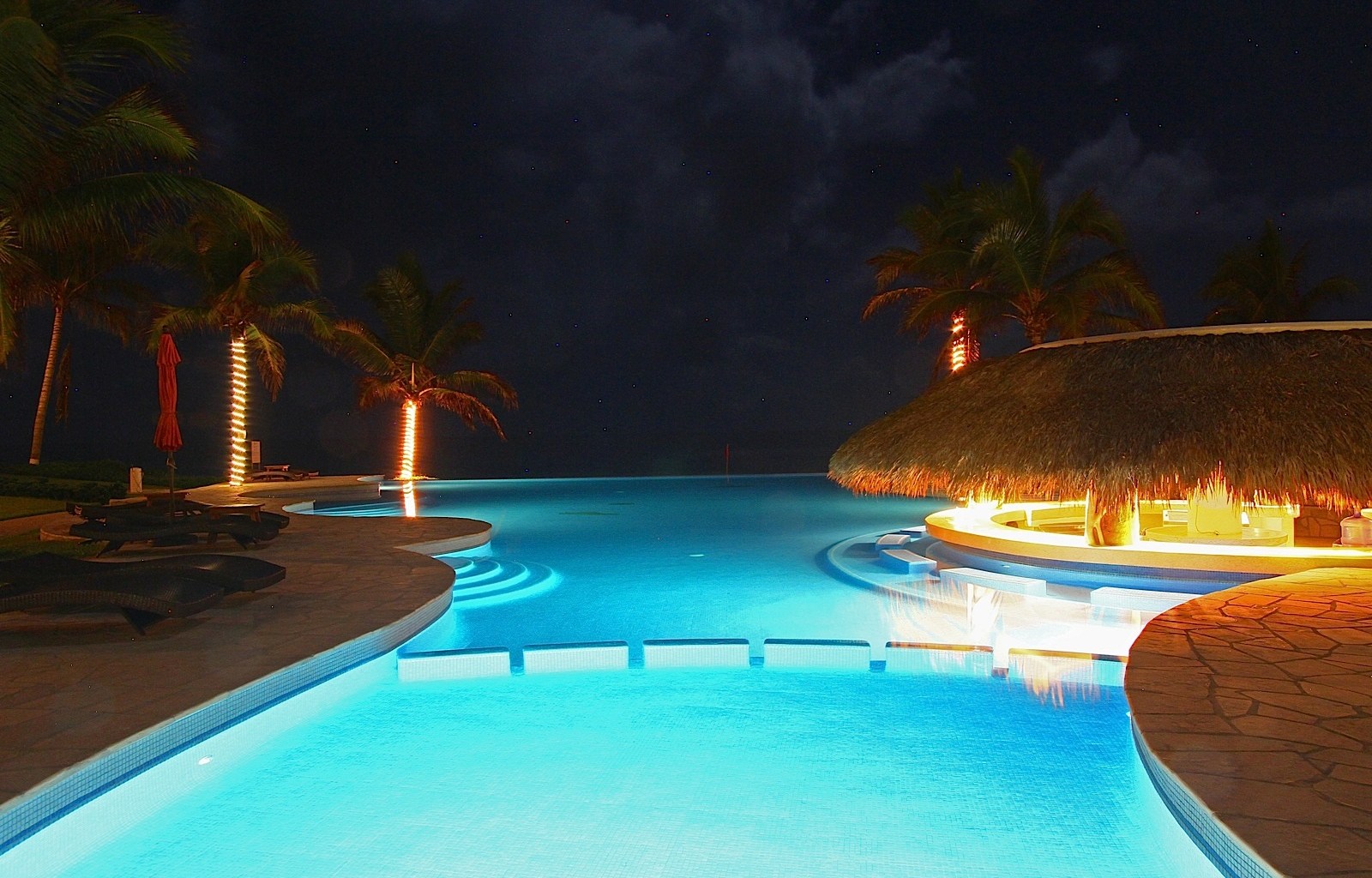
Set your alarm, prepare your camera, and let the first light guide your morning at Vivo Resorts. After capturing the sky from your balcony, continue the day with a peaceful breakfast, time by the pool, or an excursion along Oaxaca’s coast—bringing home photographs that preserve both the scenery and the feeling of being there.