The Oaxacan Coast Through Time
The Oaxacan coast is a meeting place of ancient Indigenous cultures, Pacific trade routes, fishing villages, Afro-Mexican communities and modern beach towns. Its history is written into hilltop ruins, local foodways, place names and the continuing relationship between people and the sea.
For Australian travellers, the coastline offers a richer experience than a simple beach escape. A stay near Puerto Escondido can connect a morning of swimming with an afternoon exploring pre-Hispanic heritage, local markets or the landscapes that have shaped Oaxaca for thousands of years.
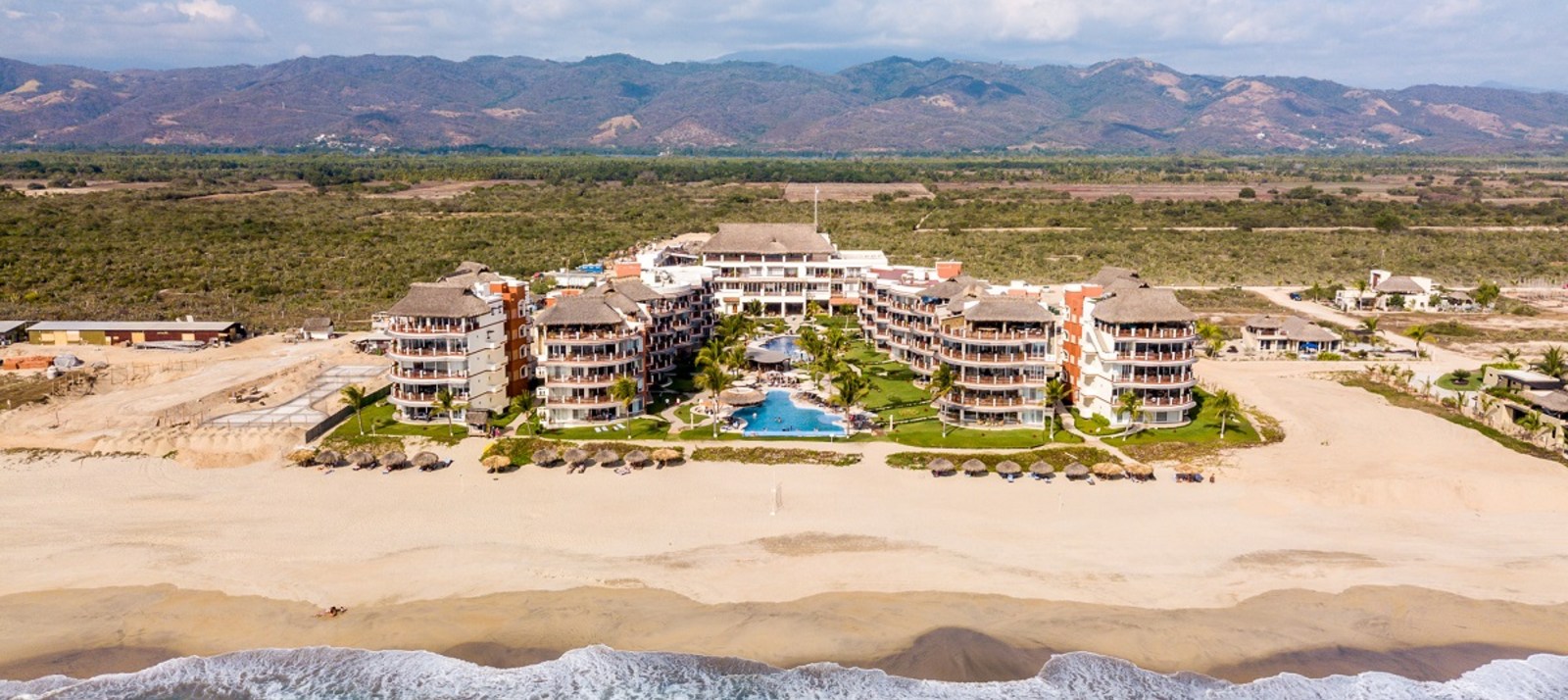
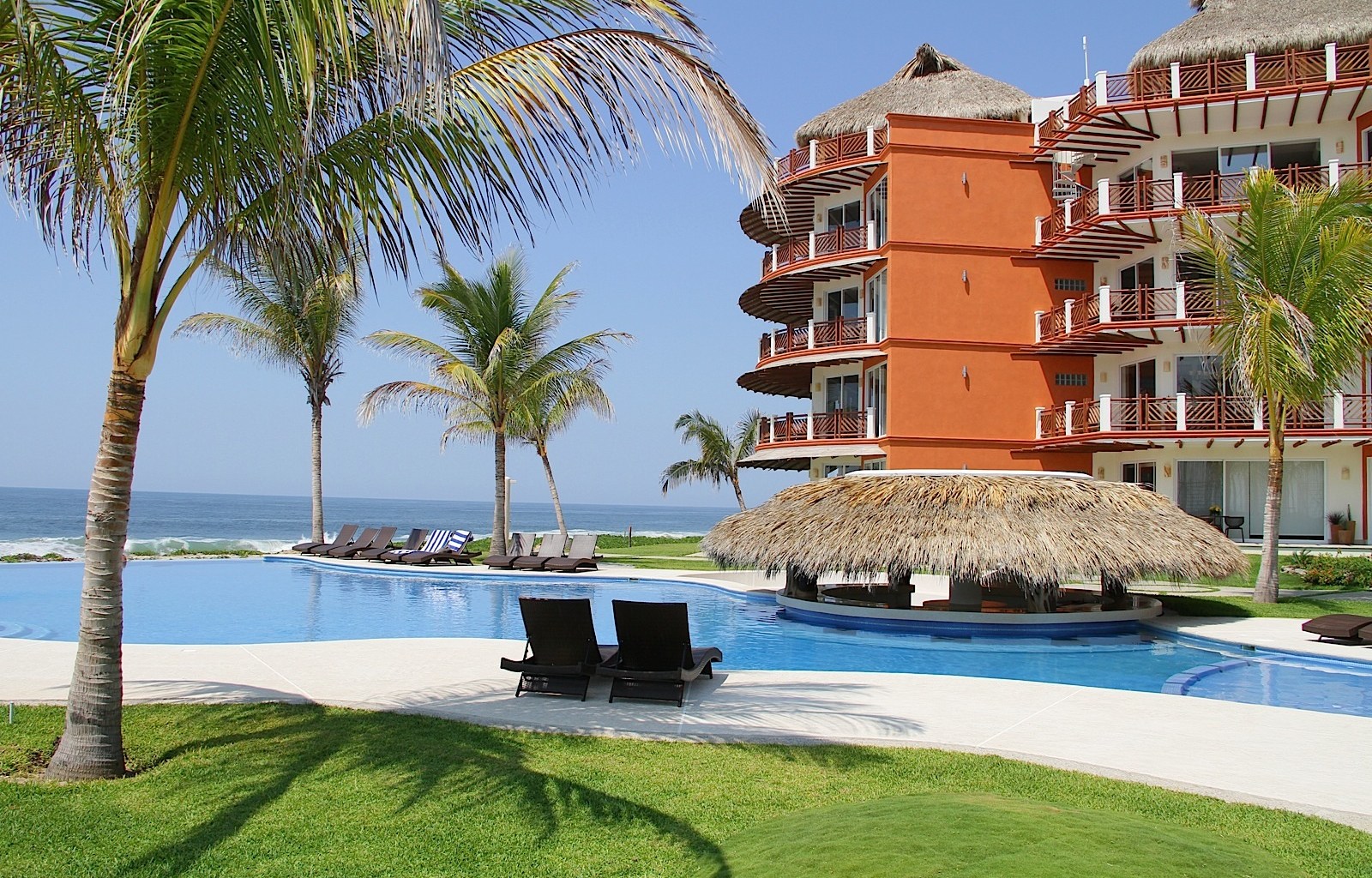
The region around Playa Palmarito and Puerto Escondido also shows how tourism is becoming part of an older cultural landscape. Guests at Vivo Resorts can enjoy the Pacific while using the coast as a base for learning about its communities, archaeology and changing economy.
| Period | Key Peoples And Events | Lasting Influence |
|---|---|---|
| Before 1500 CE | Zapotec, Mixtec, Chatino and other communities develop settlements, agriculture and trade | Languages, food traditions, place names and ceremonial sites |
| 1500s–1700s | Spanish conquest, colonisation and Catholic missions reshape coastal life | New crops, architecture, religion and social structures |
| 1800s–1900s | Ports, ranching, fishing and regional commerce expand | Coastal towns become linked to wider Mexican markets |
| Late 1900s–today | Roads, airports, surfing and tourism transform access | A diverse visitor economy alongside local traditions |
Indigenous Foundations Along The Pacific
Long before resorts and surf breaks, the Oaxacan coast supported communities whose lives depended on farming, fishing, hunting and trade. Zapotec influence was especially important in the wider Oaxaca region, while Mixtec communities occupied large areas of the coast and foothills. Chatino peoples also developed enduring communities in the southern mountains and coastal zone.
The Mixtec centre of Tututepec, known historically as Yucu Dzaa, became a major political power. Its location helped connect inland valleys with Pacific resources and maritime routes. Salt, shells, feathers, foodstuffs and crafted goods moved through networks that crossed difficult mountains. These exchanges show that the coast was never isolated; it was part of a broad Mesoamerican world.
The landscape still carries traces of these societies. Archaeological remains, traditional agricultural practices and Indigenous languages offer links with the past, even where no monumental ruins are visible. For visitors, respectful travel means recognising that the coast is a living cultural region rather than an empty tropical setting.
Spanish Rule And A Changing Coastal Economy
Spanish forces entered Oaxaca in the sixteenth century, bringing military control, Catholic institutions and new systems of land ownership and labour. Coastal communities were drawn into colonial administration, though the mountainous terrain and distance from major centres limited Spanish control in some areas. Indigenous traditions adapted rather than disappearing.
New animals, crops and religious customs changed daily life. Cattle ranching became significant in parts of the coast, while Spanish introduced foods joined existing ingredients such as maize, beans, chillies, cacao and seafood. Churches, estates and town layouts reflected colonial influence, but local building methods and Indigenous knowledge remained essential.
The Pacific was also tied to wider imperial commerce. Ports and coastal routes connected Mexico with other parts of New Spain and, through the Manila galleon system, with Asia. Trade was uneven and often exploitative, yet it helped place Oaxaca within global currents long before modern tourism reached Puerto Escondido.
Communities, Commerce And Coastal Identity
After Mexican independence in 1821, the Oaxacan coast continued to rely on fishing, farming, livestock and small-scale trade. Many settlements remained difficult to reach by land, which helped preserve distinct local identities. Afro-Mexican communities, particularly around the Costa Chica and neighbouring Guerrero, form an important part of the region’s cultural history through music, food, dance and family traditions.
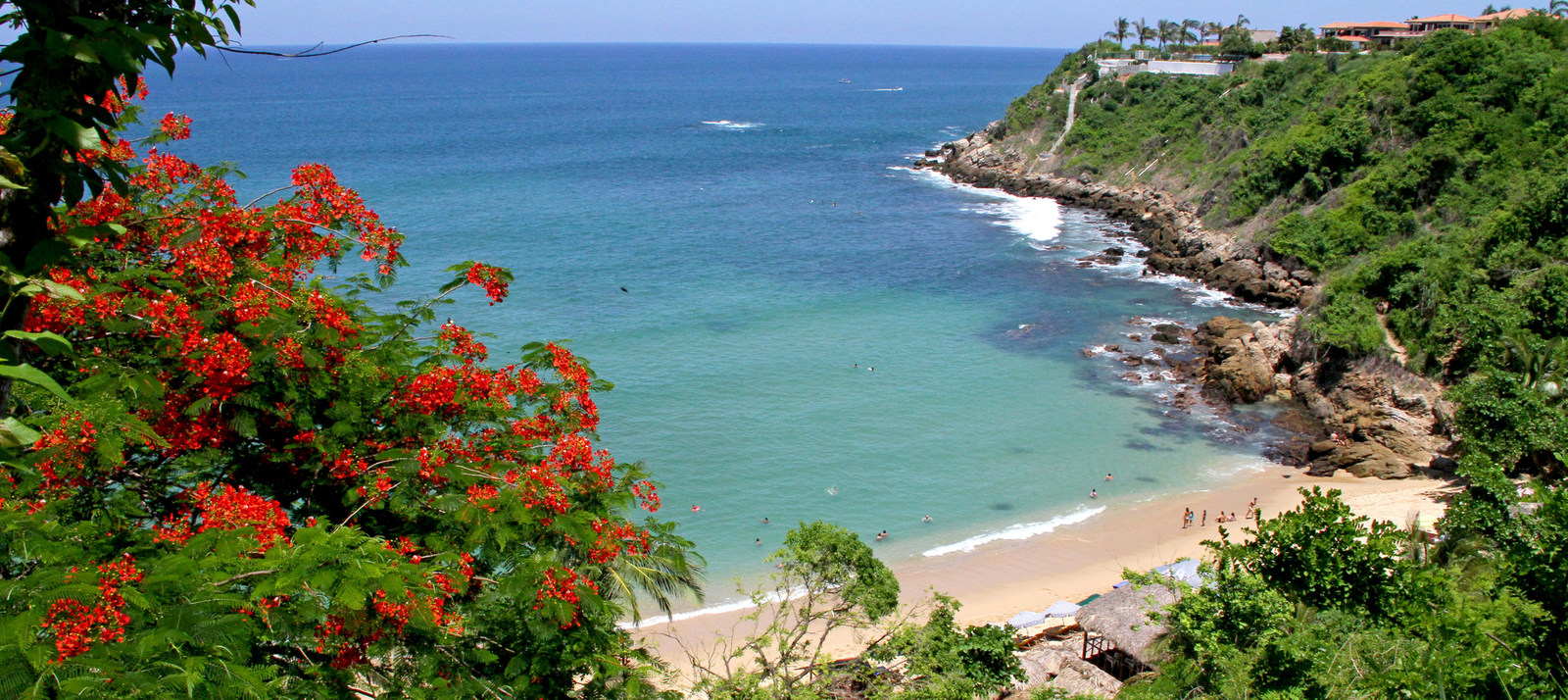
The twentieth century brought roads, electricity, commercial fishing and improved links with Oaxaca City and Mexico’s larger markets. Puerto Escondido grew from a small port into a recognised town, while nearby Huatulco developed through planned tourism. Surfing later added another layer to the region’s identity, attracting travellers interested in beaches such as Zicatela and the quieter coves farther west.
A modern coastal holiday can therefore include several overlapping histories. A seafood meal may reflect Indigenous ingredients, colonial livestock traditions and contemporary restaurant culture. A village festival may combine Catholic symbolism with older seasonal customs. The most rewarding way to travel is to notice these connections rather than treating each attraction as separate.
Heritage Experiences For Today’s Traveller
Visitors staying in spacious beachfront residences near Playa Palmarito can explore at a comfortable pace. Day trips may include Puerto Escondido’s markets and beaches, the surf culture of Zicatela, or smaller coastal communities where fishing and local food remain central to everyday life.
Australian visitors often plan around limited annual leave, school holidays in Sydney, Melbourne or Brisbane, and the long journey across the Pacific. A slower itinerary can make the distance worthwhile. Allowing time for a guided cultural visit, a local meal and an unhurried beach day creates a more rounded understanding of Oaxaca than moving rapidly between attractions.
Practical awareness matters in this environment. The wet season can bring heavy rain, while Pacific storms may affect transport and activities. Travellers accustomed to Australia’s strong sun should use reef-conscious sunscreen, carry water and take local advice about currents. Experiences such as swimming, kayaking and paddleboarding should be arranged with conditions and safety equipment in mind; this beach equipment guide offers useful context for planning time on the water.
Travelling With Respect For A Living Coast
The Oaxacan coast is both a destination and a home. Tourism supports restaurants, guides, transport operators and artisans, but it can also place pressure on water supplies, beaches and housing. Choosing locally owned services where possible, reducing single-use plastics and respecting photography customs are small decisions with a meaningful effect.
Visitors should also approach Indigenous and Afro-Mexican traditions with care. Festivals, ceremonies and community spaces are not performances created solely for tourists. Learning a few Spanish phrases, buying directly from makers and asking before photographing people or homes helps create a more considerate exchange.
Useful habits for an informed coastal stay include:
- Book local guides for archaeological, food or community-based experiences.
- Carry a refillable bottle and avoid unnecessary plastic packaging.
- Choose reef-safe sun protection and follow beach wildlife guidance.
- Respect fishing areas, sacred places and private community land.
- Try regional dishes from reputable local restaurants and markets.
- Leave shells, coral, plants and archaeological material where they belong.
The story of the Oaxacan coast continues through fishing families, farmers, artists, surfers, hotel workers and young people shaping new businesses. Its history is not confined to museums or ruins; it appears in language, landscape, cuisine and the way communities respond to change.
For a practical way to experience that history, base a beach stay near Puerto Escondido, set aside time for local excursions, and treat every coastal visit as a chance to learn from the people and places that have sustained this Pacific shore.