The Mazunte Turtle Sanctuary and Why Travellers Make the Journey
Tucked into the Pacific coast of Oaxaca, east of Puerto Escondido, the village of Mazunte has long been tied to the rhythms of the ocean. Generations of local families made their living from sea turtles before overharvesting pushed populations to the edge. The community-led pivot from harvest to protection is one of the quieter conservation stories in Mexico, and it now draws travellers from across the globe, including a growing wave from Australia.
Australians arrive with a particular appreciation for what careful stewardship can achieve. Anyone who has watched the slow recovery of green turtle nesting sites along the Great Barrier Reef, or volunteered with a coastal dune-care group back home in Byron Bay or along the Gold Coast, recognises the patience that conservation work demands. A visit to Mazunte offers a chance to see that same ethic on a stretch of coast few outsiders ever reach.
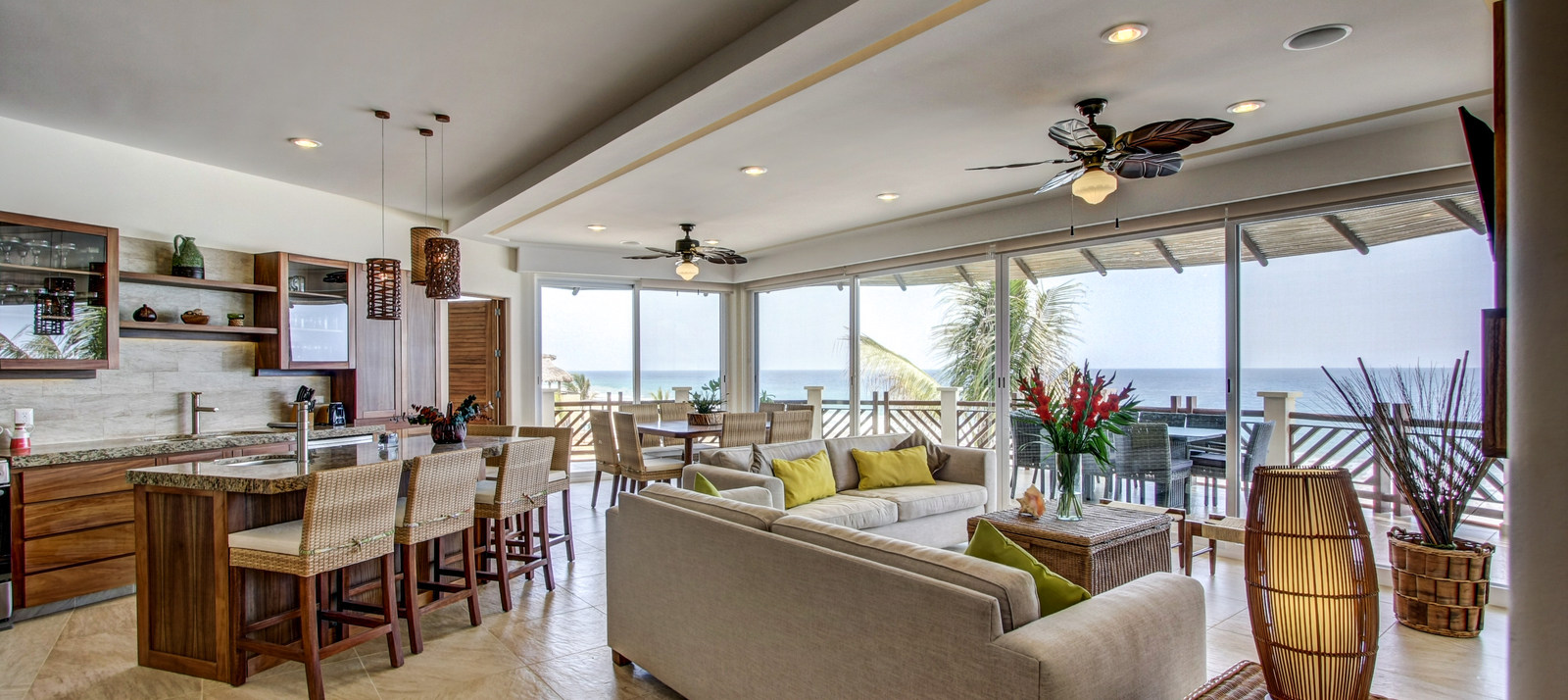
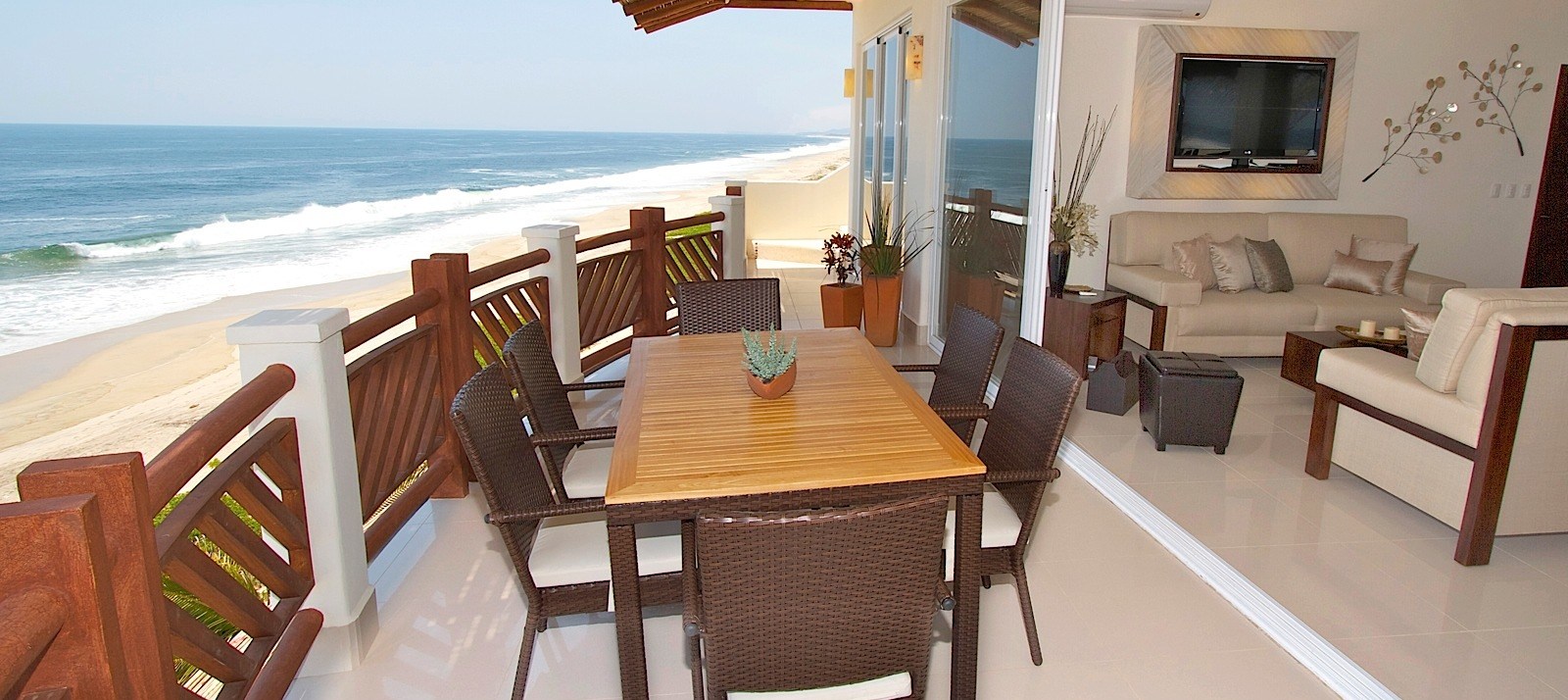
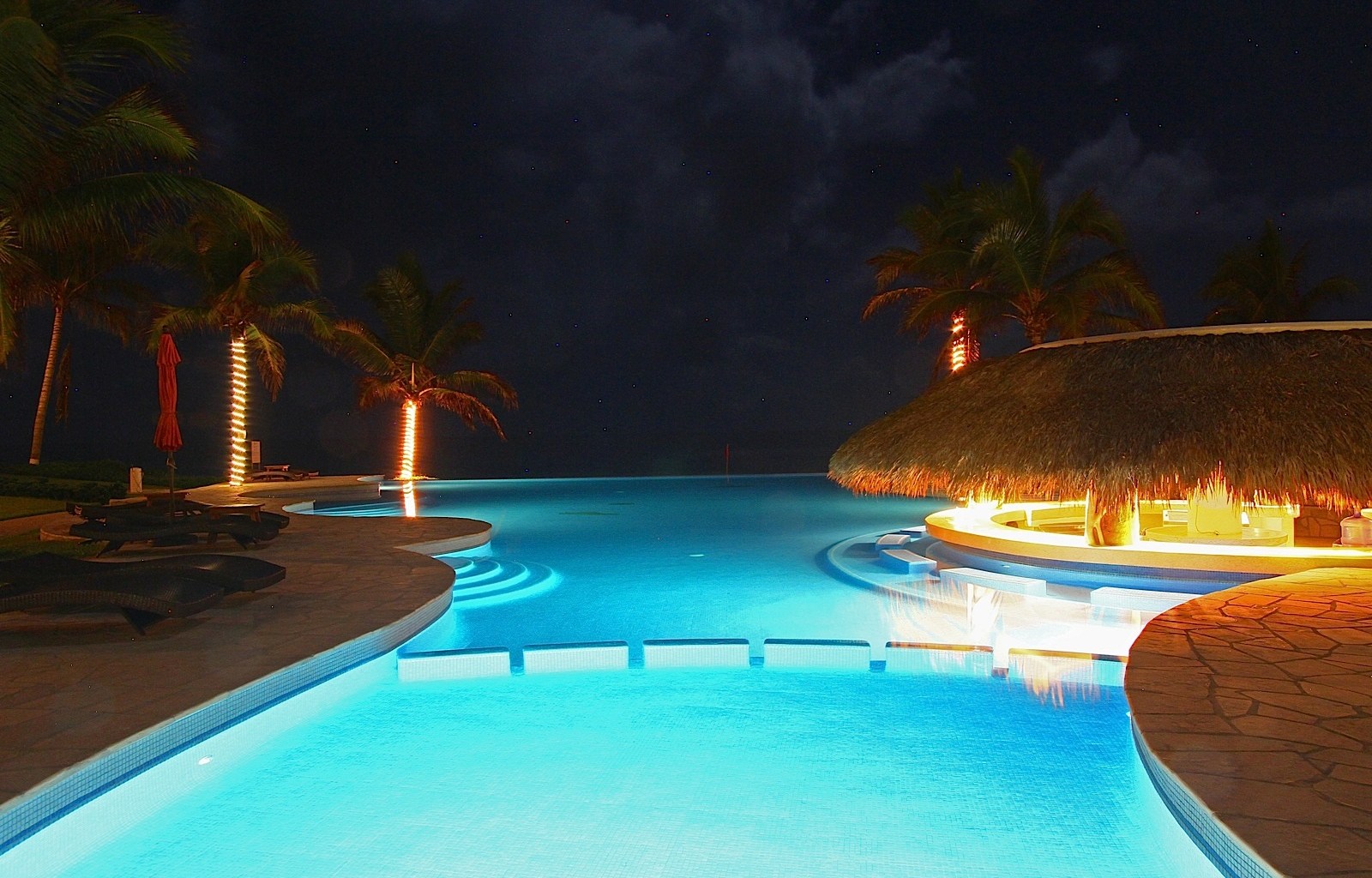
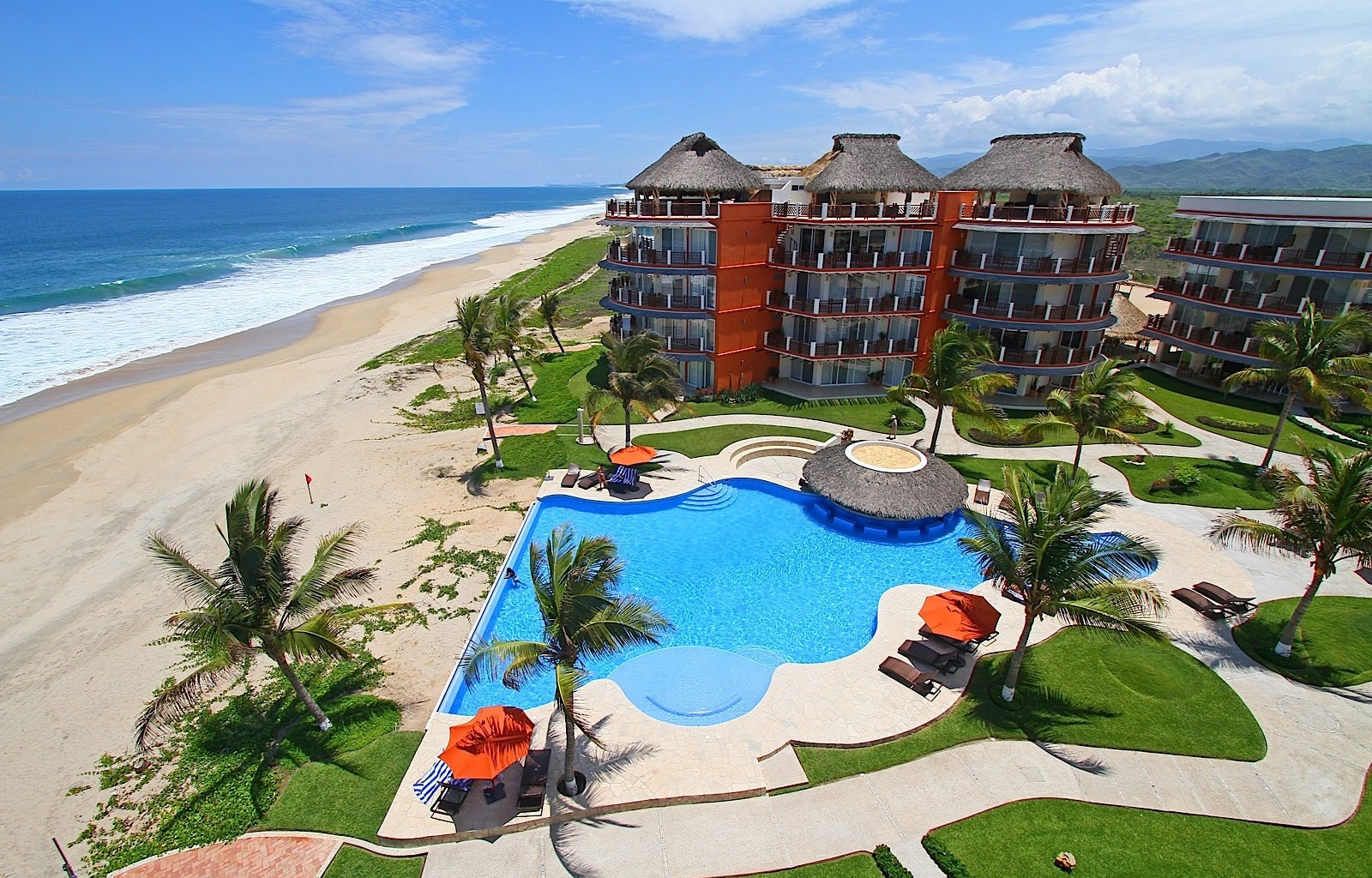
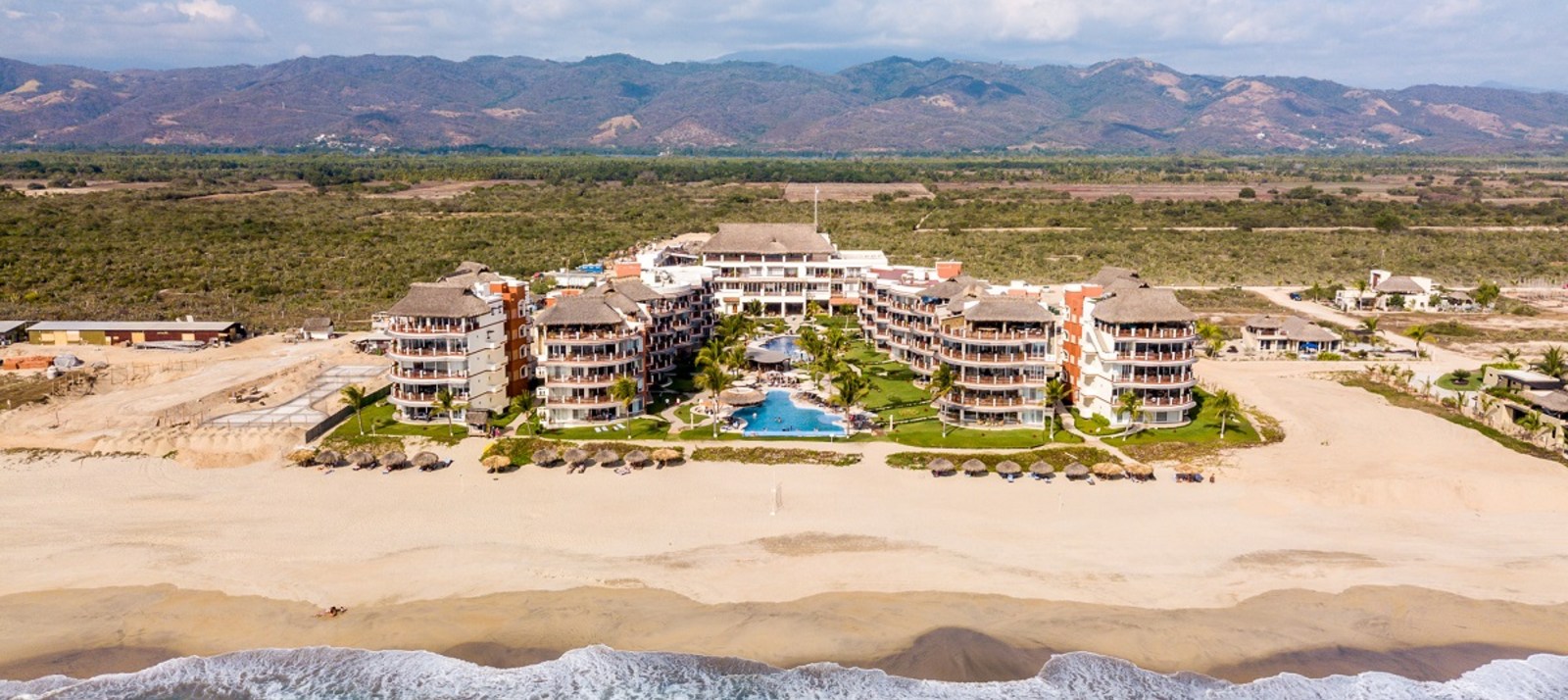
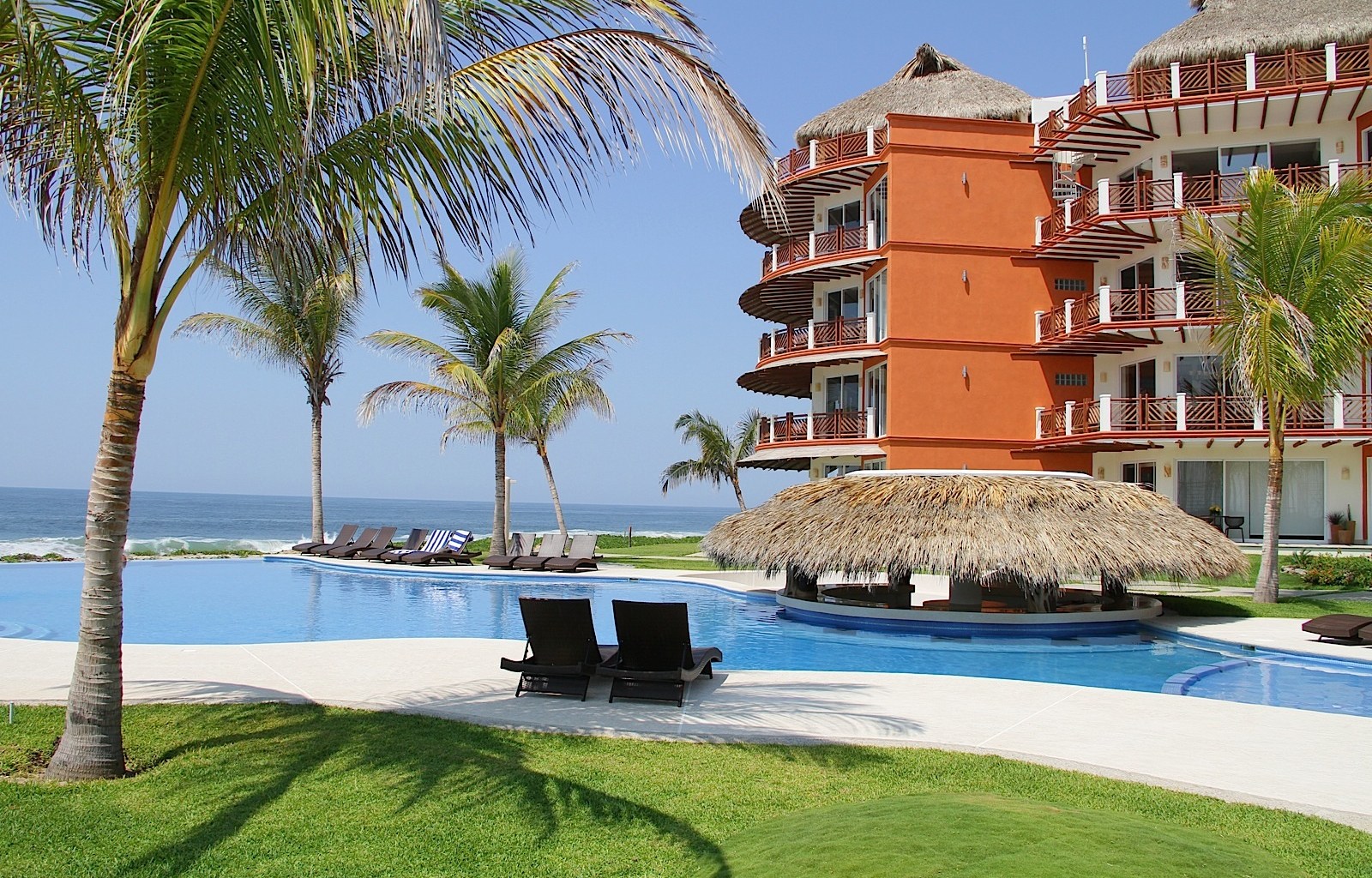
For those planning a longer stay along the Oaxacan shoreline, the Vivo Vacations website outlines the suites, villas, and family amenities available at the resort near Puerto Escondido. The sanctuary makes a natural day trip, and the rest of the coast unfolds from there.
Origins of the Mazunte Turtle Sanctuary
Mazunte takes its name from a local expression meaning "please come back," a phrase still heard on the dusty lanes. The sanctuary began as a grassroots reaction to collapse. By the 1980s, the once-abundant olive ridley and leatherback populations had been driven to a fraction of their historical numbers. Local families whose grandparents had worked the turtle camps began lobbying for change.
In 1990, the Mexican federal government banned the commercial harvest of sea turtles, and the Centro Mexicano de la Tortuga was established soon after. Within a few years, a small museum, a hatchery, and a research facility were running on a cliff above the beach, turning a former site of exploitation into one of focused study.
A Scientific Mission Takes Shape
The research centre anchoring the sanctuary handles incubation work, tagging programmes, and population studies for several species, including the olive ridley, the green, and the leatherback. Each year, biologists gather data on nesting success, hatching outcomes, and migration patterns. The findings feed into broader Pacific conservation networks, as does data from Australia's Mon Repos and Ningaloo.
Australian marine scientists have crossed paths with their Mazunte counterparts at international conferences, and there is a quiet exchange of techniques around satellite tagging. Visitors touring the centre can see some of that equipment up close. The work is unglamorous in the way much important science is, and that honesty gives the place much of its appeal.
Daily Life at the Sanctuary
Each morning before first light, staff patrol the beach for fresh tracks from nesting females and relocate at-risk eggs to the protected hatchery. Visitors are welcome to observe the process during the morning hours. In the late afternoon, the small on-site museum opens, with displays on local marine biodiversity and the cultural history of the turtle trade.
Travellers wanting a longer experience can sometimes arrange week-long volunteer placements through partner NGOs, though these need to be booked well in advance. For families travelling with younger children, keeping kids entertained on a quiet arvo can be just as rewarding as a morning at the hatchery. The resort pool and the turtle release viewing areas offer very different kinds of wonder.
Choosing the Right Season
Sea turtle nesting along this part of Oaxaca runs roughly from July through December, with peak activity in August and September. Hatching events follow about 45 to 60 days later, so visitors in October and November often witness releases. The dry season, stretching from November into April, brings calmer seas and clearer evenings, while the wetter months offer greener hills and fewer crowds.
For Australians planning around the southern hemisphere school calendar, the September–October window often lines up neatly with the spring holidays, and the November dry-season start coincides with the lead-up to Christmas. Travellers escaping the Australian winter in July and August will arrive during the busiest nesting stretch, which means more turtles but also more heat and humidity. Booking release-viewing slots ahead of time is wise during these peak months.
Reaching Mazunte from Puerto Escondido
Mazunte sits about 70 kilometres east of Puerto Escondido along a coastal road that winds past fishing villages and cliff viewpoints. There is no train and no bus terminal of note, and the route is best tackled by road. Most travellers base themselves at the resort in Playa Palmarito and arrange transport for the day.
| Option | Travel Time | Approximate Cost | Best For |
|---|---|---|---|
| Colectivo minivan | 90–110 min | Low per seat, runs on demand | Solo travellers on a budget |
| Private taxi | 75–90 min | Higher flat rate for the car | Families with young children |
| Rental car | 80–100 min | Mid-range daily rate plus fuel | Those exploring more beaches |
| Guided tour with pickup | 90–120 min | Mid to high per person | Visitors wanting a guide and briefing |
The colectivo is cheap and frequent in the mornings, but waits to fill up and drops passengers at the village entrance. A private taxi offers flexibility and air-conditioning, which matters more than many travellers expect once the midday heat sets in.
Visiting with Respect
The sanctuary depends on the goodwill of visitors. Donations at the gate fund hatchery operations and pay local staff, and buying from the on-site café or craft shop keeps running costs covered. Plastic bottles should be left behind at the resort, reef-safe sunscreen worn, and flash photography avoided during any encounters with live turtles. Volunteers and biologists are happy to answer questions, but touching animals or using drones overhead is not permitted.
Australians familiar with the rules around the Great Barrier Reef will find the etiquette similar. The same quiet respect that protects nesting sites at Mon Repos applies here, and most visitors slip easily into the rhythm within minutes.
Pairing the Sanctuary with a Resort Stay
Mazunte pairs naturally with a few nights along the Palmarito coast, especially for travellers who want variety without long drives. Mornings can be given over to the hatchery, afternoons to the beach or the resort pool, and evenings to dinner overlooking the Pacific. Many guests find that the sanctuary gives shape to an otherwise relaxed week.
Readers who have already discovered the area sometimes write about returning to Vivo Resorts for a second visit, often citing the chance to revisit favourite spots like Mazunte while adding new ones. That return rhythm suits the sanctuary itself, which rewards repeat visits with different species and seasonal events.
Practical Tips Before You Go
- Bring cash in pesos for entry donations, as card facilities are limited at the gate.
- Pack a wide-brimmed hat and reef-safe sunscreen, because shade on the beach is sparse.
- Wear closed-toe sandals for the rocky sections of the trail down to the hatchery.
- Plan for at least half a day, and avoid early afternoon when staff are between shifts.
- Leave room in the schedule for a swim at a nearby beach, where the water is among the cleanest on the coast.
The Mazunte Turtle Sanctuary asks very little of its visitors beyond patience and a willingness to learn, and it gives back a great deal in return. What began as a community response to a collapsing fishery has become a working model of how a coastline can heal when given the chance. Standing on the cliff above the hatchery as a hundred hatchlings make their way toward the surf is the kind of moment that earns its place in any fair dinkum story of a Mexican holiday.