Playa Palmarito and the Stories of Oaxaca’s Coastal Villages
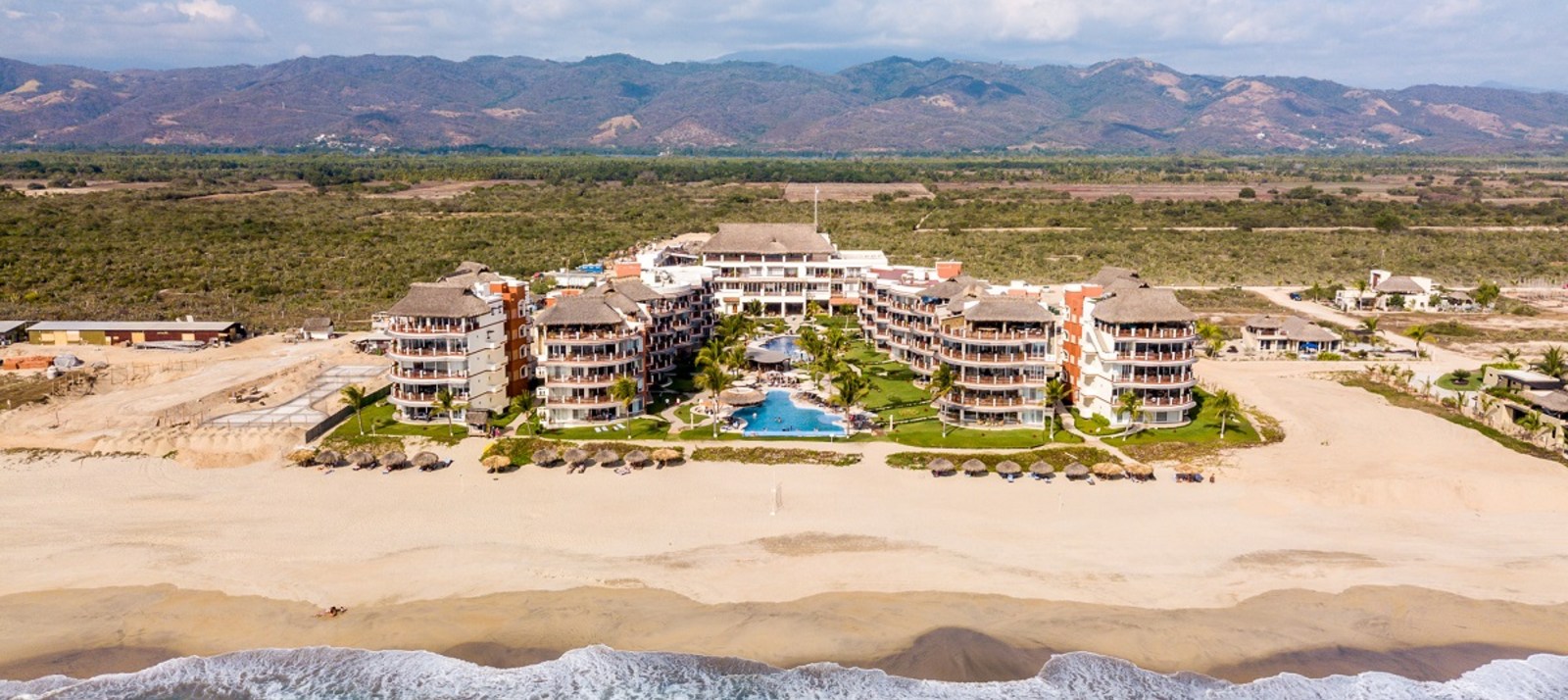
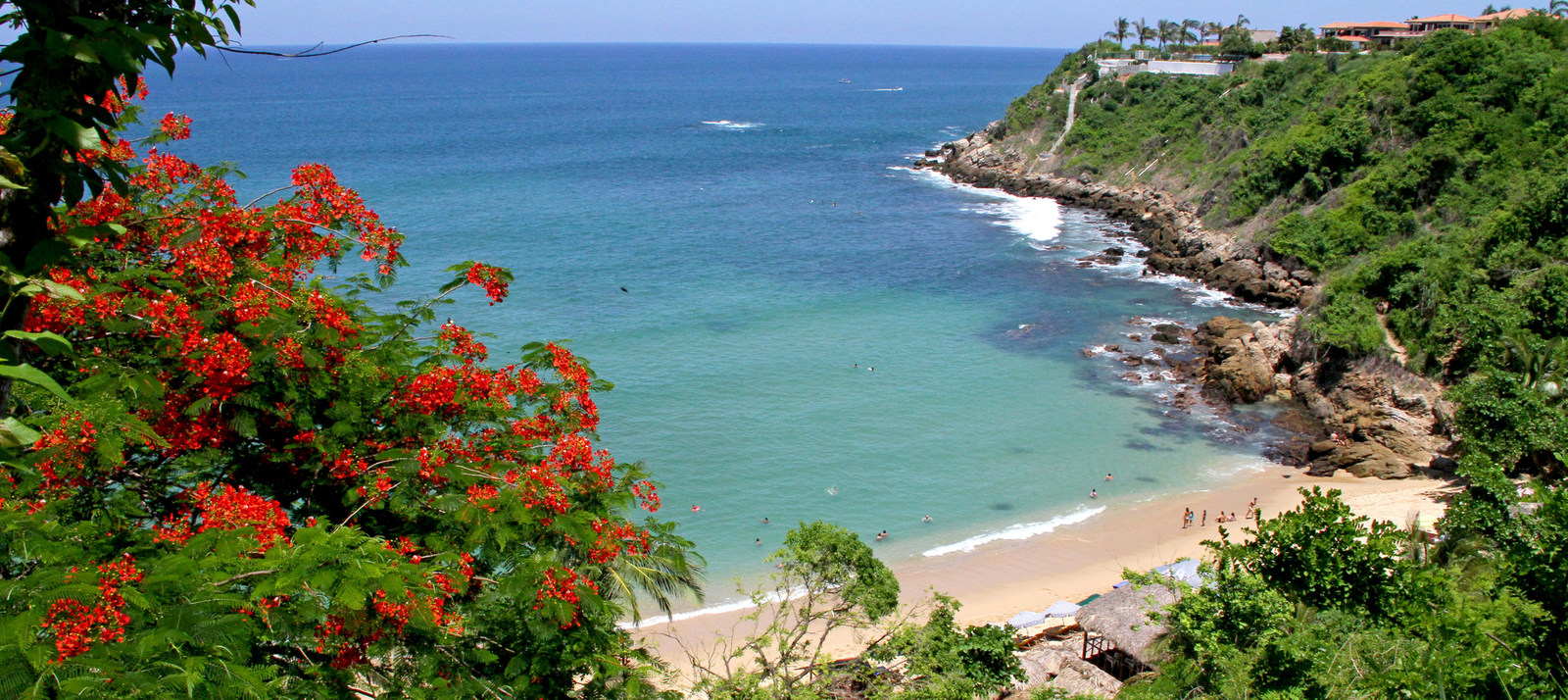
Before the infinity pools, beachfront residences and sunset dinners, the coast around Playa Palmarito was shaped by fishing, farming and long-standing Indigenous traditions. The landscape still carries those layers: broad Pacific beaches, estuaries, palm-covered hills and small communities connected by roads, boats and family ties.
Palmarito sits south of Puerto Escondido in the municipality of Santa María Colotepec, within a coastal region known for its powerful surf and quieter stretches of sand. Nearby settlements such as La Barra, Bajos de Chila and Santa María Colotepec help explain how this shoreline developed from working communities into a destination for travellers seeking space and sea air.
For Australian visitors, the area offers a very different rhythm from a Gold Coast holiday or a weekend around Byron Bay. Days are less structured, distances feel more spacious, and the history is often visible in ordinary details: a fishing boat pulled above the tide line, a roadside market, or a family restaurant serving the day’s catch.
The Coast Before Modern Tourism
Long before international visitors arrived, Oaxaca’s Pacific coast was home to Indigenous peoples including Mixtec and Zapotec communities. Life depended on a close reading of the land and water, with fishing, agriculture, gathering and trade supporting settlements across the coastal plain.
The sea was valuable, but it was not the only source of food or income. Seasonal rivers and lagoons supported cultivation, while tropical vegetation provided materials and fruit. In this setting, the coastline around Palmarito was part of a wider cultural landscape rather than an isolated beach resort.
Puerto Escondido’s Maritime Beginnings
Puerto Escondido grew from a small coastal settlement into the region’s best-known town. Its name is commonly linked to an old story about a Mixtec woman who escaped captivity and hid near the bay, giving rise to the idea of the “hidden port”. The exact details belong partly to local legend, but the name reflects the harbour’s sheltered character.
During the colonial and early modern periods, the bay served maritime activity along the coast. Later, Puerto Escondido became associated with coffee, timber and agricultural trade moving through the port. Fishing remained central as the town expanded, and boats, markets and seafood stalls continued to shape its everyday identity.
Fishing Villages Along the Palmarito Coast
The smaller communities near Playa Palmarito developed around practical access to the ocean, rivers and farmland. Bajos de Chila, for example, sits inland from the immediate beachfront and has connections to the Colotepec River and the surrounding agricultural area. Santa María Colotepec remains an important municipal centre for the communities spread across this part of the coast.
La Barra, near the river mouth, reflects another common coastal pattern: a settlement influenced by both freshwater and the Pacific. River mouths can provide productive fishing grounds, although they are also dynamic and change with storms, tides and seasonal rainfall. These natural conditions have always affected where people live, work and launch boats.
From Working Shoreline to Visitor Destination
The major change came during the twentieth century, as roads, air links and regional investment made Puerto Escondido easier to reach. Surf culture brought a new kind of visitor, attracted by powerful breaks such as Zicatela, while quieter beaches appealed to families, couples and travellers looking for a slower stay.
Palmarito developed as part of this broader shift. Its open beach and distance from the busiest parts of Puerto Escondido made it suitable for low-density accommodation. The area’s resort growth did not erase its coastal past; it placed holiday residences, restaurants and wellness facilities beside communities where fishing and local trade still matter.
What Remains Visible Today
A visitor may notice the region’s history through food before seeing it in a museum. Fresh fish, prawns, octopus, tortillas, beans and local salsas connect contemporary dining with the resources and techniques of coastal households. Menus vary by season and catch, so a seafood lunch can tell a more accurate story of the day than a fixed historical display.
The built environment also offers clues. Modest homes, roadside food stands, fishing equipment and small local shops sit alongside villas and larger accommodation. This mixture is characteristic of a living coastal region, where tourism is one part of the economy rather than the whole story.
Guests staying at Vivo Resorts can use the property as a comfortable base while arranging visits to Puerto Escondido, nearby beaches and local communities. A short drive can shift the mood from resort quiet to a lively town market or a working river settlement.
Seasonal Life on the Oaxaca Coast
The Pacific coast has a pronounced wet and dry rhythm. The dry season usually brings clearer skies and comfortable beach conditions, while the rainy season can produce dramatic clouds, greener hills and stronger changes in rivers and tracks. Storms and swells are part of coastal life, not unusual interruptions.
That seasonal character is useful for Australian travellers planning around school holidays. Families from Brisbane, Sydney or Melbourne may be used to booking ahead for the December-January break, but Oaxaca’s Christmas period is also popular and availability can tighten. An Australian-style “arvo” at the beach may need to allow for intense midday sun, shifting surf conditions and a slower road journey than the map suggests.
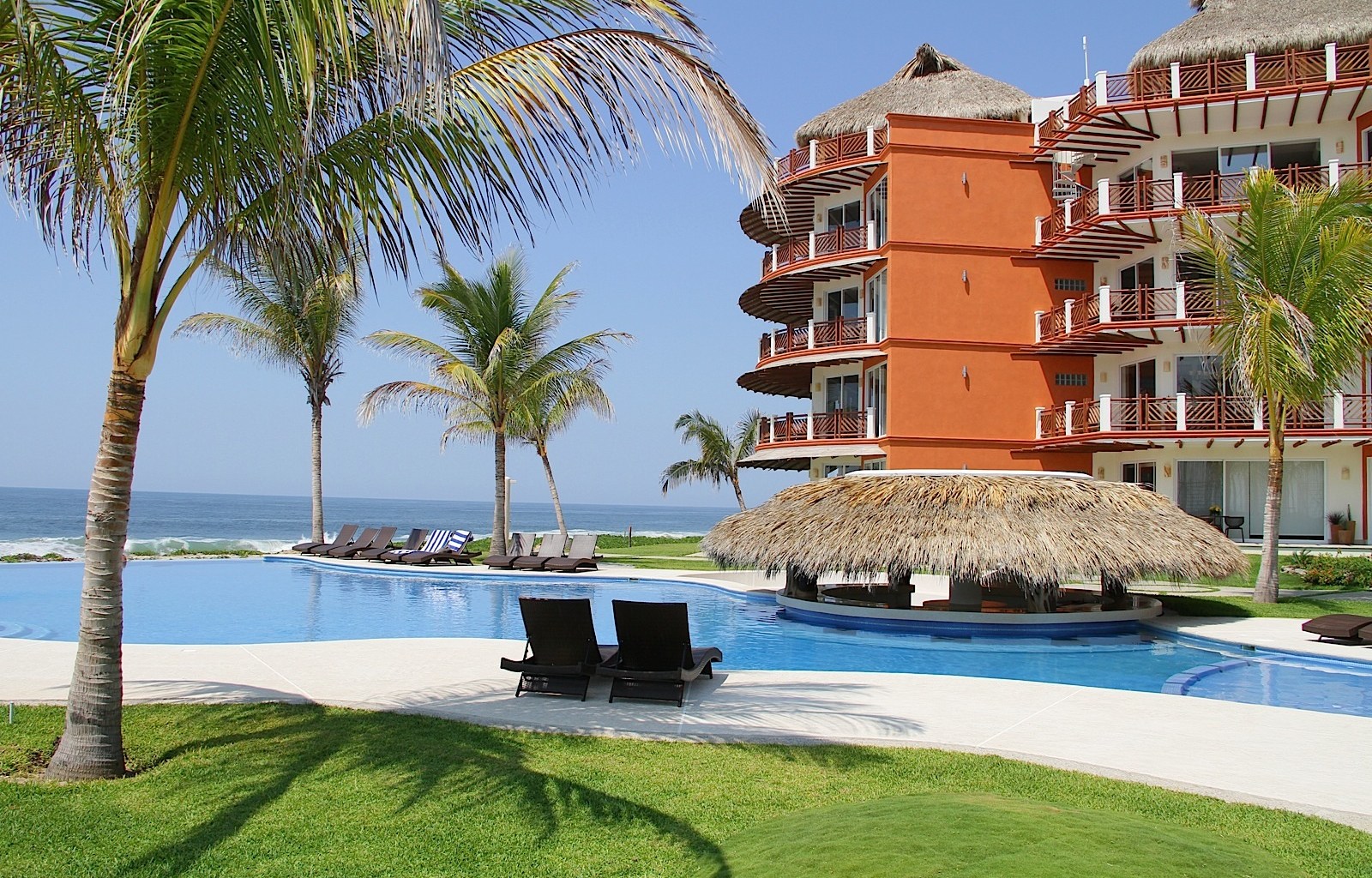
The region also suits travellers who prefer flexible days. A morning swim, an unhurried lunch and a late trip into Puerto Escondido can feel more natural than packing several attractions into one schedule. Resort pools provide an alternative when the ocean is rough; a guide to the multiple resort pools helps guests choose between quiet relaxation, family play and an open view of the water.
Connecting Palmarito With Oaxaca’s Wider Story
The history of the villages near Playa Palmarito makes the coast especially rewarding to explore. Puerto Escondido shows how a maritime settlement became an international destination, while Colotepec and the smaller fishing communities reveal the agricultural, river and family networks that support the region beyond tourism.
A longer excursion can extend that story inland. Oaxaca City offers a contrasting cultural landscape shaped by Zapotec and Mixtec heritage, colonial architecture, markets, craft traditions and celebrated foodways. Travellers who want to connect the beach with the highlands can explore advice on combining coast and city when building an itinerary.
For Australians, this combination can make the long journey from home feel worthwhile. Rather than treating the resort as a self-contained bubble, guests can enjoy its spacious suites and beachfront setting while gaining a clearer sense of the people, work and history that surround it.
The most respectful way to experience this coast is to treat the villages as living communities, support local restaurants and guides, follow beach and wildlife advice, and allow extra time for travel. A stay at Playa Palmarito becomes richer when each swim, meal and excursion is understood as part of a shoreline shaped by generations of fishing, farming and coastal life.