etiquette for travelers exploring Oaxaca state
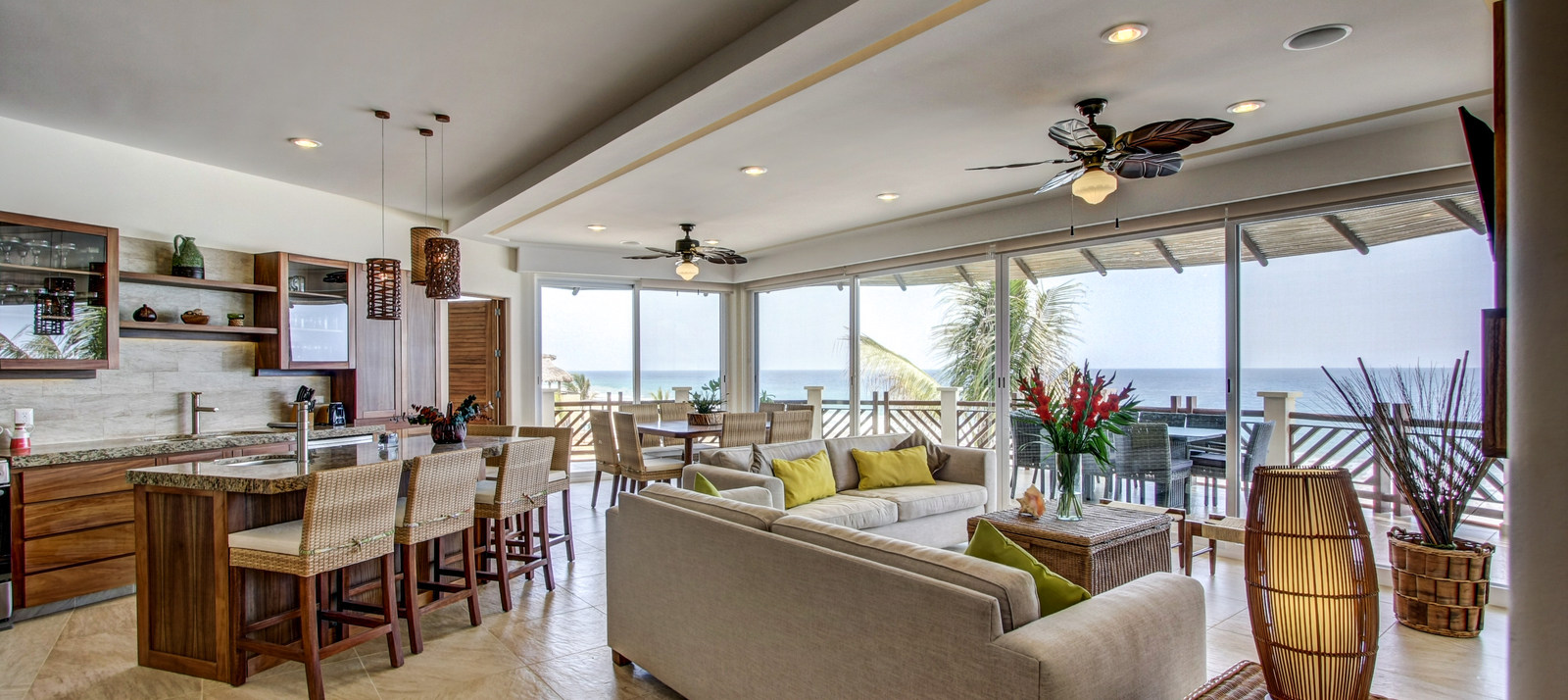
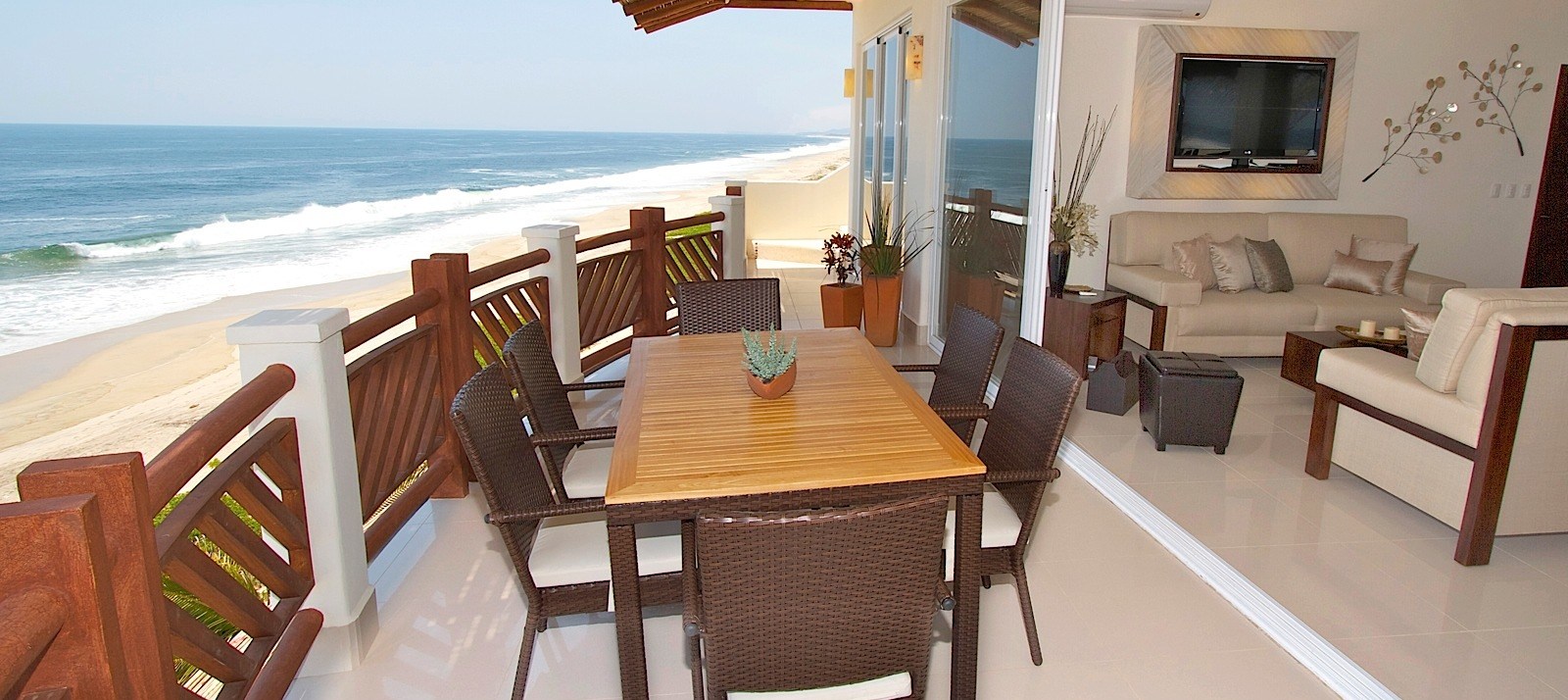
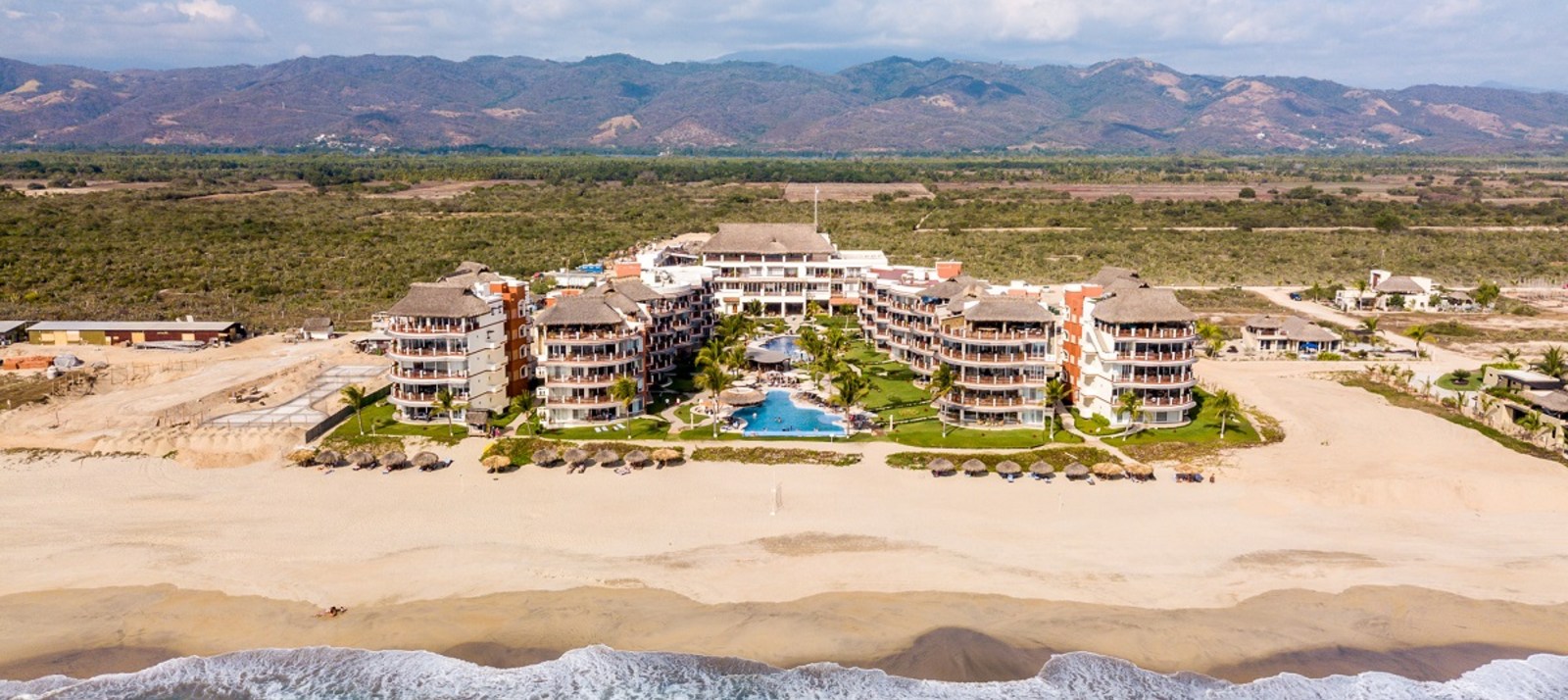
Oaxaca rewards visitors who slow down and read the room. With sixteen officially recognised indigenous languages, a strong Catholic calendar layered over pre-Hispanic traditions, and a reputation for hospitality that runs from coastal villages to highland markets, the state asks for a particular kind of attention. Understanding a few local customs turns a trip into something more meaningful, whether you spend your days wandering cobblestone streets in the capital, watching mezcal being roasted in a palenque, or settling into a beachfront suite along the coast near Puerto Escondido.
For Australian travellers, the cultural jump is smaller than the distance suggests. Many of the values that shape Oaxacan life—mateship, an easy laugh, respect for elders, and pride in regional food—translate well across the Pacific. The trick is to recognise where the rhythm differs, from the pace of conversation to the way a church bell reorganises an entire town's afternoon.
Greetings, personal space, and first impressions
A handshake or a light touch on the shoulder is standard, but women often greet each other and men with a single kiss on the right cheek. Australians used to a quick "g'day" and a nod should expect conversations to begin and end with personal questions about family, origin, and how long you are staying. Rushing past these exchanges reads as cold.
Learning even a handful of Spanish phrases signals respect. "Buenos días," "por favor," "gracias," and "¿cuánto cuesta?" go further than any phrasebook can promise. Oaxacans frequently switch between Spanish and indigenous languages, and while almost everyone you meet in tourist areas speaks some English, the effort to speak Spanish is always noticed and usually reciprocated with patience and warmth. Avoid speaking loudly in public; the local volume tends to be lower and more conversational than the projection Australians sometimes adopt in busy places like Bourke Street or Bondi.
Mealtimes, market manners, and the art of conversation
Lunch is the main meal of the day, typically served between two and four in the afternoon, and dinner rarely starts before nine. Australians who arrive from Melbourne or Sydney expecting early kitchens will need to reset their watch. When invited to eat at a family home or in a market fonda, wait to be seated and let the host offer food first. Taking the first serving is considered polite; helping yourself to seconds is a compliment to the cook.
Markets in Oaxacan towns are social spaces as much as commercial ones. Bargaining is expected for textiles and crafts in places like Teotitlán del Valle, but never for food or for items with set prices. Eye contact and a smile matter more than the final figure. If you are exploring the coast, the seafood vendors around Puerto Escondido run on their own logic. A useful guide to the Puerto Escondido seafood market explains when to arrive, how to read the catch of the day, and why asking for a taste is always welcome.
Visiting churches, villages, and indigenous communities
Modesty is non-negotiable inside churches and during religious processions. Shoulders and knees should be covered, hats removed, and flash photography avoided during Mass. Many villages around the capital and in the Sierra Norte operate on a community-run basis, where visitors are expected to ask permission before photographing people, weaving workshops, or family altars. A simple "¿puedo tomar una foto?" opens most doors.
Oaxaca is home to Zapotec and Mixtec communities with strong traditions of self-governance and craftsmanship. Treat guides, artisans, and elders as the authorities on their own culture. Australians who have travelled through remote regions of the Northern Territory or the Kimberley will recognise the importance of listening first and letting the community set the pace. Avoid comparing indigenous Oaxacan experiences to Aboriginal Australian ones in casual conversation; the histories are distinct and deserve their own space.
Money, tipping, and bargaining with respect
The Mexican peso is the everyday currency, and while major hotels and restaurants in tourist zones take cards, cash remains king in markets, small fondas, and taxis. Australian travellers should plan to withdraw pesos from ATMs in Oaxaca rather than exchanging large amounts at the airport, where rates are typically poorer. Let your bank know you are travelling to avoid card blocks, and keep small notes for tips and rural purchases.
Tipping in Oaxaca follows a similar pattern to most of Mexico: 10 to 15 percent in restaurants if service is not included, a few pesos for hotel porters, and a small tip for tour guides and drivers. Bargaining belongs in artisan markets and with taxi drivers who do not use meters, but it should feel like a conversation rather than a confrontation. Walking away is often the best move; if the price does not budge, the vendor's first offer was probably fair.
Smooth sailing: etiquette pointers before you settle in
Australians heading to Oaxaca in the Australian winter—June, July, or August—land during the green season, when the highlands are lush, the coast is warm without being oppressive, and festival calendars are packed. Flights from Sydney or Melbourne usually route through Los Angeles, Auckland, or Mexico City, so plan for a long day and arrive with a flexible mindset. Once on the ground, ease into the pace. The state capital sits at roughly the same latitude as Darwin, but the altitude of 1,500 metres means cool evenings even in summer.
- Always greet shopkeepers and taxi drivers before launching into a request.
- Carry small-denomination pesos for churches, markets, and rural villages.
- Ask before photographing people, ceremonies, or private property.
- Eat what is offered, even if it is unfamiliar; refusing food can feel like a rejection.
- Learn five words in Spanish and use them; humility travels further than fluency.
| Custom | Australian habit | Oaxacan approach |
|---|---|---|
| Greetings | Quick "g'day" and a handshake | Warm handshake, cheek kiss among family and friends |
| Punctuality | Casual but mostly on time | Flexible; social events often start late |
| Beach safety | Watch for rips, not sharks | Strong currents and Pacific swells; ask locals before swimming |
| Tipping | Not standard practice | 10–15% in restaurants, small change for services |
| Coffee culture | Flat white on every corner | Strong, often sweetened café de olla, especially in highlands |
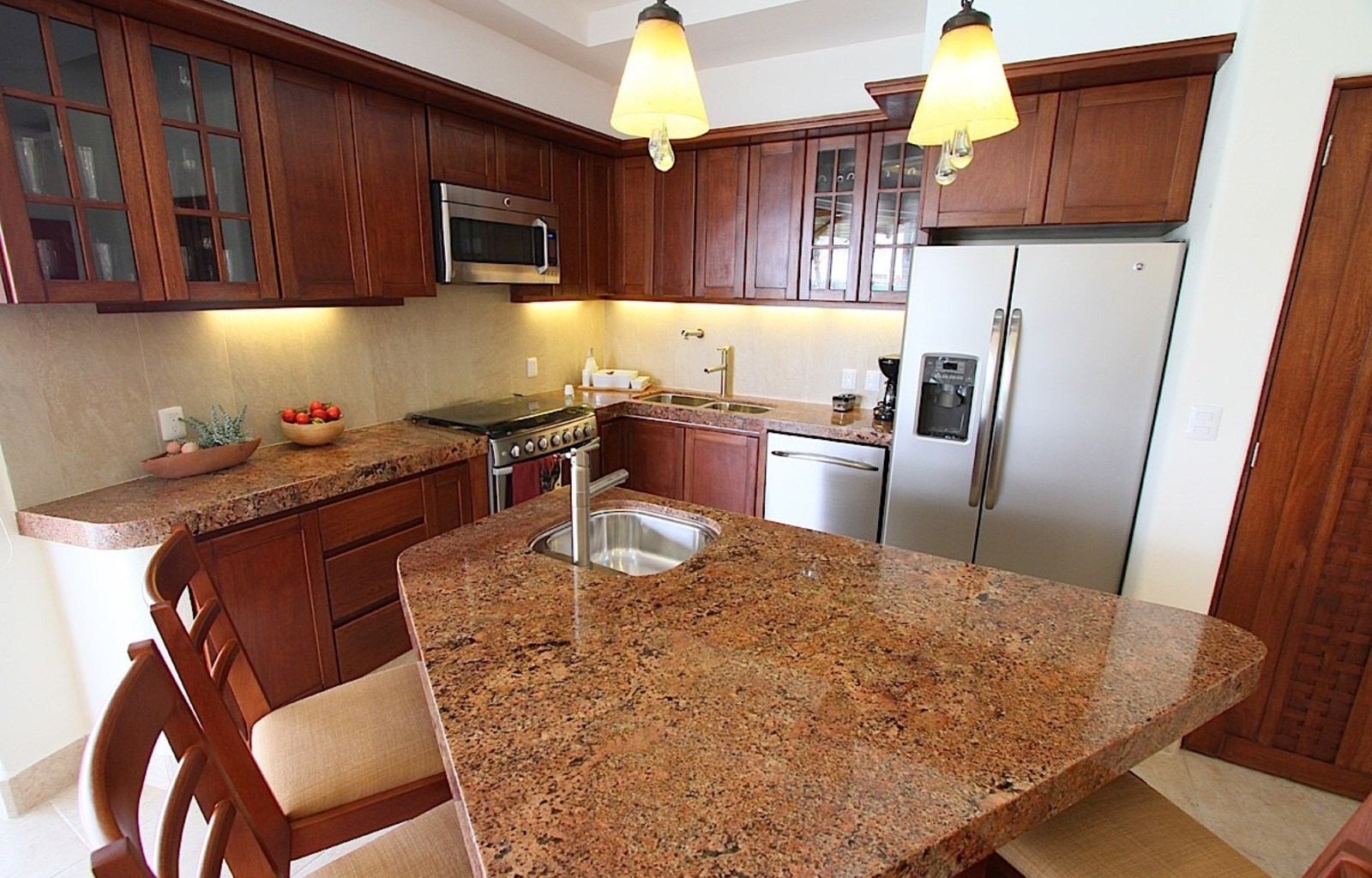
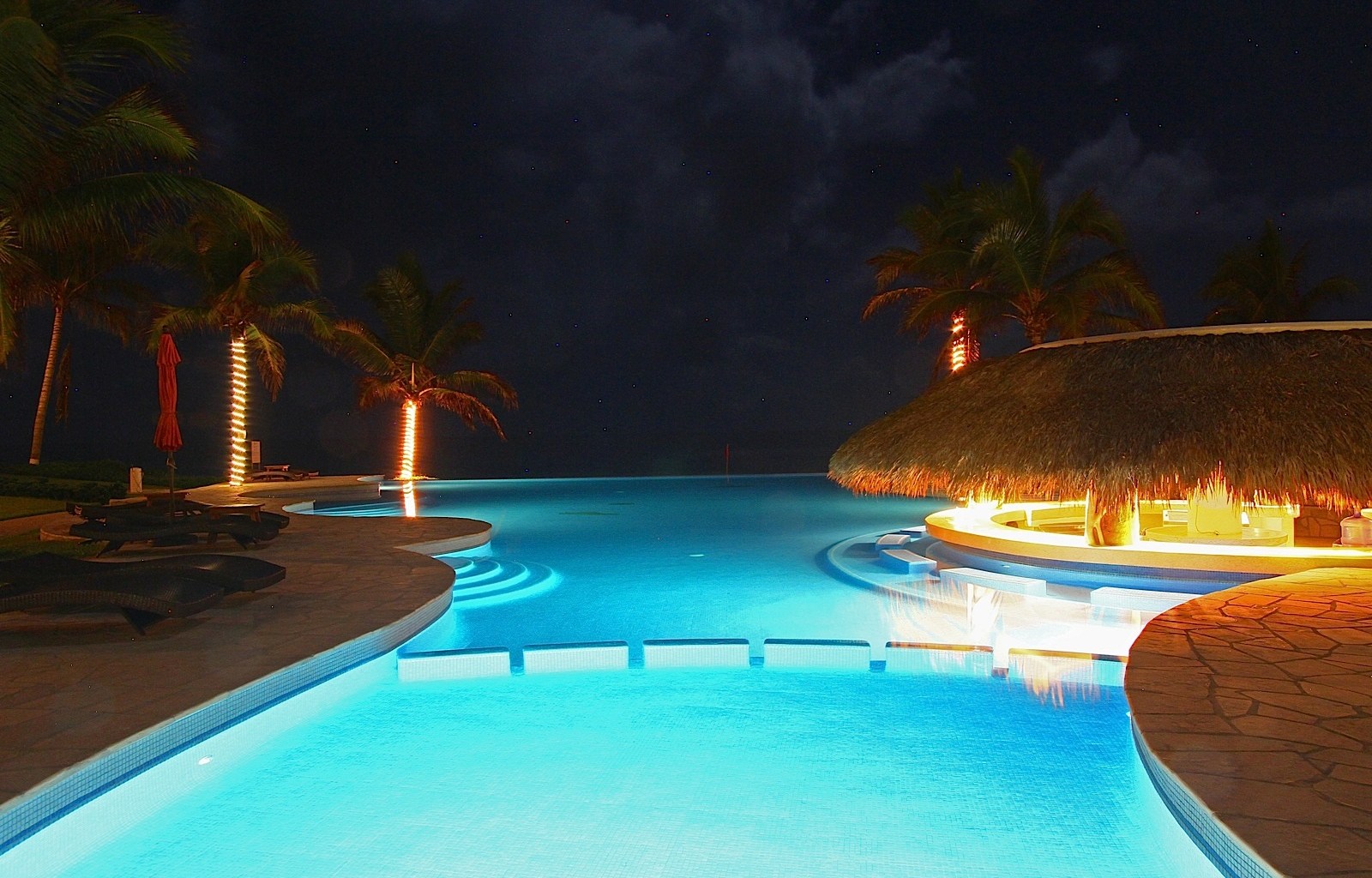
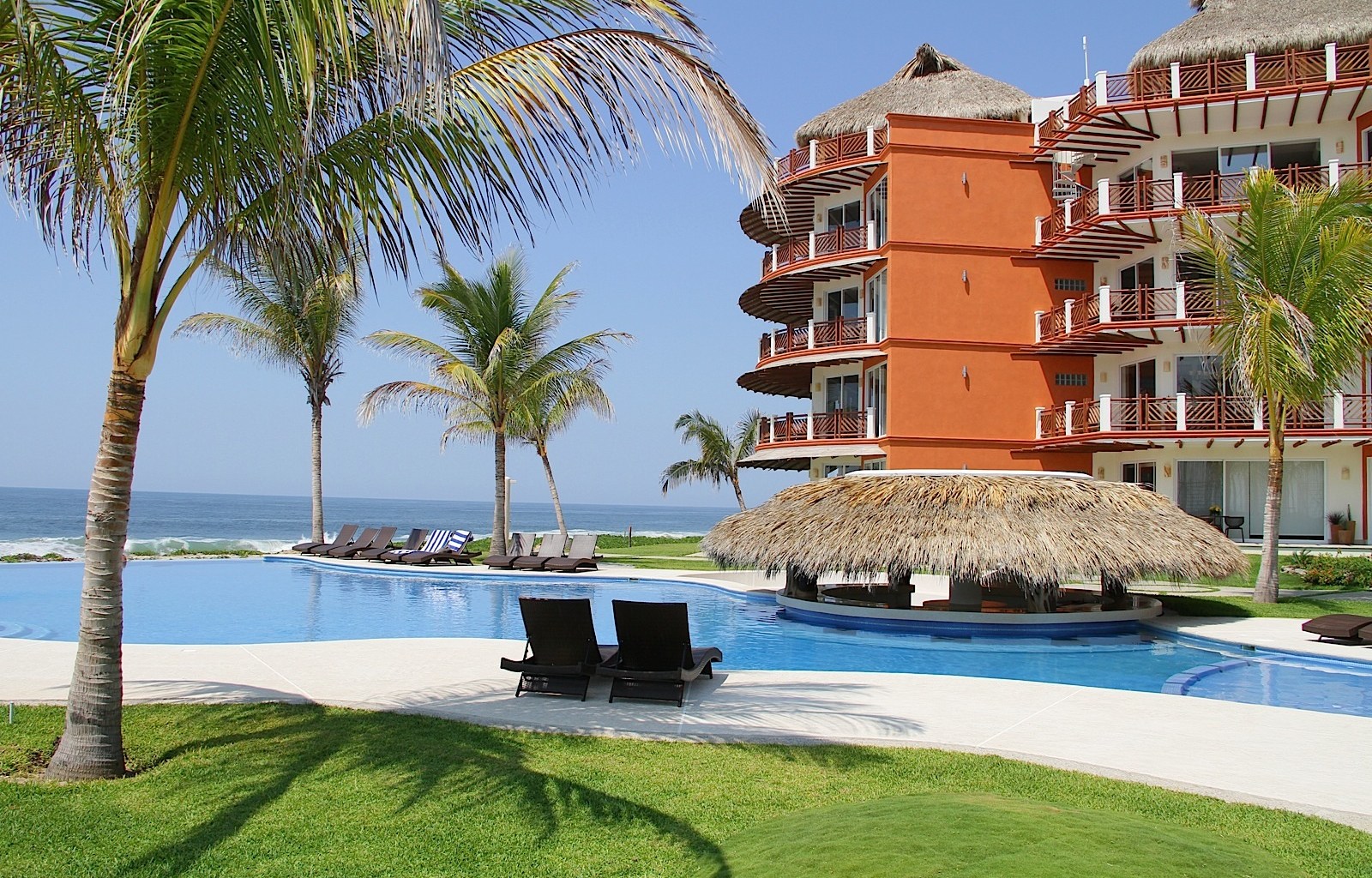
Pair these pointers with the relaxed rhythm of an all-suite base like Vivo Vacations, and the rest of the etiquette tends to fall into place. The coast near Puerto Escondido offers space to decompress after days spent navigating markets and ceremonies, with the Pacific as a constant reminder that some things move on their own schedule. A respectful traveller leaves Oaxaca with full senses, fuller notebooks, and the quiet satisfaction of having been welcomed rather than merely tolerated.