Staying Hydated and Comfortable in Tropical Heat
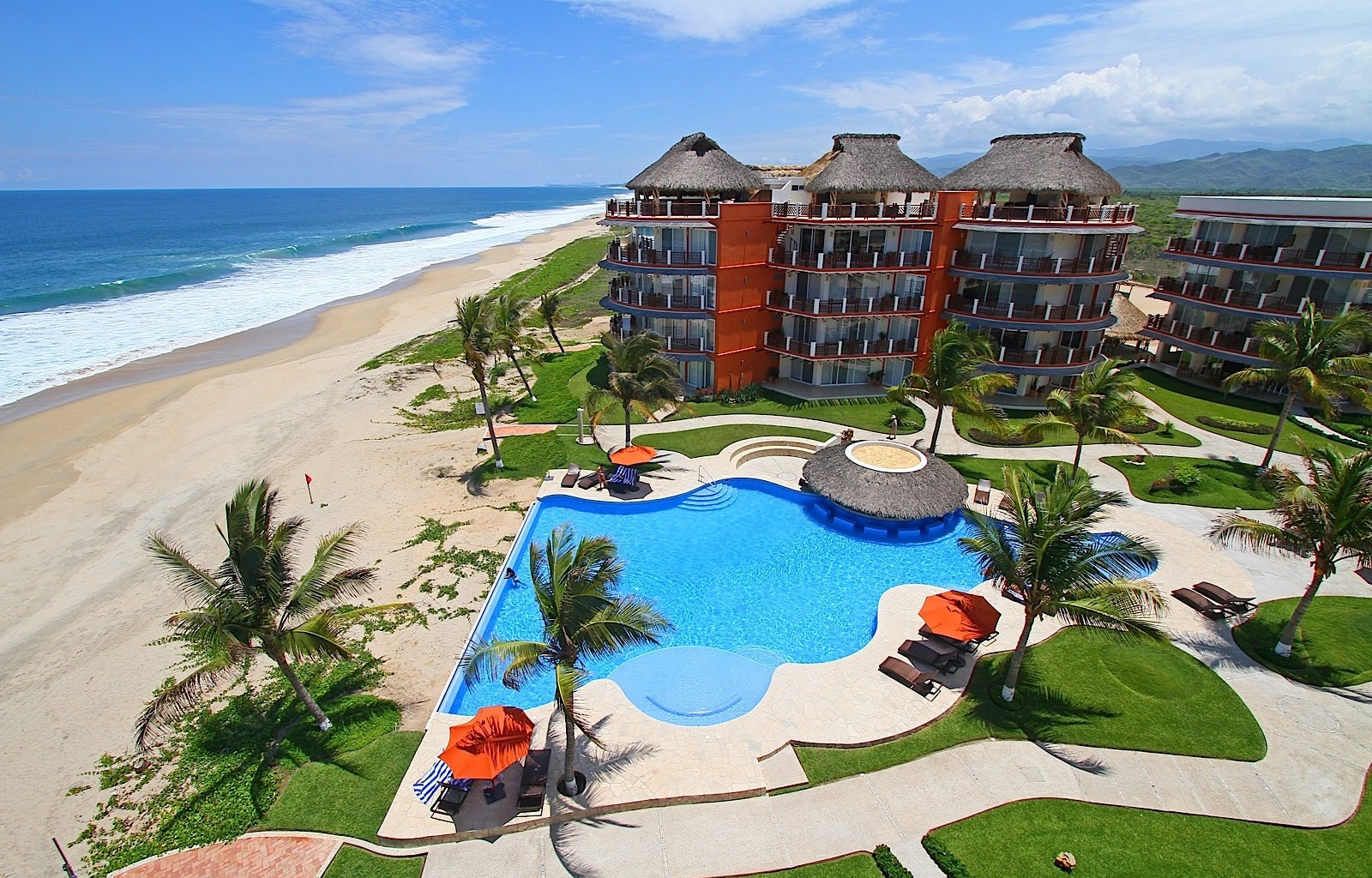
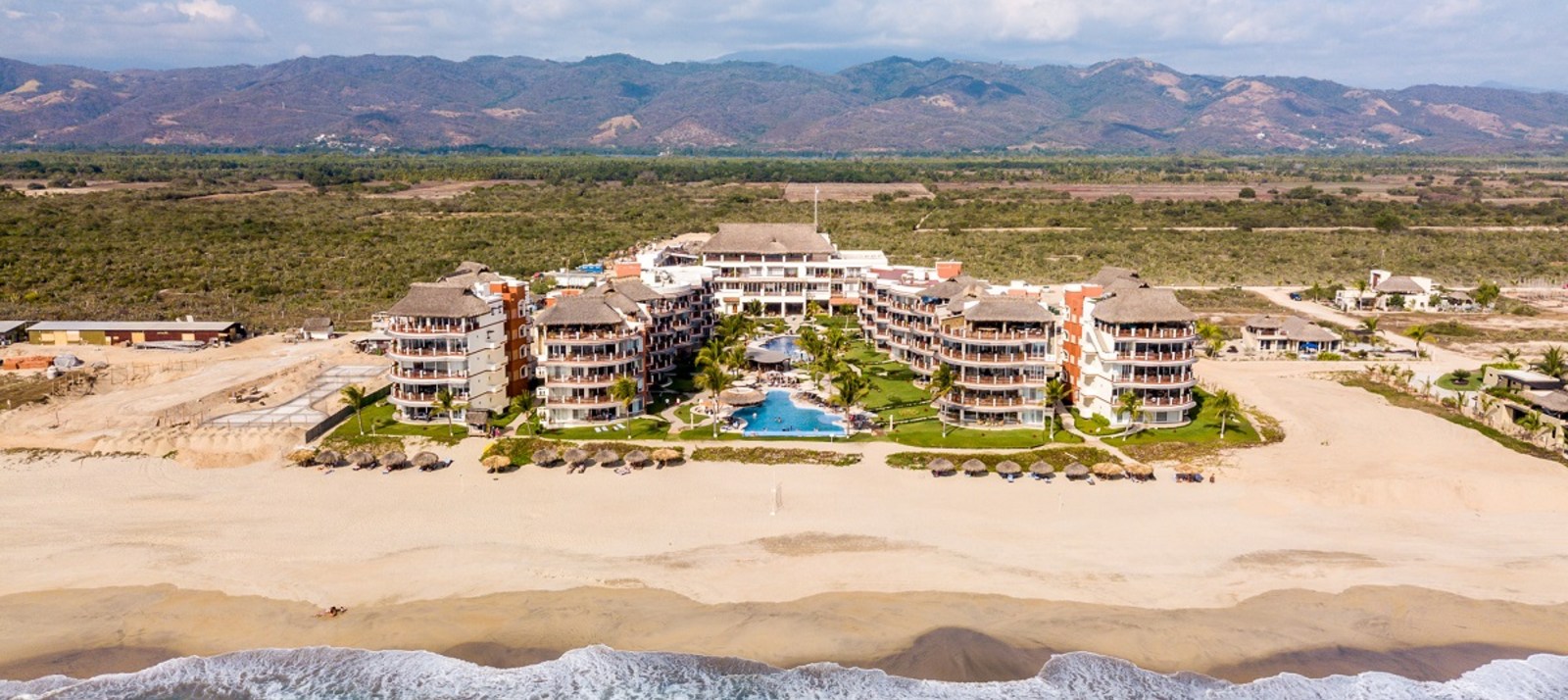
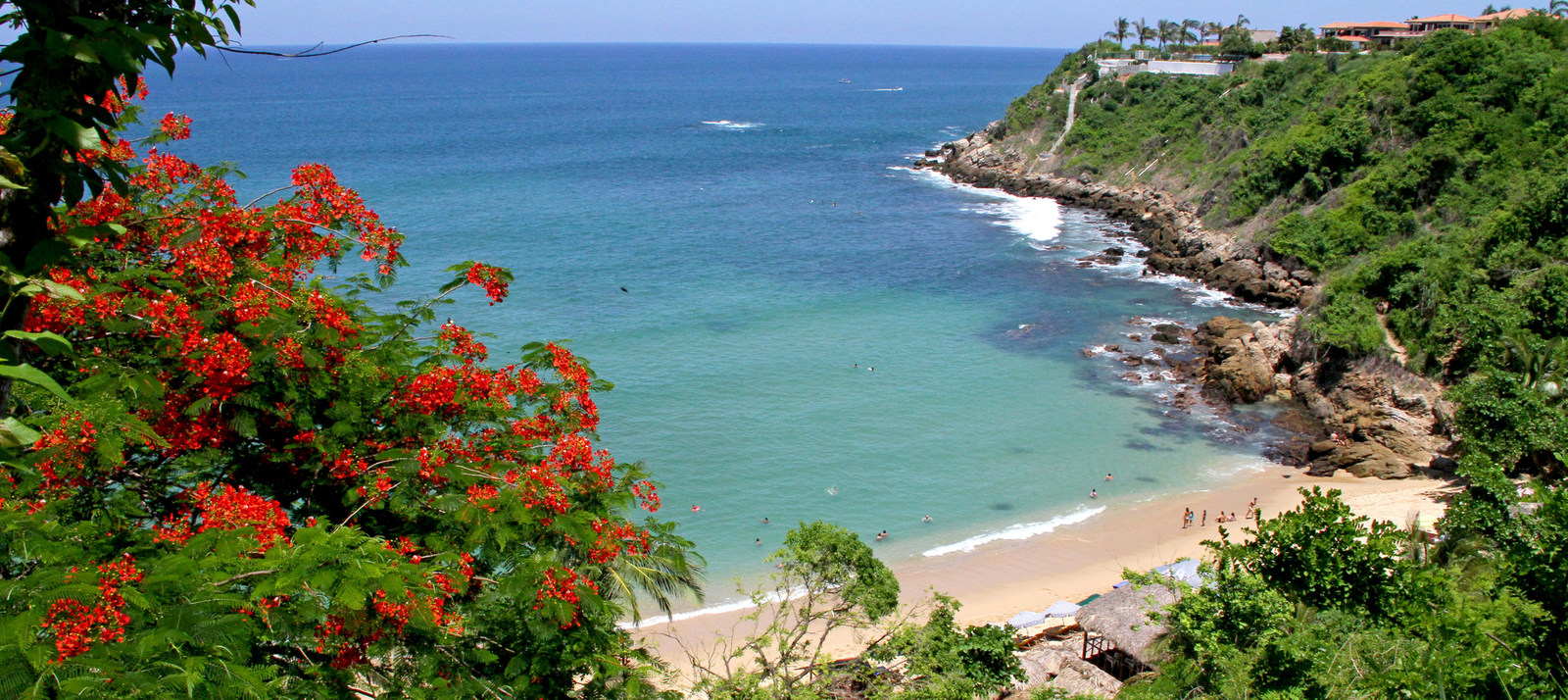
Tropical holidays combine strong sunshine, high humidity and more movement than a typical day at home. At Vivo Resorts on Playa Palmarito near Puerto Escondido, a morning by the pool, a walk along the beach and an afternoon excursion can quickly increase fluid losses, even when you do not feel especially thirsty.
For Australian travellers, the adjustment can be noticeable. Someone used to carrying a bottle through Sydney, Brisbane or Perth may still underestimate how quickly heat builds in Oaxaca. Learning how to stay hydrated and avoid dehydration in tropical heat helps protect energy levels, concentration and enjoyment throughout a beach holiday.
Start drinking before the heat rises
Begin the day with water at breakfast rather than waiting until you reach the sand. A glass with your meal, followed by regular small drinks during the morning, gives your body a head start before sun exposure and physical activity increase sweating.
A reusable bottle is a familiar part of daily life in Australia, from school runs in Melbourne to commutes in Brisbane. Bring that habit to Mexico and refill it whenever safe drinking water is available. At a resort, ask staff where bottles can be topped up and keep one beside your bed, in your beach bag and near the pool.
Notice early signs of fluid loss
Thirst is useful, but it is not always an early warning. A dry mouth, headache, unusual tiredness, dizziness, irritability, muscle cramps and darker urine can all indicate that you need more fluid. Humidity can make sweat evaporate slowly, so your clothing may feel damp while your body is still losing water and salts.
Children, older adults and people taking certain medicines may not recognise thirst reliably. Keep an eye on young swimmers and anyone spending long periods outdoors. If someone becomes confused, faints, has a very high temperature or cannot keep fluids down, move them to a cool place and seek urgent medical assistance.
Create a steady drinking rhythm
Small, frequent drinks are generally easier to manage than consuming a large volume all at once. Take a few mouthfuls whenever you return from the water, finish a game, leave a restaurant or come inside from the beach. Set a discreet phone reminder during active days if sightseeing makes you lose track of time.
Avoid using urine colour as a perfect medical test, since foods, supplements and some medicines can change it. However, consistently dark urine combined with fatigue or light-headedness is a useful prompt to rest, cool down and drink. Do not force excessive water, as very large quantities can disturb the body’s salt balance.
Select fluids for the day
Plain water is an excellent choice for ordinary lounging, swimming and gentle sightseeing. Mineral water and chilled tap water, where the resort confirms it is suitable, can make drinking easier in warm weather. Fresh fruit, soups and water-rich foods also contribute to daily fluid intake.
Electrolyte drinks can be helpful after prolonged sweating, intense exercise or gastrointestinal illness, but they are not necessary for every short walk. Many products sold at Coles and Woolworths contain added sugar, so check the nutrition panel and choose a suitable serving. Australian food and beverage labels are governed by the Food Standards Code, making it easier to compare sodium, sugar and serving information.
Alcohol can worsen fluid loss and impair judgement in the sun. Alternate beer, wine or cocktails with water, eat before drinking and avoid treating a sugary soft drink as a complete hydration plan. Coffee and tea still provide fluid, although very strong caffeinated drinks may be less appealing when you are already overheated.
Adjust intake for sport and excursions
A tennis match, pickleball session, surf lesson or long coastal walk requires more planning than a quiet hour under an umbrella. Drink before starting, take breaks in shade and keep fluids accessible rather than leaving them in a distant room. Breathable clothing, a hat and sunscreen reduce heat load, but they do not replace drinking water.
Guests joining court activities can review tennis and pickleball guidance before playing. Schedule demanding exercise for the cooler parts of the morning or late afternoon, and stop if you feel weak, nauseated, unsteady or unusually breathless.
For a longer excursion, carry more than you expect to need and confirm where the next reliable refill point is. A sealed bottle is particularly useful on transfers to beaches or Puerto Escondido, where shade and shops may not appear exactly when required.
Eat hydrating foods and manage sun exposure
Watermelon, oranges, pineapple, cucumber, tomatoes, leafy salads and yoghurt can support fluid intake while adding carbohydrates, potassium and other nutrients. A breakfast containing fruit and yoghurt may be more sustaining than starting the day with coffee alone. Light meals also feel more comfortable in humid weather.
Salt losses vary with sweat rate and activity. A normal meal is usually enough for a relaxed resort day, while a salty snack or electrolyte solution may be more appropriate after several hours of vigorous exercise. Do not rely on heavily salted processed food as a substitute for balanced meals and water.
Families planning a lesson can read about group surf lessons and build in a drink-and-rest period before entering the water. Surfing, swimming and beach games can mask fatigue because the body feels cool, so children should be encouraged to drink on a schedule rather than only when they ask.
Use a simple plan for resort days
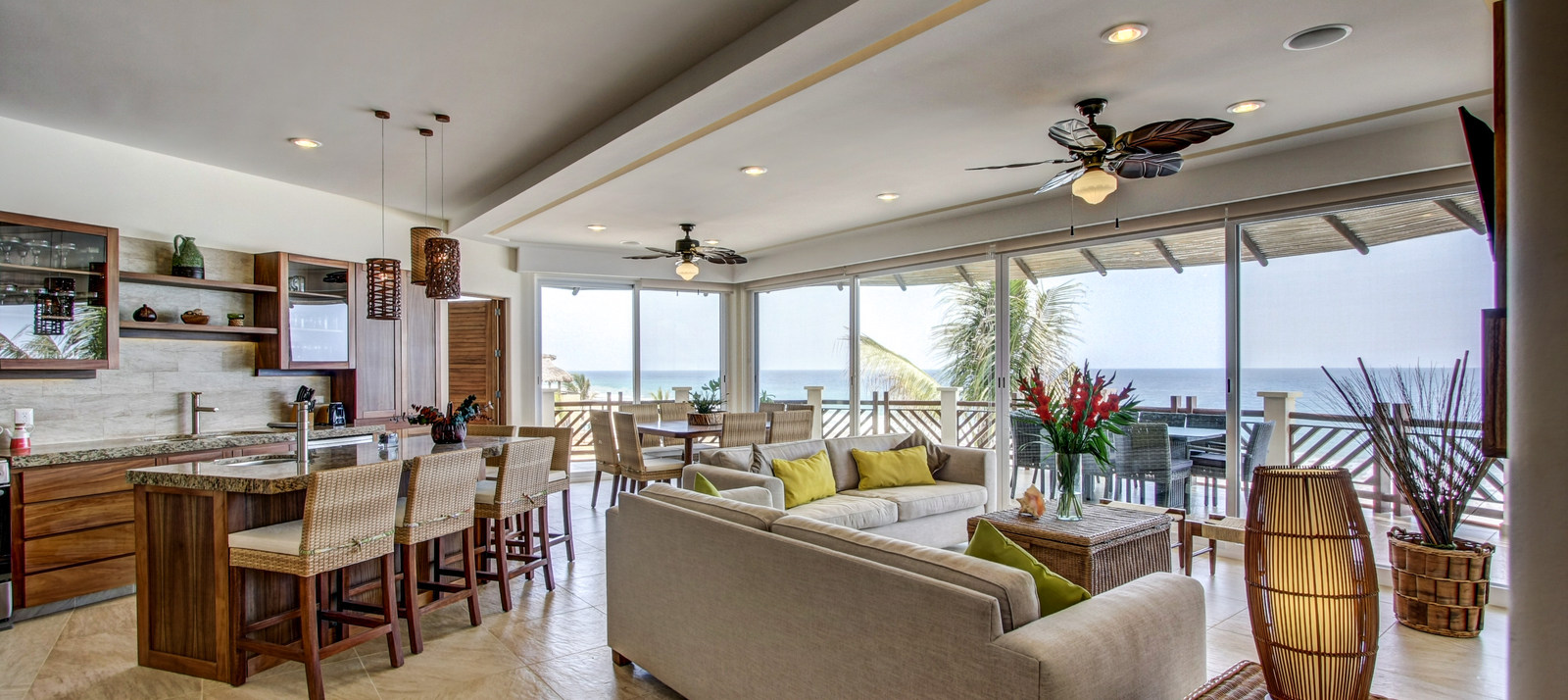
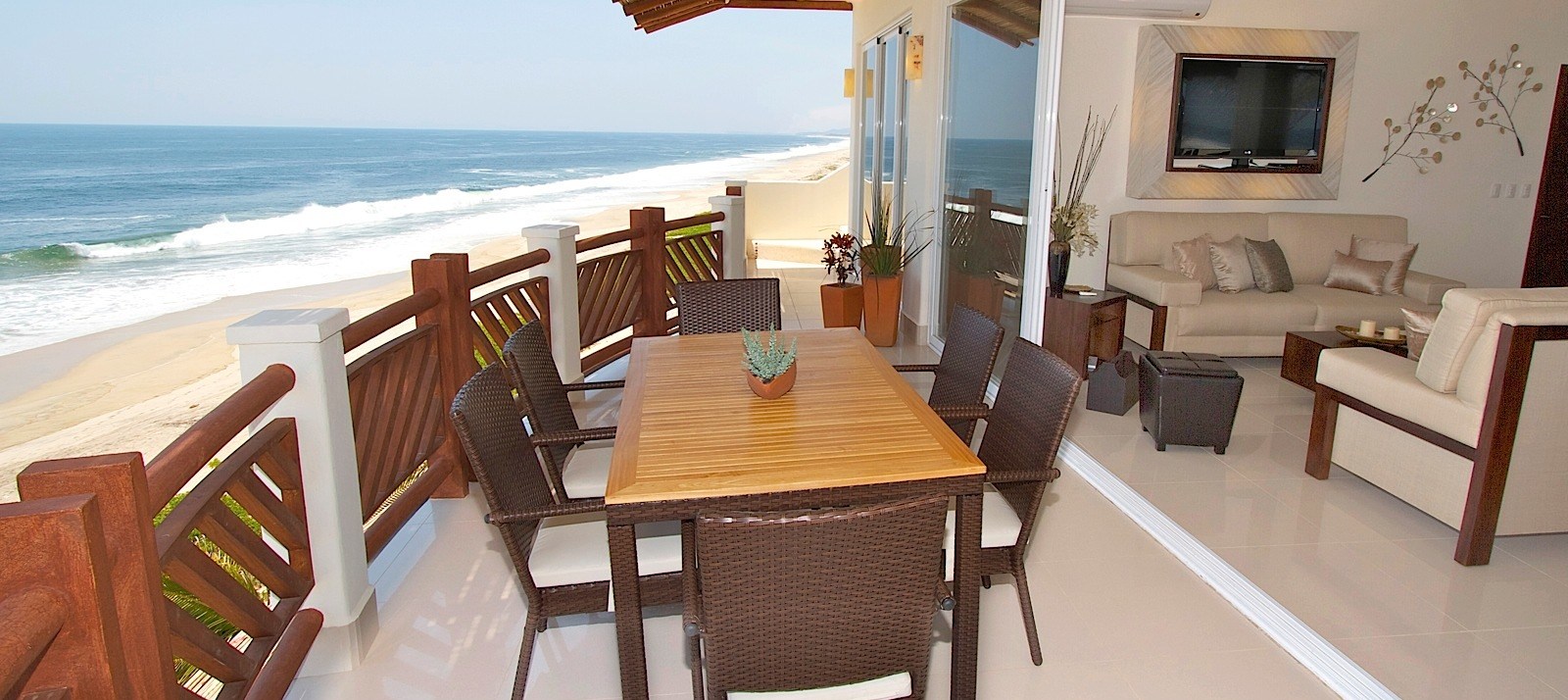
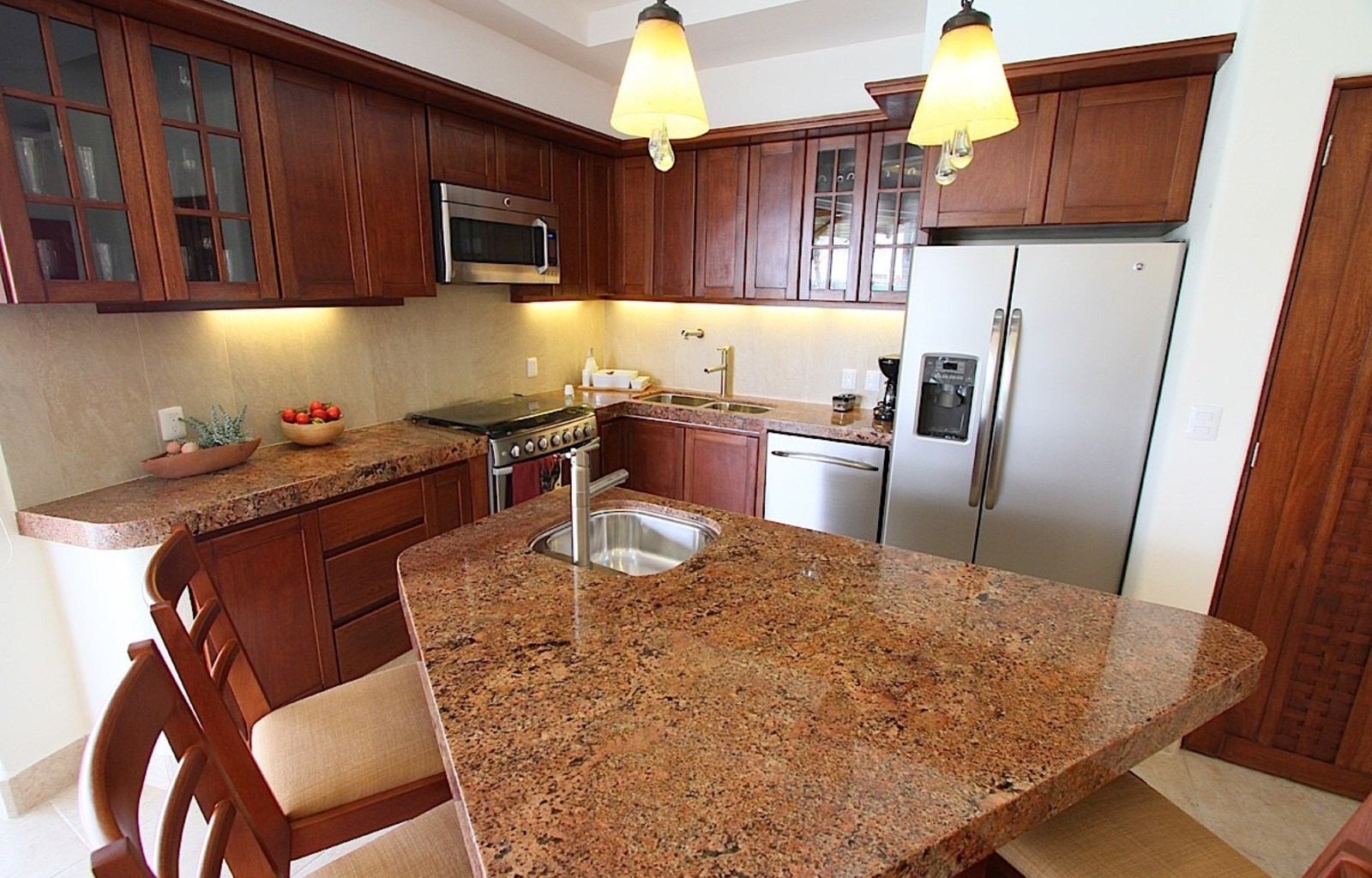
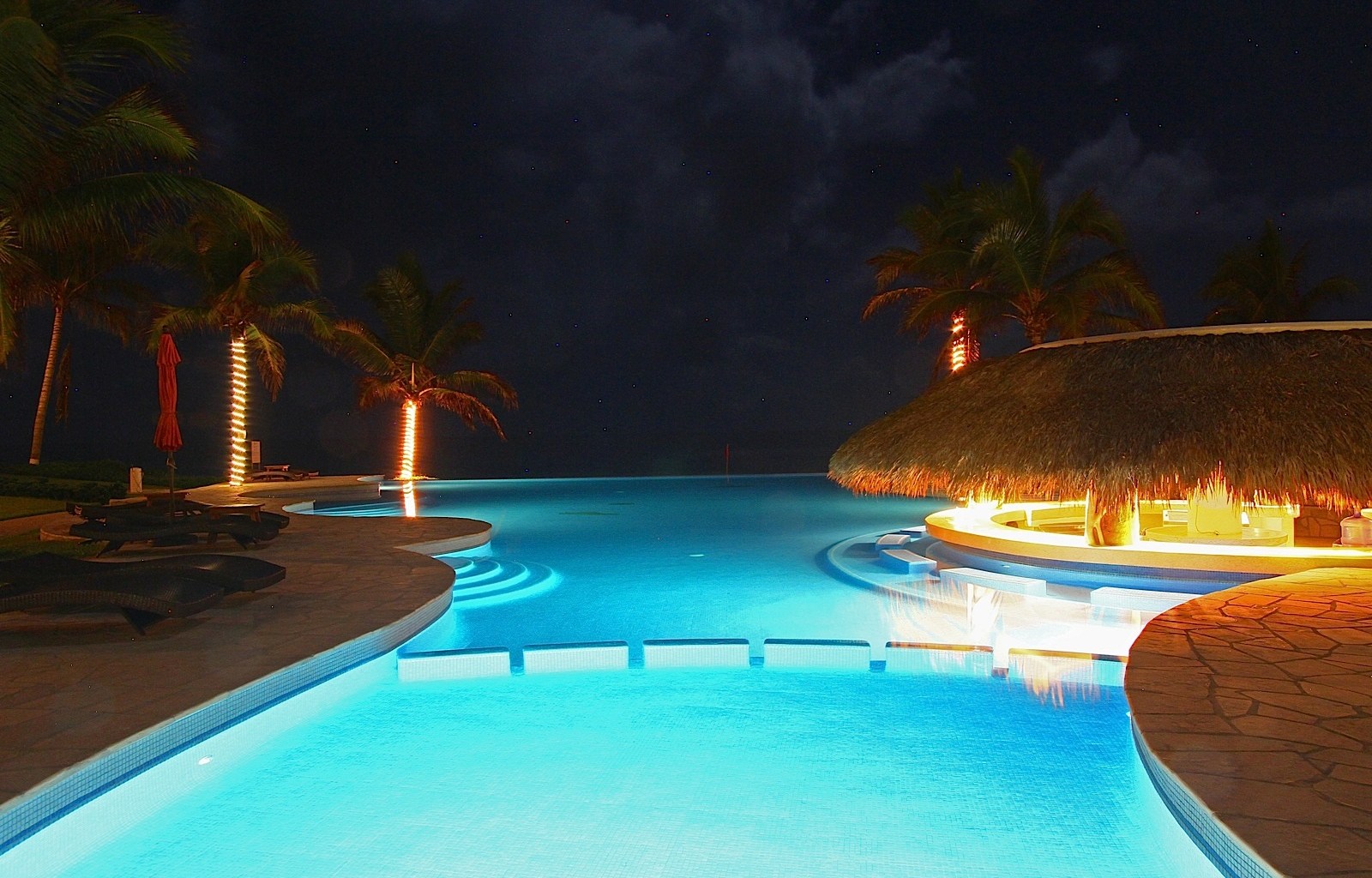
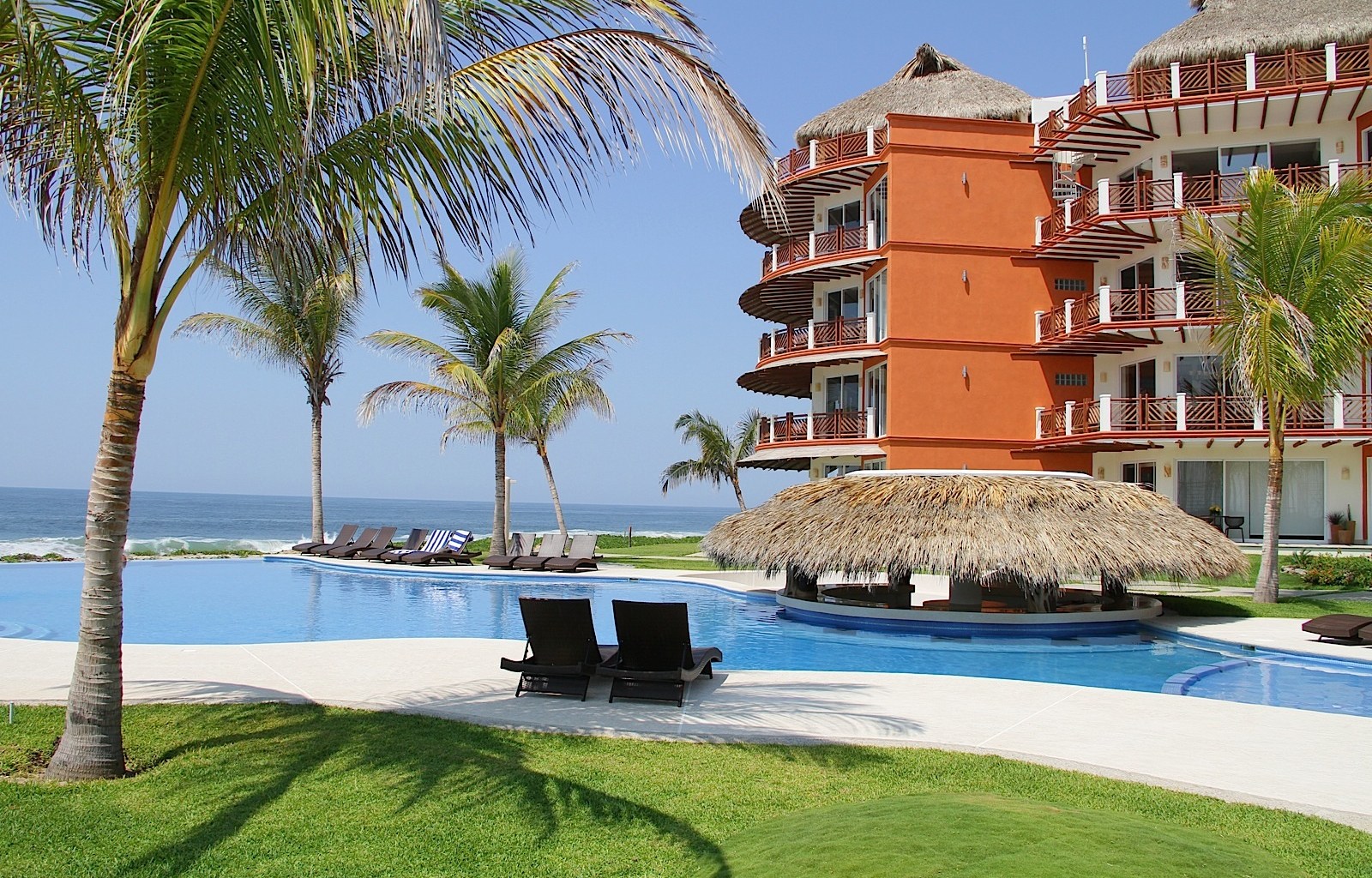
Vivo Resorts offers pools, beachfront space, dining venues and excursions, which makes it easy to move between activities without returning to your suite. Spacious residences and private villas can also make it practical to store chilled bottles, prepare fruit and rest in air-conditioned comfort during the strongest afternoon heat.
| Situation | Practical drink choice | Helpful habit |
|---|---|---|
| Poolside relaxation | Water, with fruit or a light meal | Drink regularly and seek shade |
| Beach walk or sightseeing | Water carried in a sealed bottle | Refill before leaving the resort |
| Long sport session | Water, with electrolytes if sweating heavily | Take breaks before feeling exhausted |
| Vomiting or diarrhoea | Oral rehydration solution | Seek medical advice if symptoms persist |
| Alcohol in the evening | Water between alcoholic drinks | Eat and avoid prolonged sun exposure |
Australia’s heat advice often emphasises planning around the hottest part of the day, and the same principle works on Oaxaca’s coast. Check the forecast, dress lightly, tell companions where you are going and keep emergency contacts available. When illness is suspected, resort staff can help arrange medical support rather than relying on home remedies.
The practical takeaway is simple: start drinking at breakfast, carry water, pause in shade, replace fluids after heavy sweating and treat dizziness or confusion as a reason to stop and get help.