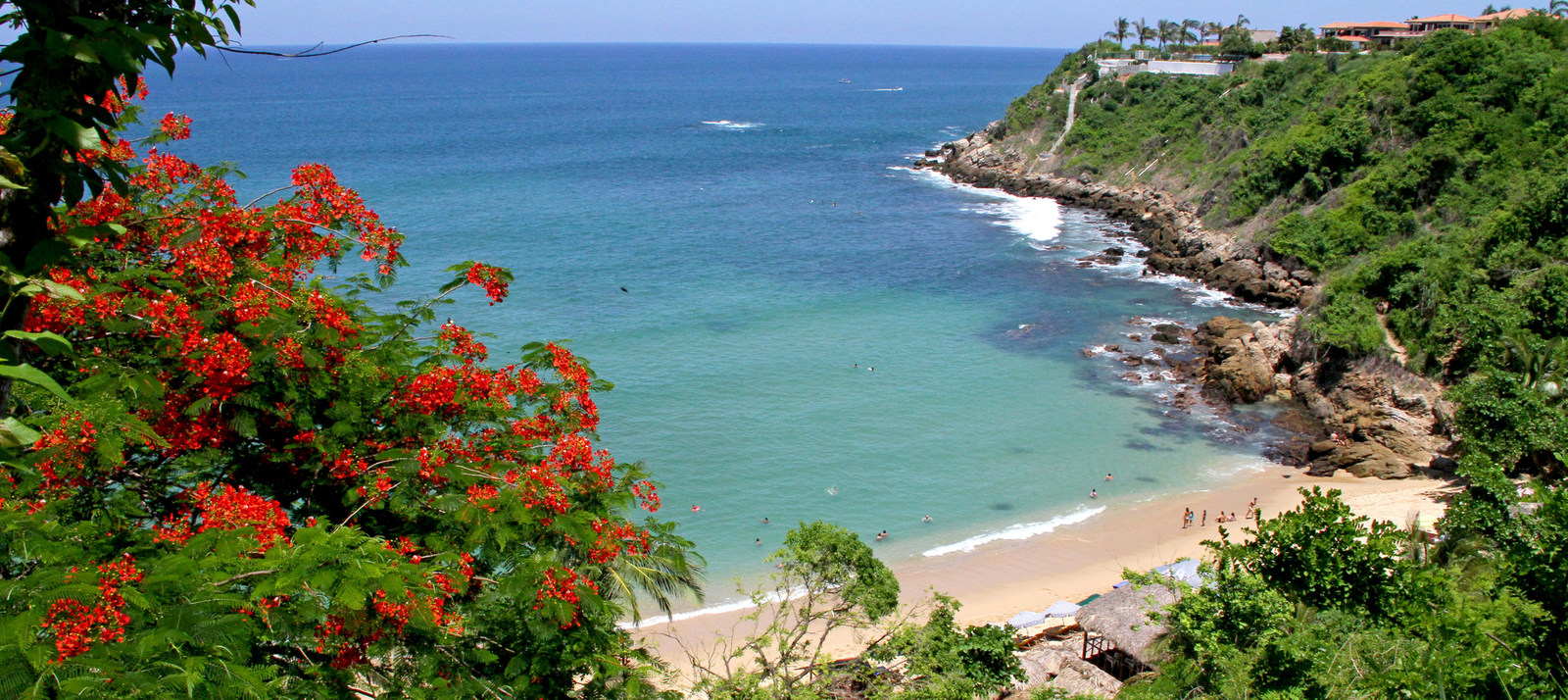
Finding the Right Moment for Shell Collecting on Playa Palmarito
Playa Palmarito offers a long, open stretch of Pacific shoreline near Puerto Escondido, where waves, tides, and coastal winds constantly rearrange the sand. For visitors interested in seashells, the most rewarding walk is usually less about a fixed hour and more about matching the beach’s changing conditions.
In general, early morning is the strongest choice. The sand is cooler, the beach is quieter, and shells carried in overnight may still be visible before footsteps and afternoon activity scatter them. A low or falling tide can make the walk even more productive by exposing a wider band of wet sand.
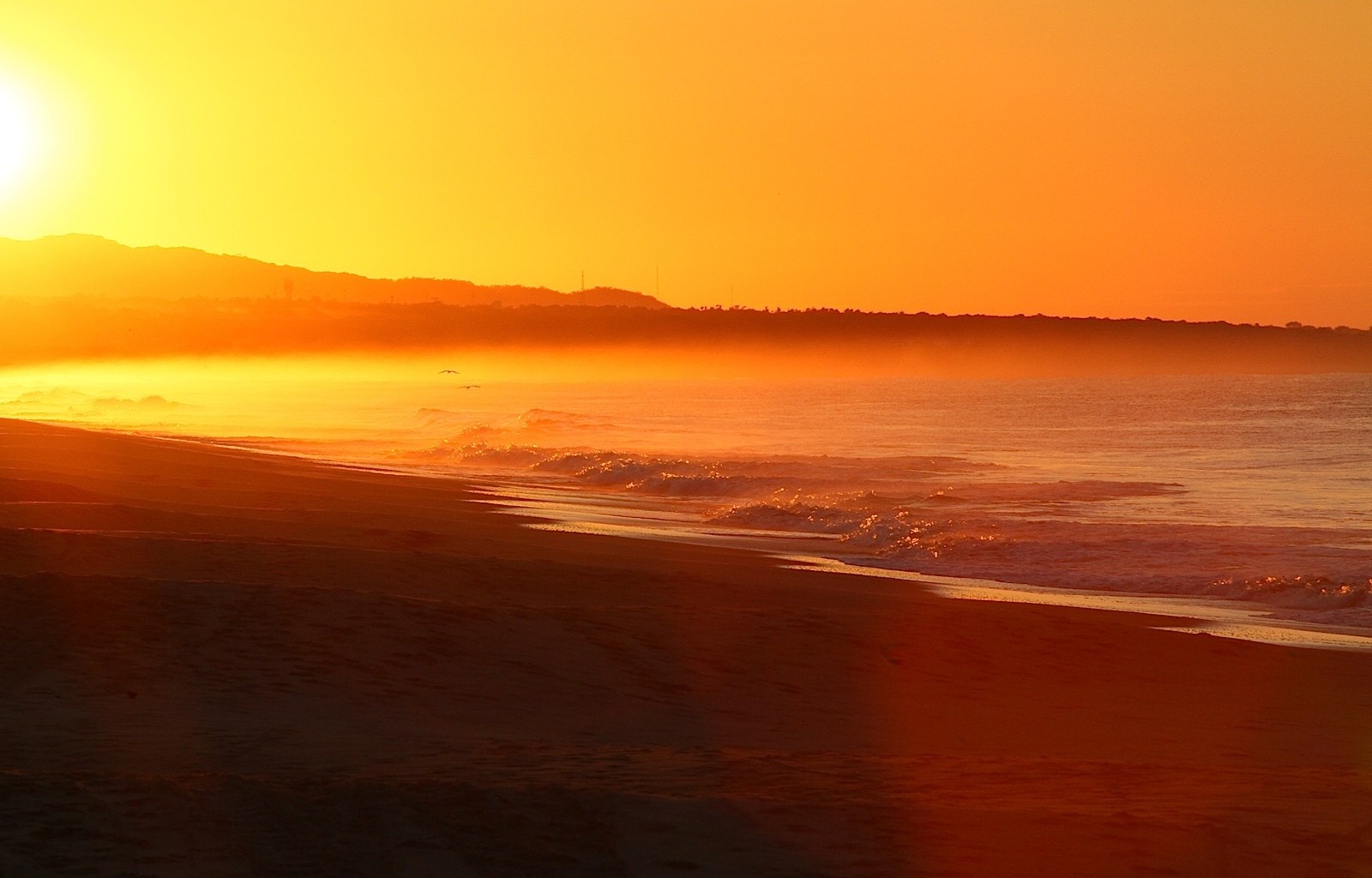
The coast is also at its most beautiful during the first hours of daylight. Soft sun makes shell colors easier to see, while a calm walk along the water provides a peaceful start before breakfast, pool time, or an excursion into Oaxaca’s coastal landscape.
Why early morning rewards patient walkers
Overnight waves often leave small shells, fragments, and unusual pieces of coral near the high-tide line. This area may appear as a narrow ridge of seaweed, driftwood, and fine debris running parallel to the water. Walking slowly along that line can reveal specimens that are easy to miss in bright, busy conditions.
Morning temperatures are another advantage. Playa Palmarito can become warm as the sun rises, and searching requires frequent pauses to inspect the sand. Beginning early makes it more comfortable to walk barefoot only where safe, or to explore in sandals with good traction.
The first light also creates gentle shadows around shells partly buried in the sand. Rather than scanning only the water’s edge, look across several zones: the wet shoreline, the wrack line, small depressions left by receding waves, and areas where darker sand makes pale shells stand out.
Let the tide guide the timing
Tide charts should shape the exact timing of a beach walk. A falling tide is especially useful because it gradually reveals new sections of shoreline. If low tide occurs shortly after sunrise, that window may offer the best combination of cool weather, fresh deposits, and broad access to the beach.
When low tide falls later in the morning or afternoon, the schedule can shift accordingly. A cloudy day with a receding tide may be more productive than a bright sunrise during a rising tide. Check local tide information before setting out, since times vary from day to day and beach conditions can change quickly.
Safety matters more than the size of a collection. Keep a comfortable distance from breaking waves, avoid walking beneath unstable slopes, and never assume an exposed reef or rocky area is safe because the water looks calm. The Pacific surf can be powerful, particularly when seasonal swell reaches the coast.
How the shoreline changes throughout the day
Mid-morning can still be an excellent time for shell hunting, especially after a night of stronger surf. Waves may deposit larger fragments farther up the beach, and the extra daylight makes it easier to distinguish natural textures from litter or broken material.
Around midday, glare on wet sand can make small shells difficult to spot. If you walk then, use a hat and consider viewing the shoreline from an angle rather than looking directly toward the sun. The beach may also be warmer and more active, so this period often suits a short stroll more than a detailed search.
Late afternoon brings softer light again and a different atmosphere. The beach can be attractive for photography and a relaxed barefoot walk, but it is less predictable for collecting because other visitors may have already explored the most visible deposits. The approach of sunset also leaves less time to assess changing surf conditions.
| Time of day | Typical shoreline conditions | Best use | Points to remember |
|---|---|---|---|
| Early morning | Cool sand, fresh overnight deposits, soft light | Careful shell spotting and quiet walks | Check the tide and bring water |
| Mid-morning | Wider visibility and increasing warmth | Longer beach exploration | Use sun protection and watch the surf |
| Midday | Strong glare, heat, active beach conditions | Brief strolls or swimming breaks | Small shells can be harder to see |
| Late afternoon | Gentle light and cooler air | Scenic walks and photographs | Allow time to leave before dark |
What to look for along Playa Palmarito
The most common finds may include small bivalve fragments, spiral shells, worn pieces, and naturally smoothed material. Perfect, unbroken shells are less common than partial ones, but fragments can still show attractive patterns and colors. A shell with a dull surface may become more distinctive once rinsed with clean water.
Search the transition zones rather than digging deeply. A thin layer of sand can conceal shells without disturbing the beach. Move slowly, inspect before touching, and leave anything that appears occupied. Hermit crabs may use empty-looking shells, while other marine life can shelter beneath rocks, seaweed, or driftwood.
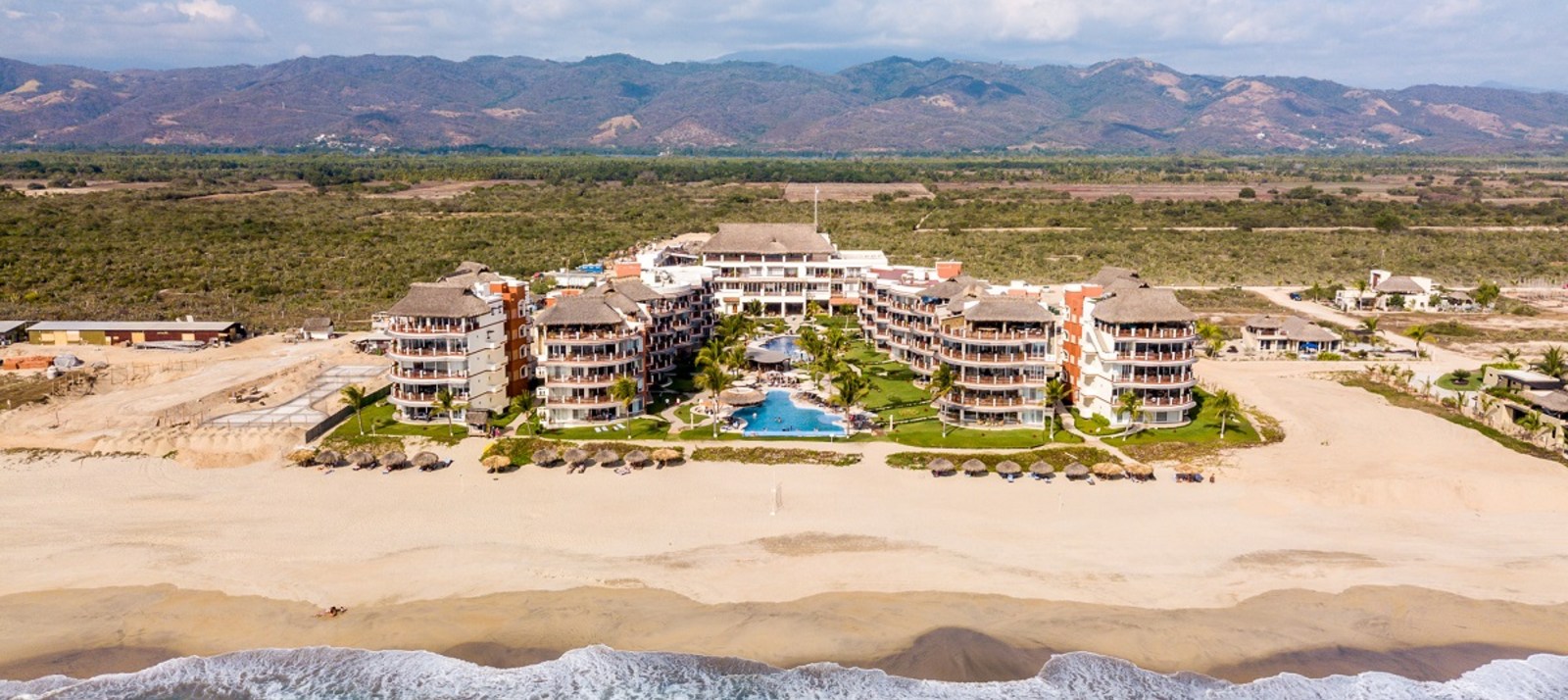
If you are staying at Vivo Resorts, the beachfront setting makes it easy to plan a short morning walk without committing to a full-day outing. Afterward, guests can rinse sandy feet, enjoy breakfast, and continue with the resort’s pools, dining venues, or spa facilities.
Collect responsibly and leave the coast healthy
Shell collecting should be light-touch and respectful. Empty shells provide habitat for small organisms and contribute minerals back to the coastal environment, so taking every attractive specimen can affect the beach over time. A few already-empty, common shells are a more responsible souvenir than a large handful.
Never remove living animals, occupied shells, sea stars, corals, or unusual organisms. Avoid collecting from protected areas, and follow any local guidance posted by the resort or authorities. When in doubt, photograph the find and leave it where it is.
A useful practice is to set a personal limit before walking. Choosing only one or two clearly empty, ordinary shells—or collecting photographs instead—keeps the experience focused on observation. It also leaves Playa Palmarito looking natural for the next visitor.
Plan a beach walk around your stay
A shell-collecting walk works well as a small part of a broader coastal itinerary. Early morning exploration can be followed by a leisurely resort breakfast, while a later low tide may fit alongside a trip to Puerto Escondido, a nearby beach, or another Oaxaca attraction. Keep the plan flexible because surf, weather, and tide conditions deserve priority.
Bring a small mesh pouch only if you intend to carry a limited number of legal, empty finds, and use a separate bag for litter. A phone, water, sun protection, and footwear with secure soles are usually more useful than specialized equipment. Avoid plastic containers that can trap moisture and sand in your luggage.
For guests organizing a larger celebration by the sea, the coastline can also provide a memorable setting for group activities and quiet sunrise walks. Details about weddings and groups can help coordinate accommodations and event plans while leaving time for guests to enjoy the beach at their own pace.
Essentials for a comfortable shoreline search
A few simple preparations make the experience safer and more enjoyable:
- Check the day’s tide times and aim for a falling tide near sunrise when possible.
- Wear sun protection, carry drinking water, and choose secure footwear for uneven sand.
- Bring a phone or camera to record unusual finds without removing them.
- Leave living creatures, occupied shells, coral, and protected material undisturbed.
- Set a modest collection limit and take all personal items and litter back with you.
Start with the quietest practical window, walk near the high-tide line, and let the beach reveal what the latest waves have delivered. A thoughtful morning on Playa Palmarito can turn a simple seaside stroll into a memorable part of a Puerto Escondido vacation while helping preserve the shore for everyone who follows.