Tide Pooling Along Playa Palmarito’s Shoreline
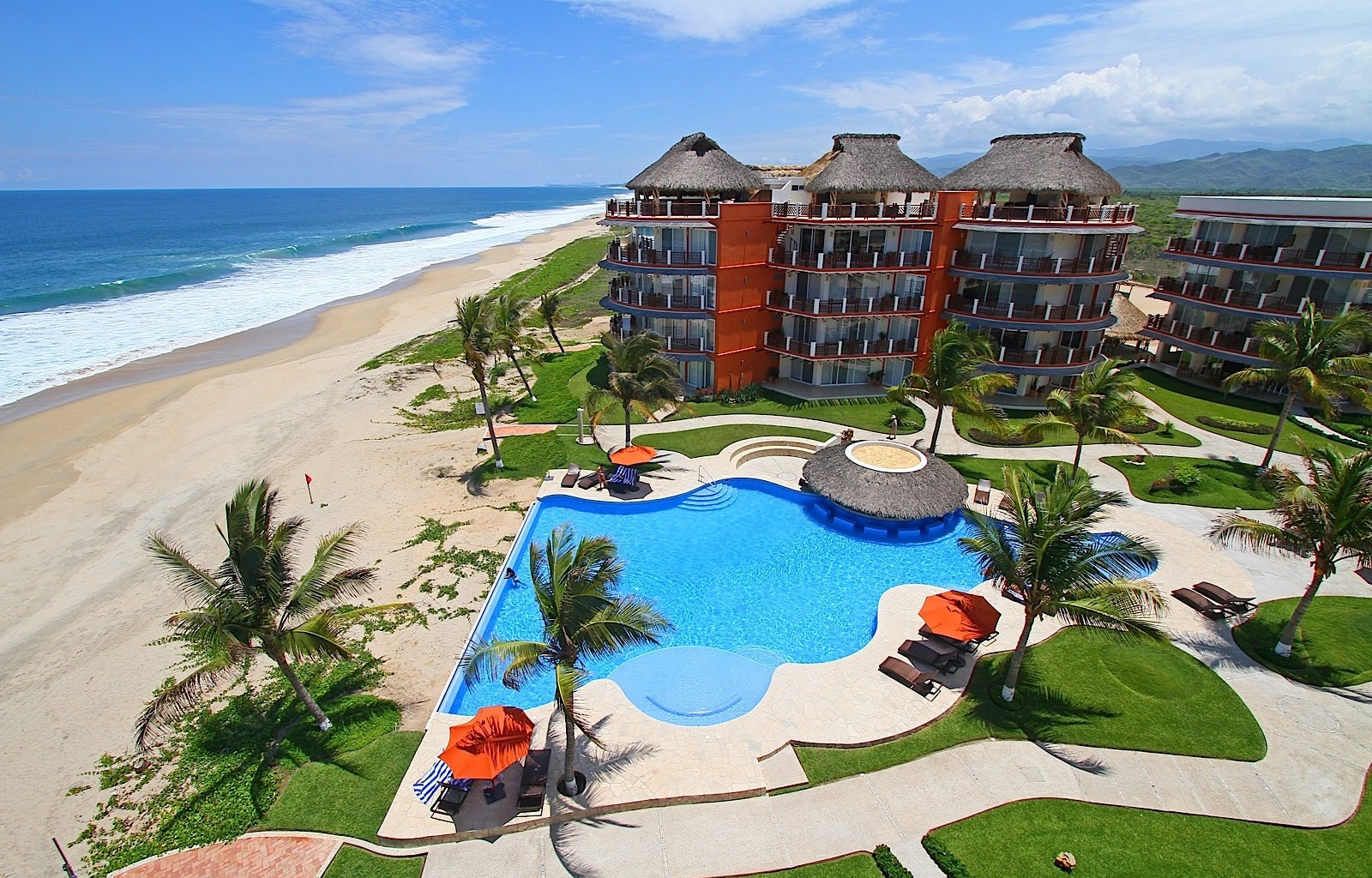
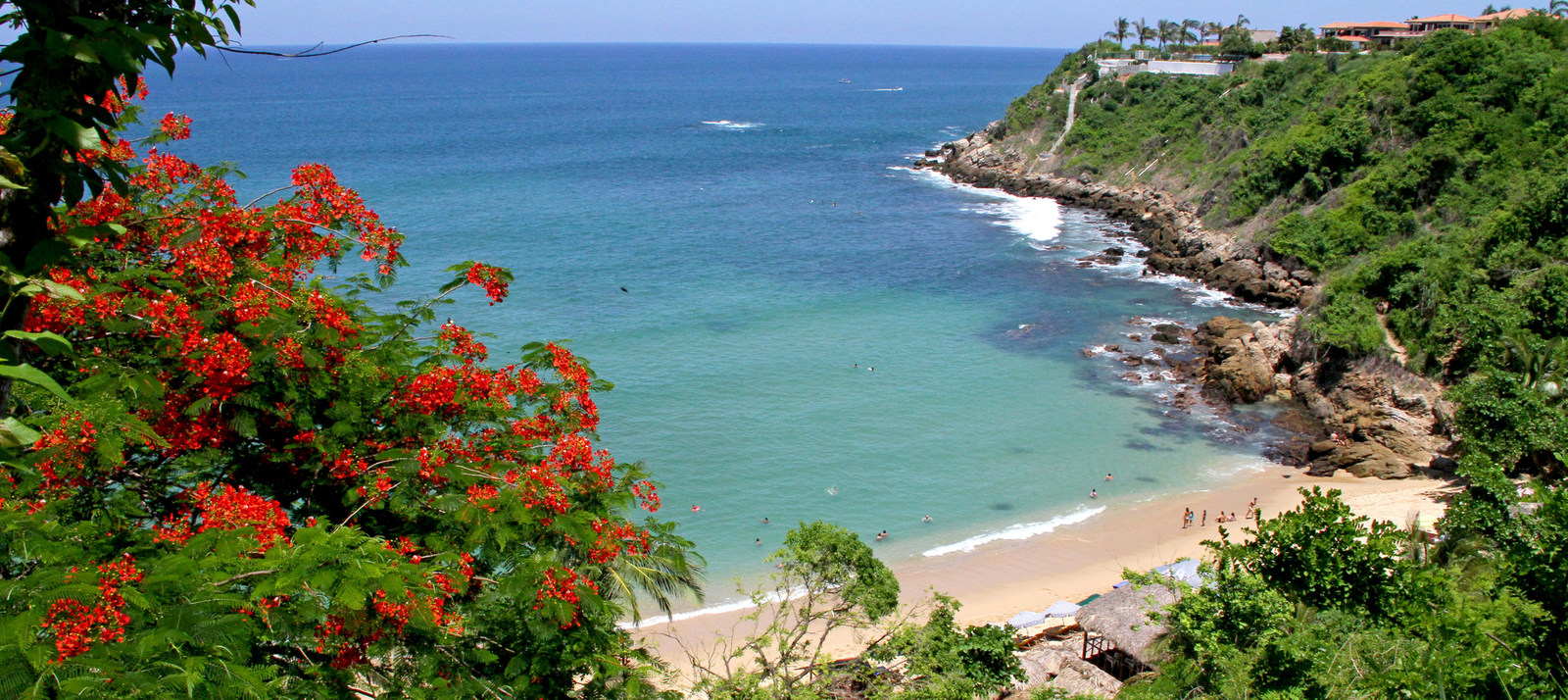
Playa Palmarito is known for its wide Pacific beach, rolling surf and generous stretches of sand, yet the shoreline can reveal a quieter world when the tide retreats. Small rocky shelves, shallow depressions and water-filled pockets may appear where natural outcrops interrupt the beach, creating brief windows for spotting shells, tiny crabs, anemones and juvenile fish.
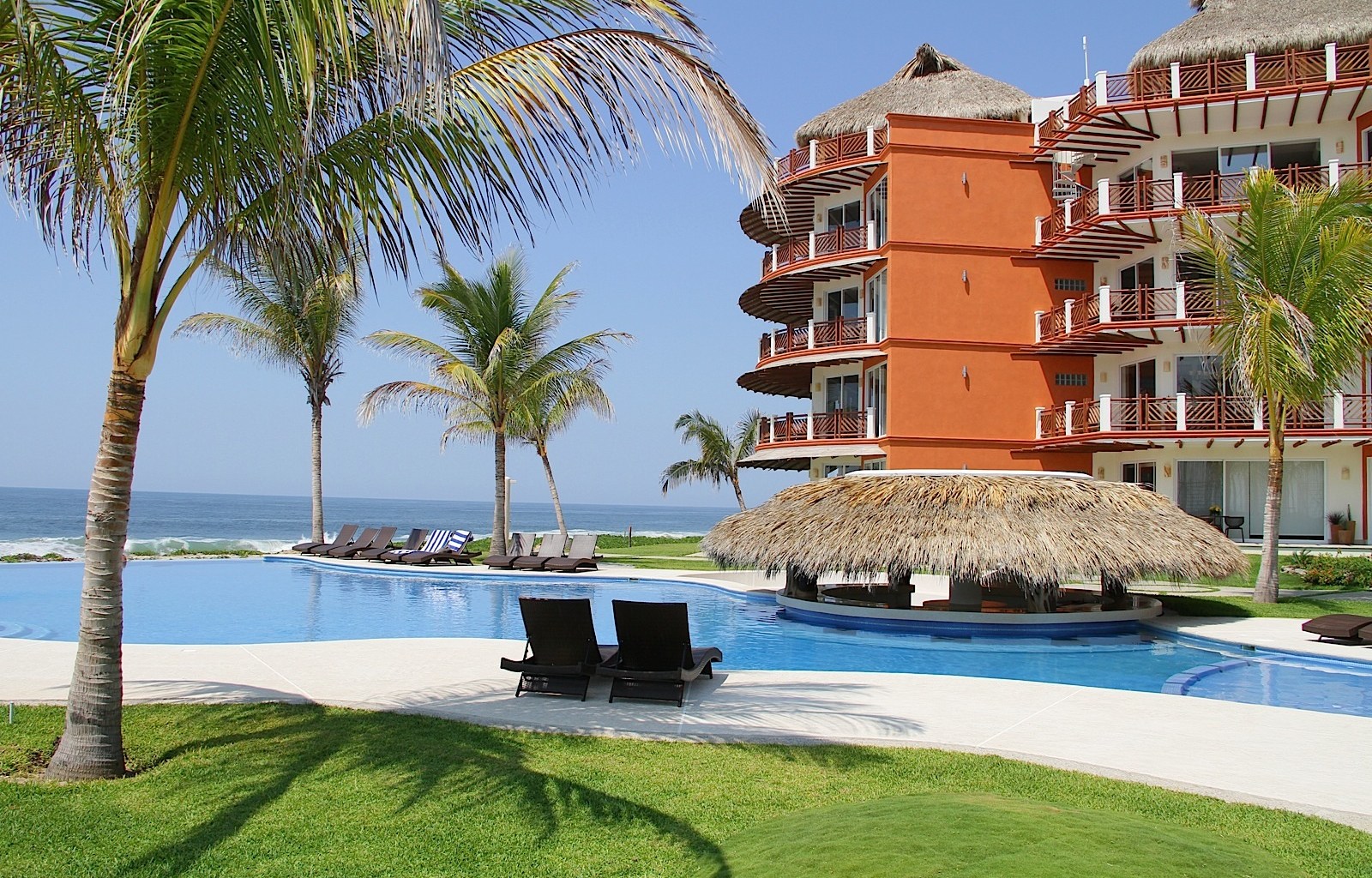
The shoreline changes with the swell, season and tide, so the most rewarding locations are often discovered close to the resort rather than treated as permanent, named attractions. Staying at Vivo Resorts places you near these coastal habitats while leaving room for pool time, spa treatments and excursions around Oaxaca’s Pacific coast.
Where the shoreline reveals its rocky pockets
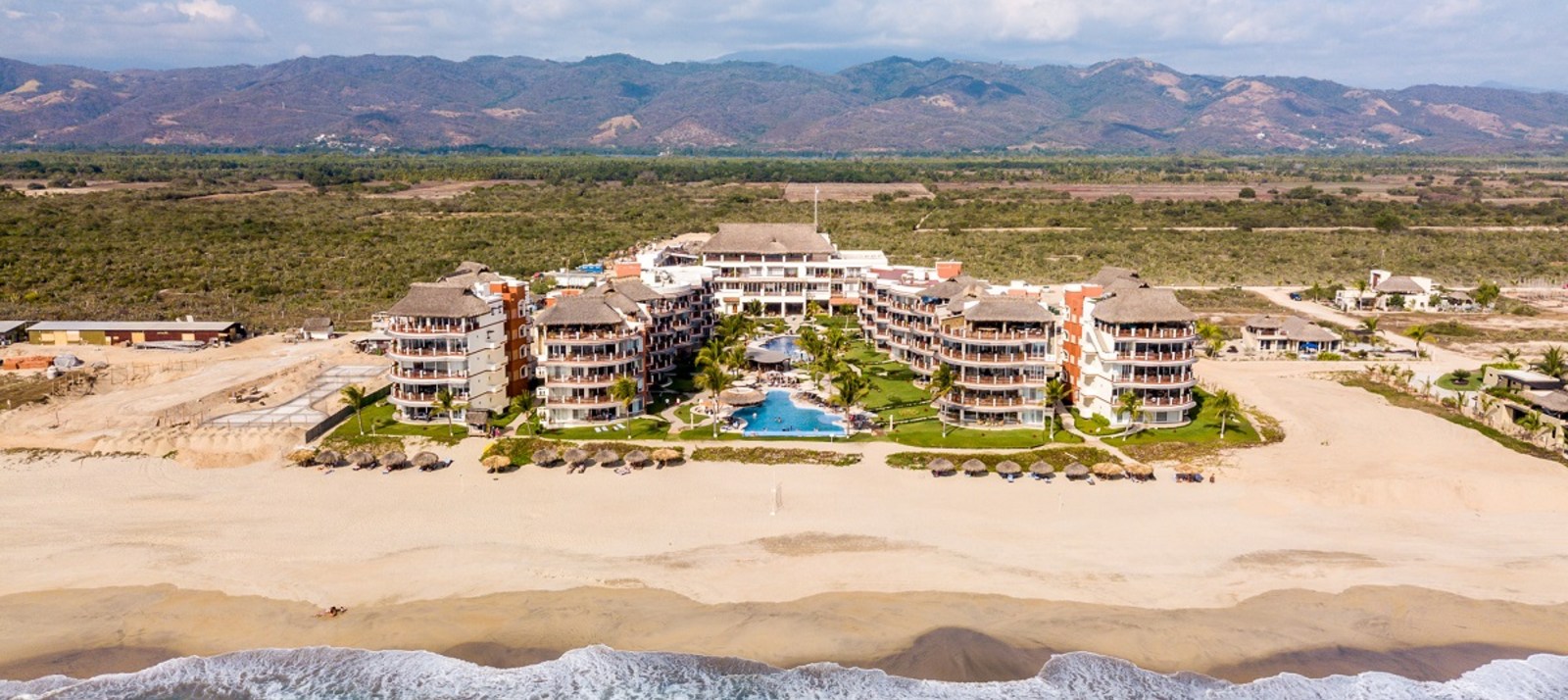
The broadest parts of Playa Palmarito are sandy, which means tide pools are more likely beside exposed rock than in the middle of the beach. Look for darker, uneven patches near the edges of the resort’s beachfront, around low shelves and beside small coastal outcrops that remain damp after the water pulls back.
These formations can be subtle. A shallow pool may look like an ordinary wet patch until sunlight catches a fish or moving shell. Walk slowly along the upper edge of the retreating water, particularly during a low tide with modest surf, and avoid assuming that every dark shape is stable rock. Some areas may be loose gravel, sand-covered reef or slippery algae.
Choosing the right tide and time
Tide pooling works best during a falling tide that reaches a low point in daylight. Check a reliable local tide forecast before setting out, then allow enough time to explore while the water is still moving away. The exact height and timing vary from day to day, and Pacific swell can cover rocky pockets even when the tide table looks favourable.
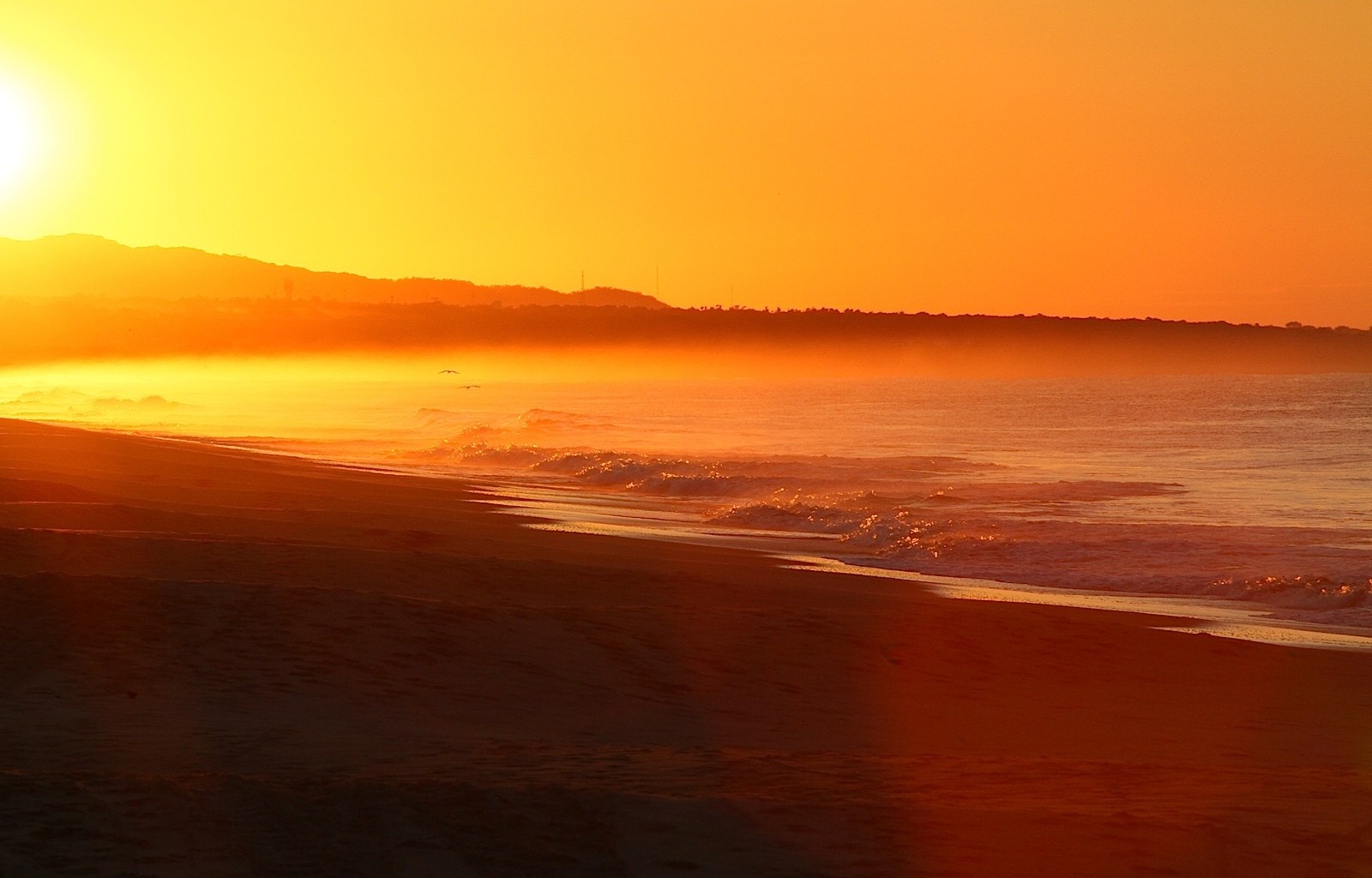
An early start is often comfortable in Oaxaca’s warmth, with softer light for photographs and less heat on the exposed beach. Australian travellers accustomed to checking conditions through local surf reports at Bondi, Noosa or Perth should apply the same habit here: tide height matters, but swell, wind and recent weather matter just as much. Resort staff can help identify current access points and any temporary hazards.
What you may see between the waves
The smaller pools can shelter hardy coastal life adapted to heat, salt and changing water levels. Depending on the location and conditions, you may notice barnacles, limpets, periwinkles, small crabs, shrimp, sea anemones and tiny fish. Seaweed and shells can also provide clues about the recent tide line, while a moving shadow under a ledge may signal a more elusive resident.
This is observation rather than collecting. Leave shells, stones and living creatures where they are, and watch without turning rocks over. The Pacific coast is a working natural environment, not a display aquarium. A phone camera with a waterproof pouch, a small notebook and a pair of polarised sunglasses are more useful than a bucket or net.
Safe access for families and casual explorers
Playa Palmarito can have powerful shore break and uneven footing, so tide pooling should stay well away from the main breaking waves. Wear secure reef shoes or grippy sandals, never walk barefoot across unknown rock, and keep children within arm’s reach near channels or surge pools. A calm-looking pool can refill suddenly when a larger set arrives.
The Australian beach habit of “slip, slop, slap” is especially relevant under the Mexican sun. Use reef-conscious sunscreen, a broad-brimmed hat and a long-sleeved rash vest, and carry drinking water. Avoid touching unfamiliar animals, especially spiny or brightly coloured species. If a storm has passed or the surf is running high, the safest choice may be a shoreline walk rather than close exploration.
Making a relaxed day of the outing
A tide-pool walk does not need to occupy the whole day. Set aside 45 minutes around the best low-tide window, then return for breakfast, a swim in a supervised pool or time at the spa. This rhythm suits families managing naps and school-age energy, as well as couples who want a peaceful coastal activity before dinner.
Guests staying in the resort’s suite-style residences have practical space to rinse footwear, dry beachwear and settle in after exploring. Pack light: water, sun protection, footwear, a phone, and perhaps a small towel are enough. Australian visitors travelling during winter school holidays may appreciate the contrast between a cool morning at home in Melbourne or Canberra and a warm Pacific shoreline in Oaxaca, while families travelling over the December–January break should plan around stronger midday sun.
Respecting Playa Palmarito’s coastal character
The most memorable discoveries are often the briefest: a crab disappearing beneath sea lettuce, a transparent shrimp flicking through a pool, or a line of shells left by the outgoing tide. Conditions can change between visits, so a favourite spot may be sandy the next morning or covered by a larger swell. That variability is part of the coastline’s character.
Keep to existing access routes, carry rubbish back to the resort and do not use soap or chemicals near the water. If you are travelling with a group or planning a celebration, the shoreline can add a natural experience without disturbing the beach. Information about groups and weddings can help organisers build in a guided coastal walk alongside meals, accommodation and other resort activities.
For a broader coastal day, combine the low-tide outing with an excursion towards Puerto Escondido or another beach along the Oaxaca coast. Local knowledge is valuable: ask the resort team which section is currently safest, whether recent surf has covered the rocks and when the next suitable daylight low tide occurs. Before heading out, check the forecast, put on secure footwear and walk towards the first exposed rocky pocket as the water begins to fall.