The Best Spots for Bodyboarding at the Resort Beach
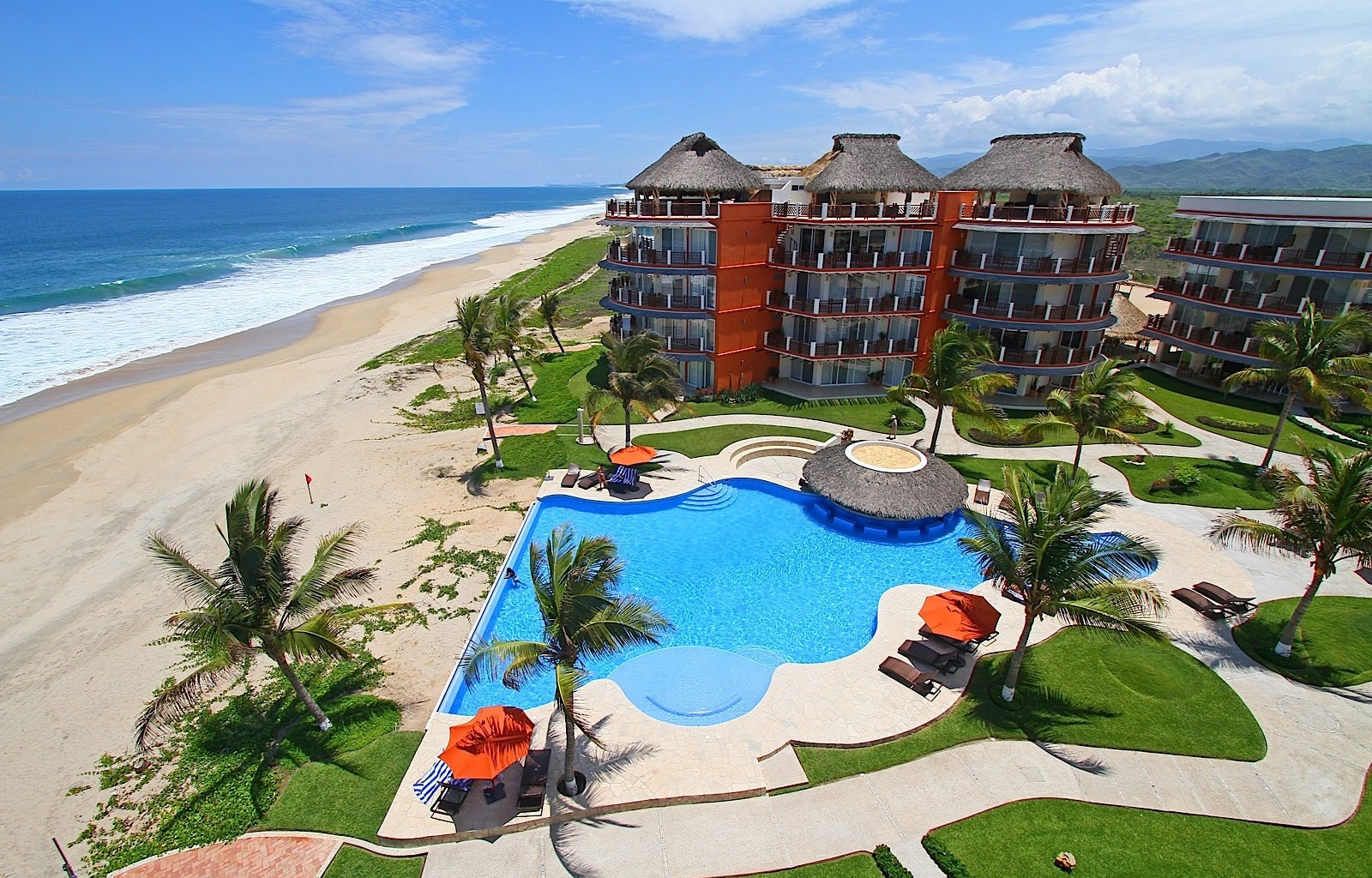
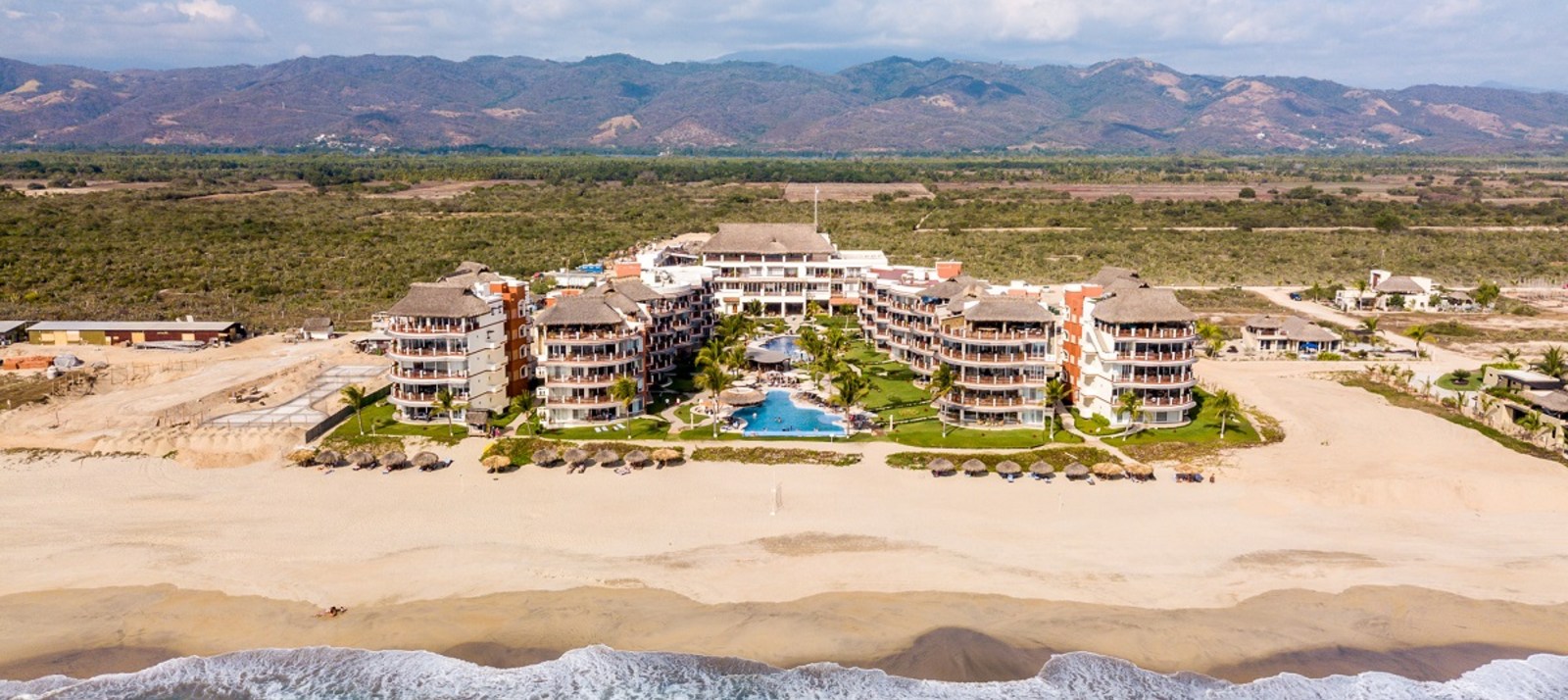
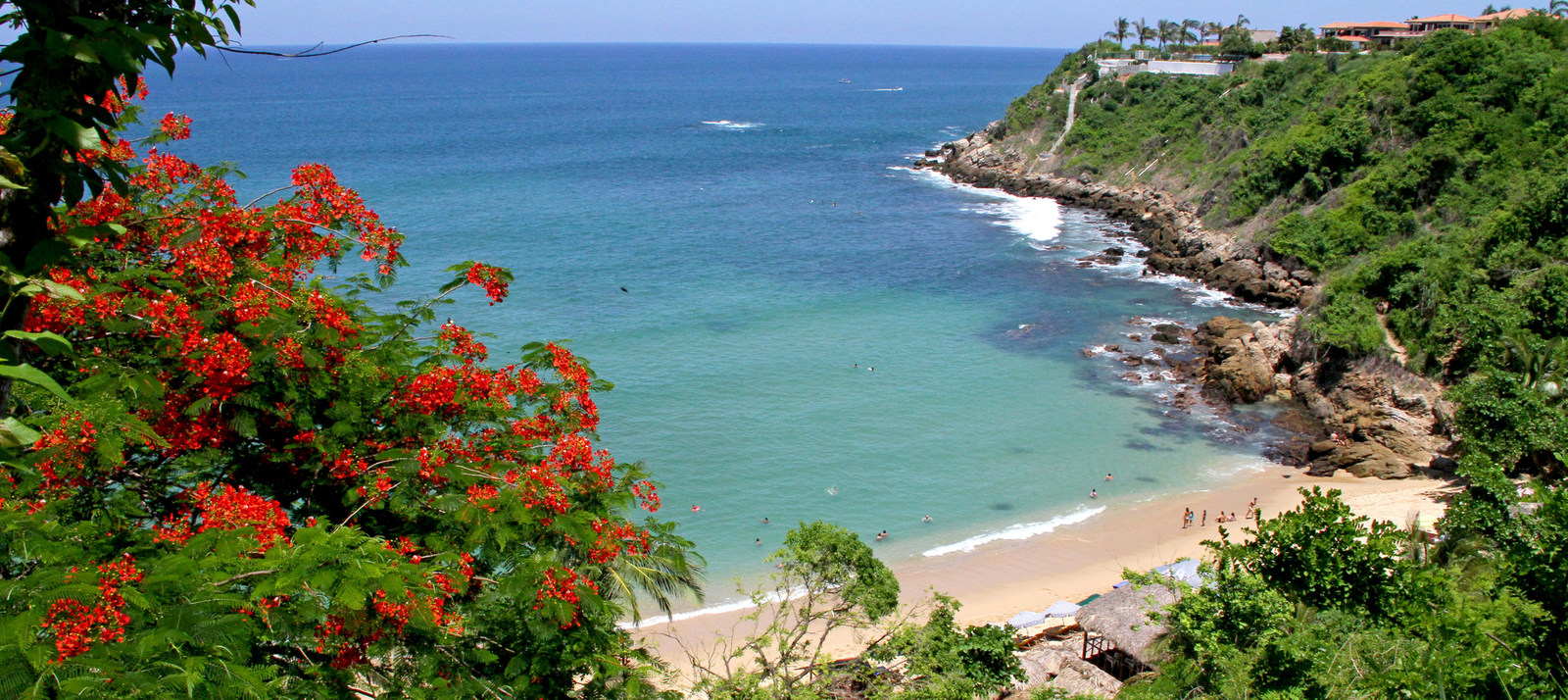
Playa Palmarito offers the kind of open Pacific shoreline that can make a bodyboarding session memorable: long views, warm water and enough space to choose a comfortable stretch of sand. Conditions can change with swell, wind, tide and weather, so the best place to ride is usually the section that matches your ability on that particular day rather than a permanently fixed break.
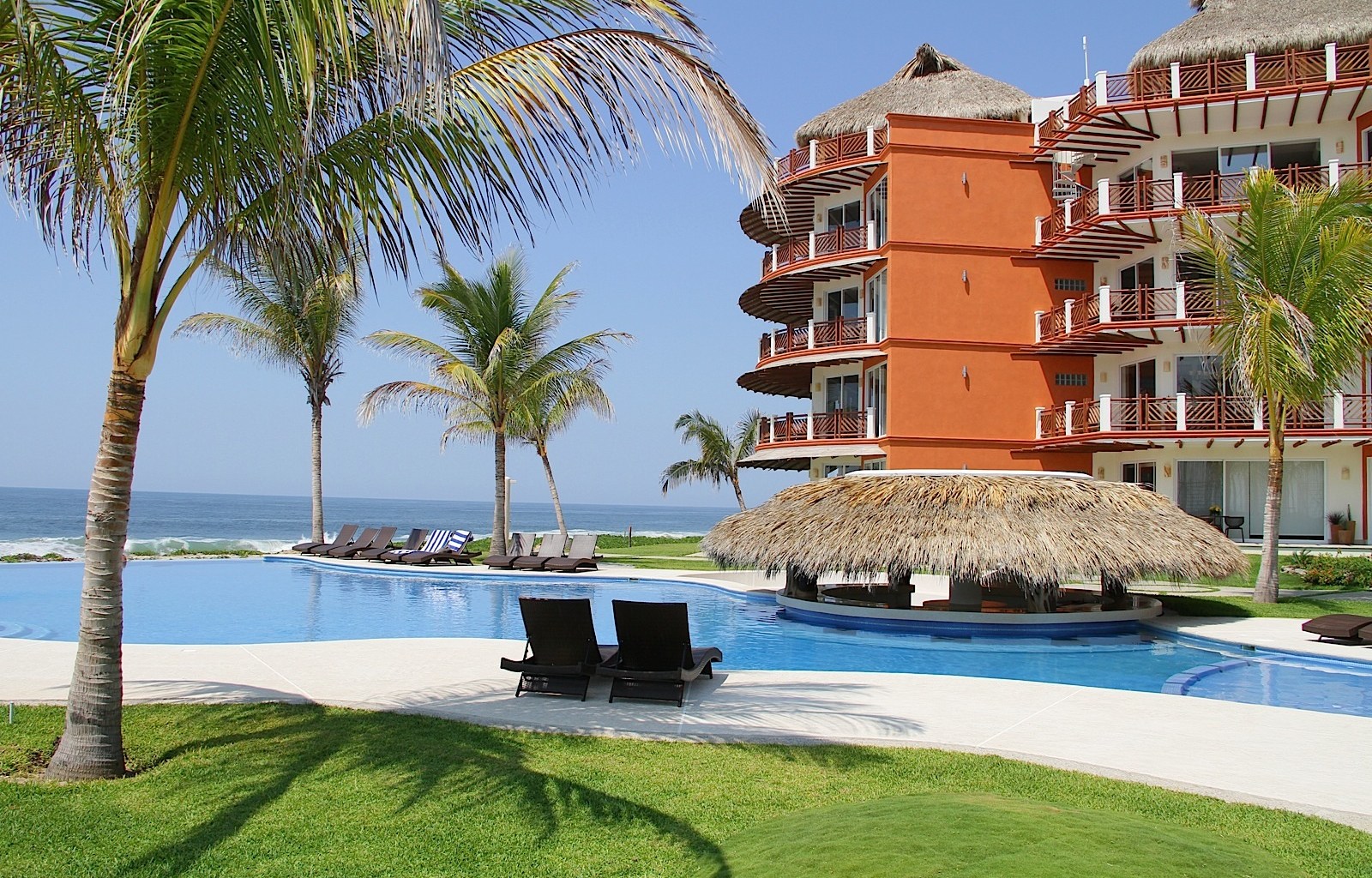
At Vivo Resorts, the beach is especially convenient for travellers who want ocean time without giving up space, dining or family facilities. Guests can walk from their accommodation to the sand, check conditions with the resort team and return easily for shade, lunch or a spa treatment.
| Beach area or condition | Best suited to | What to look for |
|---|---|---|
| Gentle inside shorebreak | Beginners and children | Small, spilling waves and a clear sandy entry |
| Open central beachfront | Intermediate riders | Consistent peaks with room between surfers |
| Sandbar with a clean shoulder | Confident bodyboarders | A smooth wave face and manageable current |
| Protected section on a calmer day | Families and casual riders | Reduced wind, smaller sets and easy supervision |
| Deeper water beyond the break | Experienced riders only | Stronger swell, rip-current awareness and an exit plan |
Reading The Pacific Shoreline
The most approachable section is generally the sandy inside break close to shore, particularly when the swell is modest. This area gives beginners a short ride and a quick return to shallow water. Look for waves that peel or spill rather than dump suddenly, and avoid any stretch where the water surges forcefully up the beach.
For intermediate riders, a more open part of the resort frontage may produce cleaner peaks when the tide and wind cooperate. Walk along the beach before choosing a launch point: compare wave spacing, watch where other swimmers are entering and identify the safest route back to dry sand. A few minutes of observation can reveal whether the day favours a shorebreak session or a more cautious swim.
Matching The Spot To Your Ability
A boogie board is forgiving, but the ocean is not. First-time riders should stay where they can stand comfortably, face shore and catch smaller waves from the whitewater. Keep the board in front of the body, protect the head when falling and never ride directly towards another swimmer.
Confident bodyboarders may prefer a sandbar producing a longer shoulder, but only when there is no obvious rip current or heavy closing wave. A clean-looking peak can hide a strong sideways pull. If the water is moving rapidly along the beach, choose a different section and keep checking your position against a fixed landmark such as a palapa, stairway or resort building.
Timing Tides And Swell
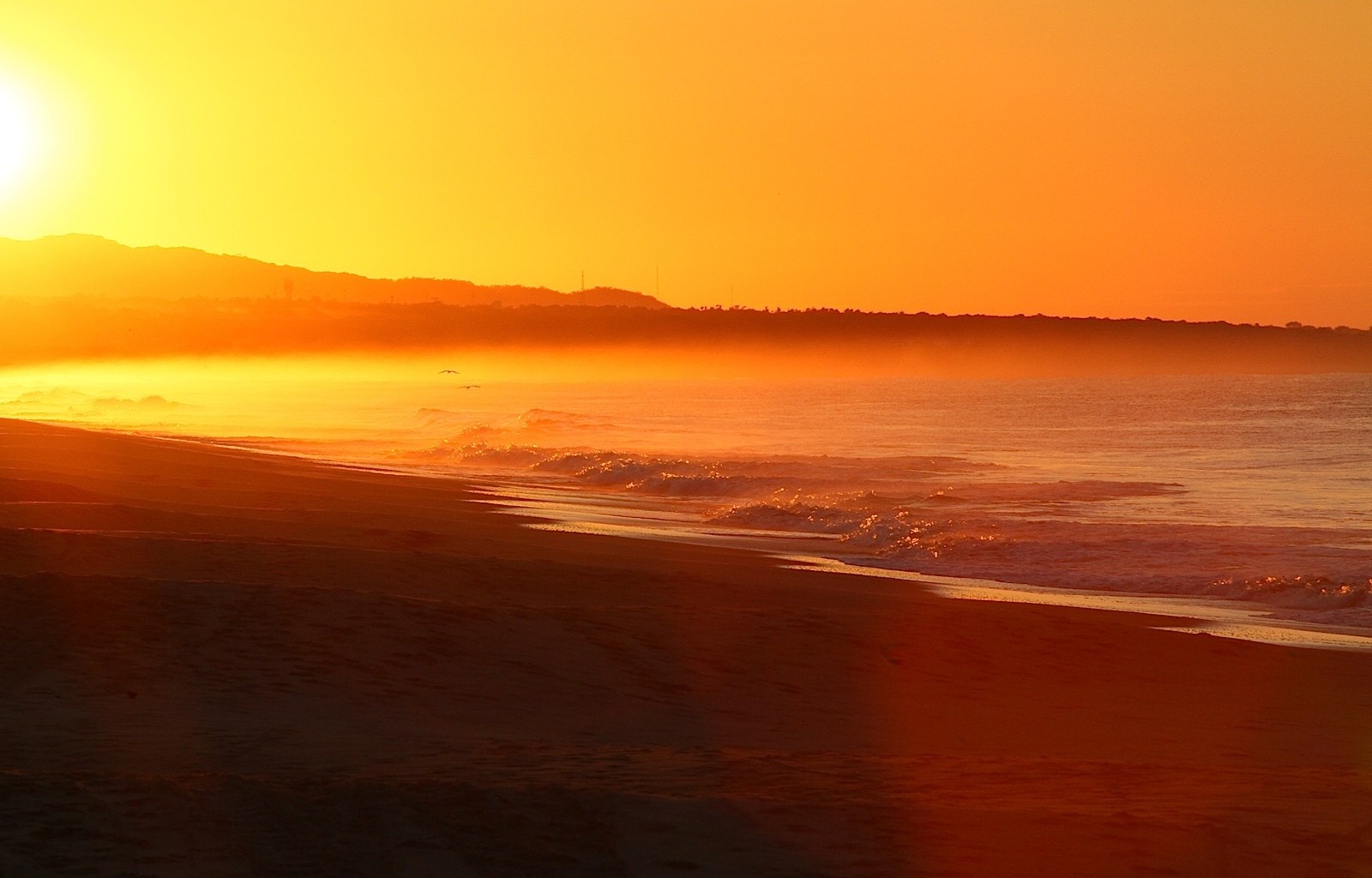
Early morning often brings calmer winds and a more organised surface, making it a sensible time for a first session. Late afternoon can offer appealing light and warmth, yet wind may increase and visibility can fall as the sun drops. Always leave enough time to exit before dusk rather than trying to squeeze in one final ride.
Tide height changes the character of a beachbreak. A lower tide can make waves steeper and shallower, while a higher tide may soften the impact or move the breaking zone closer to shore. Conditions along Oaxaca’s coast vary by season, so resort staff and local water-safety advice are more reliable than assuming Playa Palmarito will behave like a familiar beach at Bondi or the Gold Coast.
Equipment For A Comfortable Session
Choose a board with enough buoyancy for the rider’s size and a secure wrist leash. Fins can improve control for stronger swimmers, though they should be used carefully near other bathers and never in crowded shallows. A rash vest helps prevent rubbing, and reef-safe sun protection is valuable during long periods on reflective sand and water.
Australian visitors are often disciplined about sunscreen because Cancer Council guidance and TGA-regulated SPF products make broad-spectrum SPF50+ part of everyday beach habits. Reapply after swimming, even when the water feels cool. A long-sleeved swim top, wide-brimmed hat and regular breaks in shade are particularly useful for children and anyone not acclimatised to tropical Pacific sun.
Families staying in larger beachfront villas can organise boards, towels and dry clothing without turning a short surf session into a complicated outing. Keep equipment clear of walkways, rinse off sand where facilities allow and store boards securely after use.
Family Safety And Beach Etiquette
Australian families may be accustomed to red-and-yellow flags, patrol towers and clearly marked swimming zones at beaches such as Manly or Surfers Paradise. Playa Palmarito may not provide the same level of routine surf patrol infrastructure, so do not assume that an empty beach is automatically safe. Check the day’s advice with the resort, obey warning flags or signs and keep children within close, active supervision.
Rip currents, shorebreaks and submerged changes in depth deserve respect. Never use an inflatable pool toy as a substitute for a bodyboard, and do not enter the water during lightning, rough surf or visibly deteriorating conditions. Mexican beach rules and local instructions apply while you are in Oaxaca; Australian regulations, including state-based beach and water-safety rules, do not transfer overseas.
Give swimmers and surfers plenty of room, take turns at a peak and avoid riding across someone’s path. Keep the beach clean, carry rubbish back to the resort and protect wildlife. These simple habits matter in a less crowded coastal setting where a quiet stretch can feel private but remains a shared public environment.
Building A Relaxed Beach Day
A good bodyboarding outing does not need to occupy the whole day. Pair a morning session with breakfast, a shaded pool break or a walk along the sand, then return when the wind and tide look more favourable. Guests comparing the cost of separate activities with a bundled stay can review the available holiday packages, while keeping weather flexibility in mind.
Food and hydration are easy to overlook when the water is warm. Carry drinking water, take breaks before feeling exhausted and choose a proper meal rather than relying on snacks alone. The resort’s dining options make it practical to refuel without travelling into town, which is useful for families working around naps or younger children’s energy levels.
Australian travellers should also allow for local purchasing realities: prices may be displayed in Mexican pesos, card acceptance can vary and exchange rates can make small beach purchases feel less predictable in Australian dollars. A little cash, sun protection and a dry bag for phones are sensible additions to a beach kit.
A Simple Way To Choose Your Launch Point
Start by walking the frontage and watching several sets. Select the calmest sandy entry with the least cross-current, then match the wave size to the least experienced person in your group. If the shoreline looks powerful or confused, enjoy the view, use the pools or postpone the session rather than forcing conditions.
The practical rule is simple: observe first, stay within your ability, follow resort and local safety advice, and leave the water while you still have energy and daylight.