The Best Body-Surfing Beaches Near Playa Palmarito
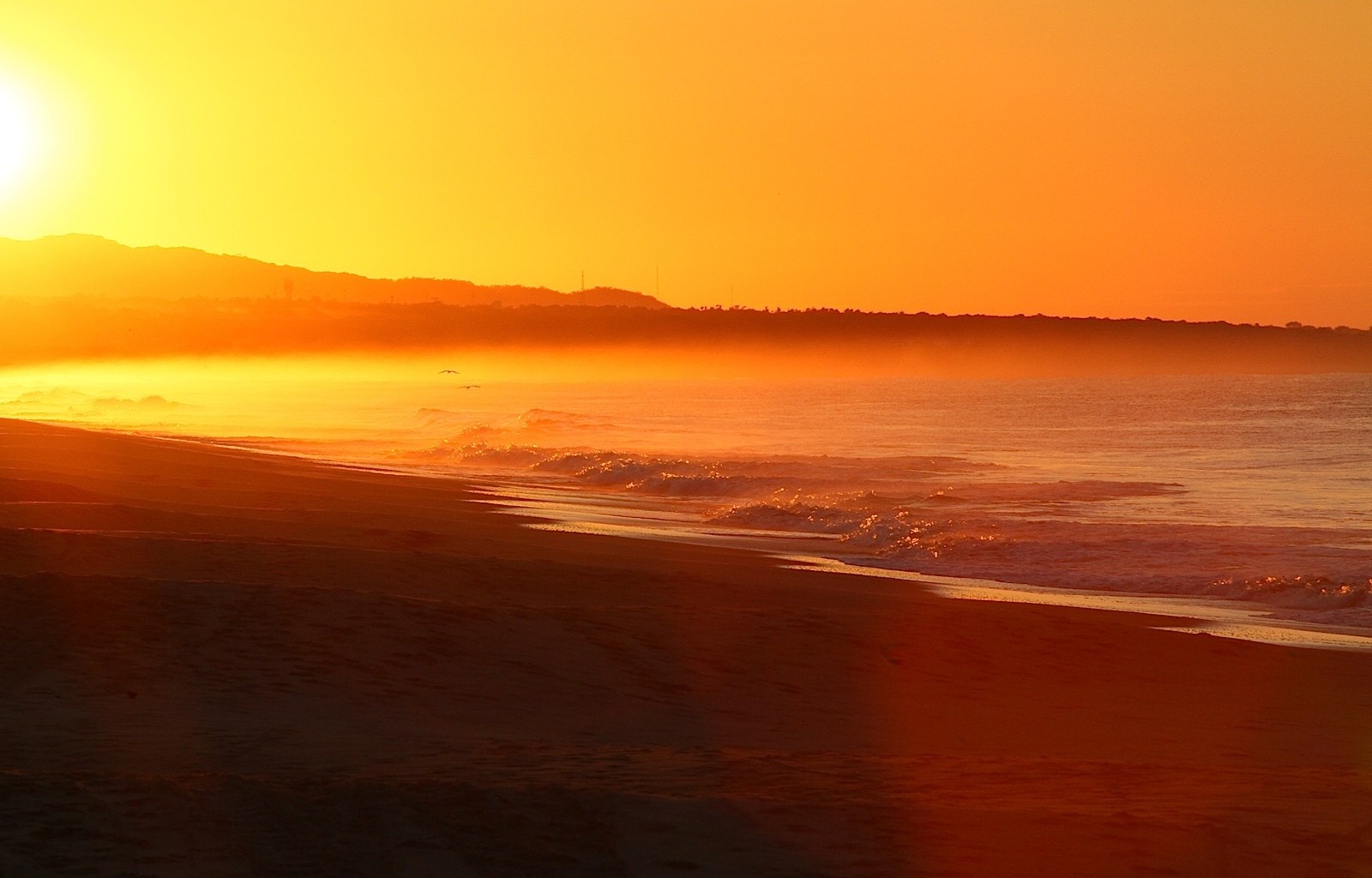
Playa Palmarito sits along Oaxaca’s Pacific coast, close enough to Puerto Escondido for day trips but far enough from the town centre to feel spacious and unhurried. Its long sandy shoreline is a natural starting point for swimmers who enjoy catching an unbroken wave with their body rather than relying on a board.
The coastline changes quickly from beach to beach. Some stretches suit confident swimmers looking for punchier shore break, while others offer more manageable conditions for families, first-timers and anyone who would rather enjoy a gentle dip than a serious surf session. Local advice, tide timing and respect for rip currents matter everywhere.
Playa Palmarito for convenient ocean time
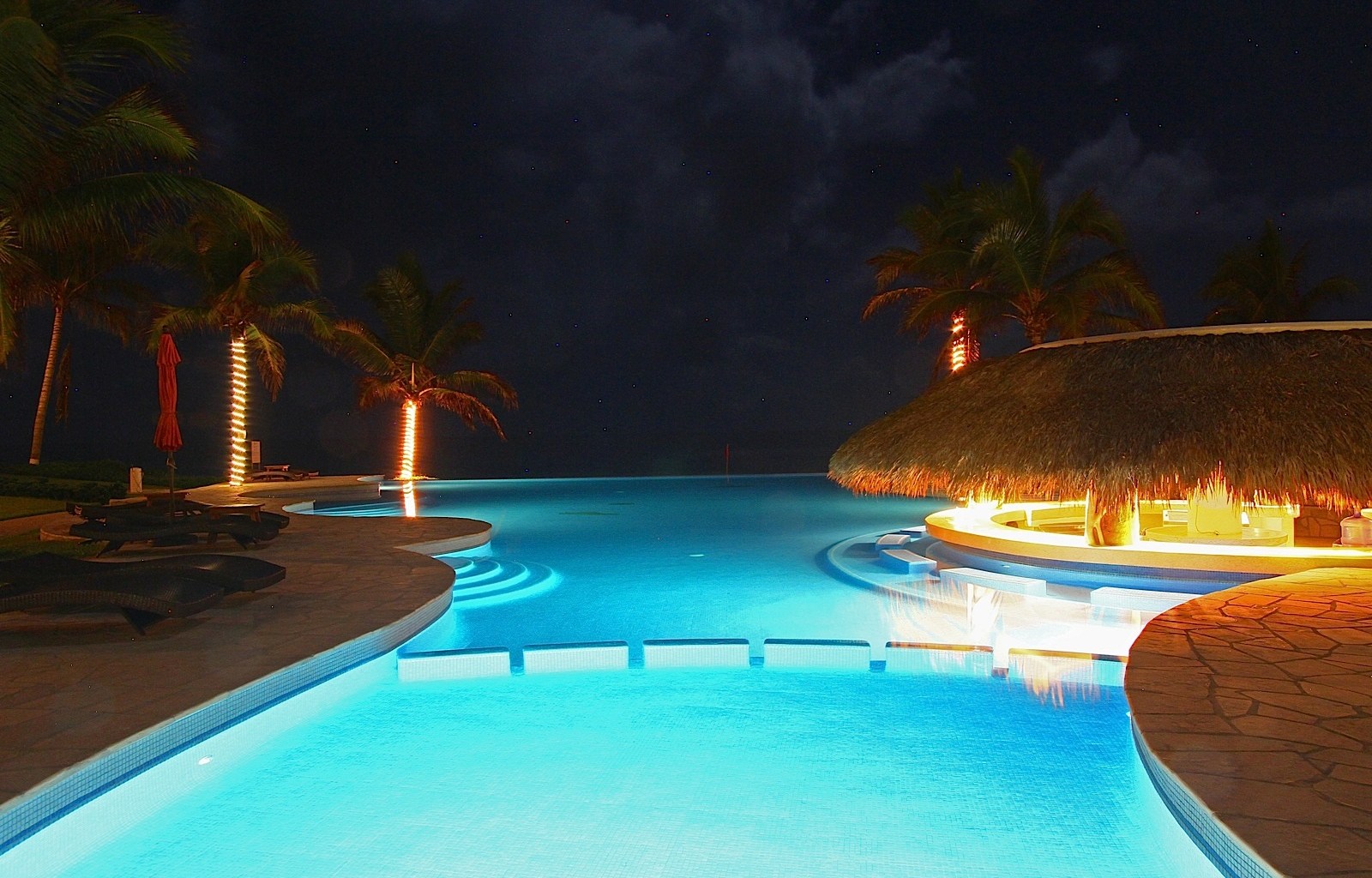
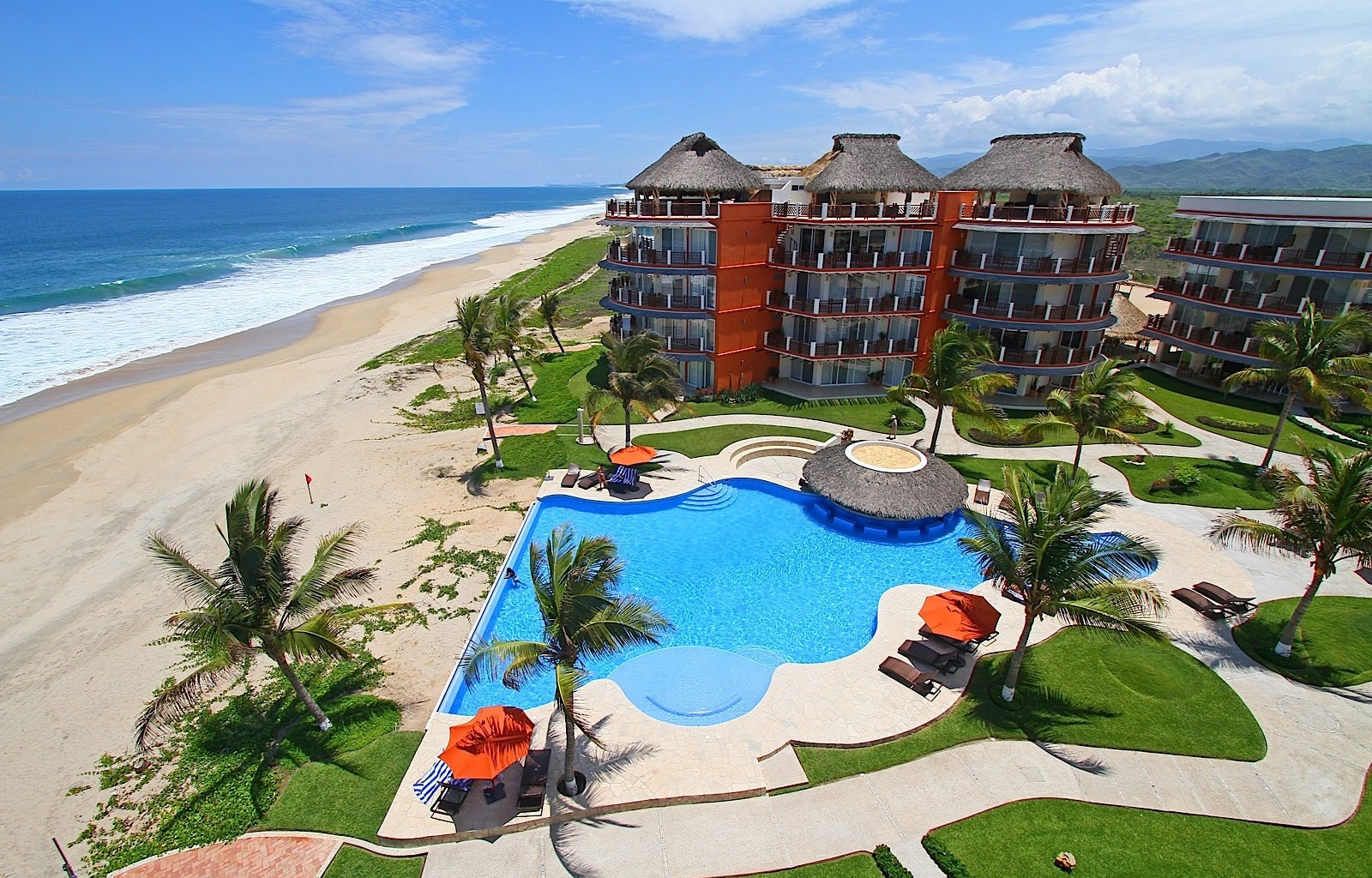
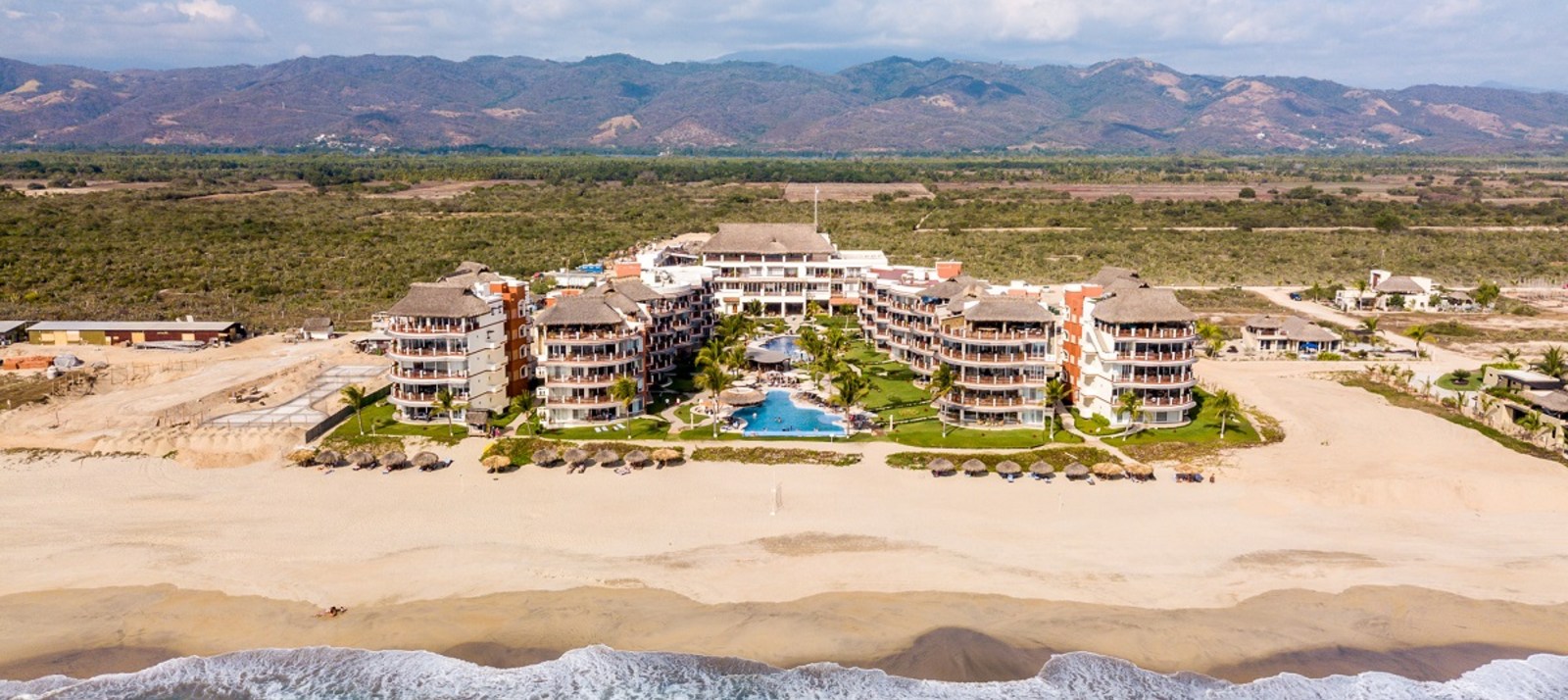
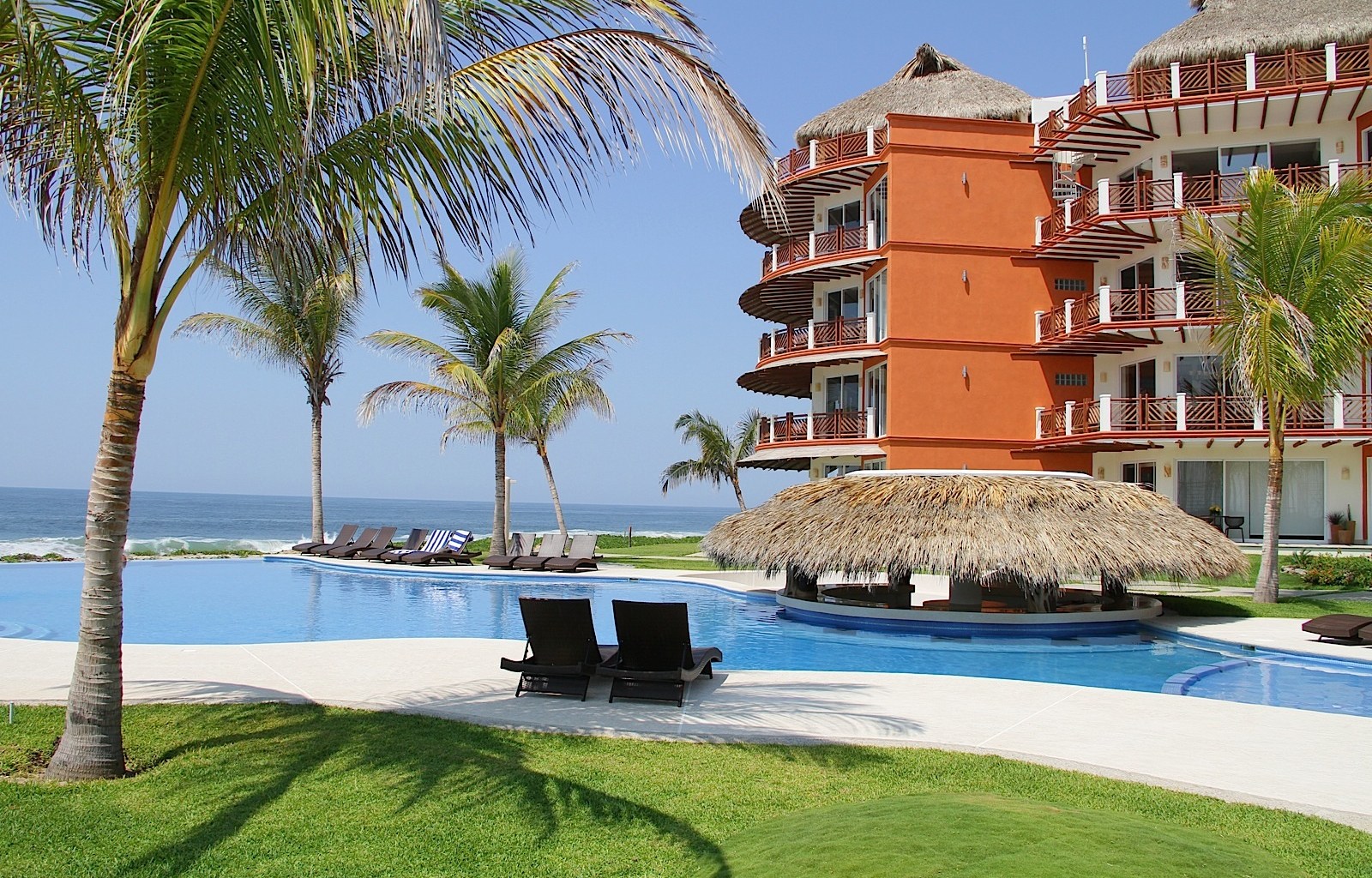
The beach directly in front of Vivo Resorts is the easiest option for a spontaneous body-surfing session. There is no transfer, complicated planning or need to carry equipment across town. Depending on the swell and tide, waves can form across the broad sandy beach, giving capable swimmers room to choose a less crowded section.
Pacific surf can be powerful, particularly during larger swells. Swim near the area recommended by resort staff, avoid entering close to rocks or unfamiliar channels, and never assume a calm-looking surface means there is no current. Australian travellers will recognise the same basic beach rule used around Bondi, the Gold Coast and regional surf beaches: if you are unsure, ask a lifeguard or local expert before heading into the break.
Carrizalillo for a more sheltered setting
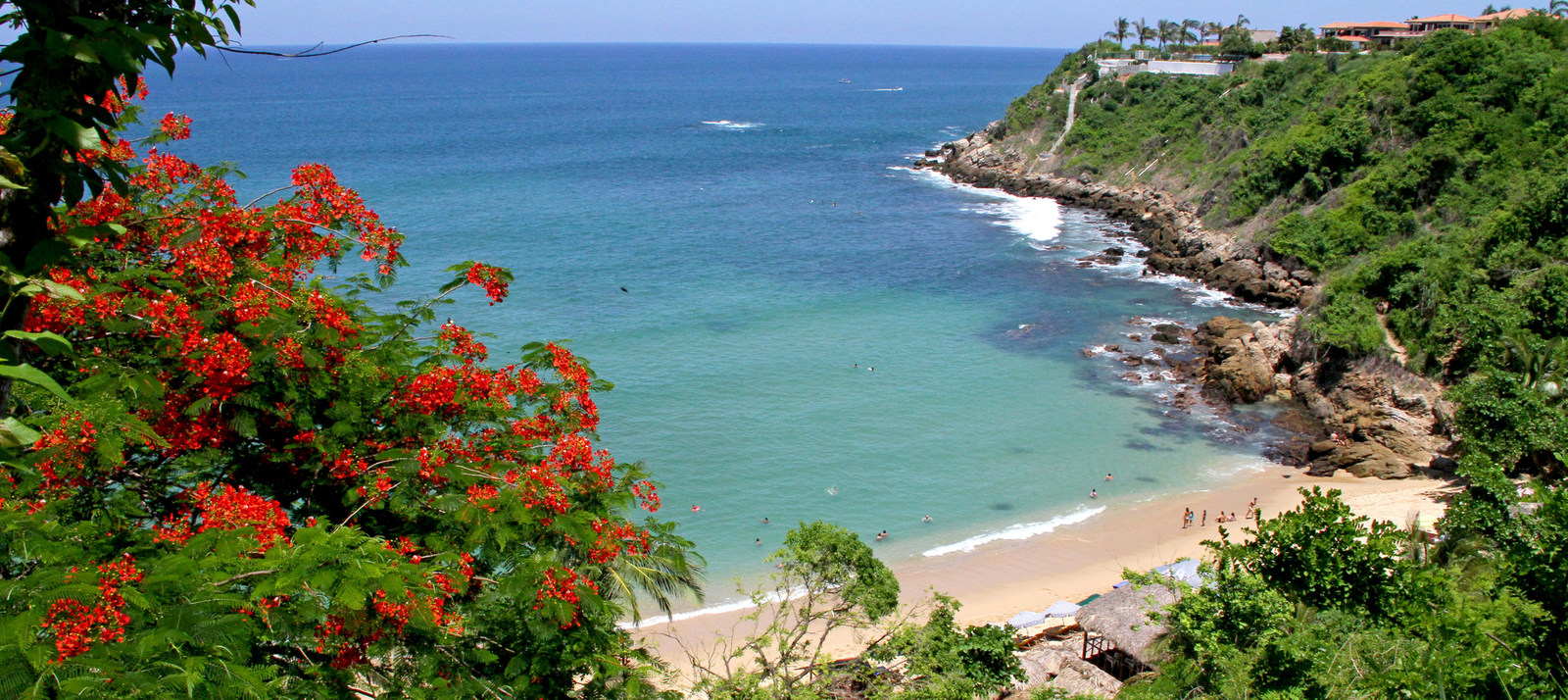
Playa Carrizalillo is one of the most appealing choices for a relaxed swim near Puerto Escondido. Nestled inside a curved bay, it generally has a more protected feel than the open beaches facing the full Pacific swell. Smaller waves can provide a friendly introduction to body surfing, especially for adults and older children who are comfortable in moving water.
Access involves a substantial staircase, so the return climb can be tiring after a hot afternoon in the ocean. The beach is also popular, and its conditions vary with tide and weather. Visit earlier in the day for a calmer atmosphere, bring drinking water and use reef-conscious sun protection. Australians used to packing a rash vest and SPF 50+ for a beach day will find both especially useful in Oaxaca’s strong sunshine.
Bacocho Beach for a broad sandy shoreline
Playa Bacocho offers a wide, open beach near Puerto Escondido, with plenty of sand and a more expansive Pacific outlook. Its shore break can be enjoyable for experienced body surfers when the waves are moderate, but the exposed position means conditions can change quickly. It is better suited to confident swimmers than to young children or anyone still learning how to read surf.
Bacocho is also a good place to combine ocean time with a quieter stretch of coastline. Check the water before entering, watch for rip channels and stay within easy swimming distance of your companions. If a wave looks too steep or the current is pulling sideways, wait for a smaller set rather than trying to force the session. That patient approach is familiar to Australians who know that even a beautiful beach can demand serious respect.
Zicatela and La Punta for experienced swimmers
Playa Zicatela is internationally known for its powerful surf, dramatic shore break and professional surfing culture. It is not the default recommendation for casual body surfing. Large waves, strong currents and shifting sandbars can make the water hazardous, even for people who are comfortable in Australian surf.
La Punta, at the southern end of Zicatela, may offer smaller or more approachable waves on some days, but it is still an exposed coastline rather than a guaranteed beginner beach. Conditions depend on swell direction, tide and local sand movement. Watch surfers and speak with a local instructor before entering. A short taxi ride from the resort can bring you into Puerto Escondido’s lively beach scene, but a lively scene should not be mistaken for a supervised swimming area.
Puerto Angelito and Manzanillo for calmer water
Playa Puerto Angelito and neighbouring Playa Manzanillo sit in small coves that are often favoured for swimming, snorkelling and low-key family beach time. Their protected shape can reduce the force of incoming waves, making them useful alternatives when the open coast is too rough. They may not deliver the same exhilarating body-surfing ride as Palmarito or Bacocho, but they can be ideal for a quieter ocean day.
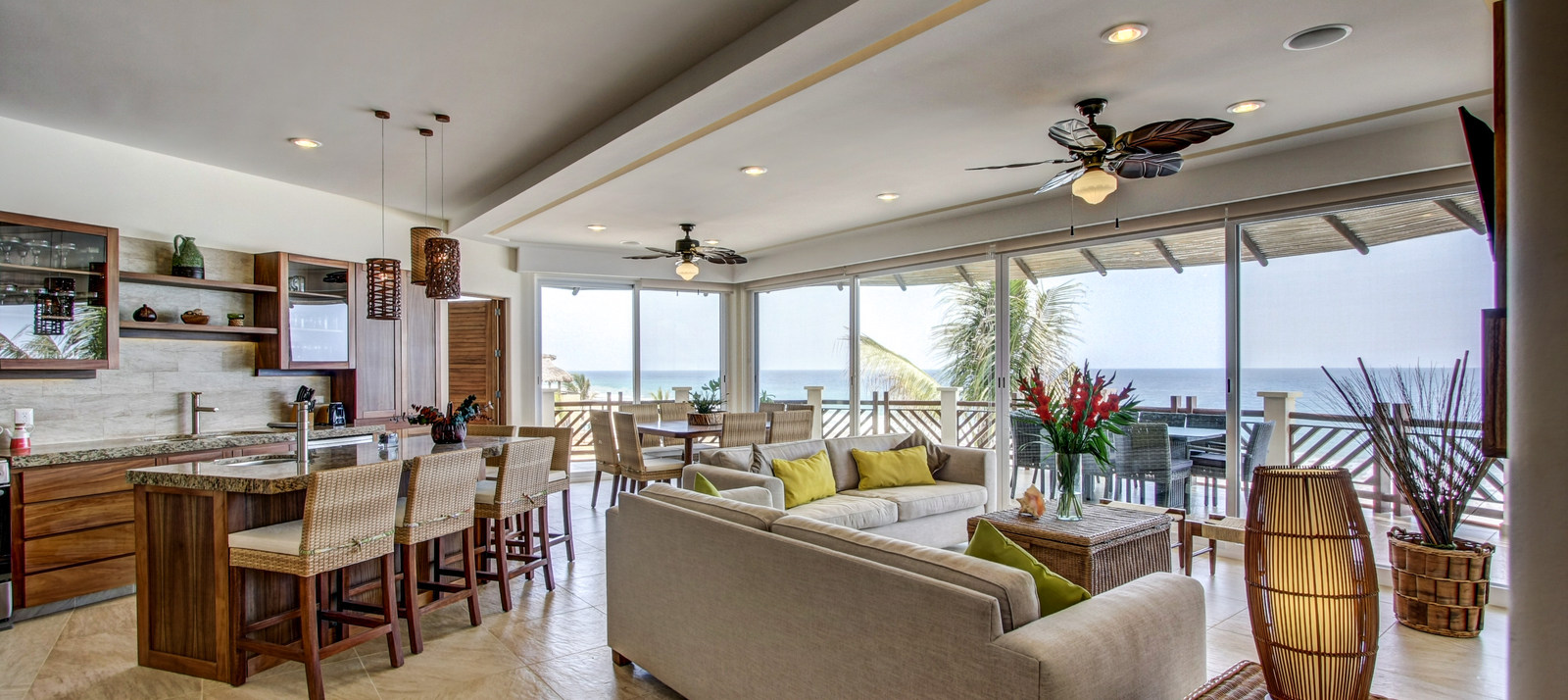
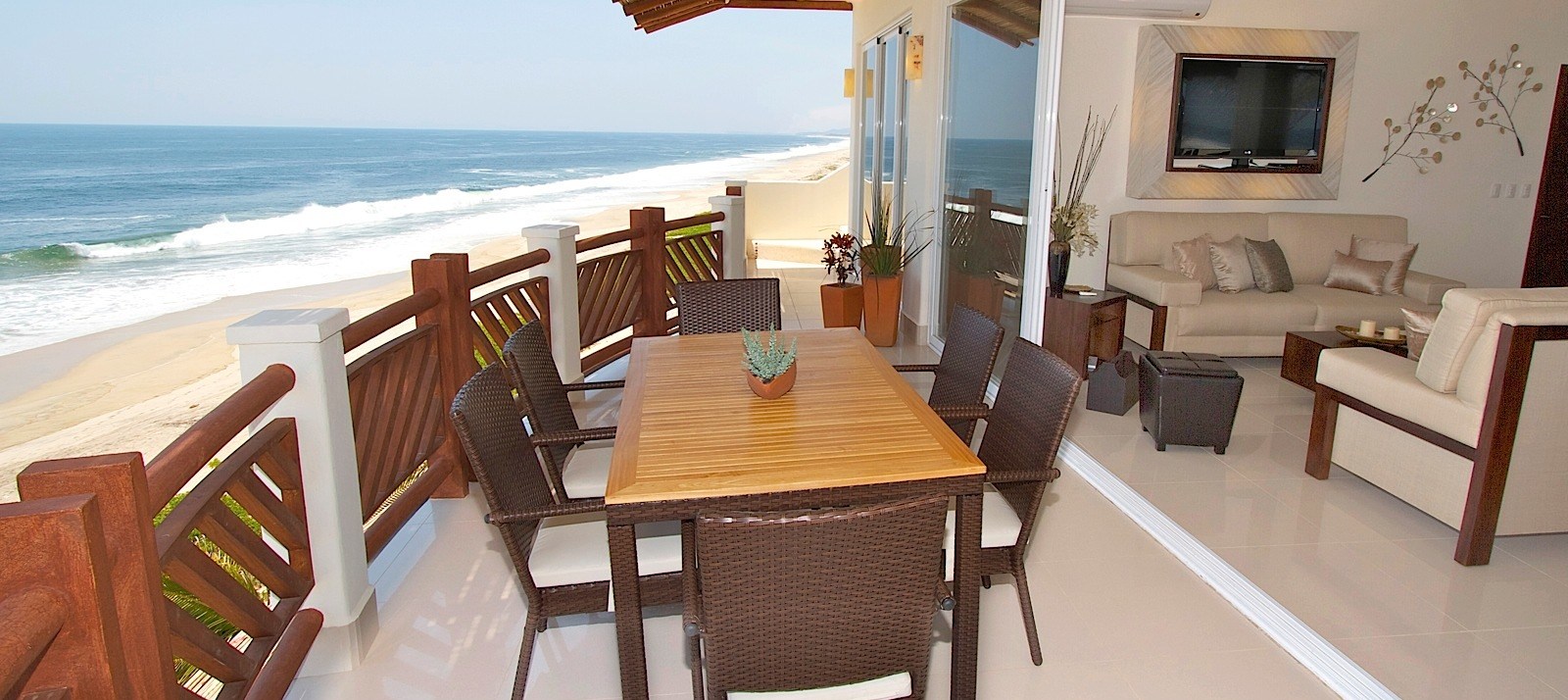
These coves are also convenient when different people in your group want different experiences. Stronger swimmers can explore the water while others stay close to shore, enjoy a meal or relax in the shade. Families comparing spacious accommodation options may appreciate the practical benefits described in this guide to family-friendly suites, particularly when wet gear, beach towels and post-swim downtime all need room.
Planning a safer body-surfing day
The best beach depends on the day’s conditions, not just its reputation. Ask the Vivo Resorts concierge about the current surf, safe swimming areas and transport before setting out. The concierge can also help organise a local guide or adjust plans when the ocean changes; these last-minute activities can be useful when a morning beach looks better than an afternoon outing.
Travel timing matters for Australians, especially families working around school holidays and a long international journey. Many visitors arrive via Mexico City or another major gateway, so allowing a quiet first day can help everyone adjust before tackling open surf. In local beach conversation, an “arvo” swim might sound familiar, but late afternoon conditions are not always the gentlest; wind and swell can build, and visibility may fall as the sun lowers.
Use the buddy system, keep children within arm’s reach in breaking water and leave the beach if thunder or rapidly worsening weather appears. A flotation device is not a substitute for supervision, and swimming outside a designated or locally recommended area can put you close to an unseen rip. For a simple plan, start with Palmarito or a sheltered cove, check conditions with resort staff, and save Zicatela for observation unless an experienced local guide says the water is suitable.