Helping Kids Learn To Swim In Shallow Resort Pools
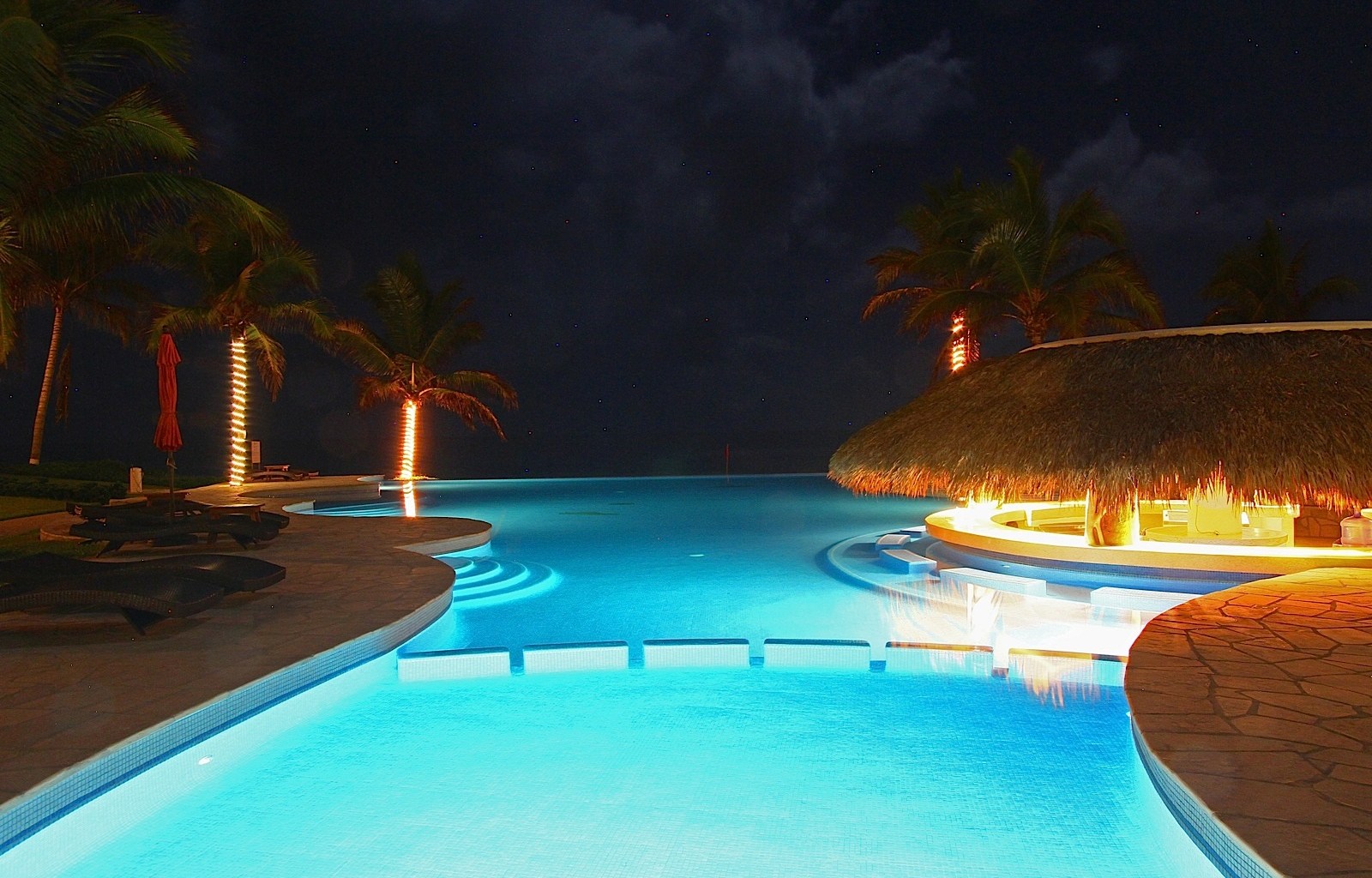
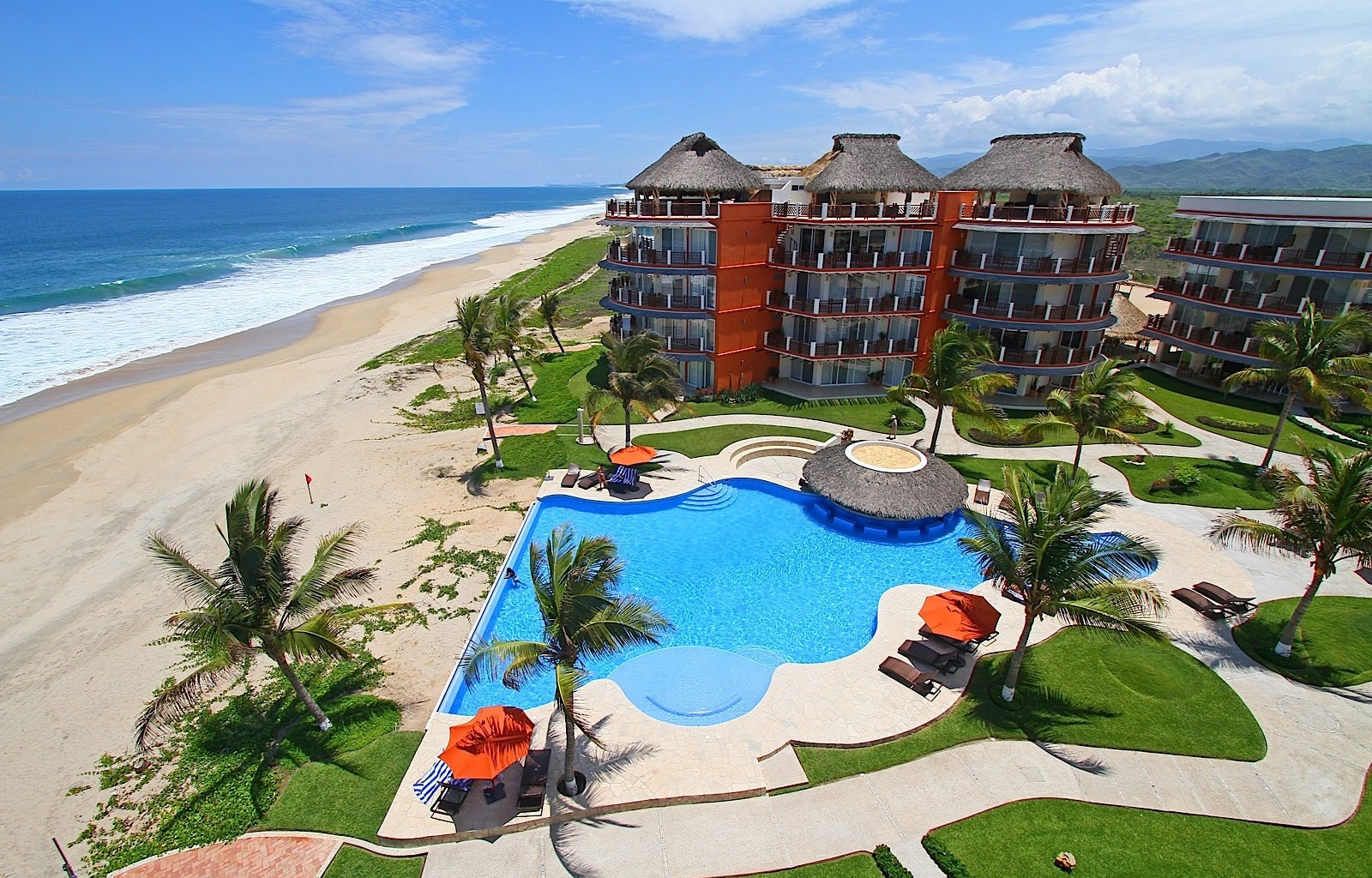
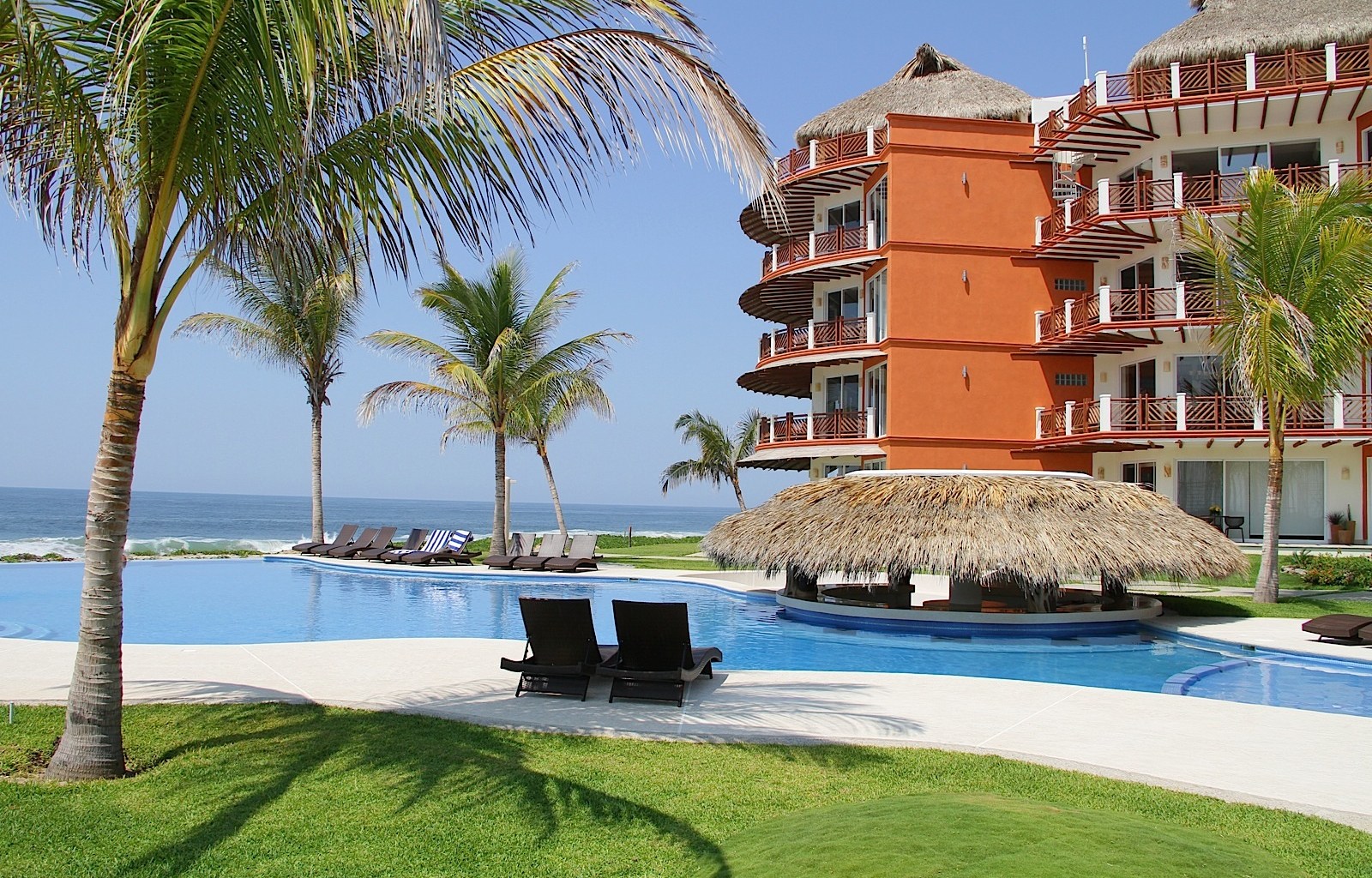
A resort holiday can be an ideal time to help a child feel comfortable in the water. At Vivo Resorts, the shallow pool areas provide a calmer setting than the open sea, giving young swimmers room to practise floating, kicking and gentle movement at their own pace.
For Australian families, the experience may feel familiar if children attend lessons at a local swim school in Sydney, Melbourne, Brisbane or Perth. However, a new pool, warm weather and holiday excitement can change how a child responds. Short, relaxed sessions usually work better than trying to recreate a formal weekly class.
The aim is water confidence rather than perfect technique. A child might begin by sitting on the steps, blowing bubbles or holding a parent’s hands. These small achievements help make future swimming lessons and beach visits less intimidating.
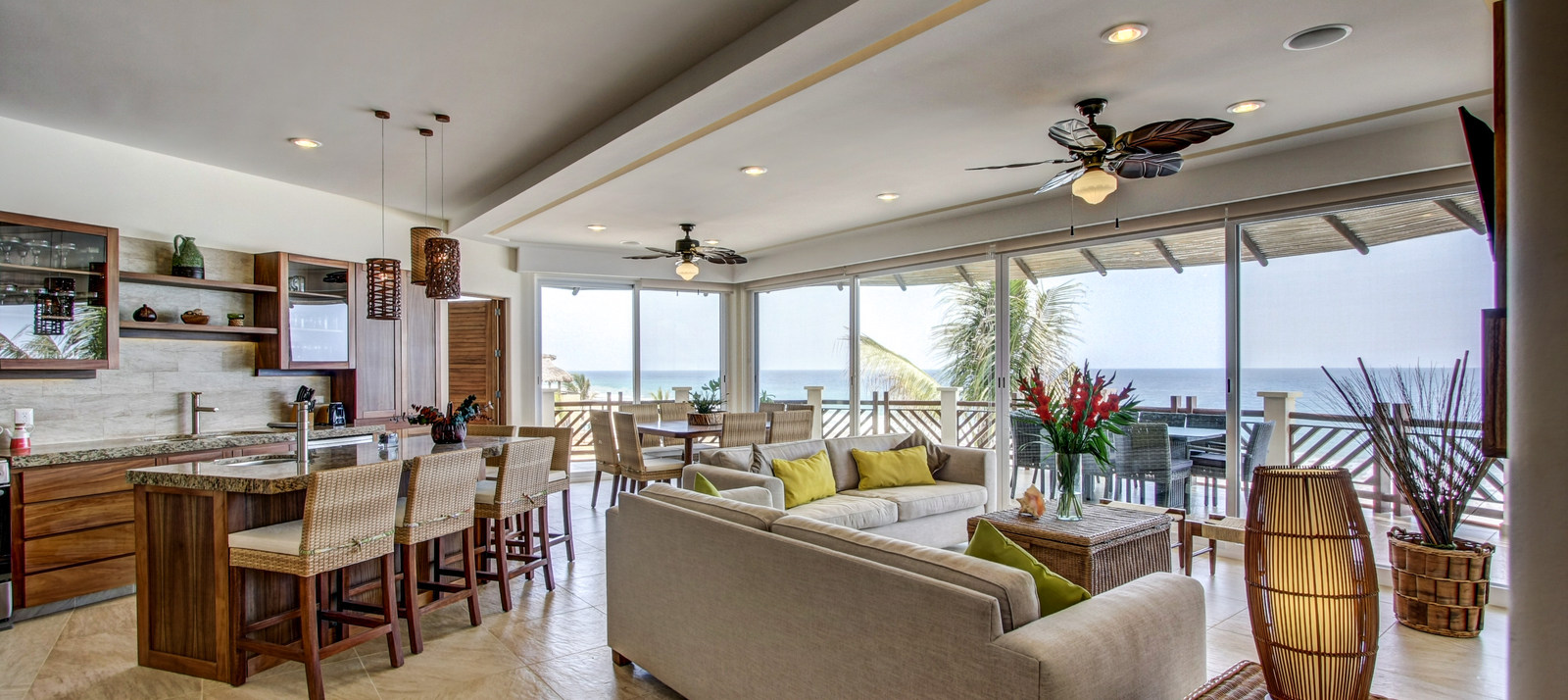
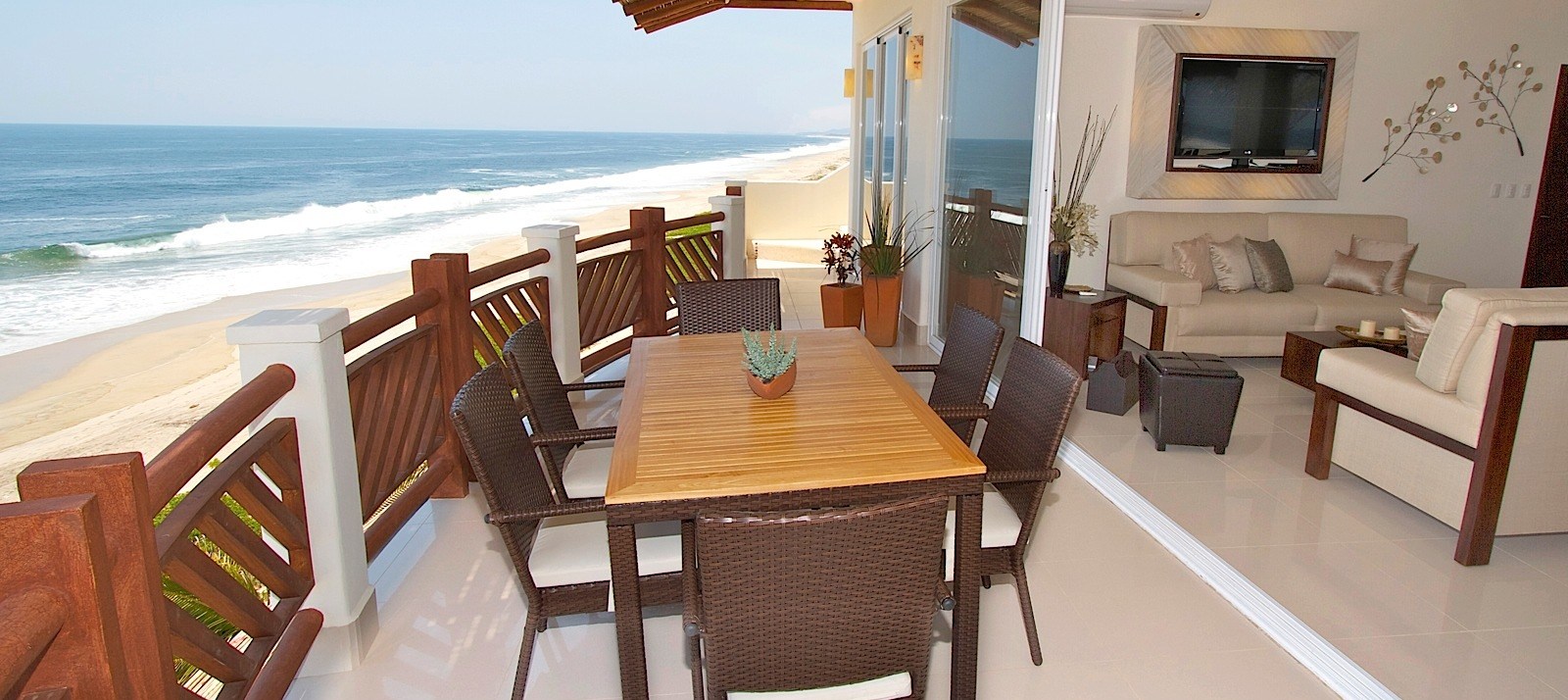
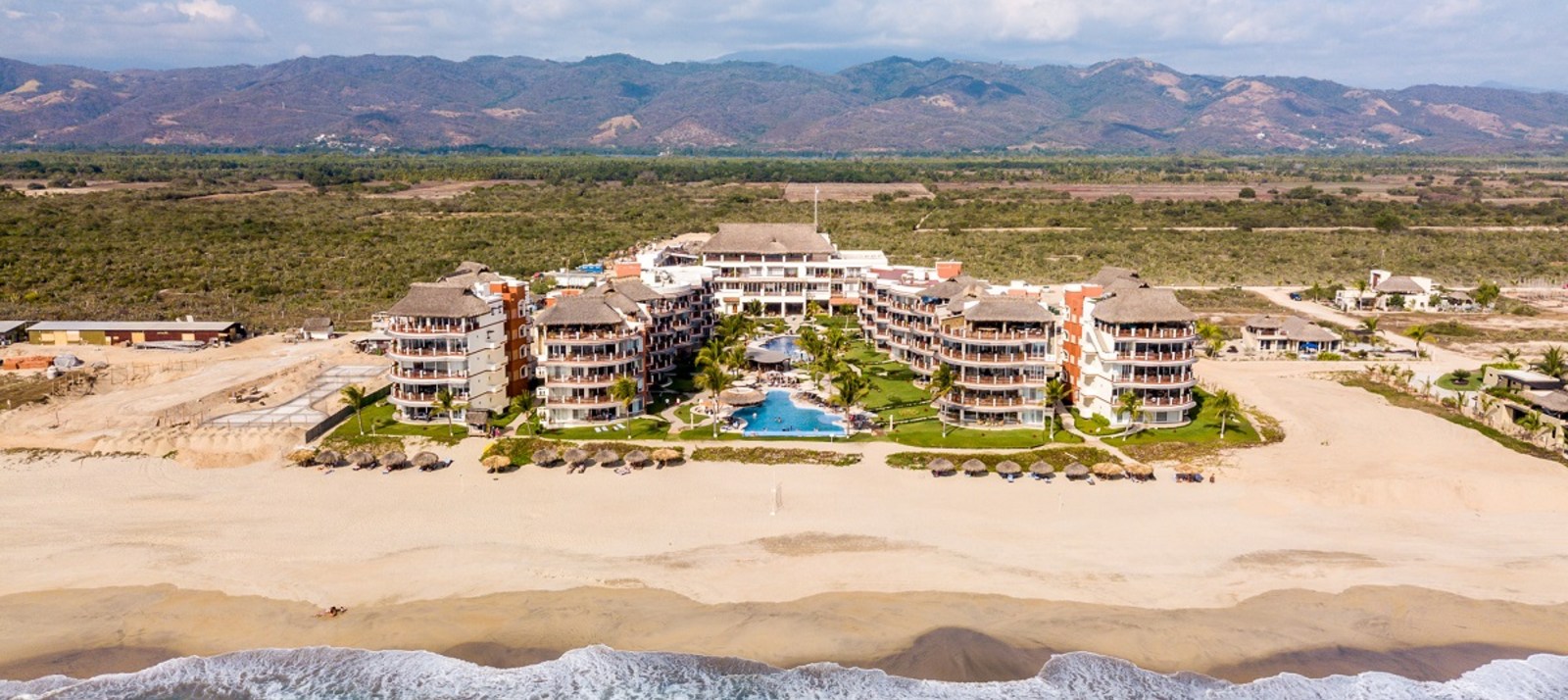
Vivo’s all-suite accommodation also makes it easier to fit practice around naps, meals and family time. Families staying in Vivo private villas can establish a familiar routine while enjoying Playa Palmarito and the wider Puerto Escondido coastline.
Select A Calm Starting Spot
Choose a shallow section with clear visibility, a firm floor and enough space for your child to move without bumping into other guests. Avoid beginning during the busiest period, when splashing, loud music and crowded water can overwhelm a beginner.
Walk through the area together before getting in. Point out the steps, pool edge and where towels will stay. Let your child touch the water with their hands or feet first, then decide whether to sit, stand or be held. Giving children limited choices can make the experience feel manageable.
Stay within arm’s reach throughout the session. Shallow water is not automatically safe for a non-swimmer, and children can lose balance quickly. Follow the resort’s pool rules, observe any depth markings and speak with staff if you are unsure which areas are intended for younger guests.
Create Familiarity Before Technique
Begin with games that build comfort rather than asking for formal strokes. Pour water from a cup over your child’s hands, practise making small splashes and encourage them to blow bubbles at the surface. If water on the face is upsetting, start by blowing across the water instead.
Use simple language and demonstrate each action yourself. “Hold the wall,” “bubble, bubble, breathe” and “kick softly” are easier to follow than a long explanation. Praise effort and calm behaviour, such as holding the edge for three seconds or returning to the steps after a wobble.
Avoid forcing a child underwater or pulling them away from the wall without warning. Those methods can create fear and make later lessons harder. A child who finishes a five-minute session feeling successful is more likely to enjoy the next one.
Teach Skills In Small Steps
A useful progression is support, balance, movement and recovery. Hold your child under the chest while they practise a gentle flutter kick. Next, let them hold a noodle or the pool edge, then encourage a short glide back towards you. Finish by practising how to stand up in shallow water.
Floating deserves special attention because it teaches children to relax rather than fight the water. Support the head and upper back, ask the child to look towards the sky and count slowly. Release support gradually, but return your hands immediately if the child becomes tense or unsettled.
| Skill | Simple resort exercise | Ready to progress when |
|---|---|---|
| Water comfort | Pour water over hands and blow bubbles | The child stays relaxed near the surface |
| Kicking | Hold the wall and kick gently | Legs move without frantic splashing |
| Floating | Support the back while counting | The child can relax for several seconds |
| Gliding | Push gently from the wall towards an adult | The child reaches the adult calmly |
| Recovery | Bend knees and stand from a float | The child can regain an upright position |
Use several short practices rather than one long lesson. Five to fifteen minutes may be enough for a young child, especially in warm weather. Stop while concentration and mood are still positive, rather than waiting for tiredness or frustration.
Keep Supervision And Sun Safety
Australian families are generally familiar with active water supervision, but holiday conditions still require care. The Royal Life Saving Society Australia promotes close, constant supervision of young children around water. A parent should remain focused on the child rather than reading, taking photos or checking a phone.
Pool fencing and safety requirements differ between Australian states and territories, while resorts in Mexico operate under local rules. Treat barriers, gates and signs as important safety features, but never as a substitute for an attentive adult. Keep drinks, phones and towels within easy reach before entering the pool.
Sun exposure is another practical consideration. UV levels can be intense on Mexico’s Pacific coast, just as they can during summer in Brisbane or Perth. Use broad-spectrum sunscreen, reapply according to the product directions, provide a rash vest and hat during breaks, and plan practice outside the strongest midday heat. Offer water regularly, even when a child is busy playing.
Make Practice Enjoyable For Every Child
Children learn at different speeds, and siblings may need different approaches. One child may enjoy blowing bubbles while another prefers walking along the steps. Avoid comparisons, especially if one sibling already attends swimming lessons at home.
Turn repetition into a simple game: collect floating toys, “rescue” a parent’s hand or count three gentle kicks. Keep the activity predictable, with a beginning, one or two skills and a clear finish. Familiar structure helps children who become tired or overstimulated while travelling.
Useful habits for a relaxed pool session include:
- Choose a quiet time before lunch or after a nap.
- Bring goggles only if your child already enjoys wearing them.
- Keep the first goal as small as touching the water calmly.
- Use the same short safety phrases each time.
- Alternate skill practice with free play.
- End with a positive routine, such as a towel, drink and snack.
A flotation device can support play, but it should never be treated as swimming ability or a substitute for supervision. If your child is anxious, return to an easier activity and try again later rather than pushing through tears.
Carry Confidence Beyond The Pool
Pool practice should support, not replace, qualified instruction. When the family returns to Australia, continue with an accredited swim school or water-safety programme. Regular lessons in a familiar local pool can turn holiday confidence into dependable skills for beaches, lakes and backyard pools.
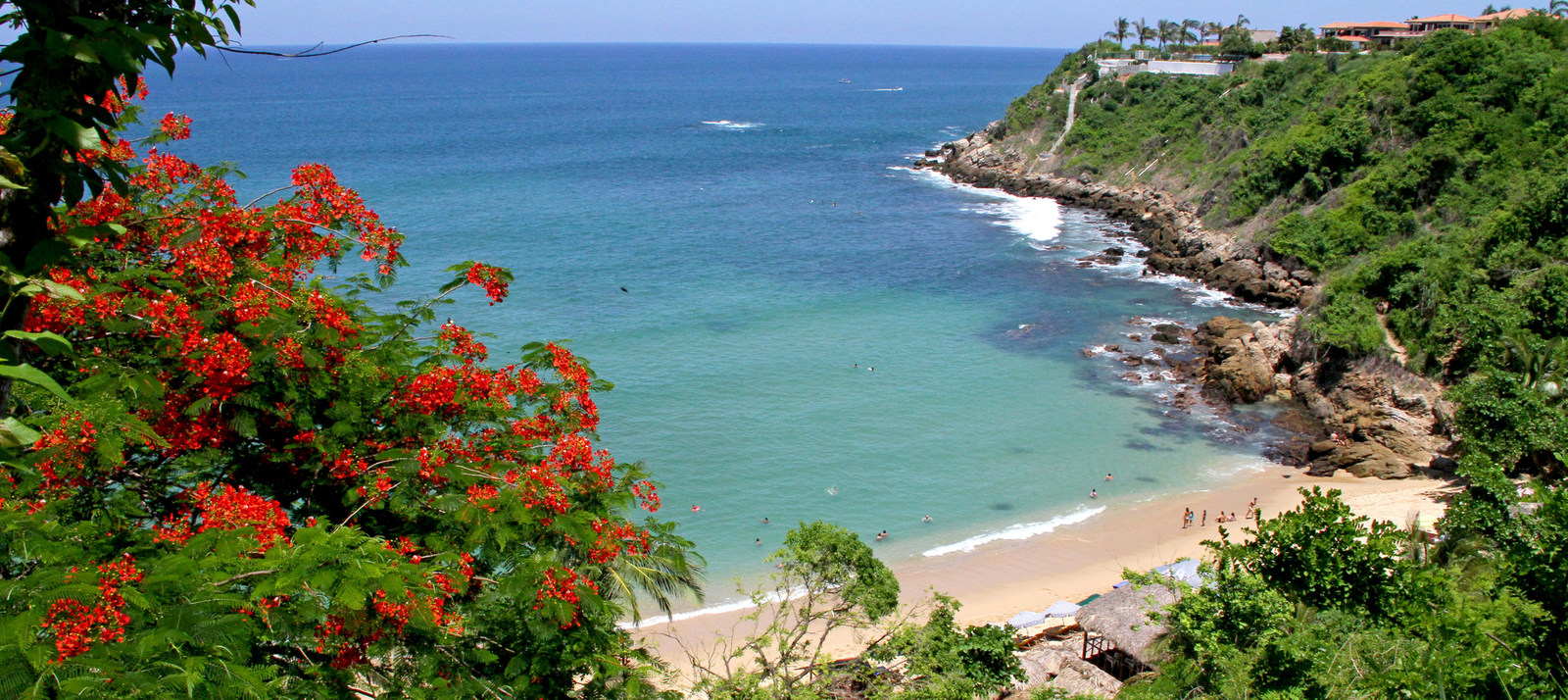
The resort’s location also creates opportunities to discuss water environments without rushing into them. Look at the ocean from a safe distance, explain that waves and currents differ from a calm pool, and follow local advice before approaching the shoreline. Swimming in a shallow pool does not prepare a child to enter the Pacific Ocean independently.
Families planning a longer stay can organise accommodation and activities through Vivo holiday packages, leaving room in the itinerary for rest as well as practice. A calm schedule is valuable because children learn best when they are fed, rested and emotionally settled.
The practical takeaway is simple: stay within arm’s reach, practise one small skill at a time, protect children from sun and fatigue, and finish each session with confidence still intact.