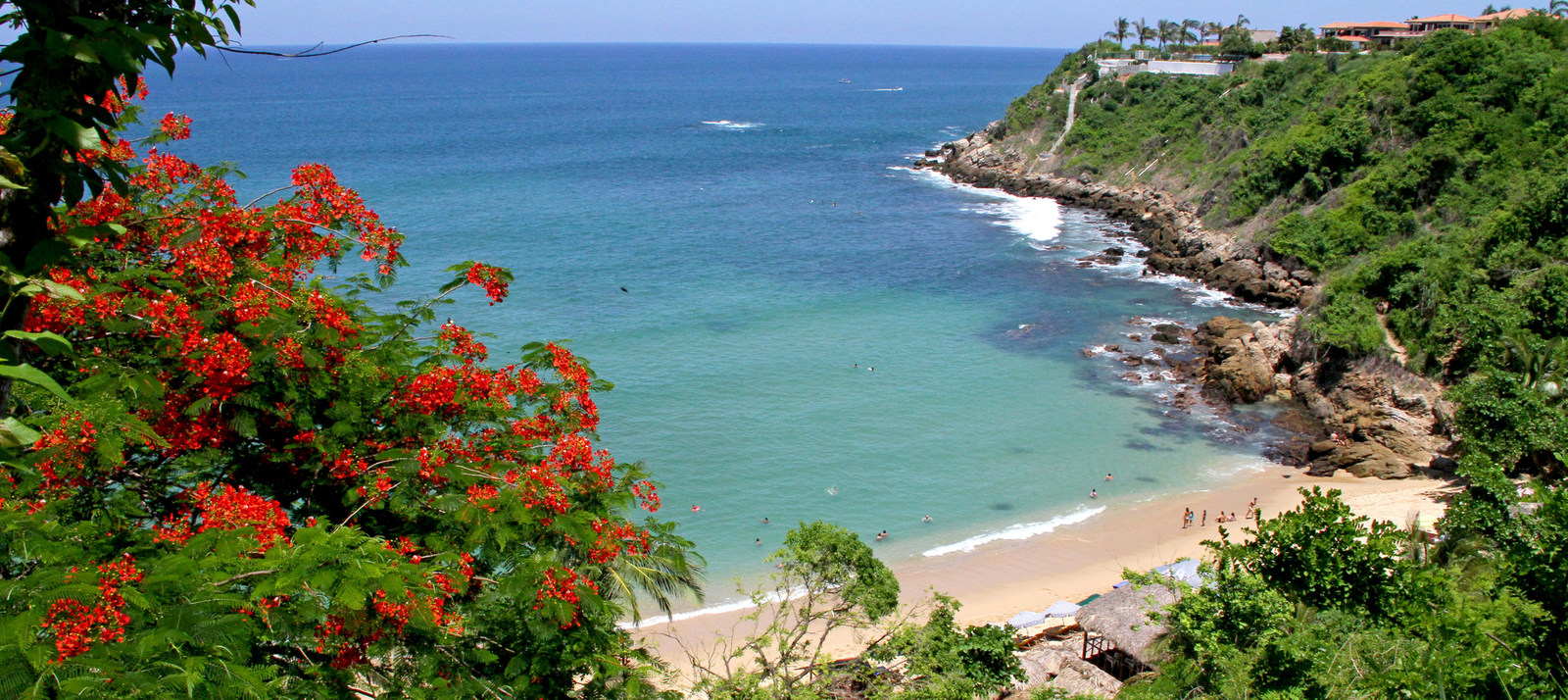
A Flavourful Way to Discover Oaxaca From Playa Palmarito
A cooking class is one of the most rewarding ways to understand Oaxaca beyond its beaches and archaeological sites. At Vivo Resorts on Playa Palmarito, guests can turn a relaxed day by the Pacific into a hands-on lesson in corn, chillies, herbs, beans and sauces shaped by centuries of Indigenous and Spanish influence.
For Australian travellers, the experience also provides a welcome change from familiar holiday routines. Instead of simply ordering tacos or mole at dinner, you can learn how ingredients are toasted, ground and balanced, then sit down to enjoy a meal you helped prepare.
A cooking class to learn traditional Oaxacan dishes can suit couples, families and groups attending a destination wedding. Ask the resort’s guest services team about available local instructors, private lessons or food-focused excursions before travelling, as class schedules and menus may vary seasonally.
Choose A Class That Matches Your Holiday
Some lessons focus on everyday home cooking, while others explore specialist dishes such as mole negro, tlayudas, tamales or handmade tortillas. A short tortilla workshop may be ideal after a morning at the pool, whereas a longer market-to-table session suits travellers who want a deeper cultural experience.
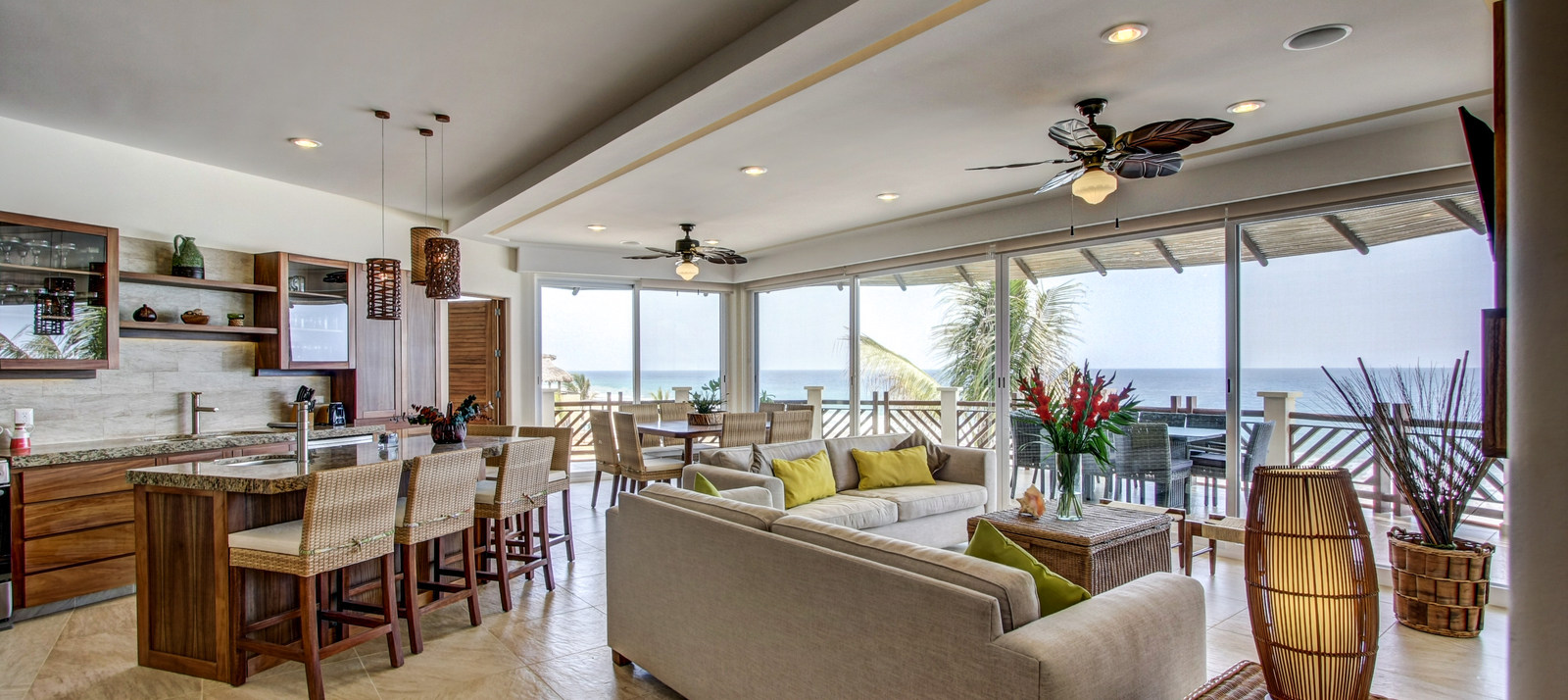
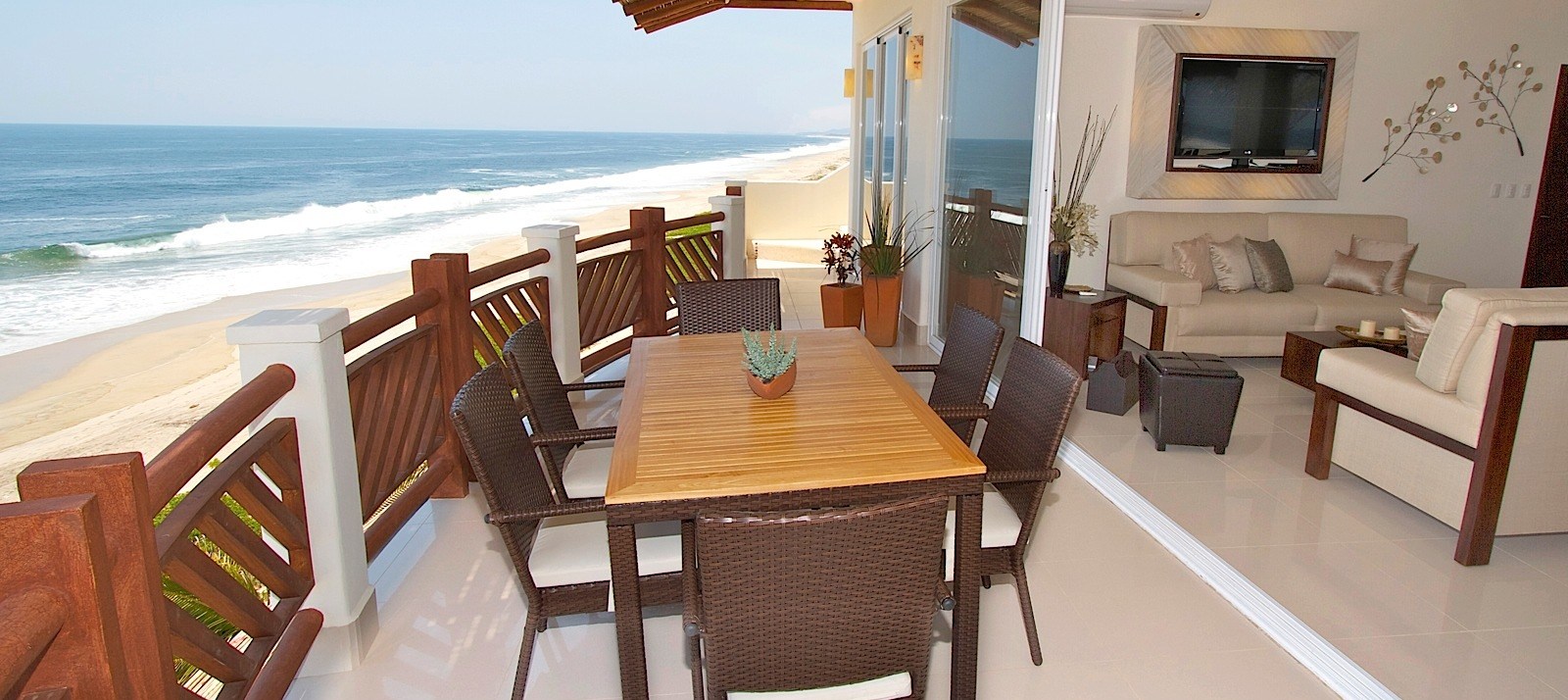
Vivo Resorts offers spacious suites and villas, making it easier for families or groups to discuss their preferred class together. Couples may enjoy a private demonstration followed by a sunset meal, while children can often take part in safe tasks such as pressing masa, tearing herbs or assembling quesadillas under supervision.
If your itinerary includes both quiet beach time and excursions around Oaxaca’s coast, this weeklong stay guide can help frame the cooking experience as part of a broader balance between relaxation and discovery.
Start With The Ingredients
Traditional Oaxacan cooking begins with ingredients rather than a fixed restaurant-style recipe. Ask your instructor to explain nixtamalised corn, the difference between dried and fresh chillies, and how local herbs such as hoja santa affect aroma. You may also encounter epazote, avocado leaves, cacao, squash blossoms and regional cheeses.
A market visit can reveal why the food tastes so distinctive. Look for stacks of tortillas, beans in different colours, fragrant dried chillies and moles sold by weight. The best classes explain how to judge ripeness, toast spices without burning them and build flavour gradually in a clay comal or heavy pan.
Australians used to weekend farmers’ markets in Melbourne, Sydney, Brisbane or Adelaide may recognise the pleasure of buying seasonal produce directly from vendors. The difference lies in the ingredients and techniques: a Mexican market may make masa, cacao and dried chillies central to the meal rather than supplementary items.
Learn The Techniques Behind Oaxacan Flavour
Making tortillas by hand is often the most memorable part of the lesson. You roll a ball of masa, press it into a thin round and cook it on a hot surface until it puffs. It takes practice, so uneven shapes are part of the fun rather than a sign of failure.
Mole requires patience and close attention. Nuts, seeds, spices, chillies and sometimes cacao are toasted separately, ground and combined with stock or water. Your teacher should explain which ingredients contribute heat, bitterness, sweetness and depth, helping you understand why mole is a method as much as a sauce.
Ask whether the class uses traditional tools such as a molcajete, metate or comal. Even when modern equipment is available, seeing these tools in action connects the meal to domestic kitchens and community traditions across Oaxaca.
Plan Around Dietary Needs And Comfort
Tell the instructor about allergies, vegetarian preferences, coeliac disease, seafood sensitivities or low-spice requirements before the lesson begins. Oaxacan dishes can include nuts, sesame, dairy, wheat, shellfish and chilli, and ingredients may be added during preparation rather than only at the final stage.
Australian food businesses operate within Food Standards Australia New Zealand requirements, including allergen information rules, but a class in Mexico will follow local practices instead. Clear communication is essential, especially if you rely on strict avoidance rather than simply preferring a mild flavour.
Heat, humidity and unfamiliar ingredients can be tiring. Wear closed shoes, lightweight clothing and hair tied back, and drink water throughout the session. Visitors from cooler cities such as Hobart or Canberra may need extra time to adjust to coastal warmth before standing near a hot comal.
Add A Thoughtful Resort Rhythm
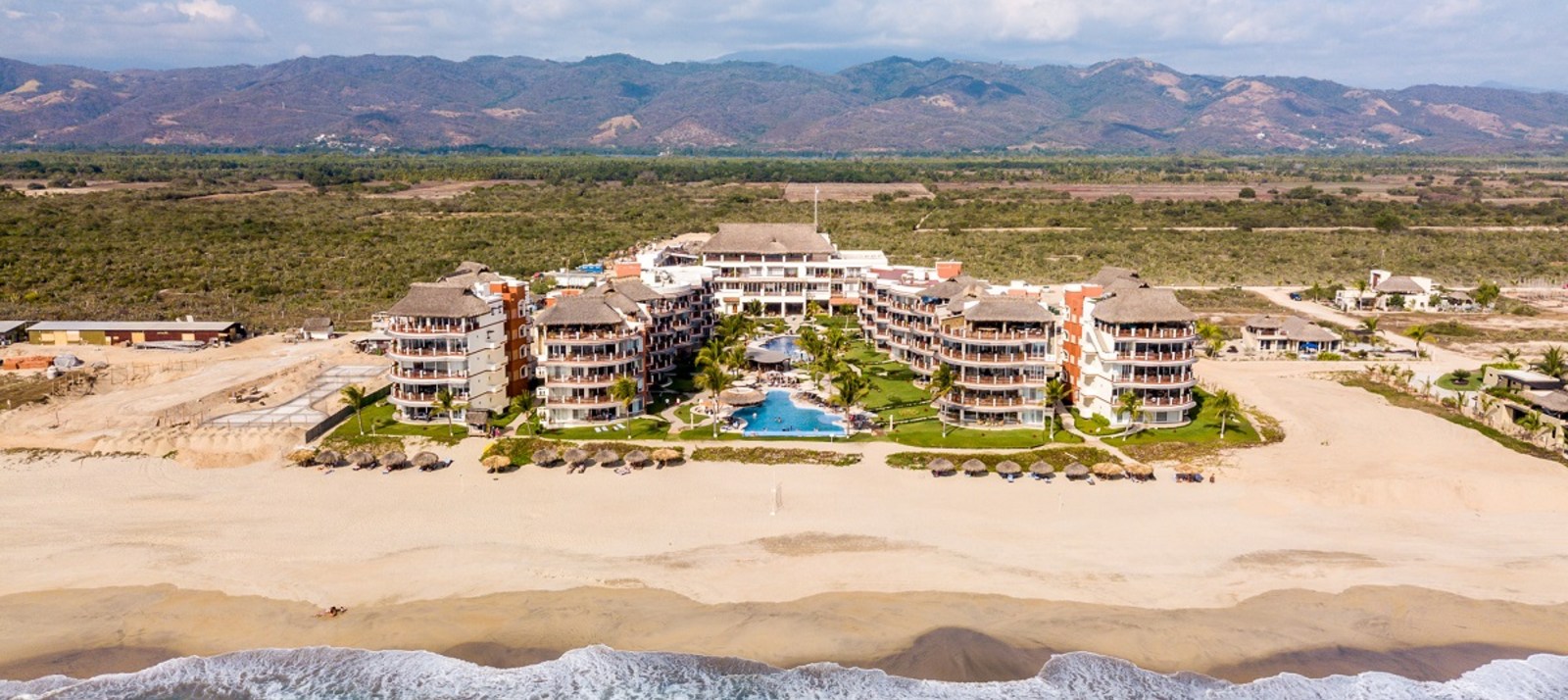
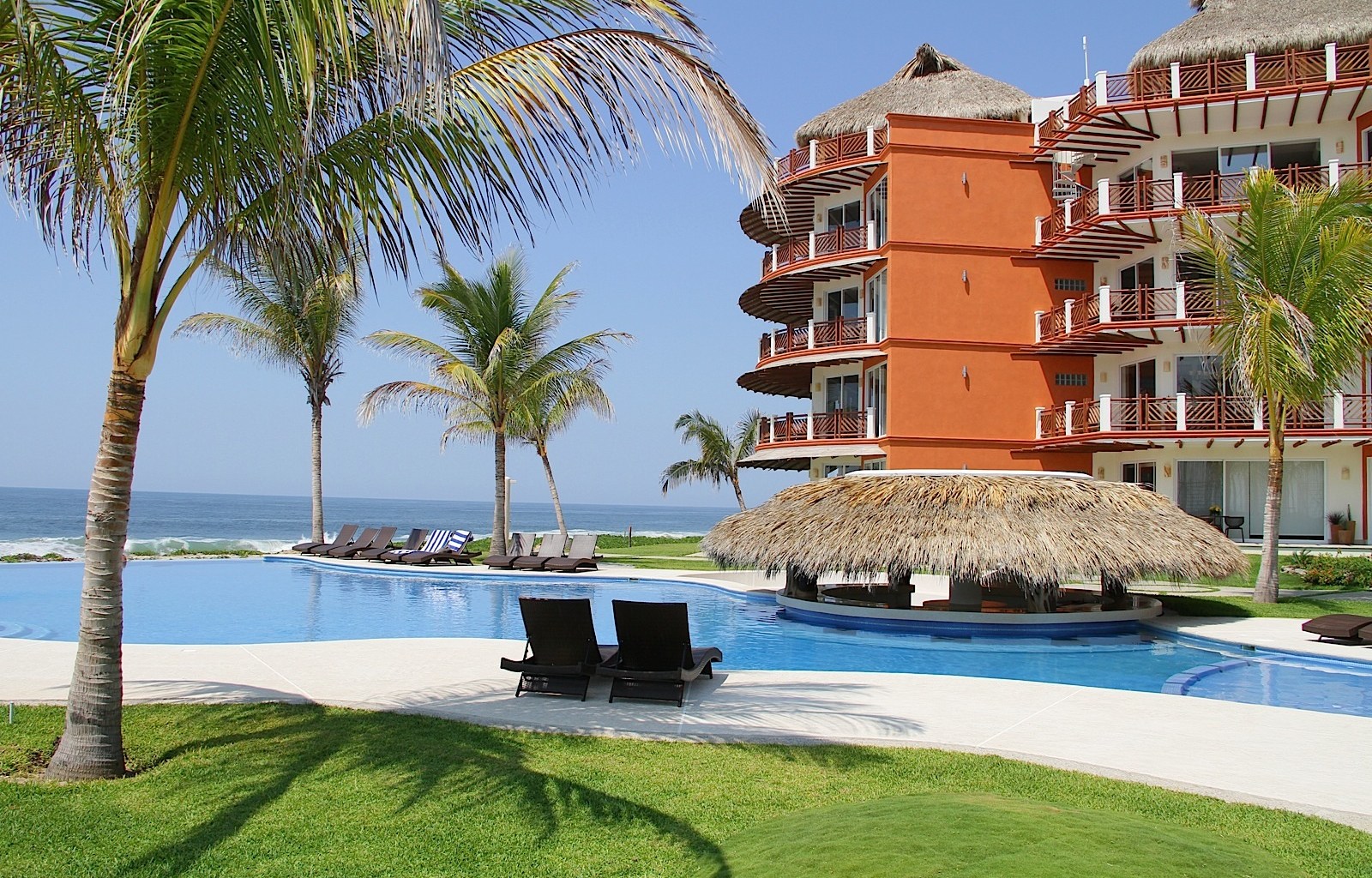
A cooking class does not need to fill the entire day. Schedule it after a quiet morning at the beach, then leave time for a swim or a slow meal. Vivo Resorts’ ocean setting and multiple pools make it easy to avoid rushing between activities, which is particularly helpful for families with younger children.
For a restorative pairing, book time at the Vivo Spa before or after the class. A massage may feel especially welcome after standing, grinding spices and working with masa, while a spa treatment can create a calm transition from an energetic excursion to an evening meal.
Guests considering a package can explore Vivo vacation packages when comparing accommodation, dining and activities. Check what is included, whether transport to a market is covered and if private instruction carries an additional fee.
Bring The Experience Home Responsibly
The best souvenir may be a recipe written in your own notes, along with the technique for making tortillas or a chilli paste. Ask the instructor to record ingredient names in Spanish, since this makes it easier to identify authentic products later. You can recreate a simple dish in an Australian kitchen using local corn flour or fresh produce where specialist ingredients are unavailable.
Do not pack fresh chillies, seeds, plants, meat or other restricted food products for the flight home without checking Australian Border Force and Department of Agriculture, Fisheries and Forestry requirements. Australia’s biosecurity controls are strict, and declaring an item is safer than assuming a small quantity will be allowed through.
A thoughtful class can also deepen your appreciation of regional foodways. Oaxaca is home to many communities and culinary traditions, so treat the lesson as an exchange rather than a performance: listen to the teacher, ask about the dish’s origin and credit the knowledge when sharing photographs or recipes.
Before your holiday, contact Vivo Resorts to request a cooking lesson that matches your dates, dietary needs and preferred level of participation, then reserve a place before filling the rest of your Playa Palmarito itinerary.