How to Spot Sea Turtles and Where They Nest Near Playa Palmarito
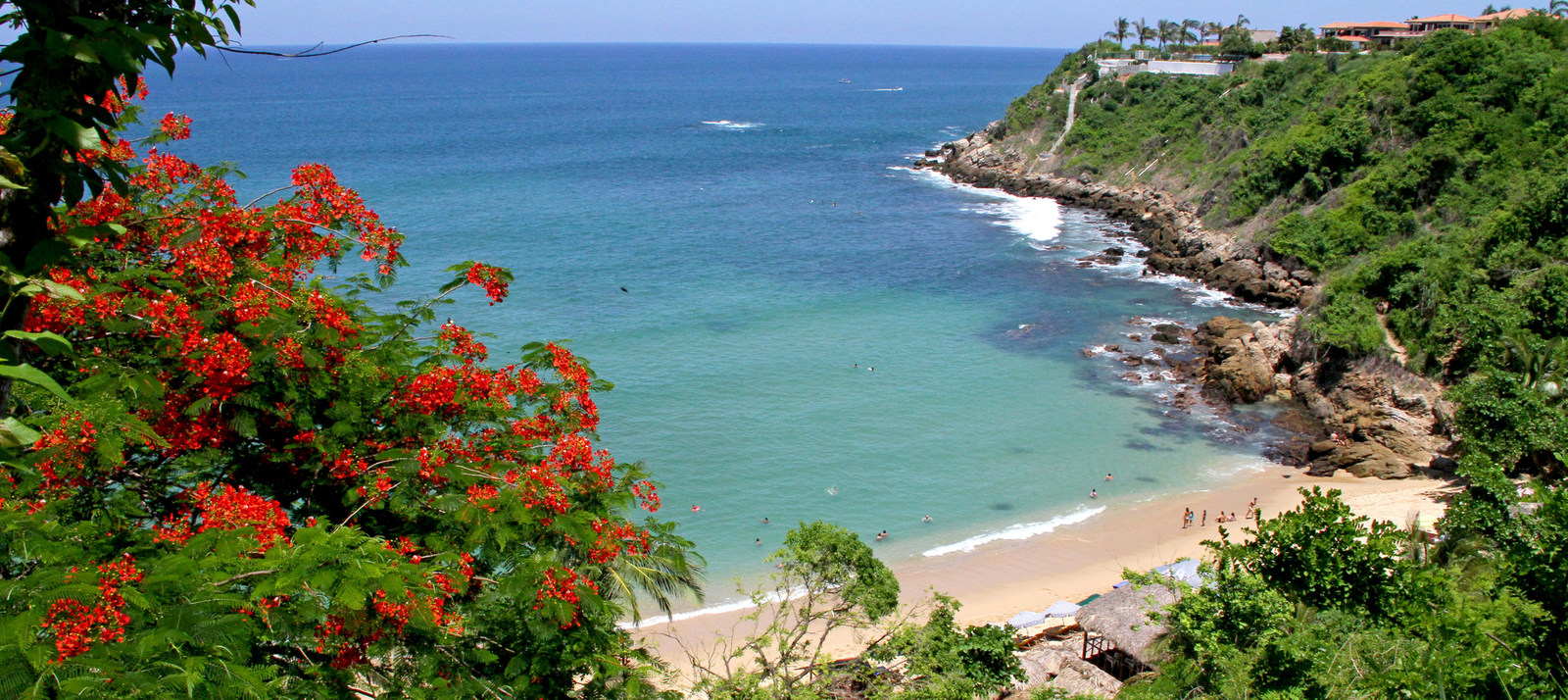
Playa Palmarito is part of Oaxaca’s remarkable Pacific coastline, where broad sands, warm water, and seasonal turtle activity create memorable wildlife encounters. The beach lies near Puerto Escondido, an area known for nesting olive ridley turtles and conservation efforts that help protect eggs and hatchlings.
Sea turtles are wild animals, so sightings are never guaranteed. The best experiences come from observing quietly, following local guidance, and giving turtles plenty of space. A little preparation also makes it easier to recognize tracks, nesting behavior, and the right times to look.
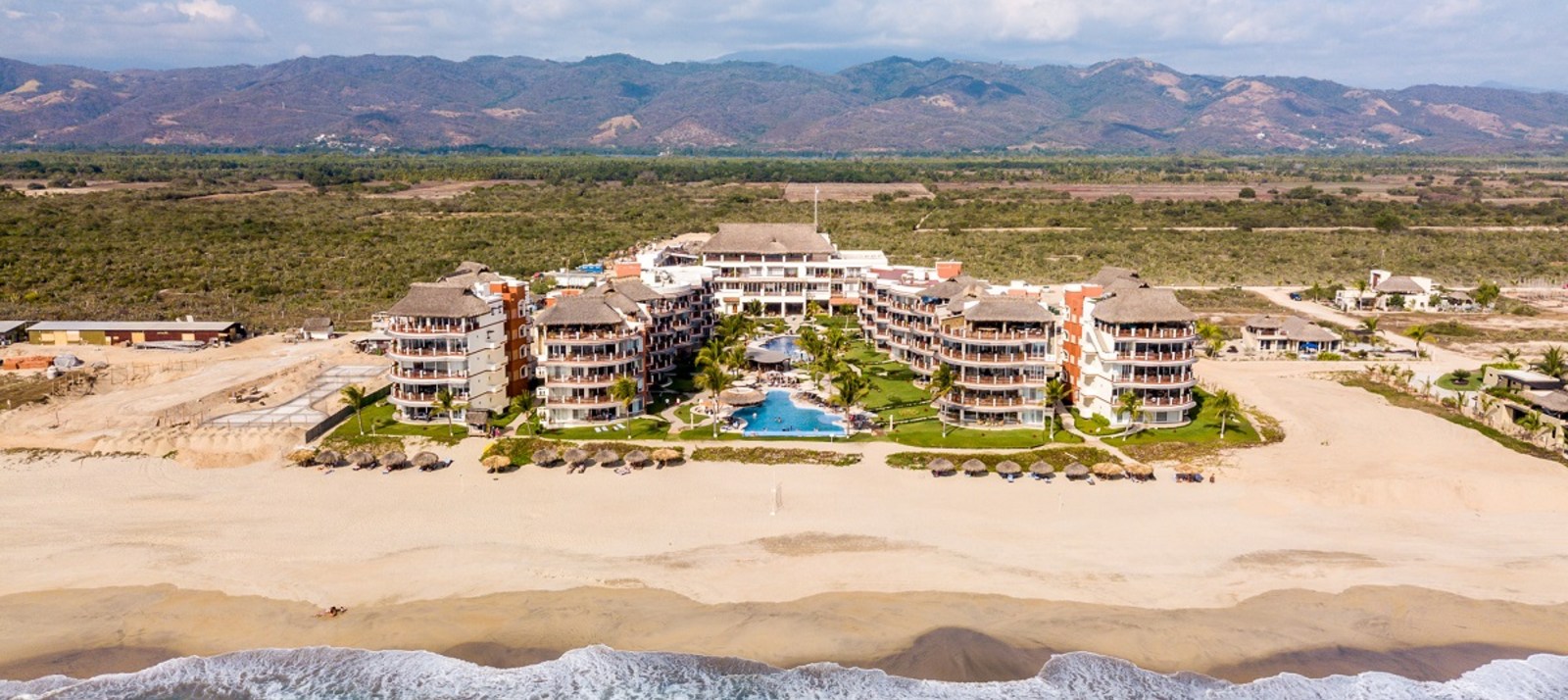
For accommodation close to the shore, Vivo Resorts provides an all-suite beachfront setting near Playa Palmarito, with ocean views, pools, dining, and access to excursions along the coast.
Turtle Species Along The Oaxaca Coast
The olive ridley is the turtle most commonly associated with nesting beaches near Puerto Escondido. These relatively small sea turtles have rounded shells and olive-gray coloring. They may come ashore alone or, during larger arribada events elsewhere in Mexico, in substantial numbers.
Leatherback turtles also visit parts of the Oaxaca coast, especially during their nesting season, although encounters are less predictable. Green, hawksbill, and Pacific black turtles may be seen in regional waters as well. Identification is best left to trained guides because size, lighting, and viewing distance can make species difficult to distinguish.
When Turtles Come Ashore
Nesting activity varies with species, weather, tides, and beach conditions. Olive ridleys can appear during much of the year, with activity often increasing during the rainy season and late summer through winter. Leatherbacks generally nest during cooler months, but exact timing changes from year to year.
Adult turtles usually approach the beach after dark. They crawl above the high-tide line, create a body pit, deposit eggs, cover the nest, and return to the ocean. The entire process may take more than an hour. Watching the animal settle and begin digging is often a better experience than arriving after the nest has already been concealed.
Where To Look Near Playa Palmarito
The nesting beach directly in front of the resort may offer opportunities to see tracks or, with approved guidance, a turtle coming ashore. Nearby undeveloped stretches of coastline can also support nests. However, the location of active nests is intentionally kept discreet to reduce disturbance, and beach conditions can change after storms or strong tides.
Puerto Escondido and neighboring communities work with conservation groups, hotels, and local authorities to protect nesting areas. Some beaches operate hatcheries or organize supervised releases of hatchlings. These programs can be useful for visitors who want to learn about turtle conservation without searching independently for a nesting adult.
| What you may notice | Likely meaning | Best response |
|---|---|---|
| Parallel flipper marks in the sand | A turtle recently crossed the beach | Avoid walking through the tracks and report them to staff |
| A broad, disturbed patch above the tide line | A nest may be covered below the surface | Keep away and never dig |
| A turtle facing the sea | The animal may be preparing to return offshore | Stay still, quiet, and behind the guide |
| Tiny tracks moving toward the water | Hatchlings may have emerged | Do not redirect or handle them |
| A turtle repeatedly turning or retreating | Lights, people, noise, or obstacles may be causing stress | Move away and alert conservation staff |
Responsible Nighttime Turtle Watching
Use an authorized guide or follow the resort’s current wildlife guidance before walking the beach after sunset. Guides know how to approach a nesting area, identify a turtle’s behavior, and recognize when observation should stop. Independent searching can accidentally crush nests, interrupt nesting, or expose turtles to harmful light.
Keep at least several meters away, remain behind the turtle’s line of sight, and avoid blocking her route to the water. Never touch, ride, feed, or photograph a turtle with flash. White lights and phone screens can disorient adults and hatchlings, so turn off unnecessary lights and use only approved red-filtered illumination when a guide permits it.
Seeing Turtles During The Day
Daytime visitors may spot turtles offshore, particularly from quiet viewpoints or during boat trips arranged with responsible operators. Look for a rounded shell briefly breaking the surface, a head appearing between waves, or a turtle resting near calmer water. These sightings are usually brief, and chasing a turtle by boat or swimming directly toward it is inappropriate.
Snorkeling and swimming areas should be treated as shared wildlife habitat. Keep a respectful distance, avoid touching coral or marine animals, and follow instructions about currents and protected zones. Early morning can provide calmer conditions and softer light for observing the ocean, while sunrise walks may reveal tracks from the previous night.
Planning A Beachfront Wildlife Stay
A comfortable base makes it easier to enjoy turtle season without turning every evening into an expedition. Guests can combine a quiet night walk with time at the pool, a spa treatment, or dinner at the resort. Families should prepare children in advance by explaining why turtles need darkness, silence, and room to move.
Travelers seeking extra privacy can explore beachfront villas, while larger all-suite residences may suit families or groups. Ask the resort about current nesting activity, approved guides, beach access, and any temporary restrictions before making plans, since conservation protocols may change throughout the season.
Simple Ways To Protect Nesting Beaches
- Follow marked routes and stay above the high-tide line unless staff direct you elsewhere.
- Carry out plastic, food packaging, and fishing line that could endanger turtles or hatchlings.
- Use reef-safe habits in the water and avoid disturbing seagrass, coral, and marine life.
- Choose conservation programs that prioritize protection and education over handling animals.
- Keep dogs, loud music, drones, and bright lights away from nesting areas.
A visit to Playa Palmarito can support sea turtle conservation when wildlife comes before the perfect photograph. Plan your stay around local guidance, ask about current turtle activity on arrival, and let trained conservation staff lead any nighttime encounter.