Driving from Puerto Escondido to Oaxaca City: A Traveller's Guide
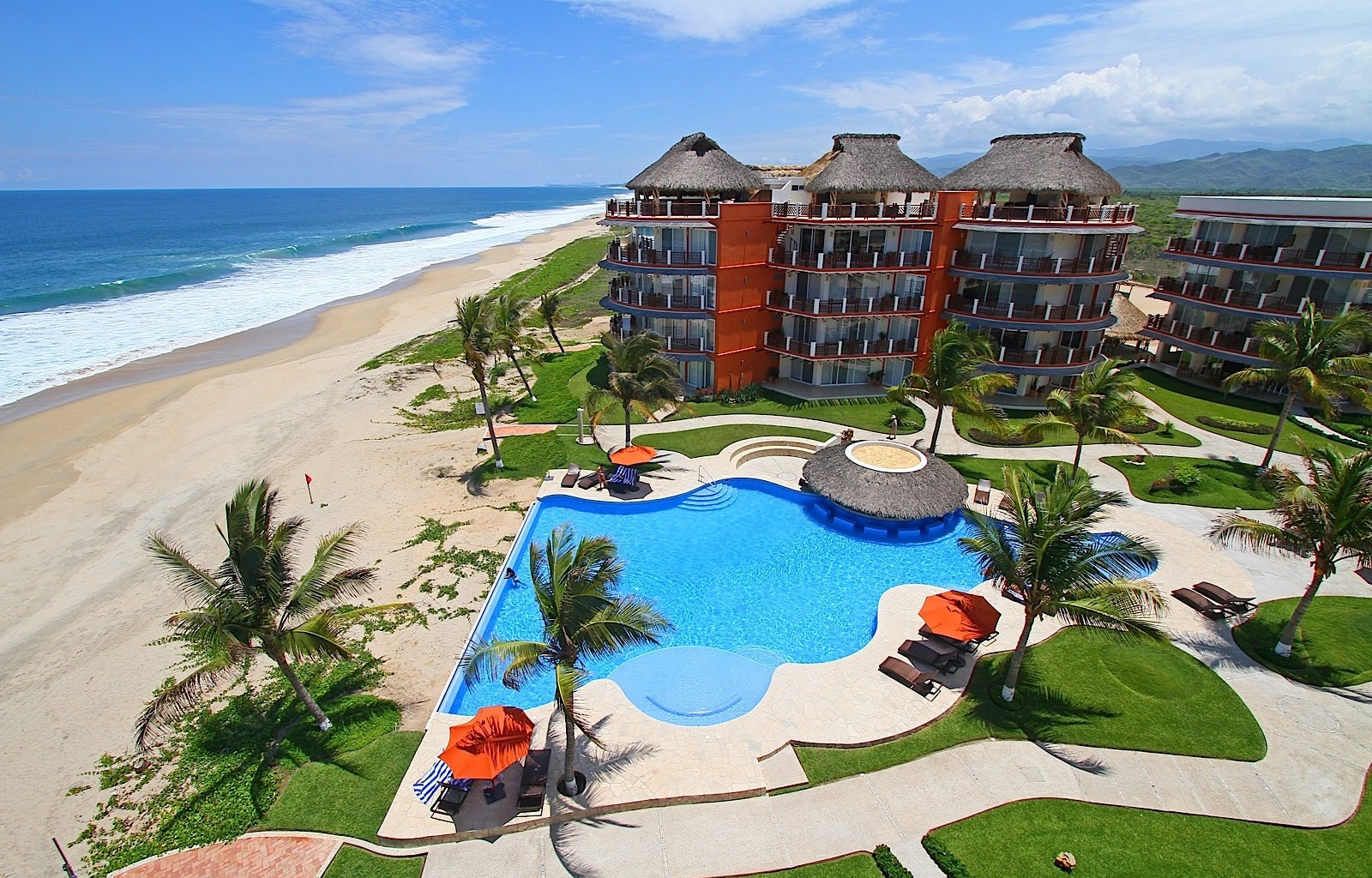
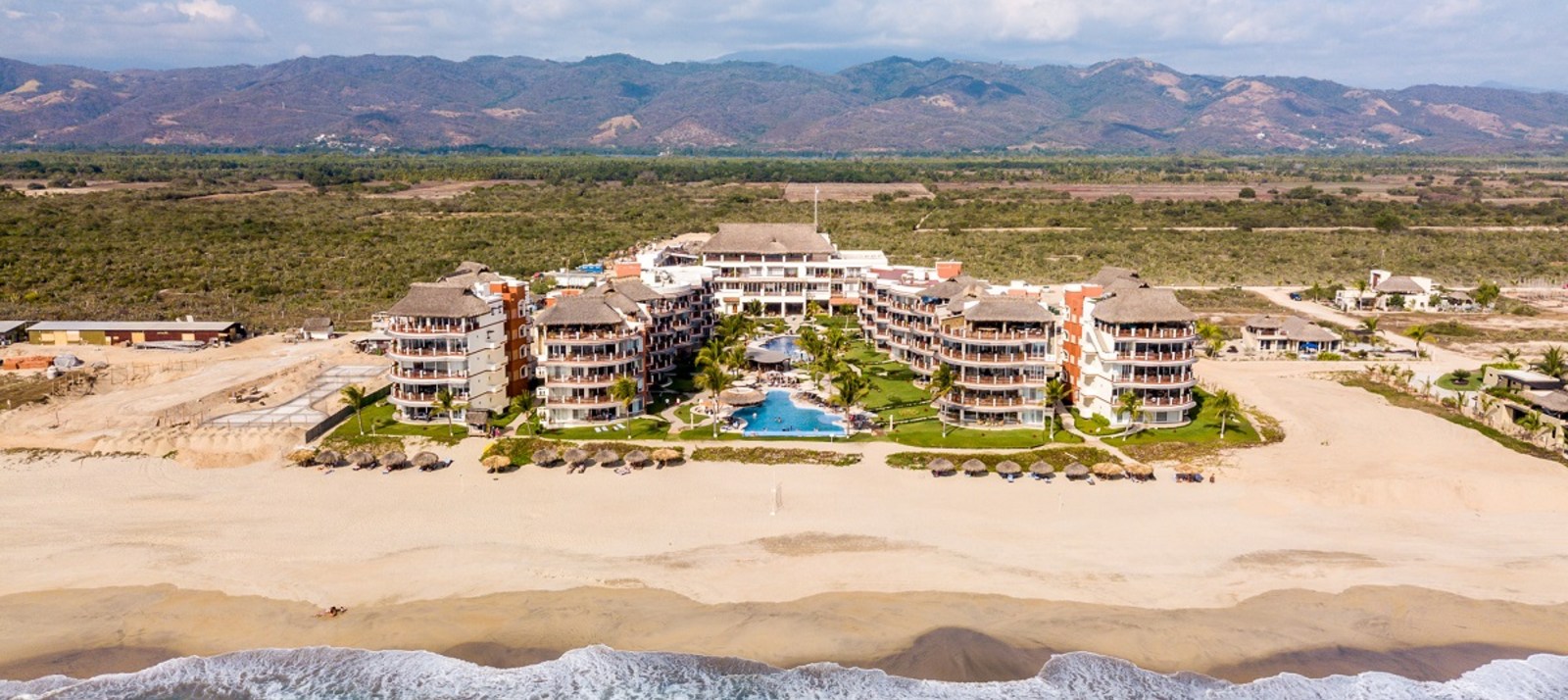
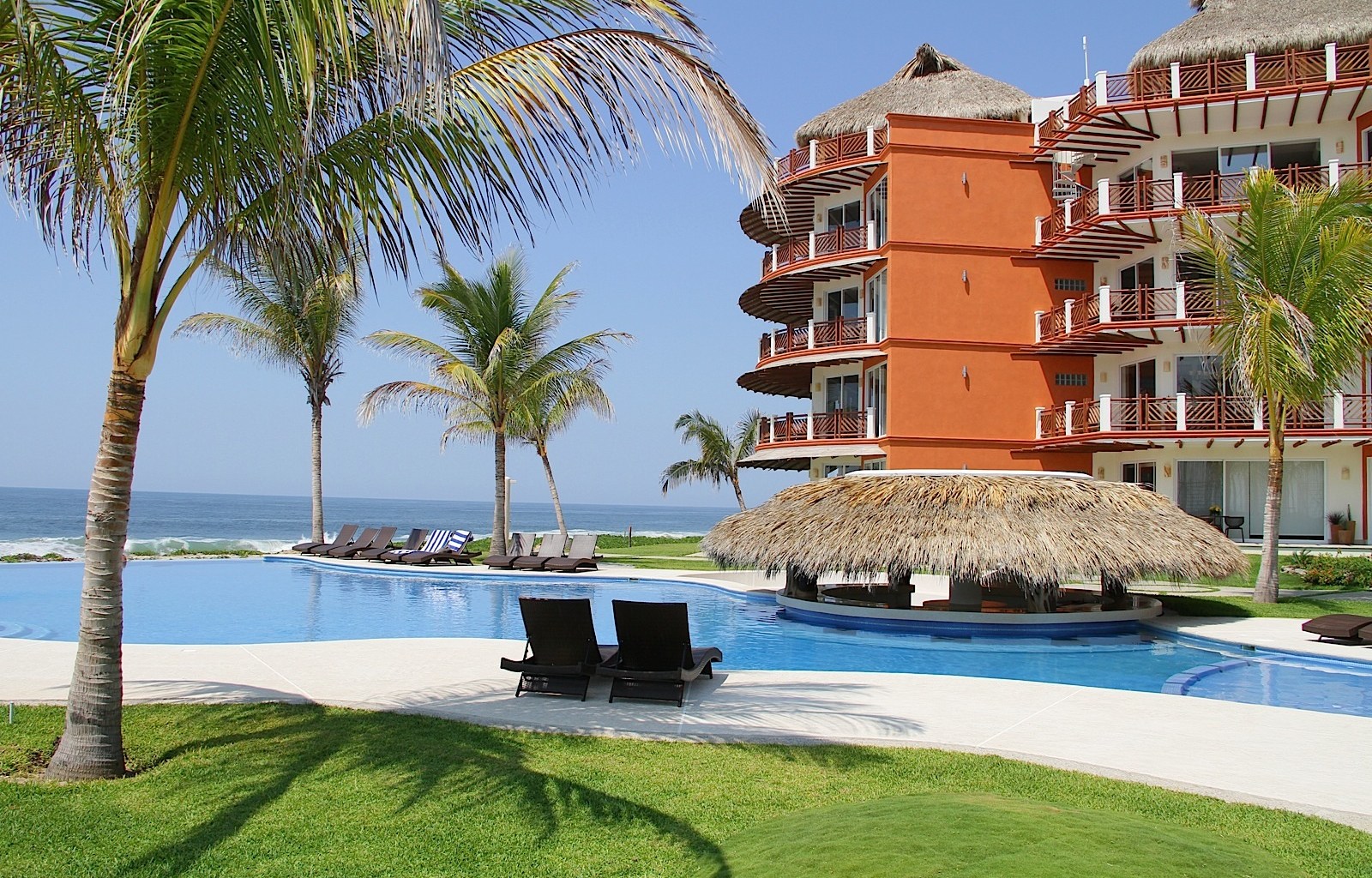
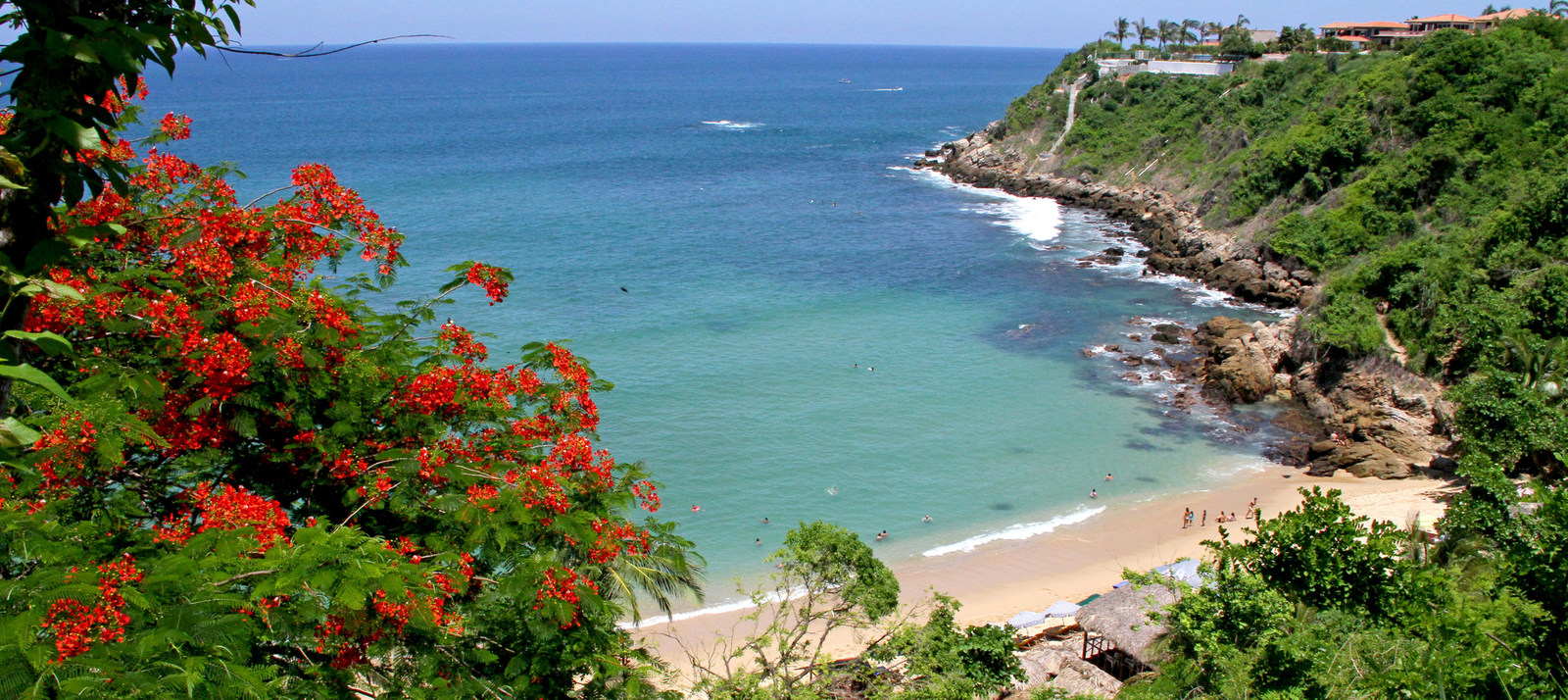
Leaving the palm-shaded loungers and Pacific swells of Playa Palmarito behind, the road north climbs into the cloud-wrapped ridges of the Sierra Madre del Sur. For guests at Vivo Resorts, the journey from Puerto Escondido to Oaxaca City ranks among Mexico's great scenic drives, threading through pine forest, hilltop villages, and valleys planted with agave.
The roughly 250-kilometre route takes most of a day, which suits Australia's road-trip culture. Visitors from Sydney, Melbourne, or Brisbane used to long stints behind the wheel feel at home planning a self-drive adventure on holiday. Pull over for fresh tlayudas at a roadside stall, photograph a wayside shrine, or stretch your legs among the moss-draped trees of San José del Pacífico.
A handful of practical decisions shape whether the drive feels like a highlight or a headache. From choosing where to pick up the vehicle to understanding Mexican toll roads, a little research beforehand saves plenty of fumbling at roundabouts later. This guide walks through what to expect for visitors who already think in kilometres per hour.
Driving in Mexico flips the convention familiar to Australian drivers. Mexican cars sit on the right-hand side, traffic flows on the right, and kilometre markers follow their own logic. Knowing these small differences upfront keeps the focus on the views rather than the white-knuckle moments at the first few roundabouts.
Picking Up a Rental Car in Puerto Escondido
Booking the vehicle before leaving Australia is the simplest path, especially during the December-to-March high season. Online aggregators familiar to anyone who has rented a car from Melbourne Airport list most major operators serving the region, with desks at Huatulco International Airport and a handful of agents in Puerto Escondido town.
Australians need a valid international driving permit alongside their home licence, and most rental companies require the driver to be at least 25. Credit-card holds for the security deposit tend to be larger than at a servo back home, so flag the charge with your bank before departure. Comprehensive insurance is worth taking, as some roads produce potholes that could challenge the toughest ute from Bunnings.
Fuel is sold in litres and priced similarly to Australian unleaded once converted, though smaller regional stations often prefer cash. Top up before returning the vehicle to avoid refuelling fees that can exceed the cost of the petrol itself.
Navigating Highways 131 and 175
The standard route follows Highway 131 west out of Puerto Escondido to Santa Catarina, then picks up Highway 175 north toward Oaxaca. Signage is reasonable once you leave the city limits, although the kilometre markers reset in ways that feel distinctly different from the neat green boards Australians know on the Pacific Highway.
Toll stations, called casetas, appear roughly every 40 to 60 kilometres. Keep small peso notes handy, as some booths still prefer cash and queues stretch back during holiday weekends. Total tolls come in around 500 to 600 pesos, a small price for the well-maintained highway that cuts through the mountains.
The drive typically runs six to seven hours without long stops, though weaving in a leisurely lunch and a wander through San José del Pacífico stretches it closer to nine. The road climbs above 2,500 metres in places, so even in summer a light jumper earns its keep once the afternoon clouds roll in.
Adjusting to the Other Side of the Road
Mexican cars are right-hand drive and traffic flows on the right, the opposite of Australia's left-hand convention. The first few roundabouts around Puerto Escondido can feel disorienting, because giving way to the right is standard here rather than the give-way-to-the-right rules many Australians learned at L-plates.
Automatic transmissions are available but not as common as manuals outside the major tourist hubs. If automatic is essential, book early and confirm in writing. Speed limits shift quickly between 40 km/h in villages and 110 km/h on open highway, and speed cameras are uncommon outside urban areas. Police checkpoints appear near state borders, so a polite wave, licence ready, and a few words of Spanish go a long way.
Stops That Earn Their Place on the Itinerary
San José del Pacífico is the headline pause, a mountain village known for its cool climate, herbal teas, and view points above the cloud line. Travellers who enjoy the slower pace of Hahndorf or the misty trails of the Otways will appreciate the walking tracks that lead into the surrounding pine forest.
Guests wanting more sea time before the drive can arrange a catamaran excursion from Playa Palmarito and let the road work be its own reward. Further south, the turn-off toward Playa Zipolite and the beaches around Huatulco rewards anyone with extra days, while the coast bends west toward Mazunte, where sea-turtle conservation projects and bohemian cafés make a worthy detour.
Oaxaca City opens up at the end of the highway, with its UNESCO-listed centre, sprawling markets, and the smell of woodsmoke drifting from family kitchens. Allowing even a couple of nights lets the cobblestones, mezcal tastings, and Zapotec ruins settle into something more than a quick checkpoint.
Weighing the Alternatives
Driving is not the only way to cover the distance, and the right choice depends on how much freedom matters against how much downtime you can spare.
| Option | Travel time | Approx. cost per person (AUD) | Flexibility | Best for |
|---|---|---|---|---|
| Rental car, self-drive | 6–7 hours, longer with stops | $90–150 per day plus fuel and tolls | High | Couples and families wanting their own pace |
| First-class bus (ADO) | 10–11 hours | $45–65 | Low | Travellers happy to read, sleep, and save |
| Shared shuttle | 7–8 hours | $80–120 | Medium | Solo travellers and small groups |
| Domestic flight | 1 hour plus transfers | $160–280 | Low | Time-pressed itineraries |
For larger groups, including wedding and group events travelling together, a hired van with driver often works out cheaper per head than several rental cars and removes the stress of navigating for guests unfamiliar with the country.
Returning the Vehicle and Settling Back In
Drop-off procedures at Puerto Escondido are usually straightforward, but a small routine keeps the final bill predictable. Photograph the car's exterior before driving off the lot, and again on return. Refuel within ten kilometres of the depot and keep the receipt. Tipping the attendant who parks the car is customary, similar to the valet at a city pub back home.
Once the paperwork is sorted, the rest of the day belongs to the resort. After hours behind the wheel through mountain bends, a slow afternoon at the spa restores shoulders the road has tightened, as described in this round-up of the most relaxing ways to spend a full day at the spa. With Pacific tides replacing highway lines and a cold drink within reach, the long drive recedes into the kind of memory worth retelling over dinner.
The colonial rooftops of Oaxaca City, the silver-green stripes of the agave fields, and the sleepy mountain villages of the Sierra Madre linger long after the keys are handed back. With the windows down and the road unwinding ahead, the journey itself becomes one of the trip's lasting memories.