Reef-safe sun protection for a beach holiday in Mexico
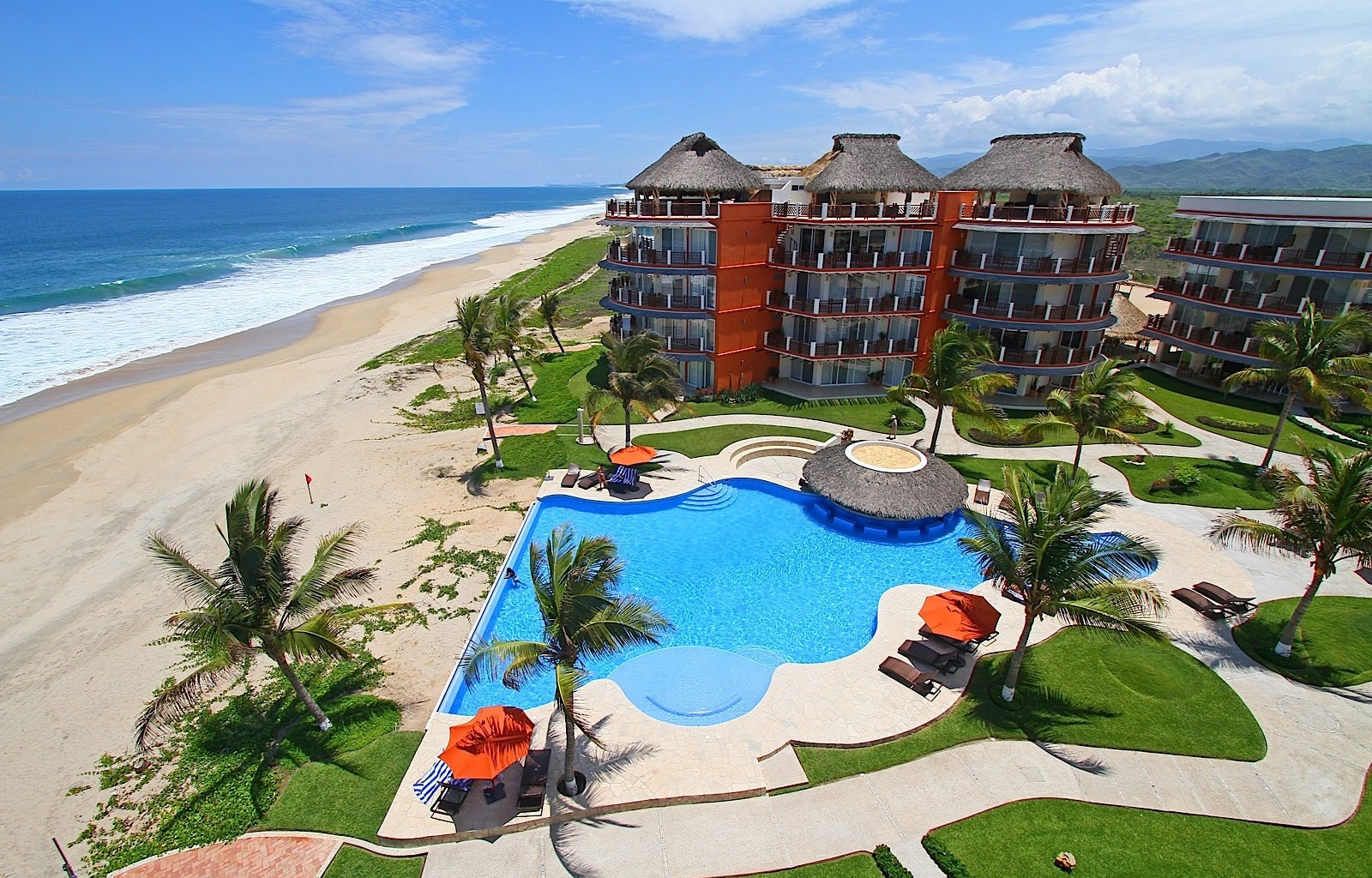
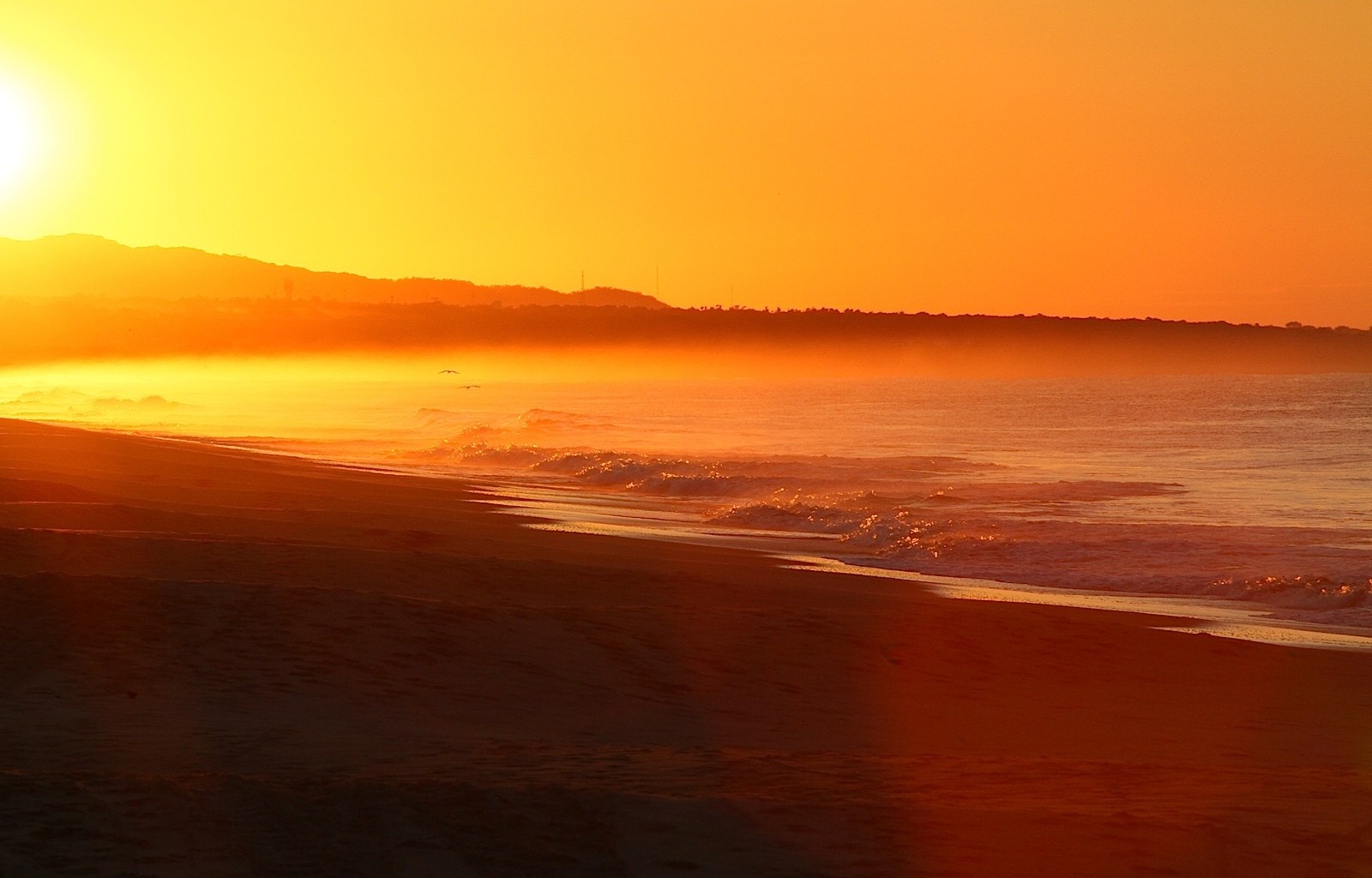
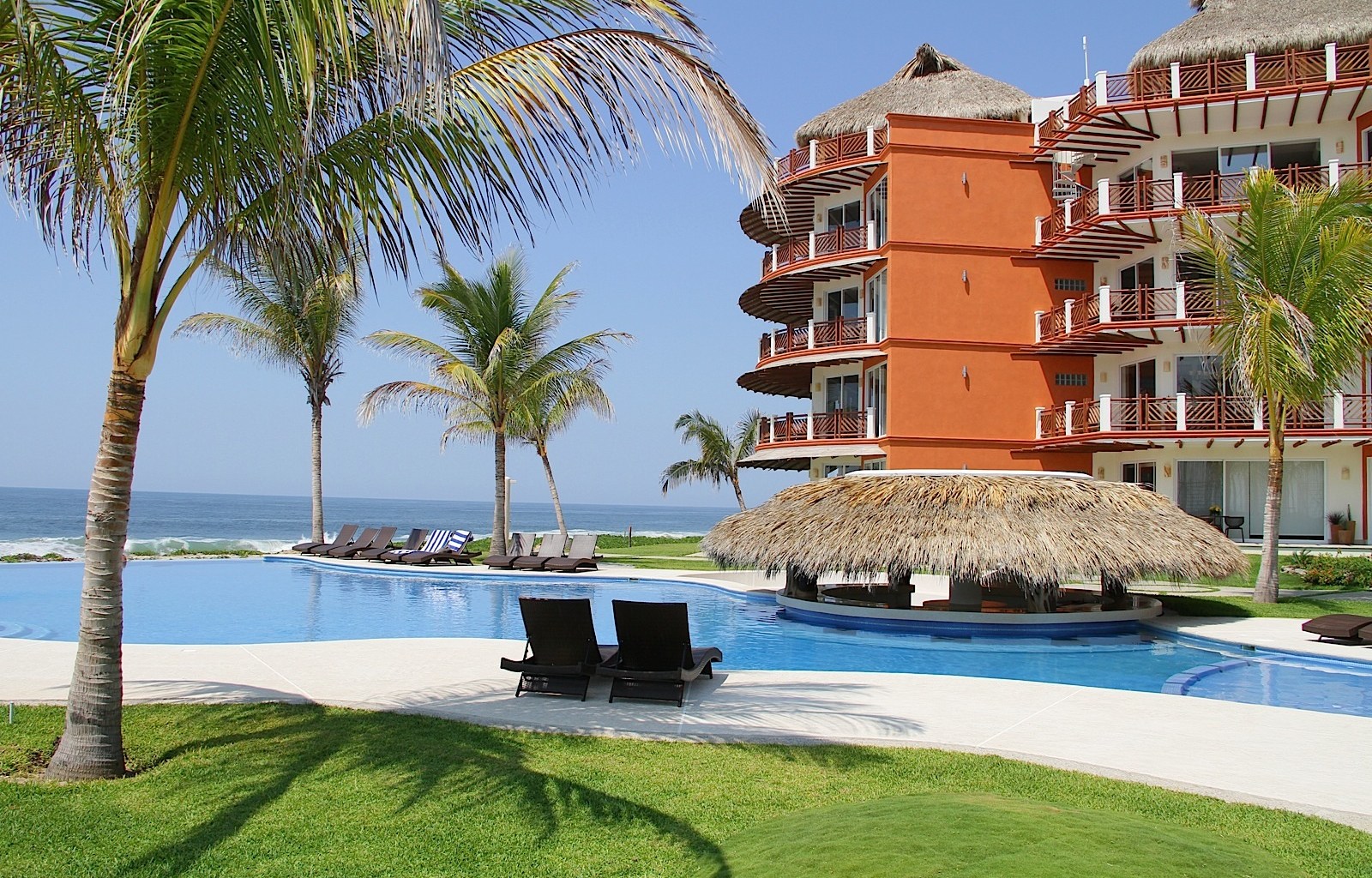
A bright beach holiday calls for more than a bottle of sunscreen tossed into your suitcase. At Playa Palmarito, near Puerto Escondido, sunlight reflects from the sand, sea and pool deck, so exposed skin can receive plenty of UV even when a sea breeze makes the temperature feel comfortable.
For Australian travellers, the basics are familiar: use broad-spectrum SPF 50+, cover up, seek shade and reapply often. The extra consideration is choosing a formula that protects your skin while reducing the release of potentially harmful ingredients into coastal water.
Why reef-conscious sunscreen matters
“Reef-safe” is widely used on packaging, but it does not have one universal legal definition. A more reliable approach is to check the active ingredients and select a mineral sunscreen based on non-nano zinc oxide or titanium dioxide. These create a protective layer on the skin and are generally preferred for swimming near sensitive marine environments.
Many environmentally aware travellers also avoid oxybenzone and octinoxate, ingredients restricted in some destinations because of concerns about coral and aquatic ecosystems. Read the full label rather than relying on a green leaf, ocean image or marketing claim. A product labelled mineral, broad-spectrum and water-resistant is a useful starting point.
Sunscreen is only one part of protection. A long-sleeved rash vest, wide-brimmed hat, sunglasses and a shaded lounger can reduce the amount you need to apply. This fits neatly with the Australian “Slip, Slop, Slap, Seek, Slide” approach, whether you are used to Bondi, the Gold Coast or a backyard barbecue.
Choose a formula suited to Australian skin and travel
In Australia, sunscreens sold through the local market are regulated by the Therapeutic Goods Administration and commonly carry an SPF 50+ rating. When packing for Mexico, check that your chosen product states broad-spectrum protection and offers water resistance. SPF indicates protection from UVB, while broad-spectrum coverage also addresses UVA rays linked with premature skin ageing and long-term skin damage.
Mineral lotions can leave a white cast, especially on darker skin tones, but newer tinted and finely milled options often blend more comfortably. Fragrance-free formulas may suit children, eczema-prone skin or anyone whose face becomes irritated after saltwater and heat. Test a small amount before travelling so you know how it feels under sweat, makeup or a rash vest.
Avoid assuming that a high SPF means all-day coverage. Swimming, towelling off and perspiration remove sunscreen, while hotel pools and ocean excursions create repeated exposure. Water-resistant products still need regular renewal, usually after swimming and at least every two hours while outdoors.
Compare practical sunscreen options
The best choice depends on where you will use it, how often you swim and how much packaging you want to carry. A pump lotion is efficient for the body, while a stick can be handy around the nose, ears and cheekbones. Sprays may be quick, but they are easy to under-apply and can drift away from the skin.
| Option | Strengths | Points to check |
|---|---|---|
| Mineral lotion | Broad coverage and a reef-conscious ingredient profile | May leave a visible cast or feel thicker |
| Mineral stick | Convenient for faces, lips and small touch-ups | Usually less practical for full-body use |
| Tinted mineral cream | Can blend more naturally across different skin tones | Shade range and water resistance vary |
| Fragrance-free lotion | Often comfortable for sensitive skin | Confirm SPF 50+ and broad-spectrum wording |
| Reef-conscious water-resistant formula | Useful for pool and ocean days | Reapply after towelling, even when labelled water-resistant |
Apply generously before leaving your suite, rather than waiting until you reach the beach. For an adult, a practical guide is roughly a shot-glass amount for the body, with a teaspoon for the face, neck and ears. Children need careful coverage around the hairline, shoulders, knees and tops of the feet.
Pack protection beyond the bottle
Resort days often shift between breakfast outdoors, a swim, a walk along the shore and an afternoon by the pool. A small sun kit makes each change easier and reduces the temptation to skip reapplication.
Include these essentials:
- SPF 50+ broad-spectrum mineral sunscreen
- A UPF-rated long-sleeved top or rash vest
- A wide-brimmed hat and UV-protective sunglasses
- A reusable water bottle and a zip pouch for sunscreen
Keep a second set of protective items in your day bag:
- Face stick for quick touch-ups
- Lip balm with SPF
- Lightweight cover-up or sarong
- Clean towel for drying before reapplying
Australian families are used to planning around the harshest part of the day, especially during summer school holidays. The same habit works on Oaxaca’s coast: schedule a beach walk or excursion earlier, use the strongest shade around midday and save longer pool sessions for later in the afternoon.
Make pool and family time easier
Children may resist sitting still long enough for careful application, so turn it into part of the holiday routine. Apply sunscreen before swimwear goes on, give it time to settle, then check easy-to-miss areas such as the back of the neck, scalp parting, wrists and ankles. Reapply after swimming and towelling, even if a child has spent most of the time under an umbrella.
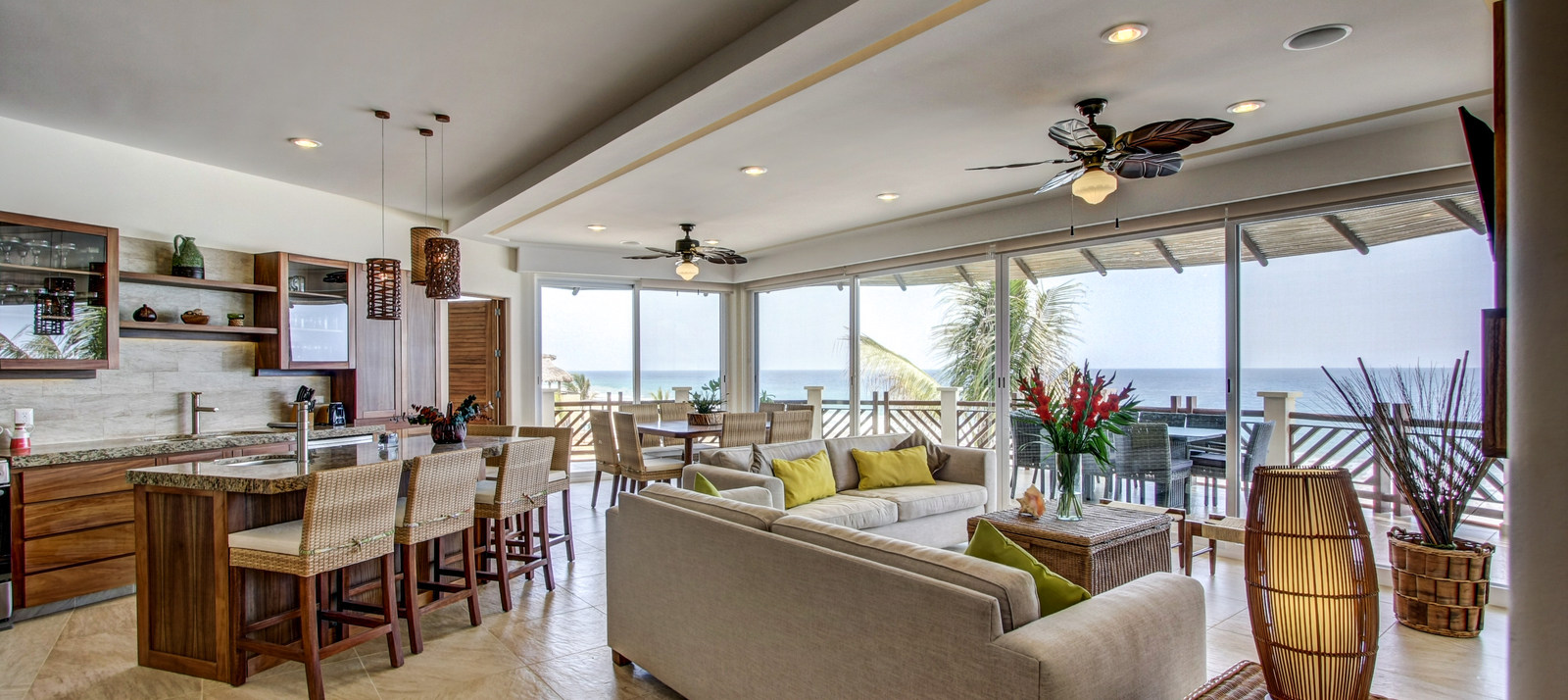
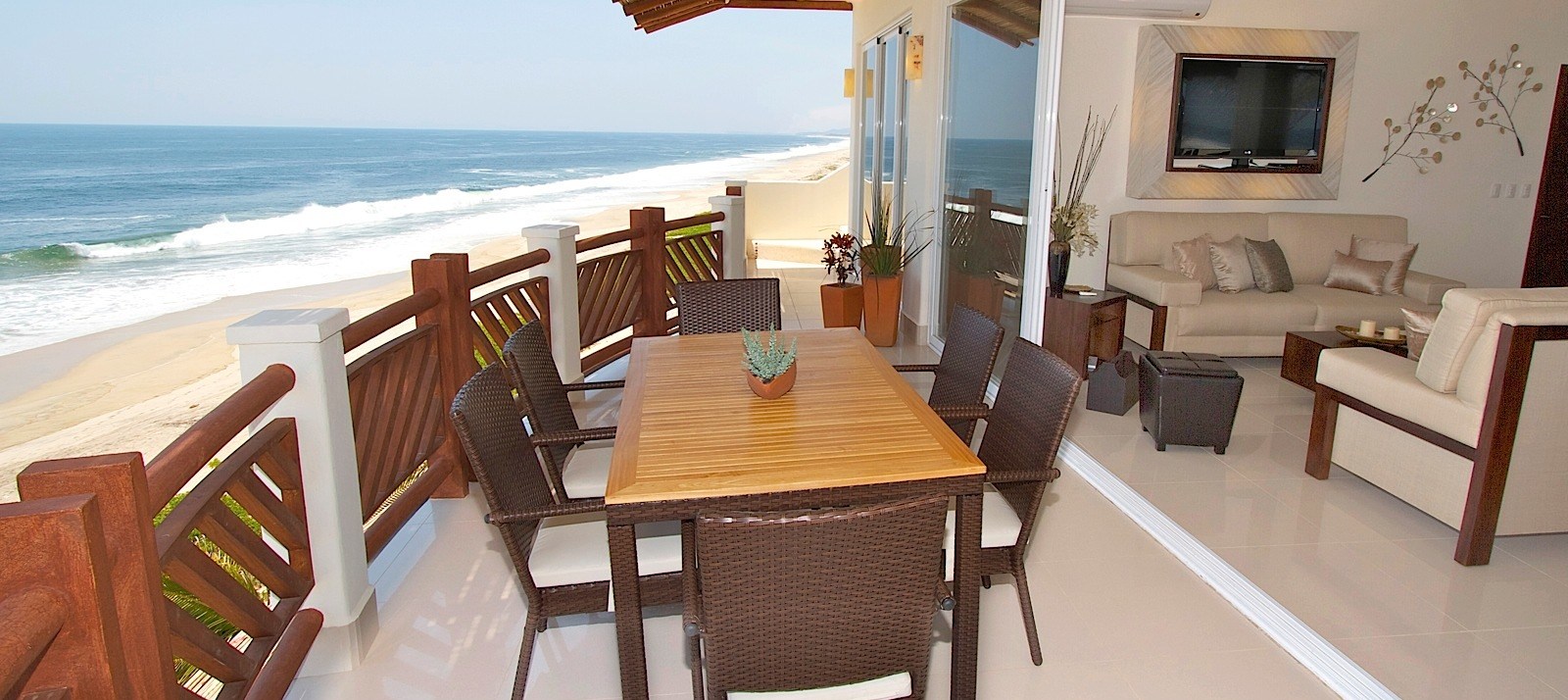
At an all-suite resort, having more space can make this routine calmer. A residence gives families room to organise hats, rash vests and water bottles before heading downstairs. Between swims, quiet indoor breaks, board games and snacks can keep children comfortable; these family pool ideas can help shape a relaxed day around the water.
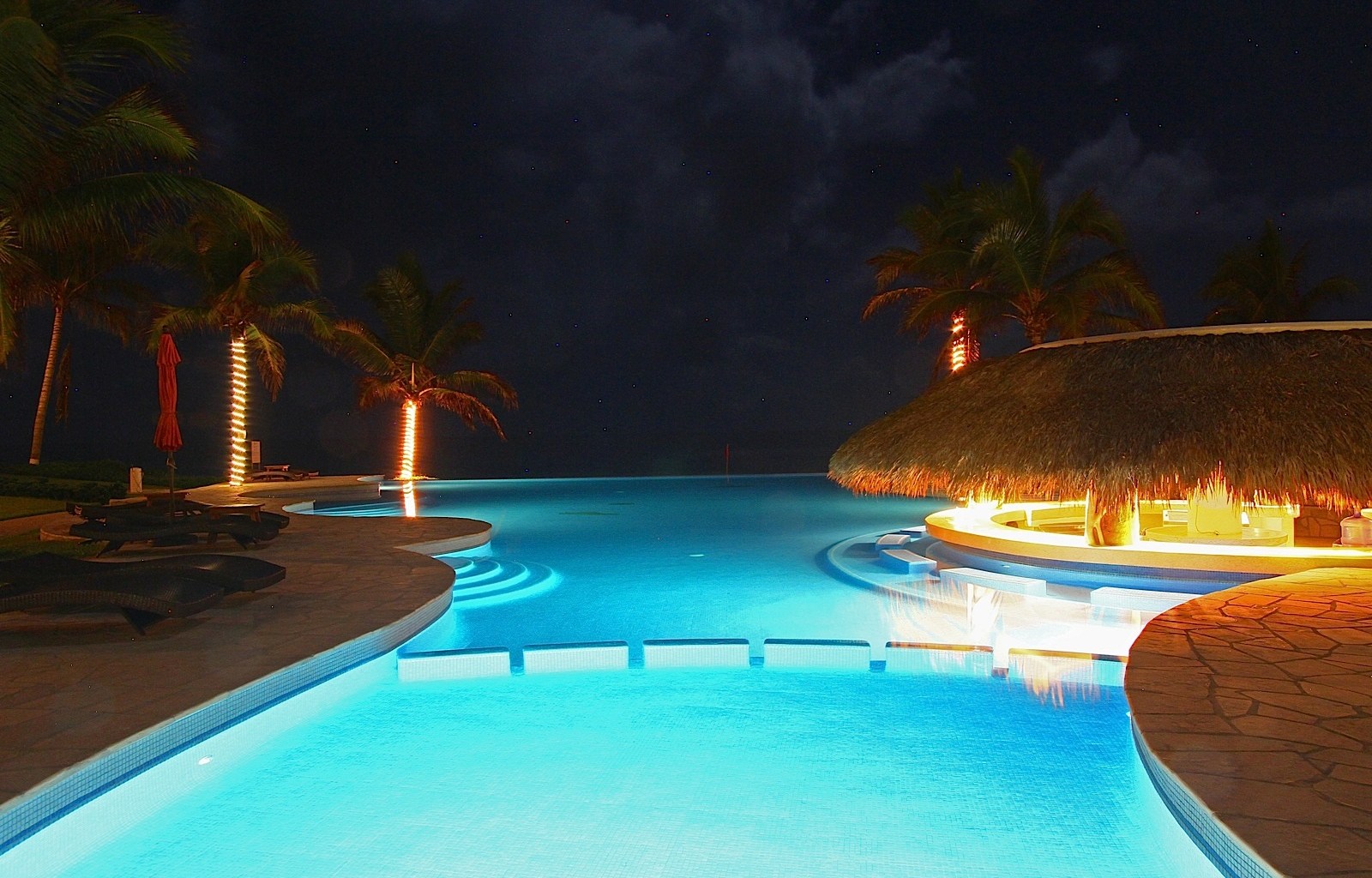
Vivo Resorts offers several pools, beachfront access and family-friendly amenities, so guests can alternate between active and shaded parts of the property. That balance matters because a child who is cool, hydrated and occupied is more likely to accept a quick sunscreen check.
Protect skin during excursions and celebrations
Boat trips, beach-hopping and visits around Puerto Escondido can expose skin for longer than expected. Pack sunscreen where it is easy to reach, not buried in checked luggage or at the bottom of a beach bag. Wear a shirt on boats and keep the back of your hands covered when possible, as reflected sunlight can intensify exposure.
A shaded break is useful during downtime, particularly for younger children. Simple activities in the suite, a nap or a quiet indoor game can reset the day; these downtime ideas are especially practical between a morning outing and an afternoon swim.
Special occasions need the same sun discipline. If a milestone birthday includes a poolside lunch, photos or a sunset gathering, apply sunscreen well before dressing up and keep a hat nearby. Guests planning a celebration can draw on these milestone birthday ideas while keeping the schedule comfortable for every age group.
Finish with a simple sun plan
Use shade as a planned part of the day, rather than treating it as a last resort. Reapply after swimming, sweating or towelling, and wash off sunscreen at night so skin can recover. If a product stings, causes a rash or feels uncomfortable, stop using it and choose a gentler alternative.
Before departure, check that each traveller has SPF 50+ broad-spectrum sunscreen, a hat, protective clothing and a refillable water bottle, then place the face stick in the day bag for the first Playa Palmarito outing.