Preparing for an Oaxacan Jungle Zip-Line Adventure from Down Under
The mangrove-thick hillsides near Puerto Escondido hold some of the most exhilarating canopy corridors in Mexico, and zip-lining here feels a long way from the manicured courses Sydneysiders might know at home. Travellers from Brisbane or Melbourne increasingly add a half-day in the treetops to their Oaxacan holiday, pairing the rush of the cables with slow afternoons on Playa Palmarito.
A little preparation goes a long way for bodies still adjusting to tropical heat after a twenty-hour trek from Tullamarine or Kingsford Smith. Knowing what to wear, what to eat, and which operator to trust can turn a nervous first-timer into someone keen for another run. The notes below are shaped for Australian travellers planning a Puerto Escondido itinerary.
Choosing a reputable operator
Not every course is built equal. Look for outfits with certified guides, professional-grade harnesses, and small groups rather than thirty people crammed onto a single platform. Reading recent reviews and cross-checking Google Maps for fresh photos is a useful first filter when you cannot visit the booking office in person.
A solid outfit will spend ten minutes walking through braking technique, hand positioning, and what to do if a cable slows unexpectedly. If the guide simply clips you in and waves you off, look elsewhere. Many operators also offer combined packages with waterfall rappels, but first-timers usually do better with a pure zip-line morning.
What to wear under the harness
Loose clothing and zip-lines are not friends. Fitted leggings, athletic tights or quick-dry hiking shorts sit comfortably under the seat harness without bunching around the thighs. A breathable long-sleeve rashie works well on top because the canopy still allows harsh UV through the gaps, and any Australian who has spent summers at Bondi already knows tropical sunburn sneaks up fast.
Closed-toe shoes with grippy soles are mandatory on most courses, and trainers work far better than the thongs most travellers wear to the beach. Long hair should be tied back, dangling earrings left in the hotel safe, and a fitted cap beats a bucket hat that can lift in the wind. A small daypack with a phone on a lanyard keeps valuables secure without stuffing them into a soggy harness pocket.
Health, hydration and acclimatisation
Australian travellers arriving from a temperate climate often underestimate how quickly the Oaxacan coast drains them. Even on a cool morning, humidity above seventy per cent combined with the effort of clipping, climbing and braking can leave you light-headed by the second cable. Drink at least a litre of water in the hours before the activity, and bring a refillable bottle the guides can top up at base camp.
A light breakfast ninety minutes before launch is the sweet spot. Think banana, a couple of plain tacos or toast with honey rather than a heavy bacon-and-egg roll, which sits uncomfortably when you are upside down. Most courses have a weight range of roughly twenty-five to one hundred and twenty kilograms, and honesty avoids the awkward moment of being turned away at the platform.
Getting there from Australia and arriving fresh
The route from Sydney, Melbourne or Brisbane usually means a stop in Los Angeles or Auckland before connecting through Mexico City, and travel time can stretch past twenty-four hours. That is worth weighing before booking an early-morning zip-line slot on day two. Many experienced travellers arrive a day early, sleep off the worst of the jet lag, and schedule the canopy adventure for day three.
Australians used to checking in online through Qantas or Jetstar will find the domestic leg operated by Viva Aerobus or Aeroméxico, and the same seat-selection habit that avoids the dreaded middle seat at home serves you well here. Carrying a refillable bottle through security and refilling past customs is a small habit that pays dividends in the jungle.
Timing, photography and keeping your nerve
Most courses run morning sessions starting around eight and finishing before the midday heat builds. Booking the first slot is the best move for cooler air, fewer midges and softer light for photos. If you want proper video footage, ask whether the operator offers a GoPro helmet package; the prices are usually fair and the angles are better than anything a companion can shoot from the platform.
Australians who freeze the moment a camera is pointed at them should accept they will look a little wide-eyed on the cable and embrace it. The guides in this part of Oaxaca are warm and encouraging, and many will shout a cheerful "vamos!" to loosen you up before launch. Phones should be tethered to the harness with a short lanyard, action cameras should be helmet-mounted, and a friendly request for a group shot at the final platform usually lands well.
Packing smart and staying connected
A few small items make a meaningful difference once you are clipped in. Many first-timers forget insect repellent, and the jungle midges near the Pacific can be persistent even in the dry season. Sunscreen should be reef-safe and applied before putting on the harness, since reapplying across the straps is awkward. A microfibre towel tucked into the daypack is handy between cables, and a small tube of electrolyte powder helps replace what you lose in the humidity.
Connectivity becomes surprisingly important after the adrenaline fades. Sharing footage with family in Perth, uploading a reel or confirming a later booking all depend on a reliable network, and the property's connectivity guide is worth reading before you travel so you know what to expect on arrival.
Where to sleep before and after the flight
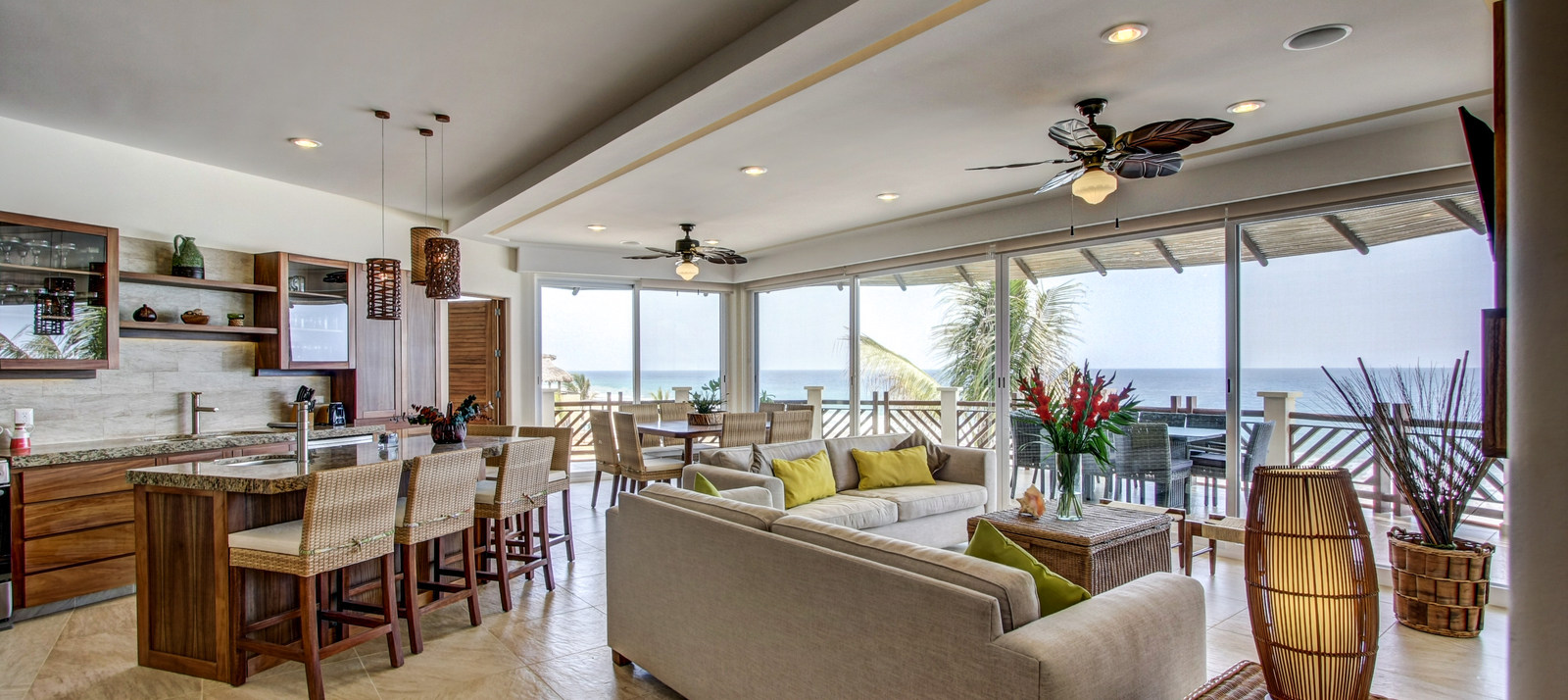
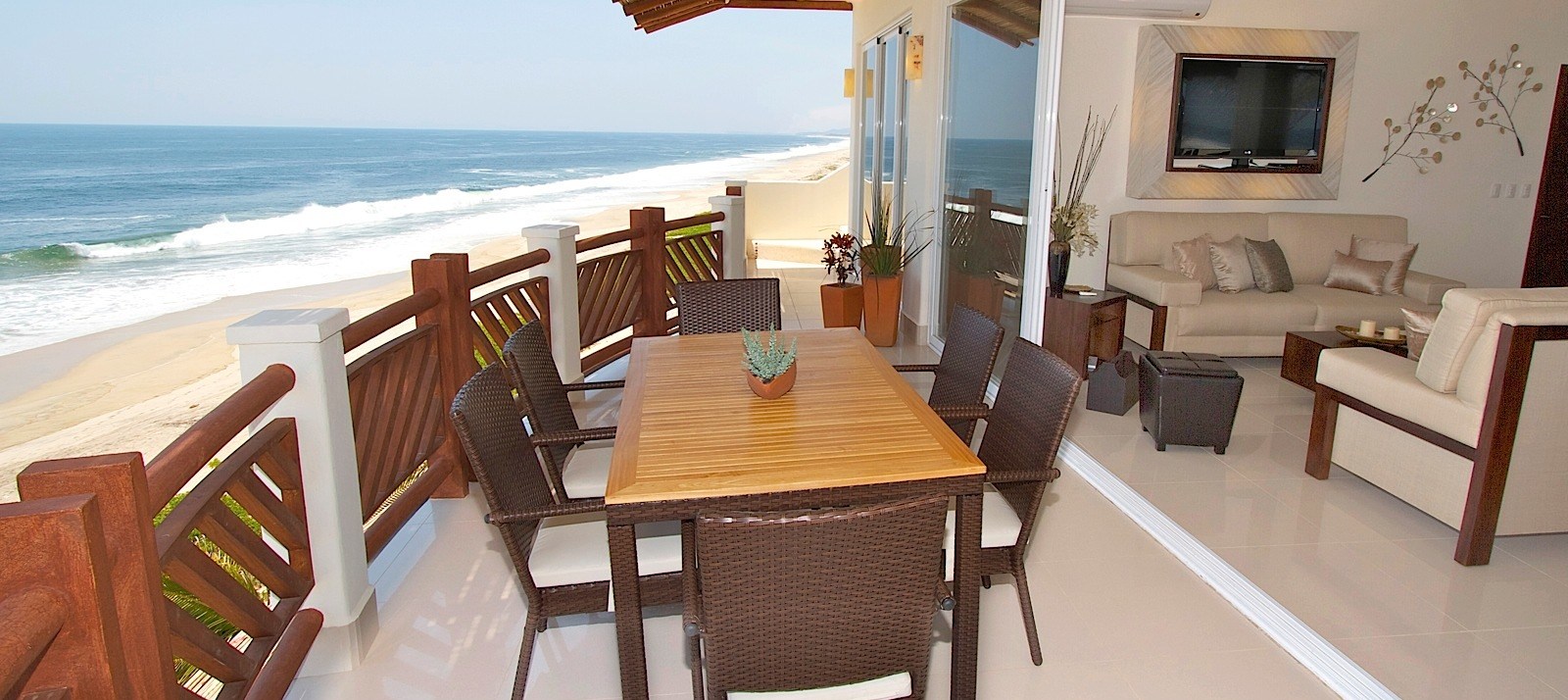
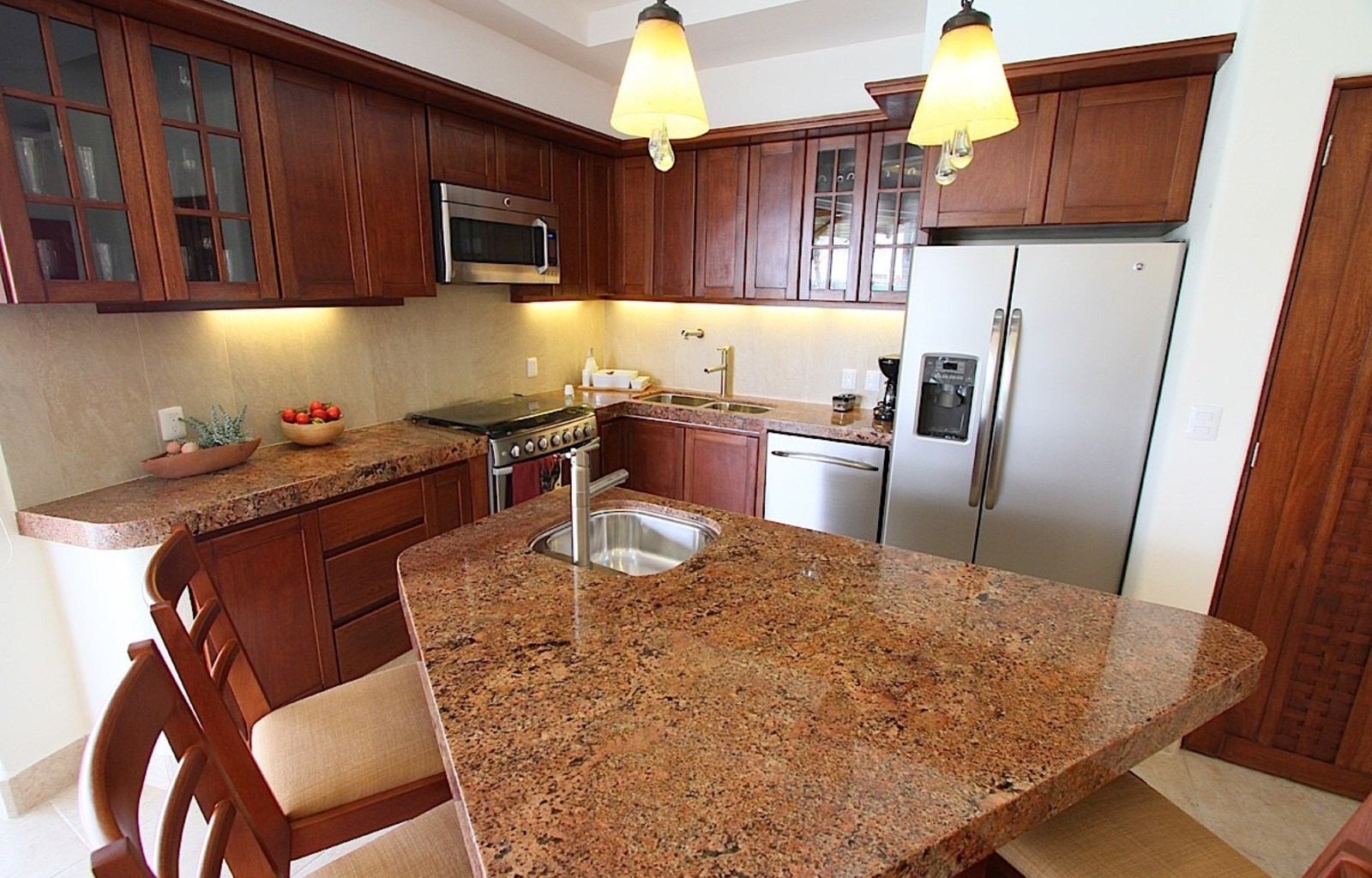
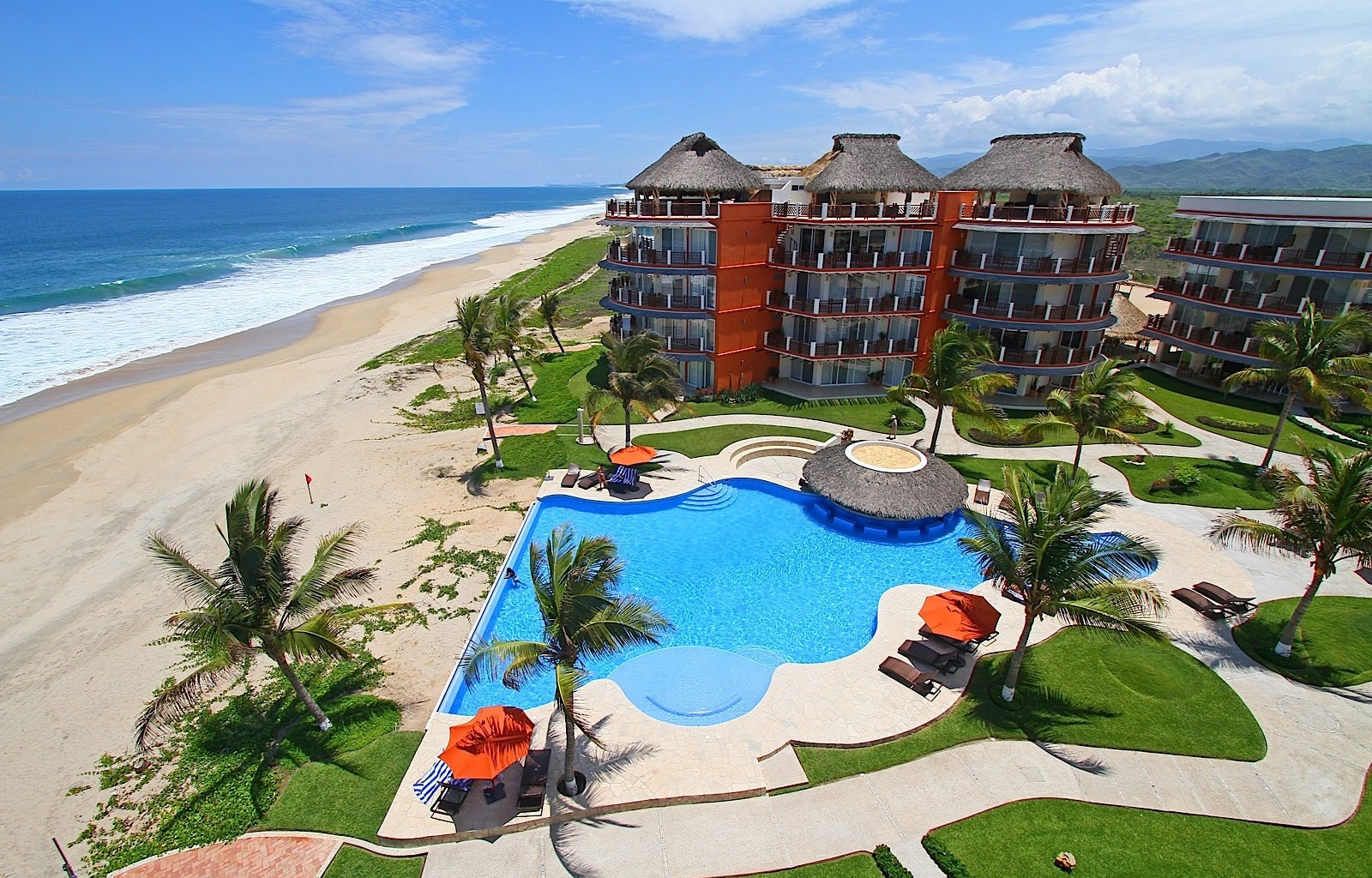
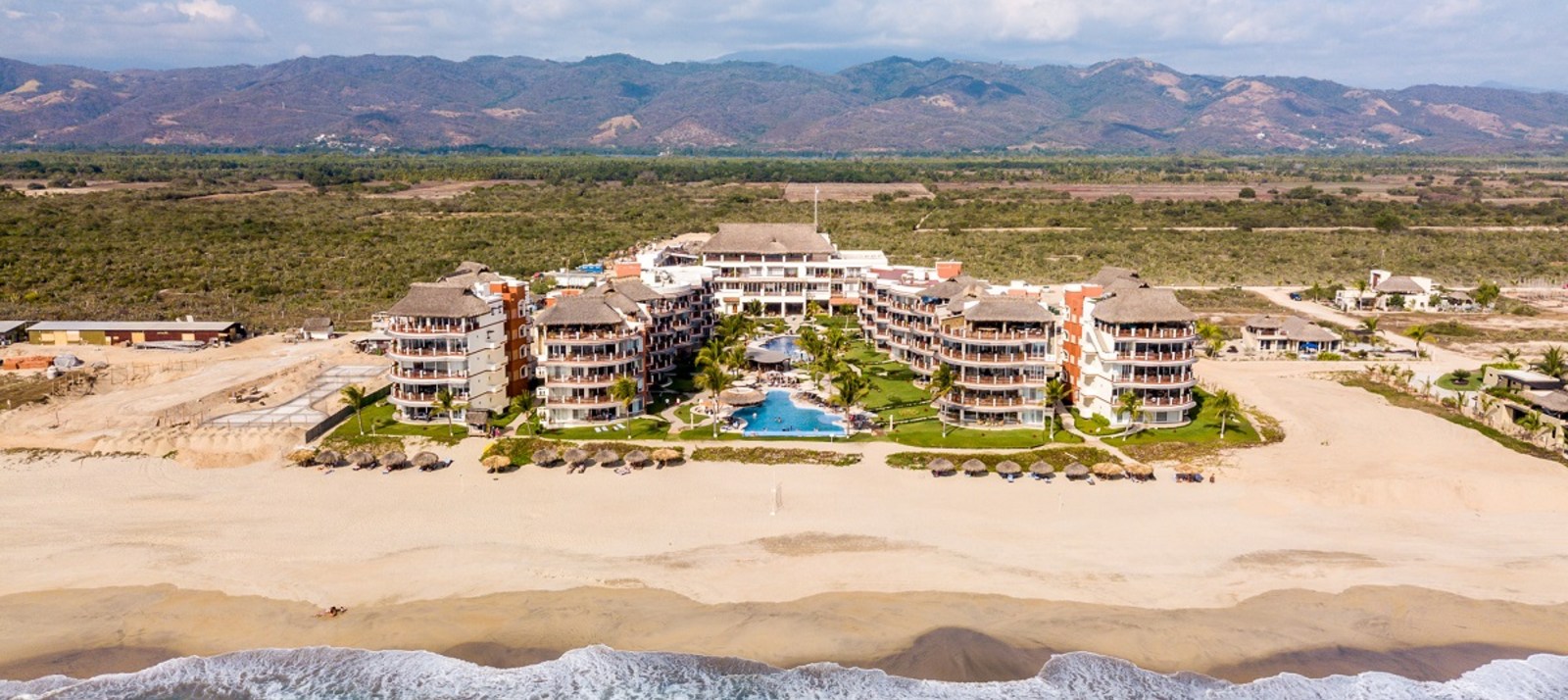
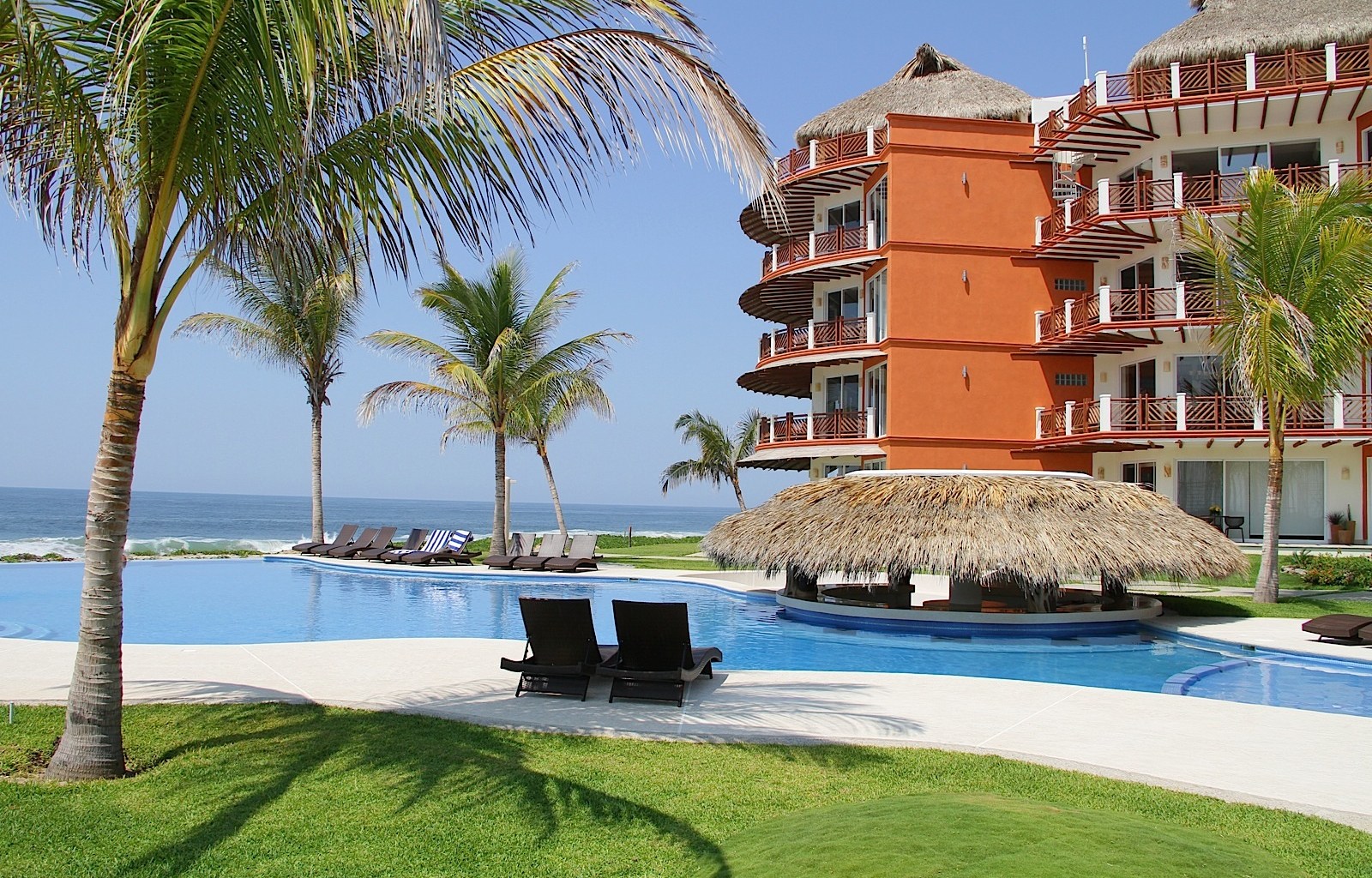
A base within an hour of the canopy course means you can shower, change and be back at the beach by lunchtime. The residences and villas around Playa Palmarito sit in that sweet spot, with suites large enough to spread out damp kit and a quiet terrace to debrief over a cold drink. You can browse the collection of beachfront residences to find a floor plan that suits couples, families or a group of friends travelling together.
Returning to air-conditioning, a proper shower and a soft bed within an hour of finishing the course is a small luxury Australians travelling long-haul especially appreciate. Plan to rest that afternoon rather than pushing on to a second activity.
Pre-flight checklist for the canopy morning
A short list run through the night before saves a lot of fumbling at sunrise.
- Fitted quick-dry top and leggings or athletic shorts laid out
- Closed-toe trainers, long socks and a fitted cap packed in the daypack
- Reef-safe sunscreen, insect repellent, refillable water bottle and electrolyte tabs
- Phone on a short lanyard, action camera mounted and charged, lightweight rain jacket
Where to recover and recharge afterwards
A canopy morning pairs naturally with a slower afternoon, and a few options work well.
- A long lunch of fresh fish and mezcal back in Puerto Escondido
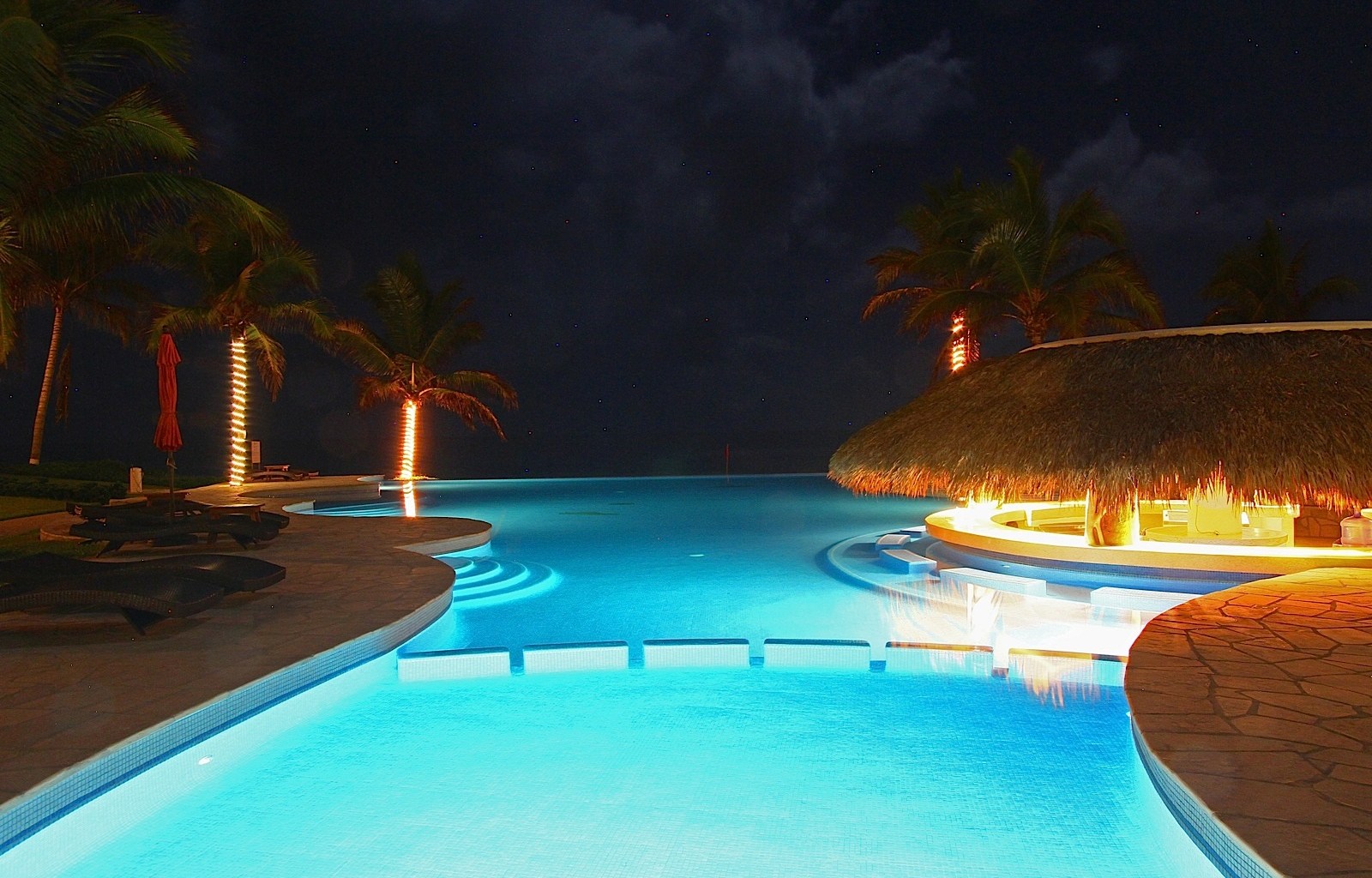
- A swim and siesta under a palapa at Playa Palmarito
- A quiet spa hour followed by an early dinner on the terrace
- A short boat trip to look for dolphins and turtles off the coast
A zip-line adventure rarely stands alone, and the smartest itineraries build a quieter day on either side. Book the earliest cable of the day, drink more water than you think you need, and let the jungle do the rest.