Planning a Day Trip to the Hierve el Agua Petrified Waterfalls
The petrified waterfalls at Hierve el Agua sit high in the Sierra Madre of Oaxaca, looking for all the world like a cascade frozen mid-pour. Mineral-rich spring water has spilled over the cliff edge for thousands of years, leaving behind calcium carbonate formations that harden into something resembling stone. Australians have long chased waterfalls, from Kakadu in the Top End to the mossy cascades of Tasmania, but this one trades gum trees and fern gullies for agave, cacti, and valley views stretching to the Pacific. It is a proper detour from any Puerto Escondido stay, and a fair day's commitment.
Getting there, swimming the natural pools, and being back on the coast by sundown is doable with a bit of forward planning. Most travellers base themselves in either Oaxaca City or Puerto Escondido, with the latter making a cracking spot to combine a beach holiday with the trip. From here it is roughly a three-hour drive each way, either through guided tour or self-drive, with plenty of stops along the way to break up the journey.
Getting from Puerto Escondido to the Waterfalls
The drive winds inland through the mountains, climbing from sea level to around 1,800 metres elevation. The road is sealed for most of the route but narrows significantly in places, with switchbacks that punish the unwary driver. Aussie travellers used to the Pacific Highway or the Stuart Highway sometimes underestimate the corners, so it pays to take it steady, especially if a tour van is in front.
Self-driving gives flexibility to stop at roadside stalls selling mezcal, tamales, and grilled corn. Rental cars are available at Puerto Escondido airport, though most Australian visitors prefer to book a guided day tour, which includes hotel pick-up, lunch, and a local guide who can explain the geology. Shared tours tend to leave around 7am and return by 7pm, while private drivers offer a more leisurely start and a bit more time at the pools.
When to Visit for the Best Conditions
The dry season runs from November through April, which lines up nicely with Australia's summer holidays if you are escaping the southern winter back home. Skies stay clearer, the road is less likely to be slippery, and the pools take on that famous turquoise tint. Weekdays are quieter than weekends, when Mexican families pile in for the day. Aim to arrive before 10am to beat the tour buses and get the rock shelf almost to yourself.
Time of day matters too. Midday sun is fierce at altitude, even in the cooler months. Mornings give soft light for photos and comfortable temperatures for the walk down to the lower viewpoint. If you fancy the natural infinity pools, bring a towel and be prepared to share the shallows with curious tadpoles and other travellers.
Exploring the Pools and the Rock Formations
The site spreads across two main viewing platforms: the upper pools, where most visitors swim, and the lower waterfall lookout, reached by a short but steep footpath. The walk down takes about twenty minutes and rewards with a face-on view of the calcified cascade, which looks eerily like a river turned to rock. From the cliff edge, the valley below reveals patchwork farmland and distant mountain ridges.
Swimming is allowed in the larger upper pools, though the water is bracing, even on a warm day. Locals swear by the mineral content for skin and joints, a claim that gets repeated around every thermal pool from Rotorua to the Blue Mountains back home. The pools can get slippery underfoot, so reef shoes or old sneakers are a smart move. There are basic toilets, a small restaurant, and market stalls near the car park, but no ATMs, so bring small notes.
Sorting Out the Aussie Travel Logistics
Flights from Sydney or Melbourne usually route through Los Angeles, Mexico City, or Houston before connecting down to Huatulco or Oaxaca. Total travel time runs around twenty-six to thirty hours door to door, which is why most travellers tack on at least a week of beach time to recover. Qantas and several one-stop carriers handle the trans-Pacific leg, while domestic connections are operated by Aeromexico and VivaAerobus.
The Australian dollar stretches surprisingly far against the Mexican peso, with a current exchange rate hovering around fourteen pesos to one AUD. That buys a decent set lunch, a short taxi ride, or entry to most regional attractions. Still, carry some pesos in cash for rural sites like Hierve el Agua, where card facilities are patchy at best. Travel insurance is a non-negotiable for any Aussie heading into remote areas, and policies covering medical evacuation are worth the extra spend.
Language is rarely a barrier at major resorts, but a few Spanish phrases go a long way once you leave the tourist bubble. "Hola", "gracias", and a polite "por favor" earn warm smiles from locals, particularly in the smaller villages along the route. Aussies travelling in regional Mexico often find the slower pace a welcome change from the bustle of Sydney or Brisbane, and the locals appreciate travellers making even a small effort with the language.
What to Pack for the Day
A small daypack carries everything needed for the trip. Think of it like packing for a hike in the Grampians or a long arvo at Jervis Bay, only with extra water and sunscreen for the altitude. Leave the bulky camera gear in the hotel safe and rely on a phone or compact camera for the shots, no dramas.
| Pack It | Leave It Behind |
|---|---|
| Reef shoes or old sneakers | Thongs or jandals |
| Reef-safe sunscreen | Aerosol sprays |
| Wide-brim hat | Caps (the wind picks up) |
| 2 litres of water per person | Single-use plastic bottles |
| Lightweight long sleeves | Heavy jackets |
| Snacks (nuts, fruit, muesli bars) | Strong-smelling food |
| Pesos in small notes | Large denominations |
| Microfibre towel | Full-size beach towel |
| Sunglasses with strap | Loose-fitting pairs |
Dress in layers because temperatures shift quickly once the sun drops behind the ridge. Sturdy footwear matters more than fashion out here, especially on the lower trail, which gets gritty underfoot after rain.
Pairing the Trip with Your Stay
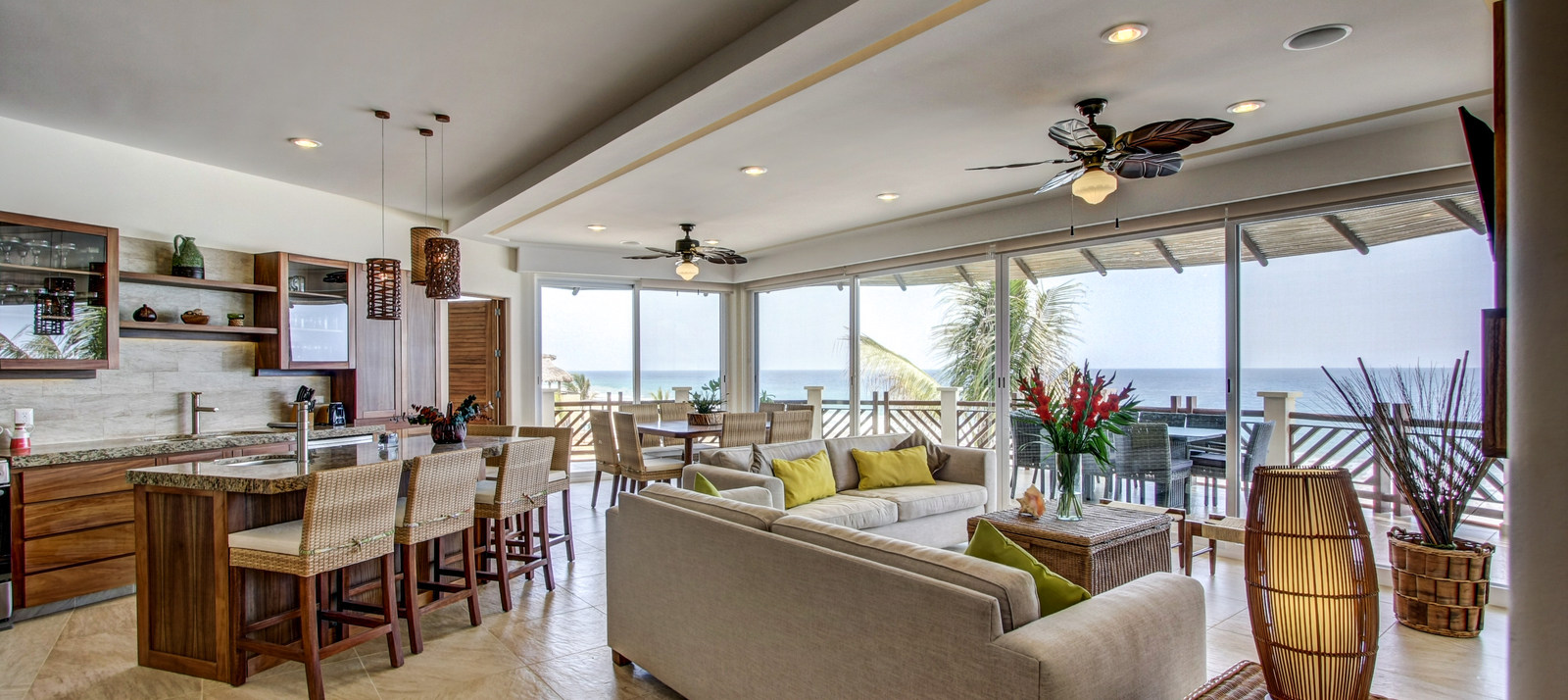
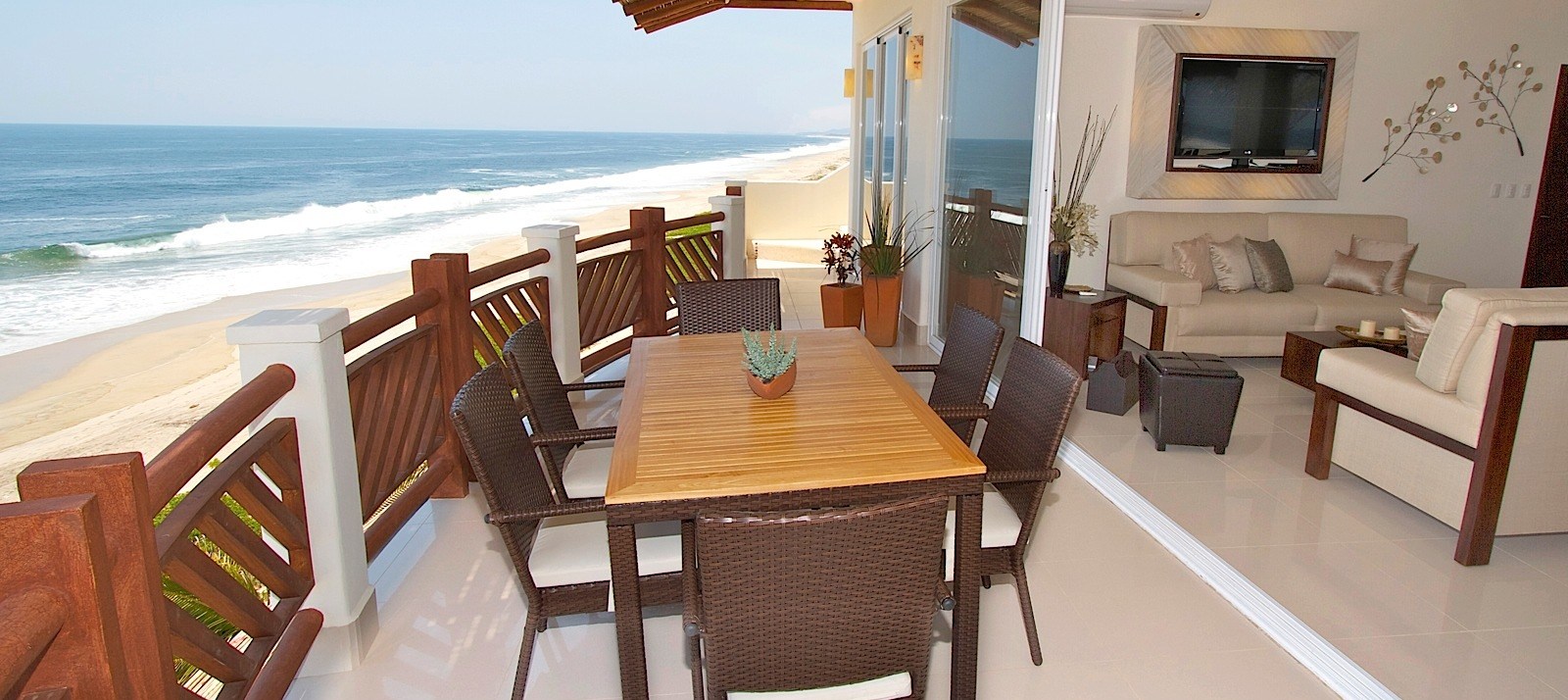
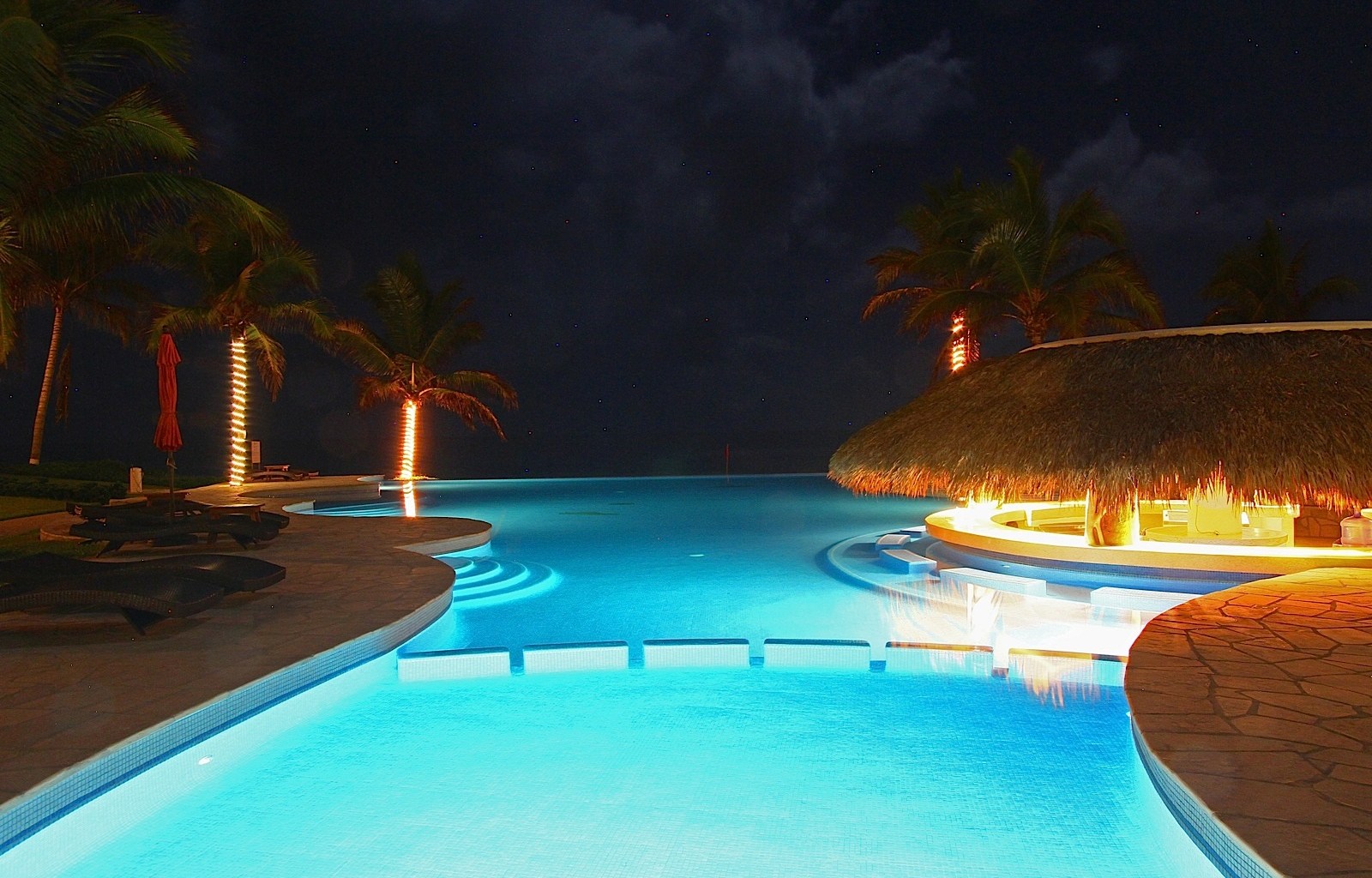
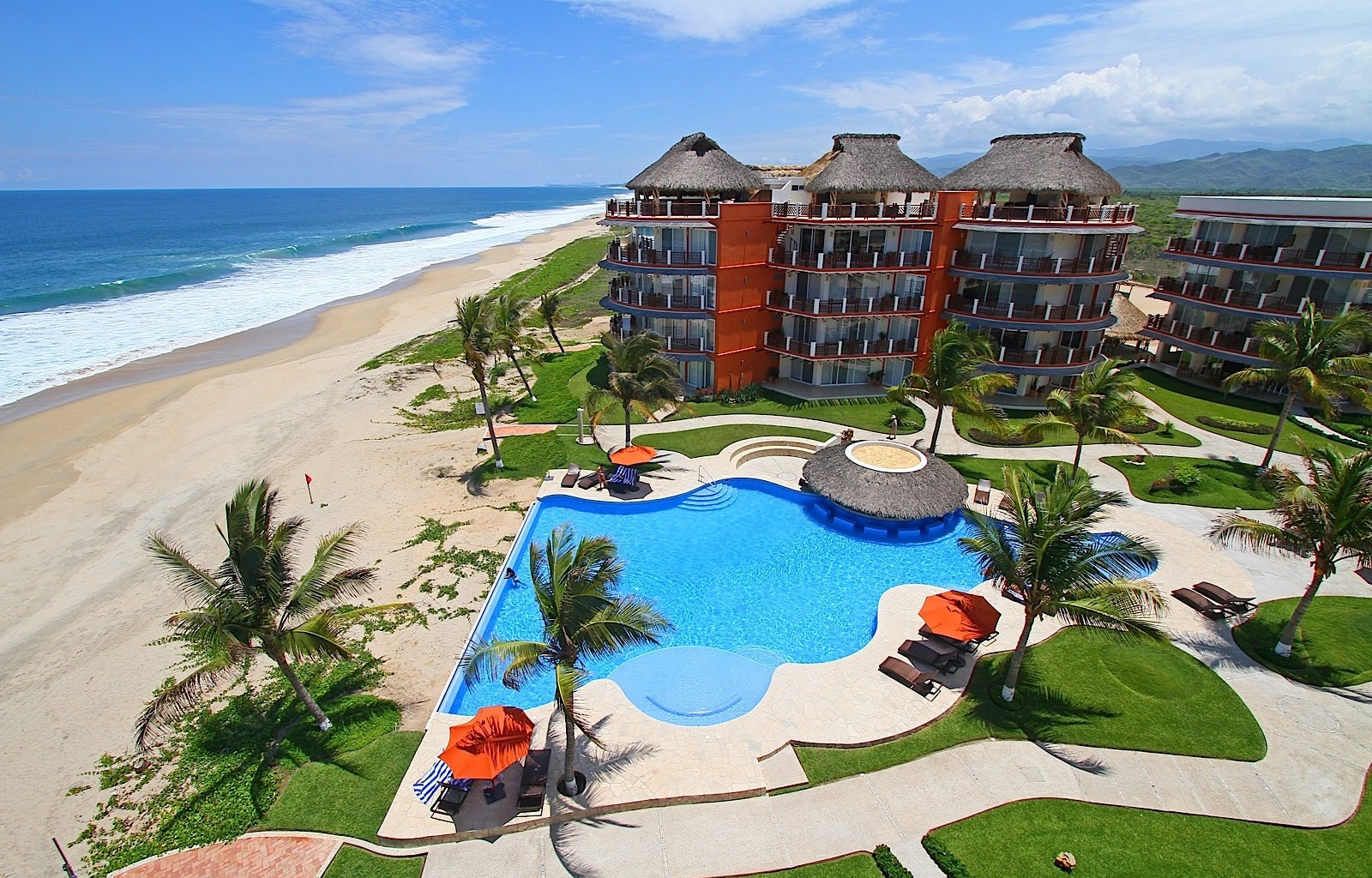
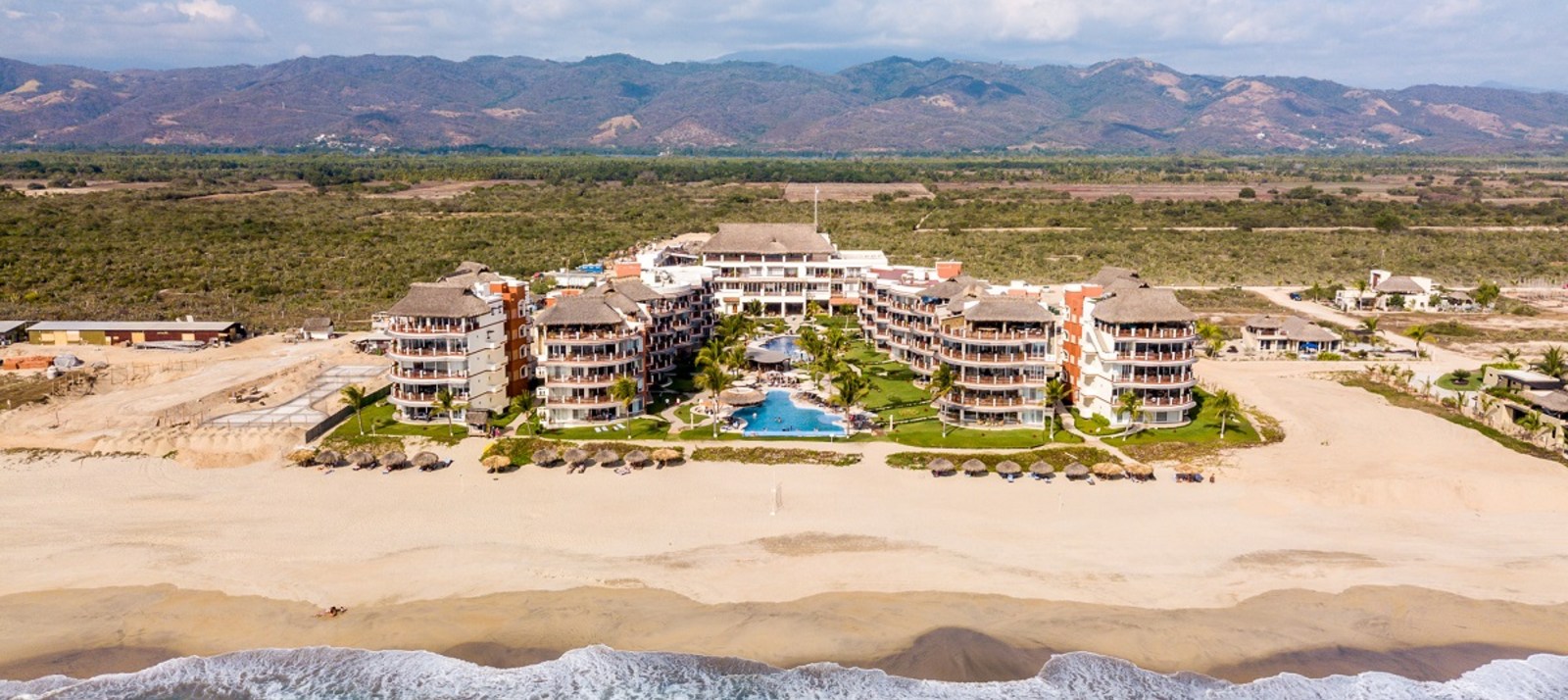
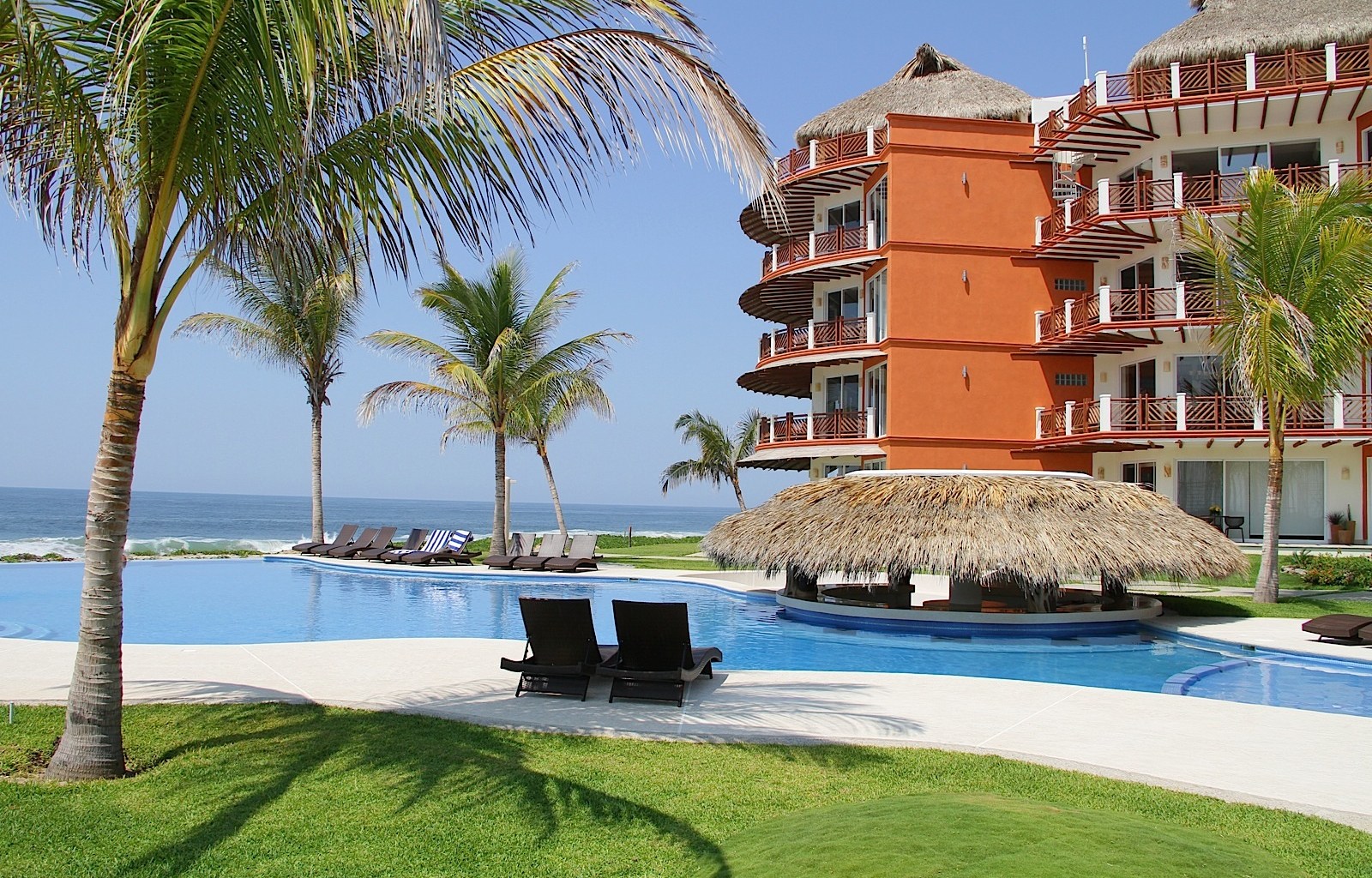
The waterfalls slot nicely into a longer Puerto Escondido itinerary, often as a single full-day outing midweek. Tour operators in town bundle it with mezcal tastings, visits to traditional Zapotec weaving villages, or stops at a local tlayudería for wood-fired lunch. After a long day on the road, many travellers welcome something gentle on the body, and a guide to the resort's sunset yoga sessions on the beach at Vivo Resorts pairs perfectly with the next morning's recovery.
Booking the tour in advance is wise during peak Mexican holiday periods, particularly around Semana Santa and the Day of the Dead. Most Aussie visitors coordinate through the concierge desk at their resort, who can recommend trusted local operators and arrange transport. For more details on resort amenities and to start planning, the Vivo Vacations site lists current rates, packages, and wellness offerings that round out a coastal holiday.
The Hierve el Agua petrified waterfalls reward travellers willing to make the journey inland, offering a contrast to the beach days that bracket the trip. Take it slow, drink plenty of water, and allow the geology to do the talking. The pools are still forming, drop by drop, the same way they have for millennia, and standing at the cliff edge watching the valley unfurl is the kind of moment that stays with you long after the flight home.