How to Plan a Multi-Day Road Trip Along the Oaxacan Coast to Huatulco
A self-drive holiday along the Pacific coast of Oaxaca rewards travellers with a string of laid-back beach towns, hidden coves, and roadside seafood shacks that vanish once you reach the highway's end at Huatulco. For visitors flying in from Sydney or Melbourne, the journey works best as a slow trip spread over five to seven days, since the distance from Puerto Escondido to Huatulco covers roughly 230 kilometres of winding coastal road. Splitting the drive into smaller legs also leaves room for swims, sunset dinners, and spontaneous stops at villages that aren't marked on most maps.
The coast moves at its own pace, and so should the itinerary. A flexible schedule lets you linger at a favourite beach, take a morning surf lesson, or detour inland for coffee plantations without losing a hotel booking. Many travellers treat Puerto Escondido as the launch point and Huatulco as the final reward, building in one or two overnight stops along the way in places like San Agustinillo, Mazunte, or Zipolite.
Mapping the Coastal Route from Puerto Escondido to Huatulco
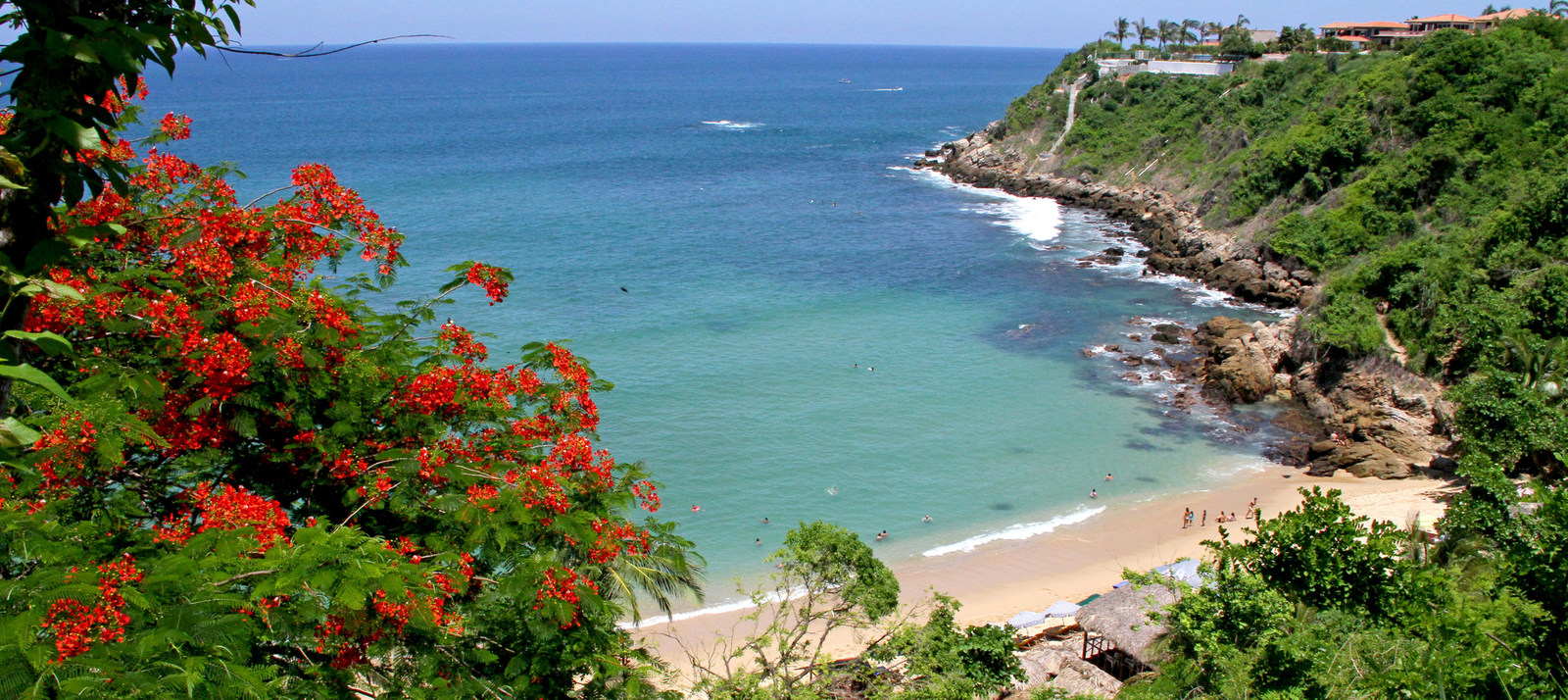
The most scenic stretch begins on Highway 200 heading east from Puerto Escondido, curving along cliffs that drop into turquoise water. After about 90 minutes, the road passes through the small towns of San Agustinillo and Mazunte, where turtle sanctuaries, yoga shalas, and barefoot beach bars define the vibe. Continuing east, Zipolite offers a clothes-optional stretch of sand and one of the few legal nude beaches in Mexico, while the lagoon at Puerto Ángel sits just a short detour south of the highway.
Beyond these villages, the road climbs through coffee-growing hillsides before dropping back to the coast near Huatulco's nine bays. Drivers should allow at least three to four hours for the full Puerto Escondido to Huatulco leg without stops, though most travellers break it into two shorter driving days. Fuel stations become sparser east of Puerto Escondido, so topping up the tank before leaving town is wise, especially if you plan to detour to smaller beaches without their own services.
Driving Realities for Australians on Mexican Roads
One of the first adjustments for travellers from Sydney, Brisbane, or Perth is that Mexican traffic moves on the right-hand side of the road, opposite to Australian roads. Australian licences are generally accepted for short tourist stays, but rental agencies often ask for a Spanish translation or an international driving permit, which the Australian Automobile Association issues through state motoring clubs. Booking a rental car in advance and confirming the policy on insurance before arriving saves a long queue at the airport counter.
Speed limits drop sharply near villages, and topes appear without warning on rural stretches. Local drivers use them confidently, so following the rhythm of traffic rather than GPS estimates tends to be safer. It's also worth carrying small peso notes for tolls and informal parking attendants, who are common at beach access points along the coast.
Picking Your Base at the Start of the Journey
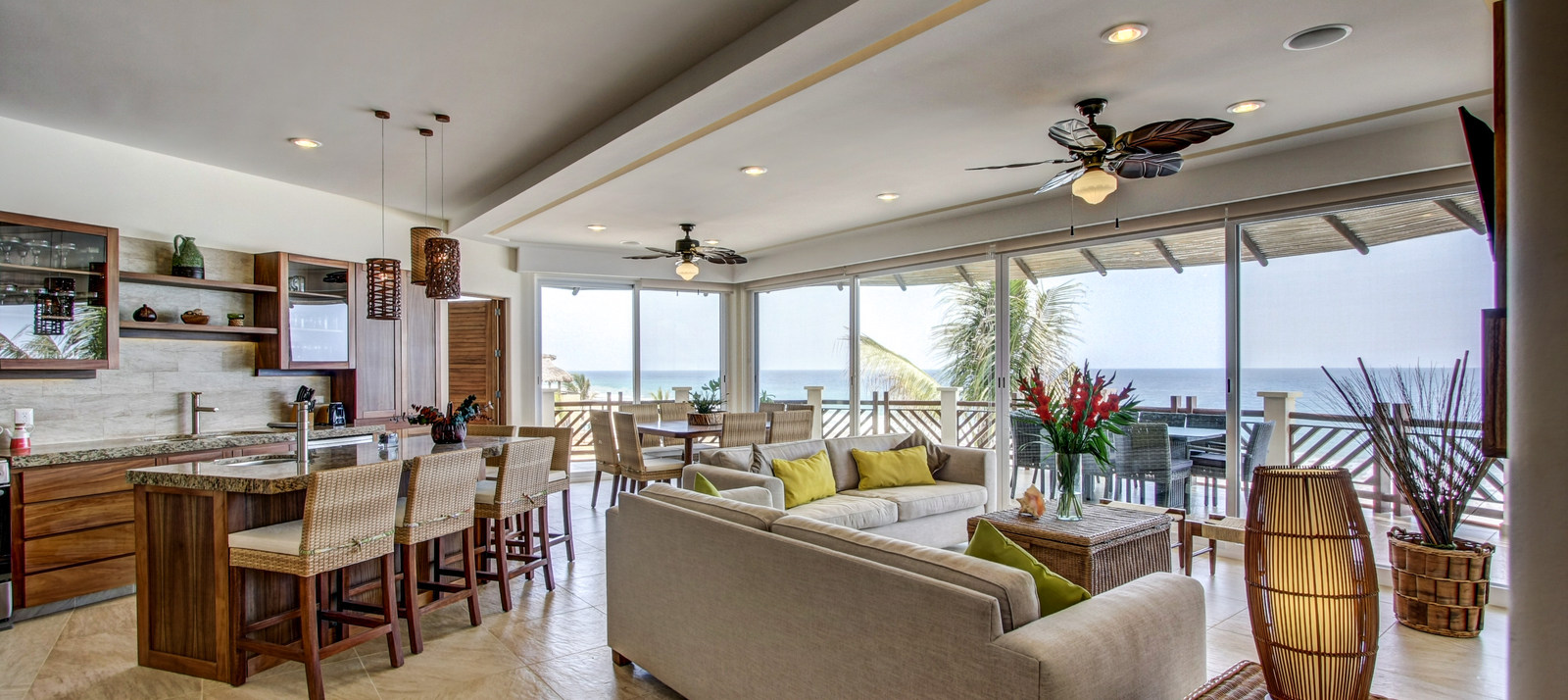
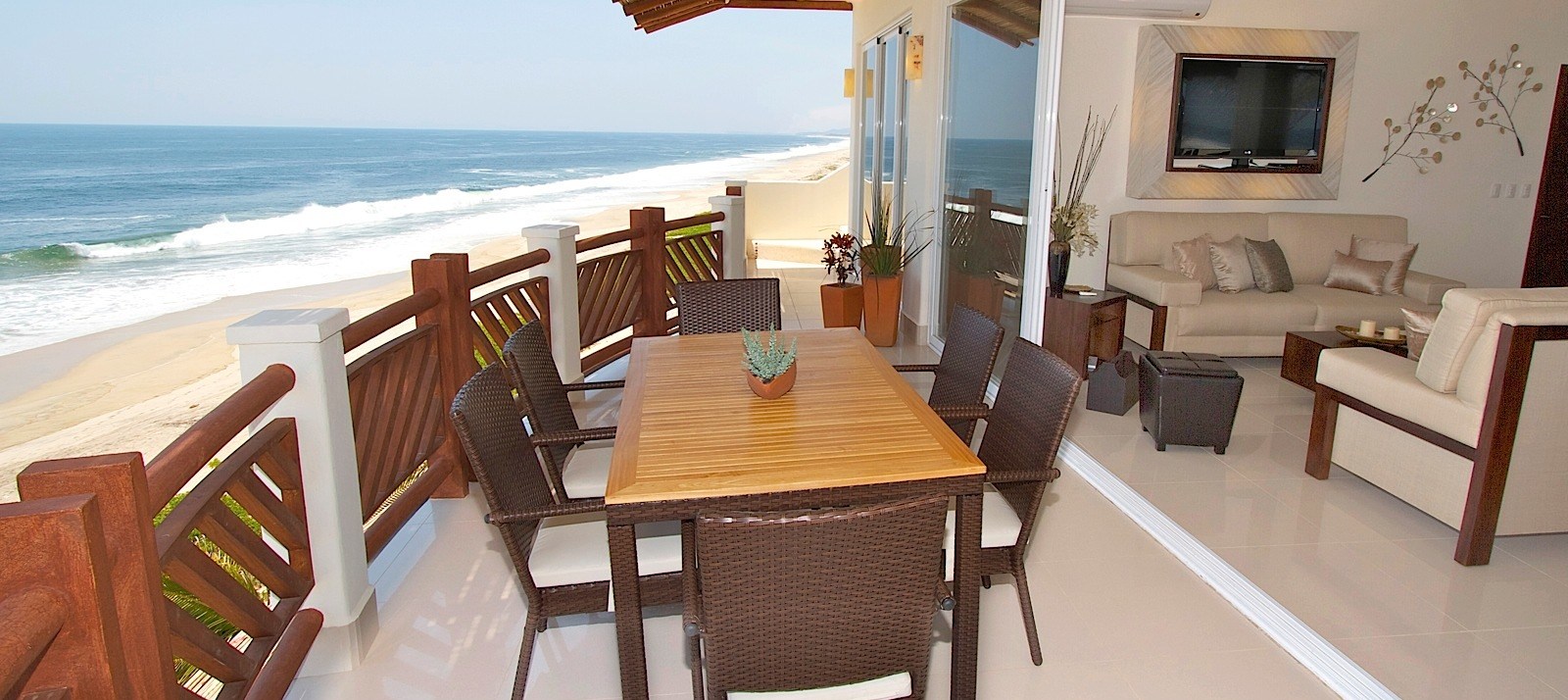
Puerto Escondido works well as a launching pad because it has the largest range of car rentals, supermarkets for stocking snacks, and pharmacies for travel basics. Choosing a beachfront hotel here also gives you a full day to recover from long-haul flights before the road trip begins. Suites that face Playa Palmarito tend to be quieter than those closer to Zicatela's heavy surf, which suits couples and families looking for a calmer setting.
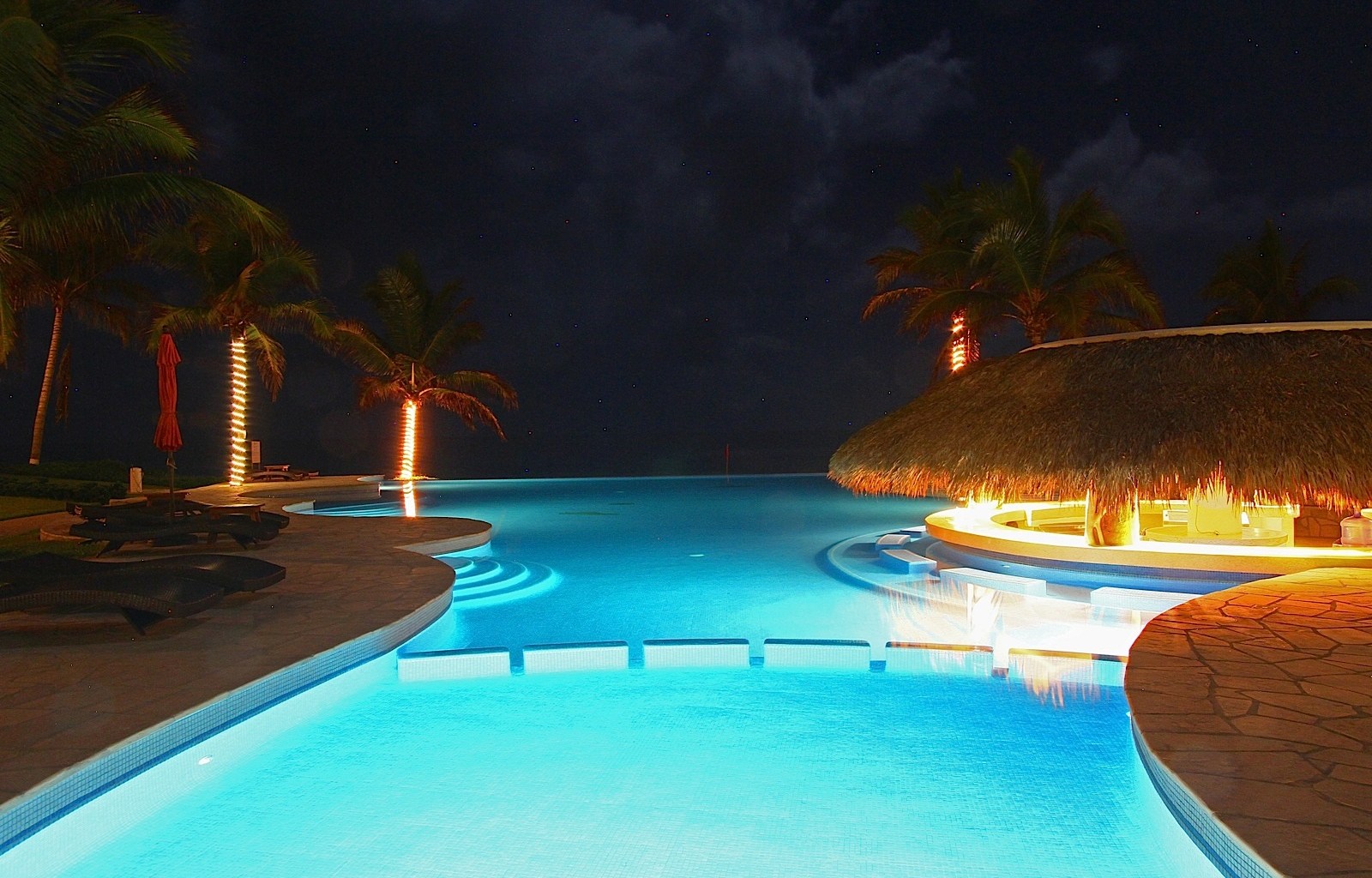
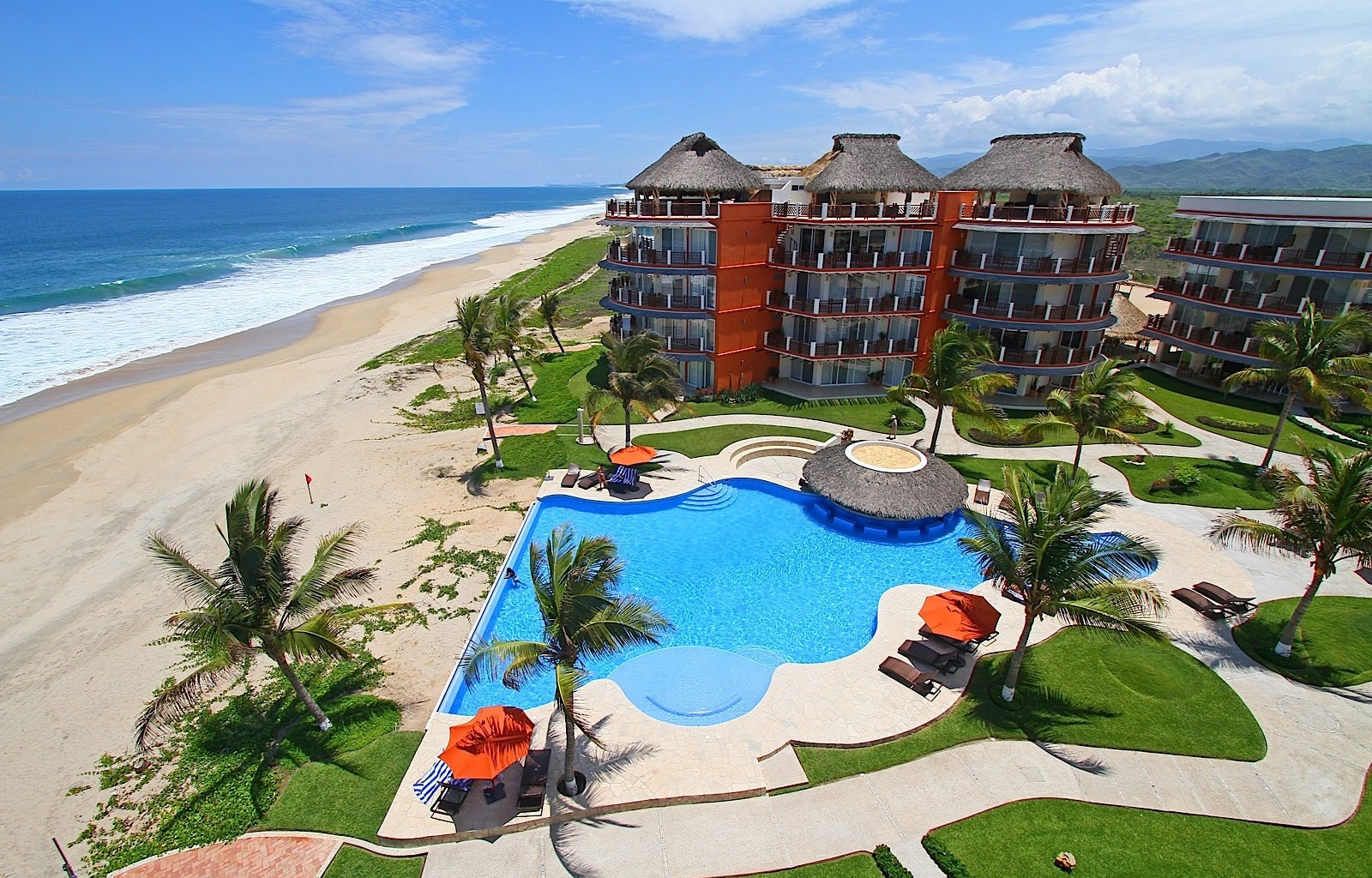
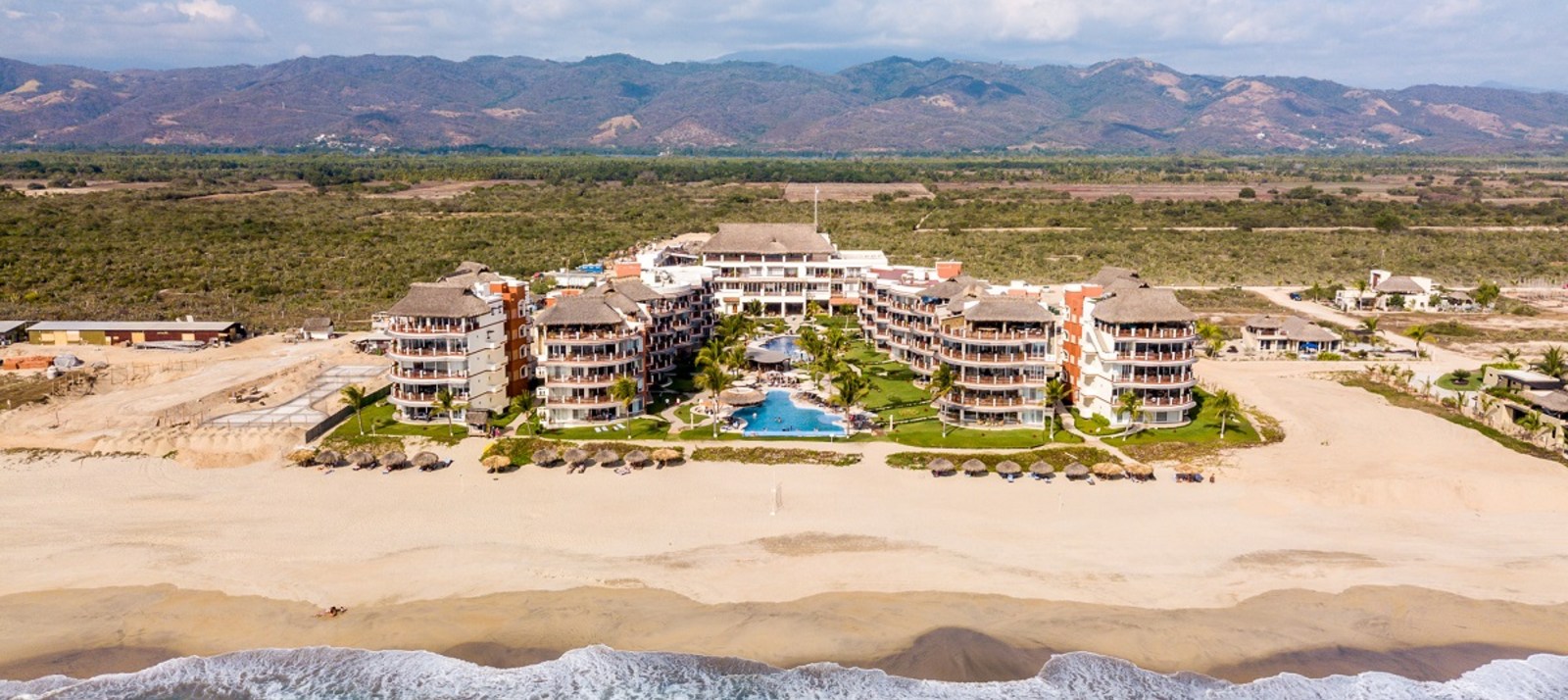
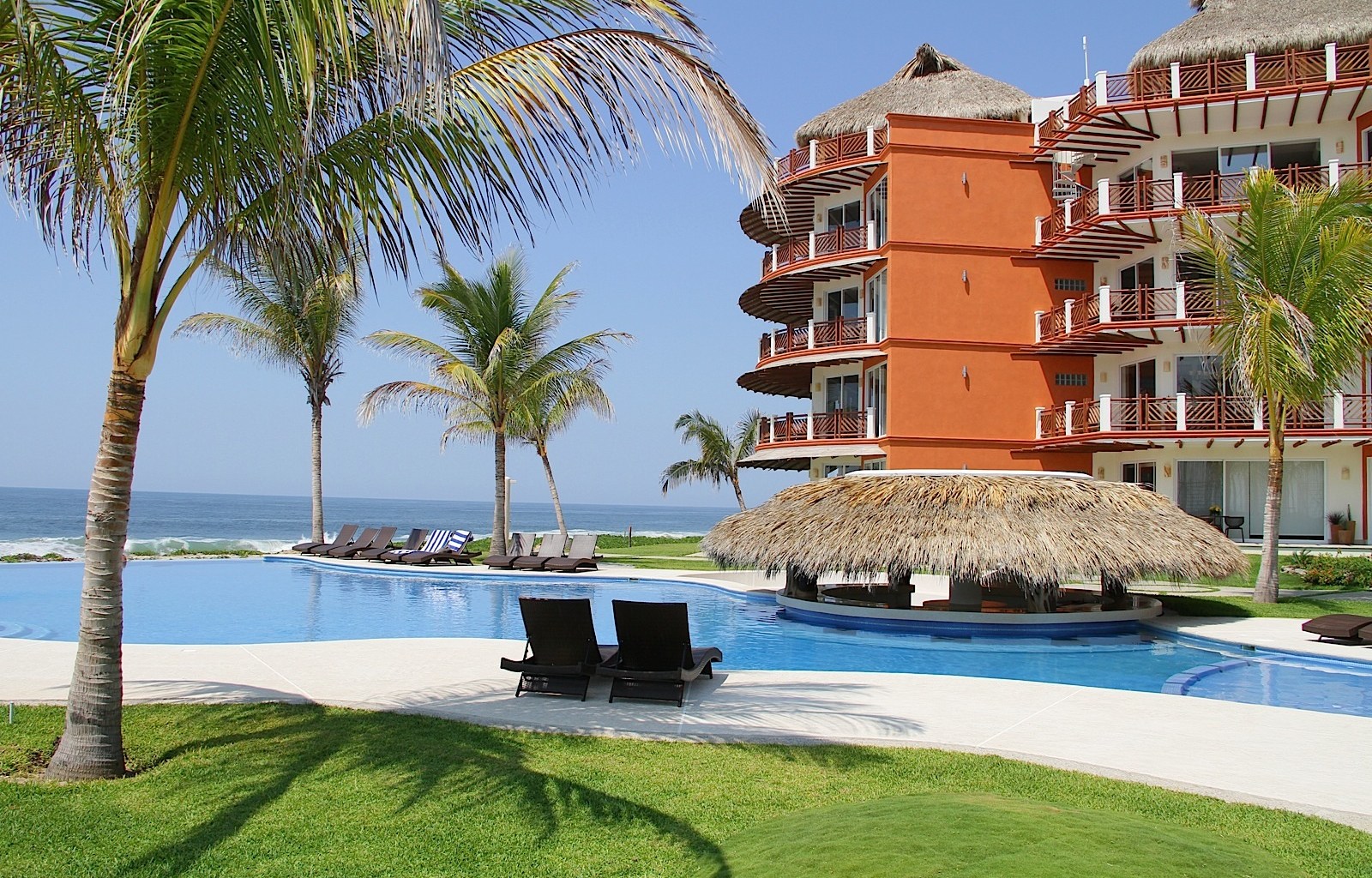
Guests who want to balance exploration with comfort often book a few nights at a property like Puerto Escondido resort before setting out, allowing time for a sunset walk, a dip in the pool, and an early breakfast the next morning. A relaxed first base also helps with adjusting sleep schedules before tackling winding roads.
Beating Jet Lag and Adjusting to the Rhythm
Flights from Melbourne or Sydney usually route through Los Angeles or Mexico City, leaving Australian visitors roughly 15 to 17 hours ahead of Oaxacan time depending on daylight saving. Most travellers find they lose a night of sleep on arrival, so keeping the first 24 hours light, with gentle swims and short walks, helps the body clock reset. Hydration matters more than usual on the coast, where heat and salt air can amplify fatigue.
Driving on the second day rather than immediately after landing is a safer choice, especially when roads curve through coastal hills. A short afternoon siesta, followed by an early dinner, often resets the internal clock faster than pushing through exhaustion. Light morning exercise, such as a beach walk before breakfast, also helps anchor sleep to the new night-time cycle.
Detours Worth Taking Between the Two Anchor Towns
The road between Puerto Escondido and Huatulco hides several worthwhile stops that reward a half-day detour. Chacahua Lagoon, reached via a partly paved road north of the highway, offers boat tours through mangroves and a meal of fresh fish cooked on the beach. Closer to the main route, the cliffside viewpoints near Cerro de la Ventana give a panoramic sweep of the Pacific that photographers tend to linger at.
Sport fishing enthusiasts often add a morning at sea before continuing east, and a fishing charter from Puerto Escondido for marlin or sailfish can be slotted into the trip's first or second day. Inland from Huatulco, coffee fincas around Pluma Hidalgo welcome visitors for tastings, and the waterfalls at Llano Grande offer a refreshing reward after a longer driving day.
Slowing Down at a Beachfront Spa Between Drives
Long drives along the coast deserve a recovery day, and the mid-point between Puerto Escondido and Huatulco is a natural place to pause. A beachfront resort spa treatment, whether a deep-tissue massage after hours behind the wheel or a seaweed wrap that uses local ingredients, eases tired muscles and resets the senses. Many travellers book a half-day at a resort spa as a deliberate pause rather than treating it as an optional extra.
Spas along this stretch often incorporate traditional Oaxacan botanicals, including cocoa, copal, and local herbs that reflect the region's heritage. Booking treatments for late morning also leaves the afternoon free for a beach walk or a swim before sunset. Pairing the spa stop with a slow lunch by the pool turns a driving day into a proper rest day without losing forward momentum.
Practical Recommendations for the Drive
- Confirm your rental company's policy on driving beyond Oaxaca state and carry the original insurance documents in the car at all times.
- Carry small denominations of pesos for tolls, parking, and the occasional roadside fruit stall that doesn't accept cards.
- Plan fuel stops around Puerto Escondido, Huatulco, and any larger village in between, as services thin out quickly further east.
- Pack a paper map or download offline maps before leaving Wi-Fi range, since mobile coverage drops along several coastal stretches.
- Schedule at least one full rest day midway through the trip, ideally with a spa booking, to avoid driver fatigue on the final push to Huatulco.
Returning home to Australia also means following the Department of Agriculture's strict biosecurity rules, so leaving sandy shoes and outdoor gear clean before flying back avoids a long inspection at Sydney or Melbourne airport. The drive itself becomes a memory of slow mornings, warm evenings, and ocean horizons that change colour with every kilometre of the Oaxacan coast, leaving travellers with a journey that feels less like a transfer and more like a holiday in its own right.