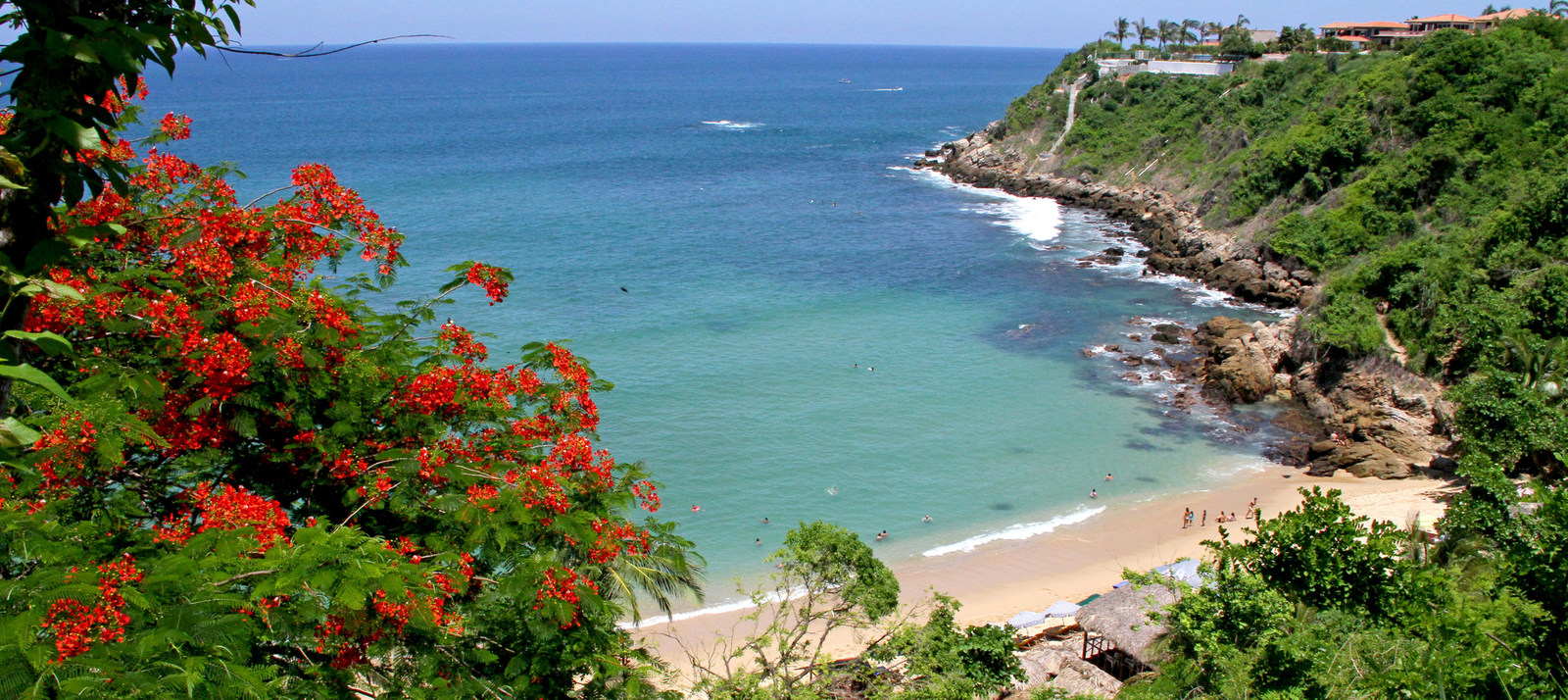
A traveller's guide to the Cerro de la Cruz viewpoint
Few moments on a Mexican holiday rival the satisfaction of watching the sun spill across the Pacific after a sweat-breaking walk uphill. The Cerro de la Cruz viewpoint, perched above the fishing town of Puerto Escondido, rewards visitors with a sweeping panorama of beaches, salt lagoons, and the curved coastline of Oaxaca. For travellers booking a long-haul trip from Sydney or Melbourne, weaving a morning climb into a longer beachside holiday turns a beach break into something far more memorable.
Australian visitors often arrive in Puerto Escondido eager to swap their own rugged coastal trails, like the cliff walks of the Royal National Park, for a Mexican adventure that ends with cold Pacific breezes and a cold drink at the bottom. The walk itself is short enough to fit into a half-day, yet demanding enough to make the view feel truly earned.
Getting there from down under
Most Aussies will land at Puerto Escondido International Airport after a connection through Mexico City, Los Angeles, or sometimes Panama City. Flights from Sydney typically take around 28 hours door-to-door, including layovers, so it pays to break the trip with a night in Mexico City on the way in or out. Travellers flying out of Brisbane or Perth often find similar routing, though Perth-based flyers sometimes shave an hour off by connecting through Santiago.
The resort sits roughly an hour's drive north of the airport along the coast. Pre-arranging a pickup with your hotel saves the awkwardness of haggling with taxi drivers after a long-haul flight. Australians used to transparent pricing back home appreciate the certainty of a fixed fare, particularly when arriving late with tired legs. Visitors organising weddings and group trips can lean on the resort's event team for airport transfers, group dining, and timing local excursions so the whole party reaches the trailhead together.
Best time to tackle the trail
The dry season from late November through April lines up neatly with the Australian summer holidays, which is when most families from the Northern Beaches or inner-city Melbourne plan their big trips abroad. Mornings during these months are clear, the humidity is lower, and the trails are less slippery than during the May-to-October rains.
Aim to start walking before 8 a.m. The sun climbs quickly, and the upper sections of the path lose their shade well before the summit. Many Australian hikers compare the tropical heat to a Boxing Day cricket test in Sydney, where you forget the sunscreen until your shoulders remind you. Pack a wide-brimmed hat rather than a cap; the angle of the sun here catches the back of your neck in ways that bushwalking along the Bibbulmun Track never quite does.
Walking the path to the summit
The trail begins near the centre of Puerto Escondido, just a short walk from many local hotels and beachside cafes. The route climbs steadily for around a kilometre, switching back several times as it cuts up the hillside through low scrub and clusters of fragrant wildflowers. Stone steps appear in the steeper sections, and a series of small shrines marks the path near the top.
Most healthy adults can complete the climb in 25 to 45 minutes, though the pace slows as the gradient steepens near the final stretch. Take water, even if the morning feels mild at sea level, and pause at the first lookout for a clearer view of Playa Zicatela to the south. The actual summit cross sits a few minutes beyond this point, and the surrounding platform is a popular spot for a quiet rest before the descent.
Australian hikers used to the well-marked routes of the Grampians or the elevated boardwalks of Katoomba will find this trail more rustic, but no less rewarding. The track is informal in places, so sturdy shoes beat thongs every time. Coming down takes roughly half the time going up, and the knee-friendly option is to zig-zag rather than drop straight down the steeper pitches.
Pack smart: what to bring on the climb
Think light, but think practical. A small daypack with at least a litre of water per person, electrolyte sachets if you know the humidity will catch you out, and a compact first-aid kit are essential. Australians travelling with kids often tuck a snake bandage in by habit, which is overkill here, though the same instinct to over-prepare serves travellers well.
A microfibre towel comes in handy, both for wiping sweat on the climb and for a spontaneous dip at the beach afterwards. Sunscreen rated at least SPF 50, lip balm with UV protection, and a light long-sleeve shirt for the descent round out a sensible kit. Leave the camera lens cap in the bag if you plan to take photos from the summit; the wind off the ocean can be sharper than expected. A pair of binoculars turns the experience into something else entirely, particularly for spotting migrating whales between December and March.
Pairing the hike with a beachfront stay
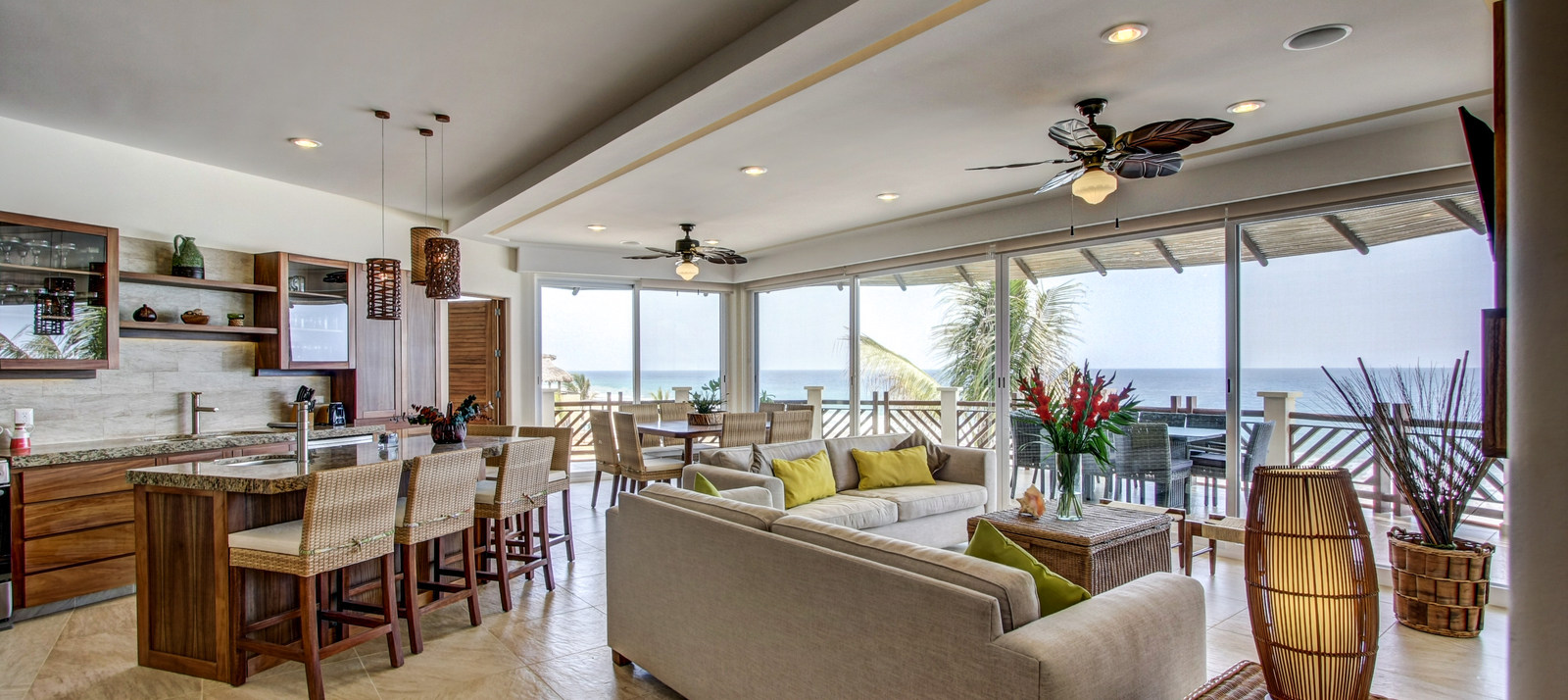
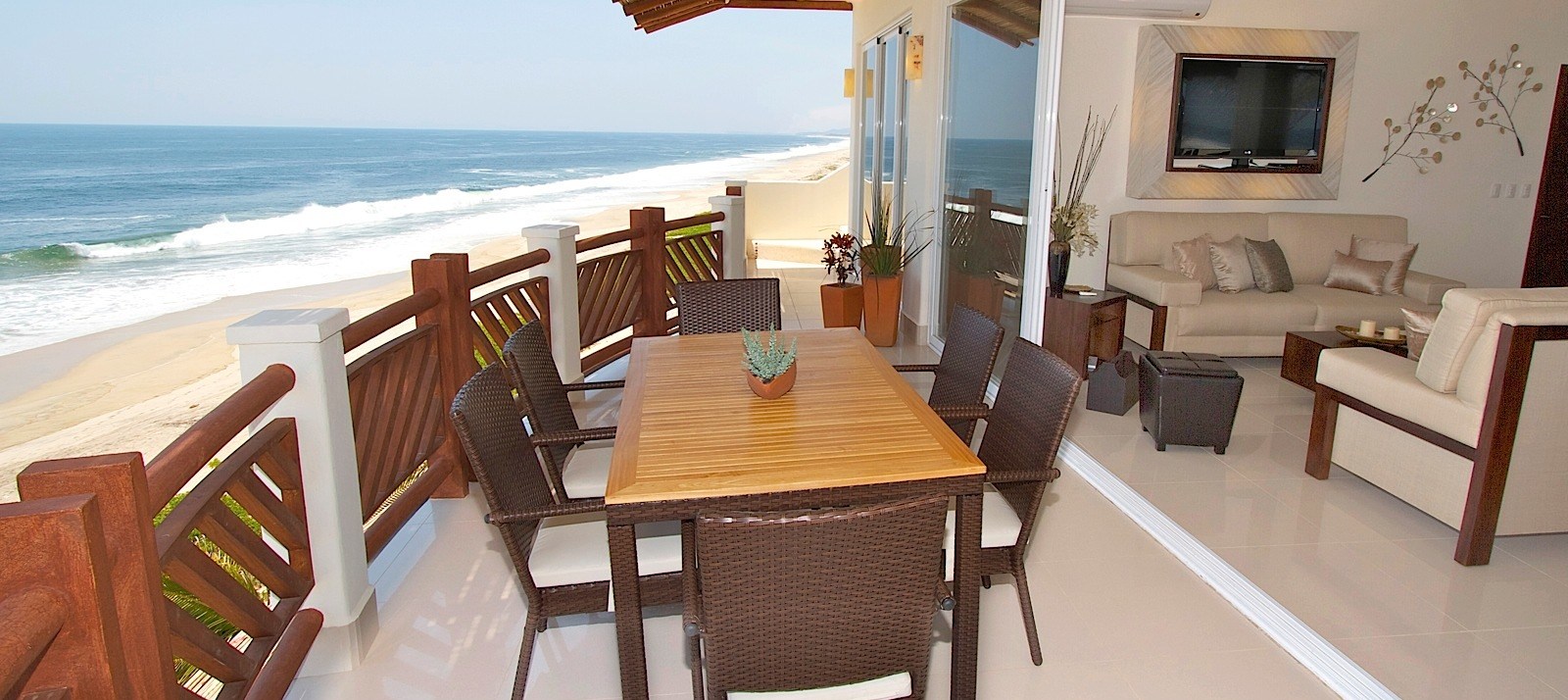
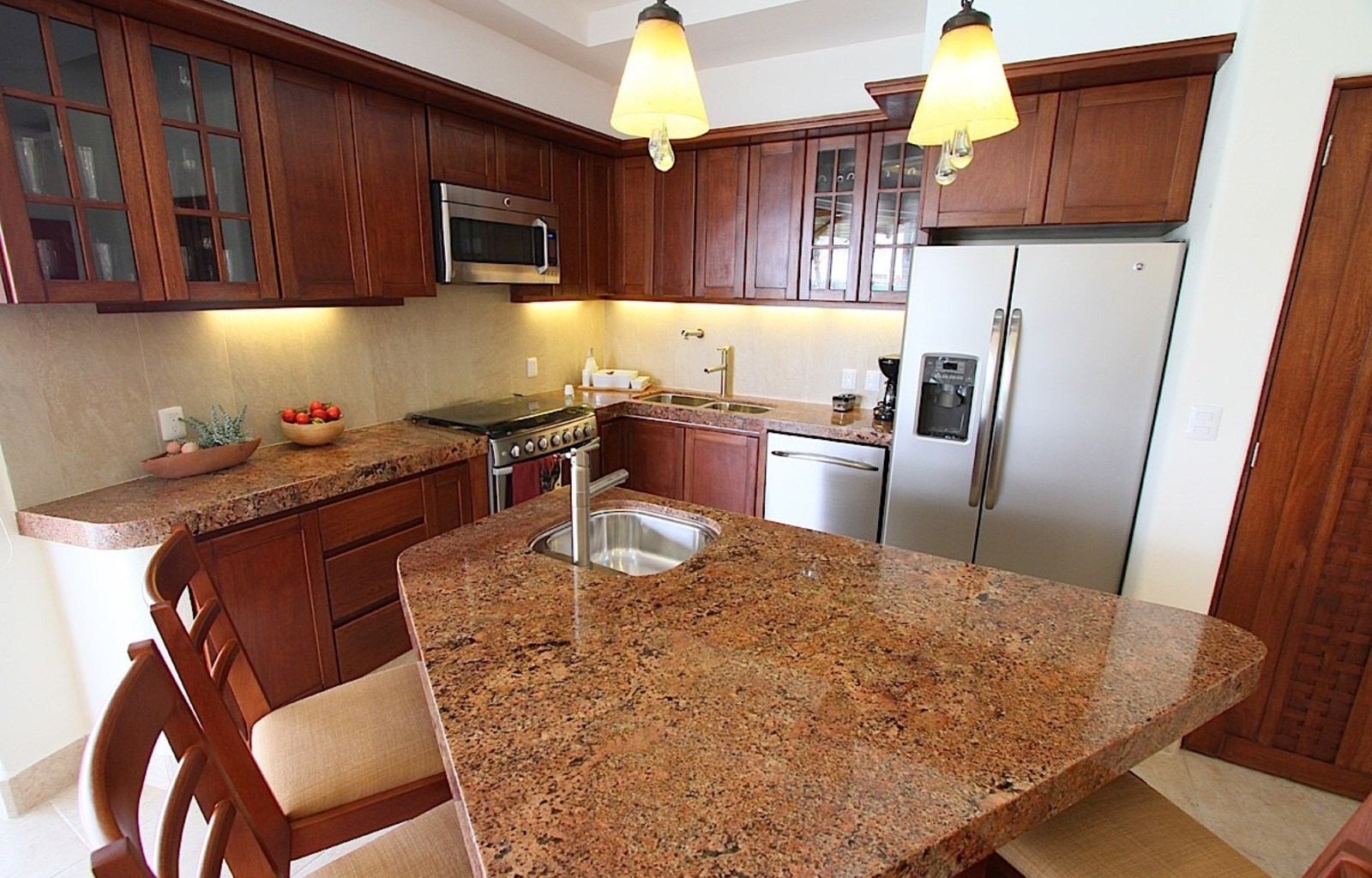
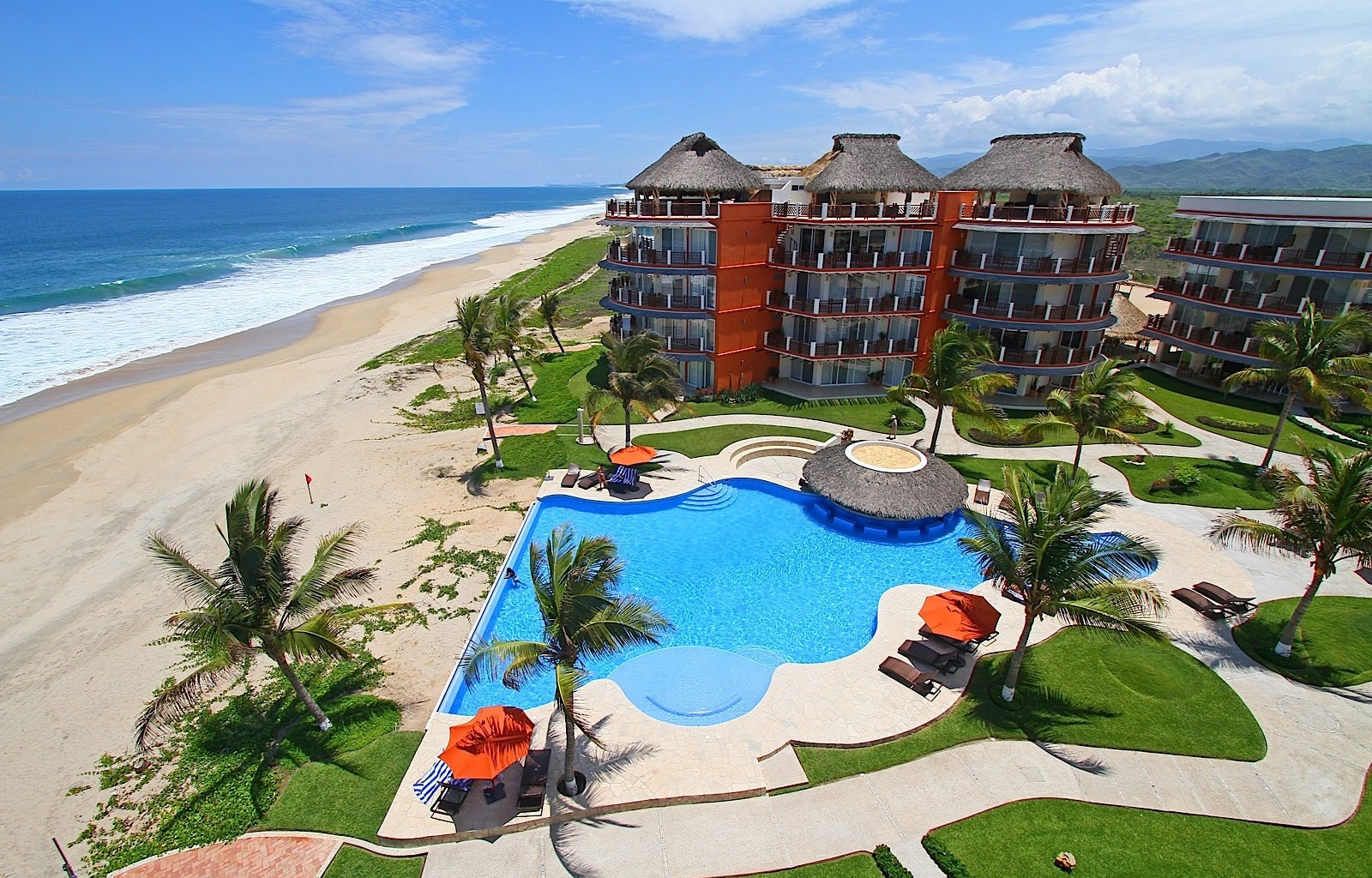
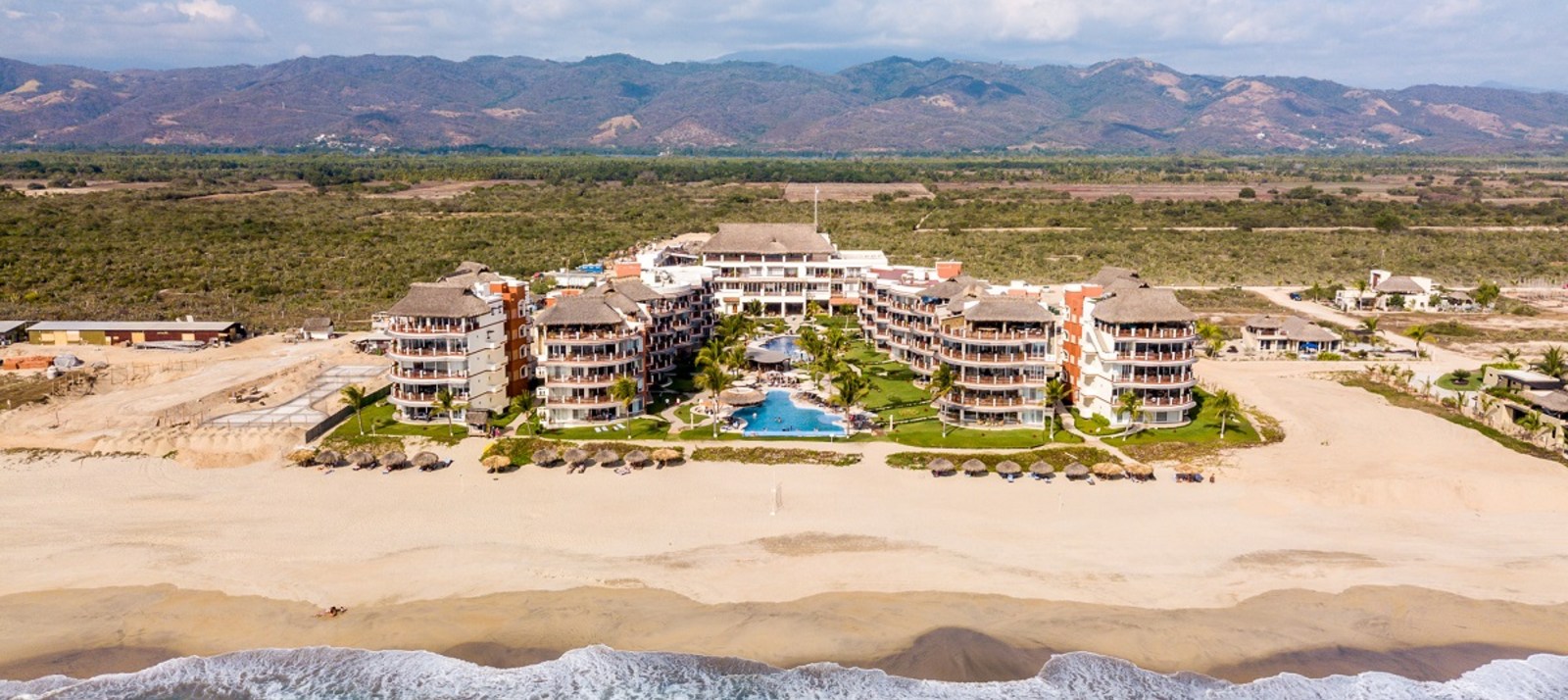
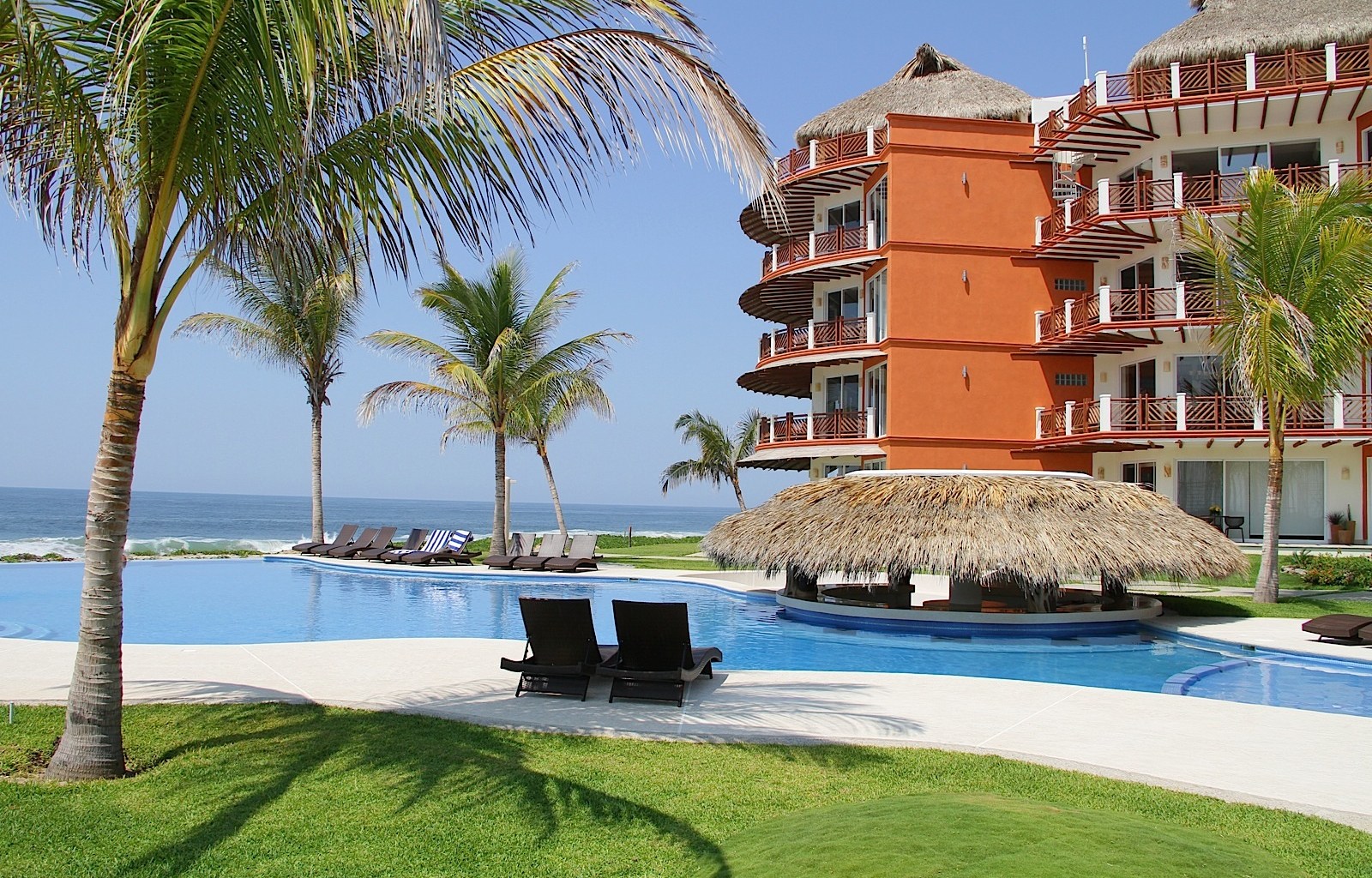
After the climb, the body wants a long shower, a pool, and a plate of something substantial. Settling into a beachfront property lets you collapse into comfort without losing the sense of place you just earned on foot. The all-suite residences at Vivo Resorts sit a short drive north of the trailhead, where the Pacific hush replaces the chorus of cicadas from the hillside.
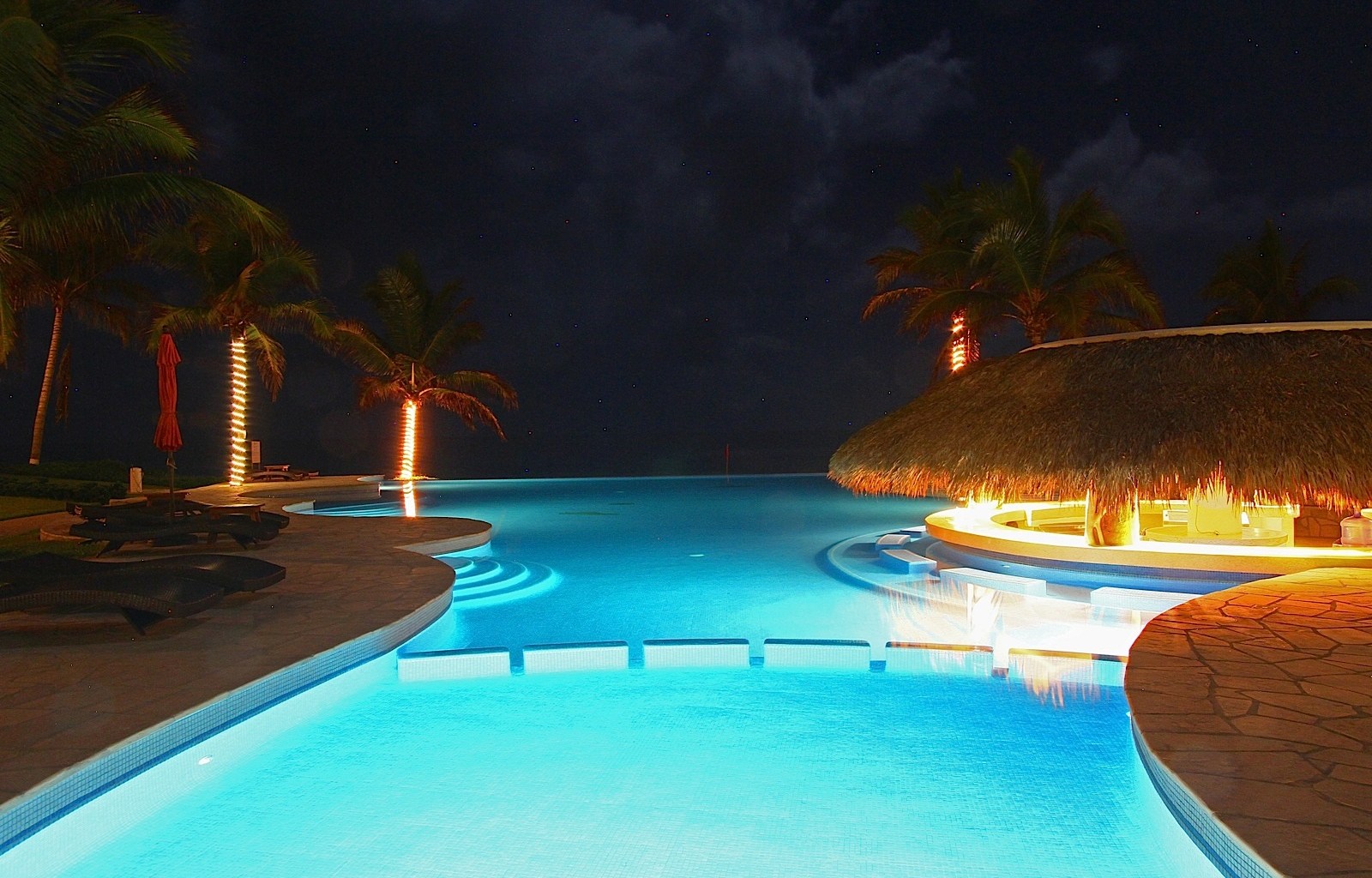
Linking the morning climb to an afternoon by the pool keeps the day feeling balanced, especially for families juggling little ones and grandparents who would rather watch from the spa terrace. The resort's on-site dining means nobody needs to wander far after a sweaty morning on the trail, and the spa offers a deep-tissue option tailored for tired calves.
Drink plenty of water in the hours after the hike, take a dip in the ocean rather than diving straight into a pool, and book the spa for the following morning to let those calf muscles properly unwind.
Travellers from Perth who grew up walking the coastal paths of Cottesloe often comment that this short Mexican climb delivers a similar sense of reset, but with a sea view that the Indian Ocean rarely matches in late afternoon. The real trick is to time the descent so you reach the trailhead before the midday heat, then let the rest of the day unfold at a slower pace beside the water with a plate of fresh ceviche and something cold to drink.