How to Organize a Group Surfing Competition Among Friends
A friendly surf contest can turn a beach holiday into a shared adventure, whether your crew is chasing clean lines or simply looking for a reason to celebrate together. The best events feel organised without becoming overly serious: everyone understands the format, safety comes first, and there is plenty of time for swimming, food and conversation.
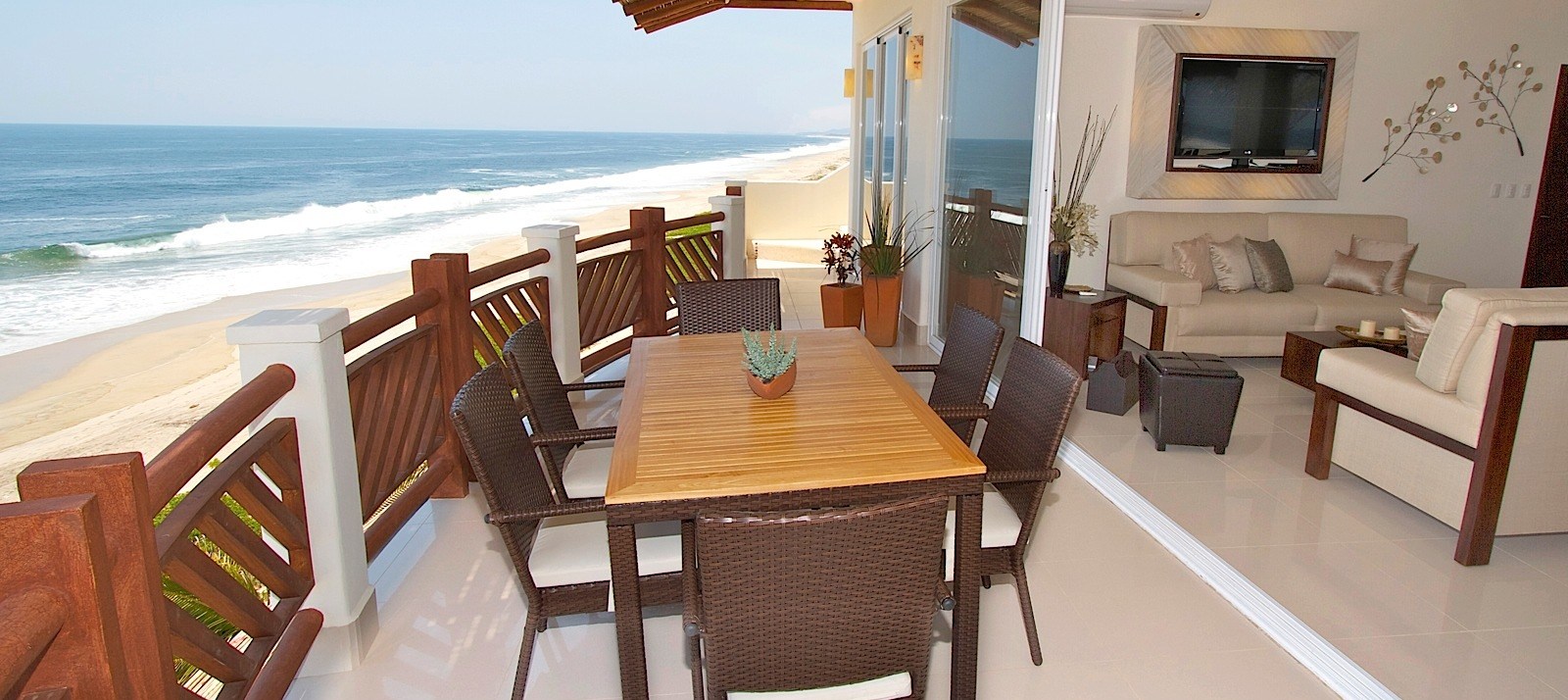
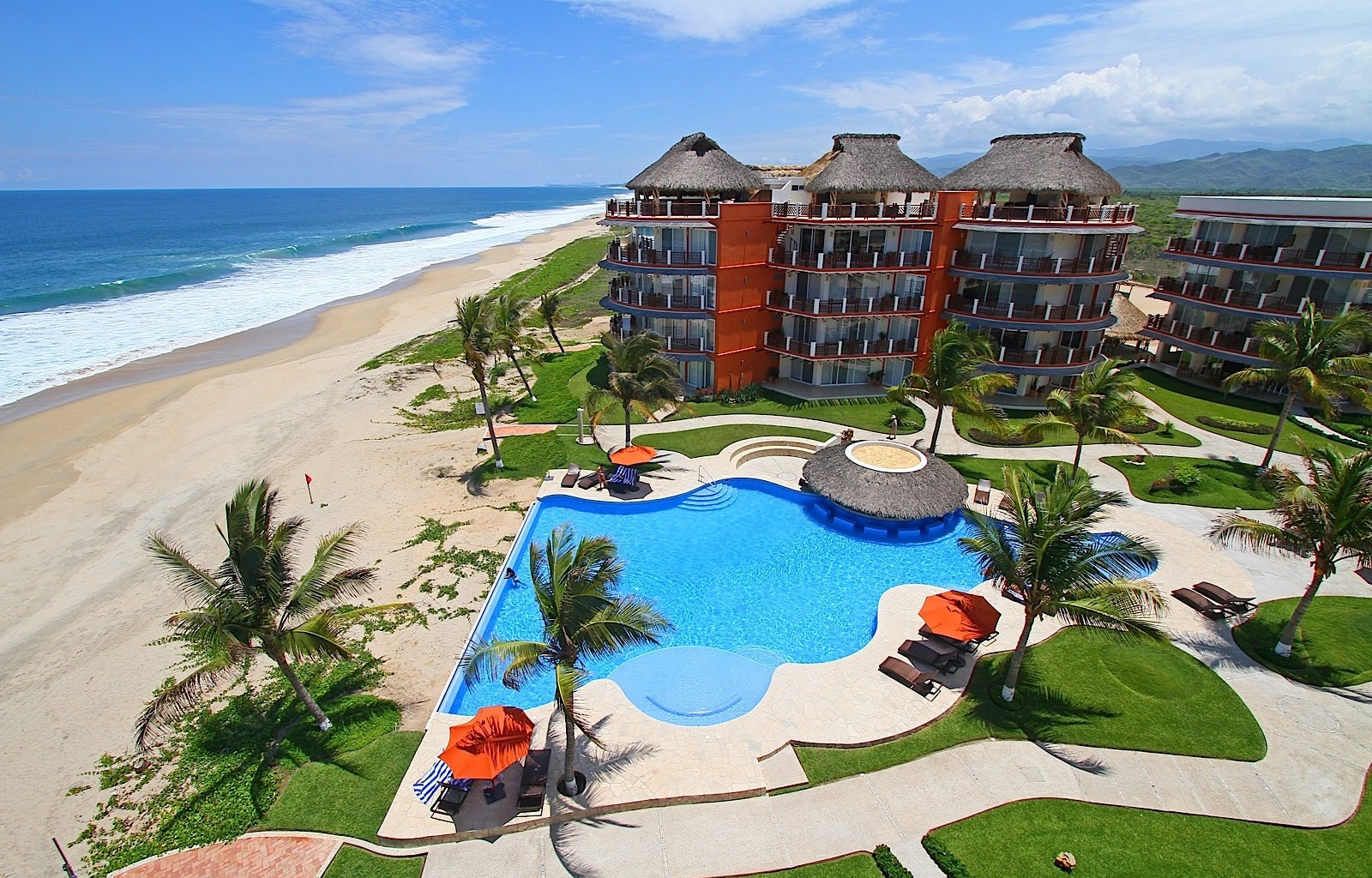
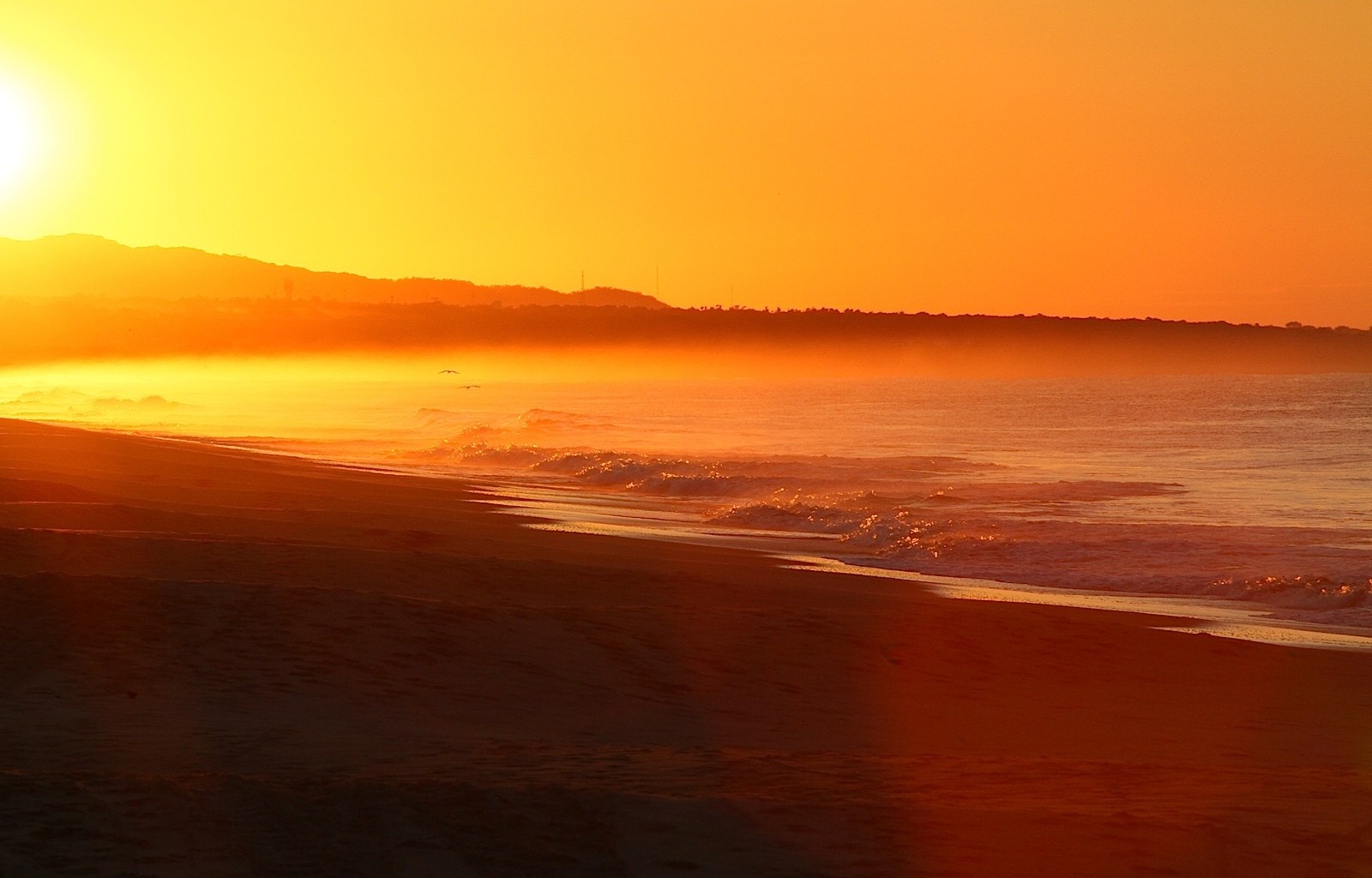
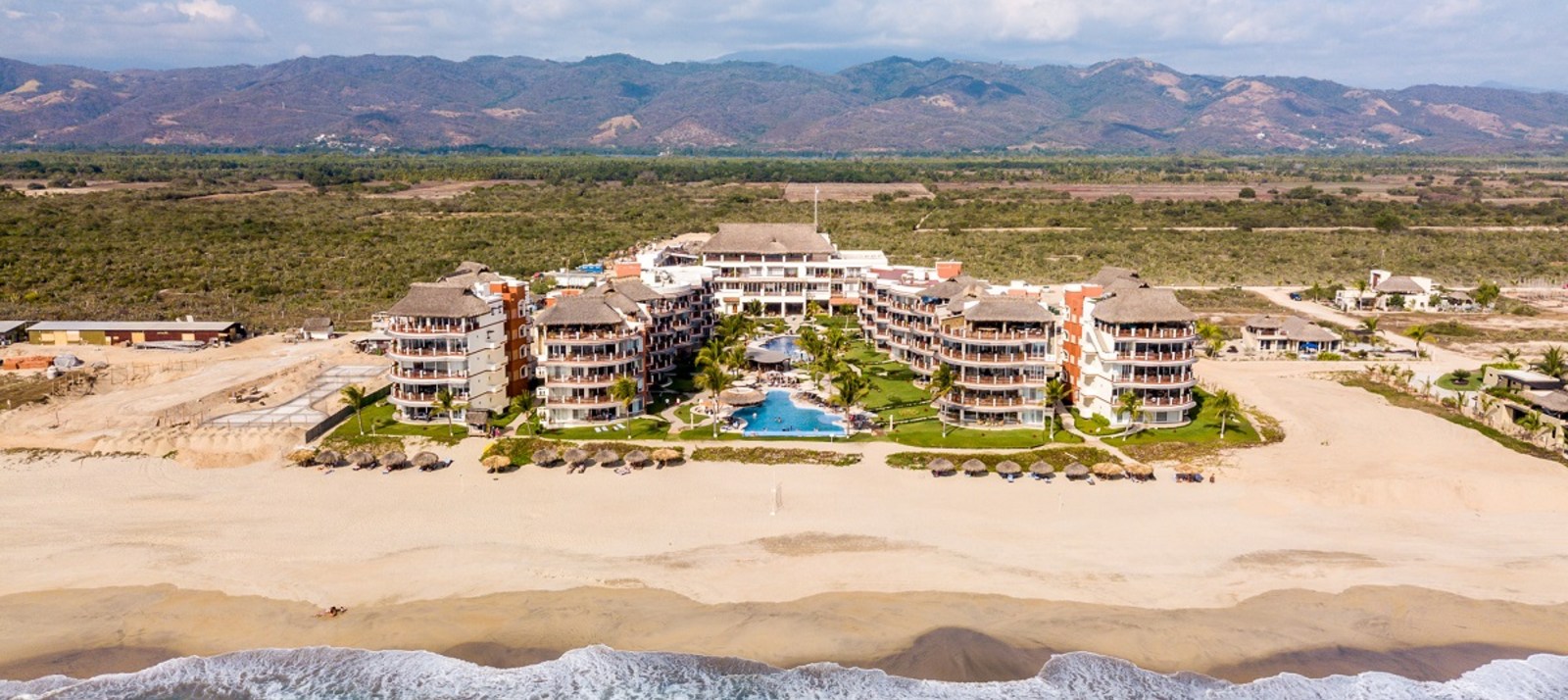
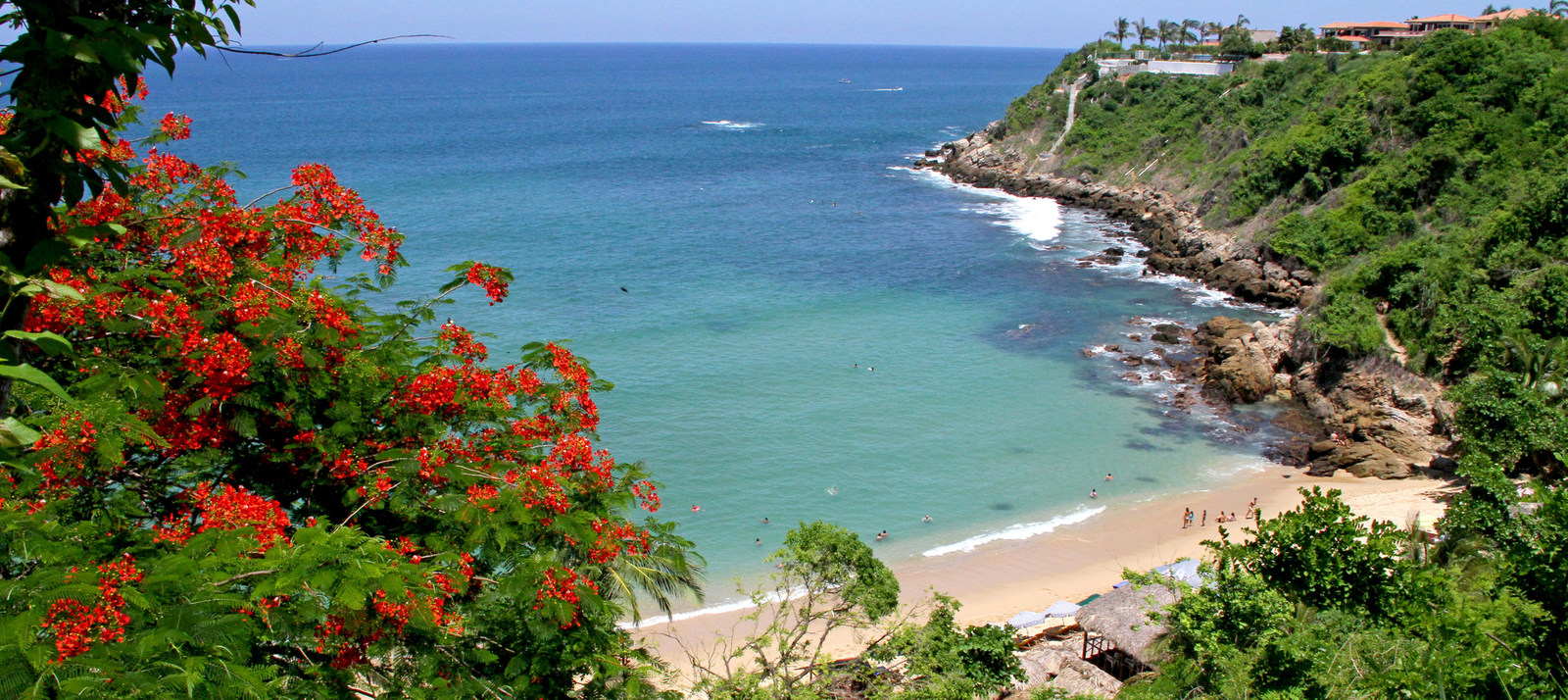
For an Australian group, that might mean borrowing the relaxed spirit of a Gold Coast boardriders’ club, planning around school holidays, or gathering friends from Sydney, Melbourne and Brisbane for a warm-water escape. Playa Palmarito, near Puerto Escondido in Oaxaca, offers a striking change of scene, with beachfront access, ocean views and space for groups to stay together.
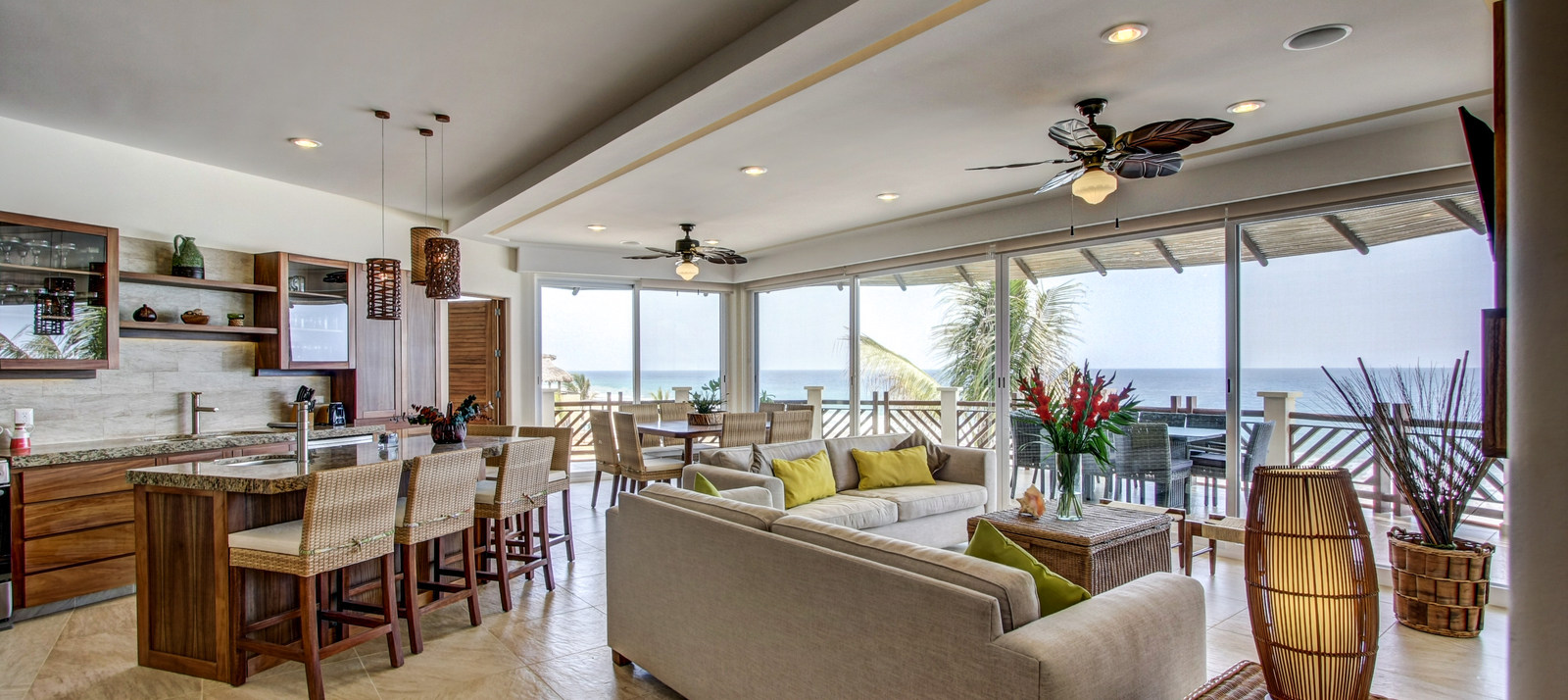
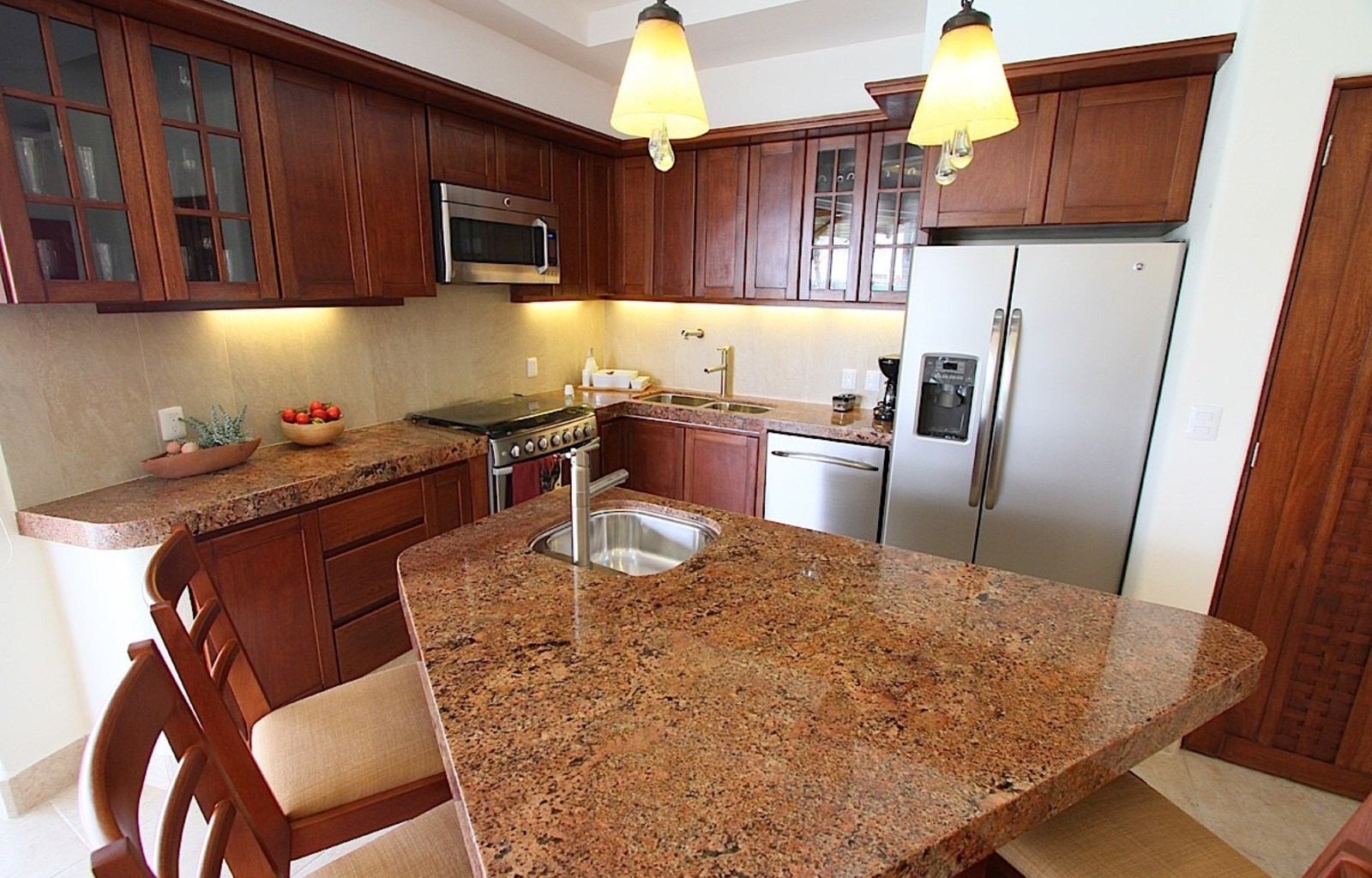
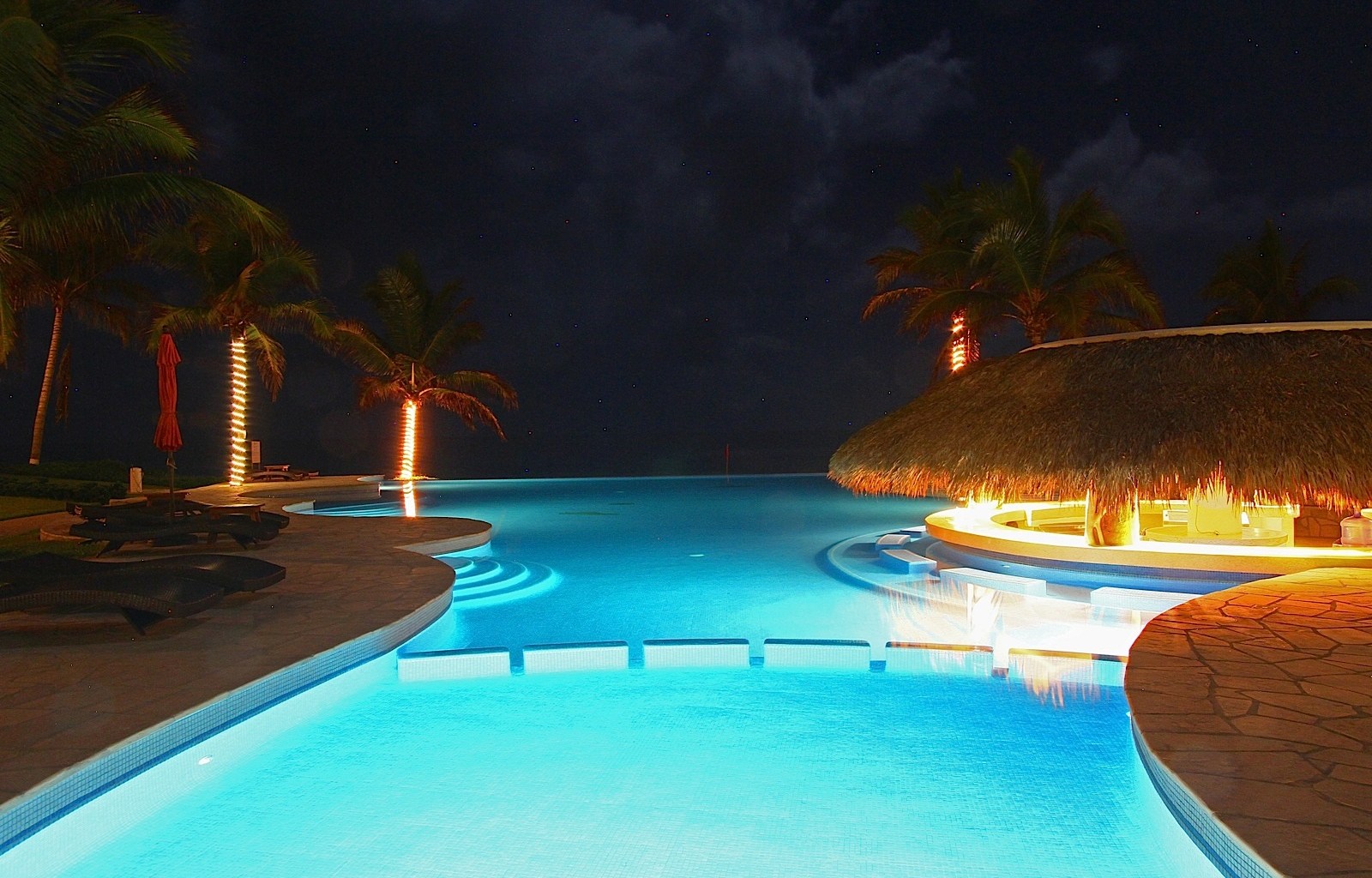
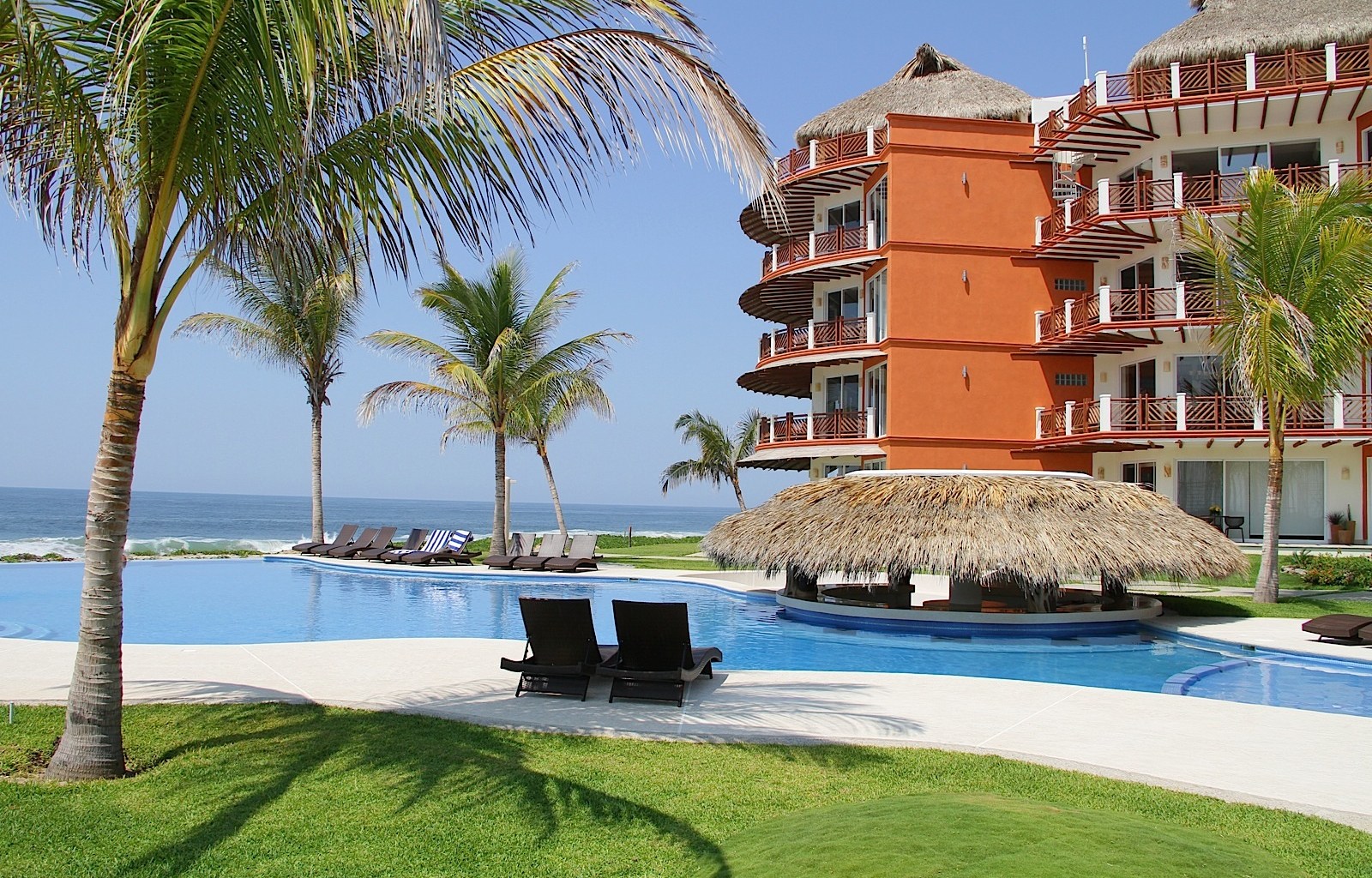
Vivo Resorts suits this kind of trip because its all-suite accommodation gives friends room to spread out, while pools, dining venues, a full-service spa and family-friendly facilities keep non-surfers entertained. Couples can enjoy quiet time, families can join the beach day, and experienced riders can focus on the swell.
The key is to decide what kind of experience you want before anyone waxes a board. A serious points-based contest needs clear judging and timed heats; a social expression session can be looser, with prizes for creativity, style and memorable moments.
Choose the Format and Date
Start by agreeing on the event’s purpose. A shortboard competition may suit confident surfers, while a mixed-board format allows longboarders, beginners and bodyboarders to participate. You could run individual heats, teams representing different friendship groups, or a tag-style relay where every person gets water time.
Keep the schedule realistic. A two-hour contest with four-person heats is easier to manage than an all-day programme, especially when people are travelling, sharing equipment and adapting to Mexican beach conditions. Check the swell forecast, tide and wind several days before the event, then keep a backup morning available.
Australian travellers should also consider school holiday crowds and flight timing from major cities. Friends arriving from Melbourne may need a different recovery window from those flying out of Brisbane, while a group used to early beach starts in Byron Bay may still need to adjust to local sunrise, heat and humidity.
Set Fair Rules and Scoring
Write the rules in a group chat before the trip. Include heat duration, priority, interference, wave limits and how ties will be settled. For a casual event, two judges can score each ride from one to ten for wave quality, manoeuvres, control and overall impression. Add a small bonus for style if the group values smooth, creative surfing over aggressive turns.
Avoid making the competition dependent on expensive equipment. Let friends share boards where practical, and create separate categories for beginners, women, juniors or different craft. A “best wave of the day” award gives less experienced surfers a genuine chance to win, while prizes such as a handmade trophy, dinner voucher or novelty medal keep the mood light.
Choose judges who can stay on shore and watch the full lineup. They should record scores immediately, use the same standards for every heat and avoid judging close friends without a second opinion. A simple shared spreadsheet or printed scorecard is enough; reliable organisation matters more than professional timing software.
Plan Safety and Beach Logistics
Nominate a safety lead who checks conditions, confirms the designated swimming area and knows where first-aid supplies are kept. Every competitor should understand local hazards, including currents, rocks, shallow water and changing swell. No heat is worth entering if conditions become unsafe, and a qualified lifeguard’s direction should override the event schedule.
Pack drinking water, reef-safe sunscreen, hats, rash vests, towels and a basic first-aid kit. In Oaxaca’s warm climate, sun exposure and dehydration can affect visitors who are accustomed to cooler Australian beaches. Schedule shade breaks between heats, and remind everyone that alcohol belongs after the competition rather than before it.
Give each person a clear role: beach marshal, timekeeper, score recorder, photographer and equipment coordinator. A buddy system works well for larger groups, especially when some friends are watching from the sand or taking children to the pool. For excursions beyond the resort, use reputable local operators and allow extra travel time along the coast.
Turn the Contest into a Holiday
A competition works best when it is one part of the itinerary rather than the entire holiday. Arrange a recovery breakfast, a relaxed pool session or a massage after the final heat. Friends who do not surf can join a coastal outing, explore Puerto Escondido or enjoy the resort’s family facilities while the contest is underway.
Food can become part of the event. Organise a casual awards meal and check dietary needs in advance, including vegetarian, vegan and gluten-free options. Vivo Resorts provides several places to eat, and the resort’s dining and bars make it easier to move from the beach to a shared meal without turning the evening into another complicated transfer.
For a romantic finish, couples in the group might arrange a private meal on their suite balcony, using ideas from this balcony dinner guide. A group photo, a funny acceptance speech and a small prize ceremony will usually be remembered longer than the final score.
Make the Results Easy to Remember
Keep the awards broad and good-natured. Alongside first place, consider prizes for best wave, most improved surfer, cleanest style, biggest wipeout handled safely and best support from the beach. Avoid awards that embarrass beginners or single out someone for poor performance.
A shared photo folder, short video edit and written result sheet can preserve the day for friends living in different Australian cities. If the trip inspires repeat visits, some members may explore Vivo ownership as a way to return to the coast more regularly, while others may simply make the event an annual holiday tradition.
| Event style | Best for | Suggested format | Main priority |
|---|---|---|---|
| Friendly heats | Mixed experience levels | Four surfers, 15–20 minutes each | Clear rules and quick scoring |
| Team relay | Large groups | Rotating surfers and combined scores | Equal water time |
| Expression session | Creative, relaxed crews | Open surfing with themed awards | Enjoyment and style |
| Junior or family round | Families and beginners | Short heats close to shore | Supervision and confidence |
| Serious contest | Experienced surfers | Seeding, judges and formal timing | Safety and consistent judging |
The ideal group surfing competition is structured enough to feel fair and flexible enough to remain fun. Choose a manageable format, brief everyone clearly, respect the ocean, and leave room for meals, rest and spontaneous beach time. What friends should remember is the shared day: cheering from the sand, catching waves together and celebrating safely beside the Pacific.