Tan smart and stay golden on Oaxaca's Pacific coast
Australians chasing winter sun between June and August have long treated Mexico's Pacific coast as a favourite escape from chilly mornings in Melbourne or Sydney. Oaxaca's shoreline promises barefoot luxury, lazy swims, and that deep, bronzed finish many travellers feel short on back home. Yet the same equatorial angle that delivers gorgeous light also delivers punishing UV rays that can undo a holiday faster than a southerly buster rolls across Bondi. A flawless tan without burning requires a plan that respects local conditions, your skin type, and the rhythm of the day.
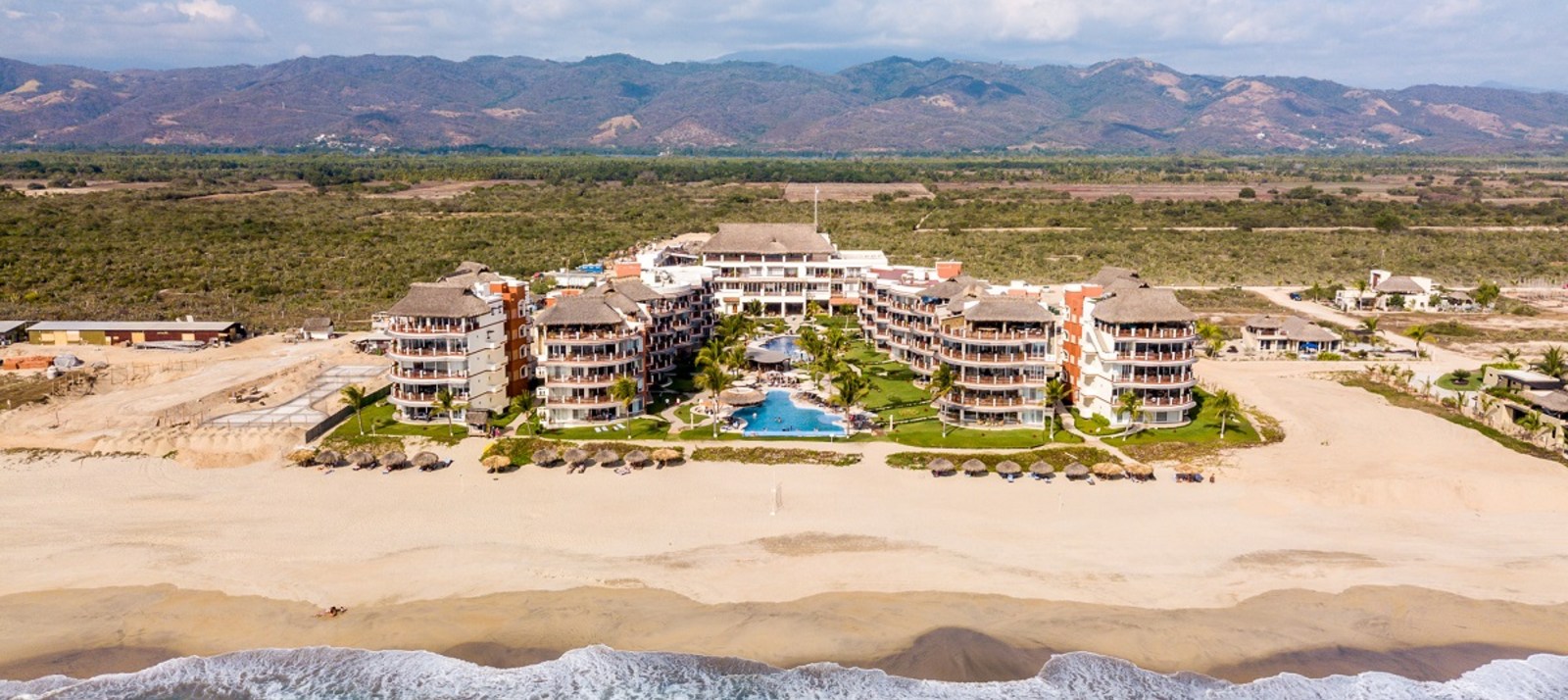
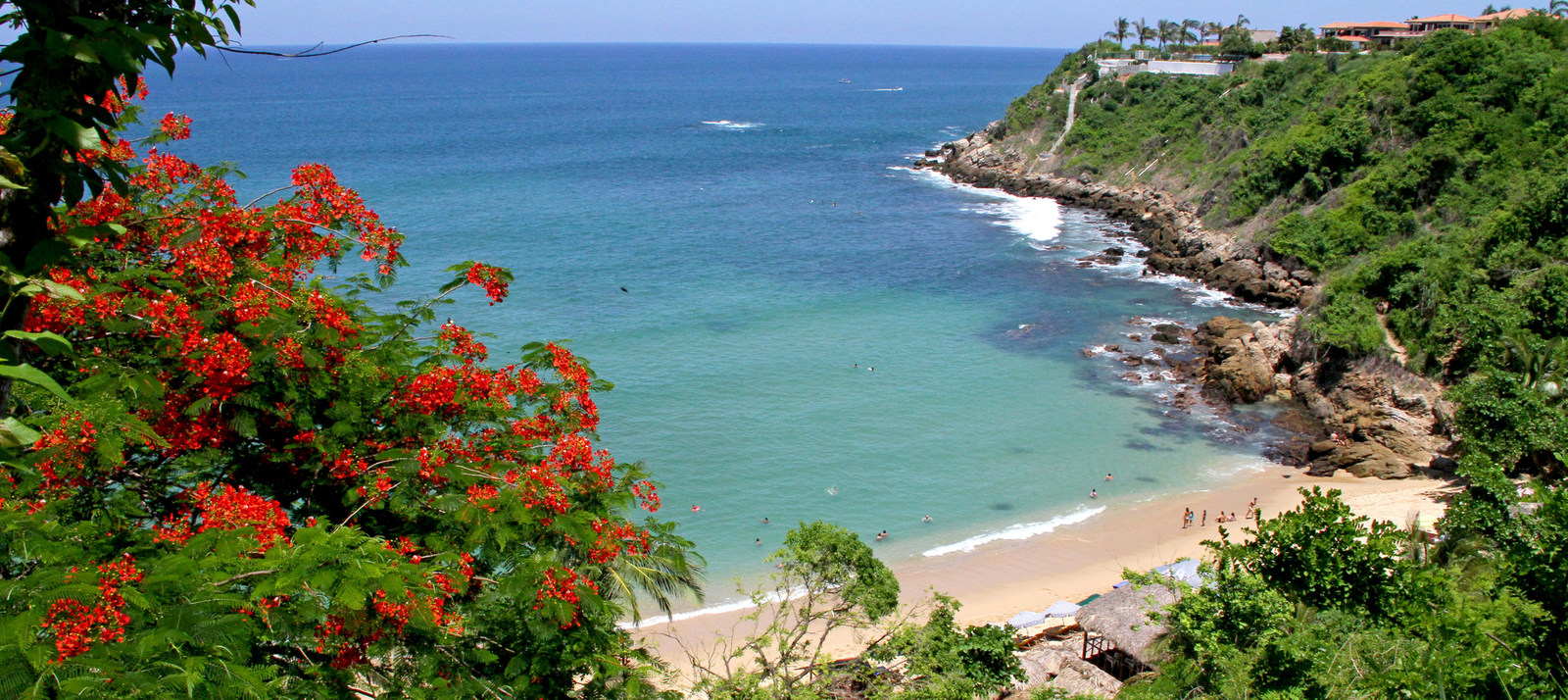
The coast near Puerto Escondido sits closer to the equator than Cairns, and that matters more than most sun-seekers realise. Even on overcast mornings, radiation bounces off the wet sand and ricochets upward, doubling exposure on your shoulders and shins. Travellers who tan easily in Noosa can find themselves lobster-pink after a single unmarked afternoon on Playa Palmarito. The trick is not to avoid the sun entirely; it is to court it carefully, with the right product, timing, and aftercare.
This guide covers what to pack, how to layer protection, when the light softens, and which habits keep a tan even from arrival to homecoming. Think of it as a sun playbook for the kind of slow, salt-washed mornings that make Oaxaca unforgettable.
Why Oaxaca's sun plays by different rules
Australian travellers are used to a brutal UV index, but the rules shift once you cross the equator. Around Puerto Escondido, the sun climbs almost straight overhead between late March and early October, meaning your face and the tops of your feet receive concentrated exposure during midday walks. Sea breezes feel cooling, which tricks the body into thinking less damage is happening, while in reality the burn is already underway. The reflective wet sand acts like a second sun, sending rays back upward at angles your SPF may not be designed to handle.
Local rhythms also shape the safest hours. Lunch runs long here, siestas are real, and many beachgoers retreat between one and four in the afternoon. Smart visitors adopt this pattern, returning to shaded terraces, pools, or the spa when the index peaks. Tour operators in Puerto Escondido schedule boat trips and turtle releases for early mornings and golden-hour afternoons for the same reason, and following that local cadence keeps both your skin and your energy steady across a multi-day stay.
Building your sun wardrobe before you fly
Packing for a sun holiday is less about swimwear and more about the small pharmacy that goes in your suitcase. A broad-spectrum SPF 50 formulated for tropical conditions is non-negotiable, and Australians used to Cancer Council-tested products will find several local Mexican brands that meet or exceed those standards. Lip balm with SPF, a wide-brimmed hat that won't fly off in coastal gusts, and a pair of genuine UV-blocking sunglasses round out the basics. Reef-safe formulas are especially considerate around Oaxaca's marine ecosystems.
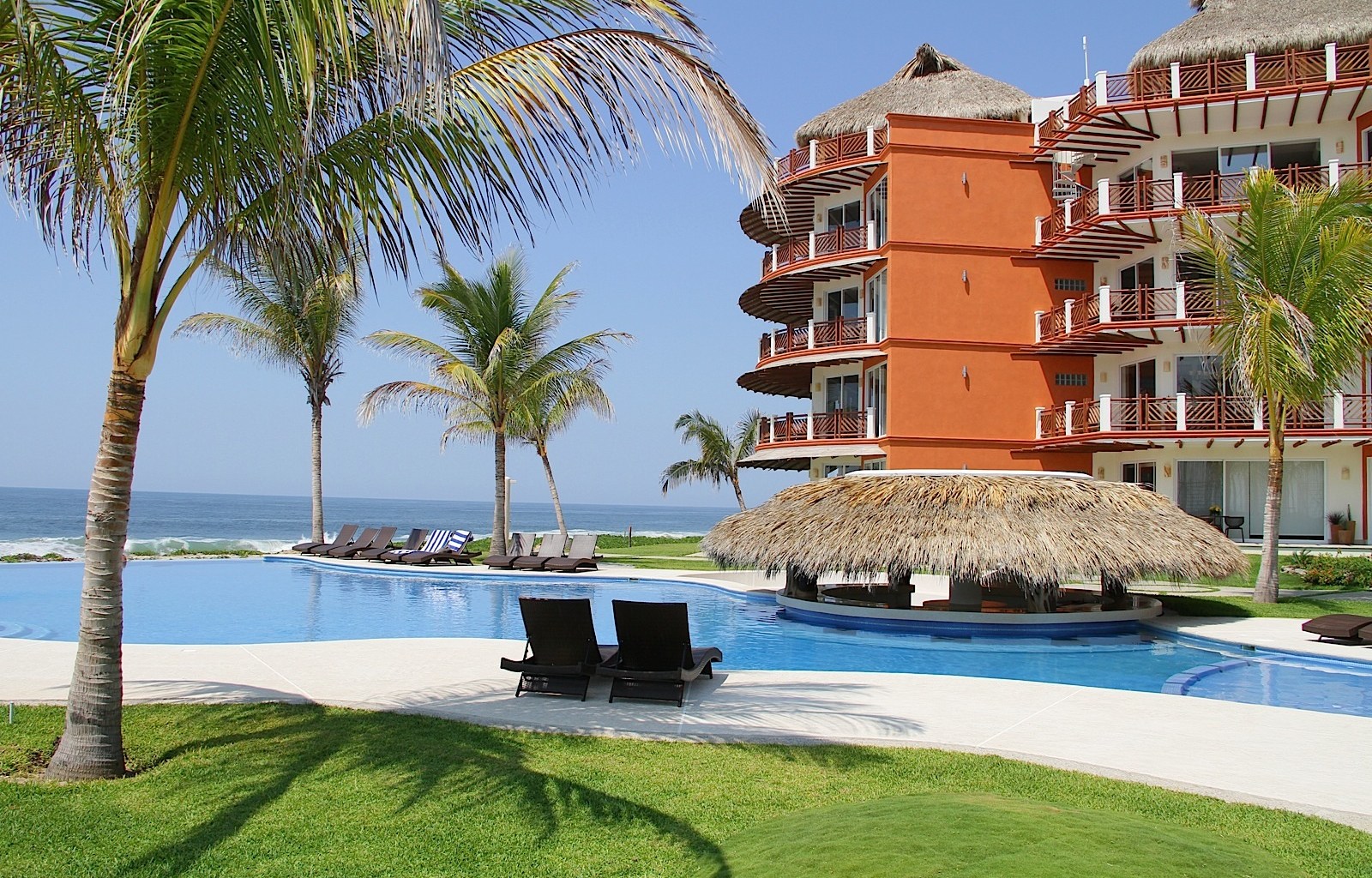
Aloe vera gel, a gentle exfoliant, and a rich after-sun lotion deserve space too. Skincare devotees from Brisbane or Perth know that hydration begins before the first ray touches skin, so drink extra water on the flight and continue that habit poolside. Travellers bringing children should review kid-friendly activities and amenities at Vivo Resorts you should know before departure, because shaded play areas and shaded lunch venues change the whole family equation once you arrive.
Beach day essentials worth keeping in your tote:
- Broad-spectrum SPF 50, mineral or chemical based on skin tolerance
- Wide-brim hat with chin strap and a UPF-rated cover-up
- Aloe vera gel plus a ceramide-rich after-sun lotion
- Refillable water bottle and electrolyte sachets for salt-heavy afternoons
Reading your sunscreen like a pro
| Feature | Chemical (absorbing) SPF | Mineral (reflecting) SPF |
|---|---|---|
| How it works | Converts UV into heat | Sits on skin and bounces rays |
| Application | Apply 15–20 minutes before sun | Works immediately on contact |
| Texture | Lightweight, often invisible | May leave a slight cast |
| Best for | Daily reapplication, swimming | Sensitive skin, kids, reef-safe trips |
| Reapply every | Two hours, sooner after towelling | Two hours, sooner after towelling |
Choose a formula that matches your day rather than grabbing the first bottle at the airport. Mineral options, often labelled non-nano zinc oxide, suit sensitive skin and pair well with long mornings on the sand. Chemical blends absorb quickly under makeup or rashies and tend to feel lighter in humidity. Rotate between them based on activity: mineral for the kids and long beach stretches, chemical for active afternoons and boat rides.
Whichever you choose, two fingers' worth for each limb is a fair starting point, and a shot glass full covers an adult body. Most travellers under-apply by half, which is why burns still happen with high-SPF products on the label. Keep a stick version in your beach bag for face, ears, and the back of your neck, and never trust a cloudy sky to do the work for you.
Timing, layers, and the light you want
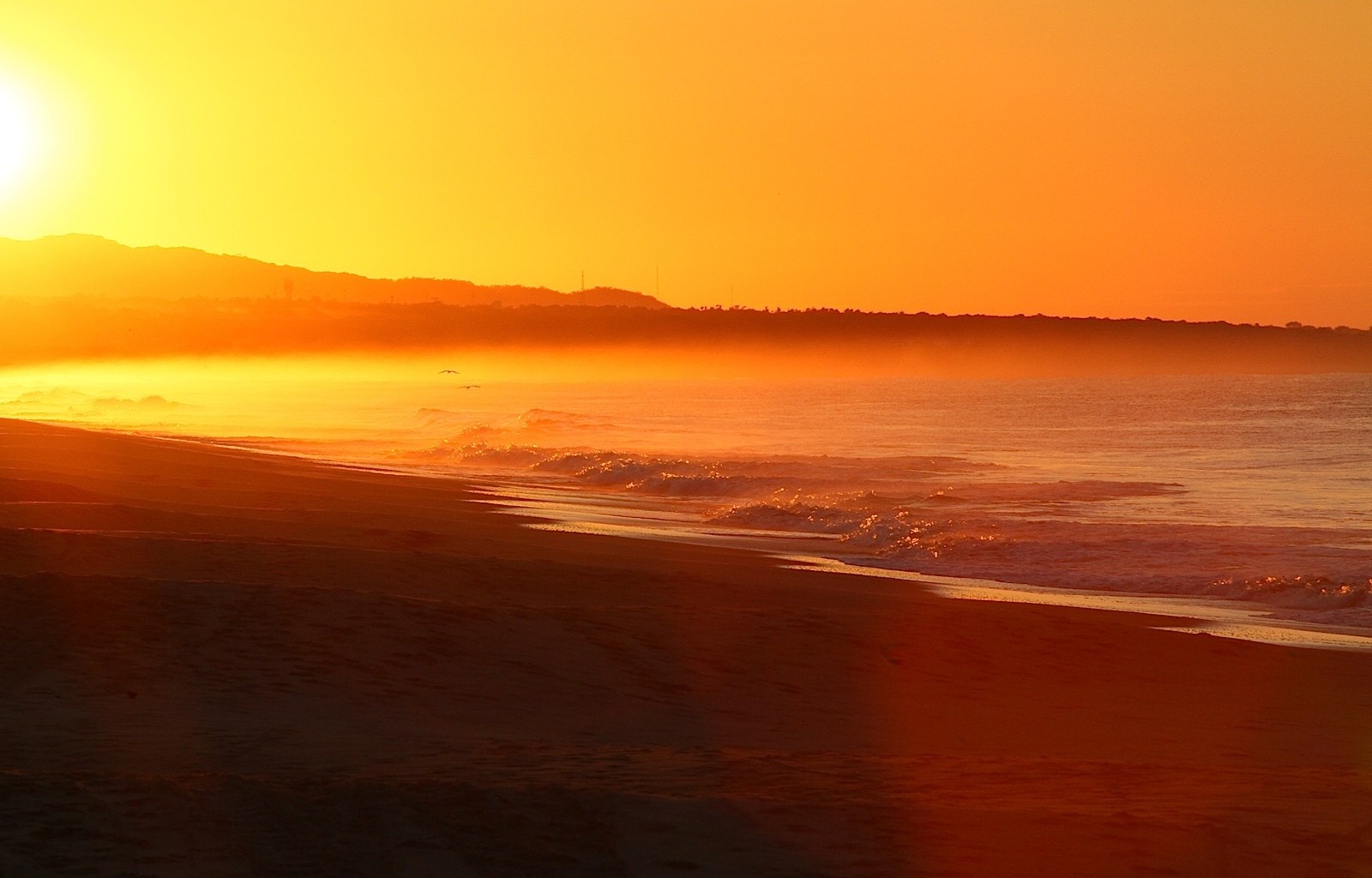
The colour you want comes from steady, repeated exposure rather than one long marathon on a lounger. Aim for twenty to thirty minutes of direct light in the early morning, then retreat to shade, a pool cabana, or the cool interior of your suite. Step out again in the late afternoon, when the index drops below six and the golden hour paints everything in warm tones. Two short sessions a day build a tan that looks like it took a week, without the peeling and tightness that follow a single overcooked afternoon.
Clothing is your secret weapon. A loose linen shirt, a kaftan, or a UPF-rated rashie blocks more radiation than the strongest sunscreen and lasts longer than any reapplication. Many Australian brands now ship lightweight UPF travel lines that fold into a small pouch, ideal for carry-on luggage. Wide-brim hats protect the scalp and ears, areas travellers from Adelaide and Hobart often forget on day one. For those planning a destination wedding, sun-smart attire keeps both the bridal party and guests comfortable through beach ceremonies, and planners browsing destination weddings at Vivo Resorts often schedule golden-hour photos for exactly this reason.
After-sun rituals that lock in the glow
The hours after sun exposure decide whether your tan fades evenly or peels in patches. Cool showers, not icy ones, calm the skin without sealing in heat. Pat dry, then apply a generous layer of aloe vera or a ceramide-rich moisturiser while the skin is still slightly damp. This traps water and supports the barrier that UV has been stressing all day.
Hydration continues from the inside. Coconut water, electrolyte drinks, and plain water in the hours following sun exposure help the body recover faster. Skip heavy alcohols the night after a long beach day, because dehydration amplifies redness the next morning. A light exfoliation every third day removes the dull top layer and keeps the colour looking fresh rather than patchy. By the time your flight home boards, your tan should still look like it belongs to you.
Common slip-ups and easy fixes
Mistakes that undo a perfect bronze:
- Skipping SPF on overcast days, when UV still reaches skin through cloud
- Trusting water-resistant labels for longer than the actual swim window
- Forgetting ears, feet, hands, and the part line in your hair
- Falling asleep in shade while reflected light keeps hitting the skin
Small oversights compound quickly under tropical sun. A backup tube of sunscreen in your day bag, a hat that stays put, and a quick glance at the UV index on your phone each morning save the entire trip. Australians who grew up with the Slip, Slop, Slap campaign already know the basics; the work is simply applying them south of the equator.
The deepest, longest-lasting tans come from respect for the sun, not defiance of it. Pack smart, choose a formula you trust, time your sessions, and care for your skin afterwards. Done well, a holiday on Oaxaca's coast leaves you glowing in the arrivals hall at Sydney or Perth, without a single peeling shoulder in sight.