Staying Comfortable Around Insects at a Mexican Beach Resort
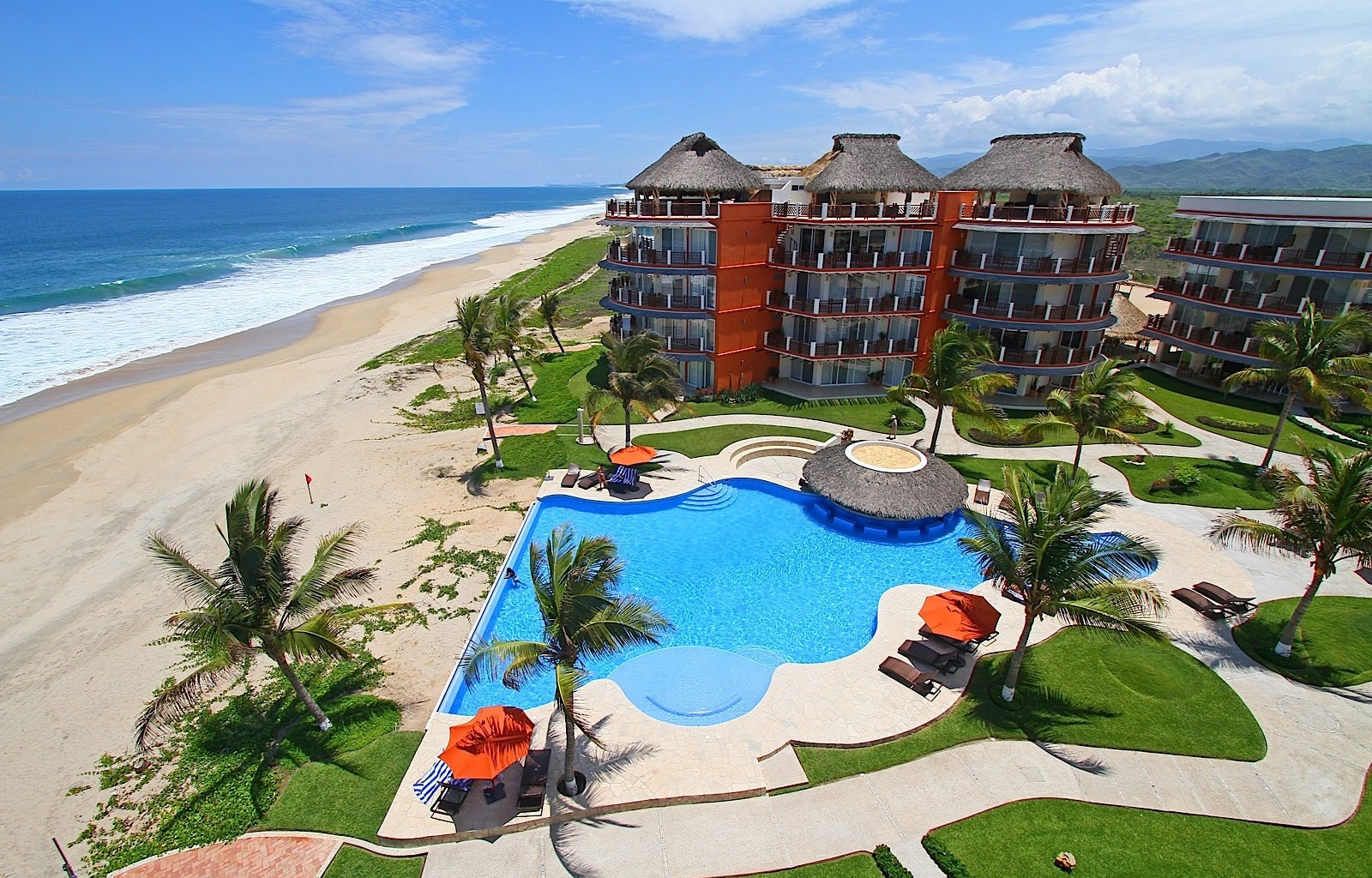
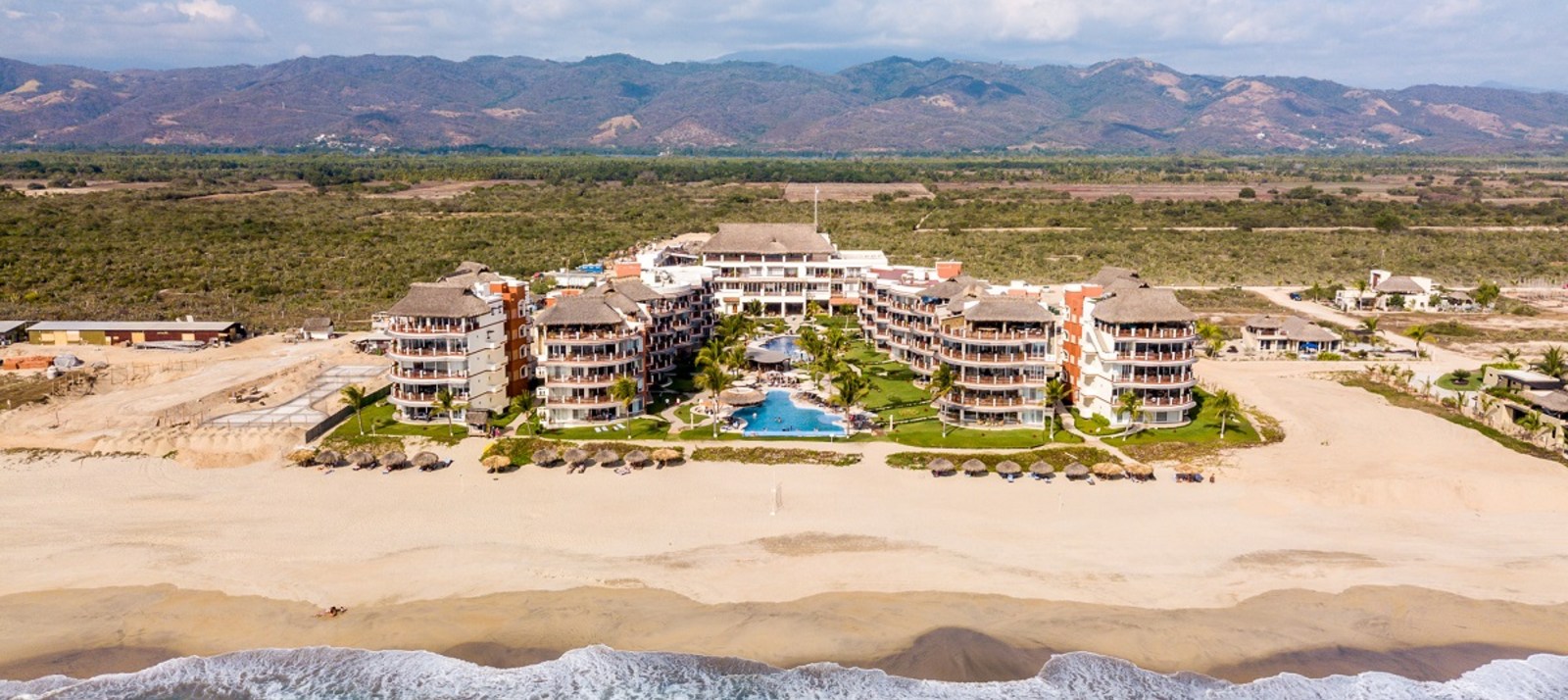
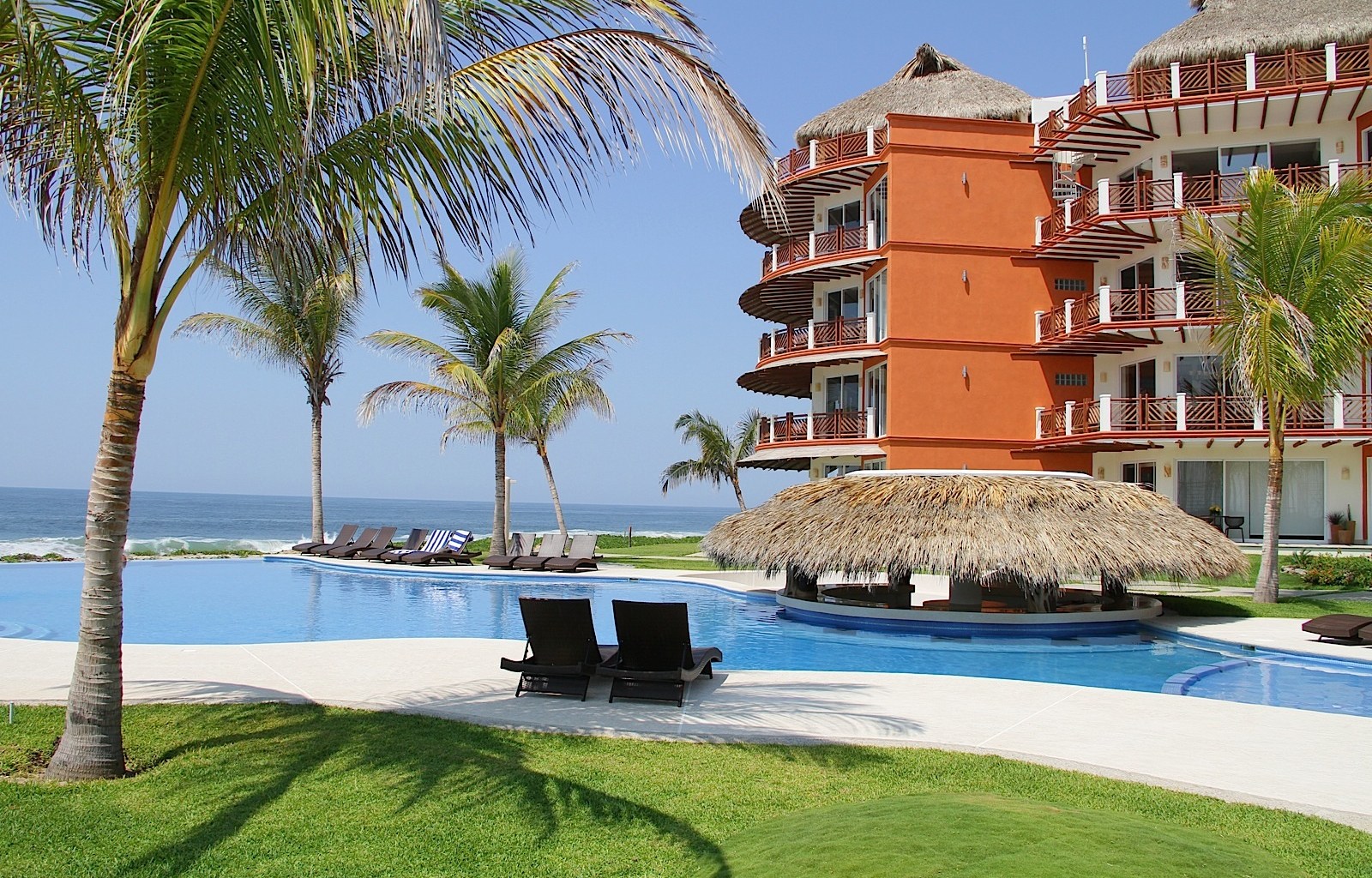
A beachfront stay on Playa Palmarito brings warm evenings, sea breezes and lush coastal surroundings. Those same conditions can attract mosquitoes, sand flies, ants and other small insects, particularly after rain or around gardens, pools and outdoor dining areas. A few sensible habits make it easier to enjoy the resort without letting bites interrupt your holiday.
The insect activity around Puerto Escondido is usually seasonal and localised rather than constant. Mosquitoes tend to be more noticeable around dawn and dusk, while tiny biting flies may be present near vegetation or damp sand. Open-air restaurants, balconies and excursion boats can also expose travellers for longer periods.
Australian visitors are often familiar with using sunscreen and insect repellent on camping trips, but a resort holiday needs a slightly different routine. Lightweight clothing, careful application and prompt attention to bites are generally enough for most guests, with extra care sensible for children, pregnant travellers and anyone prone to strong skin reactions.
Why coastal conditions attract insects
Warm temperatures, humidity and occasional tropical rain create suitable breeding conditions for mosquitoes. Water can collect in plant saucers, drains, roof gutters and other small containers, even when the surrounding grounds appear clean. Resort teams commonly reduce these risks through drainage, landscaping maintenance and regular treatment of problem areas.
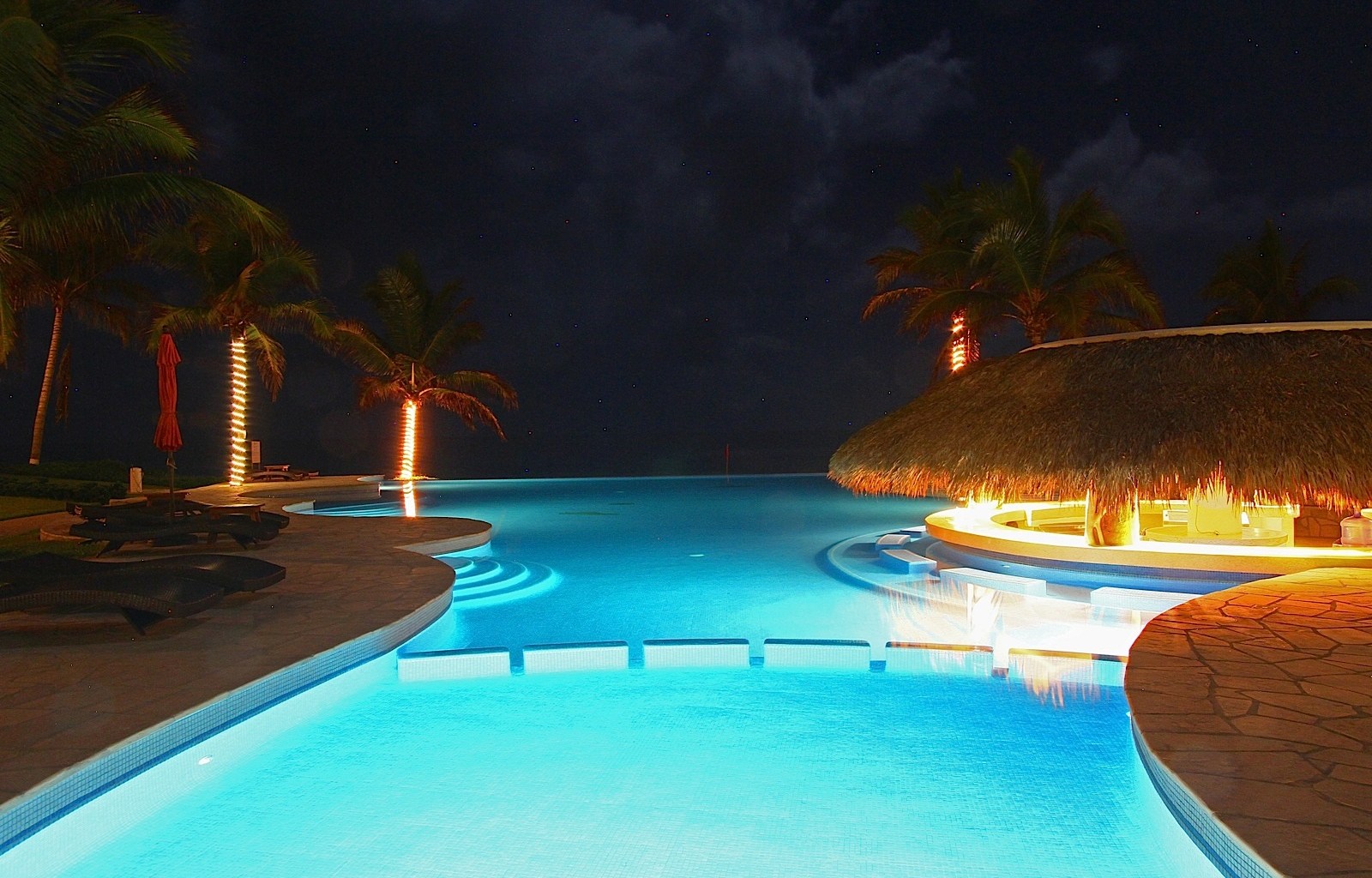
Mosquitoes are usually most active in the cooler hours around sunrise and sunset. Sand flies and other small insects can be less predictable, especially near vegetation and quiet stretches of beach. Bright lights may also attract flying insects at night, so screened or enclosed areas can feel more comfortable after dinner.
The best approach is practical rather than alarmist. Guests should use the resort’s rooms, balconies and common areas as intended, report persistent insect activity to reception and avoid leaving open food or sweet drinks outdoors. These simple steps reduce the reasons insects gather near you.
What to pack from Australia
Bring a repellent containing DEET, picaridin or another active ingredient suitable for your skin and age group. In Australia, personal insect repellents are regulated as therapeutic goods by the Therapeutic Goods Administration, so products purchased from a chemist or major supermarket are usually clearly labelled with directions and warnings. Check the label rather than assuming a natural product provides equal protection.
Picaridin is popular with travellers who dislike the feel or smell of DEET, while DEET remains a well-established option when used according to instructions. Aerosols, pumps and roll-ons are all practical, but a pump or lotion can be easier to control in a suite shared with children. Pack a small after-bite cream or plain moisturiser as well.
Do not apply repellent beneath swimwear, to broken skin or near the eyes and mouth. Sunscreen generally goes on first, followed by repellent once the sunscreen has settled. Reapply according to the product label, especially after swimming, heavy sweating or towel drying.
Resort habits that reduce bites
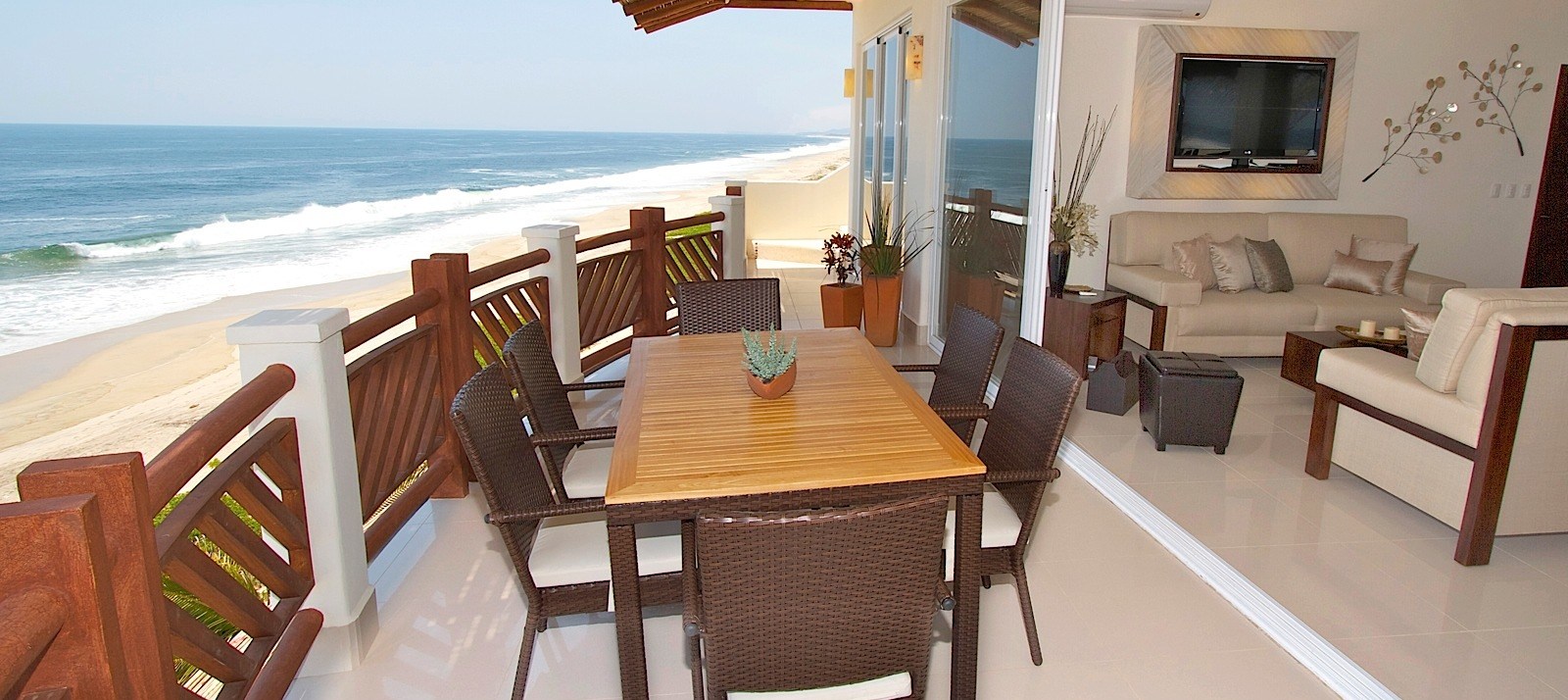
Keep balcony doors closed when indoor lights are on at night, particularly after rain. If your suite has screens, check that they are fully closed before sunset. Air conditioning can also make the room less attractive to mosquitoes, although it should not replace repellent when you are sitting outdoors.
For evening meals, choose breathable trousers or a long skirt with a loose shirt rather than relying entirely on exposed skin. Pale colours can make insects easier to spot, and closed shoes are useful when walking through landscaped areas. Australian habits such as wearing thongs around a pool are fine, but sandals or shoes offer better protection on garden paths.
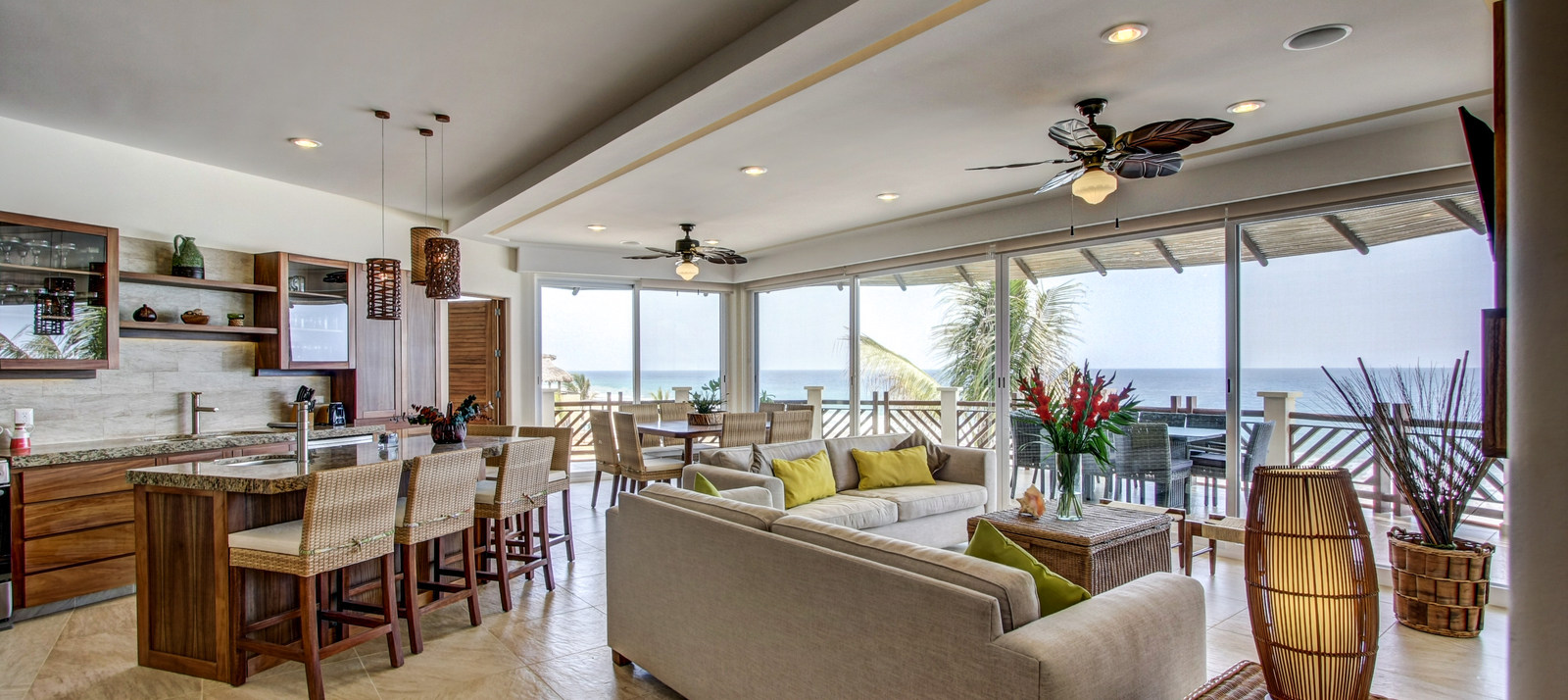
At Vivo Resorts, guests can ask the front desk about current insect activity, screened dining spaces and suitable areas for children. Staff can also advise where to find medical assistance if a bite becomes unusually swollen, painful or infected-looking.
Beach trips and outdoor excursions
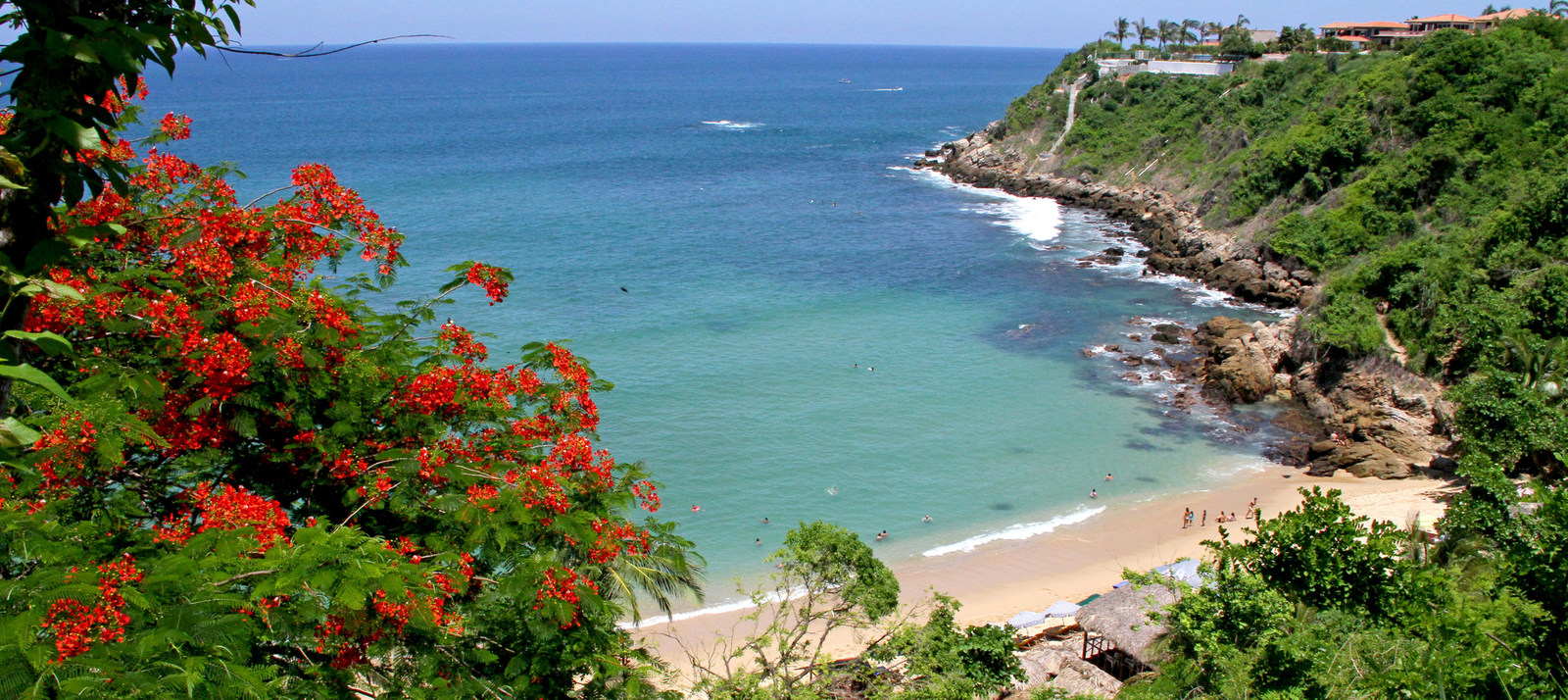
Excursions to Puerto Escondido, nearby beaches and coastal viewpoints may involve different insect conditions from the resort. Shaded vegetation, freshwater pools and quiet mangrove areas can have more mosquitoes than an exposed beach. Carry repellent in a sealed pouch and apply it before leaving the vehicle or boat.
A private boat day can involve long periods in the sun and wind, which may disguise how much you are sweating. Repellent can wear off sooner than expected, so keep it accessible rather than buried in luggage. Advice on private boat tours can help with planning clothing, shade and supplies for a full day on the water.
Use sunscreen, a hat and loose clothing alongside insect protection. Avoid spraying directly onto boat seats, shared equipment or food areas. Apply products on land or in a designated outdoor space, then wash your hands before eating.
Recognising a normal bite
Most uncomplicated mosquito bites appear as small, itchy, raised spots that settle over several days. A cool compress, gentle washing and an appropriate anti-itch product can provide relief. Scratching increases the chance of broken skin and bacterial infection, especially in humid conditions.
Seek medical advice promptly for breathing difficulty, facial swelling, widespread hives, fever, severe pain, spreading redness or unusual symptoms after an excursion. Travellers from Australia should also consider their own medical history and travel insurance arrangements, particularly when visiting remote coastal areas.
Mexico and Australia have different disease patterns. Northern Australian travellers may already know about local mosquito alerts for Ross River virus or Japanese encephalitis, but familiar precautions remain useful overseas because the specific insects and health risks can differ. A travel clinic or GP can provide personal advice before departure.
A practical routine for each day
The following routine keeps insect exposure manageable without turning a beach holiday into a constant inspection.
- Apply sunscreen first and insect repellent second before breakfast or an excursion.
- Reapply repellent after swimming, sweating heavily or drying with a towel.
- Wear loose, light-coloured clothing around gardens and during dusk.
- Close balcony and room doors before switching on interior lights at night.
- Keep snacks, fruit and sweet drinks covered in suites and outdoor areas.
- Ask reception about persistent mosquitoes, ants or biting flies rather than self-treating resort grounds.
- Photograph a concerning bite and record when symptoms began for a healthcare professional.
Australian travellers can purchase small travel-size repellents at pharmacies in Sydney, Melbourne, Brisbane and other major cities, but check airline rules before packing pressurised aerosols. A pump bottle is often the simplest option for carry-on luggage. Products containing stronger actives should remain in their original packaging, with directions available if needed.
| Insect or situation | When it is more likely | Useful response |
|---|---|---|
| Mosquitoes | Dawn, dusk and after rain | Repellent, long sleeves and closed screens |
| Sand flies | Near vegetation, damp sand and still coastal areas | Trousers, shoes and repellent on exposed skin |
| Ants | Around food, drinks and crumbs | Seal food and wipe surfaces promptly |
| Flying insects | Near outdoor lights at night | Use screened areas and limit open doors |
| Insects on excursions | Shaded, damp or vegetated locations | Reapply repellent and wear covered clothing |
With these habits, most guests can move comfortably between the beach, pools, restaurants and local excursions. Before departure, place a labelled pump bottle of TGA-approved repellent, lightweight long clothing and a small after-bite treatment in your day bag.