Booking a Private Marlin and Sailfish Charter on the Oaxacan Coast
The stretch of Pacific Ocean hugging the Oaxacan coast has long whispered to game fishers looking for something wilder than the usual charters. Puerto Escondido is no longer just a surf town; it's a legitimate launch pad for offshore adventures, with billfish moving through these waters in numbers that would have anyone from Sydney's Game Fishing Association calendars reaching for their passport. Whether you're chasing a striped marlin on light tackle or hoping to tease a sailfish into a top-water strike, booking a private charter from this coast puts you in a corner of Mexico that's still flying under the radar of the bigger Caribbean destinations.
Australians tend to plan these trips carefully because the flight from Sydney or Melbourne isn't short, and the seasons flip on opposite sides of the equator. When billfish season is cooking off southern Mexico, roughly November through April, it's the middle of the Australian summer, which makes fitting the trip around annual leave a breeze. Most travellers book 12 to 14 days, allowing for travel time through Los Angeles and a few days inland in Oaxaca City before heading down to the coast.
Why the Oaxacan coast pulls anglers in
There's a reason the shoreline around Puerto Escondido has stayed so quiet compared with Cabo or Costa Rica. The continental shelf drops steeply only a few kilometres from the beach, so pelagic species like marlin and sailfish cruise within sensible running distance of the marinas. Currents push nutrient-rich water up against the coast much of the year, creating a feed line that baitfish follow and the billfish are never far behind.
Locals in the palapas along Playa Zicatela have known this forever, but only in the last decade have out-of-towners started to show up with rods in tubes. The daily migration of sails and the seasonal push of blues and stripes turns what was once a sleepy fishing village into a year-round playground for serious sport anglers. You don't need a 60-foot sportfisher to get into the action either; a lot of it happens within a 90-minute run from the launch.
Targeting marlin versus sailfish
Knowing the difference between the two main game fish makes a real difference to the way the day is run. Striped marlin show up in higher numbers during the cooler months and tend to bite more aggressively on trolled baits and lures, often within sight of the beach. Blue and black marlin are rarer encounters but punch well above their weight in terms of fight, especially on stand-up tackle where the drags earn their keep.
Sailfish are acrobatic and quick, which means lighter outfits and faster trolling speeds work better. Most skippers around here rig a mix of both on the spread so the boat isn't locked into one species, and the crew will swap teasers and dredges if the signs point to one bite over another. Anglers after a Pacific sail often do best early in the day, while larger billfish tend to feed harder once the sun gets up and the water warms.
Picking the right private charter
Size, crew, and tackle matter more than the brochure photos, so it's worth asking pointed questions before locking anything in. A solid private charter around Puerto Escondido runs anything from a 28-foot panga with a cooler of ceviche to a 45-foot tower boat with a proper fighting chair. For chasing billfish specifically, look for vessels with a tower so the spotter can see fish working the surface, plus quality reels in the 30 to 50-wide class for trolling bigger lures.
Travellers flying in from places like Cairns or Coffs Harbour often have gear expectations set by boats back home, so don't be shy about requesting specific outfits. Some skippers concentrate on conventional tackle for the traditional set-and-fight approach, while others run a fly or popping outfit if you ask in advance. A good mate-to-angler ratio of one to two really helps on heavy days when the bite stacks up fast.
When to go and what weather to expect
The clearest window for a private offshore charter runs from late November through April, when the waters settle and the prevailing winds ease off. December and January are peak season for striped marlin, February and March are when the larger blues tend to show, and sailfish are a fixture through almost the entire run. Heading out in shoulder season, early November or late April, keeps the crowds down and the boats often cheaper, but you trade a little consistency.
Sea conditions can shift quickly on this coast, especially during a mar de fondo swell that rolls in from deeper water. A good skipper checks the forecasts the night before, sometimes two nights out, and may reschedule if things look rough. Travellers should plan a few buffer days either side of the charter in case the weather pushes the day back.
What a day on the water actually looks like
Most private charters start around 6:30 or 7 in the morning, meeting at the dock with eskies already loaded and the rods rigged. The run out to the fishing grounds usually takes between 45 minutes and two hours depending on where the bite has been firing, and the skipper often stops on the way out to grab a few live baitfish if conditions suit. Coffee, water, and a light breakfast are usually on board, with lunch laid on for full-day trips.
Once on the grounds, the mate works the outriggers and dredges while the angler stays in the chair, harness on, watching the spread. Hookups on billfish often come with a scream from a clicker and a sudden slack line as the fish throws the hook-shaped lure, so being ready at the rod matters. Most skippers around here lean toward tag and release for larger fish, which fits Australian-style ethical angling and keeps the breeding stock healthy.
Booking logistics and the Australian angle
Plenty of travellers from Down Under organise their charter through the resort concierge, which saves the headache of wiring money into Mexican pesos or chasing down a foreign operator. Quote pricing in Australian dollars before you confirm anything, so there's no surprise when the credit-card statement lands. Most reputable local operators will provide a written quote and let you pay a deposit to lock the date, with the balance due on the morning of the trip.
Considering how far you've flown, it makes sense to roll the fishing into the rest of the holiday rather than treating it as a stand-alone adventure. Many guests pair a two-day charter with several days at the resort, mixing offshore action with lazy mornings by the pool. The packages page is a sensible place to start mapping out what's bundled and what you can bolt on separately.
Pairing the charter with a stay at Vivo Resorts
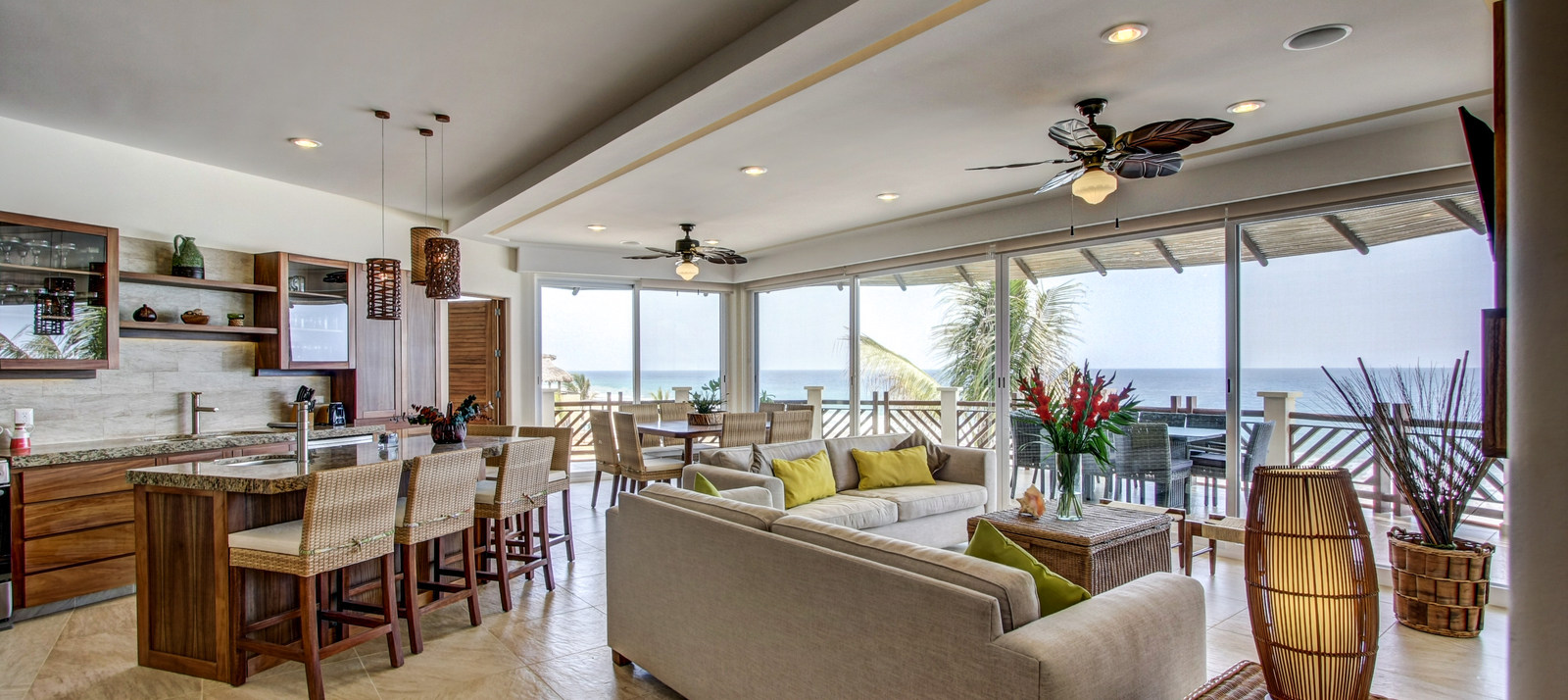
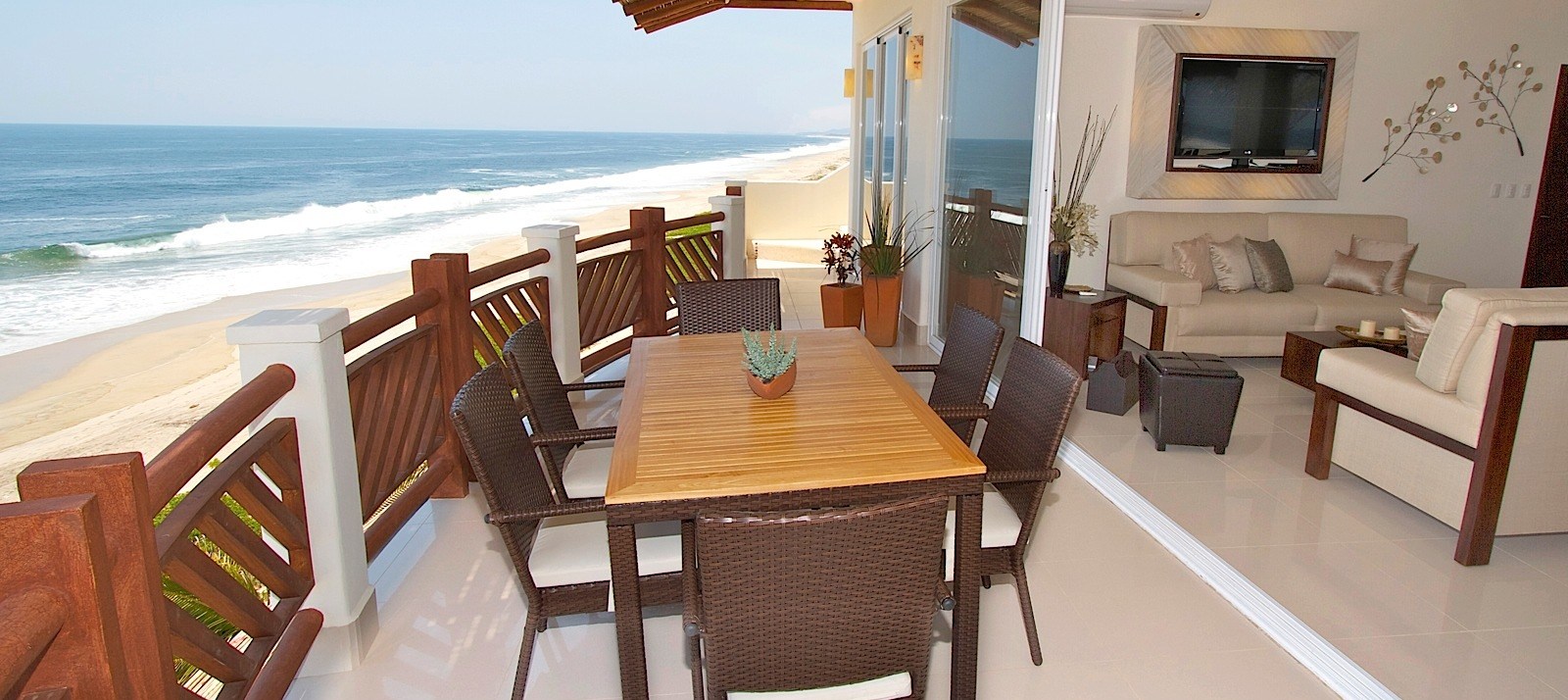
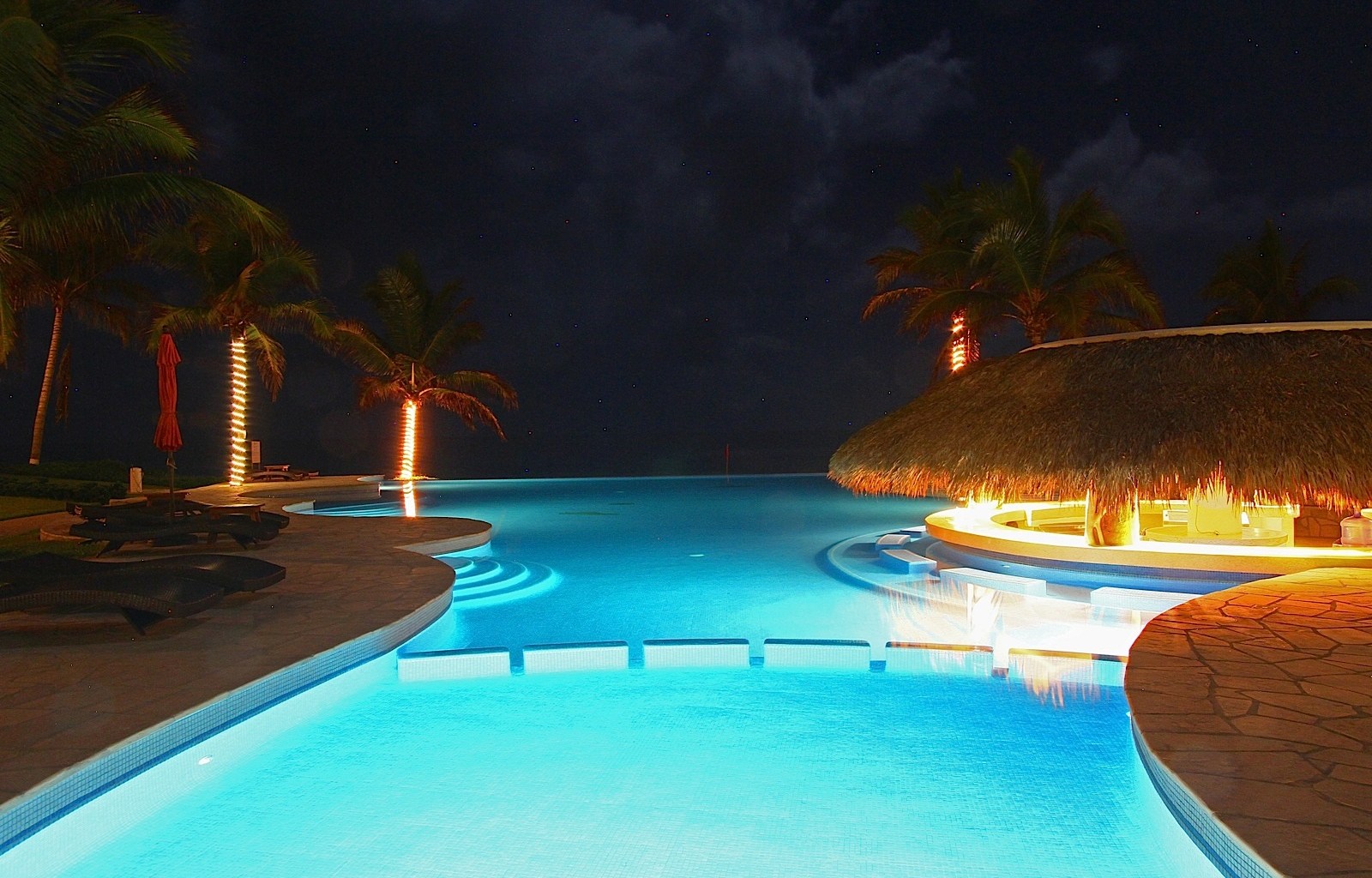
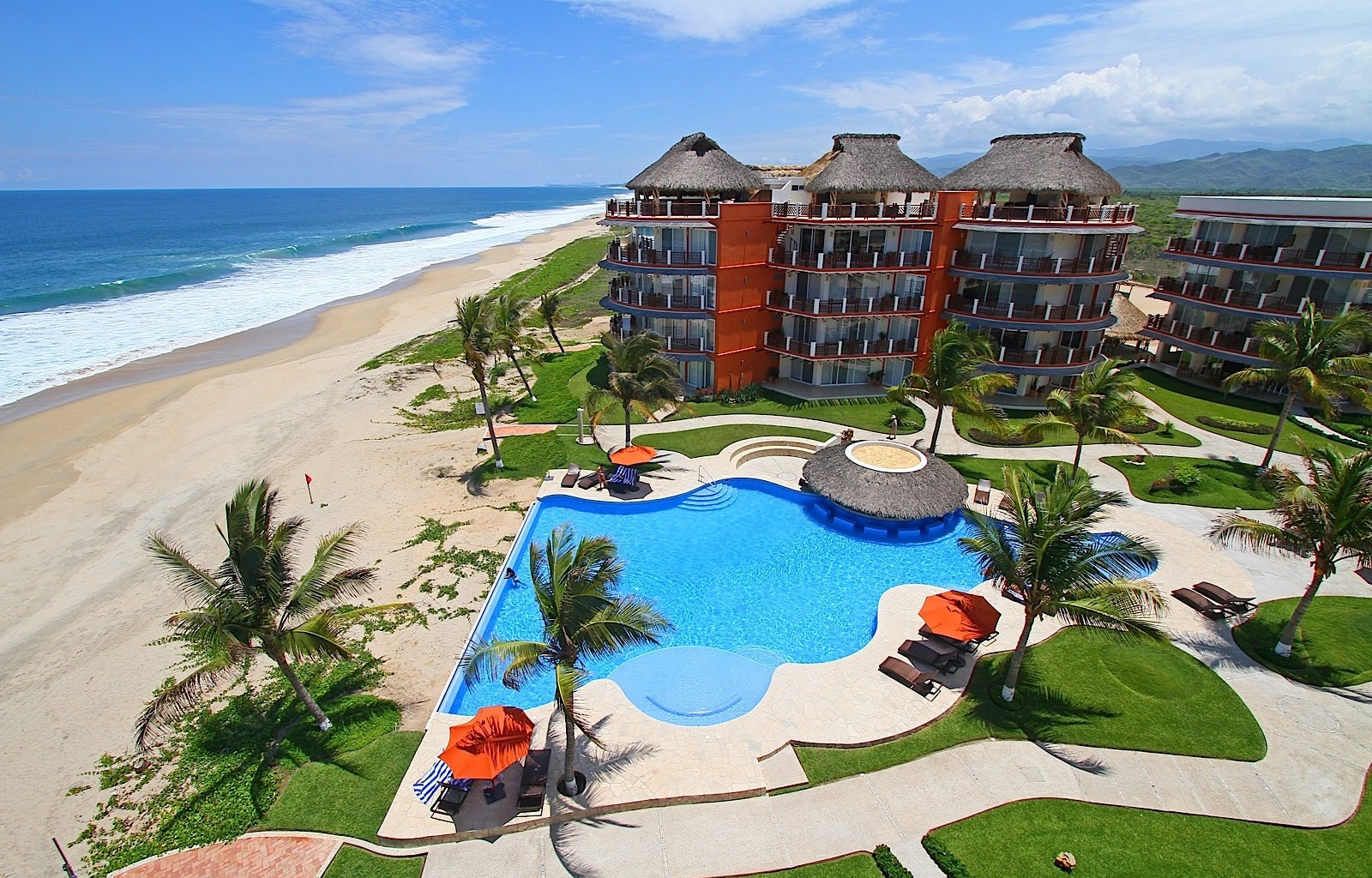
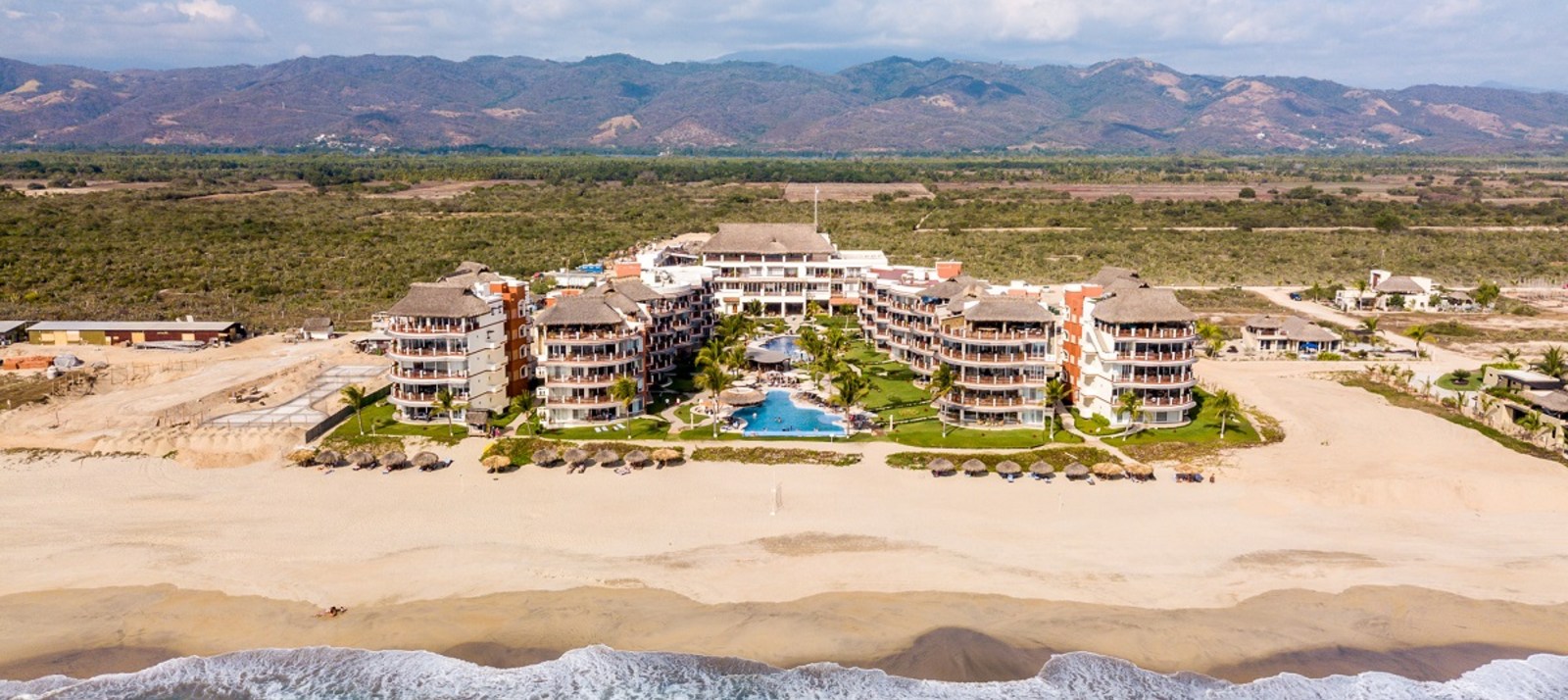
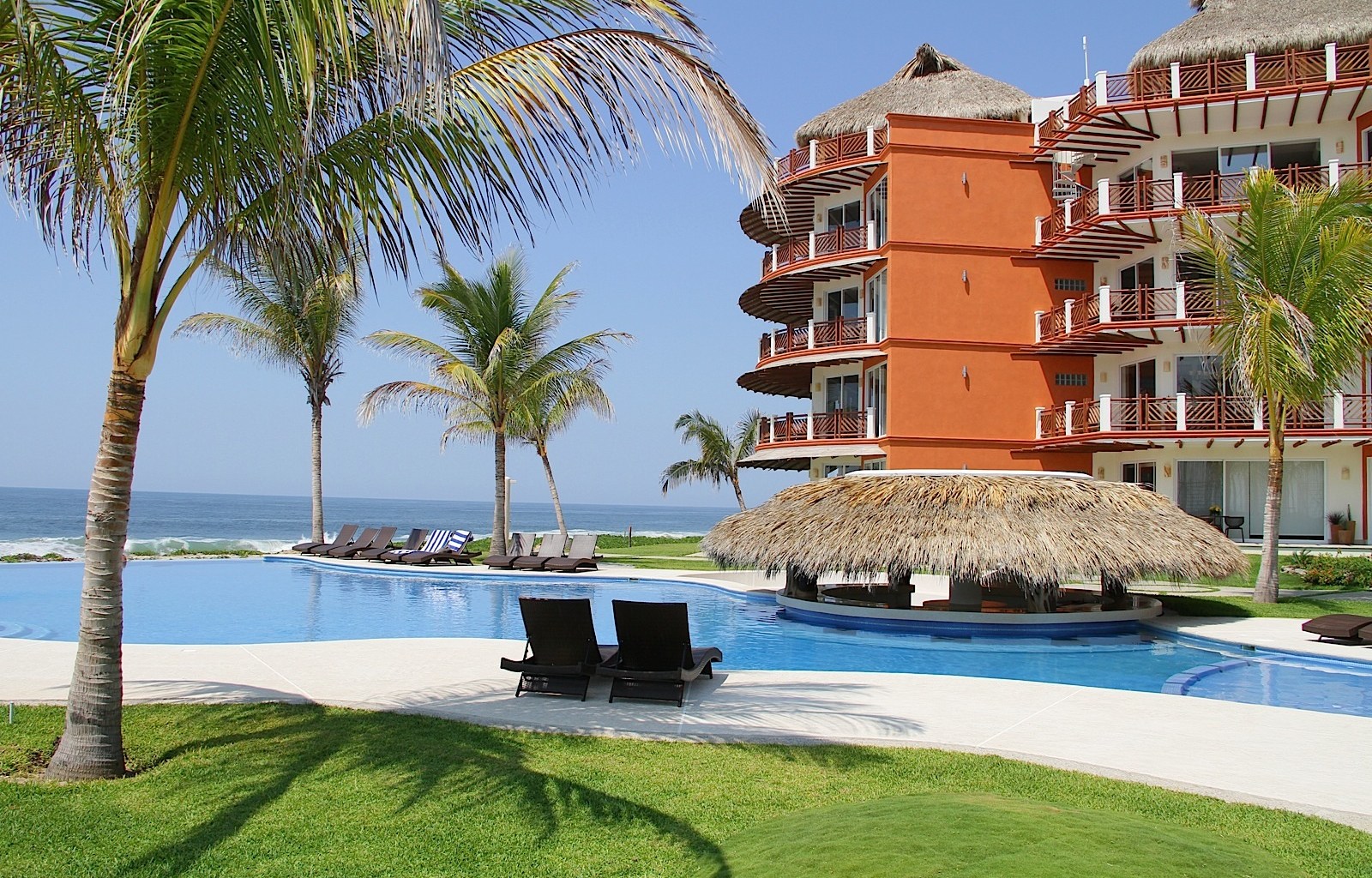
The hardest part of booking a private charter isn't finding the boat, it's finding somewhere comfortable to recover afterwards. Vivo Resorts sits on Playa Palmarito, a quieter stretch just east of Puerto Escondido proper, with suites large enough to spread out a couple of rods and reels on the balcony without tripping over them. The on-site kitchens, multiple pools, and beachfront spa make it a strong base of operations for fishing trips, especially for families where half the crew might prefer the pool to the pelagics.
If you're weighing whether to come back year after year, looking into ownership opportunities can turn annual trips into a recurring tradition without the headache of maintaining a property you only visit a few weeks each year. Returning anglers tend to build a relationship with their skipper over several seasons, and having a known base on the coast makes each trip smoother than the last.
Practical tips before you lock the date
- Ask the operator whether tag and release is standard, and confirm IGFA-format catch certificates if you want official records to send home.
- Pack two pairs of polarised sunglasses; salt spray and glare off the water will haze out a single pair by lunchtime.
- Bring Australian dollars in cash for tips and small purchases; most crews prefer a discreet envelope at the end of the day rather than a card machine.
- Confirm the boat has VHF and ideally a satellite beacon so the resort can monitor conditions and reschedule if weather turns rough.
- Build in a recovery day after the charter; billfish fights use muscles you didn't know you had, and you'll want a spa morning after a six-hour day on the water.
- Check your travel insurance covers offshore fishing; Australian policies vary widely on what counts as a covered activity, and a hook injury shouldn't become a budget problem.
- Allow two or three buffer days either side of the charter for weather; if a swell pushes the trip back, you want the schedule to absorb the shift without ruining the rest of the holiday.
The Oaxacan coast remains one of the quieter corners of the billfishing world, which is exactly the kind of thing Australian anglers tend to chase. A private marlin and sailfish charter out of Puerto Escondido pairs beautifully with a beachfront base at Vivo Resorts, where the hardest decision of the day will be whether to spend it on the rod or on the sand. Plan well, leave some slack in the itinerary, and the rest tends to fall into place on its own.