Exploring Turtle Nesting Sites Near Playa Palmarito with a Local Guide
Playa Palmarito, along Oaxaca’s Pacific coast near Puerto Escondido, is a memorable place to learn about sea turtles. After sunset, the beach can become a quiet corridor for nesting females, while local conservation teams monitor the sand and protect vulnerable nests from disturbance.
A guided visit offers far more than the chance to see a turtle. It provides context about the olive ridley and other species that may use the region’s beaches, the threats they face, and the community work that helps hatchlings reach the ocean. Because wildlife encounters are unpredictable, the focus should be respectful observation rather than guaranteed sightings.
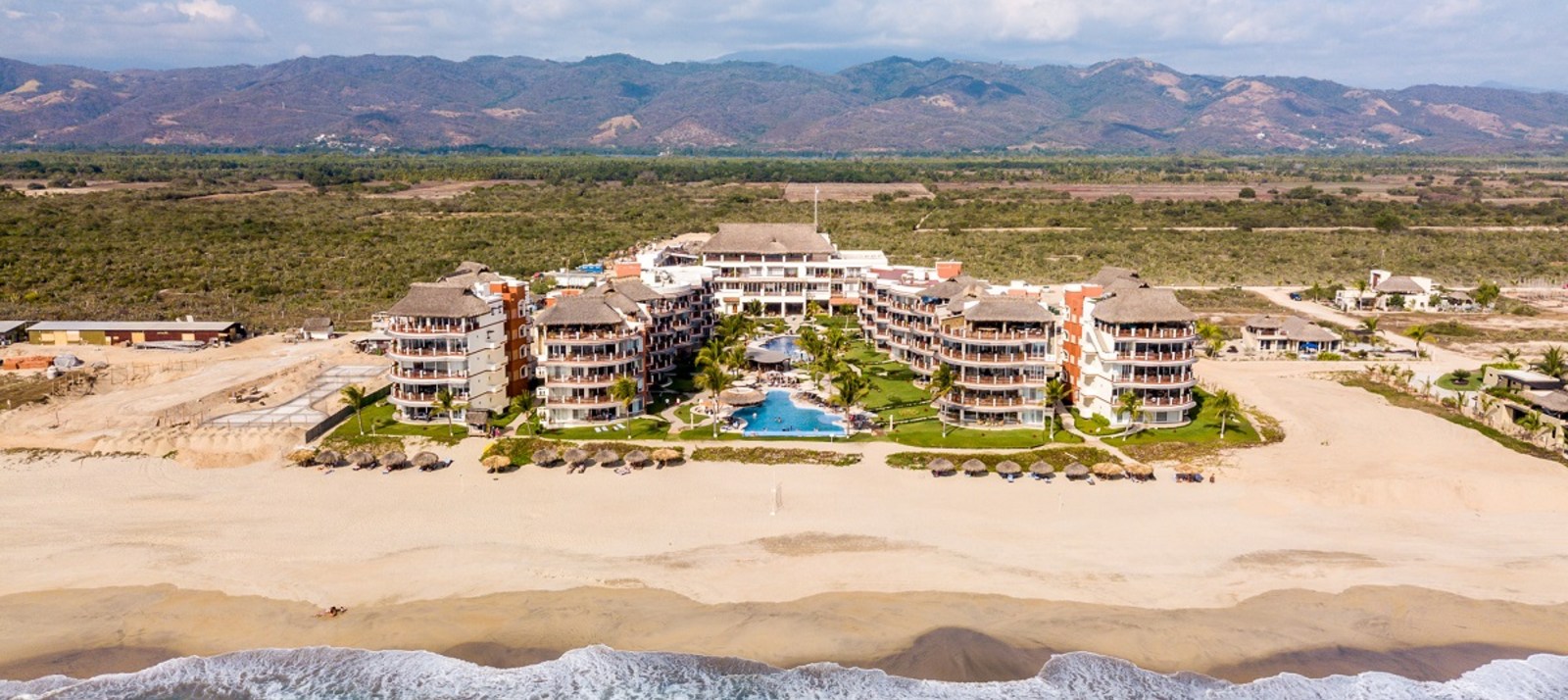
Guests staying at Vivo Resorts can ask the concierge or activities team about current beach conditions, seasonal programs, and responsible guides. The resort’s location beside Playa Palmarito makes it convenient to combine a nighttime conservation experience with ocean views, spacious accommodations, and a relaxed coastal stay.
Understanding the nesting season
Sea turtle activity varies with rainfall, tides, moonlight, beach conditions, and conservation patrol schedules. On Oaxaca’s coast, olive ridleys are often associated with the warmer months and may continue nesting into the later part of the year. Larger species can appear less regularly, so a local guide is the best source for current information.
A nesting turtle may spend considerable time selecting a site, digging a body pit, and covering her eggs. The entire process can take longer than visitors expect. Guides help guests remain patient and quiet, explaining what is happening without interrupting the animal’s behavior.
Why a local guide matters
A trained local guide knows which areas are being monitored, where access is permitted, and how to read beach conditions without disturbing wildlife. Conservation groups may close sections of shore, limit group sizes, or change routes according to patrol activity. These decisions protect turtles while allowing visitors to learn about the project.
Local knowledge also adds a human dimension. Guides can describe nest relocation protocols, beach patrols, hatchling releases, and the work involved in recording species and nesting numbers. Some programs support nearby communities directly, creating an important connection between tourism and conservation.
What the evening experience looks like
A typical outing begins before dark with a briefing about turtle behavior and visitor rules. Depending on the program, guests may walk from an authorized meeting point, travel a short distance along the coast, or wait for a guide to identify suitable activity. Red-filtered lights, covered flashlights, or no lights at all may be required.
If a turtle is found, visitors generally remain behind the guide and avoid forming a tight circle around her. Flash photography, touching, loud conversation, and sudden movement can cause stress or make the turtle abandon a nesting attempt. The guide may ask the group to wait until the female begins laying eggs, when she is less responsive to movement, before allowing limited observation.
Planning a comfortable and responsible visit
The coast can feel hot and humid during the day, while a nighttime walk may involve soft sand, insects, and changing temperatures. Lightweight long sleeves, closed-toe shoes or secure sandals, insect repellent, and water are practical choices. Visitors should avoid perfumes and leave unnecessary bags, food, and bright devices at the resort.
For additional practical advice about sun, hydration, and coastal conditions, review these Oaxaca heat tips before planning daytime activities. A guide will usually explain what equipment is permitted, but guests should also confirm whether transportation, water, and entry fees are included.
| Planning detail | What to expect |
|---|---|
| Best time to inquire | Before arrival, since patrol schedules and access can change |
| Meeting arrangements | Resort pickup, a nearby meeting point, or a guided beach walk |
| Clothing | Breathable layers, secure footwear, and dark, comfortable clothing |
| Light rules | Red-filtered or covered lights; follow the guide’s instructions |
| Photography | Only when permitted, without flash |
| Wildlife encounter | Never guaranteed; conservation takes priority |
| Weather policy | Tours may be delayed or canceled for safety and beach conditions |
Combining conservation with a coastal stay
A turtle excursion fits naturally into a longer Playa Palmarito itinerary. Spend the afternoon by the pool or shore, rest before the evening program, and leave time for a slow breakfast afterward. The resort’s suites and villas give couples and families room to settle in without the compressed schedule of a short day trip.
Dining can be part of the experience too. Guests may arrange an early meal before departure or a relaxed return after the beach walk by exploring the resort’s dining and bars. Since nighttime programs can vary in duration, it is wise to check restaurant hours and reserve a suitable dining time in advance.
Protecting the beach beyond the visit
Responsible turtle tourism begins with following every instruction from the conservation team. Stay behind marked boundaries, keep voices low, avoid handling hatchlings, and never collect shells, eggs, or other natural objects. Even seemingly harmless actions can interfere with nesting behavior or expose nests to predators and people.
Visitors can also reduce their wider impact by carrying reusable water bottles, removing trash, keeping beach furniture and personal items away from the high-tide line, and turning off unnecessary outdoor lights. Artificial light can disorient hatchlings, leading them away from the sea. At the resort, ask about local conservation partnerships and whether donations or volunteer activities are available.
Choosing the right experience for your group
Couples may prefer a smaller, quieter outing with time to observe the beach and discuss conservation afterward. Families should ask whether the walk is suitable for children, how long they may need to remain still, and whether transportation is available. A private villa or spacious residence at Vivo Resorts can make it easier to prepare children for a later bedtime and a memorable evening.
Travelers interested in a broader Oaxaca itinerary can combine the turtle visit with Puerto Escondido, nearby beaches, seasonal markets, or a boat trip, depending on conditions. Resort vacation packages may help organize a stay around dining, spa time, excursions, and beach activities, while the concierge can clarify which experiences are operated by independent local providers.
Simple ways to make the visit better
- Book through a guide or organization that prioritizes conservation and follows local access rules.
- Confirm the meeting point, duration, transportation, weather policy, and group size before departure.
- Wear quiet, secure footwear and bring only the essentials permitted by the guide.
- Keep phones dimmed and use no flash unless the conservation team explicitly allows it.
- Treat the experience as wildlife observation, with no expectation of touching turtles or seeing hatchlings.
A guided night on Playa Palmarito can become one of the most meaningful parts of a Puerto Escondido-area holiday. Contact Vivo Resorts before your stay to ask about current turtle conservation outings, seasonal conditions, and an itinerary that pairs the beach experience with comfortable accommodation and time to enjoy Oaxaca’s coast.