Glowing tides and moonless nights on Mexico's Pacific shore
There's a kind of magic when the surf rolls in turquoise and every splash bursts into brief, electric blue. That sparkle is bioluminescent plankton, single-celled dinoflagellates lighting up when disturbed. Touch a wave or kick your feet and the water answers with tiny fireworks. Few natural shows feel this intimate, and almost nowhere else on earth do conditions run as reliably.
Oaxaca's shoreline, particularly the lagoons around Puerto Escondido, has built a quiet reputation among travellers chasing these living lights. The plankton thrive in warm, sheltered pockets where rivers meet the sea, and they appear most reliably during the warmer months. For Australians who spend their summers around Bondi, Byron Bay or the Gold Coast, swapping the Southern Hemisphere summer for a Mexican dry season means trading one beach ritual for another that glows after dark.
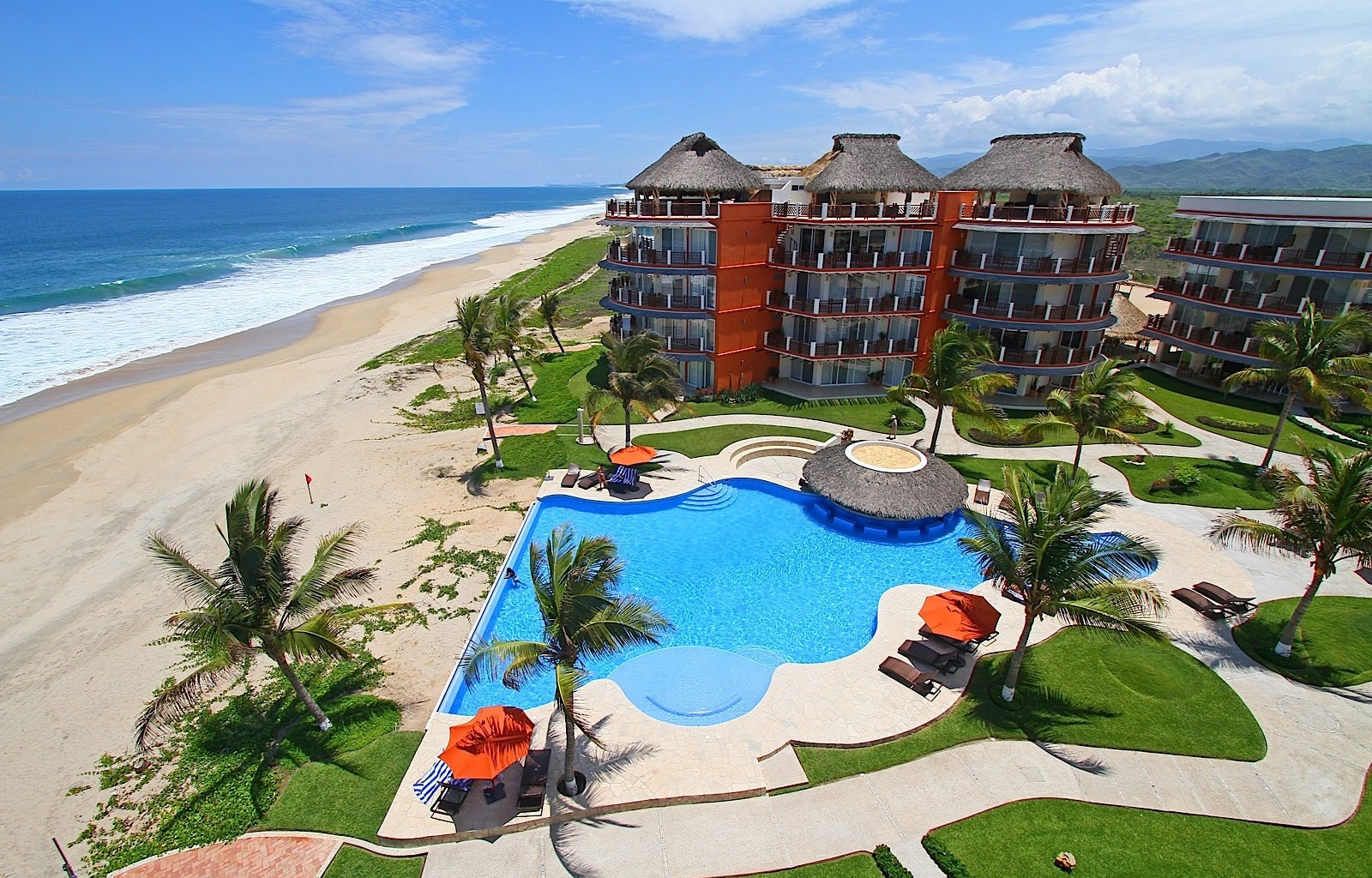
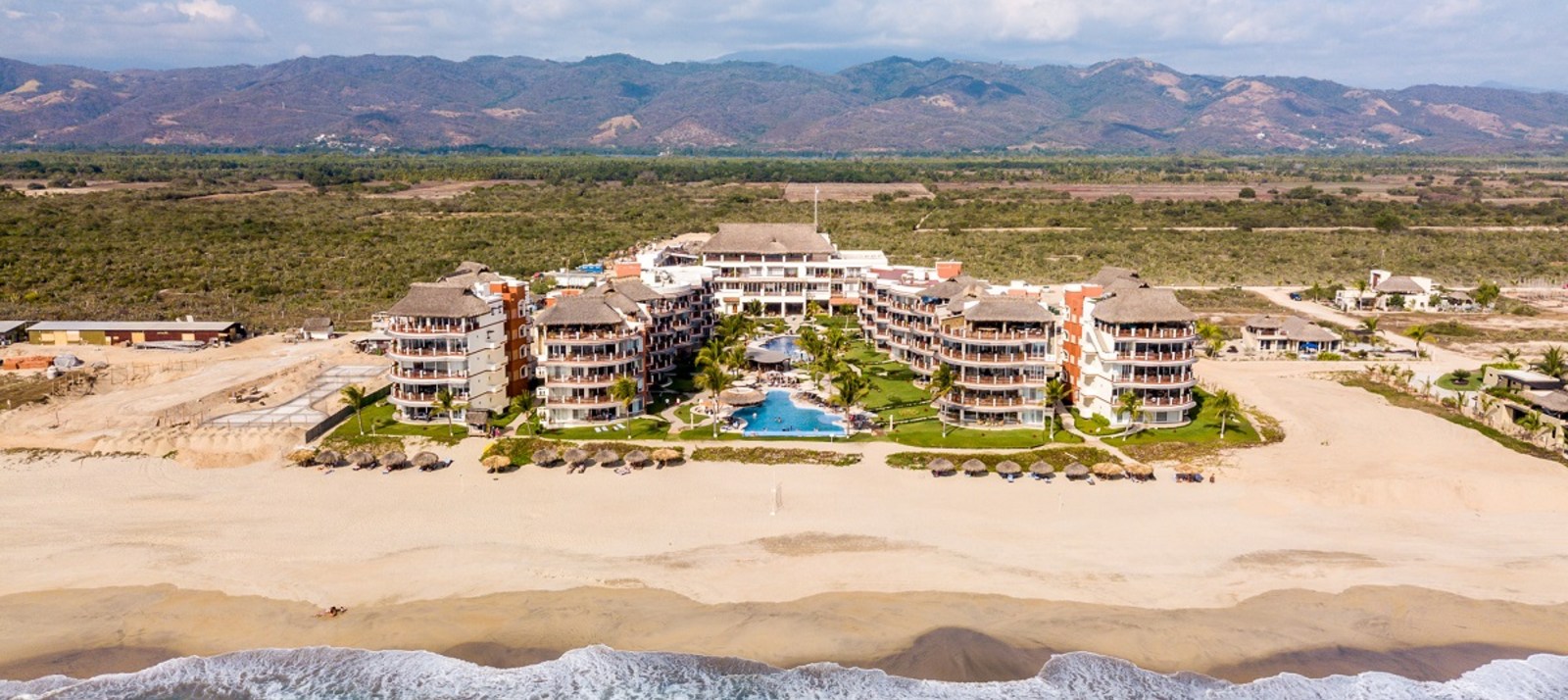
What makes this experience especially tempting for guests at Vivo Resorts is the proximity. The property sits on Playa Palmarito, and several launch points for evening tours sit within a short drive. After a full day unwinding at the residences, slipping out under the stars and watching the ocean light up under your hands feels less like an excursion and more like the natural next chapter of the day.
The science behind the glow
The glow is a defence mechanism. When dinoflagellates feel pressure or a sudden chemical change, they fire a flash of cold light through a reaction involving luciferase, the same enzyme found in fireflies. The burst startles small predators, buying the plankton a fraction of a second to drift away. In calm, nutrient-rich water with little ambient light, the flashes build into a visible shimmer.
Swimmers see the cumulative effect of billions of these reactions in the breaking waves. Still nights, low wind and minimal moonlight turn the ocean into a slowly pulsing mirror. The density off Oaxaca's coast, fed by mangrove estuaries and seasonal upwelling, gives the region a reliable, almost theatrical display.
Where the plankton put on their show
Puerto Escondido's best-known spot is Manialtepec Lagoon, a shallow, mangrove-lined body of water half an hour west of town. Tours launch at dusk and reach the brightest patches once the sky has gone properly dark. The lagoon is calm enough for kayaks and small boats, so visitors get close to the water without fighting the Pacific's punchier swell. Closer to the resort, smaller operators occasionally run beach-based experiences along Playa Palmarito when conditions line up.
Further south, beaches around Huatulco and fishing villages between Puerto Escondido and Guatemala offer quieter corners. Road-trippers can stop at different lagoons along Highway 200. Operators know which inlet is shining on any given night.
Choosing the right season
The brightest displays along the Oaxacan coast appear between late spring and early autumn, peaking between June and September. Rainfall drops, lagoons warm up and plankton populations swell. Winter visits still produce a glow, but the show tends to be fainter and harder to predict.
For Australians planning around the school summer break, the timing works neatly. A December or January escape aligns with Mexico's high tourist season and the start of calmer coastal weather, while a July or August trip matches the strongest displays and Australia's cooler winter. Either window leaves daylight for surfing, snorkelling and exploring coastal towns before the night tours begin.
What a typical tour looks like
Most operators collect guests an hour before sunset, drive them to the launch point and hand out life jackets and waterproof torches. The boat ride takes 20 to 40 minutes, and guides explain the science, the local ecology and the folklore around the glowing water. Once the light fades, the engine cuts and the show begins.
Swimming is allowed in several lagoons, though guides keep groups close to the boat. The plankton respond to sudden movement, so kicking and splashing produces visible bursts. Long exposures on a phone with manual mode capture the glow best. After an hour, boats return to the dock and most tours drop guests at their hotel before midnight, in time for a late bite at the resort's dining venues.
Getting there from Australia
There are no direct flights between Australia and Puerto Escondido. Most travellers fly from Sydney or Melbourne via Los Angeles, Auckland or occasionally Santiago, then connect through Mexico City before a short domestic hop. Qantas and Jetstar cover the trans-Pacific legs; local carriers run the final stretch. Aussie passports don't need a visa for short tourist stays, keeping the paperwork simple.
Total travel runs 24 to 30 hours, so most people break the journey with a stopover in LA or Mexico City. Puerto Escondido's airport sits about 20 minutes from Playa Palmarito, and pre-arranged transfers handle the final leg. Aussie travellers used to long drives on the Pacific Highway will find Mexican road trips feel surprisingly familiar once they settle in.
Pairing night swims with a beachfront base
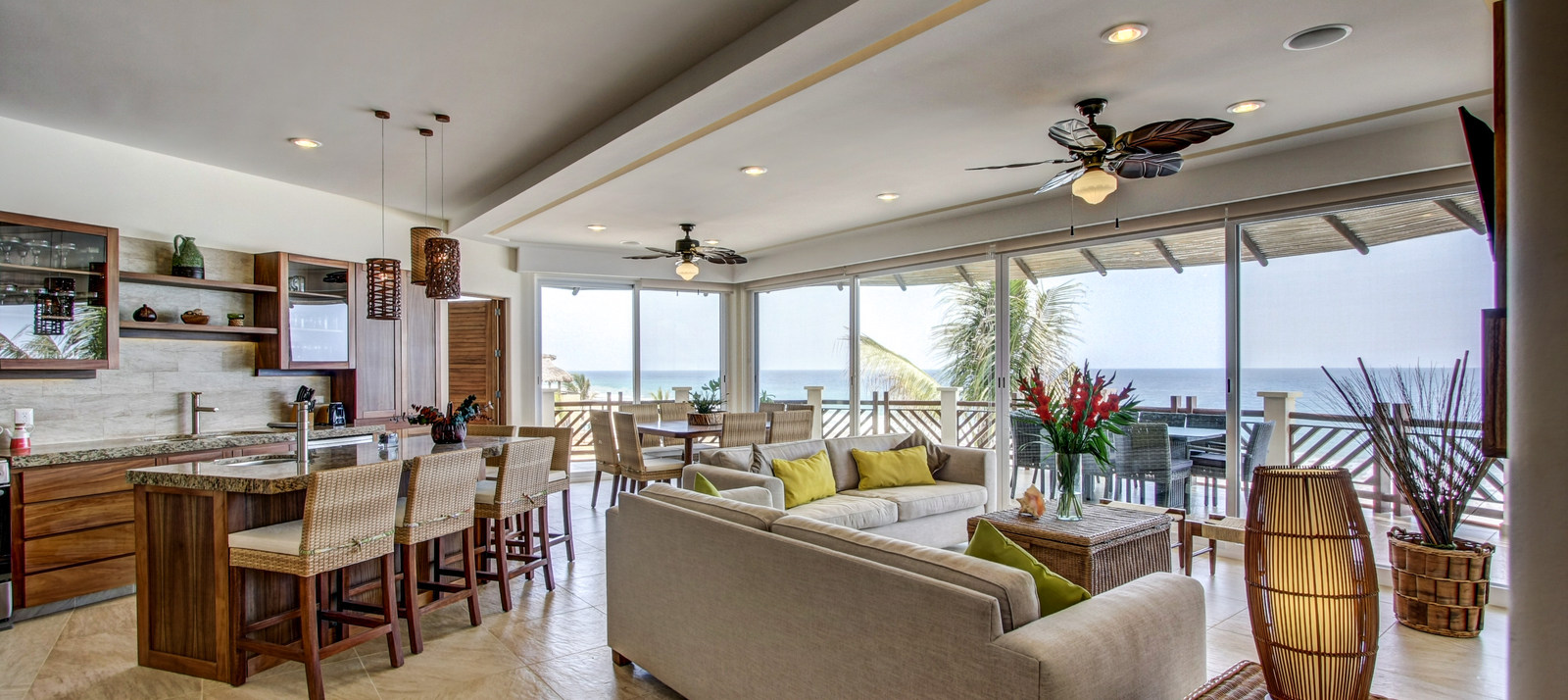
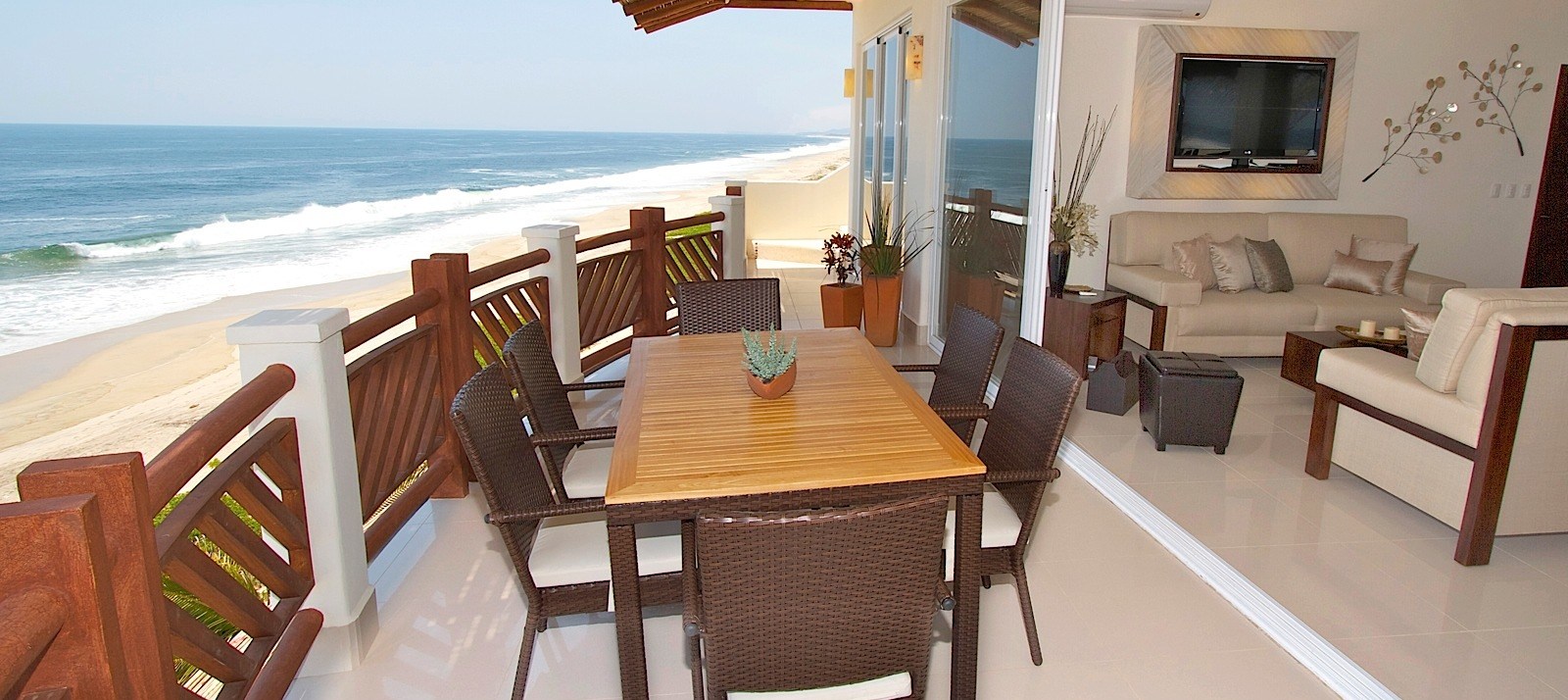
The trick to enjoying these tours fully is pairing them with accommodation that lets you reset afterwards. Returning to a beachfront suite, stepping out of sandy bathers and onto a quiet terrace overlooking the surf is the kind of soft landing that turns a busy day into something indulgent. The residences at Vivo Resorts offer generous living spaces and ocean-facing balconies designed with exactly that flow in mind.
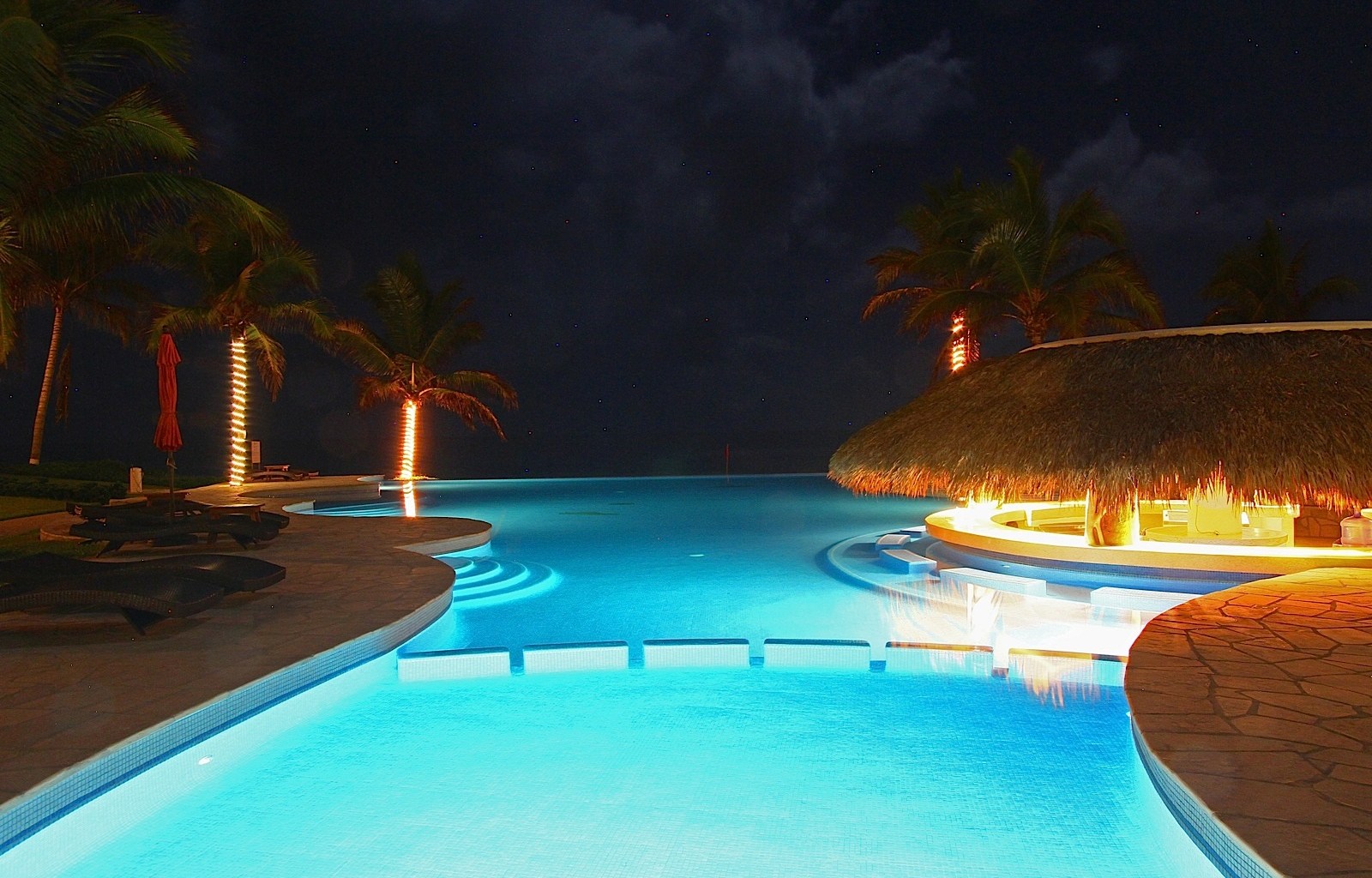
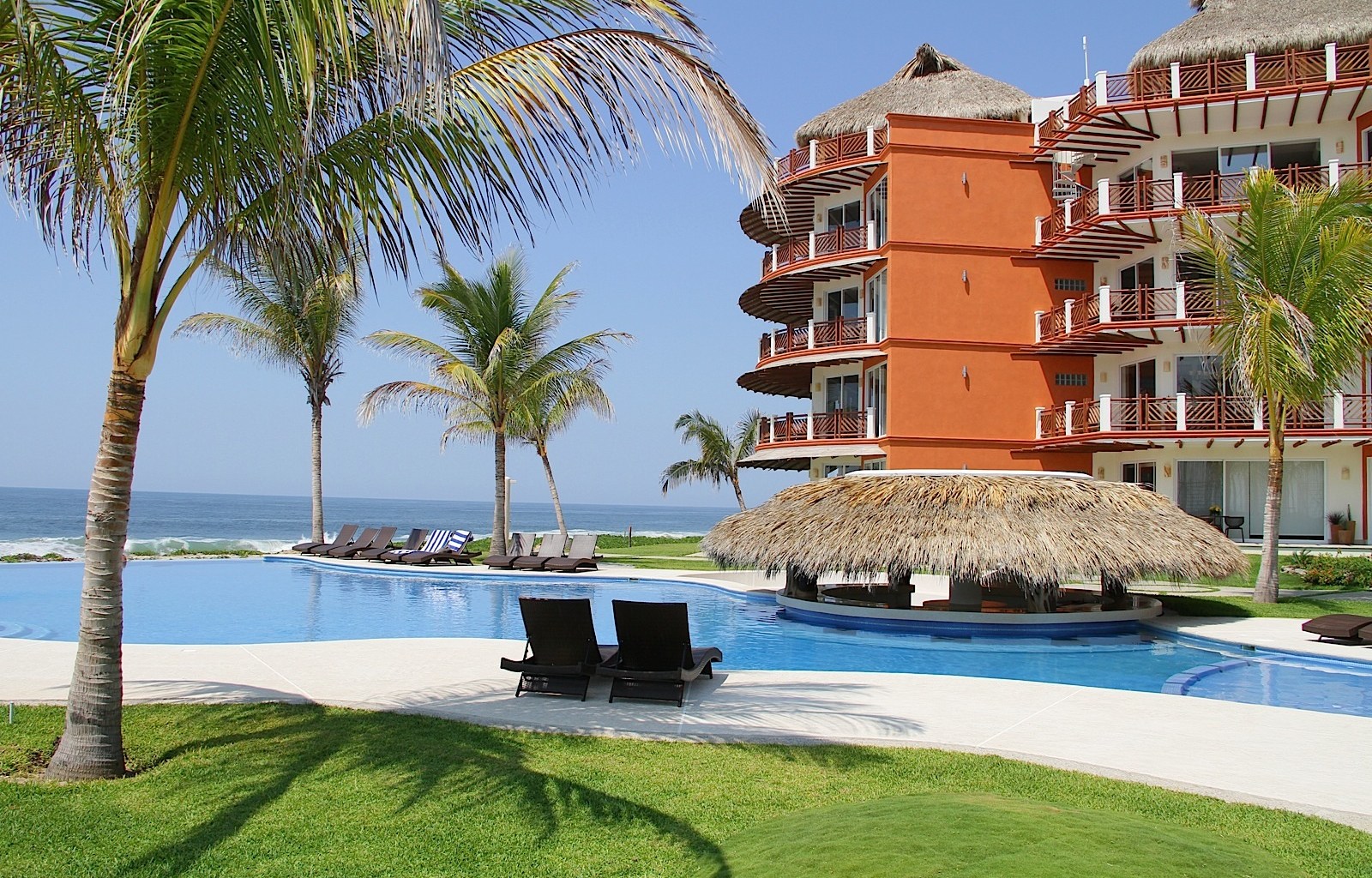
Back at the resort, a relaxed arvo by the pool sets the tone for an evening that doesn't feel rushed. For those who prefer not to leave their suite before heading out, browsing the all-suite room service menu ahead of time helps plan a light bite and an early night.
Travelling responsibly on a fragile coastline
The plankton are sensitive creatures, and their lagoons are equally fragile. Sustainable tour operators limit group sizes, avoid motors in the brightest patches and steer clear of nesting birds. Travellers can help by choosing operators with clear conservation policies, skipping heavy sunscreens and avoiding tours that hand out single-use plastics.
Local communities along this stretch of coast are part of the equation too. Guides know which lagoons are shining, which boats are sound and which stretches of beach should be left alone during nesting season. Paying fair prices and eating at family-run restaurants keeps money in the regional economy and the show alive.
The memory that lingers longest is the simplest: stepping out of a small boat into black water and watching the ocean light up under your feet. Everything else, the flights, the drives, the choice of resort, is scaffolding around that single, glowing moment. Long after the trip ends, it is that small, electric blue that stays.