A practical guide to complimentary water sports at Vivo Resorts
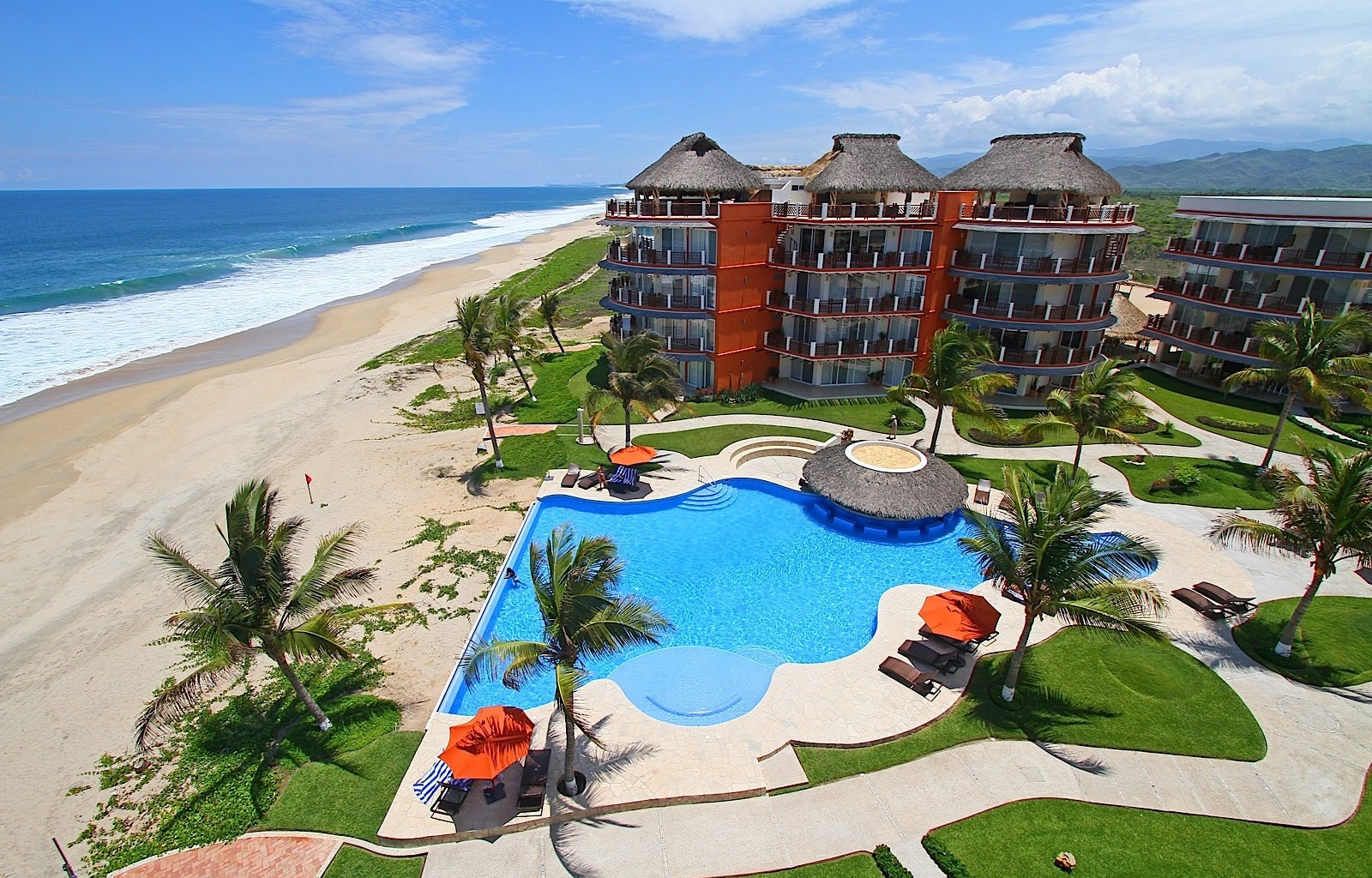
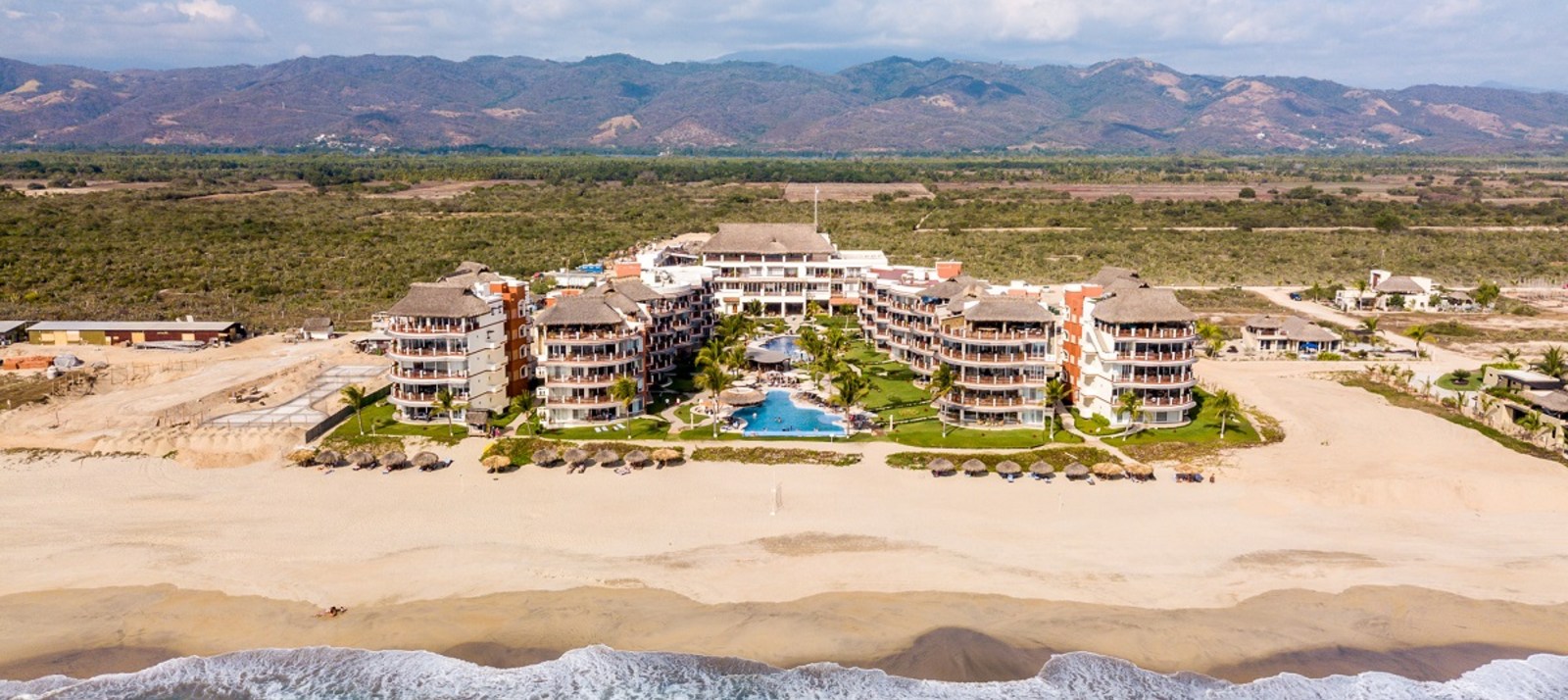
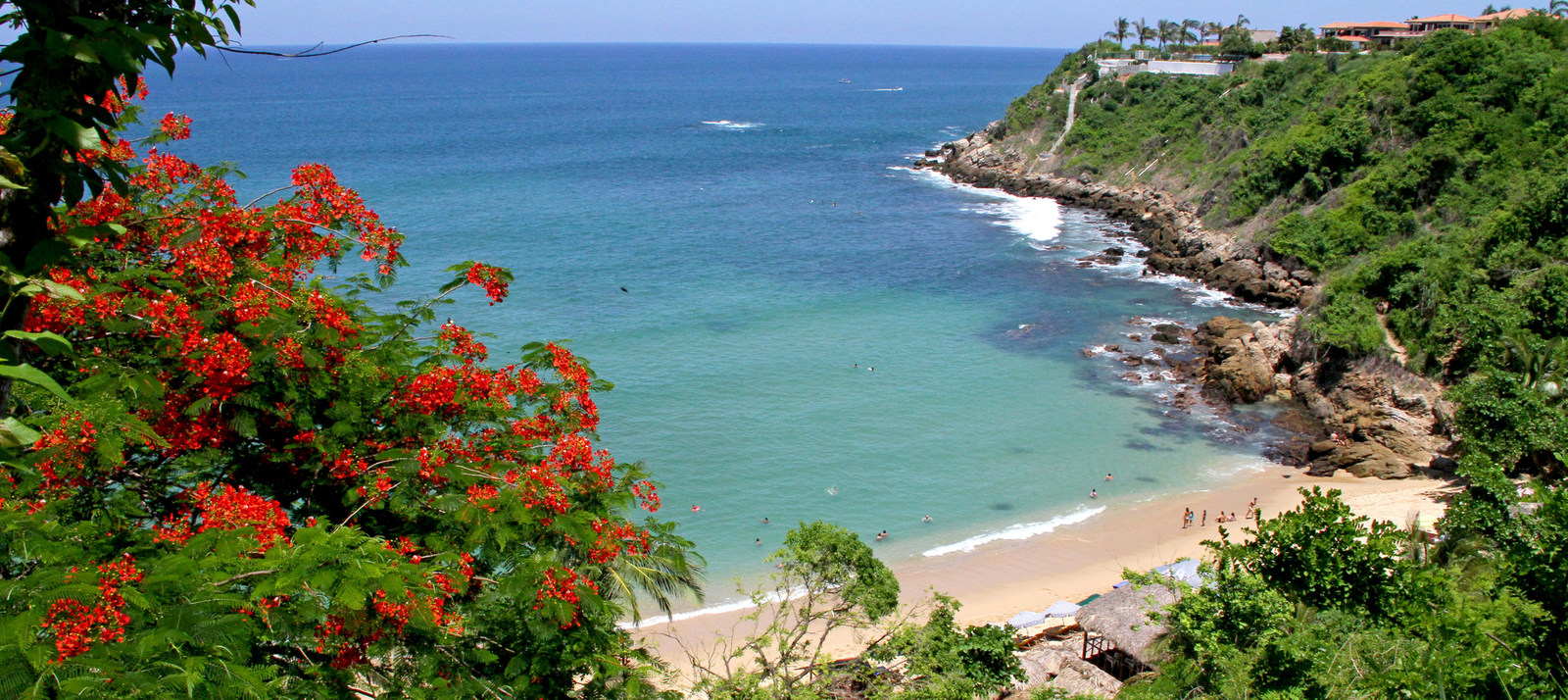
At Vivo Resorts on Playa Palmarito, complimentary non-motorized water sports equipment makes it easy to enjoy the Pacific without bringing bulky gear from home. The beachfront setting suits unhurried mornings, active afternoons and relaxed family time beside the water.
Equipment availability can vary with surf conditions, maintenance and daily operating arrangements. Ask the resort team what is ready to use when you arrive, whether an activity requires a short briefing, and where equipment should be collected and returned.
For Australian travellers, the experience may feel different from a calm Sydney Harbour paddle or a supervised beach in Queensland. Playa Palmarito is an open Pacific shoreline, so waves, currents and seasonal conditions deserve respect even when the water looks inviting.
A little planning helps you make better use of the facilities. Pack reef-safe sunscreen, a long-sleeved rash vest, water shoes if you prefer extra grip, and a dry bag for phones. Australian sun habits are especially useful here: apply sunscreen generously, reapply after swimming and avoid the strongest midday UV.
What the complimentary setup may include
The resort’s non-motorized water sports offering is designed for simple, low-impact recreation. Depending on conditions and current stock, guests may find options such as kayaks, stand-up paddleboards, masks, snorkels, flotation equipment or similar beach gear. Motorised activities, guided tours and specialist equipment are generally separate experiences, so check before assuming an item is included.
Ask about age limits, weight limits, life jackets and how long each item can be used. Families should confirm whether children must remain with an adult and whether smaller sizes are available. A quick explanation of local launch points can also make the first outing more comfortable, especially for guests accustomed to patrolled Australian beaches.
Snorkelling conditions can change quickly along the Oaxaca coast. If you want to explore with local guidance, read this snorkelling spots guide before choosing between independent beach time and an organised excursion.
Choosing the right activity for the day
Stand-up paddleboarding is best suited to a calm spell, when you can kneel first, find your balance and gradually move to standing. Kayaking may feel more stable for couples or parents sharing time with older children. Snorkelling is rewarding when visibility is good, but it is sensible to stay close to shore and follow the team’s advice about entry and exit points.
Some days are better for a short session than a long one. Wind, swell and heat can make paddling tiring, while a cloudy morning may provide more comfortable conditions than a bright afternoon. Guests visiting from Melbourne or Hobart may also find the tropical warmth more demanding than expected, so drink water regularly and take breaks in the shade.
Allow time to rinse off salt water after using the gear. Keeping straps, paddles and personal belongings organised helps the next guest and reduces the chance of losing small items in sand or surf. If you wear prescription glasses, use a secure strap before entering the water.
Safety and respectful beach use
Listen to lifeguards or resort staff even if you are a confident swimmer. Open-ocean beaches do not behave like a backyard pool, and rip currents can be difficult to spot. Never paddle beyond your comfort level, avoid entering the water alone, and return equipment if the weather becomes unsettled.
Australian travellers often check beach warning flags and patrol information at home; use the same discipline in Mexico. Children need close supervision around waves, kayaks and paddleboards, including when they are wearing flotation devices. A life jacket improves buoyancy but does not replace an attentive adult.
Protect the coastal environment by keeping sunscreen, food wrappers and personal items away from the water. Do not touch marine life, stand on coral or collect shells. Choosing reef-conscious products is a practical habit for Australian beachgoers familiar with sensitive marine areas such as the Great Barrier Reef.
Planning water time around your holiday
Water sports work well between breakfast and a late lunch, or during the softer light of the afternoon. Reserve uninterrupted time rather than trying to squeeze a paddle between spa appointments, pool time and a day trip to Puerto Escondido. After exercise, the resort’s dining venues and shaded areas make it easy to cool down without leaving the property.
High-season demand can affect excursions and equipment access, particularly around Australian school holidays in December and January, Easter and the June–July break. While complimentary beach gear may not require advance booking, organised tours often do. This high-season excursions guide can help align water activities with travel dates.
Australian visitors should also check passport validity, travel insurance and any card fees before departure. Mexico uses pesos, and small purchases or transport arrangements may be easier with some local currency available. Travel insurance should cover water activities that you plan to undertake, even when the equipment itself is supplied at no additional charge.
Useful habits for a smooth session
Keep your room key, phone and valuables away from the shoreline unless the resort provides a secure storage option. Wear swimwear that stays comfortable during movement, and bring a light cover-up for walking between the beach, pool and accommodation. Guests attending weddings or group events should plan water activities around formal clothing and styling appointments; Vivo Resorts also supports wedding celebrations for groups wanting beach time alongside their event schedule.
Use the following checklist before collecting equipment:
- Check the day’s surf, wind and weather conditions with resort staff.
- Confirm what is complimentary and whether any activity has a time limit.
- Choose a properly fitted life jacket for every child and inexperienced swimmer.
- Apply water-resistant, reef-conscious sunscreen before leaving the shade.
- Keep valuables secure and avoid taking loose items into the water.
- Rinse equipment as directed and return it to the designated area.
- Stop immediately if you feel cold, fatigued, dizzy or uncomfortable in the swell.
A flexible approach gives you the best chance of enjoying Playa Palmarito. Start with a short paddle or supervised snorkel, learn how the Pacific behaves that day, and build from there rather than treating every piece of equipment as a challenge to complete.
The practical takeaway is simple: check conditions and inclusions with the resort team, use appropriate safety gear, protect the shoreline and choose the activity that matches the day’s water.