A Guide to Mazunte’s Village Life and Turtle Sanctuary
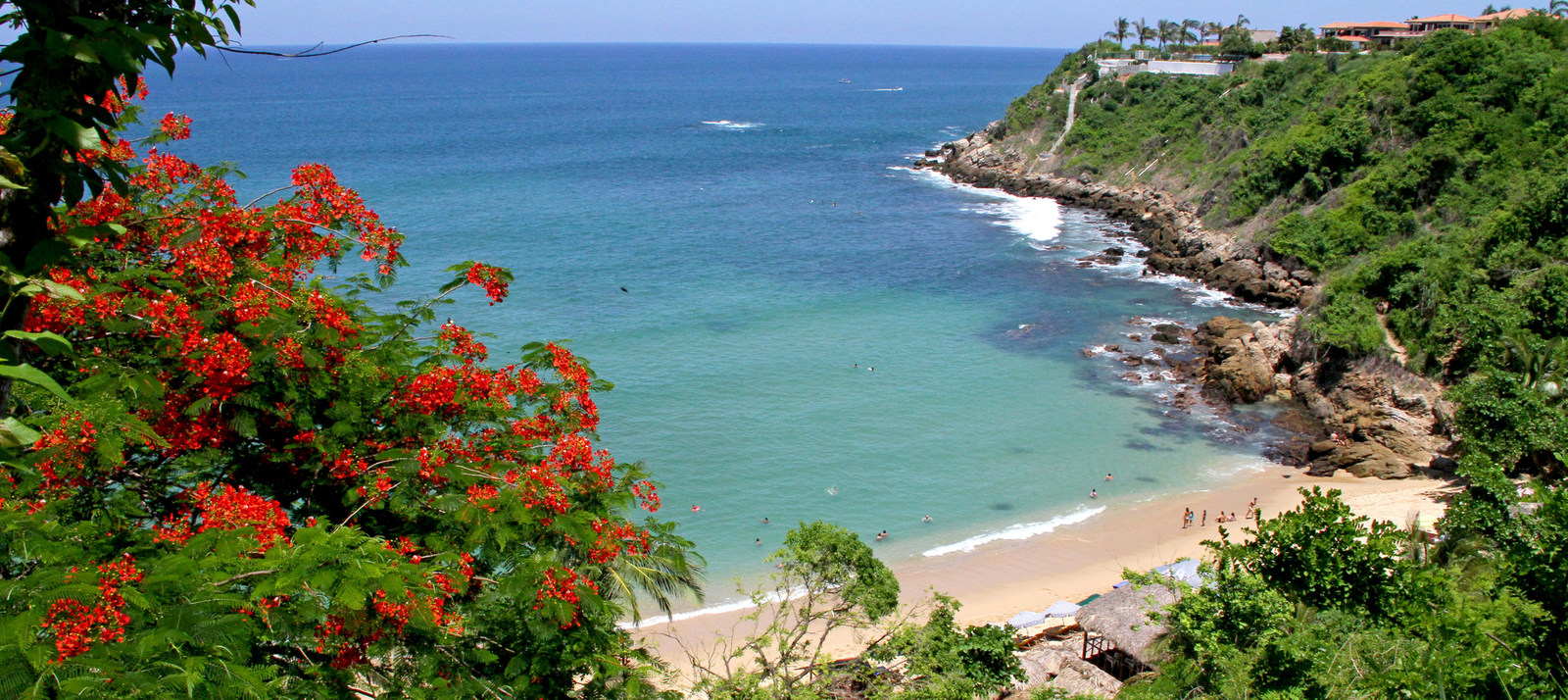
Mazunte is a small coastal village in Oaxaca with a strong connection to the sea, traditional fishing, artisan crafts and turtle conservation. It feels distinctly different from the larger resort areas around Puerto Escondido: roads are quieter, businesses are independent, and the day tends to follow the light, tides and heat.
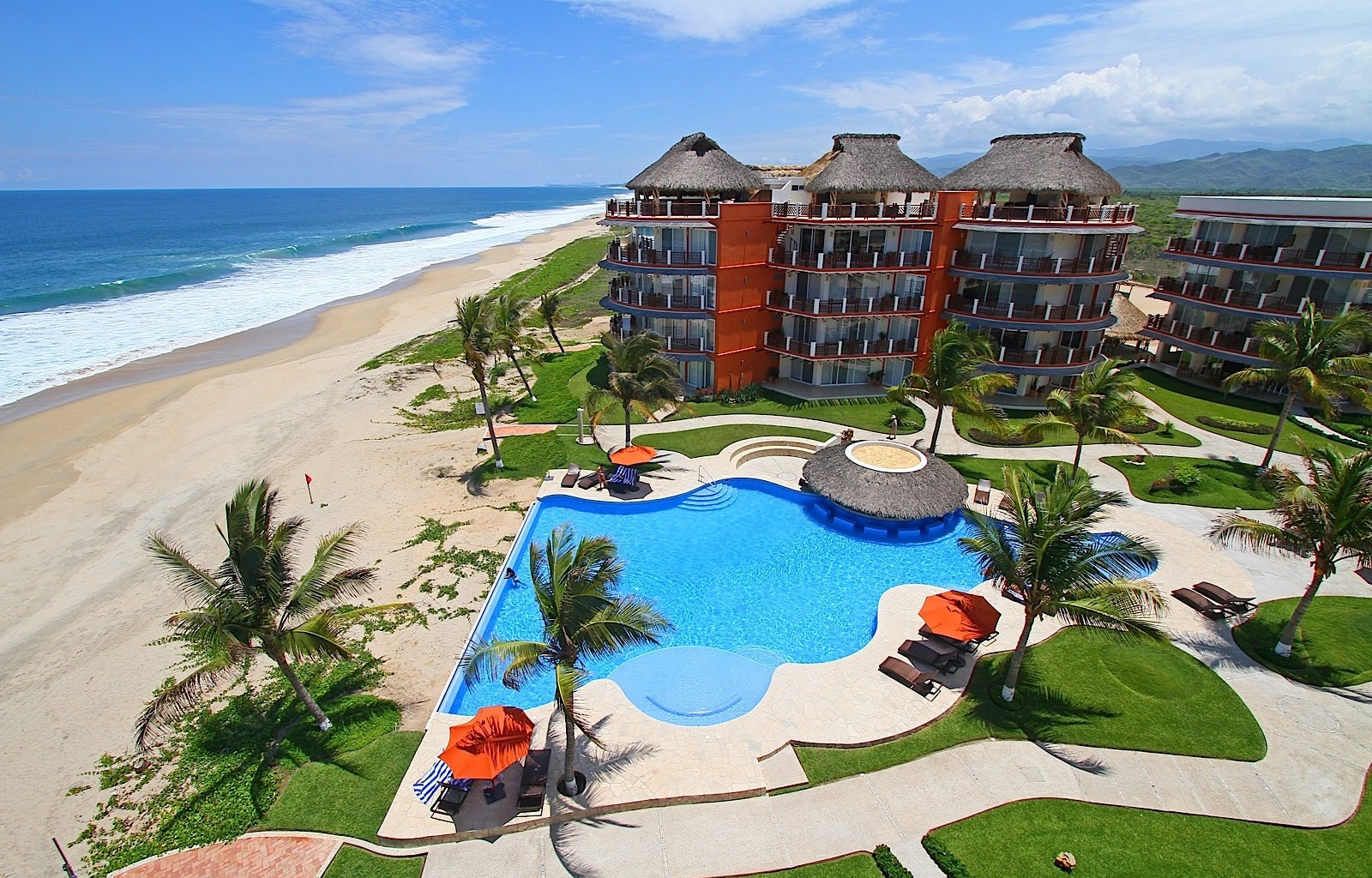
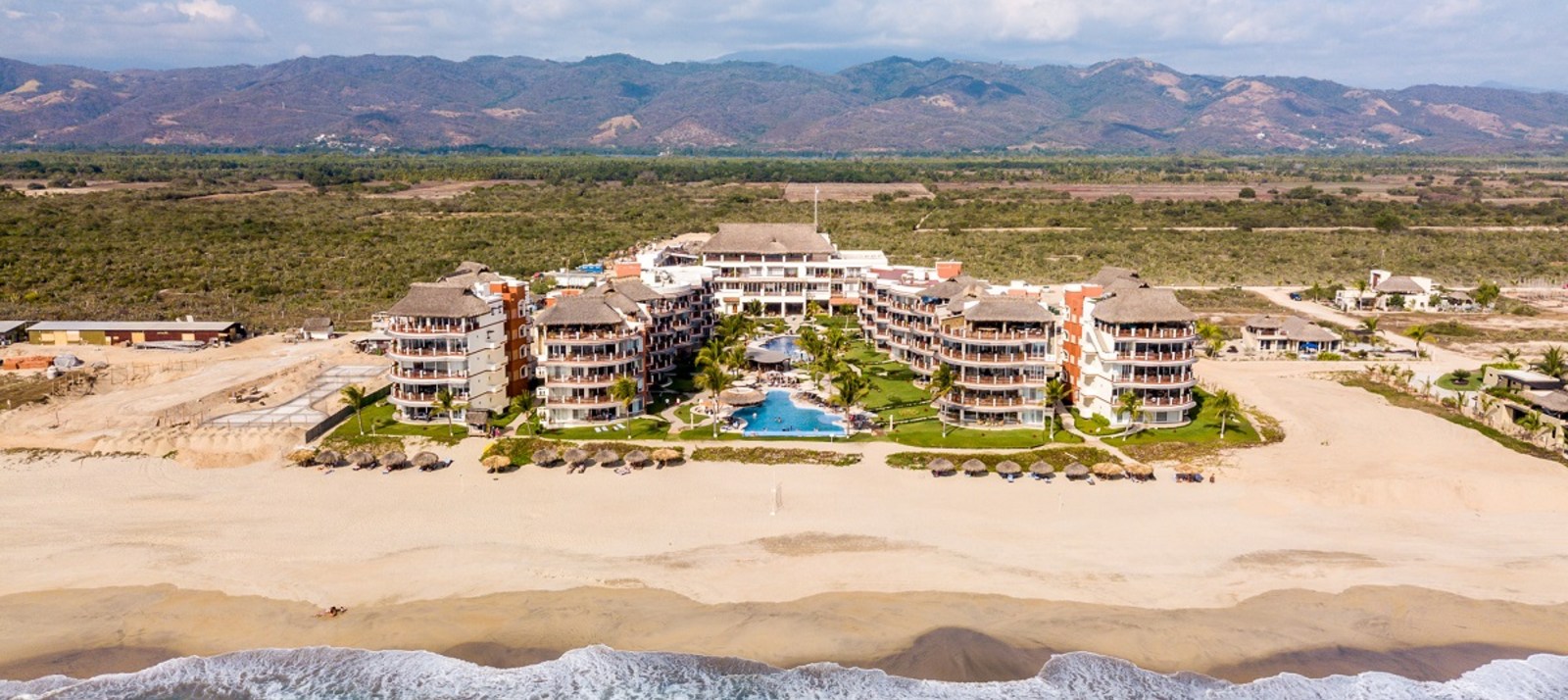
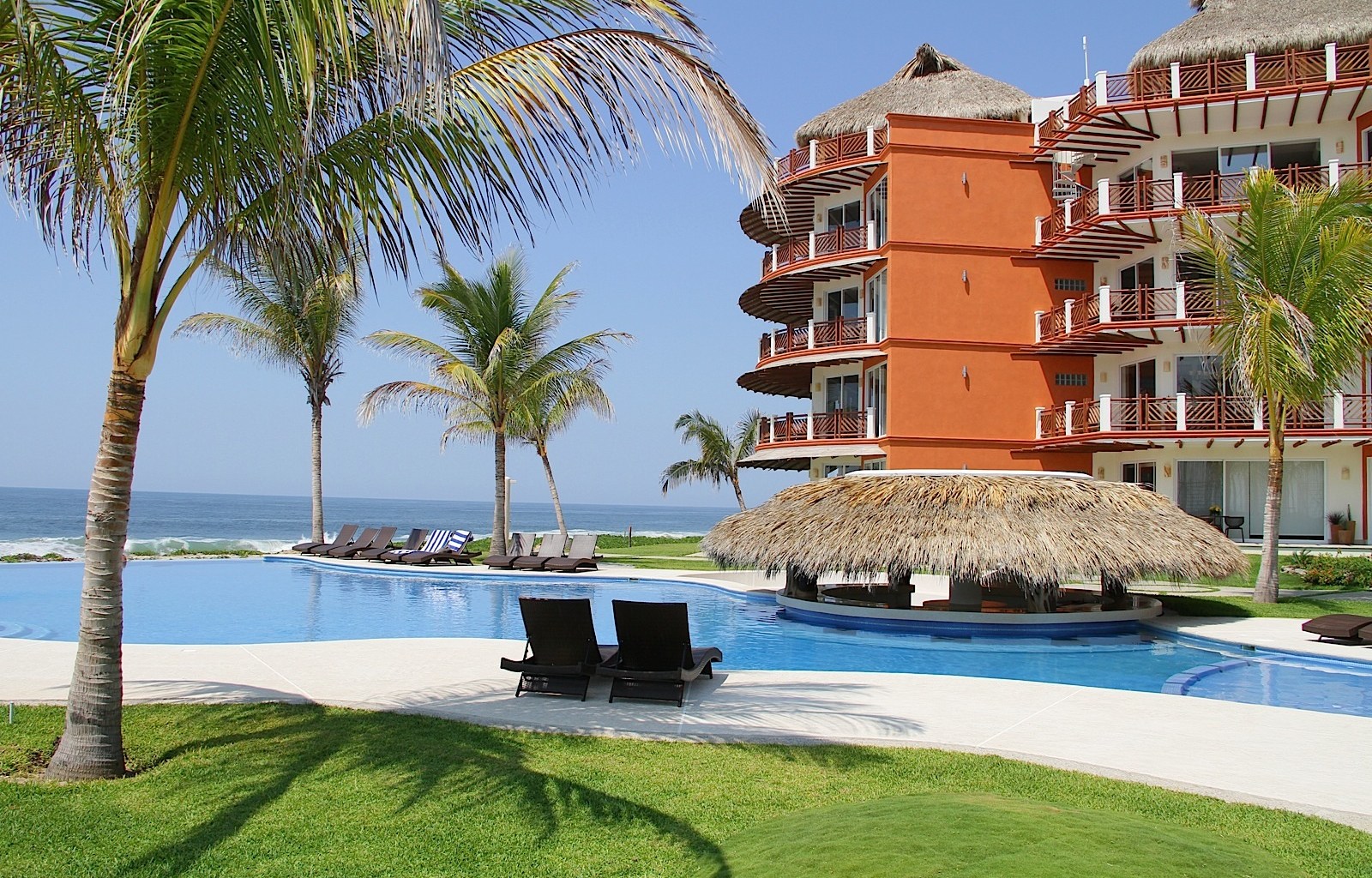
For guests staying at Vivo Resorts on Playa Palmarito, Mazunte makes a rewarding full-day excursion. The drive usually takes around 90 minutes to two hours each way, depending on road conditions and traffic. A private transfer or organised outing is generally more comfortable than trying to combine several local buses, especially for families or wedding groups.
The village suits travellers who enjoy a slower pace rather than a tightly scheduled sightseeing circuit. From the Centro Mexicano de la Tortuga to Punta Cometa, beach cafés and small market stalls, the visit combines wildlife education with time outdoors. It is also an easy way to add an authentic Oaxacan coastal experience to a stay with ocean views and resort facilities.
Why Mazunte Is Worth Visiting
Mazunte’s identity is closely tied to sea turtles. Several species use Oaxaca’s beaches for nesting, including olive ridley, black and leatherback turtles. The village once had a very different relationship with these animals, but conservation, environmental education and sustainable tourism have reshaped its economy.
The Centro Mexicano de la Tortuga, often called the Mexican Turtle Centre, explains the biology, migration and protection of local turtle species. Exhibits and viewing areas help visitors understand the threats turtles face, including plastic pollution, fishing equipment, artificial light and disturbance during nesting. It is an educational stop rather than a guaranteed wildlife encounter.
The village itself is compact and walkable, with colourful streets, small restaurants, natural skincare shops and craft stalls. Mazunte’s market is modest compared with a large Australian weekend market in Melbourne or Sydney, so expect handmade goods, local snacks and small-scale vendors rather than extensive retail. Carry Mexican pesos, as smaller businesses may not accept cards.
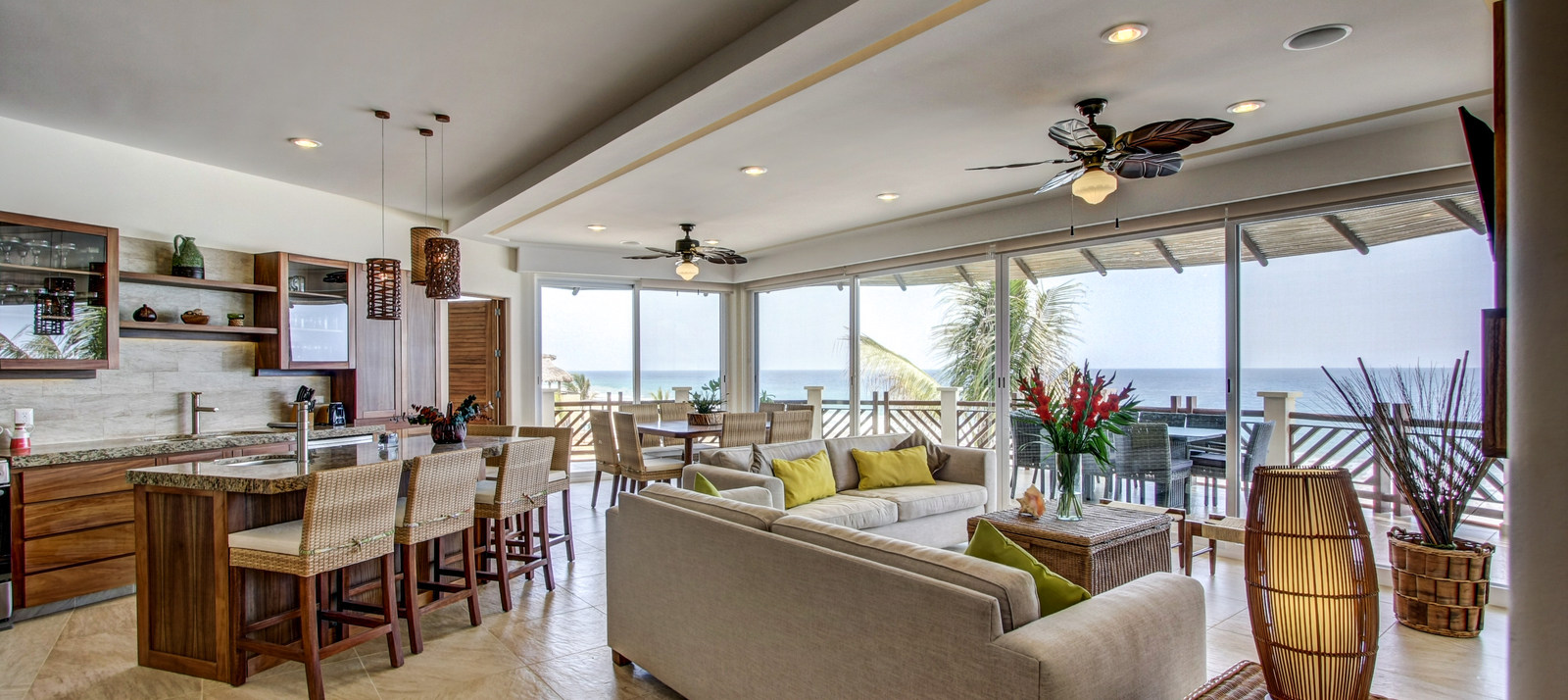
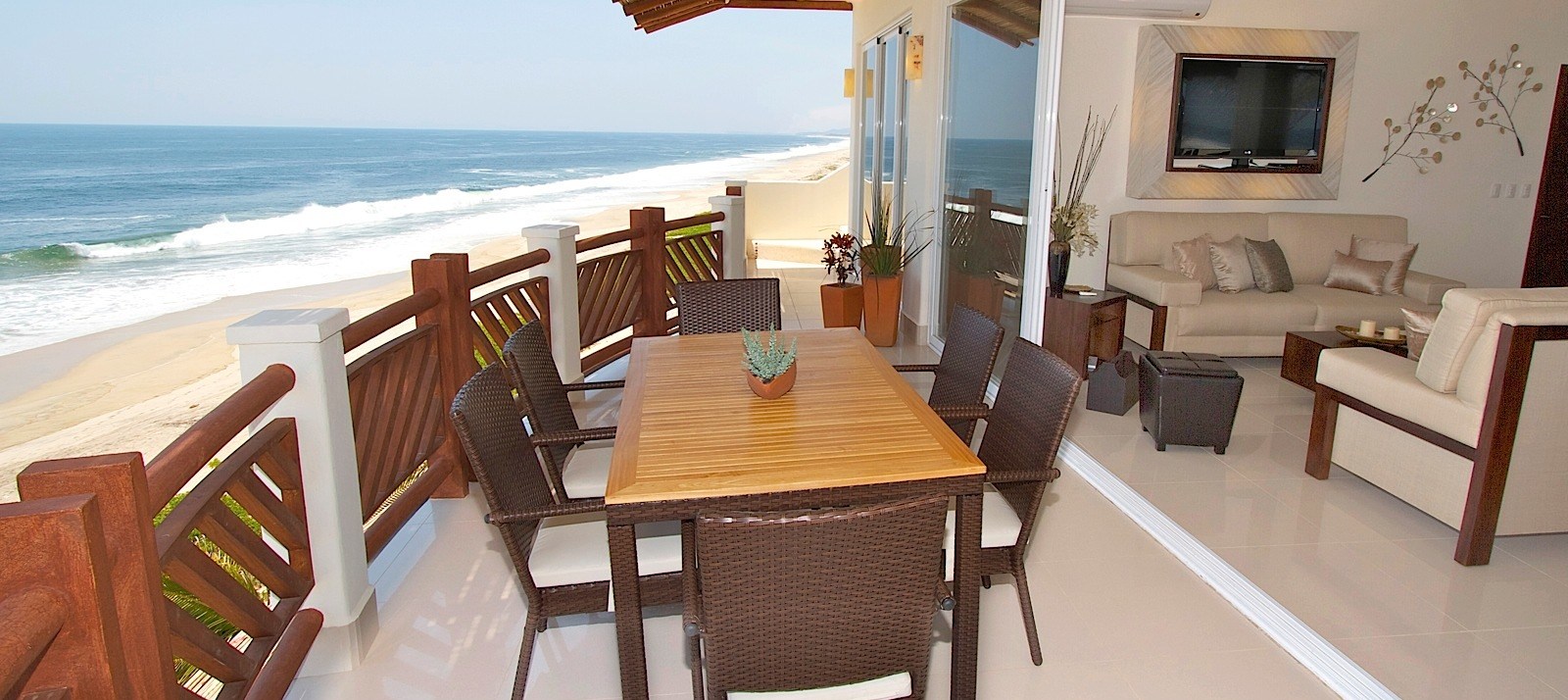
Guests seeking extra comfort before or after the excursion can browse Vivo residences, which provide more space for couples, families and longer stays than a conventional hotel room.
Reaching Mazunte From Playa Palmarito
The most straightforward option is a pre-arranged private vehicle. It allows your group to leave after breakfast, stop at viewpoints or beaches, and return before the road becomes dark. Oaxaca’s coastal highways include winding stretches, uneven surfaces and occasional slow-moving vehicles, so travel times should be treated as estimates rather than fixed appointments.
A taxi or local colectivo can cost less, but several changes may be needed. This can be practical for confident independent travellers who speak some Spanish and are comfortable with less predictable departure times. Families with young children may prefer a private car, particularly because shade and seating are not always available at smaller transport stops.
Visitors flying from Australia will commonly connect from Sydney, Melbourne, Brisbane or Perth through a major international hub before continuing to Mexico. It is sensible to allow recovery time after a long-haul journey rather than planning Mazunte immediately after arrival. Australian school-holiday periods can also raise demand for accommodation and transfers, so advance arrangements are useful around December–January and April breaks.
Beaches, Lookouts And Turtle Experiences
Mazunte’s main beach is convenient for a swim, although conditions can change quickly and the Pacific shore may have stronger surf than an enclosed Australian swimming beach. San Agustinillo, next door, has a more sheltered, laid-back feel in some areas. Zipolite is known for its broad beach and alternative atmosphere, but visitors should check local conditions before swimming.
Punta Cometa is the area’s best-known lookout. A short but sometimes uneven walking route leads through dry coastal vegetation to dramatic headlands, making sunrise or sunset especially appealing. Wear enclosed shoes, carry water and allow time to return before it becomes fully dark. The trail is not the place for a rushed walk in sandals.
| Experience | Best for | What to expect | Useful timing |
|---|---|---|---|
| Mexican Turtle Centre | Families and wildlife-minded travellers | Conservation displays and species information | Morning or early afternoon |
| Mazunte village | Browsing and relaxed dining | Craft stalls, cafés and independent shops | Midday, with shade breaks |
| San Agustinillo | A quieter beach stop | Small coves, food and a slower atmosphere | Late morning or afternoon |
| Punta Cometa | Views and photography | Uneven paths and expansive coastal scenery | Sunrise or sunset |
| Turtle release activity | A memorable wildlife moment | Seasonal and locally managed, never guaranteed | Confirm locally before travelling |
Turtle nesting and hatchling releases are seasonal and governed by conservation protocols. Never handle a turtle, block its route, use flash photography or shine a bright torch towards the beach. A genuine sanctuary experience means observing quietly and following the instructions of trained staff.
Responsible Wildlife And Village Etiquette
Mexico protects sea turtles under federal environmental regulations, and authorised conservation groups control how visitors approach nesting areas and releases. Do not buy turtle shells, eggs, meat or products that claim to come from protected species. These purchases support illegal trade and may create problems when crossing borders.
Australian travellers are accustomed to beach safety messages, but Oaxaca’s heat requires extra planning. Use a broad-brimmed hat, drink water regularly and apply biodegradable sunscreen well before entering the water. Australia’s strict biosecurity rules also mean that food, seeds, shells and natural materials should not be casually packed for the return journey; declare items when required and check the current guidance before flying home.
Respect for the village is equally important. Dress lightly but modestly away from the beach, ask before photographing residents or market stalls, and keep voices low near homes and conservation areas. Buying directly from artisans, eating at local restaurants and carrying a reusable bottle can make the visit more beneficial to the community while reducing waste.
Planning A Comfortable Day Trip
A little preparation makes the excursion easier, particularly for Australian visitors adjusting to Mexico’s heat, meal times and currency. Local restaurants may serve lunch later than a typical workday café in Brisbane, and some businesses close or slow down during the hottest part of the afternoon. Keep plans flexible and leave room for an unhurried meal.
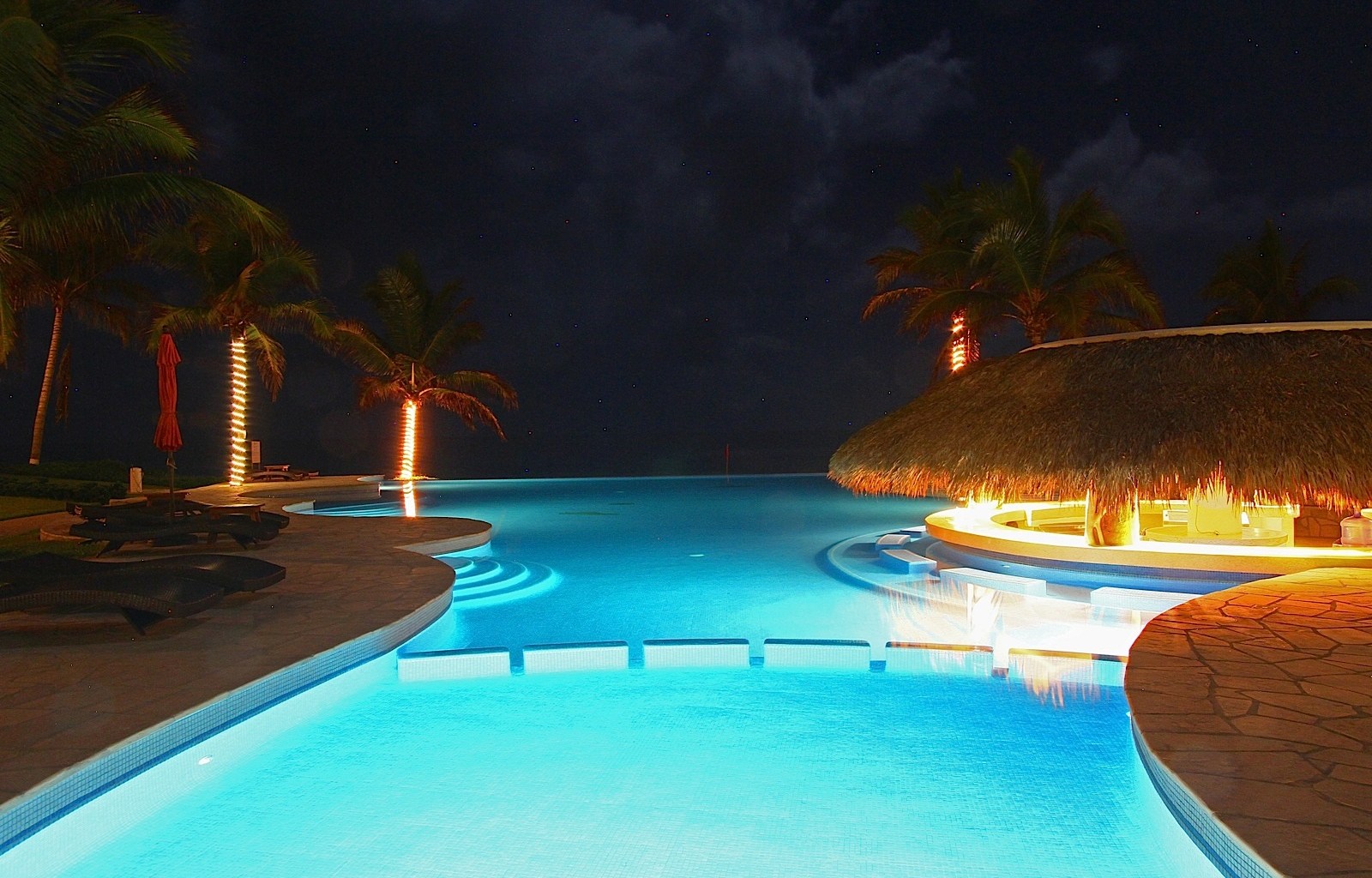
Vivo Resorts offers several dining settings, so checking the available dining and bars before departure can help you arrange breakfast, a packed snack or dinner after returning. A small day bag should remain light, with essentials that support conservation rather than create extra waste.
Useful items for the outing
- Mexican pesos in small denominations
- Refillable water bottle and high-SPF sunscreen
- Hat, sunglasses and comfortable walking shoes
- Light layers for an evening return
Sensible decisions on the day
- Confirm road conditions and pickup time with your driver
- Visit the turtle centre during its current opening hours
- Follow all beach and wildlife instructions
- Avoid flash photography, bright lights and touching animals
Mazunte is best approached as a living coastal community, not a theme park. Combining the turtle centre with a village walk, a beach stop and Punta Cometa creates a balanced day without trying to see every nearby attraction. Before leaving Vivo Resorts, arrange a private transfer and confirm the sanctuary’s opening hours for the date of your visit.