Exploring Huatulco’s Biosphere Reserve And Beaches
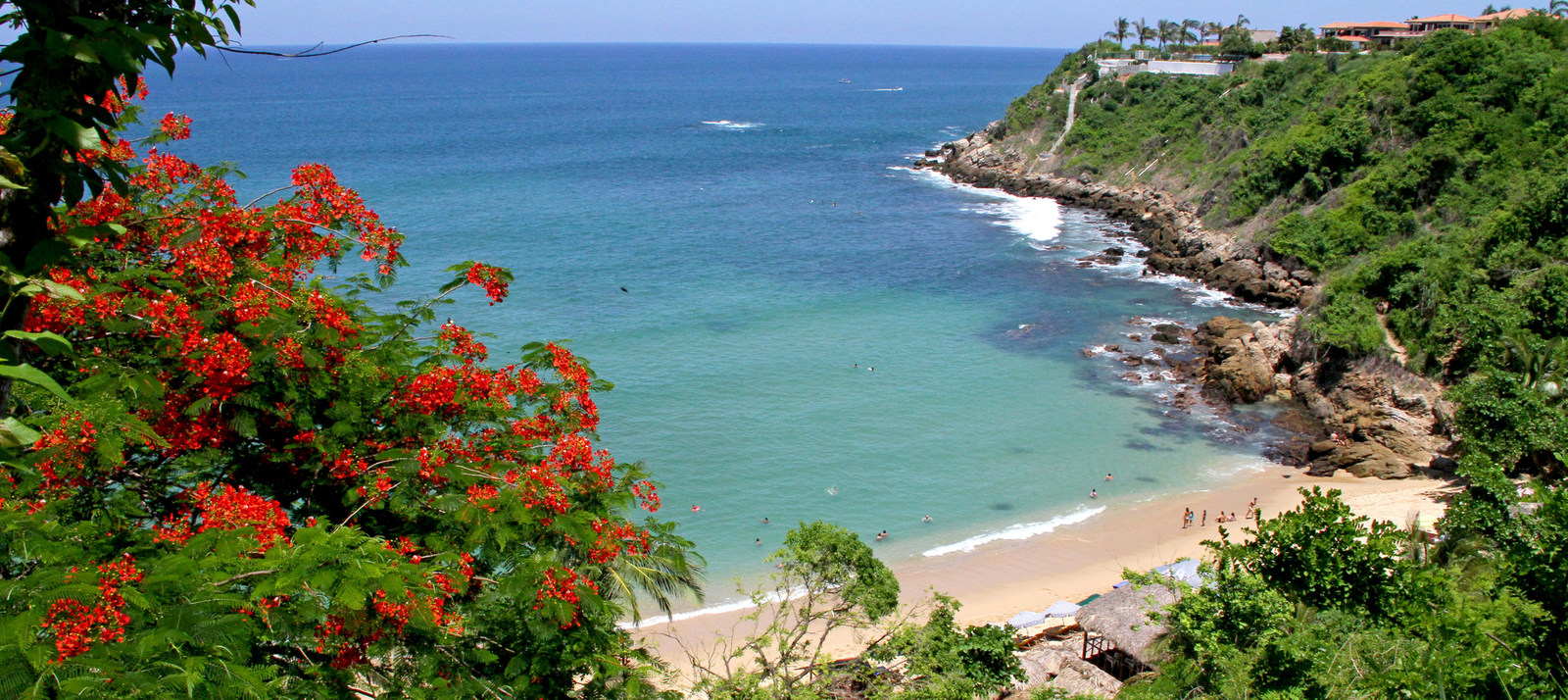
Mexico’s Oaxaca coast changes character as you travel east from Puerto Escondido. Around Huatulco, forested hills meet a chain of protected bays, clear Pacific water and quiet coves shaped by tropical dry forest. The region is especially rewarding for travellers who want a beach holiday with wildlife, snorkelling and low-key outdoor adventures.
The Huatulco Biosphere Reserve includes marine and land environments around the coast, with coral communities, mangroves, lagoons and seasonal forests. Its landscapes feel different from Australia’s tropical north: the vegetation can look sun-baked and sparse in the dry season, while the ocean remains vividly blue and richly populated.
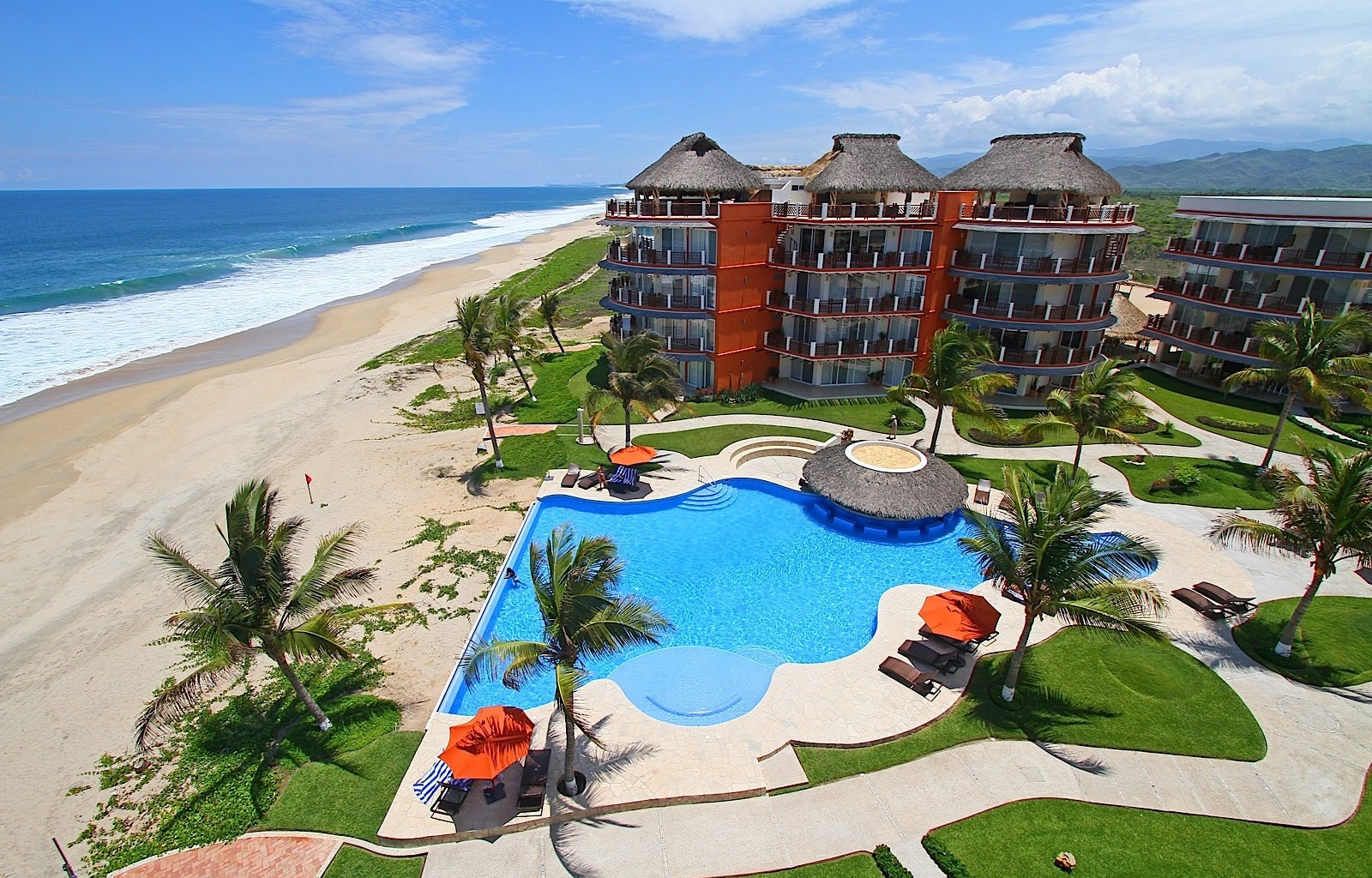
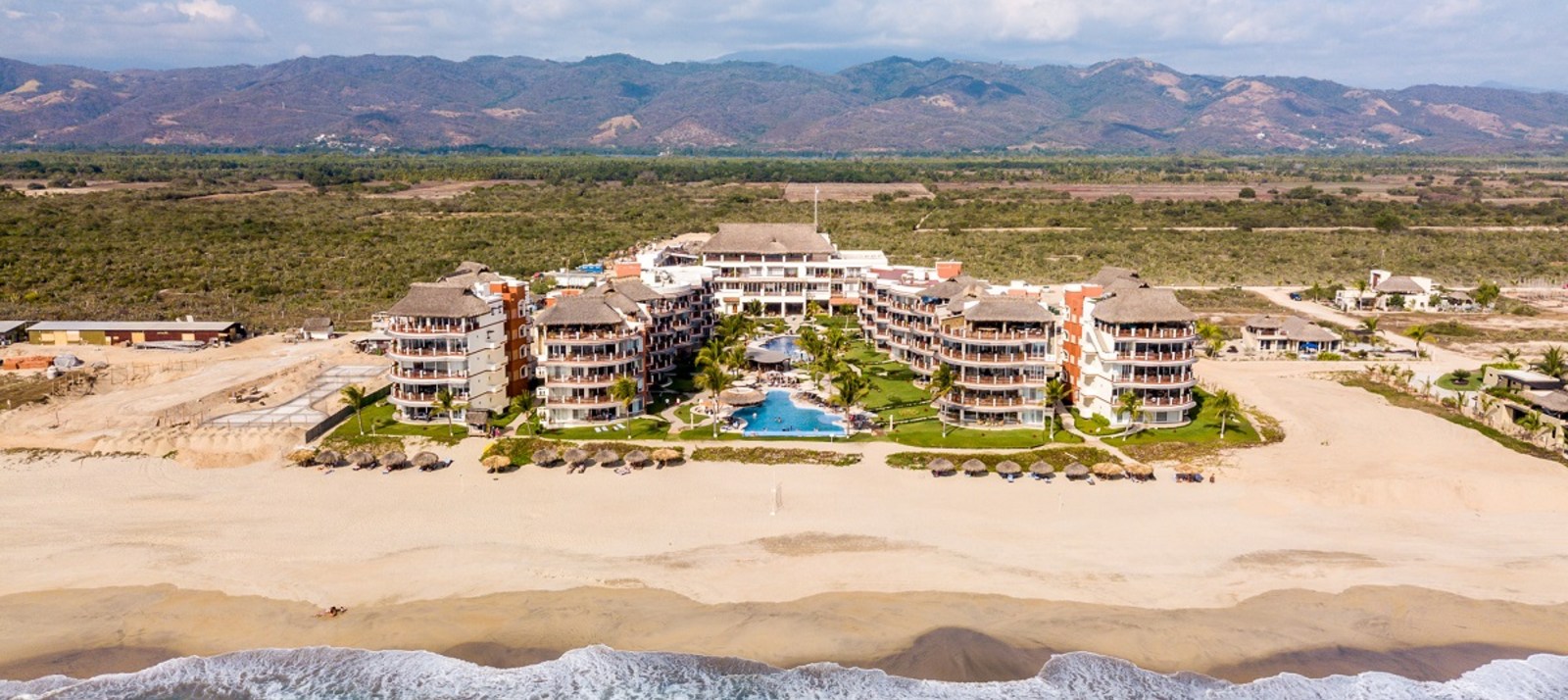
For guests staying near Playa Palmarito, the reserve makes an appealing longer excursion from Vivo Resorts. A day trip is possible with an early start, although an overnight stay around Huatulco may be more comfortable if you want time for several beaches rather than a rushed visit.
Understanding The Protected Landscape
Huatulco National Park forms an important part of the protected coastal region. The reserve shelters sections of the Sierra Madre del Sur, where hills descend towards bays, reefs and sandy beaches. It is recognised for the way these habitats connect, allowing marine and terrestrial wildlife to exist within one conservation area.
The climate is strongly seasonal. From November to April, skies are commonly dry and bright, with warm days that suit swimming and boat trips. The rainy season brings greener hills, humid conditions and dramatic afternoon showers. Travellers from Brisbane, Sydney or Melbourne may find the dry-season heat familiar, but the Pacific sun still calls for a hat, water and reliable reef-safe sunscreen.
Development varies between the bays. Some beaches have restaurants, loungers and easy road access, while others are reached by boat, trail or a short walk from a quieter road. That contrast is part of the appeal: Huatulco offers polished resort facilities without making every stretch of coast feel urbanised.
Choosing The Right Beach
Santa Cruz is one of the most convenient starting points, with a marina, shops, restaurants and straightforward boat departures. Chahué Beach is broader and more open, while La Entrega is popular for calm water and accessible snorkelling. These beaches work well for travellers who prefer facilities close by and a simple day beside the sea.
Maguey and Organo offer a more sheltered atmosphere, with turquoise water and restaurants serving local seafood. San Agustín is often recommended for snorkelling because its bay provides calmer conditions and underwater life close to shore. Conditions can change with swell and wind, so local operators should guide swimmers towards the safest beach on the day.
For a wilder setting, Cacaluta and nearby coves provide a stronger sense of isolation. Access may involve a boat ride or a walk through dry forest, and services are limited. Pack lightly, take enough drinking water and avoid removing shells, coral or other natural material from the reserve.
What To See Beneath The Water
The protected bays are known for coral formations, tropical fish and rocky underwater habitats. Visibility is often best when the sea is calm, although it varies by season and location. Guided snorkelling trips can help visitors find sheltered sites and understand which areas are open for swimming.
Sea turtles use parts of the Oaxaca coastline, and dolphins may appear offshore during boat excursions. Humpback whales can also be seen in the wider Pacific region during the cooler months, generally from late autumn into the first months of the year. Sightings are never guaranteed, and responsible operators keep a respectful distance from marine life.
A reef visit should be treated as a low-impact experience. Use mineral or reef-conscious sunscreen, never stand on coral and keep fins away from the seabed. Australian visitors familiar with Great Barrier Reef guidelines will recognise the principle: enjoy the ecosystem without touching or feeding it.
Preparing For A Day Trip
Before travelling east from Puerto Escondido, confirm the road conditions, departure time and expected return. The coastal journey is scenic but can take several hours each way, making an organised excursion or private driver worthwhile. A boat-based itinerary usually gives better access to remote beaches than trying to visit every bay by road.
Useful items for the reserve include:
- Lightweight clothing and a wide-brimmed hat
- Refillable water bottle and high-SPF sunscreen
- Dry bag for phones, towels and spare clothes
- Cash for small beach restaurants and local transport
Lunch arrangements deserve attention. Some beaches have simple seafood restaurants, but menus and opening hours can be seasonal. Mexican pesos are the practical choice, even though some hotels accept cards. This differs from the near-universal tap-and-go habit in Australian cities such as Melbourne or Perth, where carrying cash is often unnecessary.
Guests who want to combine the reserve with a more spacious base can explore Vivo holiday options before planning their coast itinerary. A comfortable resort day after a long excursion gives the trip a better rhythm than packing several demanding activities into consecutive days.
Travelling Responsibly In Huatulco
Protected areas depend on visitors respecting local rules. Follow marked paths, listen to guides, take rubbish with you and avoid buying wildlife products. If a beach has no bins, assume everything you bring must return with you. These small habits help preserve nesting areas, reefs and dry-forest habitats.
Local communities are central to the visitor experience. Boat captains, guides, cooks and small restaurant owners bring practical knowledge that large operators cannot always replicate. Learning a few Spanish greetings, paying fairly and allowing time for a relaxed meal are simple ways to travel considerately.
The pace may feel different from an Australian weekend at Noosa or a tightly scheduled Whitsundays tour. Service can be unhurried, roads may take longer than expected and weather can alter plans. Build flexibility into the day rather than treating every delay as a problem.
Combining Huatulco With Playa Palmarito
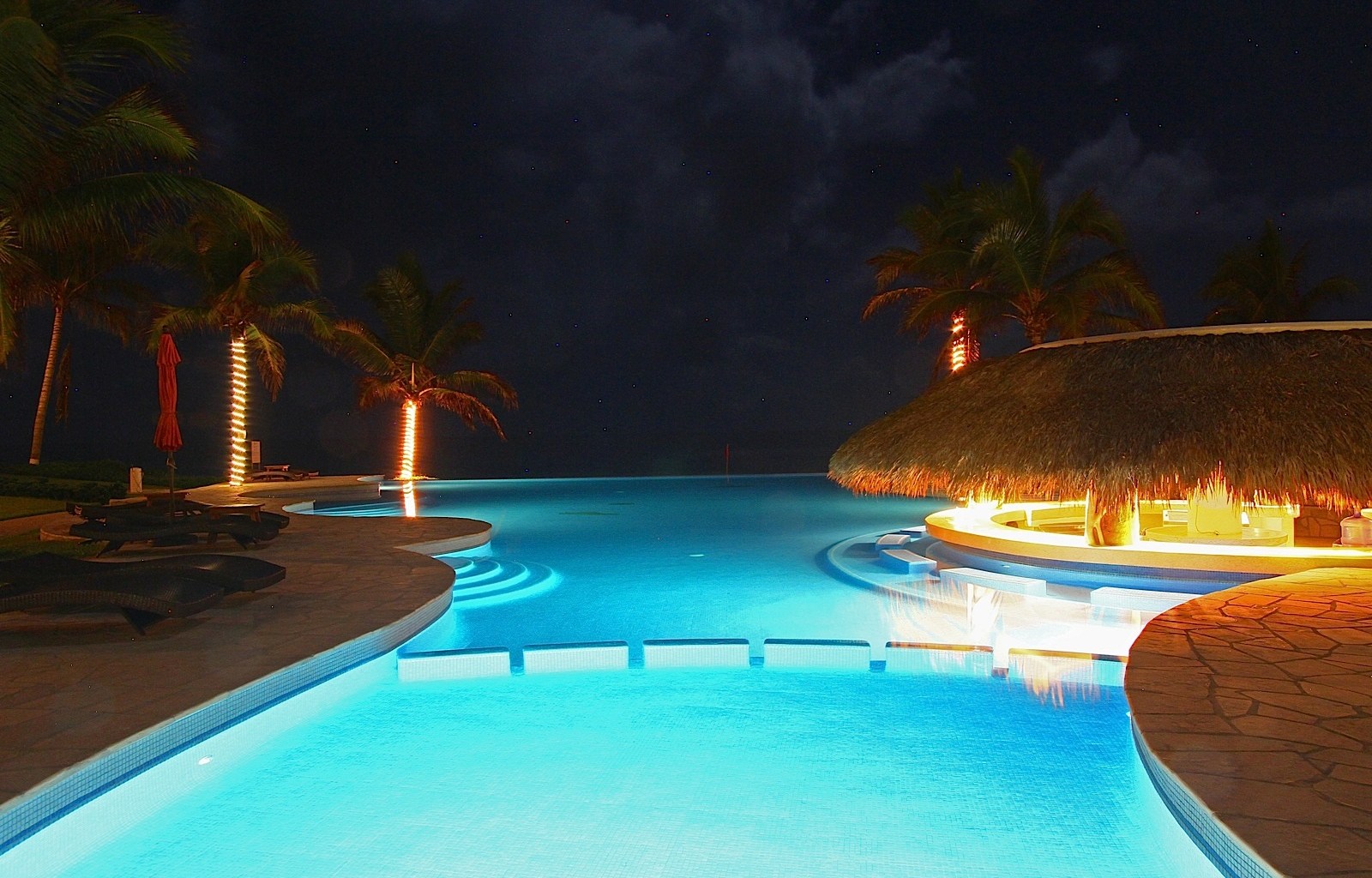
The reserve is best viewed as one part of a wider Oaxaca coast journey. Puerto Escondido brings surf beaches, markets and a lively local scene, while Playa Palmarito offers a calmer beachfront setting for swimming, pool time and time with family. This combination suits couples as well as Australian families planning around school-holiday dates.
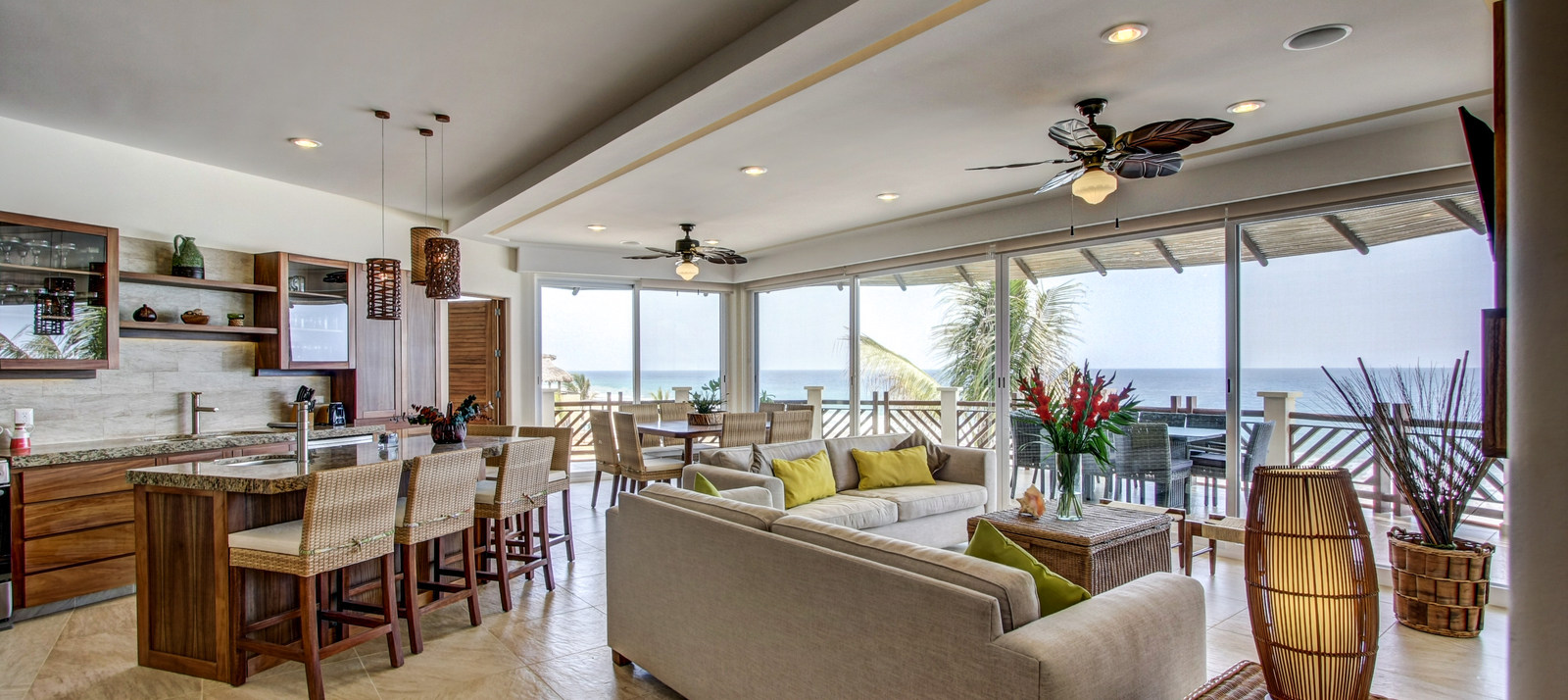
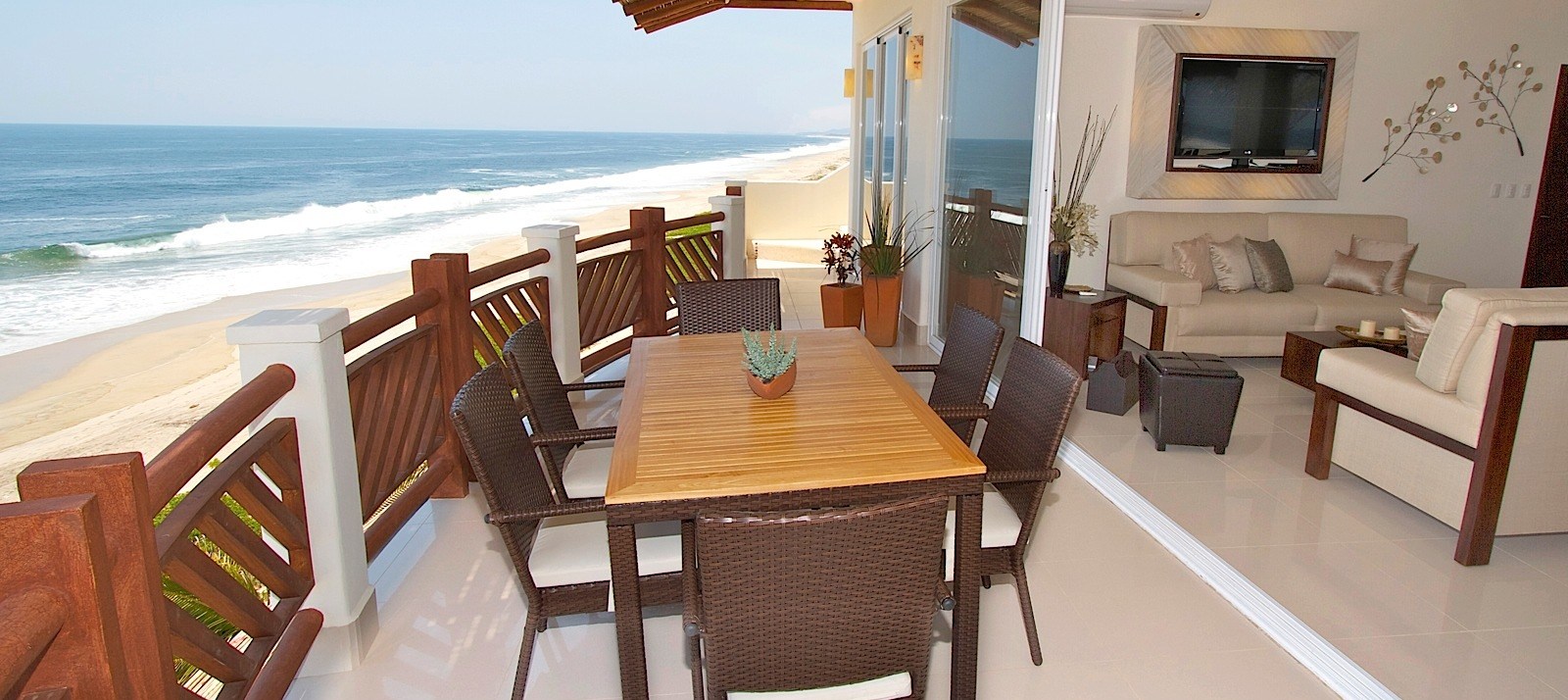
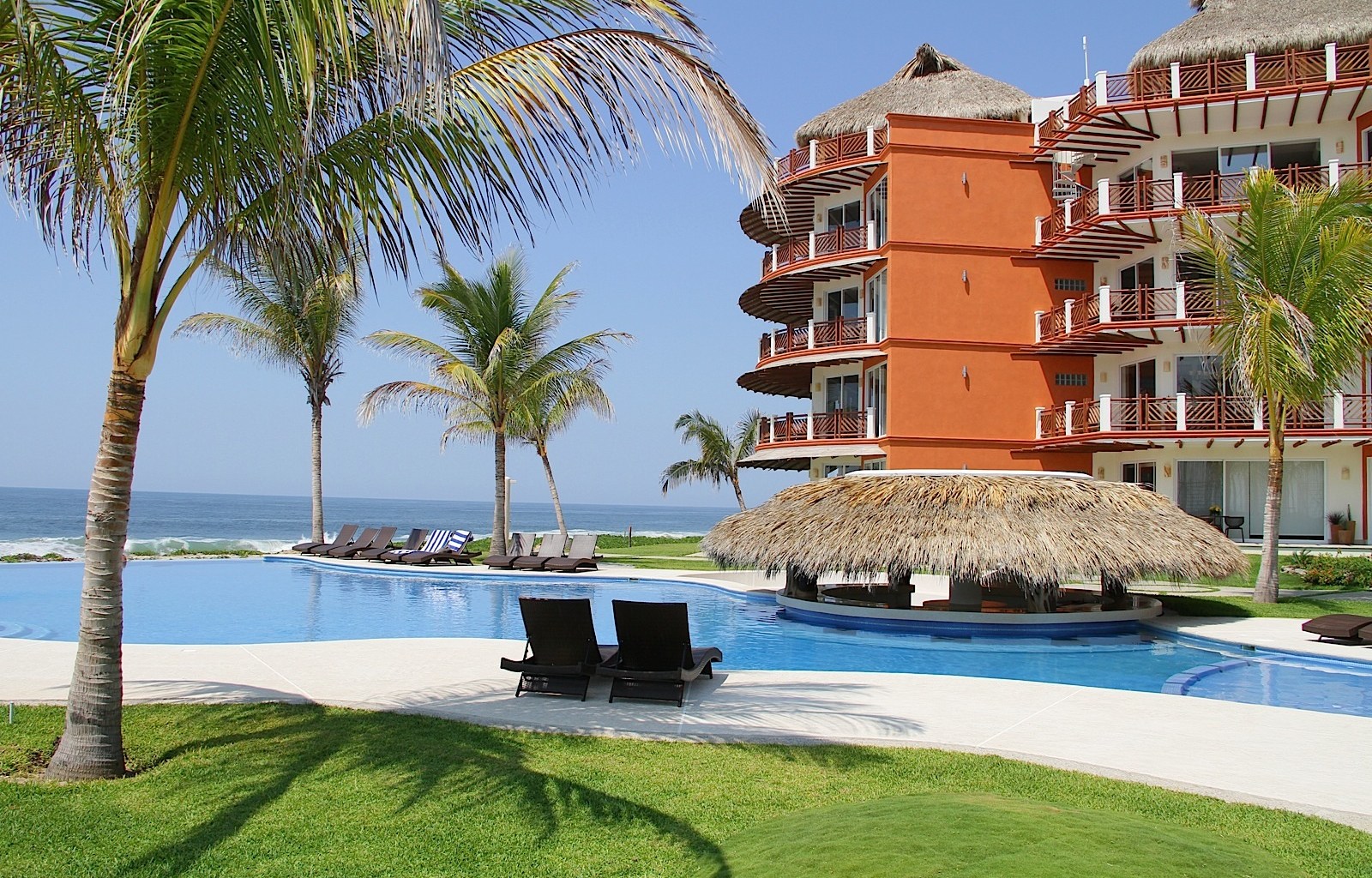
At Vivo Resorts, spacious residences and private villas make it easier to settle in after a full day outdoors. Travellers comparing accommodation styles can browse the private villa collection when they want extra room, ocean views or a more independent base for a longer stay.
For a balanced itinerary, allow one day for Huatulco’s protected bays, another for Puerto Escondido and at least one unstructured beach day. Before departure, confirm a licensed Huatulco excursion, check the marine forecast and save the meeting point in your phone.