A Guide To Humpback Whale Season Near Puerto Escondido
Each year, humpback whales travel thousands of kilometres from feeding grounds in colder waters to Mexico’s Pacific coast. The waters around Oaxaca become a seasonal nursery and breeding area, creating memorable opportunities to see breaching whales, tail slaps and mothers travelling with calves.
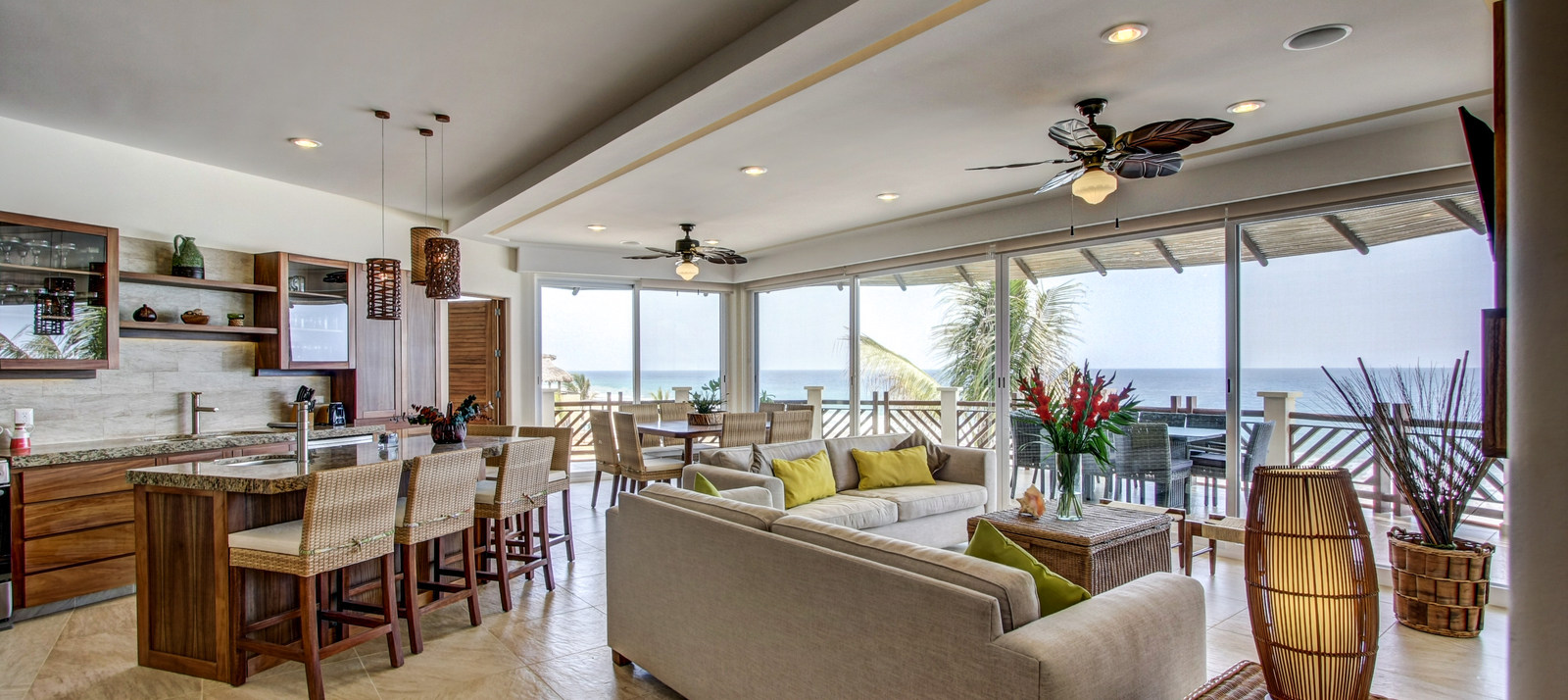
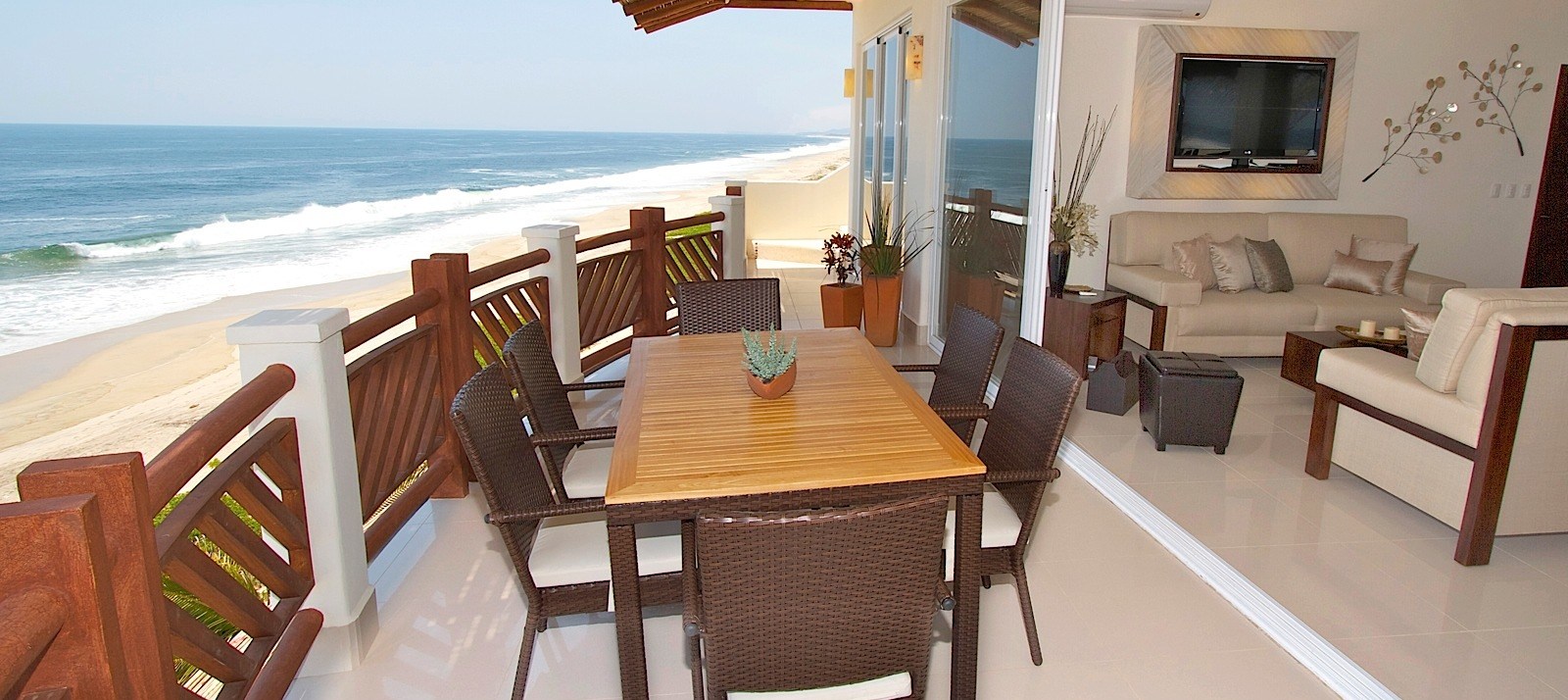
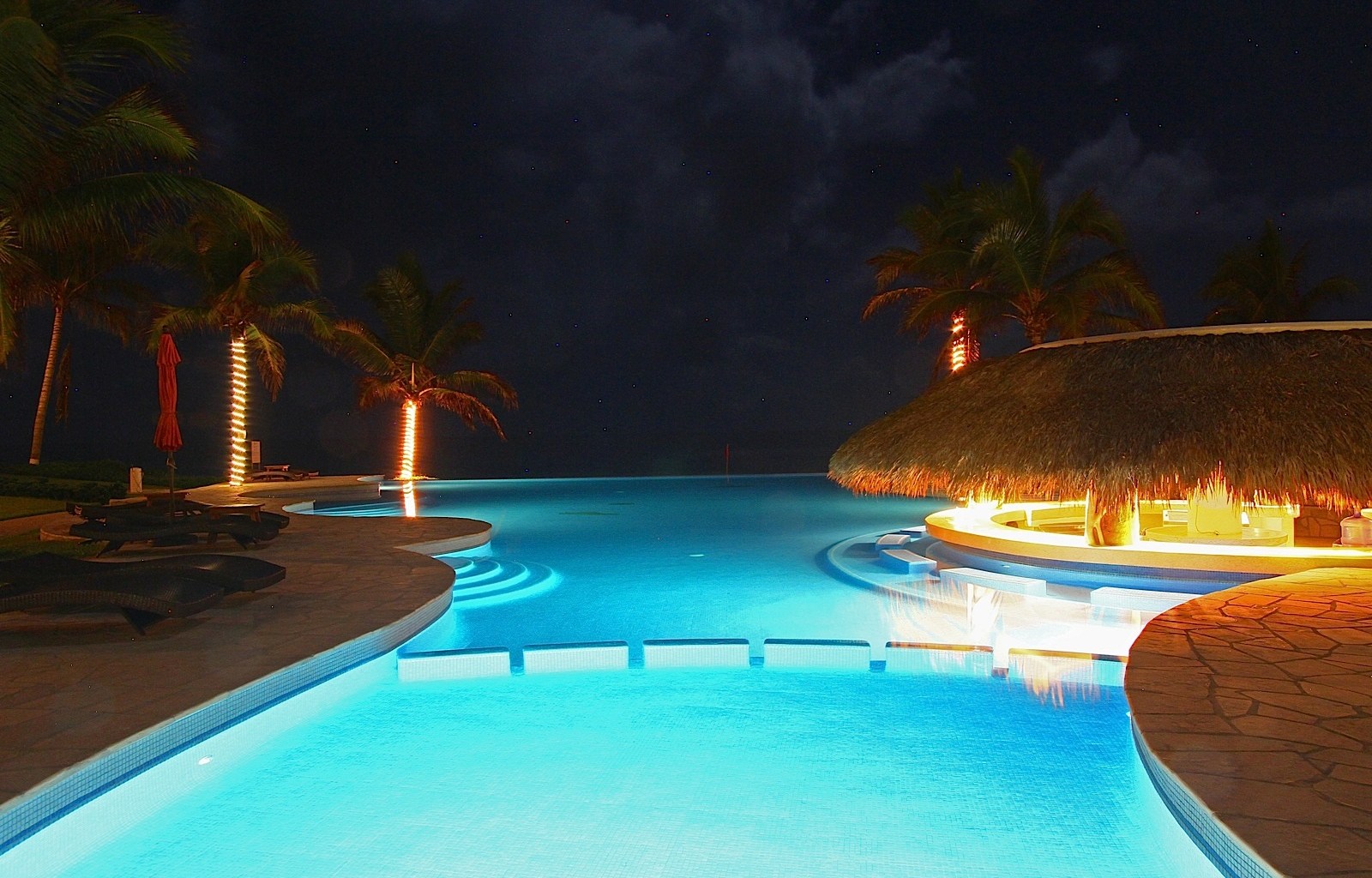
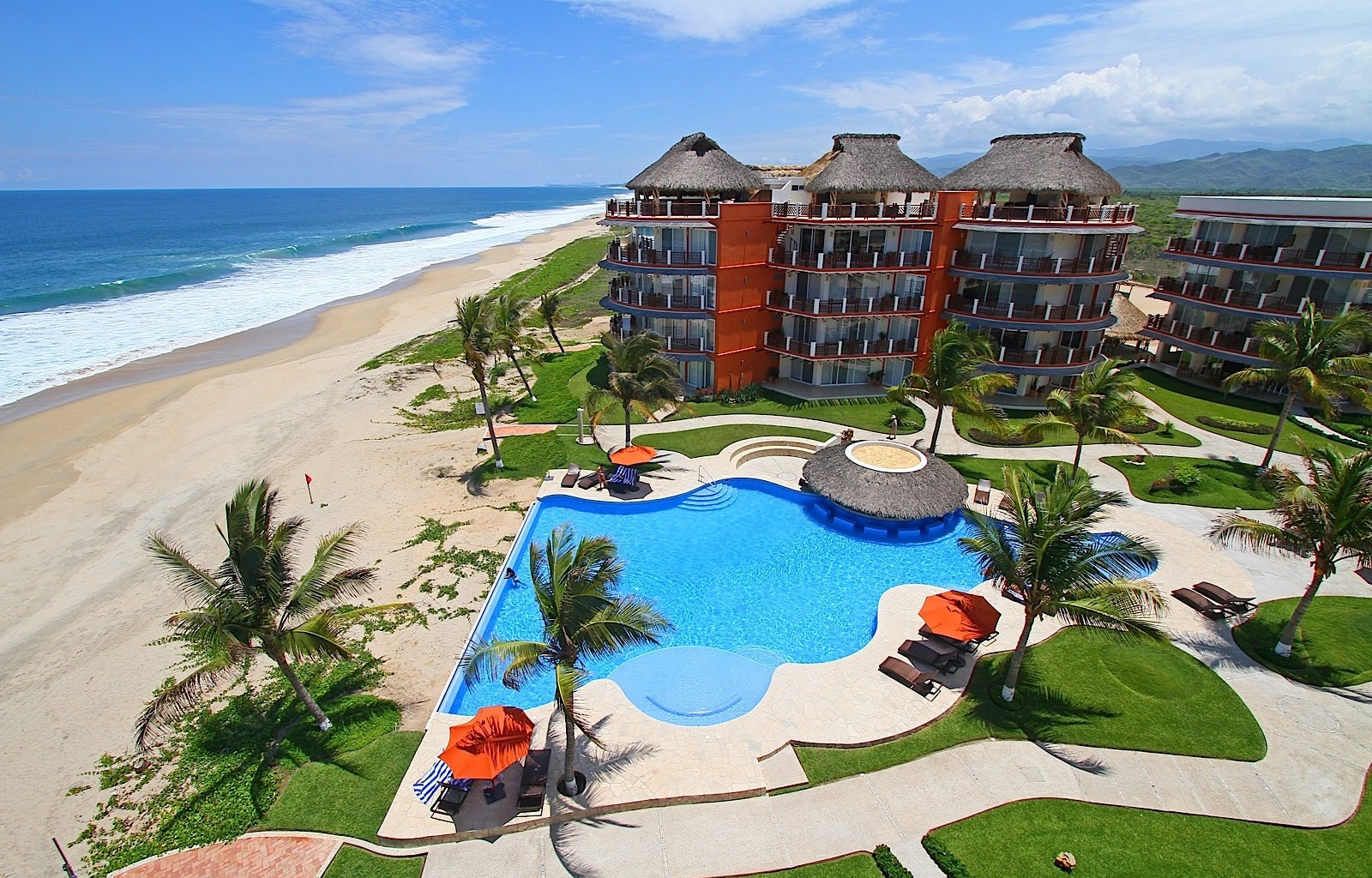
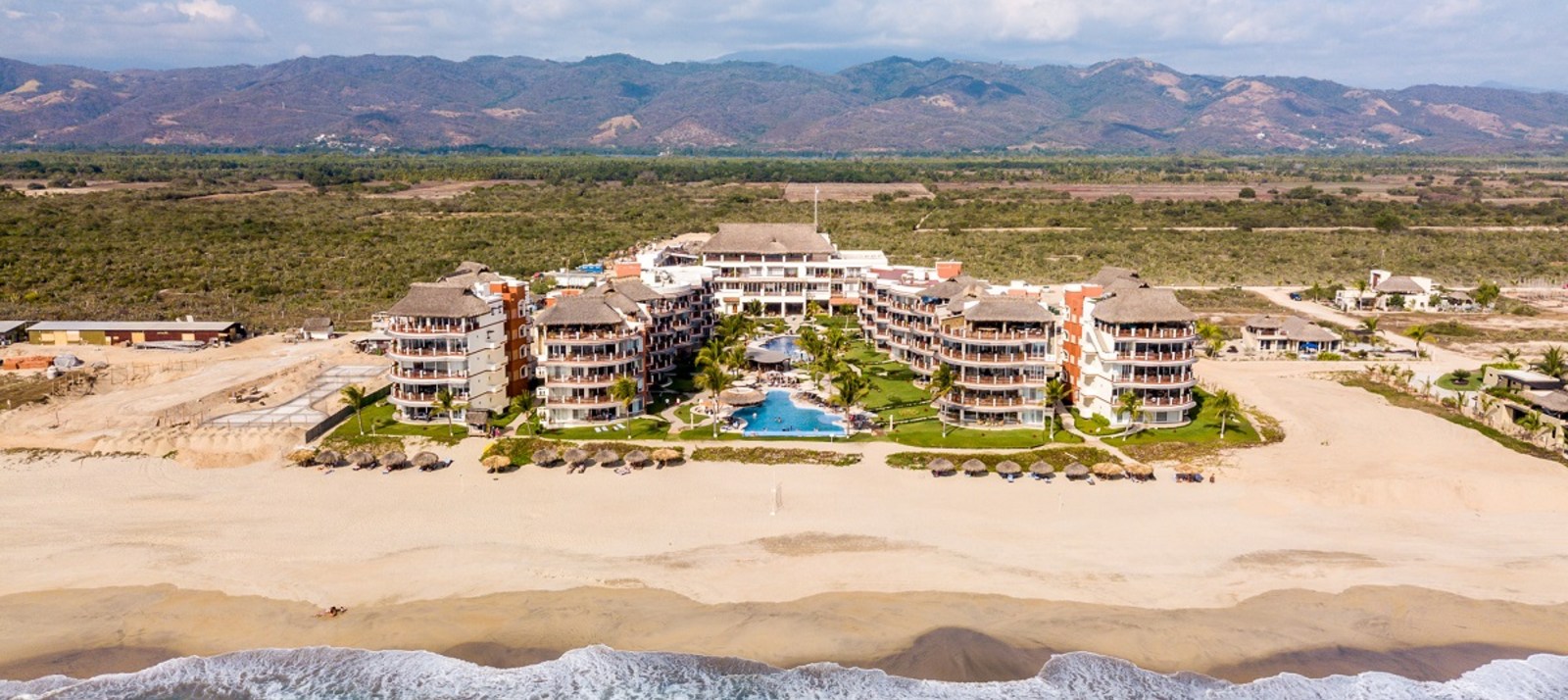
For Australian travellers, this can be an appealing winter-sun escape. Vivo Resorts sits on Playa Palmarito, close to Puerto Escondido, with ocean-view suites, pools, dining and space to unwind after a morning on the water. The experience combines wildlife viewing with the relaxed pace of an Oaxaca beach holiday.
When Humpback Whales Visit Oaxaca
The migrating humpback whale season generally runs from late November through April, when whales arrive in the warm Pacific waters along Mexico’s southern coast. Sightings often become more reliable from January to March, although ocean conditions and whale behaviour can change from one day to the next.
Whales may be seen travelling offshore, surfacing in pairs or groups, and displaying courtship behaviour. Calves are sometimes spotted beside their mothers, while adults may breach unexpectedly close to a boat. No wildlife tour can promise a sighting, so it is sensible to choose an operator that explains the natural variability rather than guaranteeing dramatic encounters.
The season overlaps with Australia’s summer and early autumn, making it useful for travellers planning a northern-winter holiday or a break after the Australian school holidays. From Sydney, Melbourne or Brisbane, reaching Puerto Escondido usually involves international connections and a domestic Mexican flight or overland transfer, so allow time for the journey rather than treating it like a quick island hop.
Choosing A Responsible Whale-Watching Tour
Most whale-watching trips leave from coastal towns and use small boats with local captains who understand the seasonal movement of marine life. Ask about departure times, boat size, shade, life jackets, toilet access and the length of the trip. Early departures can offer calmer seas, softer light and more comfortable temperatures.
Responsible operators keep a respectful distance, avoid cutting across a whale’s path and reduce speed when animals are nearby. Boats should never surround a pod or chase a whale that is travelling away. A quiet approach gives guests a better chance of observing natural behaviour, while protecting the animals that draw visitors to the coast.
Guests staying at Vivo Resorts can ask the resort team about local whale tours and other coastal excursions. It is worth checking whether transport from Playa Palmarito, refreshments, marine fees and cancellation arrangements are included before booking.
What The Day On The Water Feels Like
Pacific conditions can be smooth in the morning and livelier later in the day. Even confident swimmers may feel queasy on a small boat, so guests prone to seasickness can speak with a health professional before travelling and bring suitable medication. A light breakfast, water and a place to sit near the centre of the boat can also help.
Pack a wide-brimmed hat, polarised sunglasses, reef-safe sunscreen, a long-sleeved shirt and a waterproof phone pouch. Australian travellers are familiar with strong sun, but the combination of glare from the sea and tropical heat can be intense. A light rain layer is useful too, as weather can change quickly along the coast.
Wear secure footwear and avoid carrying loose items that could blow overboard. A camera with a fast shutter speed is helpful for breaching whales, though watching the horizon with your own eyes often produces the most rewarding memories.
Pairing Whale Watching With A Coastal Escape
A whale excursion works best as one part of a slower itinerary. At Vivo Resorts, guests can return to spacious residences or private villas, cool off in the pools, book a spa treatment or settle into a beachfront meal. The resort’s family-friendly facilities make it possible for different generations to enjoy the holiday at their own pace.
Couples may combine a wildlife cruise with sunset drinks, a private dinner or a few quiet days by the sea. A sample romantic getaway itinerary can help shape a trip around rest, dining and time together rather than filling every day with activities.
Families should check the minimum age, boat duration and safety arrangements before reserving a tour. Older children may enjoy learning to identify whale blows and tail patterns, while younger children might prefer a shorter outing followed by pool time. Destination wedding guests can also schedule whale watching before the ceremony or as an optional group activity after the main celebrations.
Planning Around Weather, Costs And Expectations
Puerto Escondido has a laid-back coastal rhythm, but excursions still depend on wind, swell and visibility. Keep one flexible day in the itinerary in case a trip is postponed. This is particularly useful for Australians who have made a long-haul journey and want to avoid losing a booked experience because of a tight connection or fixed departure date.
When comparing costs, look at the complete package rather than the headline price. Australian travellers often book international flights, domestic Mexican connections and accommodation separately, and prices shown in Mexican pesos can make budgeting in Australian dollars less straightforward. Factor in baggage, transfers, card fees, gratuities and travel insurance.
| Planning Point | What To Expect | Useful Preparation |
|---|---|---|
| Main season | Late November to April | Aim for January to March for stronger seasonal odds |
| Departure area | Puerto Escondido and nearby coastal waters | Confirm transport from Playa Palmarito |
| Sea conditions | Often calmer early, with variable afternoon swell | Choose a morning trip if possible |
| Wildlife behaviour | Breaches, tail slaps, blows and mother-calf pairs may occur | Bring patience; sightings are never guaranteed |
| What to pack | Sun protection, water, light layers and motion-sickness supplies | Carry minimal loose gear on the boat |
| Booking approach | Prices and inclusions vary by operator | Check cancellation terms, boat capacity and permits |
A whale-watching day along Oaxaca’s coast is memorable because it remains wild and unpredictable. The best approach is to travel in the main season, select a respectful local operator, leave room for changing conditions and enjoy the wider beach holiday as much as the search for a breaching whale. The key thing to remember is that responsible viewing places the animals’ welfare first, while patience gives travellers the best chance of witnessing something extraordinary.