cal Distilleries Worth Visiting Along the Oaxacan Coast
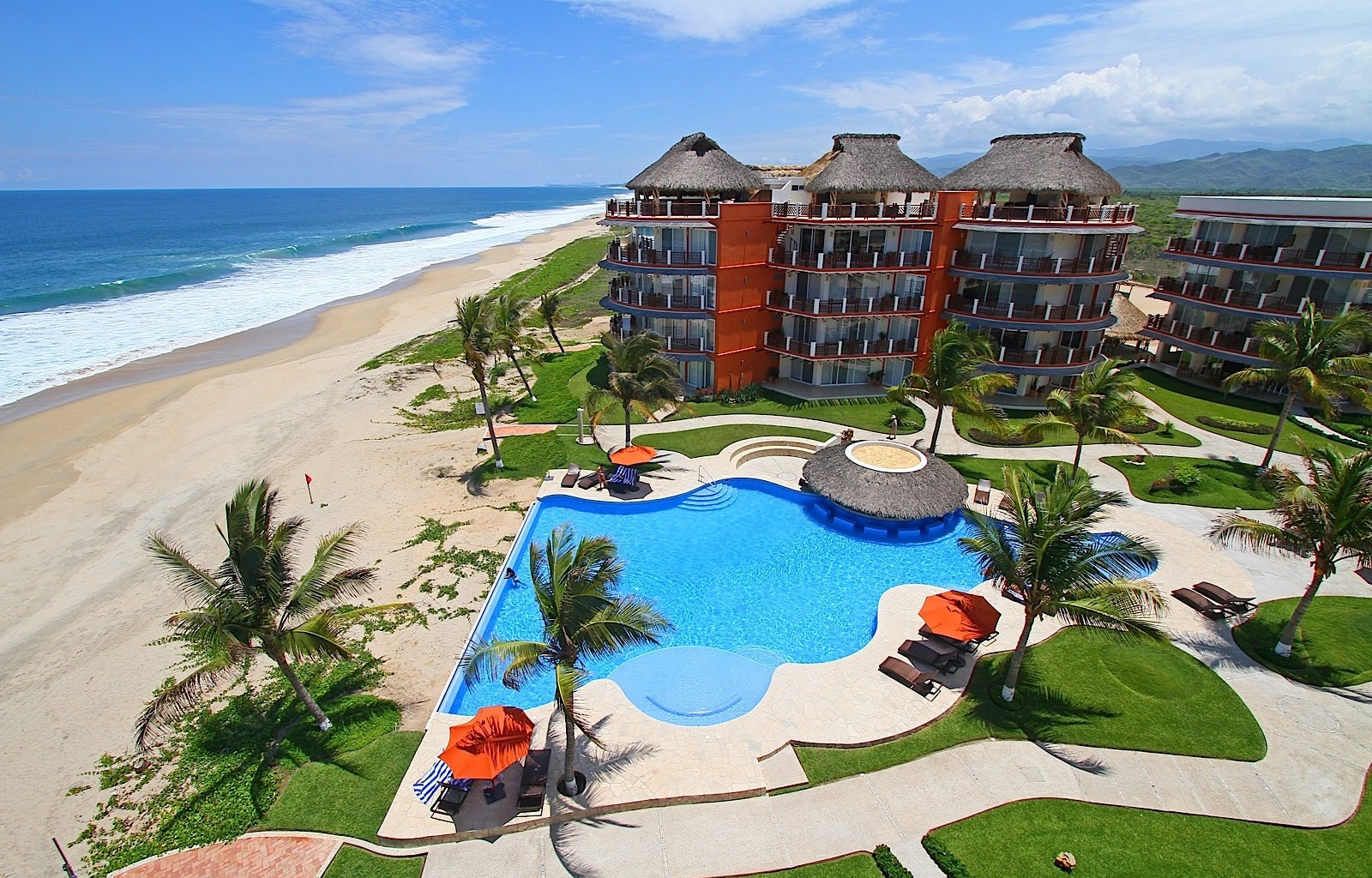
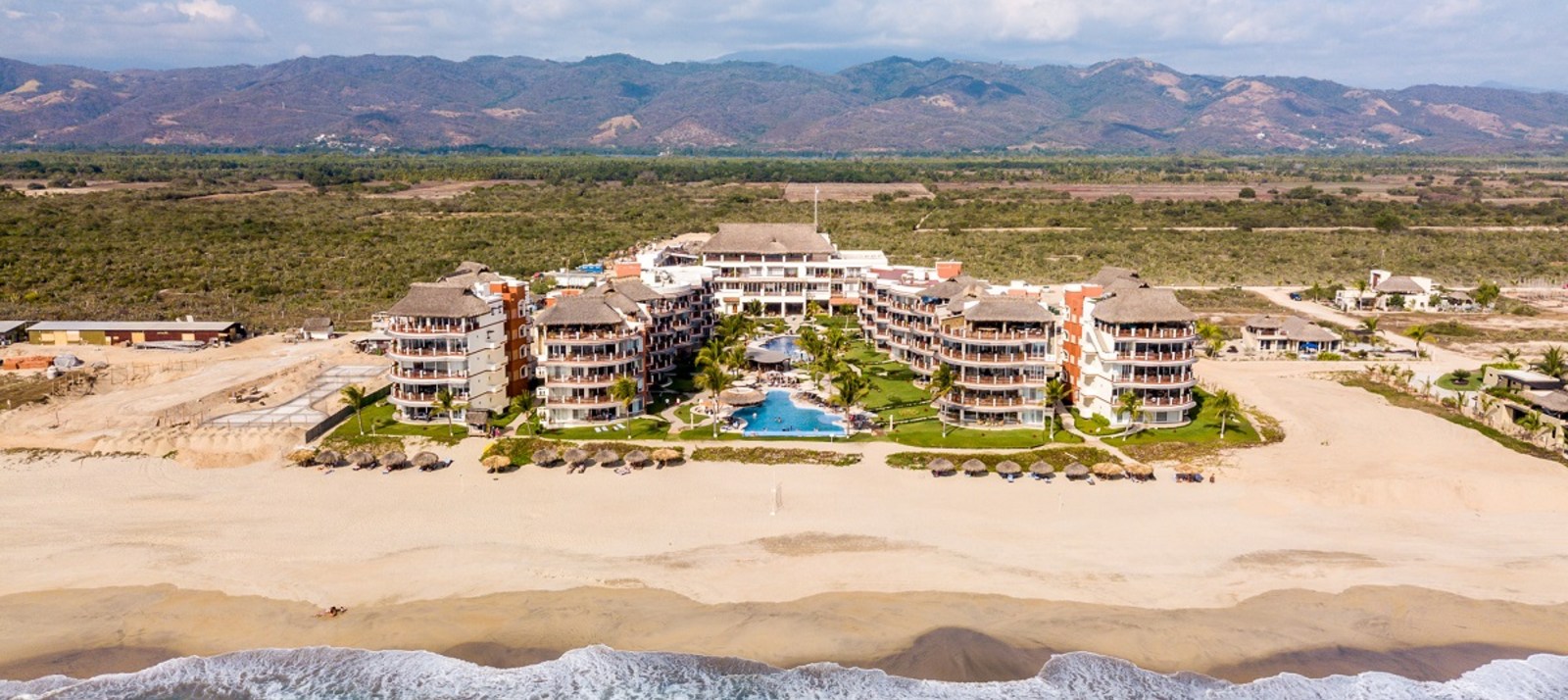
Tucked between the Pacific surf and the Sierra Madre, the coastline south of Puerto Escondido hides a tradition that has been quietly perfecting itself for centuries. Mezcal carries the fingerprint of its village, its agave variety, and the hands that roast the piñas in earthen pits. Travellers landing at Vivo Resorts after a long flight from Sydney or Melbourne often find that a working palenque feels like discovering a second coastline of flavour.
Australians have warmed to agave spirits in recent years, with bartenders in Sydney and Melbourne championing small-batch producers and Brisbane bottle shops stocking mezcal alongside craft gin. The same curiosity that drives weekend tastings in Fitzroy or Surry Hills translates beautifully to a half-day drive through the hills above Huatulco, where family-run distilleries open their gates to visitors who book ahead. The resort concierge can arrange transport, a translator, and a tasting flight, turning a rural detour into a relaxed cultural outing.
Roots of an Ancestral Spirit
Roughly nine of every ten bottles carrying the mezcal denomination of origin come from Oaxaca. The spirit predates the Spanish arrival, with pre-Hispanic communities roasting wild agave hearts in conical stone ovens. Each village tends to specialise in a different cultivar — espadín for accessibility, madrecuixe for floral depth, tobalá for complexity — and most producers still grind the roasted piñas by stone tahona wheel pulled by a horse or donkey.
When you walk into a working palenque, the first thing you notice is the smoke. Burning mesquite and ocote wood seal the cooked agave for up to a week, giving mezcal its signature campfire aroma. Master mezcaleros, often third or fourth generation, judge the roast by taste alone. The category was regulated in 1994, but artisanal techniques have changed little, and visitors who chat with a maestro mezcalero often leave with a fresh view of what a craft beverage can be.
How the spirit is made
The journey from spiky agave to fragrant liquid follows four stages. Harvest, or jima, requires workers with razor-sharp coa blades to strip away the leaves and reveal the heart, which looks like a giant pale pineapple. The hearts are slow-roasted underground, mashed, fermented in wooden vats with native yeasts, and double-distilled in copper or clay stills.
What surprises first-timers is the variation that emerges from such a simple process. Soil altitude, water source, and the type of wood used for fuel can change a single batch dramatically. A mezcal made from wild tobalá growing at 1,800 metres tastes completely different from an espadín produced fifteen kilometres away in a warmer valley. Australian visitors familiar with the regionality of Margaret River wines or Tasmanian single malts will recognise this same principle of terroir at work, even if the landscape looks nothing like home.
Coastal Palenques Worth the Detour
A handful of distilleries sit within an easy drive of Playa Palmarito. Real Minero, run by the Angeles family in San Baltazar Guelavila, remains one of the most respected small producers in the state, with eight different agave varieties on offer. Closer to the coast, Gracias a Dios in San Pablo Huixtepec leans into wild-harvested batches and works directly with Zapotec communities.
Travellers willing to push further inland find treasures such as Lalocura in Santa Catarina Minas, where a former Australian wine importer now collaborates with local families to bottle tiny lots under the guidance of master mezcalero Don Celso Martínez. Reaching these places involves bumpy roads, but the reward is a private tasting that no commercial bar in Sydney or Perth can replicate. A local driver arranged by the resort removes the guesswork and keeps the day relaxed.
What a tasting looks like
Most palenques welcome visitors by appointment and walk them through the production process before settling in for a flight of four to six mezcals. The traditional tasting method involves pouring a small measure onto the back of the hand, rubbing the palms together, and smelling deeply before sipping — a ritual meant to warm the spirit and release subtle aromatics. Expect notes of roasted pineapple, damp earth, citrus peel, and sometimes a whisper of green mango.
The alcohol content sits between 45 and 55 percent, which catches out travellers used to lighter agave cocktails served in beach bars back home. Pacing matters, as does the accompanying food. Sal de gusano, a seasoning of ground salt, chile, and toasted agave worms, is served with orange slices between tastings to reset the palate. Drinkers from Brisbane's Newstead or Melbourne's Collingwood will recognise the care given to a single-malt flight, just with different raw materials and a much older lineage.
Pairing mezcal with Oaxacan cooking
Few pairings feel as natural as mezcal alongside the food of Oaxaca, a state whose seven traditional mole sauces were added to UNESCO's intangible cultural heritage list in 2010. The smoke in the spirit lifts the earthy heat of mole negro, while a brighter espadín cuts through the richness of tlayudas piled with asiento and avocado. Vivo Resorts chefs build tasting menus around these matches, and the resort's dining and bars page lists current agave evenings for guests who prefer to stay on property.
For those taking bottles home, think about what you cook with. A peppery mezcal works beautifully in a marinade for grilled prawns, while a floral wild batch can lift a simple pineapple salsa. Australians should note that most airlines cap duty-free spirits at 1.14 litres per adult, and bottles need to fit in checked bags with bubble wrap. A final day of tasting before the long flight home helps narrow the choice to a single favourite rather than overloading the suitcase.
Planning the Trip from Vivo Resorts
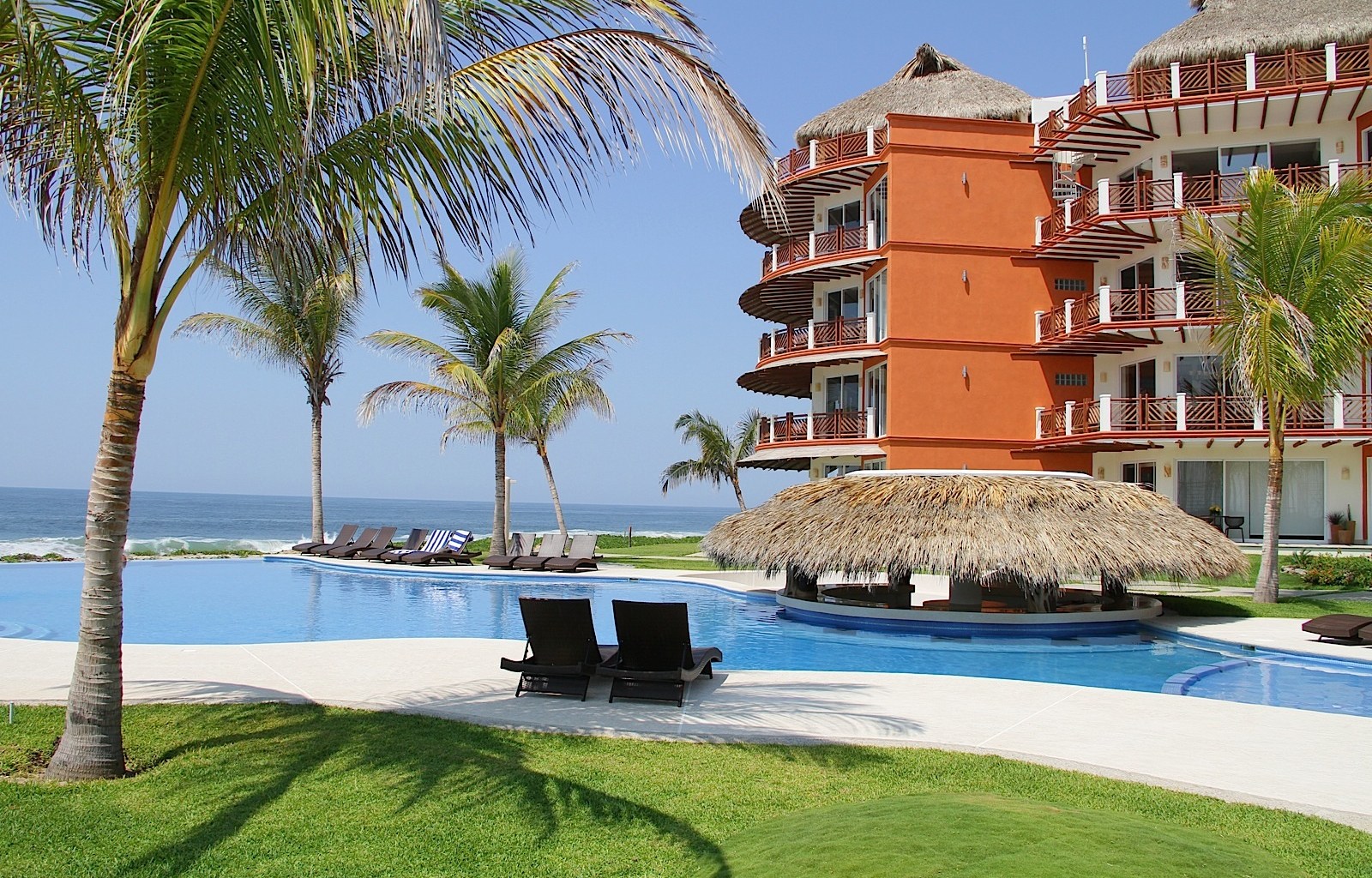
Several distilleries sit within a ninety-minute to three-hour drive of the resort. Guests pair a poolside breakfast with an afternoon drive into the foothills, returning for sunset on the terrace. The concierge can tailor the route and reserve private tastings that would otherwise require weeks of email correspondence in Spanish. Travellers interested in getting the most from this kind of bespoke service will find practical concierge service tips that explain how to flag dietary needs, mobility preferences, and tasting experience before arrival.
Australian visitors flying in via Mexico City or a direct connection to Puerto Escondido should plan at least two full days on the coast before heading inland, so the palate adjusts and the body recovers from jet lag. Smart-casual dress, sturdy sandals, and a small notebook will serve you better than beach gear for the day.
Before the flight home, ask your driver to stop at a seafood shack between Puerto Ángel and Huatulco for ahuachile and grilled fish — the smoky mezcal will taste right beside the salt of the Pacific, and the next step is messaging the concierge to lock in a return tasting before next year's flight is even booked.