A Guide To The Coastal Villages Of Barra De La Cruz And La Tijera
The Oaxaca coast is best understood beyond its resort beaches. East of Puerto Escondido, small coastal communities offer a closer look at fishing traditions, village life, surf culture and the warm, unhurried rhythm of southern Mexico. Barra de la Cruz and La Tijera are rewarding places to visit when you want your holiday to include local character as well as time beside the sea.
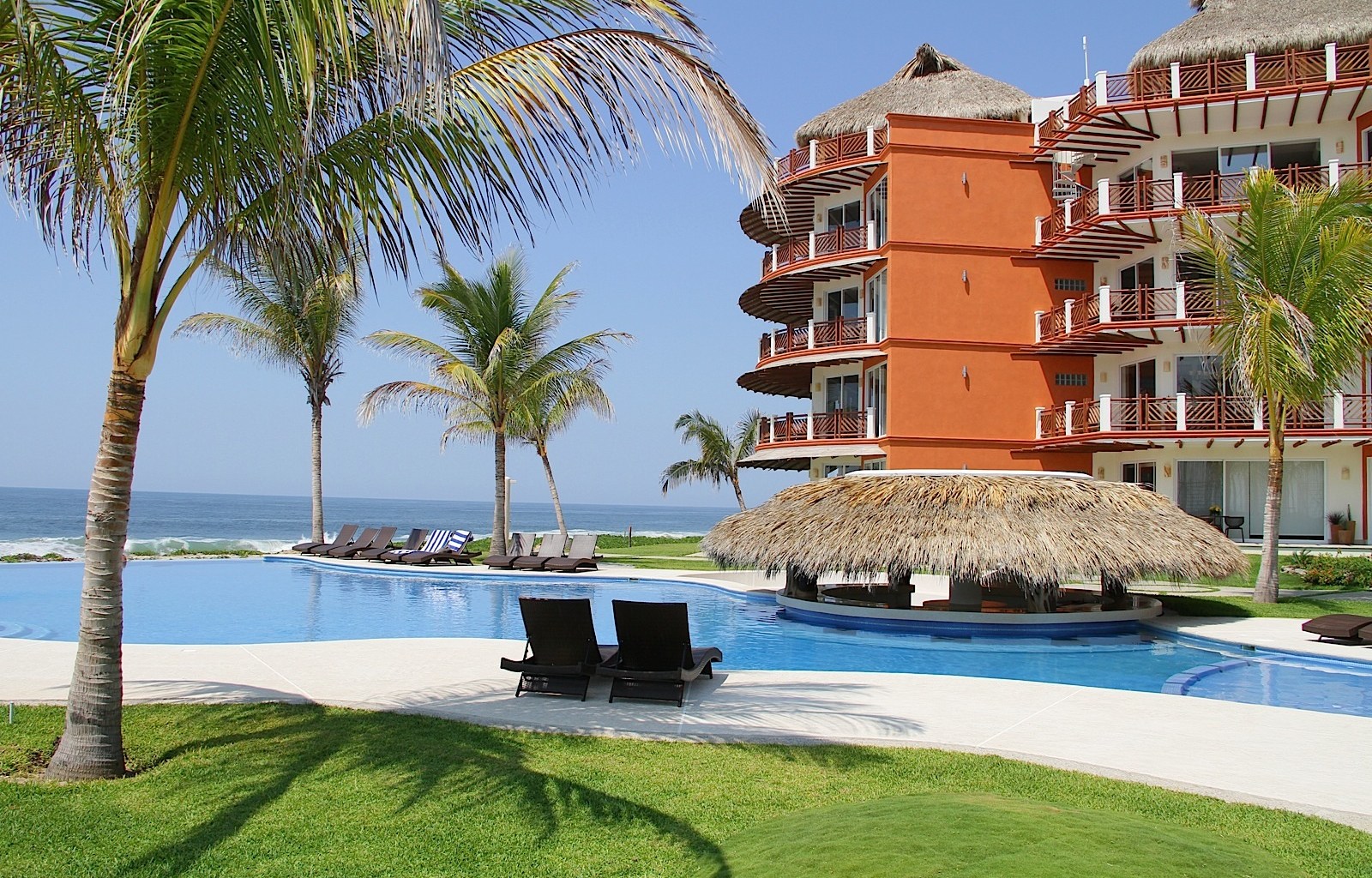
From Vivo Resorts on Playa Palmarito, these communities can form part of a full-day outing along the coast. The journey is part of the experience, passing through tropical countryside, quiet beaches and working settlements rather than a chain of tourist attractions. A local driver or resort-arranged excursion is the most practical option, particularly if you are unfamiliar with rural roads.
For Australian travellers, the trip calls for a little planning. Connections from Sydney, Melbourne, Brisbane or Perth commonly involve a long international journey and a transfer through Mexico City, while school-holiday travel can affect both airfares and resort availability. Once there, the relaxed “no worries” approach is useful, but local schedules, cash payments and changing road conditions deserve attention.
Getting Oriented Along The Oaxaca Coast
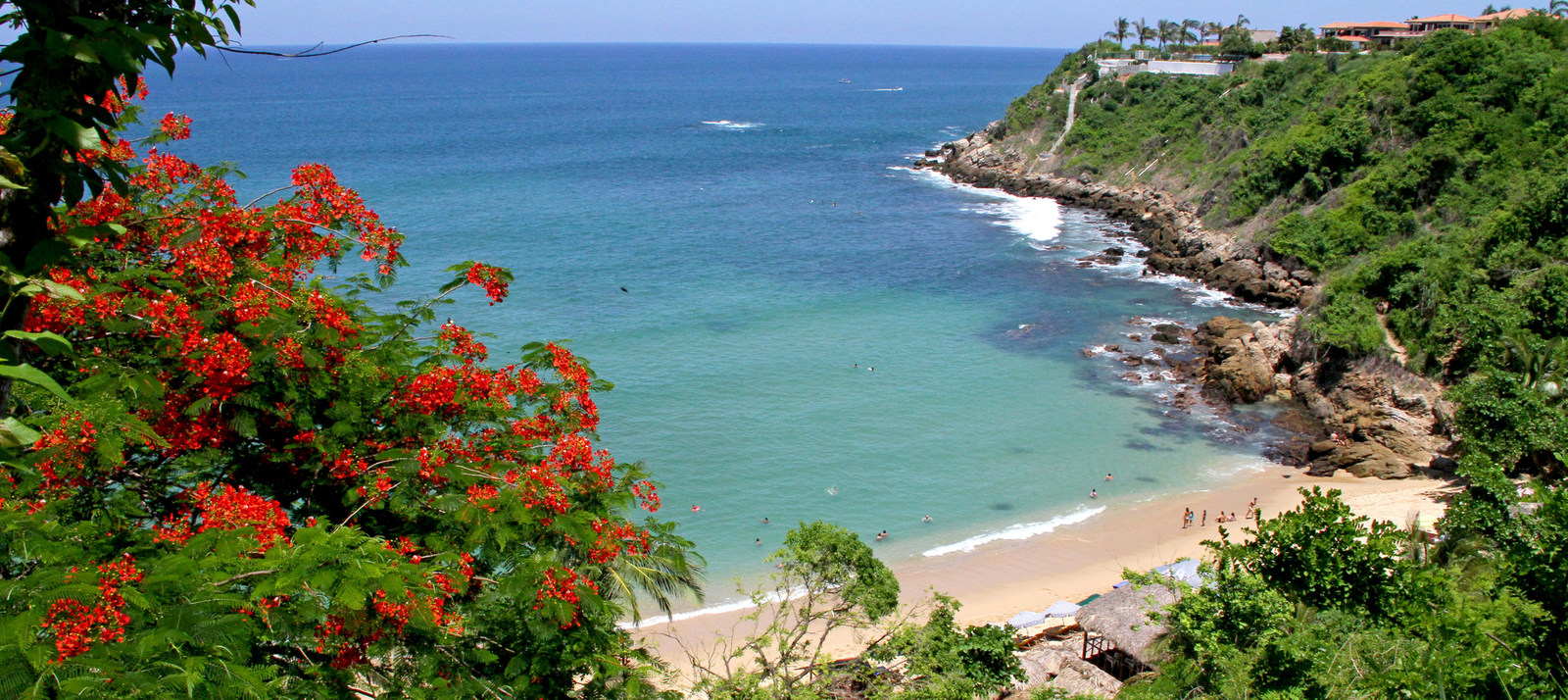
Barra de la Cruz lies east of Puerto Escondido in a region known for powerful Pacific surf, sandy shorelines and communities connected to both the ocean and the land. It is famous among surfers for its point break, although the surrounding village is quieter than the reputation of its waves suggests. Visitors may see small shops, local eateries, fishing activity and families going about ordinary coastal life.
La Tijera has a more rural feel. It is a small settlement in the wider coastal landscape rather than a conventional sightseeing town, so the appeal comes from observing daily life and the scenery around it. Expect fewer formal facilities, limited signage and a slower pace. That simplicity is valuable, but it also means an excursion should be arranged with realistic expectations.
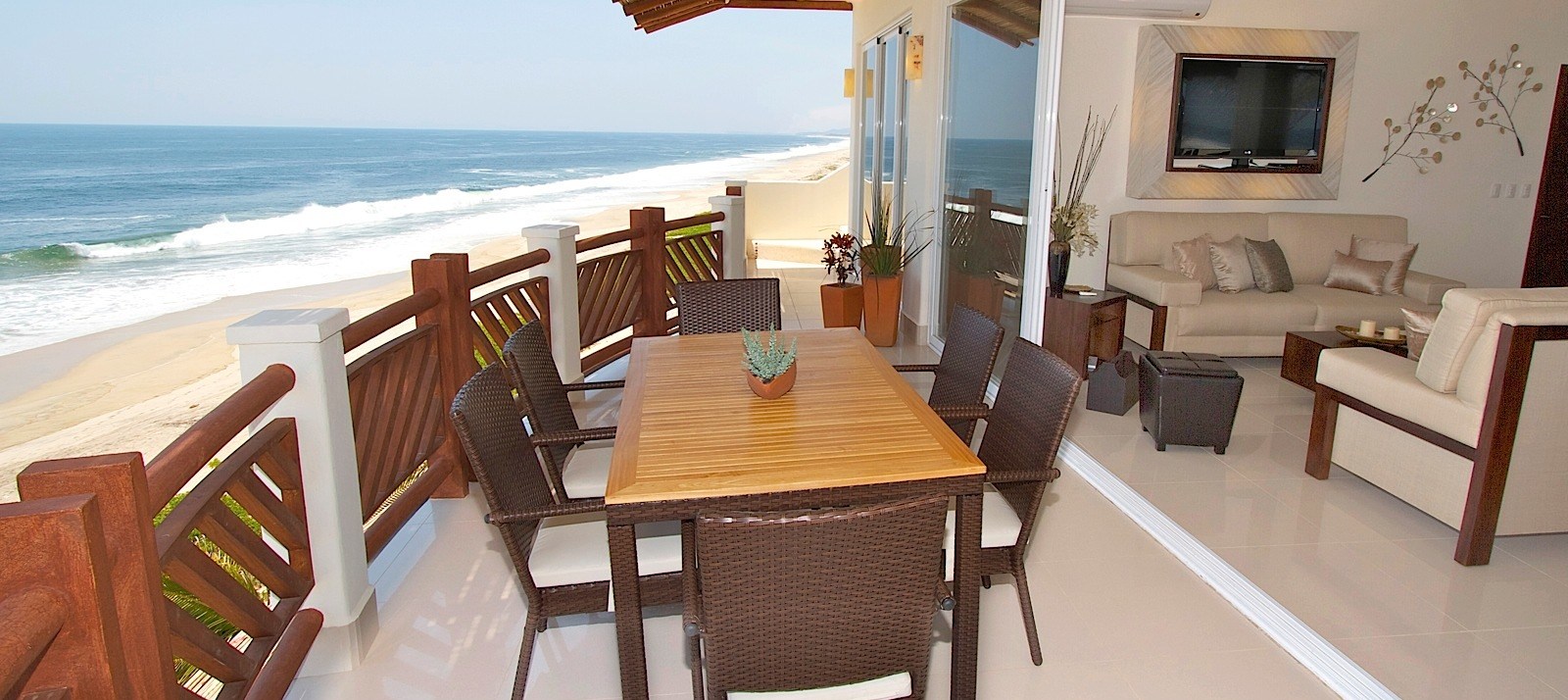
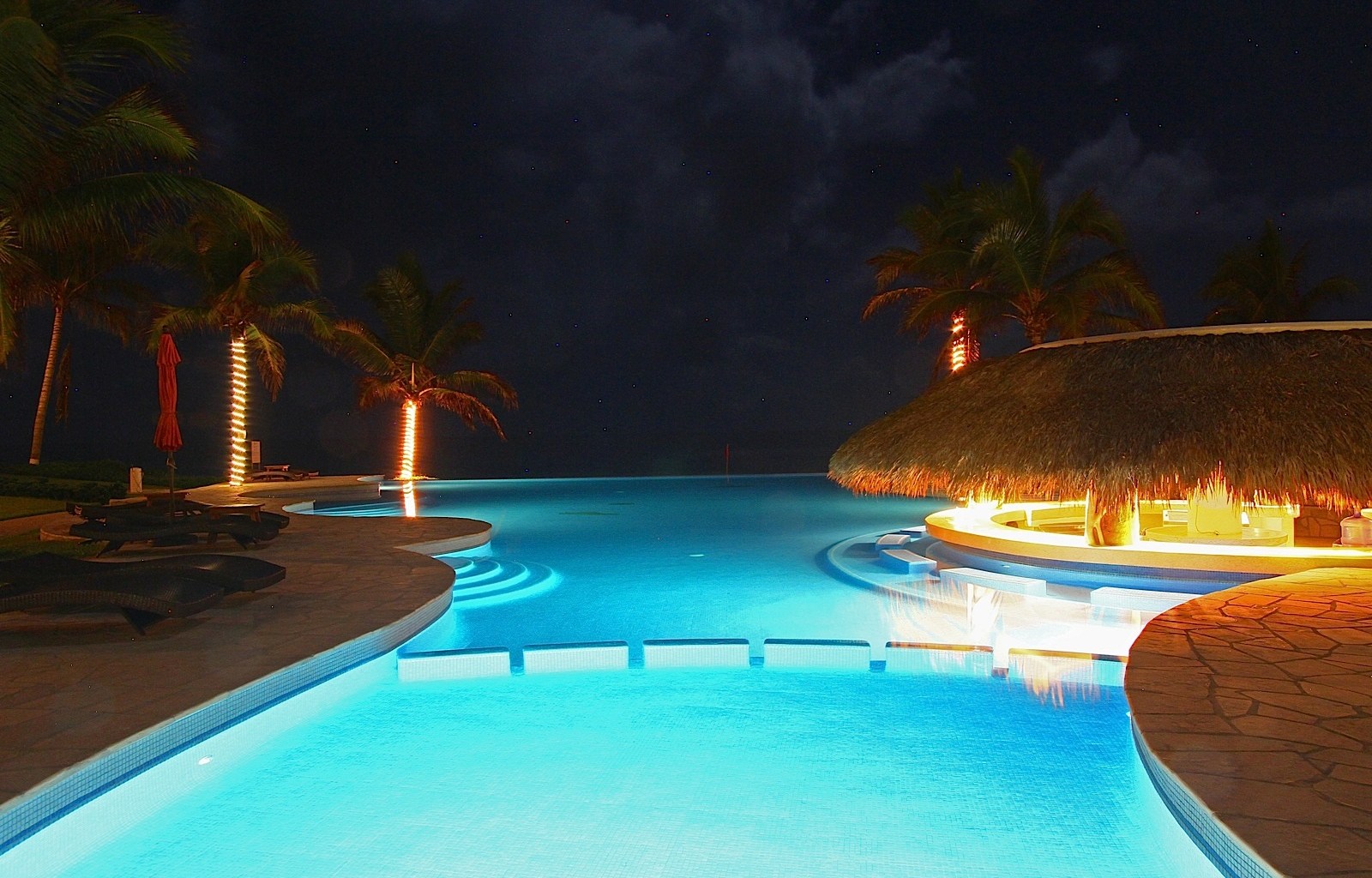
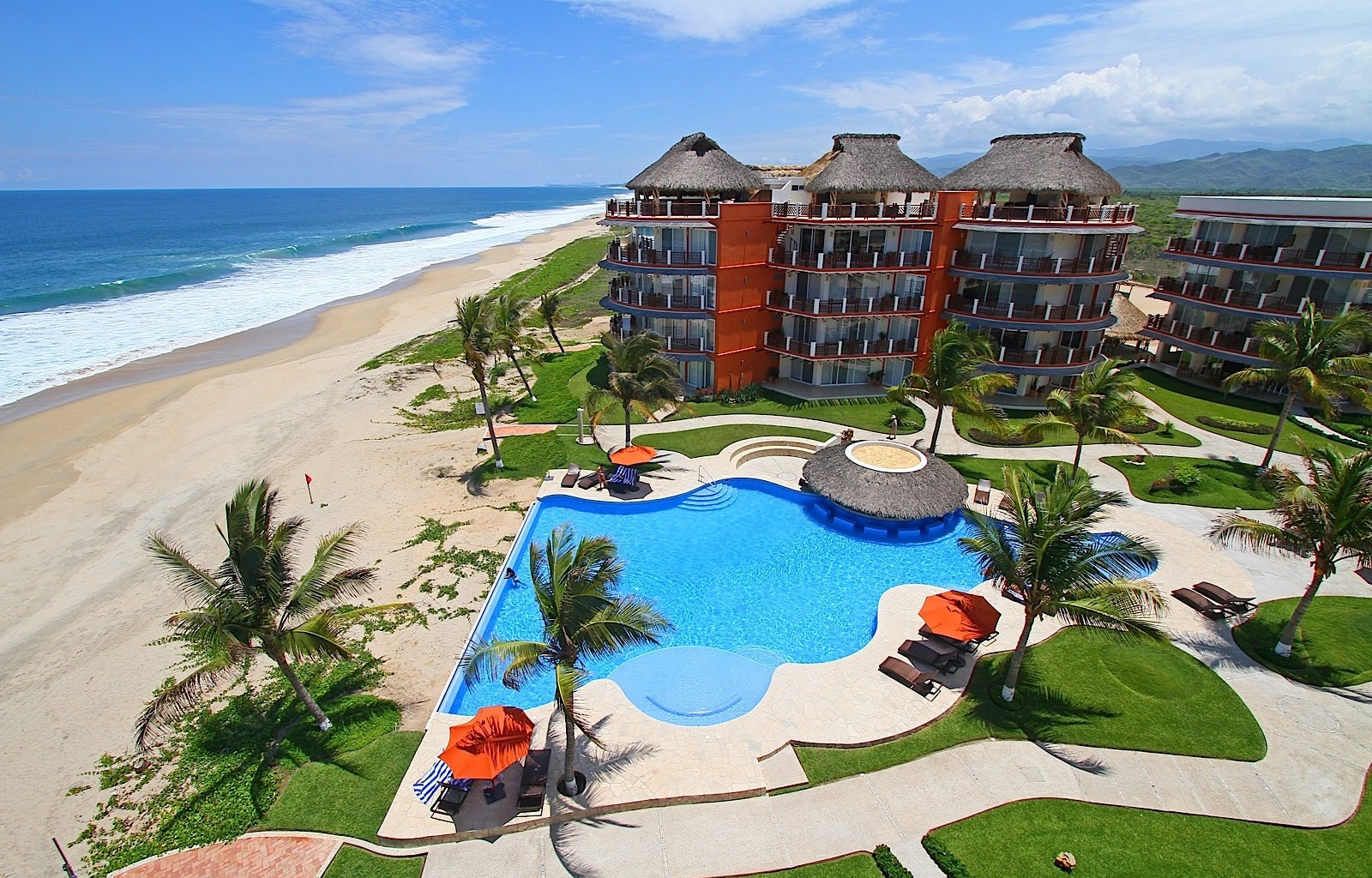
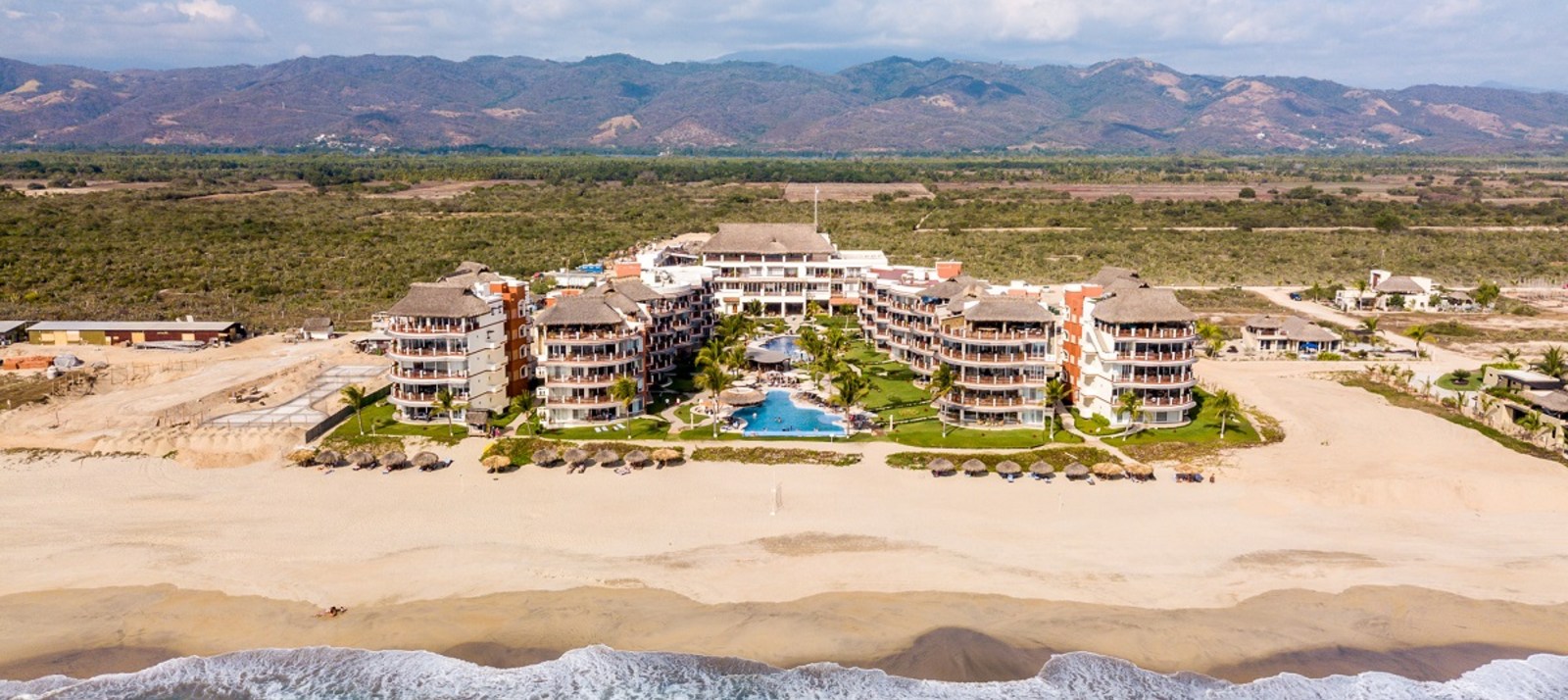
The drive from Playa Palmarito makes the contrast clear: Vivo Resorts provides ocean-view suites, pools, dining and spa facilities, while the villages reveal the working coast behind the holiday brochures. A guide familiar with the area can explain which roads are suitable, where to stop and how to approach local residents respectfully.
Discovering Barra De La Cruz
Barra de la Cruz is closely associated with surfing, yet you do not need to be an experienced surfer to appreciate it. The beach, headland and surrounding vegetation create excellent viewpoints, especially when the light softens in the late afternoon. Strong currents and surf conditions mean swimming should only take place where local advice indicates it is safe.
Fishing remains part of the coastal identity, even as tourism brings new income. Depending on the season and the time of day, you may notice boats, nets, seafood preparation or conversations about weather and the sea. The village is not a staged cultural display, so photographs should be taken with permission, particularly when people, homes or work are involved.
For guests staying at Vivo Resorts, Barra de la Cruz works well as an excursion paired with a leisurely resort evening. Couples can return for a spa treatment or dinner, while families may prefer to spend the next few hours by the pool. If you are organising a group celebration, practical ideas in this beach weekend guide can help balance planned activities with relaxed downtime.
Experiencing La Tijera At A Local Pace
La Tijera is better suited to travellers who enjoy the texture of a place rather than a long list of attractions. Small roads, tropical vegetation, open skies and modest homes create an atmosphere that feels distinctly different from Puerto Escondido’s busier areas. Your guide may point out local agriculture, coastal plants or routes used by residents between nearby communities.
Do not expect a café strip, reliable card facilities or a formal visitor centre. Carry Mexican pesos, sun protection, drinking water and comfortable footwear. Mobile reception may be inconsistent, and an agreed meeting point is useful if members of your group explore separately.
A considerate visit supports the community without treating it as a backdrop. Buy refreshments or produce where appropriate, ask before entering private areas and keep noise low. Australians used to grabbing a flat white, tapping a card and relying on clear road signs may find the experience more improvised; that is part of the rural setting, not a service failure.
Planning A Respectful Village Excursion
A good outing is generally easier when the essentials are settled before leaving the resort:
- Arrange transport and a local guide through a trusted provider
- Carry pesos in small denominations
- Bring reef-conscious sunscreen, a hat and insect repellent
- Check surf, weather and road conditions on the day
The dry season often offers sunny conditions, while the warmer wet months can bring sudden rain and more humid travel. Coastal heat can be intense even when the breeze feels comfortable, so schedule walking during the morning or later afternoon. A light long-sleeved shirt is useful for sun protection and insects.
If you are travelling during Australian summer holidays, remember that Mexico’s peak periods do not align perfectly with Australia’s calendar. December and January can be busy, and Easter travel is also popular. Booking a driver, restaurant stop or special excursion ahead of time is sensible, particularly for families and wedding groups.
Making The Most Of An All-Suite Base
A village visit is most enjoyable when it is one part of a broader coastal holiday. Spacious residences and private villas at Vivo Resorts give families room to spread out, while kitchens and separate living areas can be valuable for longer stays. The benefits of that arrangement are explored in this all-suite stay guide, especially for guests travelling with children or grandparents.
The resort also makes it easy to adjust the pace after a day on the road. Some guests may choose the spa and a quiet meal, while others can enjoy the pools or arrange another outing towards Puerto Escondido. Australian families accustomed to planning around school holidays, sporting commitments and mixed-age groups will appreciate having both shared spaces and private corners.
Useful items to keep in your day bag include:
- A reusable water bottle and small towel
- A phone power bank and offline maps
- Cash, identification and emergency contact details
- A compact waterproof pouch for valuables
A Coastal Day Worth Taking Slowly
A well-paced itinerary might begin with an early departure from Playa Palmarito, continue through La Tijera and Barra de la Cruz, and finish with time for a beach viewpoint or a locally prepared meal. The exact order should follow weather, road conditions and advice from your driver rather than a rigid timetable.
Leave space for unplanned moments: a fishing boat returning, a conversation at a roadside shop or a changing view across the Pacific. For guests with limited time, a carefully arranged long weekend can still include village culture, resort comforts and ocean time, as shown in this long weekend itinerary.
Before travelling, ask the Vivo Resorts team to help arrange a local driver, confirm the day’s road and surf conditions, and reserve your Barra de la Cruz and La Tijera excursion.