A Guide to Local Birds Around Vivo Resorts
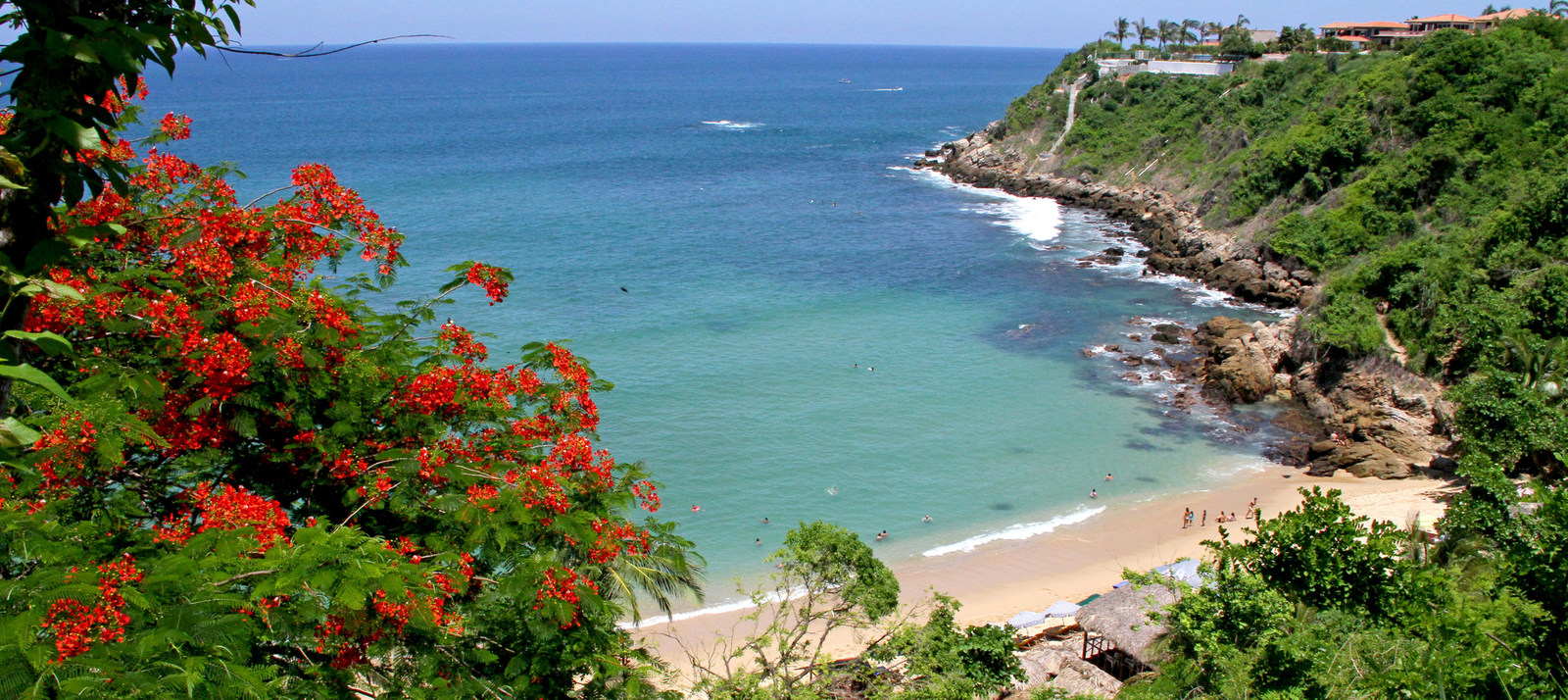
Vivo Resorts sits beside Playa Palmarito on Oaxaca’s Pacific coast, where open beach, palms, landscaped gardens and dry tropical vegetation create varied habitat for birdlife. A short walk can shift the view from fishing boats and rolling surf to soaring raptors, wading birds and small songbirds moving through the foliage.
For Australian travellers, this is a relaxed way to add wildlife watching to a beach holiday. You will not need a serious expedition or a packed itinerary: comfortable shoes, a little patience and an early start can reveal species that are easy to miss during the heat of the day.
Where Coast And Forest Meet
The shoreline near the resort is shaped by powerful Pacific swells, broad sands and a seasonal rhythm influenced by rain and dryness. Brown pelicans may pass low over the breakers, while magnificent frigatebirds can circle high above the coast with their long, angular wings held steady in rising air.
Near rocky edges, estuaries and quieter stretches of sand, look for egrets, herons and other waterbirds. Their numbers and locations can change with tides, rainfall and local food supplies, so a bird seen one morning may be absent the next.
The wider landscape is just as important as the beach. Playa Palmarito sits within a coastal setting where palms, scrub and tropical forest support insects, seeds and small reptiles, giving many resident species reasons to move between the resort grounds and surrounding habitat.
Best Places To Look
The beach is the simplest starting point. Scan the waterline for gulls and terns, then look upwards for pelicans and frigatebirds. Early light can make silhouettes difficult, so keep the sun behind you where possible and use a low, steady pace rather than walking quickly through a flock.
Resort gardens and poolside greenery attract smaller birds seeking shade and food. The edges of lawns, palms and flowering plants are often more productive than the centre of an open space. Listen for movement in the leaves before searching visually.
A guided outing beyond the property can add lagoons, mangroves and forest tracks to your birding list. Excursions towards Puerto Escondido or nearby beaches may reveal habitats that are not represented around the resort itself, especially after seasonal rain.
Pacific Coast Birds To Watch
The magnificent frigatebird is one of the most recognisable local birds. Its narrow wings and forked tail make it easy to identify overhead, and males may show a striking red throat pouch during breeding displays. These birds are built for soaring rather than landing frequently on the water.
Brown pelicans are more substantial, with broad wings and a distinctive bill pouch. Watch how they glide close to the sea before dipping down to feed. Ospreys may also appear near the coast, carrying their catch away from the water with powerful, deliberate wingbeats.
Turkey vultures and black vultures are common sights in warm coastal regions. Their circling flight can look effortless, and their broad wings are useful identification clues. They play an important role in the local ecosystem by removing carrion.
Waders, Herons And Smaller Residents
Great egrets are usually easy to spot because of their height, white plumage and measured stride through shallow water. Snowy egrets are smaller and more animated, sometimes darting after fish or insects. Look around quiet pools, drainage channels and wet areas after rain.
Laughing gulls and terns may gather along the beach, particularly where feeding opportunities appear. Their calls can carry across the sand, making sound a helpful part of identification. A compact pair of binoculars will distinguish pale wings, dark caps and bill shapes more clearly than the naked eye.
Away from the shoreline, listen for chachalacas and other woodland birds in thicker vegetation. Tropical species often reveal themselves through rustling leaves or repeated calls before offering a clear view. This is where sitting quietly for several minutes can be more rewarding than covering a large distance.
When To Plan A Birding Walk
The coolest and quietest period is usually shortly after sunrise. Birds are active, the light is gentle and footpaths are less busy, making this a comfortable routine for travellers accustomed to early walks along Sydney Harbour or Brisbane’s river paths. It also leaves the middle of the day free for the pool or beach.
Late afternoon can produce a second burst of activity, especially as temperatures ease. Bring water and sun protection even for a short outing; Oaxaca’s heat can feel stronger than expected for visitors travelling from Melbourne or Hobart.
Rain changes the experience rather than ending it. Wet-season showers can bring insects and fresh vegetation, while the dry season may concentrate birds around reliable water sources. Ask resort staff about recent sightings, tides and safe walking routes before setting out.
A Compact Birdwatching Kit
A light setup is enough for most casual sightings. Australian visitors used to carrying reef-safe sunscreen, a reusable water bottle and a hat on coastal holidays will already have much of what is needed.
- Compact binoculars with comfortable eye relief
- A phone or pocket field guide for Mexico’s Pacific birds
- A wide-brimmed hat, water bottle and insect repellent
- Neutral clothing and closed-toe walking shoes
Simple field notes can make the experience more memorable. Record the date, location, habitat, approximate size and behaviour rather than relying only on a photograph. Bird calls can also be captured as short recordings, provided they are made quietly and without playing sounds back to attract birds.
- Note whether the bird was on sand, water, lawn or in trees
- Check wing shape, bill length and flight pattern
- Photograph from a distance without blocking paths
- Share unusual sightings with resort staff or a local guide
Birding With A Relaxed Resort Stay
Wildlife watching fits naturally into a stay that includes spacious suites, ocean views, dining and spa time. Couples can make a sunrise walk part of a slower romantic itinerary, while families may prefer a short search for pelicans and egrets before breakfast. Guests arranging a celebration can also combine nature-focused downtime with destination wedding planning.
Respectful observation protects both birds and the holiday atmosphere. Keep a generous distance from nesting areas, avoid chasing birds for a closer photograph and never feed wildlife. At the beach, follow local guidance around turtles or other protected animals if they are present, and take care not to leave plastic or food scraps behind.
For a particularly memorable evening, birdwatching can give way to the colours of sunset and a quiet meal beside the sea. A private beach dinner works well after an afternoon of exploring, especially when the day’s sightings become part of the conversation.
The most practical approach is to walk for 30 to 45 minutes soon after sunrise, scan beach and garden habitats separately, carry water and record what you see before the heat arrives.