A Mezcal Road Trip From Playa Palmarito
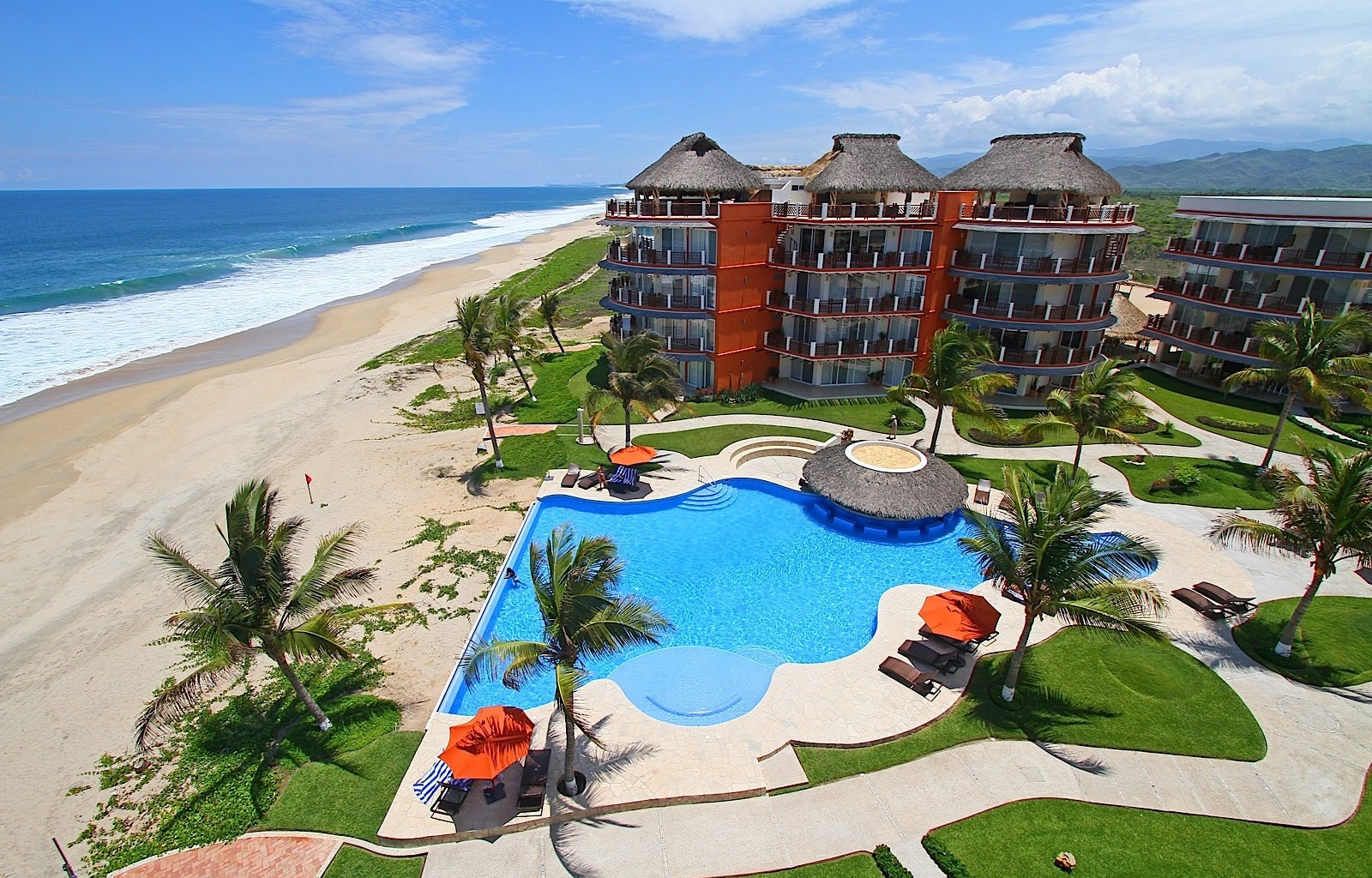
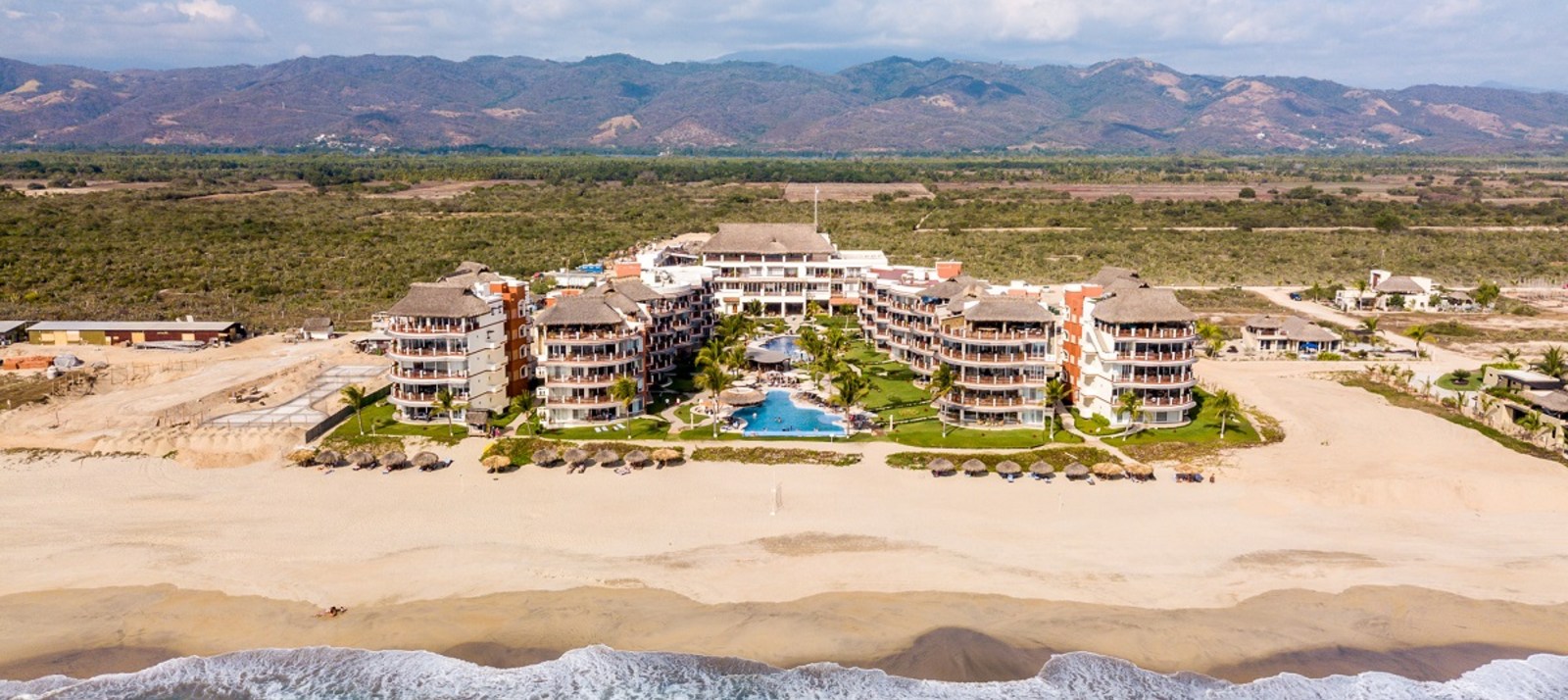
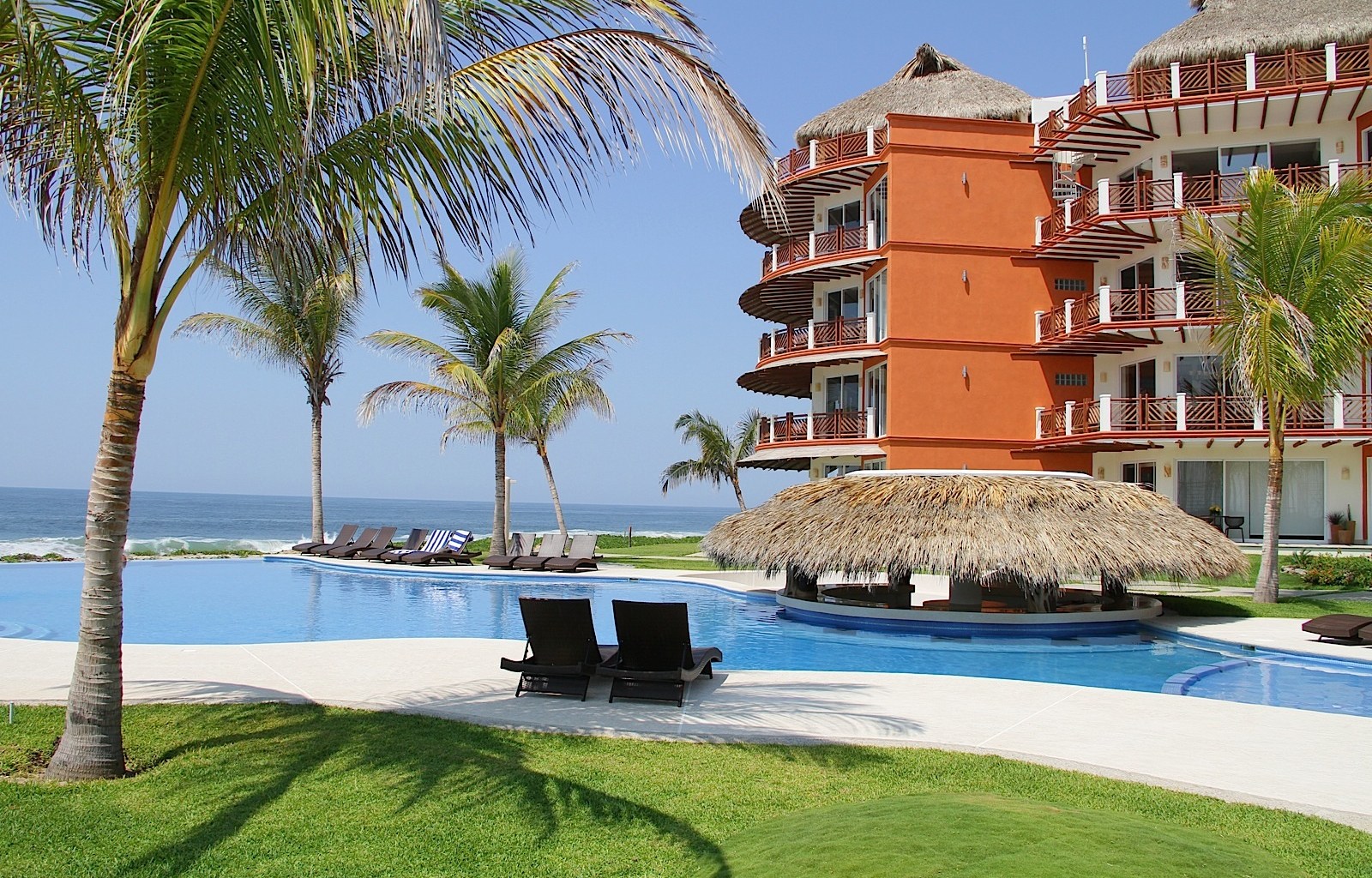
Oaxaca’s mezcal country begins far beyond the beach, but it is within reach of guests staying at Vivo Resorts. A drive inland leads from the Pacific coast toward agave-covered valleys, family-run palenques, historic towns, and tasting rooms where mezcal is still made with fire, stone, wood, and time.
The journey is best treated as a full-day excursion or an overnight adventure rather than a quick side trip. Roads can be winding, travel times change with weather and construction, and many distilleries welcome visitors by appointment only. Still, the reward is a deeper understanding of Oaxaca’s signature spirit and the communities that produce it.
Planning the journey from the coast
The closest major starting point is Puerto Escondido, a short drive from the resort. From there, travelers generally head inland toward Oaxaca City and the Tlacolula Valley, where several of the state’s best-known mezcal-producing communities are located. The newer highway connection has made the coast-to-valley journey easier, although route conditions and toll arrangements should be checked before departure.
Expect a long travel day to the central valleys. A private driver is often the most comfortable option because guests can focus on the landscape and tasting experience instead of navigating unfamiliar roads. Guests can also use Vivo Resorts’ vacation planning resources to coordinate transportation, timing, and other coastal activities around a mezcal excursion.
Santiago Matatlán and the Tlacolula Valley
Santiago Matatlán is widely recognized as one of Oaxaca’s principal mezcal centers. The town is surrounded by espadín agave fields and is home to palenques ranging from small, traditional family operations to polished visitor-focused producers. A visit may include the roasting pit, tahona or stone mill, fermentation vats, copper stills, and a tasting of different agave varieties.
Matatlán is a practical choice for first-time visitors because several producers are located within the same broad area. Ask in advance whether a visit includes a guided production tour, a formal tasting, or both. Some palenques emphasize ancestral methods and limited batches, while others offer a wider selection of joven, reposado, and pechuga-style expressions.
Santa Catarina Minas and traditional production
Santa Catarina Minas, south of the main Tlacolula corridor, is known for distinctive production methods and respected small-scale mezcaleros. The village is associated with clay-pot distillation, a technique that can create a softer, earthy character in some spirits. Real Minero is one of the best-known producers connected with the community, though appointments and visitor access should be confirmed ahead of time.
This area suits travelers who want a more intimate look at artisan mezcal. Visits may feel less like a commercial tour and more like a conversation about agave, family knowledge, harvest timing, and local customs. Because small palenques may have limited staff, advance arrangements are especially important.
Choosing the right route
The best destination depends on how much time you have and whether your priority is convenience, heritage, or a quieter village experience. Travel estimates below are broad planning ranges from the resort area, not guaranteed drive times. Traffic, roadwork, rain, stops, and the chosen highway can alter the journey considerably.
| Destination | Approximate drive from Vivo Resorts | Best for | Planning note |
|---|---|---|---|
| Santiago Matatlán | About 4–5 hours each way | A broad choice of palenques and tastings | Arrange visits before leaving the coast |
| Santa Catarina Minas | About 4.5–5.5 hours each way | Traditional methods and small producers | Allow extra time for rural roads |
| Tlacolula de Matamoros | About 4–5 hours each way | Markets, regional food, and valley access | Often paired with Matatlán |
| Oaxaca City | About 3.5–4.5 hours each way | Museums, restaurants, and a city overnight | A useful base for a longer mezcal itinerary |
| San Agustín de las Juntas | About 3.5–4.5 hours each way | Producers near Oaxaca’s urban area | Confirm opening hours and appointments |
What to look for during a tasting
A guided tasting should explain the agave species, cooking method, fermentation vessel, distillation style, and alcohol strength. Espadín is the most widely planted agave and is often a good starting point, while tobala, tepeztate, arroqueño, and cuishe can offer more unusual aromas and flavors. Availability varies by season and producer.
Taste slowly and compare several pours rather than focusing only on the highest alcohol percentage. Traditional mezcal can show notes of smoke, roasted fruit, herbs, minerals, citrus, earth, or caramelized agave. A reputable host should explain the spirit without pressuring visitors to buy, and bottles should be labeled clearly with the producer, agave, region, alcohol level, and production details.
Food is an important part of the experience. Look for roasted agave dishes, local cheese, mole, tortillas, tamales, or fruit paired with sal de gusano. These flavors can make the tasting more memorable and provide a better sense of mezcal’s place in Oaxacan culture.
Making a comfortable overnight escape
A day trip is possible but demanding. Travelers who want to visit more than one community, explore Oaxaca City, or enjoy a leisurely tasting should consider staying inland for one night. This also reduces the need to return to the coast after dark, when unfamiliar mountain and valley roads can be tiring.
Guests staying longer at the beach can create a balanced itinerary: several relaxed days near Playa Palmarito followed by a dedicated inland excursion. For couples or families who want more space before or after the drive, Vivo Resorts’ private villas provide a comfortable base with room to settle into a slower rhythm.
Practical recommendations for a responsible visit
- Book a driver or guided excursion with experience on Oaxaca’s rural roads.
- Request appointments at palenques several days ahead, especially during holidays.
- Carry water, sun protection, comfortable shoes, and cash for small producers.
- Arrange a designated driver and keep tastings moderate throughout the day.
- Buy directly from trusted producers and ask how bottles should be transported home.
Mezcal tourism is strongest when it supports the people who make the spirit. Respect photography preferences, ask before entering production areas, and treat the visit as a cultural exchange rather than a quick shopping stop. A knowledgeable local guide can also help translate, explain regional customs, and connect travelers with producers who match their interests.
Set aside a full day, confirm the route with the resort team, and let the landscape change from palms and ocean air to dry hills and agave fields. With thoughtful planning, a mezcal excursion adds a distinctive inland chapter to a Playa Palmarito vacation.