Snorkeling at Playa Palmarito: a beginner's guide to the rocky reefs
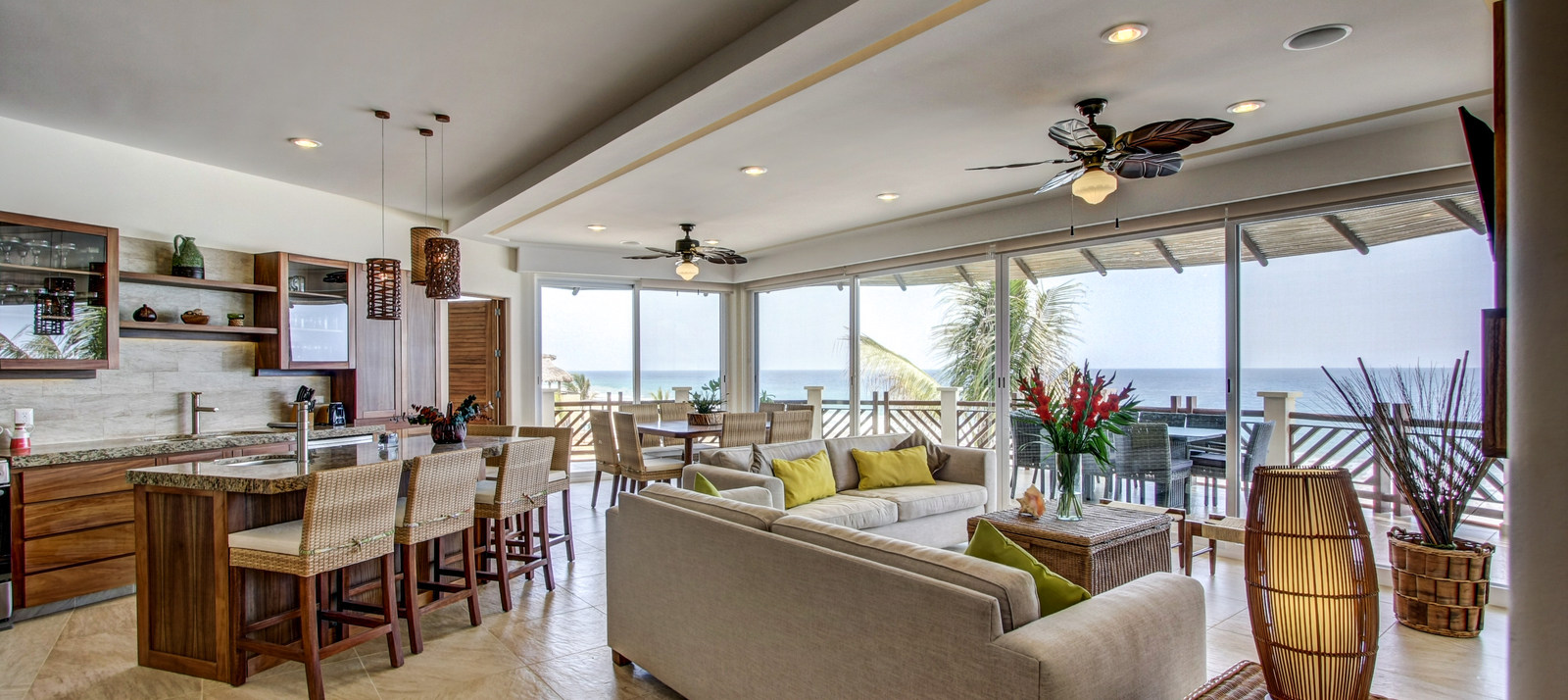
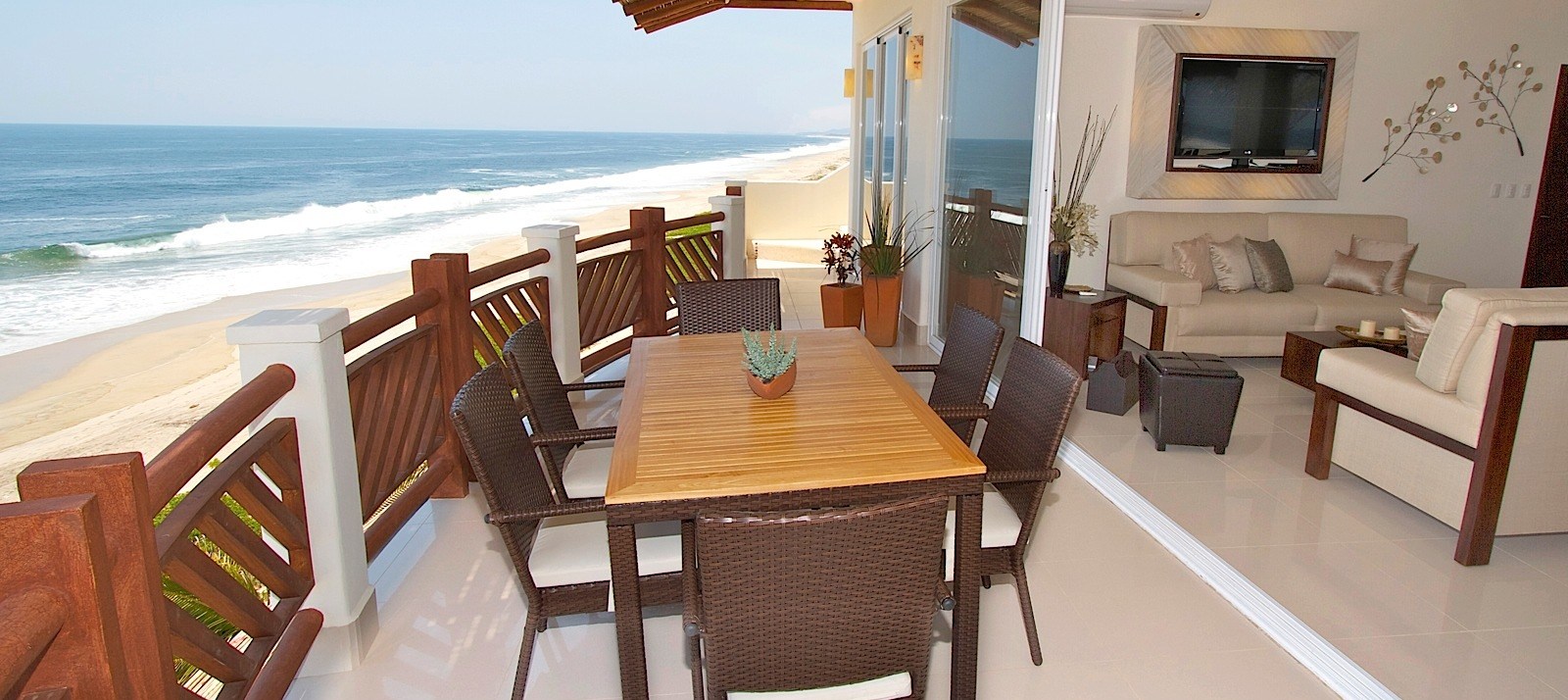
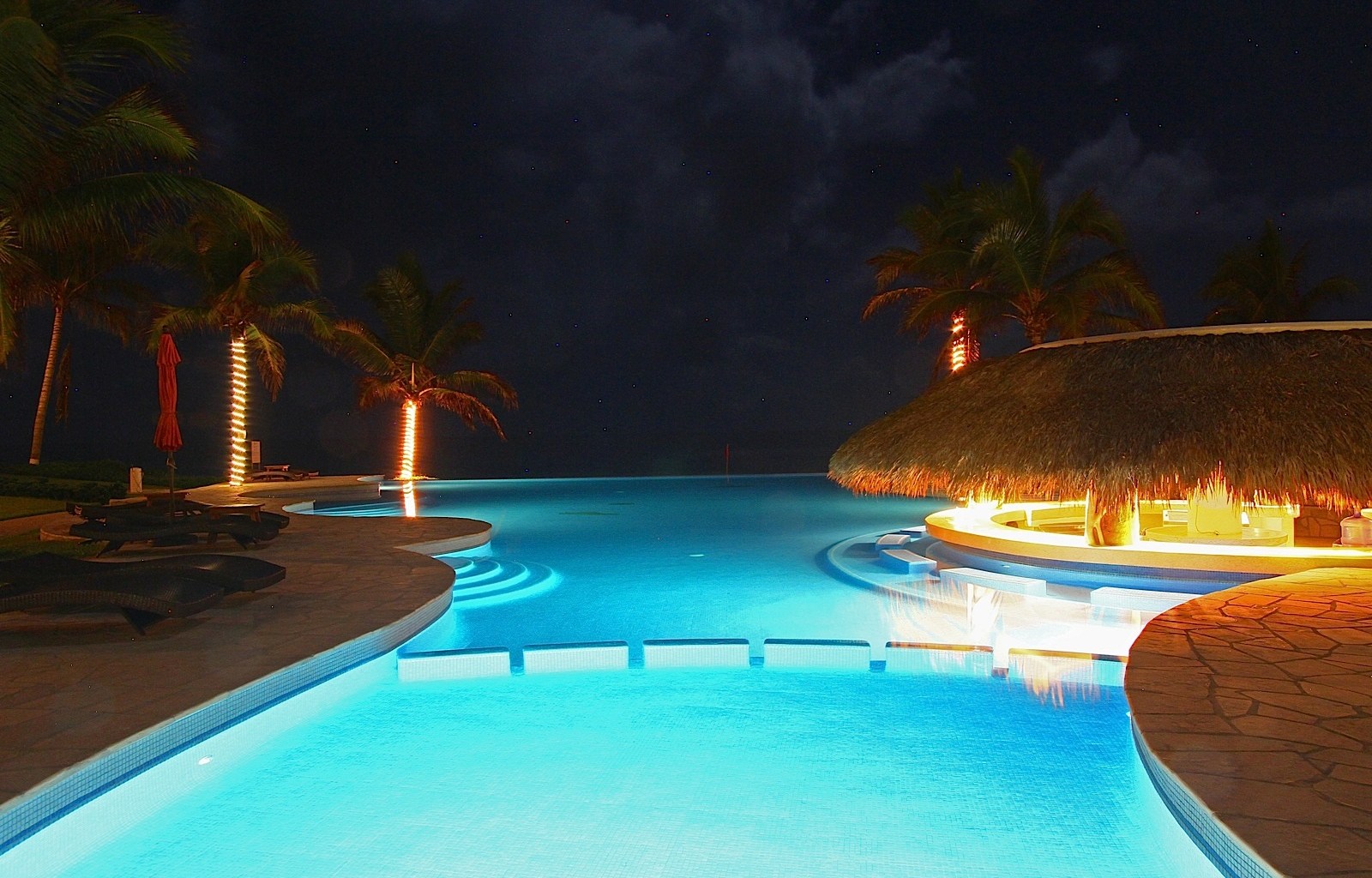
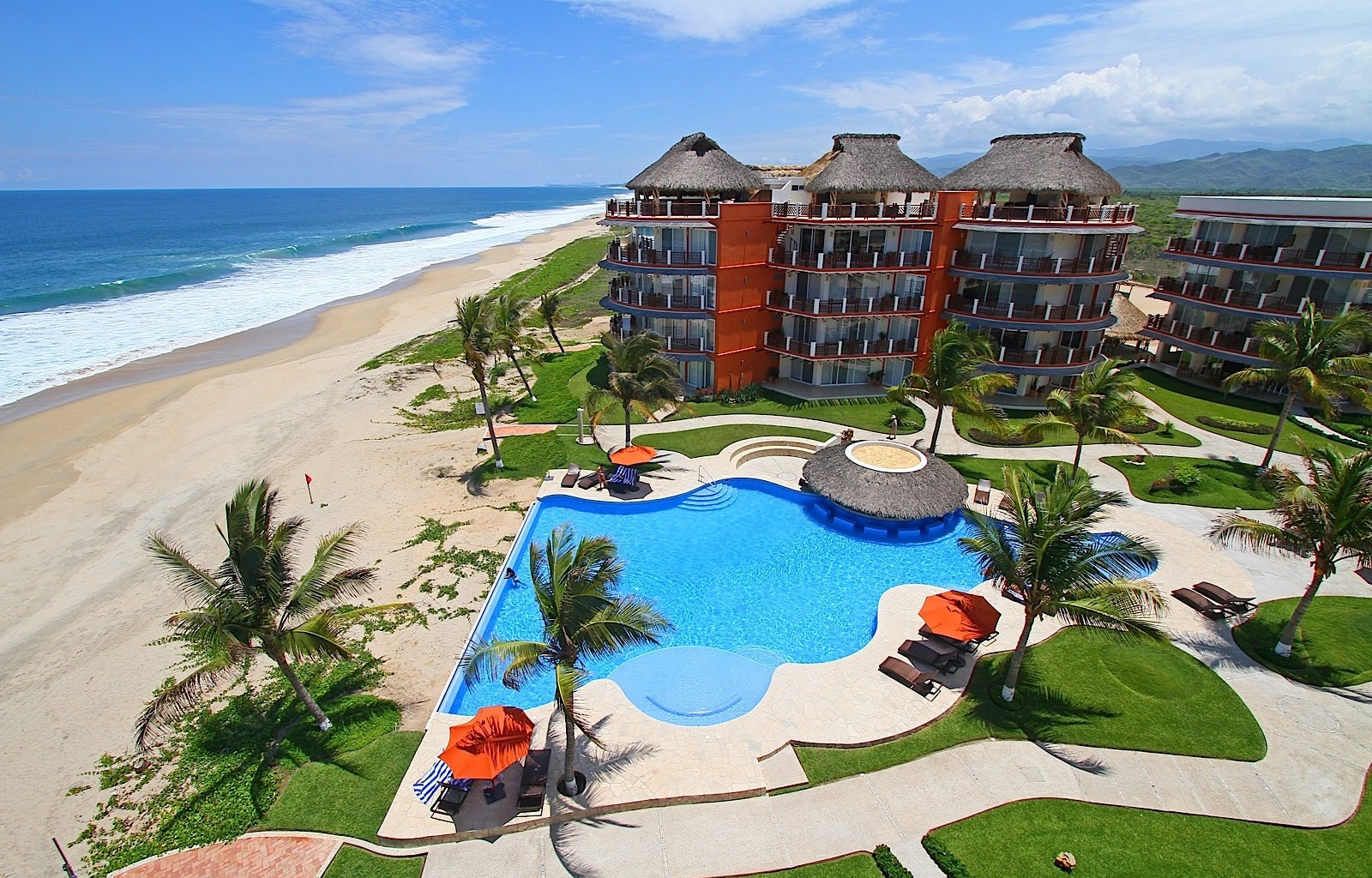
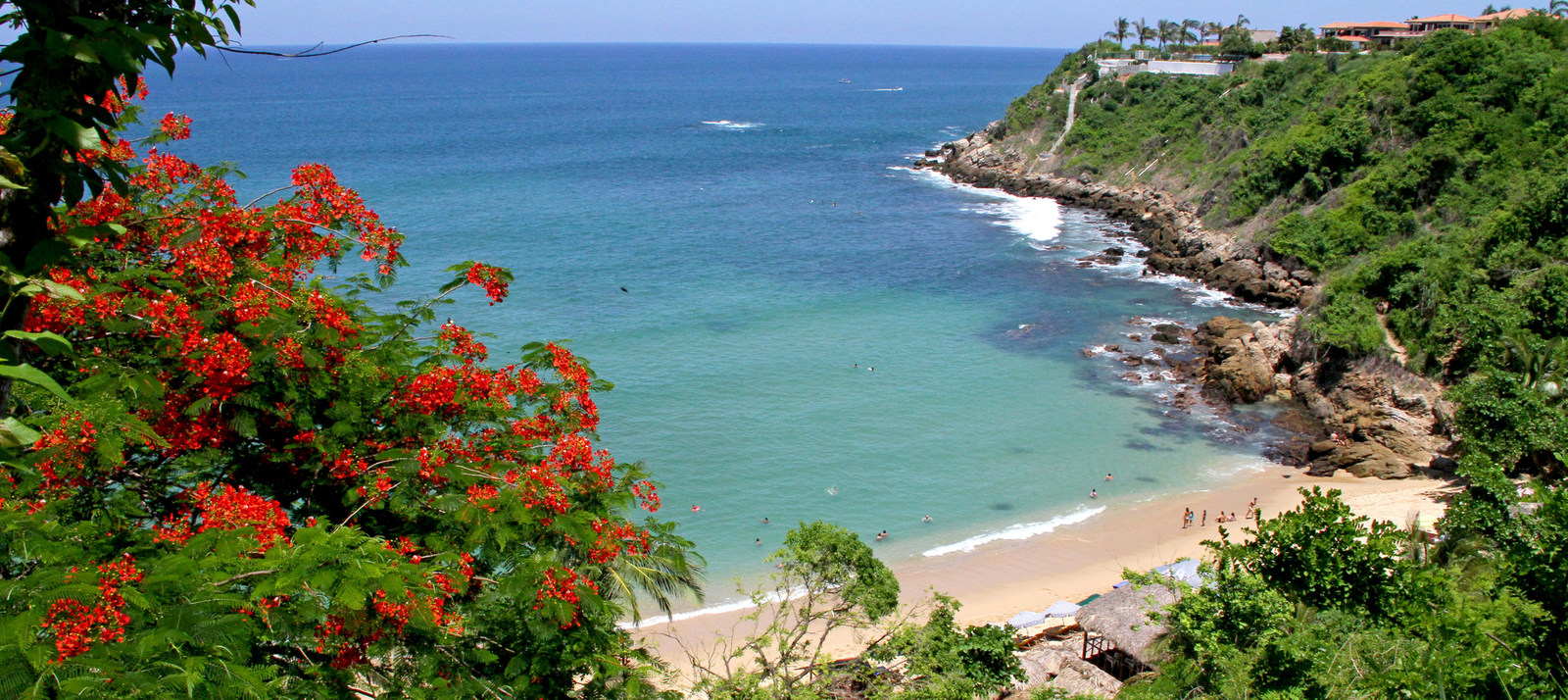
Playa Palmarito sits along Oaxaca's Pacific coast, a stretch of coarse sand and volcanic boulders that gives way to a surprisingly lively underwater world just offshore. The rocky reef patches scattered along the headlands create natural fish nurseries, and the visibility regularly clears up once the morning swell settles. For travellers who have spent a couple of lazy days at Vivo Resorts, slipping into a mask and fins here feels like the most natural next step.
Below the surface, beginner snorkellers find calm pockets tucked behind boulder formations, where sergeant majors dart across fan corals and the occasional sea turtle glides past without a care. This guide covers what to bring, when to go, what lives in the reef, and how to make the most of a first snorkel session on Mexico's quieter Pacific side.
Why these reefs are ideal for newcomers
Unlike the pounding shore break at Zicatela, which is famous among Aussie surfers chasing heavy barrels, the reef stretches just off Palmarito stay relatively gentle in the morning hours. The boulder clusters act as natural breakwaters, so the surface chop softens and the water settles into a clear turquoise pane. That calm is gold for a first-timer still learning how to breathe through a snorkel.
The reef structure itself also helps. Rocky outcrops offer handholds when you need a moment to float, and they create small ledges where colourful fish congregate at eye level. You don't have to swim far from the sand to find action — much of the interesting marine life lives in the first ten to fifteen metres from shore.
Gear, sunscreen, and what to chuck in your bag
Australian travellers are used to packing for surf, so a snorkel kit feels like a familiar ritual. Toss in your mask, snorkel, fins, and a rashie, plus a microfibre towel and reef-safe sunscreen — the Australian standard these days, and a rule that holds up beautifully on Mexican reefs. A reusable water bottle is wise too; the sun on this coast is honest, and you'll want to hydrate before, during, and after.
If you don't fancy dragging gear across the Pacific, eco-tours from Vivo can set you up with rental equipment and a guided morning. Pack a small dry bag for your phone and room key, and bring a long-sleeve swim shirt if you tend to burn easily — Palmarito's midday UV is no joke.
Timing your swim with the tides and seasons
Most mornings between eight and ten are calmest, with the swell rolling in as the day heats up. If you're travelling from the Southern Hemisphere, plan around the Australian school holidays — December and January are prime snorkel weather on this part of the Oaxacan coast, with calm seas and water temps hovering around a comfortable 27 degrees.
Avoid right after a big swell; visibility drops and the surge over the boulders gets uncomfortable. Late arvo can be lovely, but the lighting underwater is far better before lunch. A quick chat with the Vivo concierge about the previous day's conditions will save you a wasted swim.
Getting your fins on: rentals and resort gear
Vivo Resorts stocks a small range of masks and fins for guests, sized for adults and older kids, and the front desk will point you to a local dive shop in Puerto Escondido if you want something fitted. A basic set runs about 600 Mexican pesos per day, which is roughly fifty Aussie dollars — fair dinkum value considering the quality of the reef on offer.
For anyone who fancies a proper introduction, the resort arranges guided reef walks with a local marine biologist who explains what you're looking at. That kind of context turns a casual snorkel into something memorable, especially for families travelling with curious teenagers fresh out of a Bondi summer.
Staying safe around rocks and currents
The reefs are gentle, but a few rules keep everyone happy. Always snorkel with a buddy, even if you're a strong swimmer — it's just easier to spot each other if one of you drifts. Watch your fins around the boulders; a kick against a sea urchin or a sharp barnacle cluster is the most common complaint from first-timers on this coast.
Stay aware of any sideways pull. Even small channels between rocks can funnel water into mild currents. If you feel yourself drifting, swim perpendicular to the flow until you're clear, then head back to shore at an angle. The Vivo team can brief you on local conditions and flagged hazards each morning, and they'll also tell you if a quieter beach choice might suit your group better that day.
The locals of the reef: fish and creatures to spot
The rocky gardens host a colourful cast. Look for king angelfish cruising the boulder faces, schools of barberfish picking at algae, and the occasional Moorish idol — that long-finned beauty with the bold stripes. On a lucky morning you might spot a green sea turtle feeding on the seagrass patches near the rocky points, or a small octopus tucked under a ledge.
Eagle rays cruise the deeper sand channels just past the reef edge, especially in the late morning when the light angles down through the water. You don't need to chase them — if you float still and let the current bring them past, you'll get a far better look than any rushed swim.
Beyond the mask: onshore recovery and reef-side meals
After a couple of hours in the water, your legs will feel like jelly and your skin will thank you for a shower and a shaded lounger. Vivo's beachfront spa suite is a quiet place to stretch out, rehydrate with coconut water, and let the post-snorkel glow set in. A light ceviche lunch on the terrace seals the deal.
If you've still got energy, ask the concierge about an afternoon trip to Laguna de Manialtepec, a short drive north where the bioluminescence lights up after dark. It's a lovely pairing with a morning reef snorkel and a gentler way to end a long beach day.
A solid first move is to book the guided morning snorkel through Vivo's activity desk a day ahead — it locks in your gear, the best tide window, and a marine biologist who turns the reef into a story rather than just a swim.