Puerto Escondido Through Its History, Coast, and Culture
Puerto Escondido is often introduced through its beaches, surf breaks, and sunsets, yet the destination rewards travelers who look beyond the shoreline. Its identity has been shaped by Indigenous traditions, fishing communities, coastal trade, migration, and a steady meeting of local life with visitors from around the world.
Located on Oaxaca’s Pacific coast, the town feels both established and evolving. Markets, seafood restaurants, music, and neighborhood celebrations exist alongside boutique hotels, surf schools, and international dining. Understanding that layered past can make every excursion, meal, and conversation feel more meaningful.
Before The Resort Town
Long before Puerto Escondido became a favorite destination for beach travelers, the wider Oaxaca coast was home to Indigenous communities, particularly peoples connected with Mixtec and Zapotec cultural traditions. Their influence remains visible in regional foodways, crafts, languages, and celebrations. The coast’s relationship with the sea was practical as well as spiritual, supporting fishing, transportation, and exchange.
The name Puerto Escondido is often linked to a local legend about a Mixtec woman who escaped a pirate and hid in the area. The story is remembered in different versions, and its exact historical details are difficult to verify. That uncertainty is part of the region’s character: history here survives through archives, family memory, oral storytelling, and place names.
Travelers can see this cultural continuity in the ingredients served at local eateries. Corn, beans, chilies, fresh fish, shrimp, tropical fruit, and herbs connect modern menus with long-standing Oaxacan culinary traditions.
From Fishing Port To Coastal Destination
For much of its modern history, Puerto Escondido was a modest port and fishing settlement rather than a major resort center. The harbor and surrounding coastline supported small-scale fishing, while nearby agricultural areas contributed produce and other goods. The town’s relative isolation helped preserve a slower pace of life.
Change accelerated during the twentieth century as roads, air connections, and tourism gradually improved. Surfers began discovering the powerful waves at Playa Zicatela, and Puerto Escondido gained international recognition as a serious surfing destination. The arrival of travelers brought new businesses, accommodations, and cultural influences without erasing the town’s working coastal roots.
Today, visitors encounter several versions of Puerto Escondido at once. Zicatela has a lively, international atmosphere, while areas such as La Punta and the Adoquín offer different combinations of restaurants, shops, nightlife, and local character. Nearby beaches provide quieter settings and show how varied the coast can be.
A Living Cultural Landscape
Puerto Escondido culture is expressed through ordinary moments as much as formal attractions. A morning market may reveal the region’s agricultural wealth, while an evening walk can bring together street food vendors, musicians, families, and visitors. Local festivals often include religious processions, dancing, fireworks, and community gatherings, reflecting the importance of shared public life.
Oaxacan identity is also closely tied to craft. Textiles, pottery, carved wood, woven goods, and regional artwork can be found in markets and galleries throughout the state. When purchasing souvenirs, curious travelers should look for artisans, cooperatives, or reputable shops that explain where and how items were made. Asking about materials and techniques turns shopping into cultural learning rather than simple consumption.
Food offers another accessible route into local history. Seafood reflects the Pacific coast, while moles, tlayudas, tamales, mezcal, and chocolate connect Puerto Escondido to the broader culinary traditions of Oaxaca. A thoughtful visitor can enjoy both a casual taco stand and a carefully prepared regional meal, recognizing that each reveals a different part of contemporary life.
| Period or influence | What shaped the area | What travelers may notice today |
|---|---|---|
| Indigenous heritage | Mixtec and Zapotec traditions, agriculture, fishing, and oral history | Regional foods, crafts, festivals, and place-based stories |
| Early modern coastal settlement | Fishing, small-scale trade, and limited transport links | Working boats, seafood culture, and a relaxed local rhythm |
| Surf-era growth | International surfers, improved roads, and rising tourism | Surf schools, beach businesses, and global communities |
| Contemporary Puerto Escondido | Hospitality development, migration, and cultural exchange | Diverse dining, creative spaces, excursions, and varied neighborhoods |
Beaches With Distinct Personalities
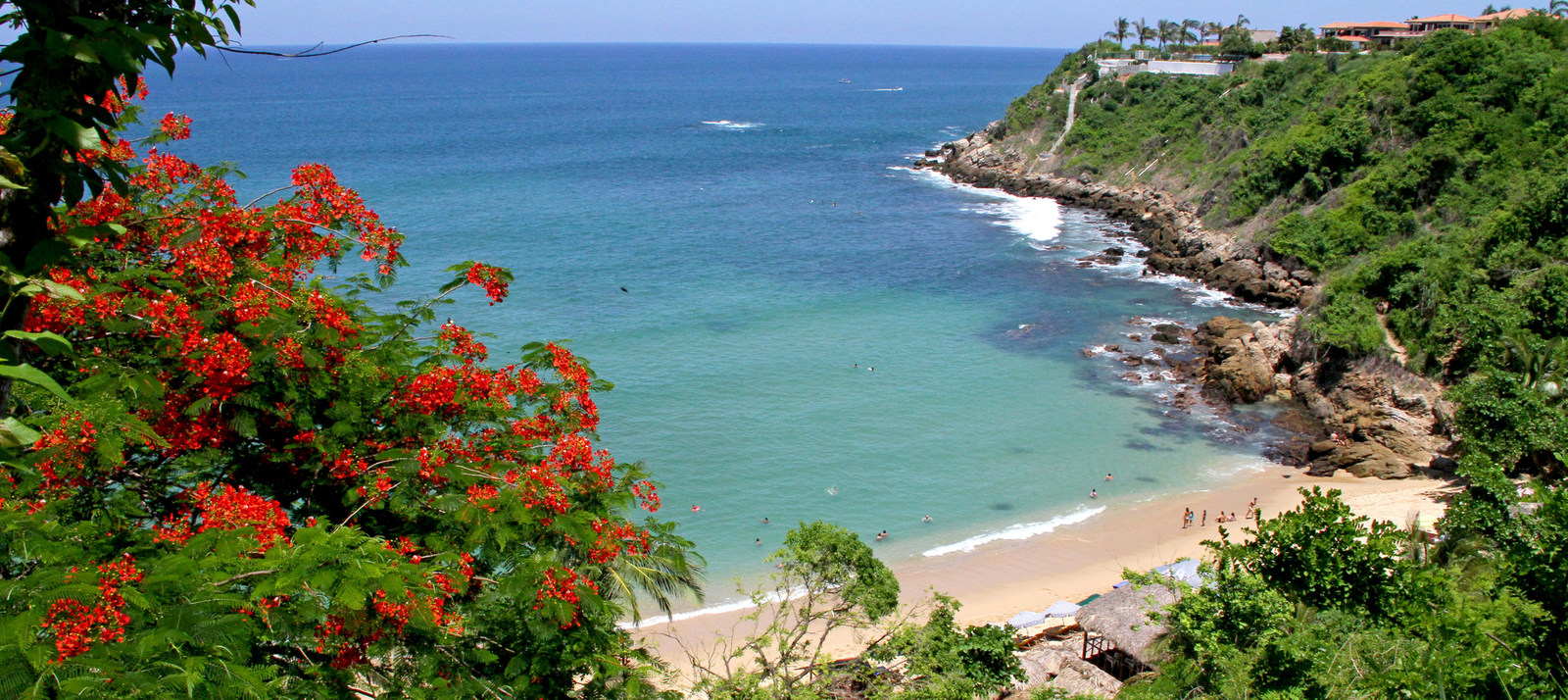
The coastline around Puerto Escondido is not a single beach experience. Playa Zicatela is famous for its dramatic surf and powerful breaks, making it best suited to experienced surfers and attentive spectators. Playa Carrizalillo, reached by a long staircase, is more sheltered and often favored for swimming and relaxed beach time. Playa Principal remains close to the town center and reflects the area’s connection to fishing and everyday local activity.
Further along the coast, Playa Bacocho is known for broad sands and open horizons, while La Punta has developed a casual, bohemian atmosphere with cafés, surf lessons, and sunset gatherings. Boat trips may reveal coves, reefs, and marine life that are difficult to appreciate from land.
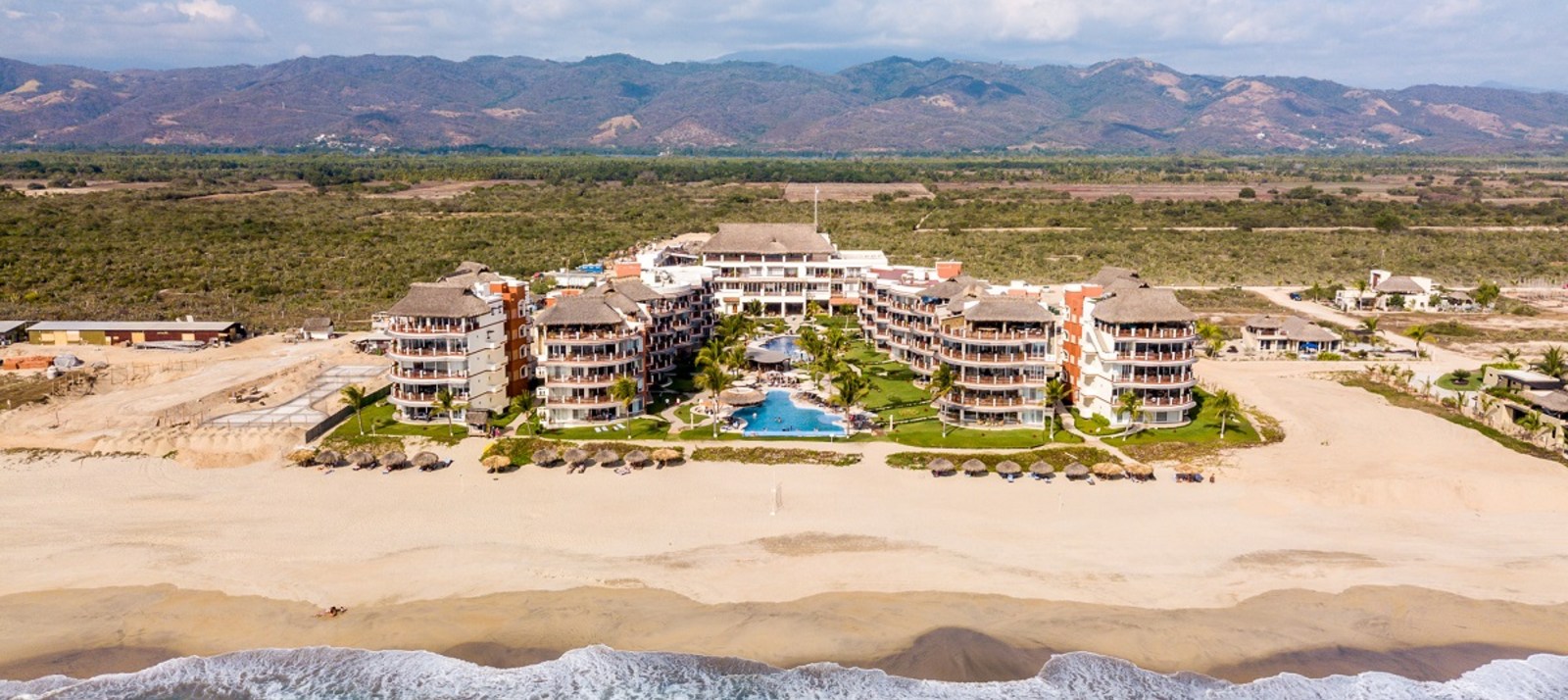
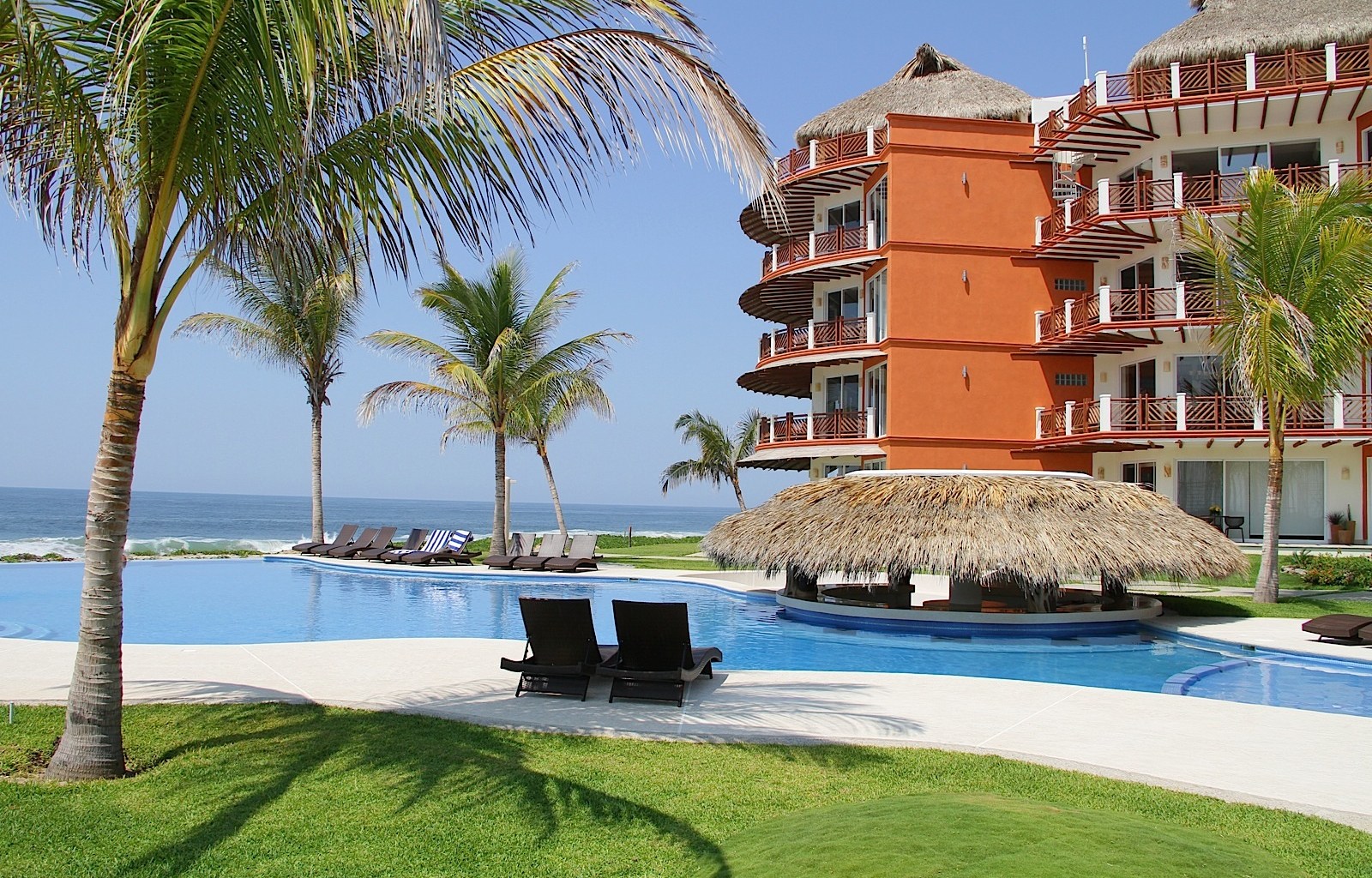
Guests staying near Playa Palmarito can combine these excursions with time at Vivo Resorts, an all-suite beachfront property with ocean views, pools, dining venues, and spacious residences. Before heading out, travelers can use this practical guide on what to pack for coastal conditions, sun exposure, and changing plans.
Slow Travel Along The Oaxaca Coast
A meaningful visit does not require racing between every attraction. Spending time in one neighborhood, returning to a favorite café, or watching fishermen prepare their boats can reveal details that a tightly scheduled itinerary misses. Early mornings are especially rewarding, when the heat is gentler and the coast feels connected to its daily routines.
Excursions can add context when they are chosen thoughtfully. A trip into Puerto Escondido may include markets, beaches, and local dining, while a longer outing along the Oaxaca coast can introduce smaller communities and contrasting landscapes. Travelers should support locally owned operators where possible and follow guidance about photography, wildlife, and access to community spaces.
Rest is part of cultural travel, too. A spa treatment, yoga session, or quiet afternoon overlooking the Pacific creates space to absorb what the day has offered. Guests interested in combining exploration with renewal can explore these wellness retreat ideas before planning a restorative stay.
Ways To Travel With Curiosity
Puerto Escondido becomes more memorable when visitors approach it with attention and respect. Small choices—where to eat, how to shop, and when to slow down—can help connect a holiday with the people and places that make the destination distinctive.
- Learn a few Spanish phrases and use them warmly in markets, restaurants, and taxis.
- Choose local guides for cultural, food, nature, and coastal excursions.
- Ask permission before photographing people, homes, ceremonies, or working spaces.
- Buy crafts from artisans or trusted cooperatives and ask about their origin.
- Protect beaches by reducing single-use plastic and following wildlife guidelines.
The town’s appeal lies in its contrasts: an ancient cultural region with a modern creative scene, a working coast with an international surf identity, and energetic neighborhoods beside quiet beaches. Those contrasts make Puerto Escondido ideal for travelers who want more than a postcard view.
Plan a stay that leaves room for history, food, conversation, and discovery. Choose a comfortable base near the Pacific, arrange excursions at a relaxed pace, and let the stories of Puerto Escondido become part of your experience at Vivo Resorts.